Spend over €100 for discounted shipping!

+421 950 333 113[email protected]

Refined oils 5 l +

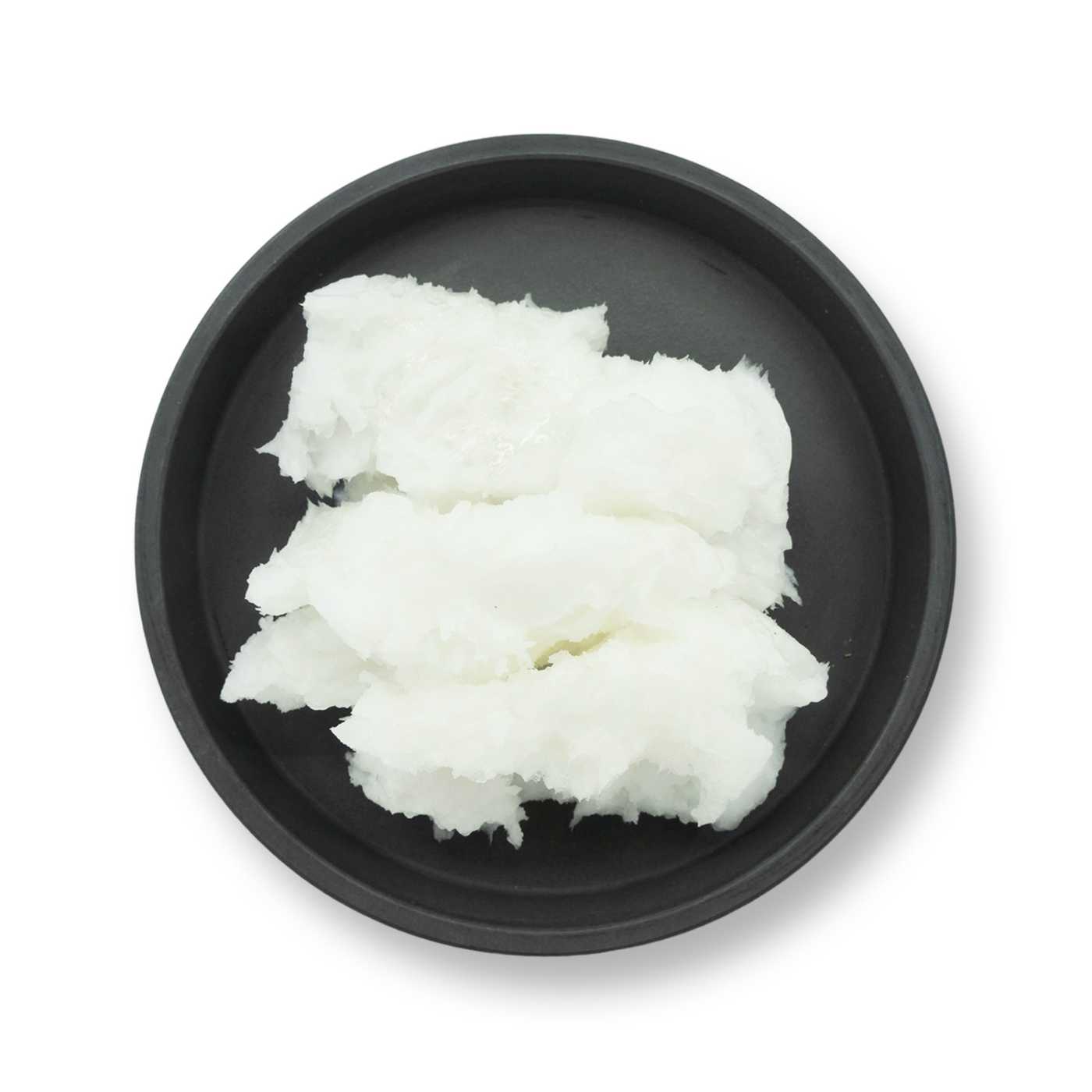
Coconut Oil, Refined, 5 l

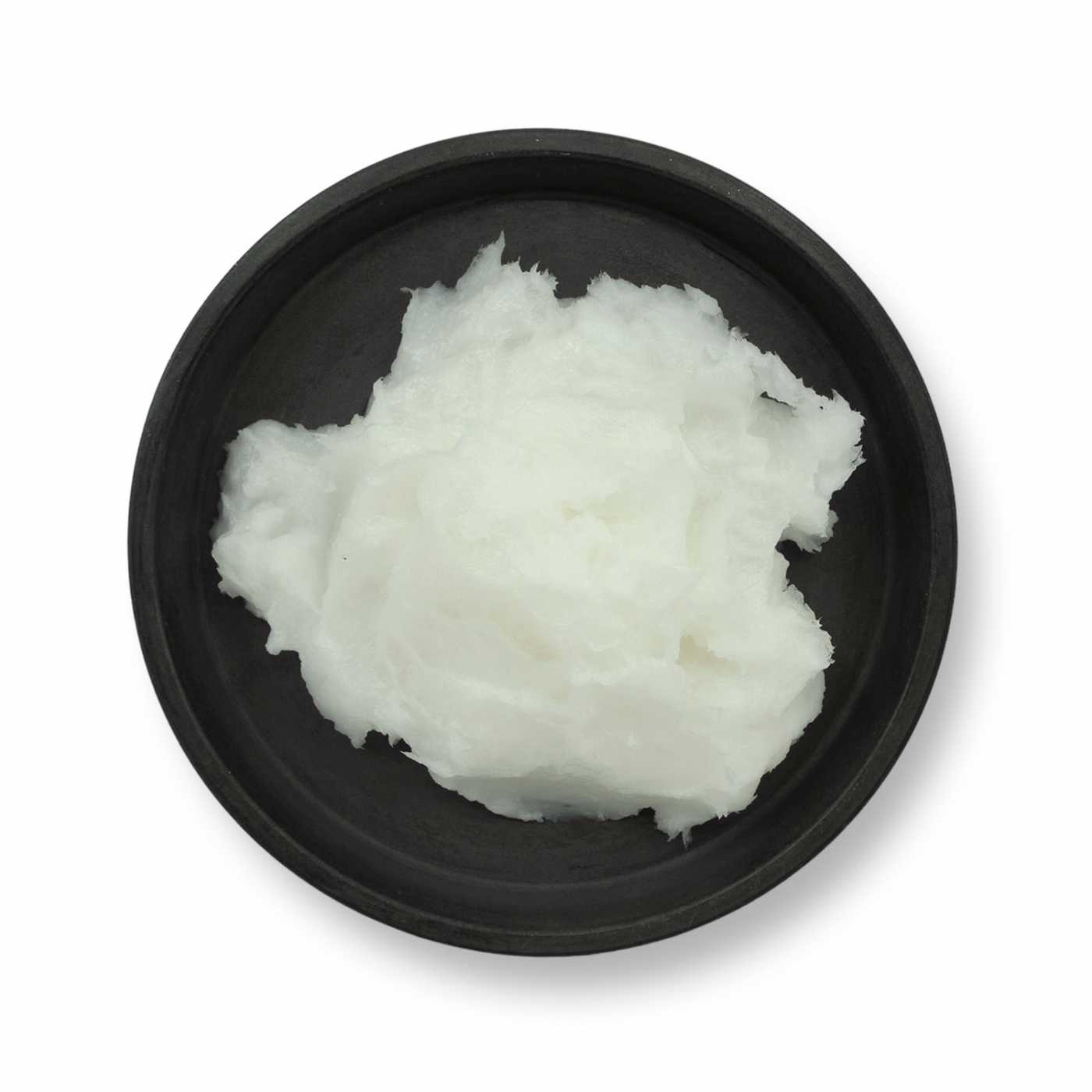
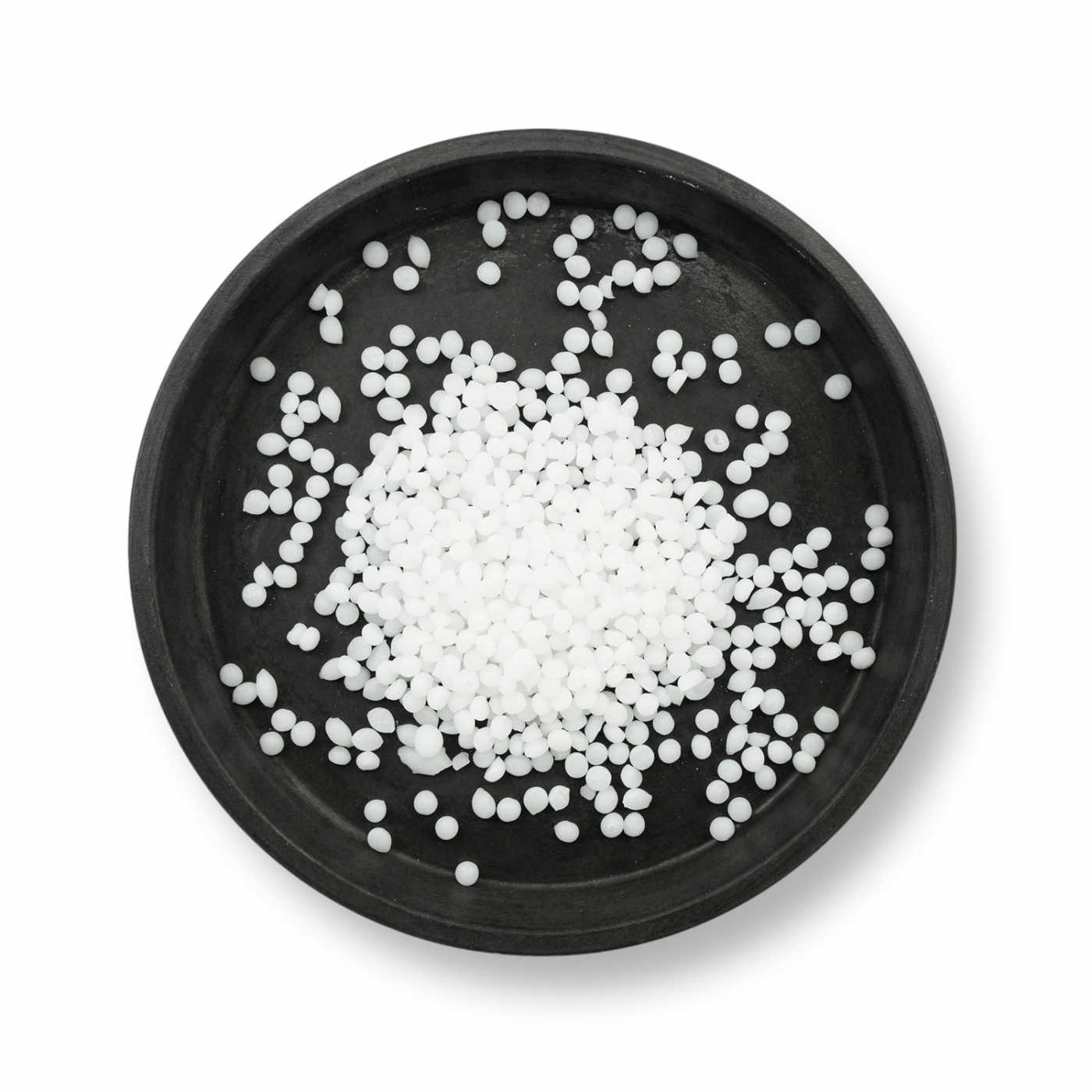
Refined coconut oil is a base emollient for the oil phase and one of the most widely used oils in soap making . full description

AvailabilityPre-order
Product codeOL351_5
€41.57incl. VAT€8.31/l

Lowest price in the last 30 days: €41.57

Pre-orderThis variant is currently out of stock — your order will be a pre-order and delivery may take longer.

Product description

Refined coconut oil is a base emollient for the oil phase and one of the most widely used oils in soap making. Refining and deodorisation have removed the coconut scent, so it does not interfere with the product's fragrance and allows both fragrance and essential oils to shine. The 5 l bucket packaging is intended for those who use it in larger quantities: soap makers, body butter producers and small workshops.

The oil is pressed from the flesh of coconuts (Cocos nucifera). It has food-grade quality, making it suitable for the kitchen as well.


What the oil brings to the formulation

  • Skin softening and nourishment – saturated fatty acids form a film on the skin surface that slows water evaporation and reduces the feeling of tightness. This is most noticeable on dry skin and during the winter months.
  • Support for the skin barrier – the oil replenishes lipids between skin cells and helps the skin retain moisture more effectively. Hydration is therefore indirect, through reducing water loss.
  • Hair conditioning – lauric acid has a small molecule and penetrates the hair shaft. In masks and pre-wash oil treatments it adds shine and smoothness to dry and damaged hair.
  • Consistency without wax – in anhydrous products it acts as a solidifying component. It firms a balm or butter without adding wax and softens instantly on contact with the skin.
  • Neutral scent – the deodorised oil does not mask added fragrances, making it suitable for products with a carefully composed perfume as well as unscented products.

Use in formulation

The oil belongs in the oil phase. In emulsions it melts together with other fats and waxes. The recommended processing temperature does not exceed 80 °C, which poses no issue in standard emulsification. In anhydrous balms and butters it is added warm, or whipped into the blend as the mass cools. In both rinse-off and leave-on products it is usable across the full dosage range, from 1 % as a supplementary ingredient to 100 % in a pure oil product. In water-based systems it is stable over a pH range of 4.5 – 8.5.

In cold process soap, coconut oil is one of the essential raw materials. It gives the bar hardness and a rich lather that forms even in harder water. At the same time it has high cleansing power, so soap with a high proportion of it can dry out the skin. In typical recipes it therefore makes up a smaller portion of the oil blend. Its saponification value differs from that of liquid oils, so always recalculate the amount of hydroxide in a soap-making calculator.

Soap in which coconut oil predominates is strongly degreasing. Such recipes, for example salt soap or laundry soap, require a significantly higher superfat than regular soap.


Suitable for products such as

  • Cold and hot process soap – bar hardness and lather.
  • Body and whipped butters – in combination with shea or cocoa butter it gives a firmer yet easily spreadable consistency.
  • Lip balms and stick balms – together with wax it forms a base that melts on contact.
  • Hair masks and pre-wash oils – for dry and brittle hair, applied before shampoo and then washed out.
  • Massage blends and massage candles – as a solid component that glides well once melted.
  • Creams and body lotions – as part of the oil phase, usually combined with lighter oils so the result is not heavy.
  • Kitchen – baking, frying and cold cooking without a coconut flavour.

Good to know

The composition consists predominantly of saturated fatty acids, mainly lauric acid, and this determines the oil's behaviour. At room temperature it is solid to semi-solid; at body temperature it melts quickly and spreads easily on the skin, with a nourishing feel and no stickiness.

The oil is insoluble in water. It cannot be incorporated into tonics, hydrolats and other water-based products without an emulsifier or solubiliser. It dissolves in oils and alcohol.

Pure oil products without water do not require a preservative. The predominance of saturated fatty acids makes the oil resistant to oxidation; yellowing and rancidity due to oxidation affect it far later than oils rich in polyunsaturated fatty acids. In blends with sensitive oils, an antioxidant such as tocopherol is still advisable for the sake of the other ingredients.

Coconut oil has its limitations on the face. It is suitable for normal and dry skin. For oily skin and skin prone to clogged pores, only a low proportion or a lighter oil is recommended in leave-on products.

Compared to virgin coconut oil, the refined version is free of coconut scent and flavour. In a recipe it behaves the same way in terms of hardness and lather in soap. Virgin oil retains its aroma and influences the finished product with it, which is sometimes desirable and sometimes not.

In a cool room the oil solidifies in the bucket. Before weighing, let it stand in a warmer space or place the bucket in warm water; do not heat it directly on a hotplate. Measure by weight, not by volume, as the volume of solid and melted oil differs.


Frequently asked questions

Is refined coconut oil suitable for cold process soap?
Yes, it is one of the most commonly used oils in cold process soap. It gives the bar hardness and a rich lather, but at a high proportion the soap is more degreasing and can dry out the skin. Sodium hydroxide is calculated using its own saponification value, not the values for liquid oils.
Why is coconut oil solid and how do I melt it?
It solidifies at cooler room temperatures because it contains predominantly saturated fatty acids. Simply warm it in a water bath or leave it in a warmer room; repeated solidification and melting does not damage it. Before weighing into a recipe it is advantageous to have it melted and stirred so that the batch is consistent.
Does refined coconut oil smell of coconut?
No, refining and deodorisation remove the aroma and the oil is nearly odourless. It therefore does not affect the fragrance of the product and is suitable for soaps, balms or butters where only the added scent should be perceptible, or nothing at all.
Can coconut oil be used on the face?
On normal and dry skin, yes – in creams, balms and cleansing oils. For oily skin and skin prone to clogged pores, a low proportion or a lighter oil is recommended in leave-on products, as coconut oil can burden the pores. In rinse-off products, such as a cleansing oil, this risk is considerably lower.
Does pure coconut oil need a preservative or antioxidant?
No preservative is needed; anhydrous oil and products made from it without water do not create an environment for microbial growth. The oil itself does not require an antioxidant, as the predominance of saturated fatty acids makes it resistant to oxidation. In blends with more sensitive oils, add one for their sake.
Is this coconut oil suitable for food use?
Yes, it is supplied in food-grade quality and can be used for baking, frying and cold cooking. Without coconut flavour or scent it acts as a neutral fat that does not alter the taste of food.

Parameters

INCI
Cocos Nucifera Oil
CAS No.
8001-31-8
EC number
232-282-8
Product color
WhiteYellow
Country of origin
India
Processing method
RefiningDeodorization
Formulation phase
Oil phase
Function in formulation
EmollientConditioning agentCarrier
Application area
FaceHairBodyLipsHands
Recommended processing temperature
< 80 °C
Recommended dosage range
1 – 100 % %
Recommended formulation pH range
4,5 – 8,5
Application type
Leave-onRinse-off
Natural Index (NI ISO 16128)
1,00
Natural Origin Index (NOI ISO 16128)
1,00
Organic content
0 %
Renewable Carbon Content (RCC)
100 %
Volume
5000 ml

Product documentation

CoACertificate of Analysis
batch L202370PDF ↓
batch L19994PDF ↓
batch 196294PDF ↓
TDSTechnical Data Sheet
Physical parameters and processingPDF ↓
MSDSSafety Data Sheet
Available for purchased products —
Download all (ZIP)

4 PDF files in one archive

REVIEWS

Verified by customers.

No reviews yet.

Only customers with a delivered order can write reviews.