


Spend over €100 for discounted shipping!

+421 950 333 113[email protected]

BATH BOMBS

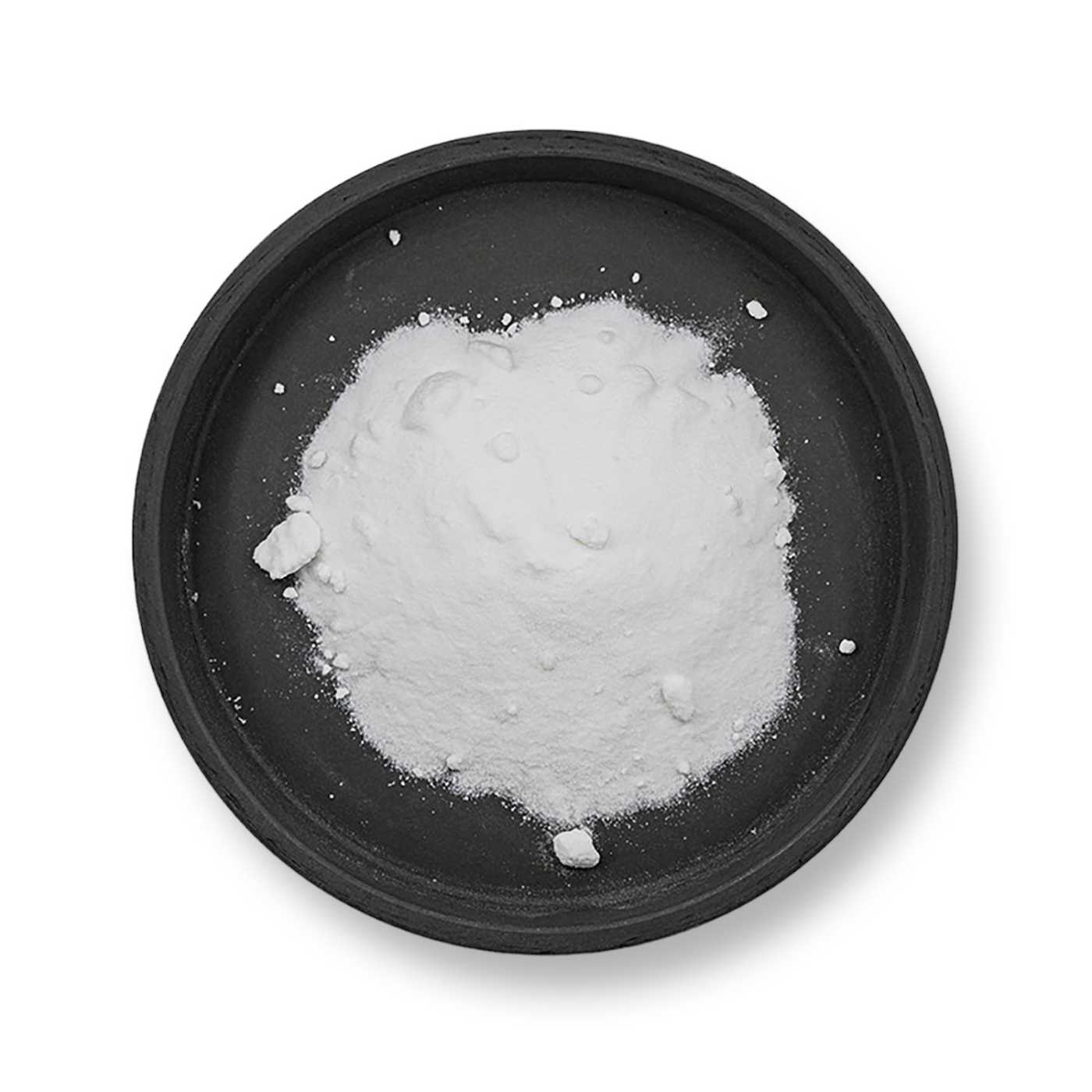
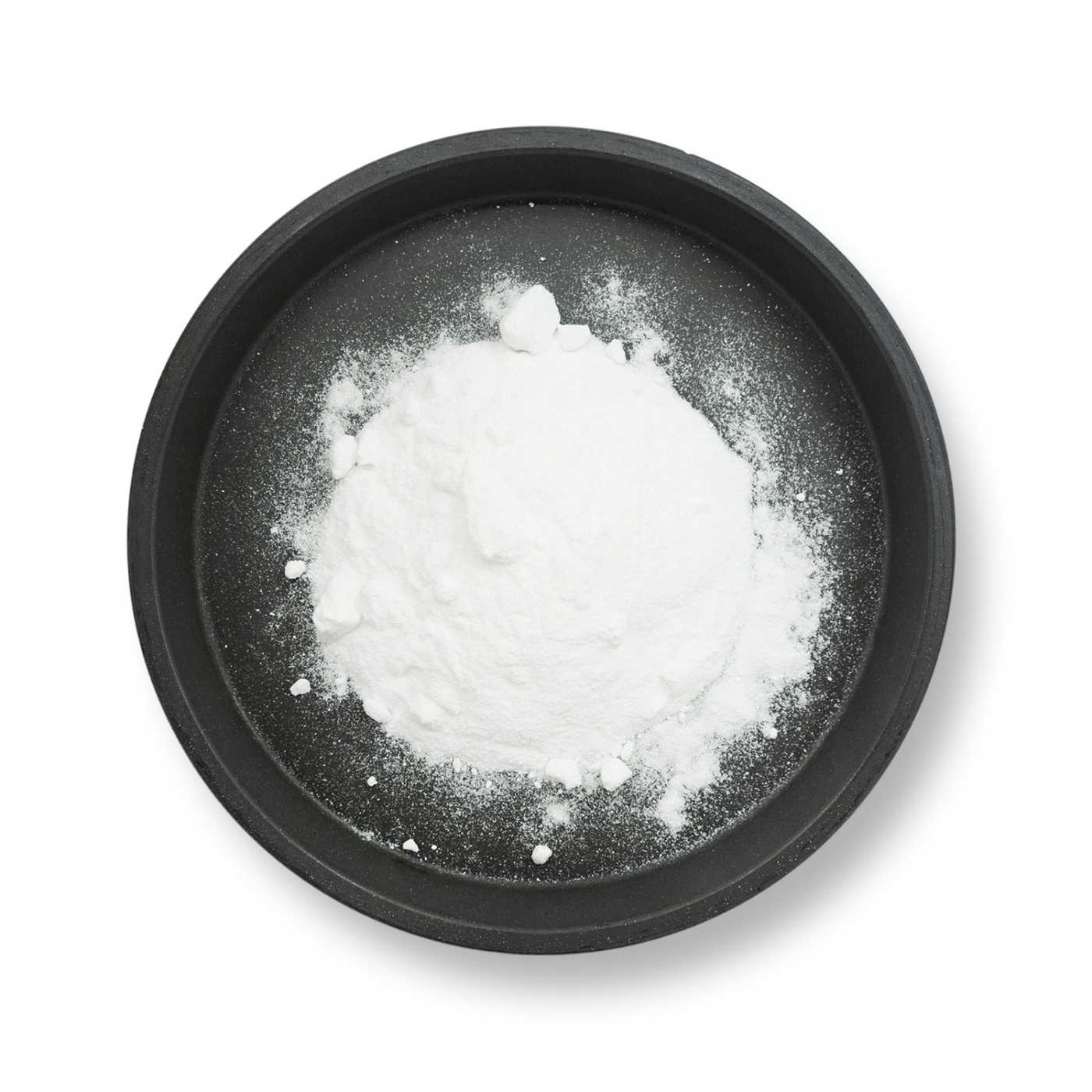
Baking soda, Sodium Bicarbonate, 1 kg

Pack size1 kg5 kg25 kg

Baking soda is sodium bicarbonate in food-grade quality , one of the essential raw materials for bath bombs, tooth powders, deodorants and cleaning products. full description

AvailabilityIn stock · 468 packs
Product codeSODA02_1
Batch072025
Best before07/2027
€2.99incl. VAT€2.99/kg

Lowest price in the last 30 days: €2.99

Product description

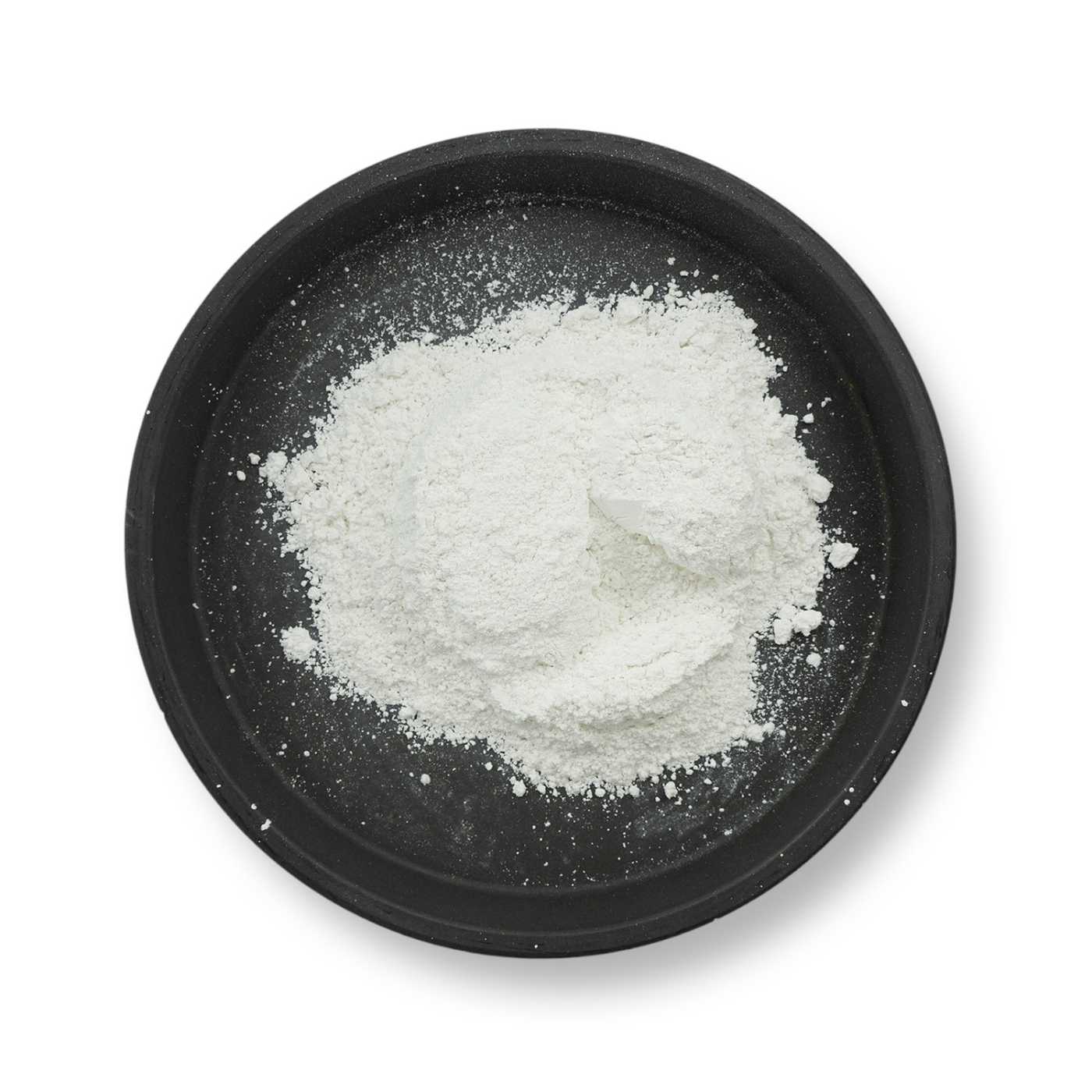
Baking soda is sodium bicarbonate in food-grade quality, one of the essential raw materials for bath bombs, tooth powders, deodorants and cleaning products. In a formulation it performs multiple roles at once: it adjusts and maintains pH, acts as a mild abrasive, binds odours and, in bath bombs, forms an effervescent mass with acid. The ingredient is of European origin, free from preservatives, parabens, PEG, silicones and palm oil-derived ingredients.


What baking soda does in a formulation

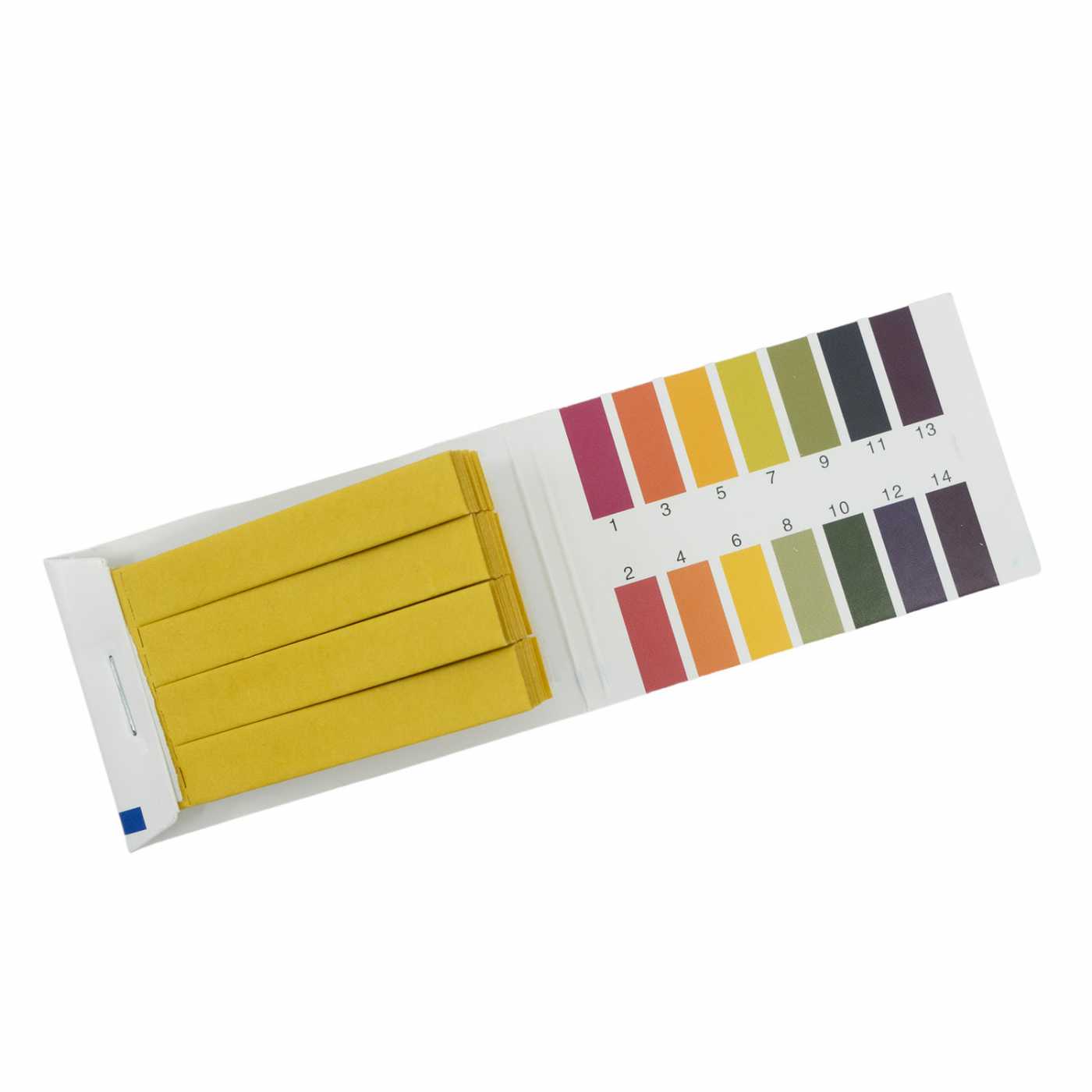
  • pH regulator and buffer – when dissolved in the water phase, it shifts the formulation pH into a mildly alkaline range of around 8.3 and helps maintain it at that value. Suitable where acidic components need to be balanced.
  • Abrasive component – fine crystals mechanically loosen dirt and dead skin cells. This is the basis of the cleansing and exfoliating action of tooth powders, foot scrubs and cleansing pastes.
  • Odour absorption – the powder binds odour-causing substances, making it suitable for deodorants, dry shampoos and scalp care products.
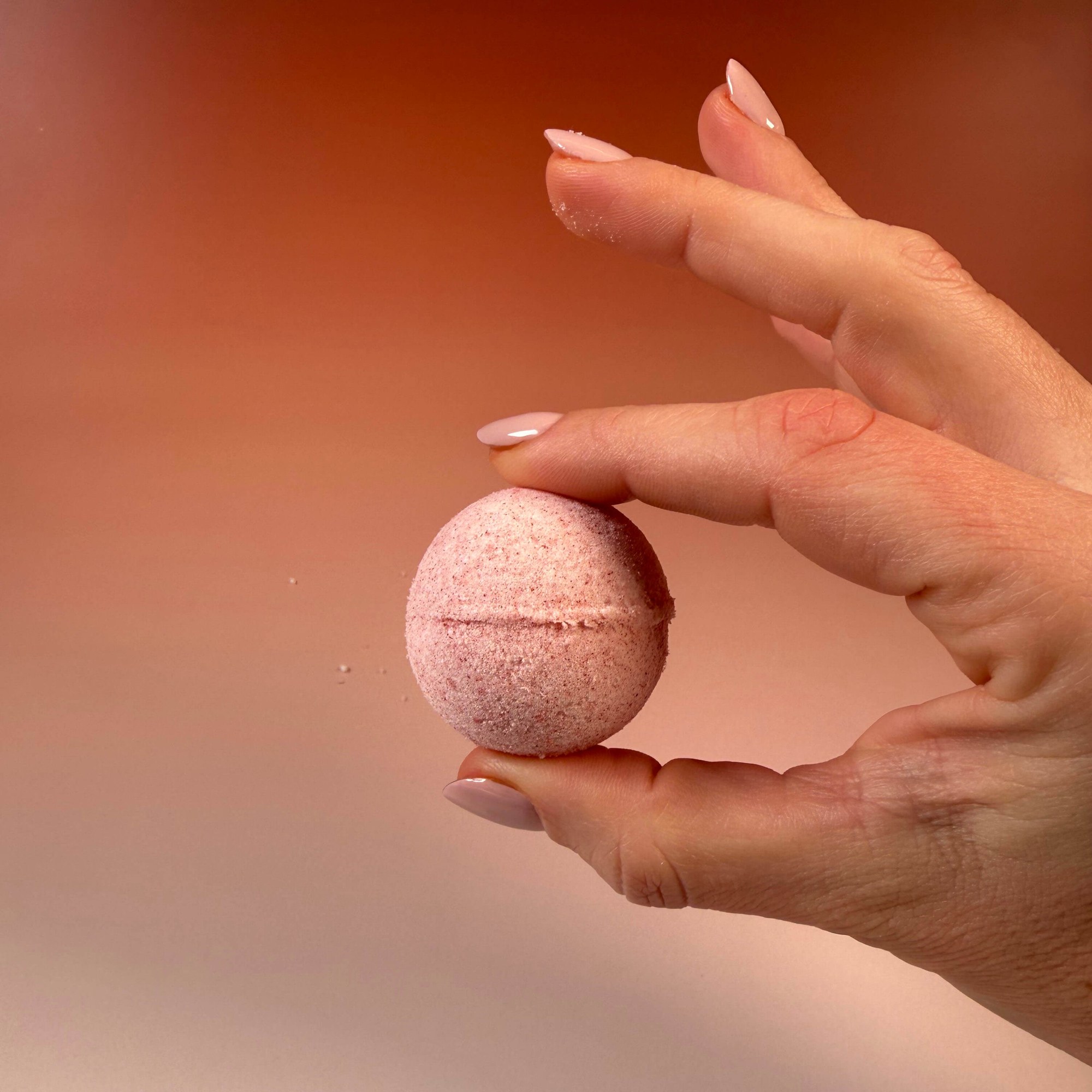
  • Effervescent component – combined with citric acid or another acid, it releases carbon dioxide on contact with water. Bath bombs, fizzing salts and shower fizz tablets all work on this principle.

Use in a formulation

The powder dissolves in water, but not in oil or alcohol. In aqueous products it is therefore added directly to the water phase and dissolved with stirring. In anhydrous products, such as bath bombs or powder deodorants, it remains in solid form and performs its role only upon contact with water or skin moisture.

The recommended processing temperature is up to 50 °C. Baking soda is therefore added cold or to an already cooled phase, not to a hot oil phase or boiling water. The dosage range of 0.1 – 50 % is wide and depends on the product type: fractions of a percent are sufficient for pH adjustment, while in a bath bomb or tooth powder baking soda forms a substantial part of the formulation.

When making bath bombs, work with dry ingredients and dry tools. Moisture will trigger the reaction with citric acid prematurely and the mass will start fizzing before pressing.

Baking soda is not commonly added to emulsions and creams with a mildly acidic pH, as it would shift their pH into the alkaline range. It belongs in products where an alkaline or neutral pH is desirable. For each new formulation we recommend measuring the pH of the finished product.


Suitable for products such as

  • Bath bombs and fizzing salts – combined with citric acid it forms the base of the effervescent mass, complemented by oils, colorants and fragrance components.
  • Deodorants and antiperspirants – in both cream and powder form, it binds odours.
  • Tooth powders and pastes – a mild abrasive for cleaning teeth and freshening the mouth.
  • Soaps and scrubs – added to soap mass or body, hand and foot scrubs as a cleansing and exfoliating ingredient.
  • Dry shampoos and scalp care products – odour absorption.
  • Household cleaning products – pastes, powders and cleaning tablets where baking soda cleans and neutralises odours.

Good to know

The powder readily absorbs moisture. When dampened it clumps and loses its effectiveness in effervescent blends, so crush any lumps or sift the powder before weighing, especially when pressing bath bombs and tablets. When combining with acids, allow for gas release: let effervescent products dry completely before packaging.

In leave-on products, especially deodorants, keep the dosage low and verify skin tolerance on a small area. Alkaline pH may not suit sensitive skin.

Baking soda is not classified as hazardous under the CLP regulation, contains no fragrance allergens or ingredients of animal origin, and has not been tested on animals for cosmetic purposes. Ethylene oxide, nanomaterials and GMO-derived ingredients are not used in production.


Frequently asked questions

Is baking soda soluble in water?
Yes, baking soda dissolves in water; it does not dissolve in oil or alcohol. In aqueous formulations it is therefore added to the water phase with stirring. In anhydrous products, such as bath bombs, it remains in powder form and reacts only upon contact with water.
What is the pH of baking soda and how will it affect a formulation?
Baking soda shifts the formulation pH into a mildly alkaline range of around 8.3 and helps maintain it there, acting as both a regulator and a buffer. It is therefore not suitable for products with an acidic pH, such as most face creams. It is appropriate where a neutral to alkaline pH is desirable.
Can baking soda be added to the hot phase?
No, the recommended processing temperature is up to 50 °C. Baking soda is added cold or to an already cooled phase; when making emulsions, it is added at the end after cooling. After incorporation, check the pH of the finished product, as baking soda shifts it into the alkaline range.
Is baking soda suitable for use in a deodorant?
Yes, baking soda is used in deodorants to absorb odours, in both cream and powder form. As it is a leave-on product with an alkaline pH, lower dosages are recommended and tolerance should be verified on a small area of skin.
Does baking soda require a safety data sheet?
No, baking soda is not classified as hazardous under the CLP regulation, so a safety data sheet under REACH is not required. It is supplied in food-grade quality, contains no materials of animal origin, GMO-derived ingredients or fragrance allergens, and has not been tested on animals for cosmetic purposes.

Parameters

INCI
Sodium Bicarbonate
CAS No.
144-55-8
EC number
205-633-8
Product color
White
Country of origin
Bosnia and Herzegovina
Appearance
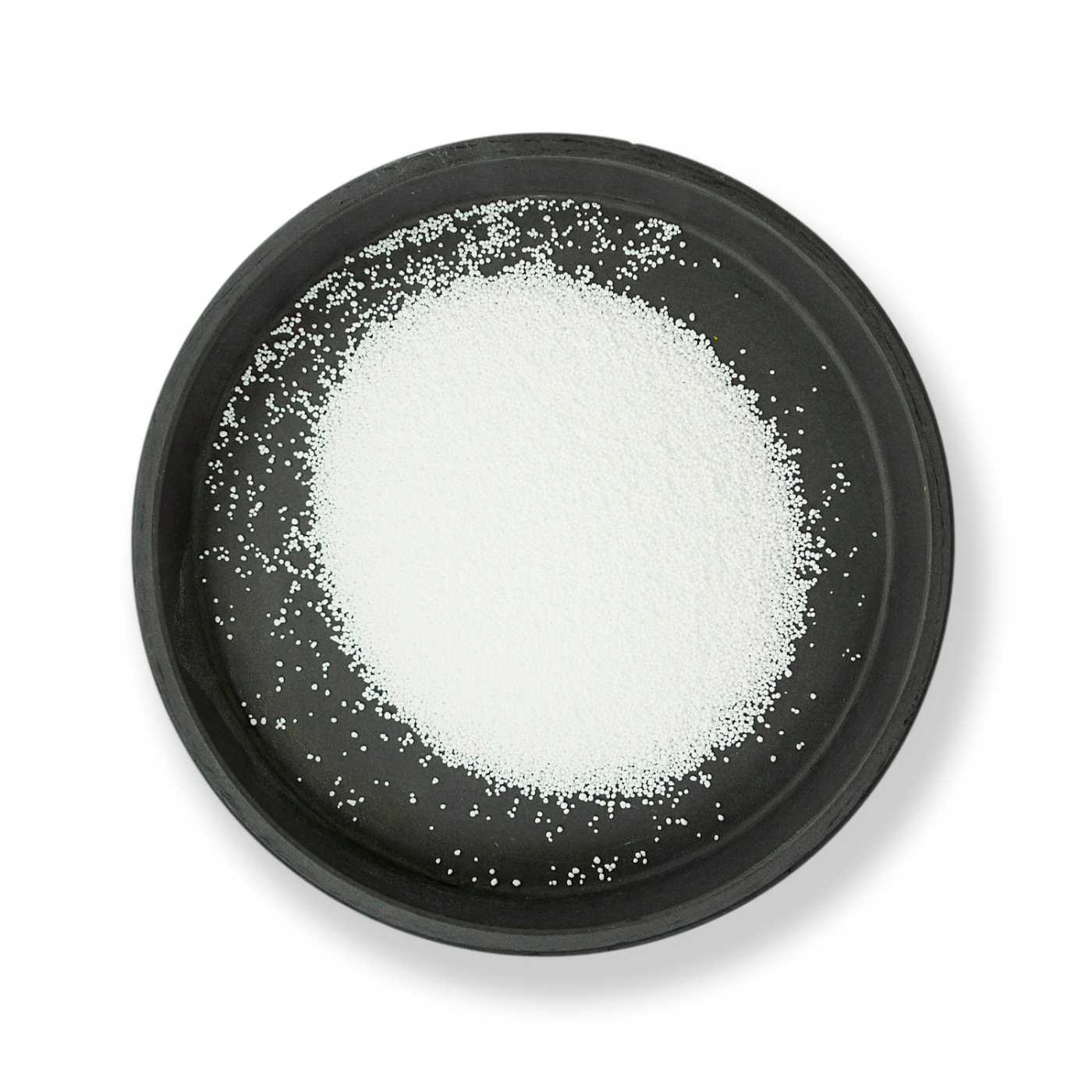
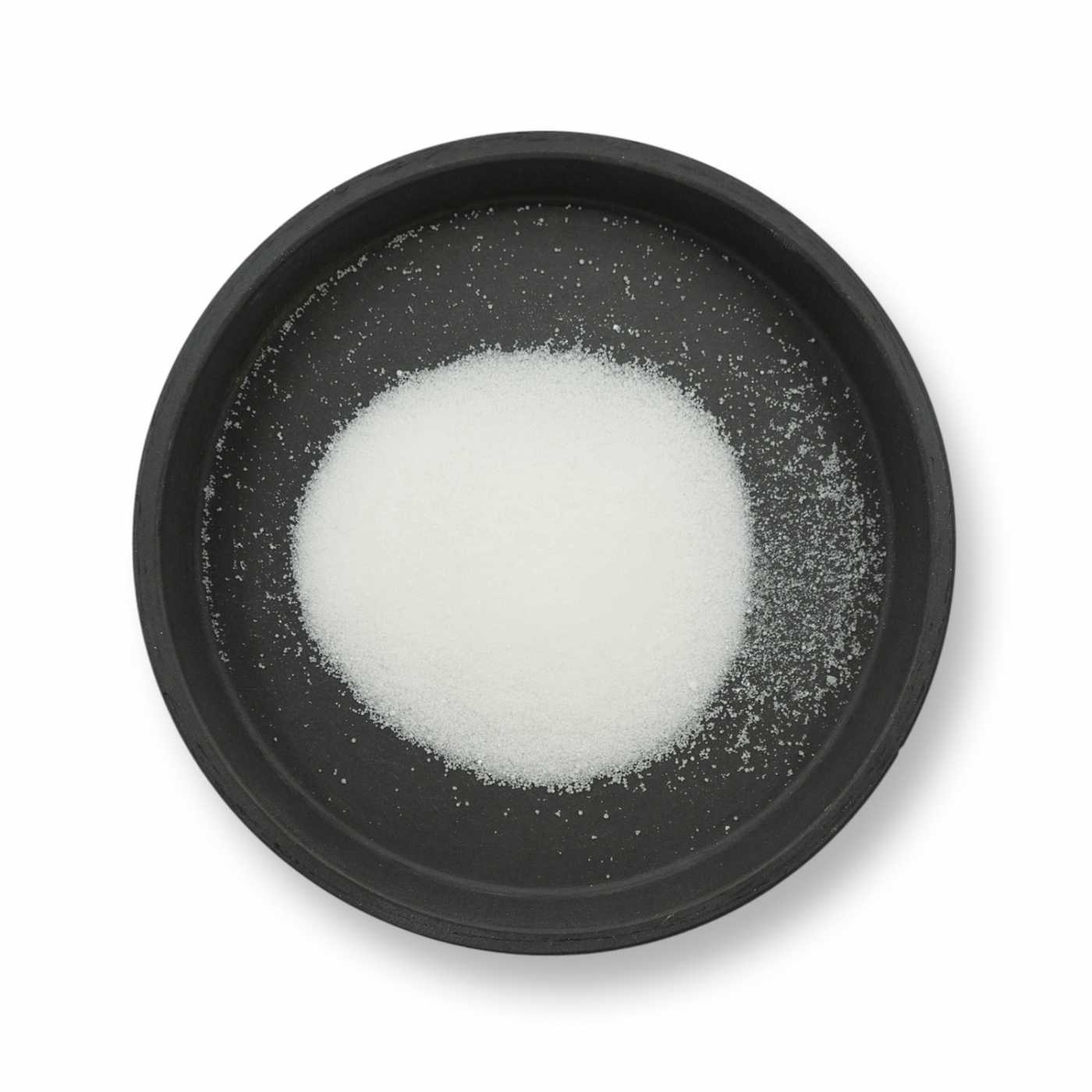
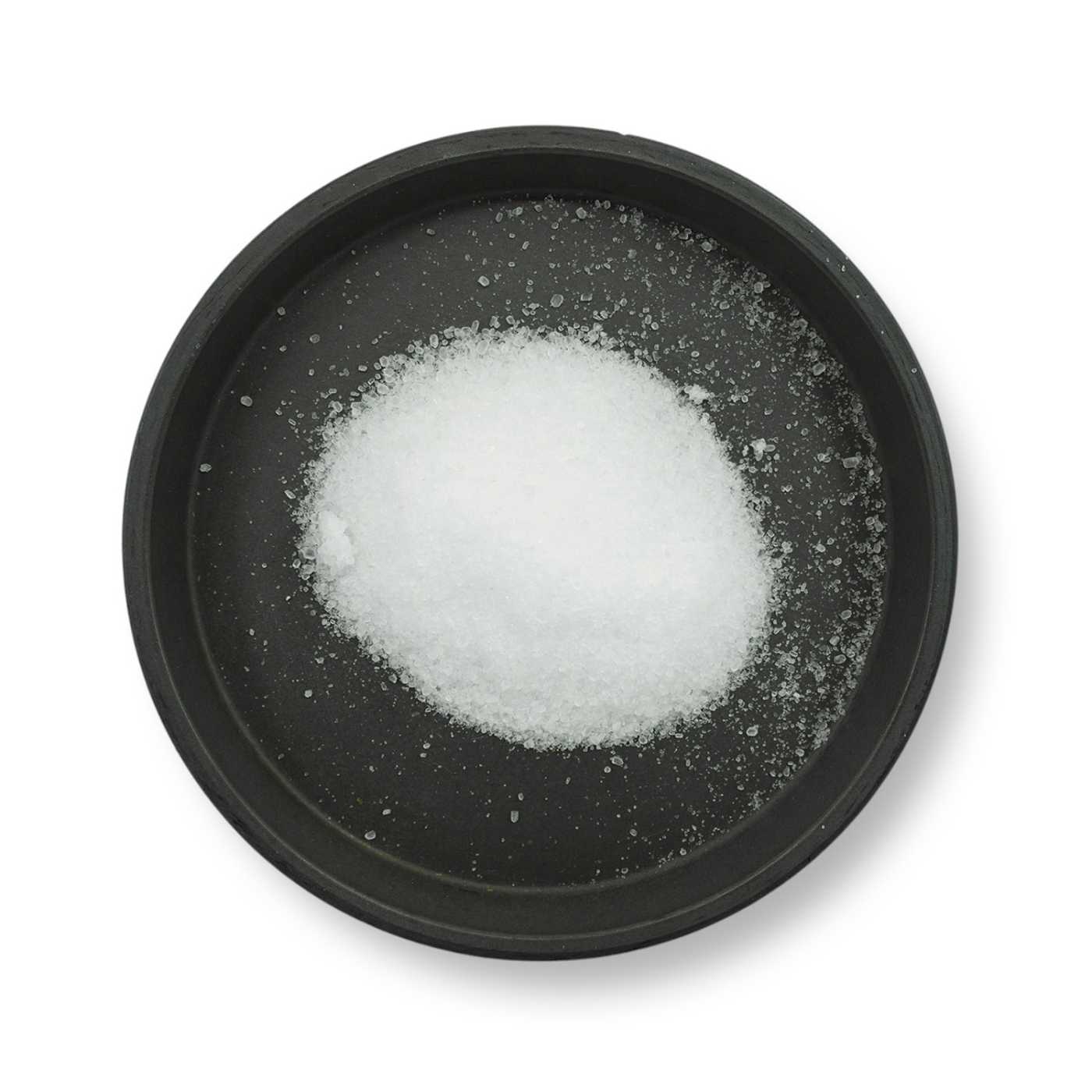
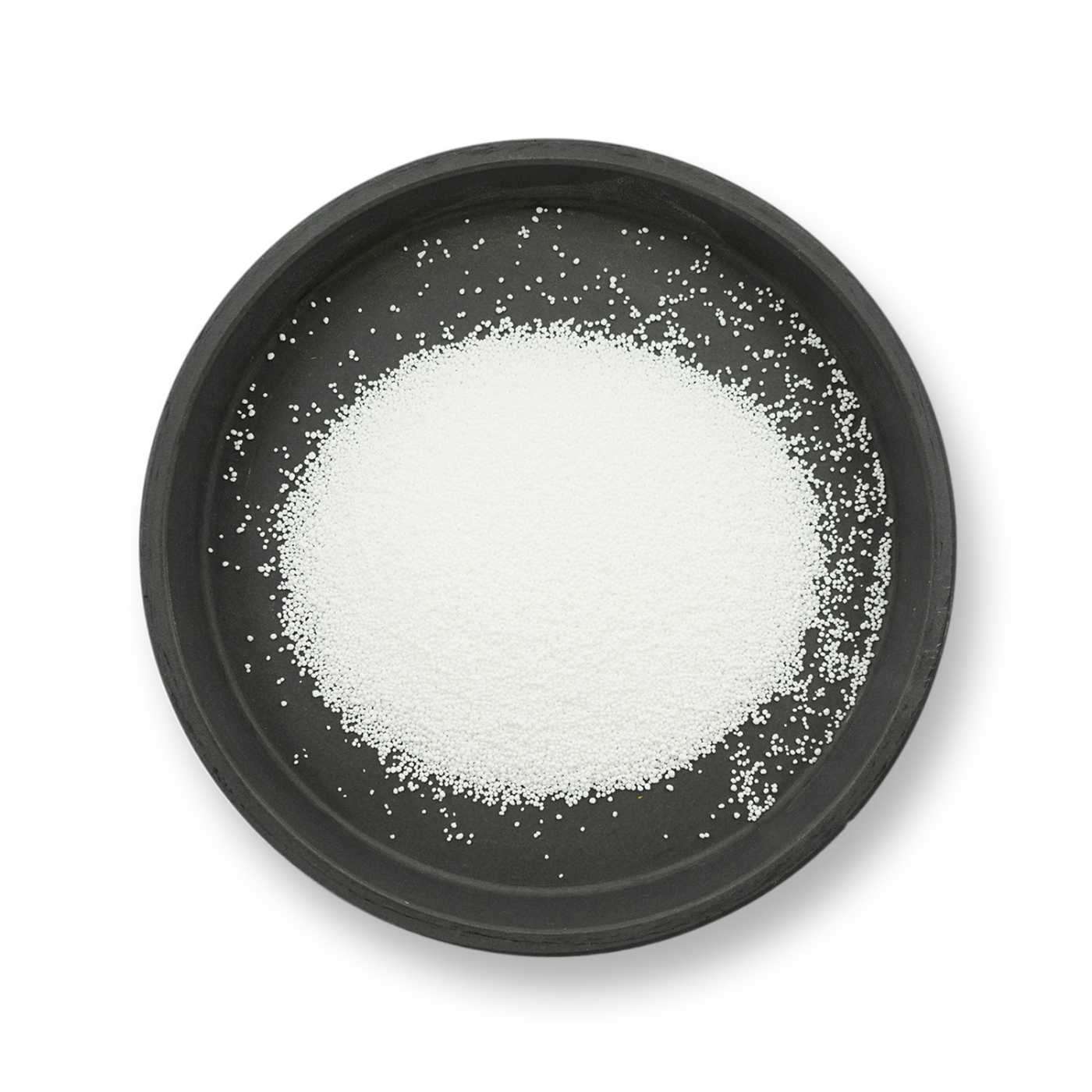
Powder
Formulation phase
Water phasePost-addition
Recommended processing temperature
< 50 °C
Recommended dosage range
0,1 – 50 % %
Recommended formulation pH range
8,3
Application type
Rinse-offLeave-on
Suitable for
All skin types
Biodegradability
Not applicable
Natural Index (NI ISO 16128)
1,00
Natural Origin Index (NOI ISO 16128)
1,00

Product documentation

CoACertificate of Analysis
batch 072025PDF ↓
TDSTechnical Data Sheet
Physical parameters and processingPDF ↓
MSDSSafety Data Sheet
Available for purchased products —
Download all (ZIP)

2 PDF files in one archive

Learn how to work with it

From our blog
Dóra V.28 Sept 2026HU

Verified purchase

Variant: Sóda bikarbóna, hydrogénuhličitan sodný, 1 kg
Nóra S.17 Sept 2026HU

Verified purchase

Variant: Sóda bikarbóna, hydrogénuhličitan sodný, 1 kg