+421 950 333 113info@handymade.storeActive Days: −10 % with code ACTIVE10Shop now

Candle fragrance oils

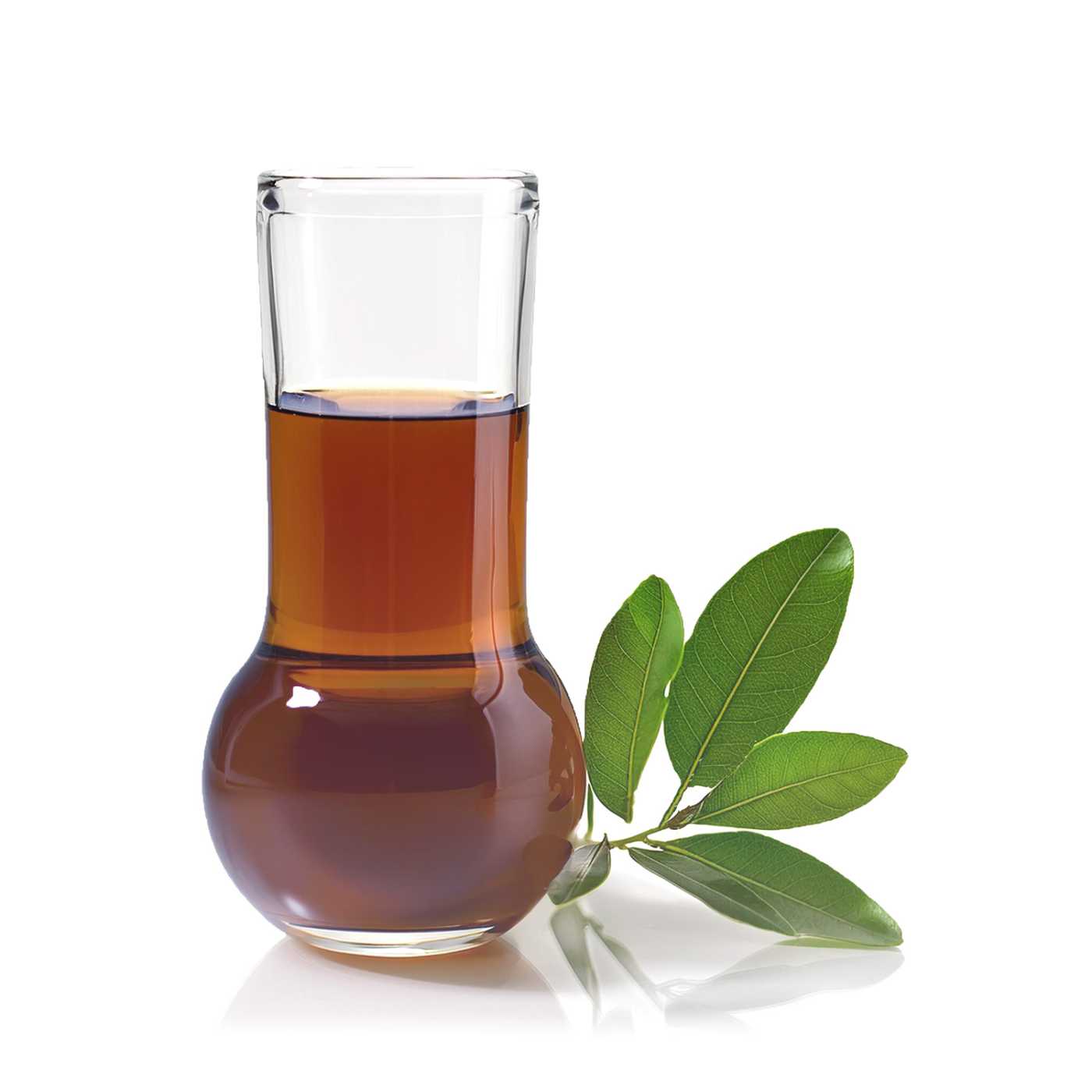
Tea Tree (Australian) Essential Oil, 100 ml

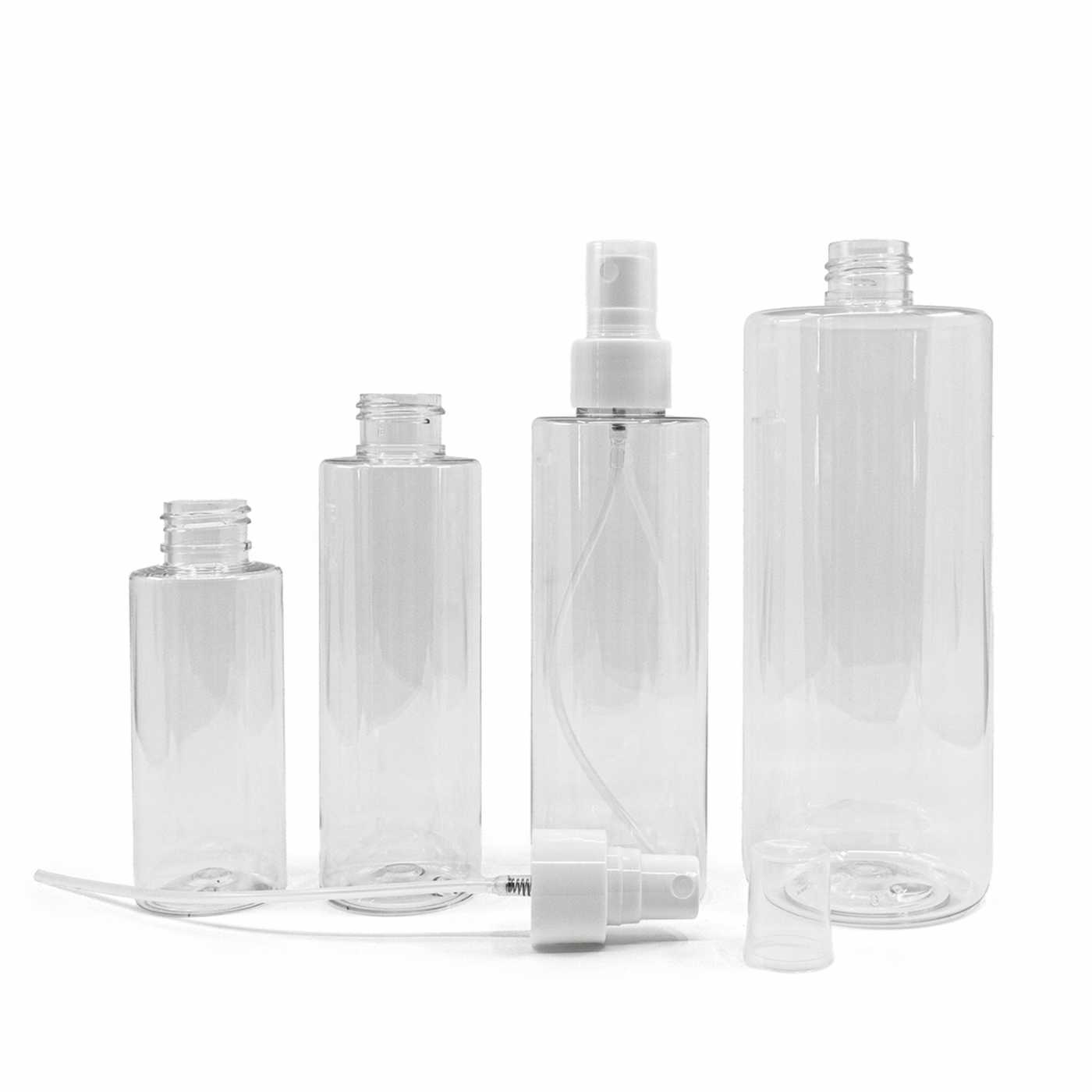
Pack size10 ml100 ml500 ml1 l5 l

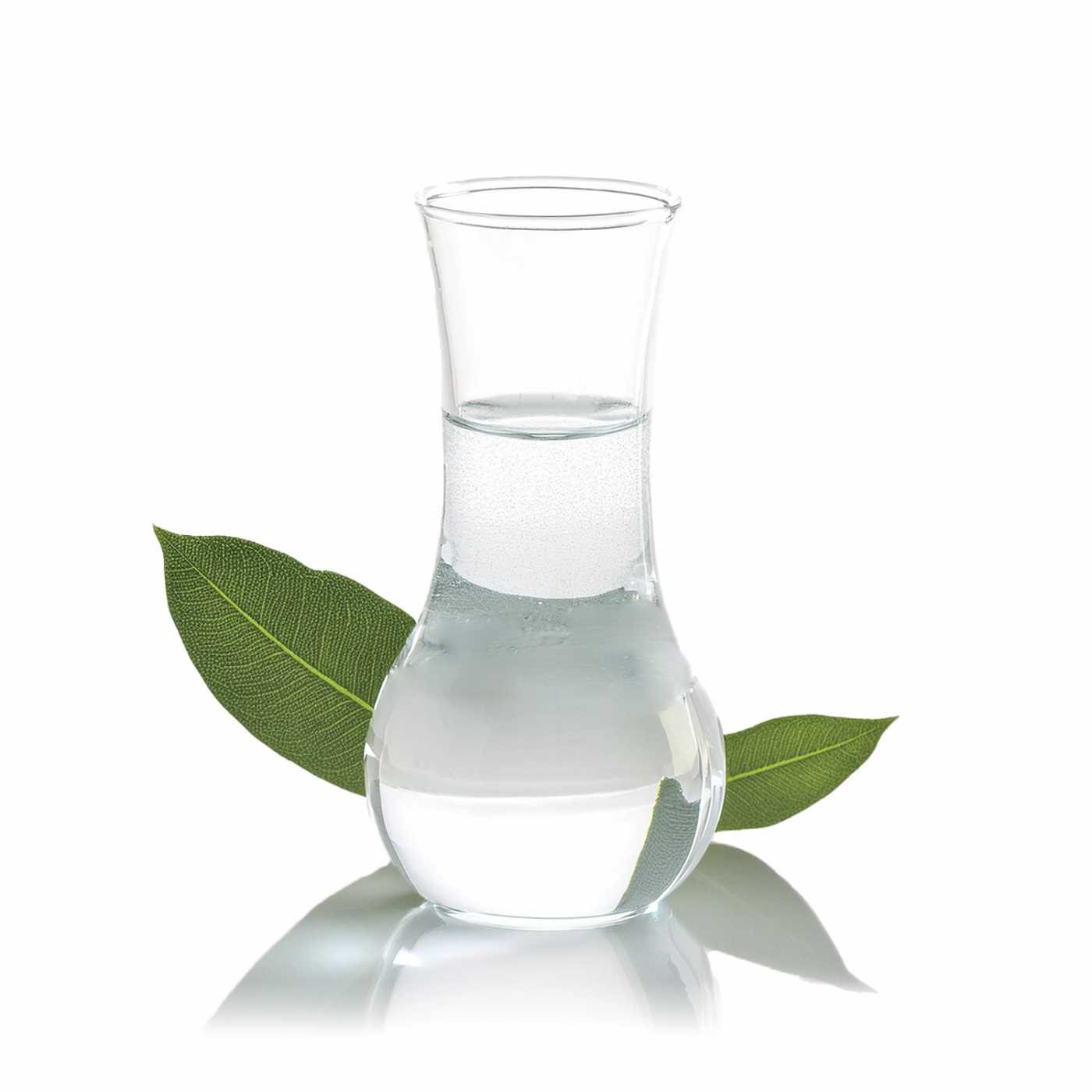
Essential oil from the Australian tea tree is added to cosmetics for its cleansing and antimicrobial properties, which the manufacturer states as its main function. full description

AvailabilityIn stock · 253 packs
Product codeEON085_100
Batch22895
Best before03/2029
€17.84incl. VAT€178.40/l

Lowest price in the last 30 days: €17.84

Product description

Essential oil from the Australian tea tree is added to cosmetics for its cleansing and antimicrobial properties, which the manufacturer states as its main function. It is obtained by steam distillation of the leaves of the Melaleuca alternifolia tree grown in Australia and is supplied pure and undiluted. In a formulation it acts as an active ingredient and a fragrance component at the same time, giving the finished product a distinct herbal scent.

It most often appears in products for oily and problem skin, skin prone to acne, shampoos for hair prone to oiliness and scalp care. It also finds use in foot and hand creams, nail and cuticle products, deodorants and after-sun care. The oil is certified Vegan and the manufacturer does not test it on animals.


What it does in a formulation

The effects listed are manufacturer claims and relate to cosmetic use.

  • Cleansing skin and hair – according to the manufacturer, it helps remove impurities and excess sebum. It suits facial cleansing products, shampoos and products for a scalp that quickly becomes oily.
  • Antimicrobial effect – the manufacturer describes it as an ingredient that supports a clean-looking complexion. In a formulation this is a secondary function of an active ingredient, not a substitute for a preservative system. Water-based products and emulsions containing it must be preserved just as they would be without it.
  • Soothing the skin – the manufacturer states anti-inflammatory and soothing properties and a reduction of redness. These are used in products for irritated skin, after shaving or for an itchy scalp.
  • Cooling and refreshing sensation – it leaves a cooling feeling on the skin, which the manufacturer considers suitable for after-sun products, foot care or refreshing gels.
  • Scalp care – in hair cosmetics the manufacturer recommends it to support a healthy-looking scalp and to cleanse the hair follicles. It also gives the product a fresh scent.

Use in a formulation

The oil is processed at a temperature below 40 °C. It is added to an emulsion only in the cooling phase or at the very end, into the finished, cooled cream, where it is enough to mix it in thoroughly. In anhydrous products such as balms and massage oils, it is mixed into the oil phase after it has cooled. A higher temperature speeds up the evaporation of volatile components and the degradation of the oil, which is why in formulations it is almost always found in the last phase.

It dissolves in oils and alcohol and does not dissolve in water. For a toner, hydrosol or water-based gel, it therefore has to be mixed with a solubiliser first, otherwise it will rise to the surface or cause cloudiness. For water-based products, it is worth making a test sample and checking its clarity after a few days.

The manufacturer does not state a single universal usage rate. The highest amount in the finished product is determined by the IFRA limit for the given product category, for example category 1 covers lip products, category 9 soaps and shampoos, and category 12 candles. The limits for all categories can be found in the IFRA certificate in the Product documentation section. In supplier formulations and professional formulations, the oil is used at a low level, usually 0.1–0.5%, most often around 0.3%, in balms, creams, lotions, serums, masks, scrubs, deodorants and shampoos alike.

The 2025 SCCS assessment considers tea tree oil a moderate skin sensitiser and regards a maximum of 2% in shampoo, 1% in shower gel and in a facial cleansing product, and 0.1% in a face cream as safe. This applies to oil with a composition according to ISO 4730:2017, which this product meets, and does not apply to sprays and aerosols. Always compare the rate with the IFRA limit for your product category as well.

In formulations it is most often combined with tocopherol, which protects the oil against oxidation, with lavender and rosemary essential oil, allantoin, glycerine and xanthan gum. In products for skin prone to acne and in aftershave cosmetics, it is paired with salicylic acid, panthenol or menthol.


Suitable for products such as

  • Facial cleansing gels and foams – a rinse-off product for oily and problem skin, where the manufacturer emphasises the cleansing function.
  • Spot serums and gels for blemishes – a low usage rate in a leave-on product, usually in combination with soothing ingredients.
  • Shampoos and rinse-off conditioners – for hair prone to oiliness and for a scalp that needs refreshing.
  • Scalp toners and sprays – the SCCS safe limits do not apply to sprays, so the rate must be assessed separately.
  • Foot, hand and nail creams – including cuticle products.
  • Deodorants – in sticks and cream deodorants alike, as an active and fragrance ingredient.
  • After-sun and aftershave products – for the cooling feeling and soothing effect stated by the manufacturer.
  • Lip balms – only within the IFRA limit for category 1.
  • Diffusers, aromatherapy blends and candles – as a fragrance component; for candles the IFRA limit for category 12 applies.

Good to know

The composition of the oil corresponds to the ISO 4730:2017 standard: the terpinen-4-ol content is 35–48% and the 1,8-cineole content is at most 10%. The oil is colourless to pale yellow, so at normal usage rates it does not affect the colour of the finished product.

As the oil ages and oxidises, its composition changes. Terpinene levels fall and oxidation products build up, and these are the main cause of allergic reactions. Oxidised oil sensitises much more strongly than fresh oil. Only oil in good condition therefore belongs in cosmetics, and stability must also be maintained in the finished product, for example with an antioxidant such as tocopherol. The oil does not tolerate contact with strong acids, alkalis and oxidising agents, or extreme heat. It does not react with water.

The oil is flammable, with a flash point of 56–59 °C, so keep it away from heat and open flame when working and keep the container closed. The substance is classified under the CLP Regulation and contains hazardous substances; details of the classification and safe handling are in the safety data sheet (SDS). Undiluted oil is not applied to the skin.


Frequently asked questions

Is tea tree essential oil soluble in water?
No, tea tree oil does not dissolve in water; it dissolves in oils and alcohol. For a toner, hydrosol or water-based gel, it is therefore mixed with a solubiliser first, otherwise it stays on the surface or causes cloudiness. In a cream or lotion, a solubiliser is not needed; the oil is mixed into the finished, cooled emulsion.
How much tea tree oil should be added to a cream or shampoo?
There is no universal rate; the upper limit is set by the IFRA limit for the product category. In formulations, tea tree oil is usually used at 0.1–0.5%. The 2025 SCCS assessment regards a maximum of 0.1% in a face cream and 2% in a shampoo as safe. You can find the specific limit for your category in the IFRA certificate in the product documentation.
At what temperature is tea tree oil added to an emulsion?
Tea tree oil is added at a temperature below 40 °C, that is, in the cooling phase or only into the finished, cooled emulsion. At a higher temperature the volatile components evaporate and the oil deteriorates faster, which weakens both the scent and the effect. In an anhydrous balm, it is mixed in after the oil phase has cooled, not into the hot mass.
Is tea tree oil suitable for sprays and aerosols?
Tea tree oil can be used in sprays, but the safe limits from the SCCS assessment do not apply to sprays and aerosols. The rate must be assessed separately according to the IFRA limit for the given category and the safety assessment of the finished product. The same procedure applies to air freshener sprays and to scalp sprays.
What does it mean when tea tree oil meets the ISO 4730 standard?
The ISO 4730:2017 standard defines the composition of genuine tea tree oil, above all a terpinen-4-ol content in the range of 35–48% and a 1,8-cineole content of at most 10%. An oil that meets it has the composition to which the safe limits from the SCCS assessment apply. For an oil with a different composition, these limits cannot be used.

Parameters

INCI
Melaleuca Alternifolia Leaf Oil
CAS No.
85085-48-9 / 8022-72-8 / 68647-73-4
EC number
285-377-1
Country of origin
Australia
Appearance
Liquid
Recommended processing temperature
< 40 °C
Application type
Leave-onRinse-off
Certifications
Vegan
Manufacturer's certificate
BRC
Natural Index (NI ISO 16128)
1,00
Natural Origin Index (NOI ISO 16128)
1,00
Organic content
0 %
Renewable Carbon Content (RCC)
100 %
Volume
100 ml

Product documentation

CoACertificate of Analysis
batch 22895PDF ↓
batch 21661PDF ↓
TDSTechnical Data Sheet
Physical parameters and processingPDF ↓
IFRAIFRA Certificate
batch 22895PDF ↓
AllergensAllergen Declaration
batch 22895PDF ↓
SDSSafety Data Sheet
Available for purchased products —
Download all (ZIP)

5 PDF files in one archive

Learn how to work with it

From our blog
Monika9 Aug 2026SK

Verified purchase

Excellent!

Translated automatically

sirje K.15 Nov 2026EN

Verified purchase

Katalin C.11 Oct 2026HU

Verified purchase

Variant: Esenciálny olej, tea tree, Austrália, 100 ml

MICHAELA K.30 Sept 2026CS

Verified purchase

Variant: Esenciálny olej, tea tree, Austrália, 100 ml
(4 reviews)