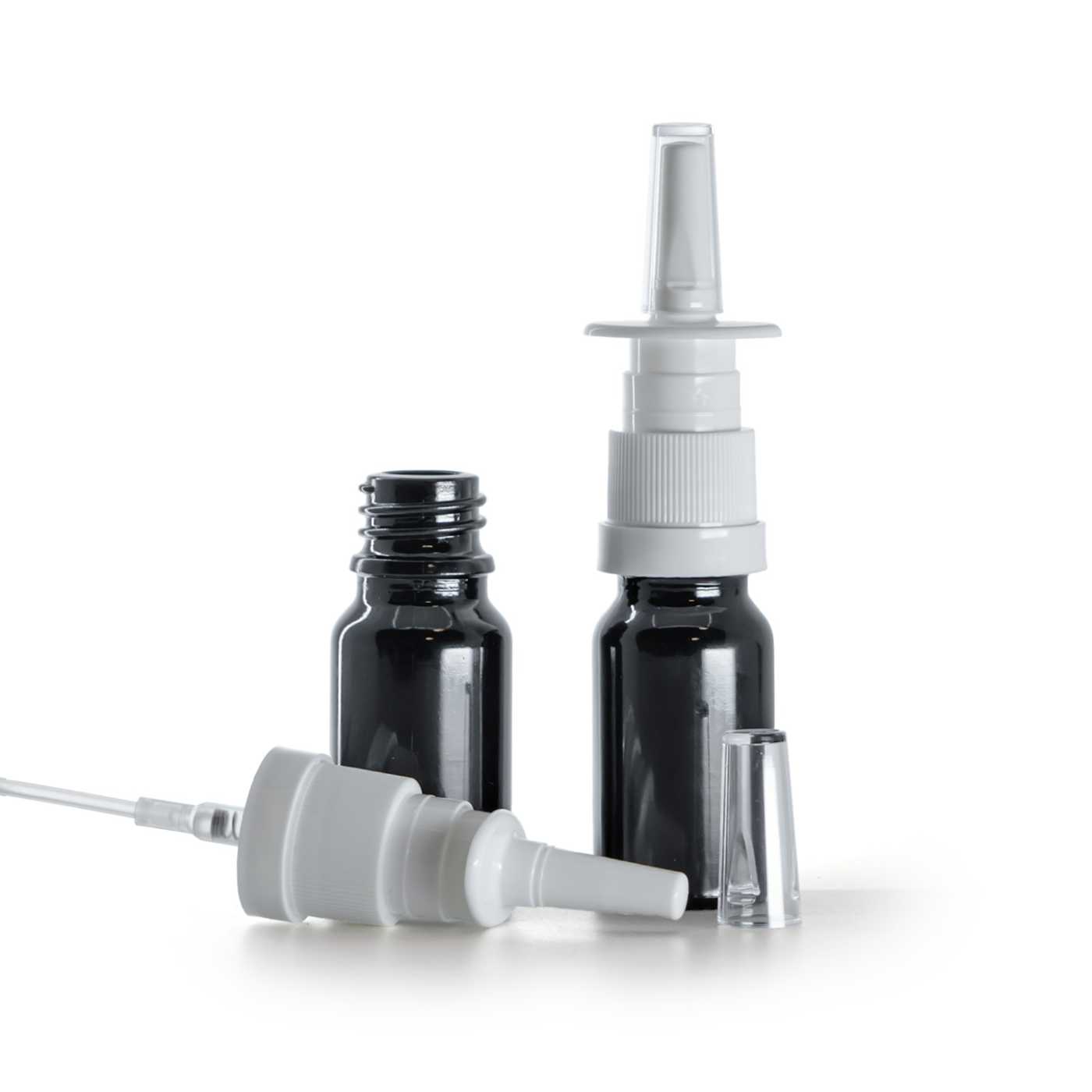

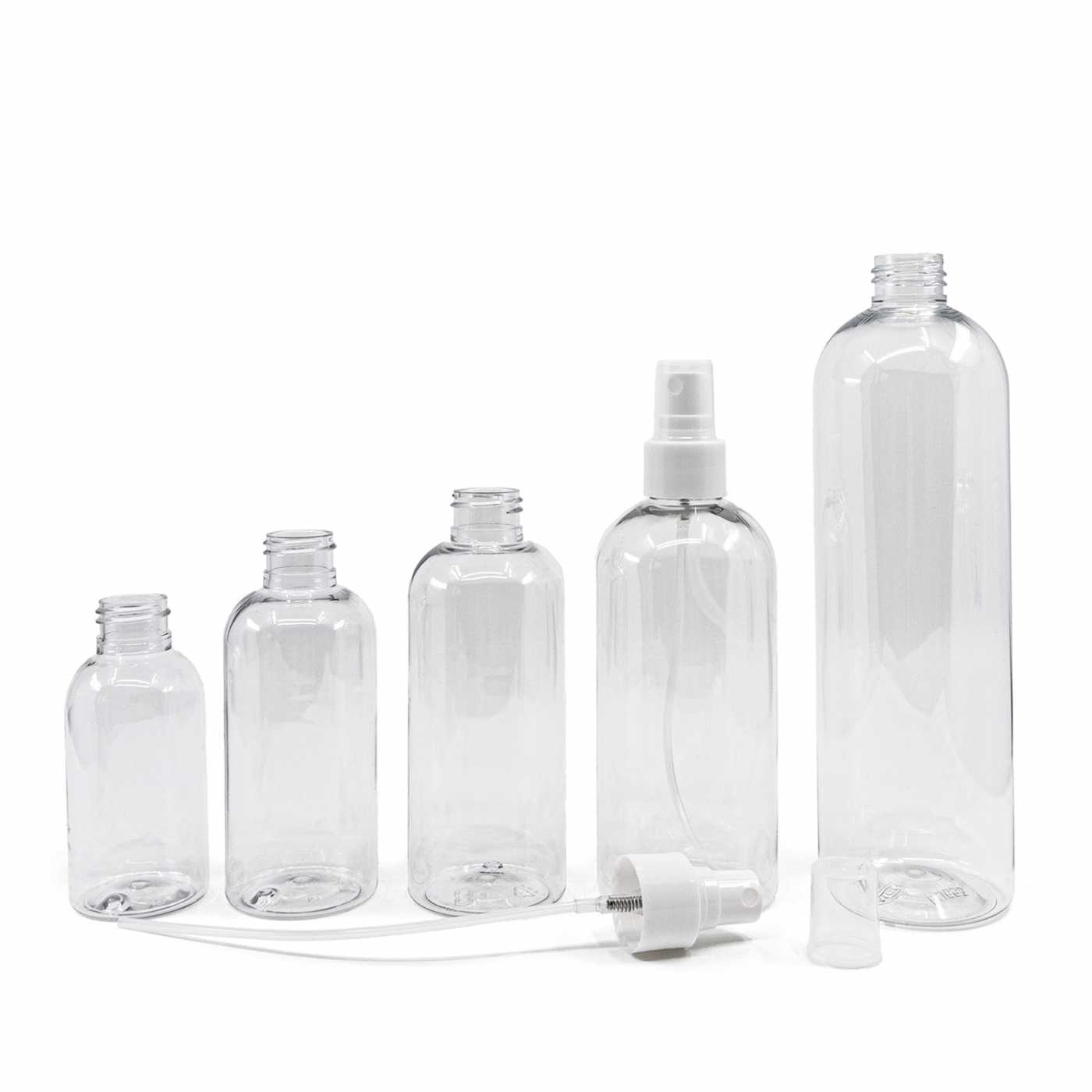
Rounded Clear Plastic Bottle, White Fine Mist Spray, 100 ml
Pre-order€0.76

Candle fragrance oils
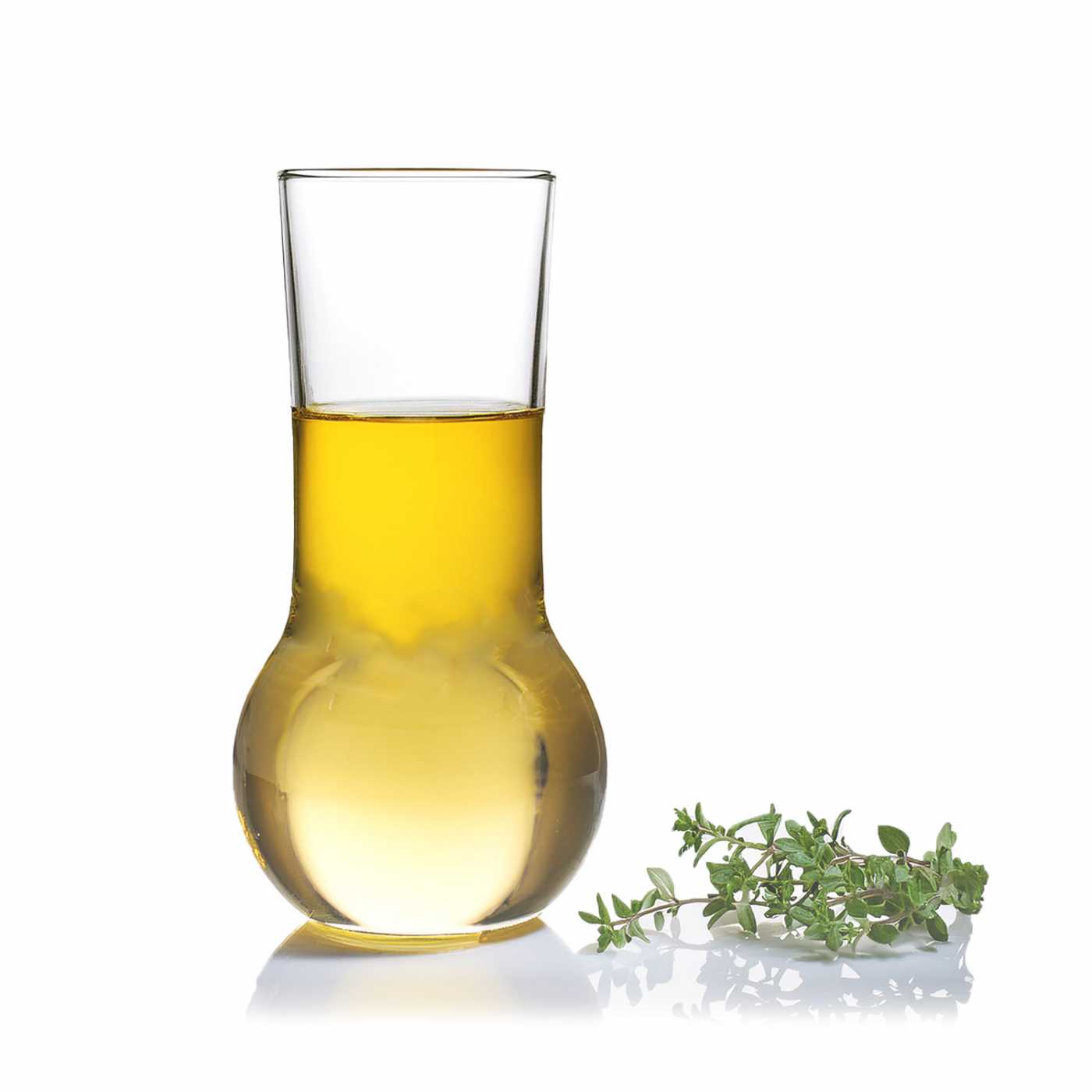
White thyme essential oil is a fragrance ingredient with a distinctive herbal, spicy scent for cosmetics, soaps, candles and aromatherapy blends. full description
Lowest price in the last 30 days: €1.98
White thyme essential oil is a fragrance ingredient with a distinctive herbal, spicy scent for cosmetics, soaps, candles and aromatherapy blends. It is obtained by steam distillation of the flowers and leaves of common thyme from European cultivation. The manufacturer classes it among oils with a stimulating and cleansing character, so it is particularly suitable for products intended to feel fresh and invigorating.
In a formulation it serves as a fragrance ingredient. It dissolves in oils, does not mix with water and is added only to the finished or cooling mixture. The usage rate is determined by the IFRA limits for the specific product category.
These properties come from the manufacturer’s marketing materials. They are cosmetic characteristics of a fragrance ingredient, not therapeutic claims, and how they show in the finished product depends on the usage rate and the rest of the recipe.
The oil is added during the cooling phase of an emulsion or as a later addition to a finished base. With emulsions, wait until the mixture has cooled enough that the volatile components do not escape, and then stir the oil into the already stabilised cream. In anhydrous products such as body oils or balms, it is mixed directly into the oil phase.
In water-based systems (toners, sprays, hair tonics) it does not dissolve by itself. It needs a solubiliser, for example Polysorbate 20 or PEG-40 Hydrogenated Castor Oil. Check the ratio of solubiliser to oil on a small sample until you achieve a clear mixture.
The exact usage rate is not given as a single value. The binding figure is the IFRA limit for the category of your product (for example category 4 for perfumes, 5A for body creams, 9 for soaps and shampoos, 12 for candles). Check the value for the relevant category in the IFRA certificate for the product and label the finished product accordingly.
The oil is classified under the CLP Regulation and carries the pictograms GHS02 (flammable), GHS05 (corrosive to skin and materials), GHS07 (irritant, sensitisation), GHS08 (serious health hazard) and GHS09 (environmental hazard). It is classified as CMR under Regulation (EC) No 1272/2008; the CMR components are gamma-terpinene and p-cymene. Handle the undiluted oil wearing gloves, away from heat sources and in a well-ventilated area. It also contains fragrance allergens under Annex III of Regulation (EC) No 1223/2009.
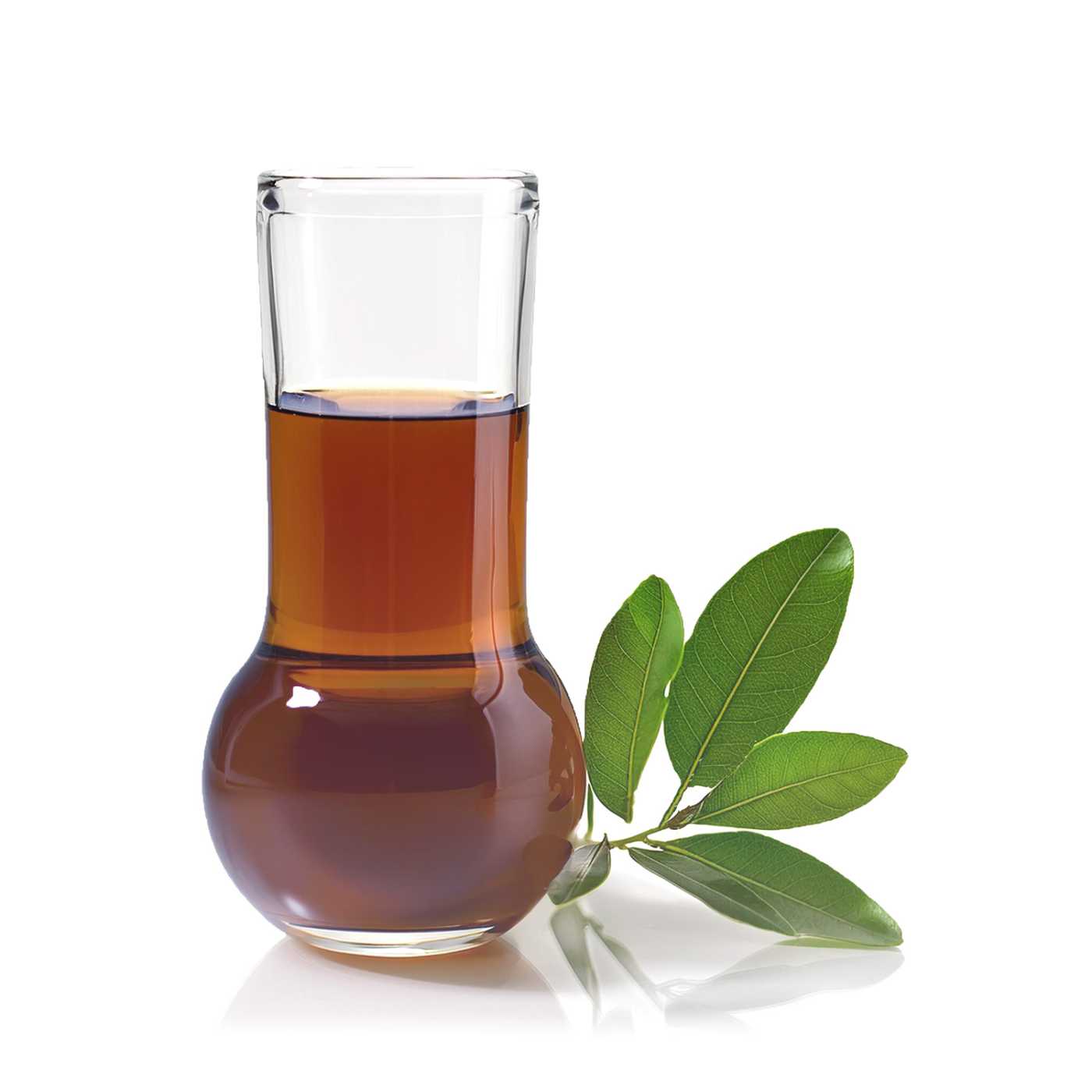
According to the specification, the colour of the oil ranges from colourless through yellow to reddish and varies by batch. At a higher usage rate it may tint light emulsions and clear gels, so we recommend a colour test with white creams.
Like every essential oil, it is volatile. To preserve the scent in the finished product, add it at the very end and close the container immediately after dispensing. If you combine it with other essential oils, first mix the blend separately and only then stir it into the base. This makes it easier to keep the total percentage of the fragrance ingredient within the IFRA limit.
When testing the scent in a shampoo or shower gel, add the oil to a small sample of the finished base and leave it to rest for a day. The herbal, spicy scent of thyme is perceived differently in a surfactant system than from the bottle, and only after it settles will you see whether the usage rate is right.
The product is Vegan certified, has not been tested on animals and contains no materials of animal origin, no palm oil and no GMO ingredients.
Only customers with a delivered order can write reviews.