
+421 950 333 113info@handymade.store

Spend over €100 for discounted shipping!

Candle fragrance oils

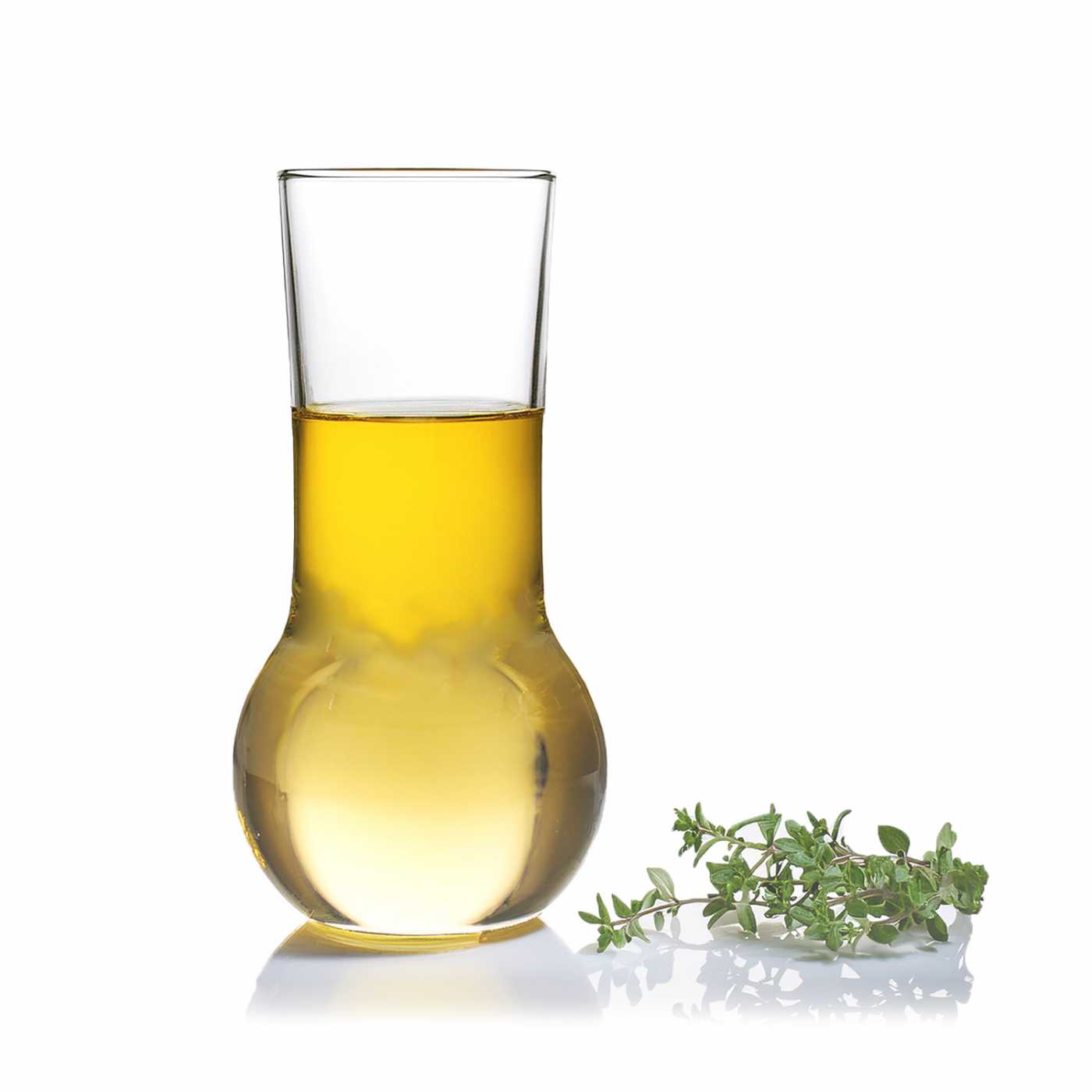
White Thyme Essential Oil, 1 l

Pack size10 ml100 ml500 ml1 l

White thyme essential oil gives cosmetics and candles the herbal and spicy fragrance of thyme. It is obtained by steam distillation of the flowers and leaves of common thyme of European origin. full description

AvailabilityPre-order
Product codeEON087_1000
€121.21incl. VAT€121.21/l

Lowest price in the last 30 days: €121.21

Pre-orderThis variant is currently out of stock — your order will be a pre-order and delivery may take longer.

Product description

White thyme essential oil gives cosmetics and candles the herbal and spicy fragrance of thyme. It is obtained by steam distillation of the flowers and leaves of common thyme of European origin. It scents mainly hair and scalp products, cleansing products and body care, where it supports a feeling of freshness and cleanliness. Add it to the formulation only at the end, to a cooled or finished base.


Fragrance and effects in cosmetics

The fragrance is herbal with a spicy note. In shampoos, shower gels and scalp products it has a refreshing and invigorating effect.

In the formulation the oil is a fragrance ingredient. It is also credited with cleansing, cooling and soothing effects and with antimicrobial properties.

The oil also acts as an antioxidant. In a study, thyme oil protected olive oil from oxidation in a similar way to BHT. It does not, however, replace a preservative or tocopherol in the formulation.


Use in formulation

The oil is oil-soluble and is not water-soluble. Its main phenolic component, thymol, dissolves only slightly in water, but dissolves well in alcohol and in vegetable oils. For water-based products, first dissolve the oil in the oil or alcohol component, as on its own it does not disperse in water.

Add it during the cooling phase or afterwards to the finished base. Thymol is clearly volatile at 100 °C and escapes with the steam, so the fragrance weakens when heated. The flash point of the oil is 55–65 °C, so avoid strong heat when working with it.

The oil must not come into contact with strong acids, alkalis or oxidising agents. It does not react with water and is stable under normal conditions.

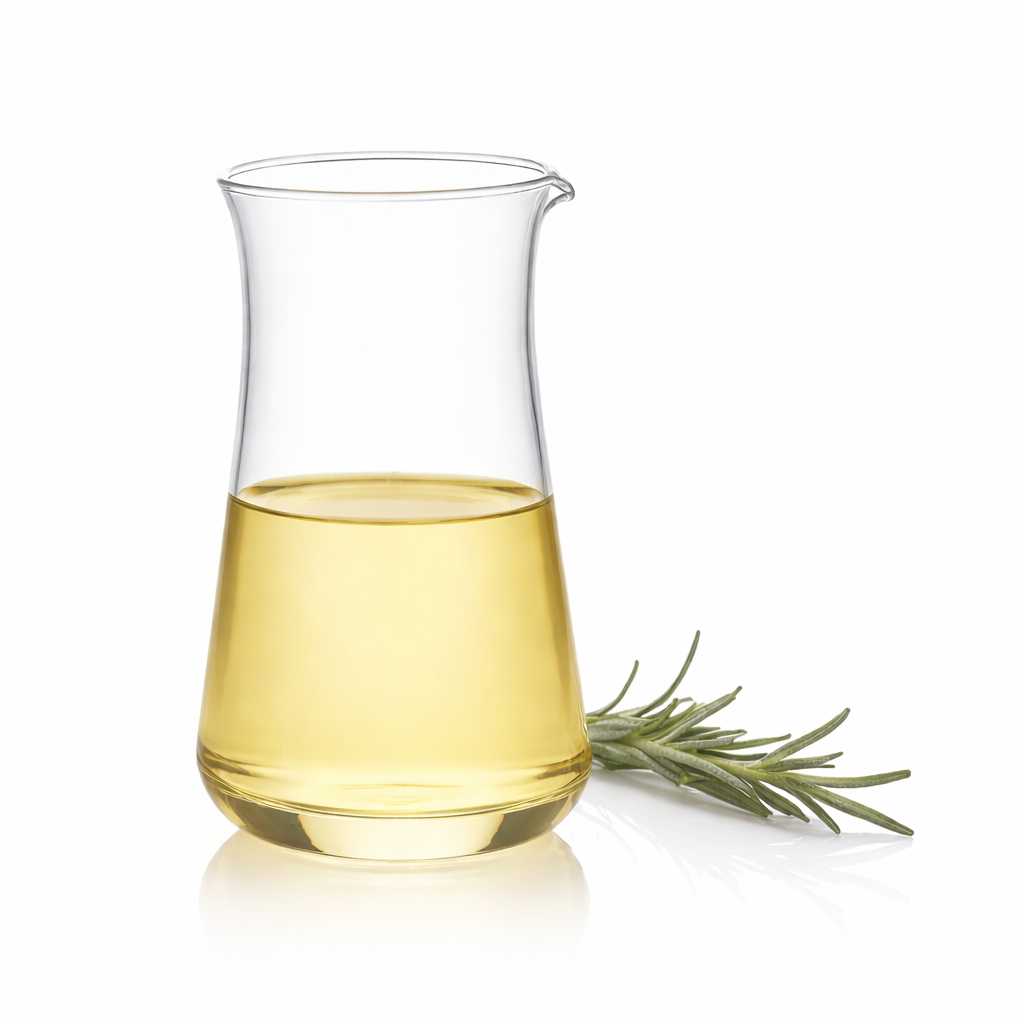
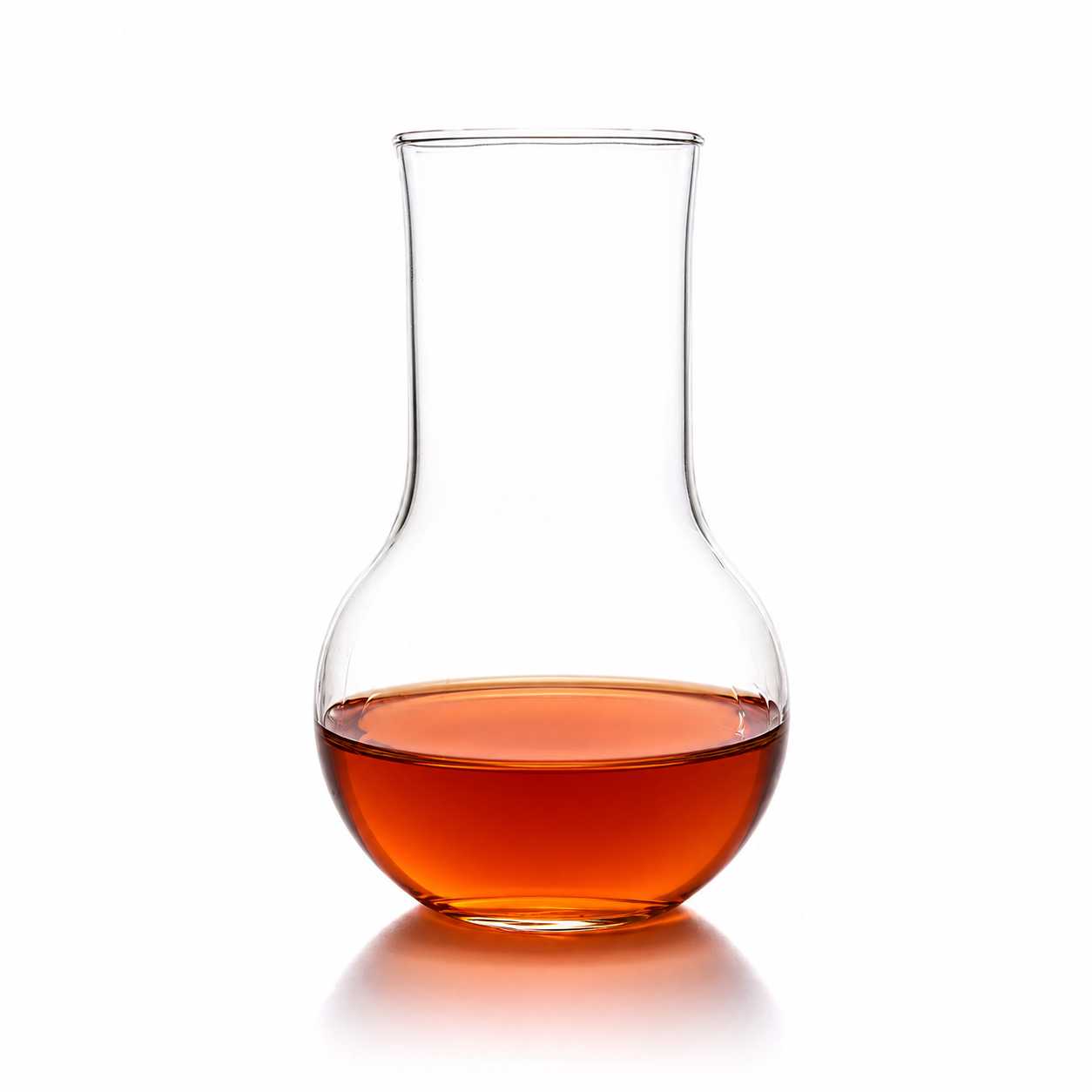
The colour of the oil ranges from colourless through yellow to red, and it may slightly tint light-coloured products. For white bases, test on a small sample.


Usage rate

There is no single universal usage rate. The highest amount in the finished product is determined by the IFRA limit for the given category, for example category 1 for lip products, 5B for face creams and toners, or 9 for soaps and shampoos. The limits for all categories are in the IFRA certificate in the Product documentation section.

In formulations the oil appears at a low rate of around 0.2%, for example in a cleansing scrub with surfactants. For facial products, dose it with care.


Suitable for products such as

  • Shampoos and scalp products – the herbal fragrance supports a feeling of cleanliness and freshness.
  • Hair oils, serums, gels, pomades and sprays – it gives hair care a fresh herbal note.
  • Facial cleansing products and cleansing scrubs – rinse-off products in which the oil is added only to the finished base.
  • Body creams, lotions and oils – the spicy fragrance creates a feeling of refreshment.
  • Candles of all types, including container candles – in an amount up to the IFRA limit for category 12, which also includes automatic air fresheners.

Good to know

The oil may cause an allergic reaction and skin irritation. Do not use it on open wounds or damaged skin, or in cases of acute skin problems. Before using the finished product, we recommend a patch test on a small area of skin.

The oil is a flammable liquid, so keep it away from flames and sparks when working with it. It is subject to CLP, with pictograms GHS02, GHS05, GHS07, GHS08 and GHS09. It is classified as CMR, and the components with this classification are gamma-terpinene and p-cymene.

It contains fragrance allergens, which must be stated on the label of the finished product.

The oil is Vegan certified and has not been tested on animals.


Frequently asked questions

Is white thyme essential oil water-soluble?
No, white thyme essential oil does not dissolve in water; it is oil-soluble. Its main phenolic component, thymol, dissolves only slightly in water, but dissolves well in alcohol and in vegetable oils. For water-based products, the oil is first dissolved in the oil or alcohol component and only then incorporated into the rest of the formulation.
What is the usage rate of white thyme essential oil in cosmetics?
The usage rate of white thyme essential oil depends on the type of product, and the highest amount is determined by the IFRA limit for the given category. Different limits apply to lip products, to face creams and to shampoos or soaps. All values are in the IFRA certificate in the product documentation. In formulations the oil is used at a low rate of around 0.2%.
When is white thyme essential oil added to a cream or shampoo?
White thyme essential oil is added during the cooling phase or afterwards to the finished product. Thymol, the main phenolic component of the oil, is clearly volatile at 100 °C and escapes with the steam, so the fragrance weakens when heated. The flash point of the oil is 55–65 °C, so strong heat should be avoided during processing.
Is white thyme essential oil suitable for candles?
Yes, white thyme essential oil is suitable for candles of all types, including container candles. The amount must not exceed the IFRA limit for category 12, which is stated in the IFRA certificate in the product documentation. The same category also applies to automatic air fresheners.
Does white thyme essential oil replace a preservative?
No, white thyme essential oil does not replace a preservative in the formulation. It is credited with antimicrobial properties, and in a study thyme oil protected olive oil from oxidation in a similar way to BHT. In the formulation, however, it remains a fragrance ingredient. It does not replace tocopherol either.
Can white thyme essential oil be used on the face?
Yes, white thyme essential oil can also be used in facial products, but it should be dosed with care. The oil may cause skin irritation and an allergic reaction. We recommend testing the finished product first on a small area of skin. It is not used on open wounds or damaged skin, or in cases of acute skin problems.

Parameters

INCI
Thymus Vulgaris Flower/Leaf Oil
CAS No.
84929-51-1 / 8007-46-3
EC number
284-535-7
Country of origin
Spain
Product colour
RedYellowColourless
Processing method
Steam distillation
Function in formulation
Fragrance component
Solubility
Oil-soluble
Application area
FaceHairScalpBody
Application type
Leave-onRinse-off
Suitable for
All skin types
Certifications and declarations
Vegan
Manufacturer's certificate
BRC
Natural Index (NI ISO 16128)
1,00
Natural Origin Index (NOI ISO 16128)
1,00
Volume
1000 ml

Product documentation

TDSTechnical Data Sheet
Physical parameters and processingPDF ↓
SDSSafety Data Sheet
Available for purchased products —
Download all (ZIP)

1 PDF file in one archive

Learn how to work with it

From our blog
REVIEWS

Verified by customers.

No reviews yet.

Only customers with a delivered order can write reviews.