Spend over €100 for discounted shipping!

+421 950 333 113[email protected]

Essential oils, 500 ml +

Ylang-Ylang III Essential Oil, 1 l

Pack size10 ml100 ml500 ml1 l

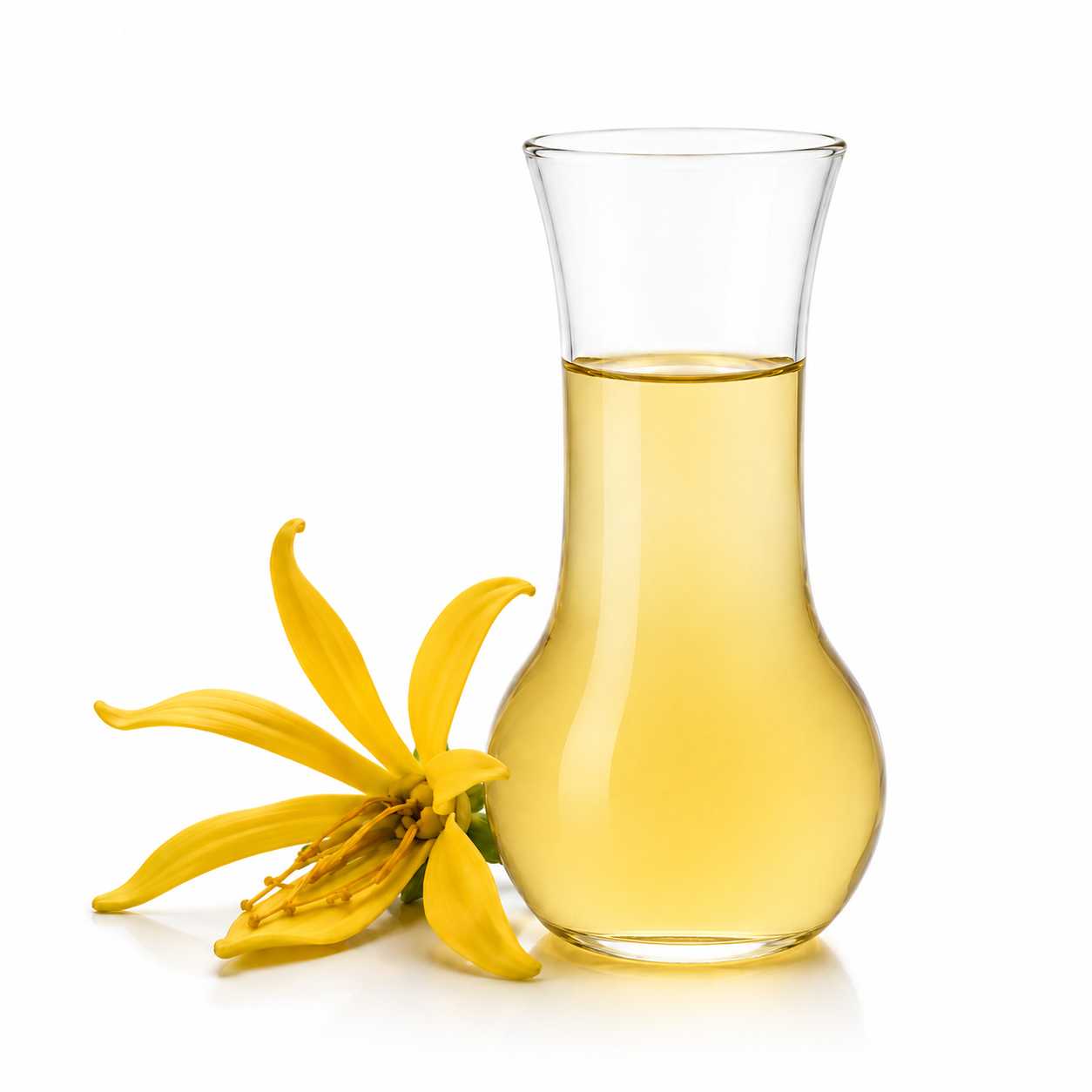
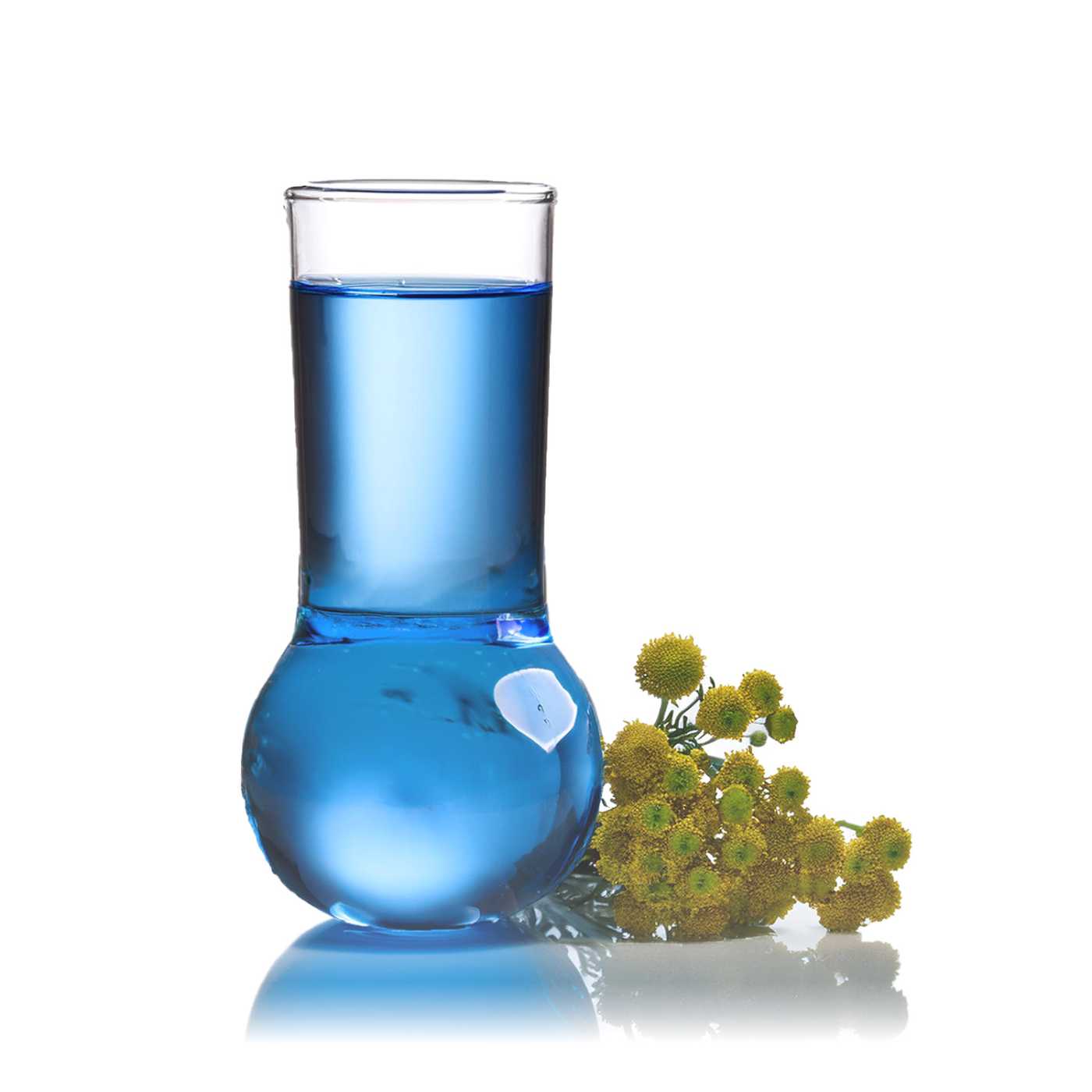
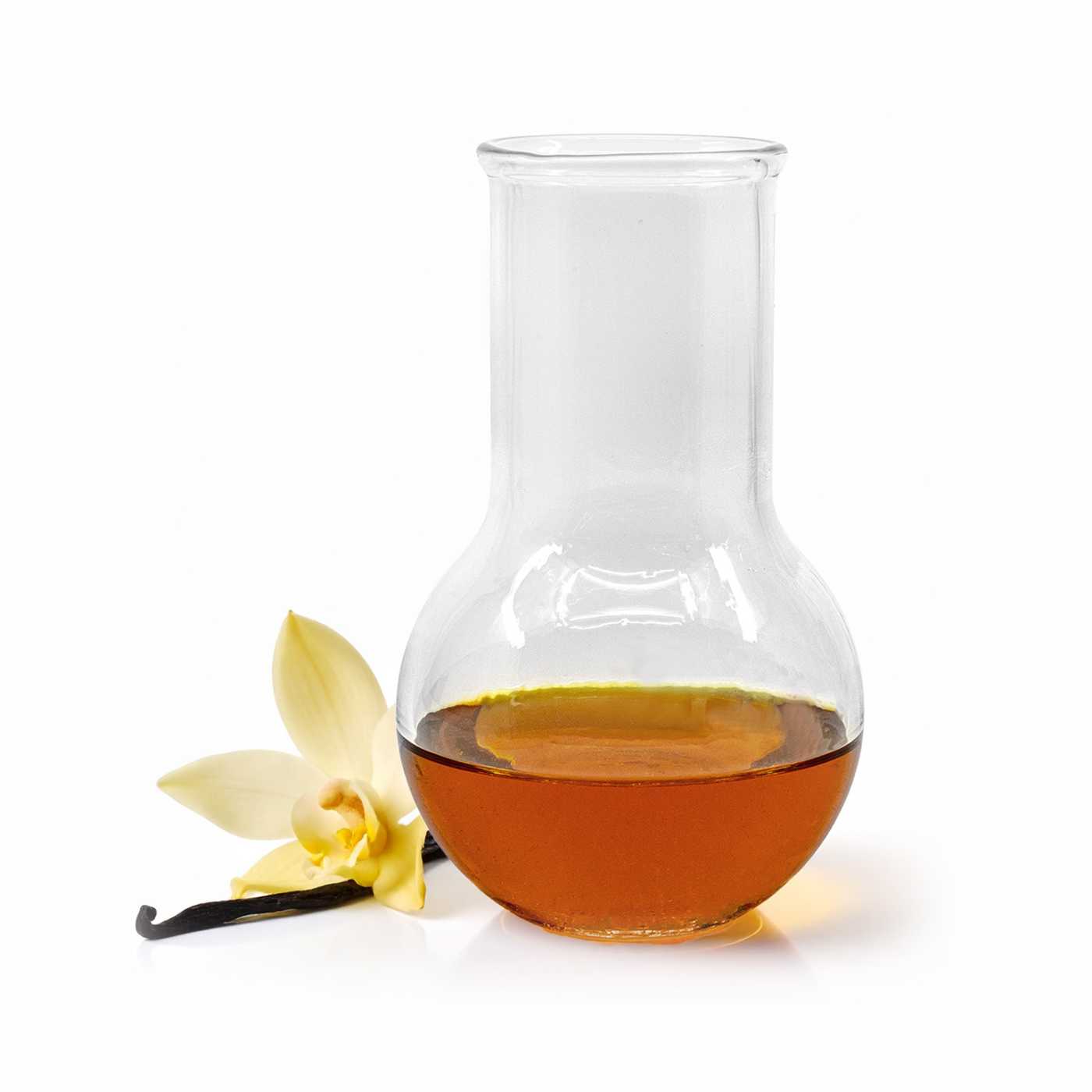
The essential oil Ylang-Ylang III gives cosmetics a sweet floral scent with an oriental undertone. full description

AvailabilityIn stock · last 3 packs
Product codeEON100_1000
Batch21482
Best before09/2028
€250.33incl. VAT€250.33/l

Lowest price in the last 30 days: €250.33

Product description

The essential oil Ylang-Ylang III gives cosmetics a sweet floral scent with an oriental undertone. It is obtained by steam distillation of the flowers of Cananga odorata and in formulations it serves as a fragrance ingredient in body, facial and hair care. It is also used in aromatherapy and in diffusers.

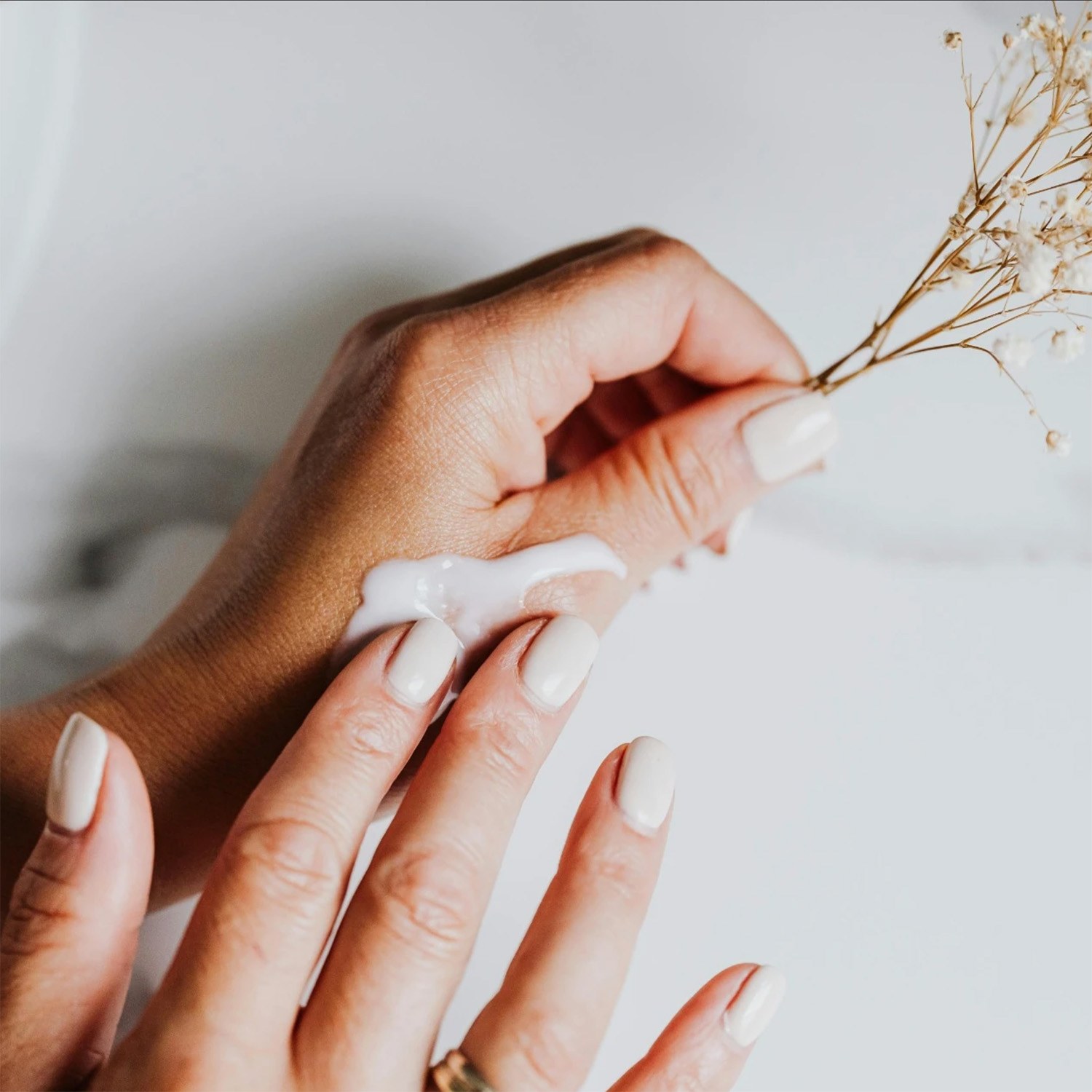
It is used in both rinse-off and leave-on products, from bar soap through shower gel to facial serum. The manufacturer recommends it especially for dry skin and mature complexion.


What it brings to the formulation

  • Floral scent – sweet, warm character with an oriental undertone, according to the manufacturer particularly popular in body and hair products.
  • Soothing effect on skin – according to the manufacturer's documentation, it helps reduce redness and the sensation of irritation.
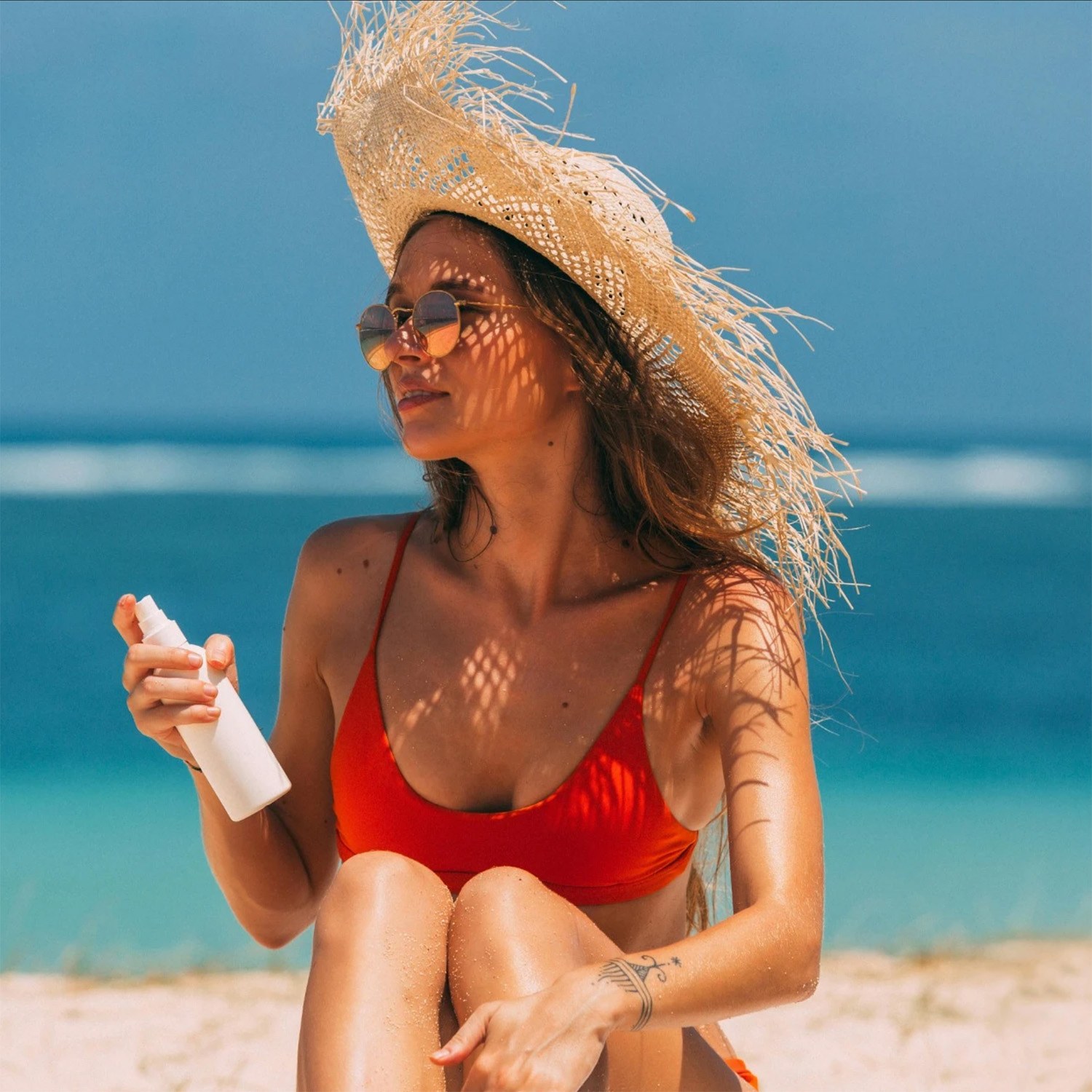
  • Cooling sensation – the manufacturer states a refreshing, cooling effect on the skin, useful for example in body mists and after-sun products.
  • Antimicrobial and anti-inflammatory effect – the manufacturer lists these among the properties of the oil. These are properties of the raw material, not a claim about the finished product.
  • Aromatherapy – the scent of ylang-ylang is, according to the manufacturer, associated with relaxation and a sense of calm, which is why it is added to massage oils, bath preparations and diffuser blends.

Use in formulation

The oil is soluble in oil and alcohol, it does not dissolve in water. It is incorporated into the oil phase of emulsions, into anhydrous body and massage oils, balms and alcohol-based fragrance bases. In water-based products such as tonics, facial mists or shower gels, it can be introduced via a solubiliser or surfactant base. The documentation indicates compatibility with non-ionic surfactants, alcohol and other fragrances.

It is added at the end, during the cooling phase of the emulsion or as an additional incorporation into the finished base. The recommended processing temperature is below 40 °C. The oil consists of volatile components; at higher temperatures some of them evaporate and the scent of the product changes.

When making emulsions, add Ylang-Ylang III only after the mass has cooled below 40 °C, with constant stirring. Before adding it to a larger batch, first mix it with a small amount of the oil phase or solubiliser so that it disperses evenly throughout the mass. If you are composing a fragrance from several essential oils, blend them separately and add them to the base afterwards. This makes it easier to fine-tune both the resulting scent and the dosage.

The oil is suitable for both rinse-off and leave-on products. The maximum dosage is governed by the IFRA category of the finished product. The dosage differs for a facial cream, a bar soap and a candle or air freshener, so the limit for the relevant category should be verified before the formulation is finalised.


Suitable for products such as

  • Body care – body oils, lotions, massage oils, body mists and serums.
  • Shower and bath products – shower gels, body washes, bath oils and salts.
  • Soaps – bar and liquid soaps.
  • Facial care – facial oils, creams, serums and cleansers for dry and mature skin, at low dosage according to the facial IFRA category.
  • Hair care – shampoos, conditioners, hair oils, serums and mists. According to the manufacturer, it may also have a soothing effect on the scalp.
  • Diffusers and aromatherapy – on its own or blended with other essential oils.

What is good to know

The oil originates from Madagascar and its colour ranges from light yellow to deeper yellow. In white or colourless products, the effect on colour depends on the dosage; with light creams and clear gels, the result should be verified on a small sample.

The oil is intended for all skin types. However, it belongs to fragrance ingredients containing known skin allergens, so it should be dosed carefully in leave-on facial preparations and any new product should be tested on a small area of skin before wider use.

Ylang-Ylang III is classified under the CLP Regulation, contains hazardous substances and fragrance allergens listed in Annex III of Regulation (EC) No 1223/2009. This must be taken into account in ingredient labelling and the safety assessment of the finished product. The oil is not used undiluted directly on the skin and should be handled in accordance with the safety data sheet.

The shade of the scent and the colour may vary slightly between batches; this is normal for a natural distillate. In series production, a new batch is first compared with the previous one on a sample and the dosage is adjusted if necessary.

Frequently asked questions

Is Ylang-Ylang III essential oil soluble in water?
No, Ylang-Ylang III does not dissolve in water. It dissolves in oils and in alcohol, so it is added to emulsions via the oil phase and to water-based products such as tonics or facial mists via a solubiliser or non-ionic surfactant. Without a solubiliser, the oil in a water-based product would separate and float to the surface.
At what temperature is Ylang-Ylang III added to a cream?
Ylang-Ylang III is added to a cream during the cooling phase, at a temperature below 40 °C. The oil consists of volatile components; at higher temperatures some of them evaporate and the scent of the finished product will be weaker and altered. The same applies when incorporating it additionally into a finished base, such as a body oil or balm, where it is sufficient to blend the oil in at room temperature.
Does Ylang-Ylang III contain allergens that must be listed on the label?
Yes, Ylang-Ylang III contains known skin allergens and fragrance allergens listed in Annex III of Regulation (EC) No 1223/2009. This must be taken into account in the ingredient list on the label and in the safety assessment of the finished cosmetic product. The oil is also classified under the CLP Regulation; details are in the safety data sheet.
Is Ylang-Ylang III suitable for hair cosmetics?
Yes, Ylang-Ylang III is used in shampoos, conditioners, hair oils, serums and mists. The main reason is its floral scent; according to the manufacturer's documentation, it may also have a soothing effect on the scalp. In rinse-off shampoos it is incorporated via the surfactant base, in hair oils directly, always at a temperature below 40 °C.
Can Ylang-Ylang III be used in a diffuser?
Yes, Ylang-Ylang III is used in diffusers and in aromatherapy, on its own or blended with other essential oils. The manufacturer associates its sweet floral scent with relaxation and a sense of calm. For air fresheners and candles, the dosage is governed by the relevant IFRA category of the finished product.

Parameters

INCI
Cananga Odorata Flower Oil
CAS No.
83863-30-3 / 8006-81-3 / 68606-83-7
EC number
281-092-1
Product color
Yellow
Country of origin
Madagascar
Processing method
Steam Distillation
Odour
Floral
Appearance
Oil solution
Function in formulation
Fragrance component
Application area
FaceHairScalpBody
Recommended processing temperature
< 40 °C
Application type
Leave-onRinse-off
Certifications
Vegan
Natural Index (NI ISO 16128)
1,00
Natural Origin Index (NOI ISO 16128)
1,00
Renewable Carbon Content (RCC)
100 %
Volume
1000 ml

Product documentation

CoACertificate of Analysis
batch 21482PDF ↓
TDSTechnical Data Sheet
Physical parameters and processingPDF ↓
IFRAIFRA Certificate
batch 21482PDF ↓
AllergensAllergen Declaration
batch 21482PDF ↓
MSDSSafety Data Sheet
Available for purchased products —
Download all (ZIP)

4 PDF files in one archive

Learn how to work with it

From our blog
Ľubica9 Aug 2026SK

Verified purchase