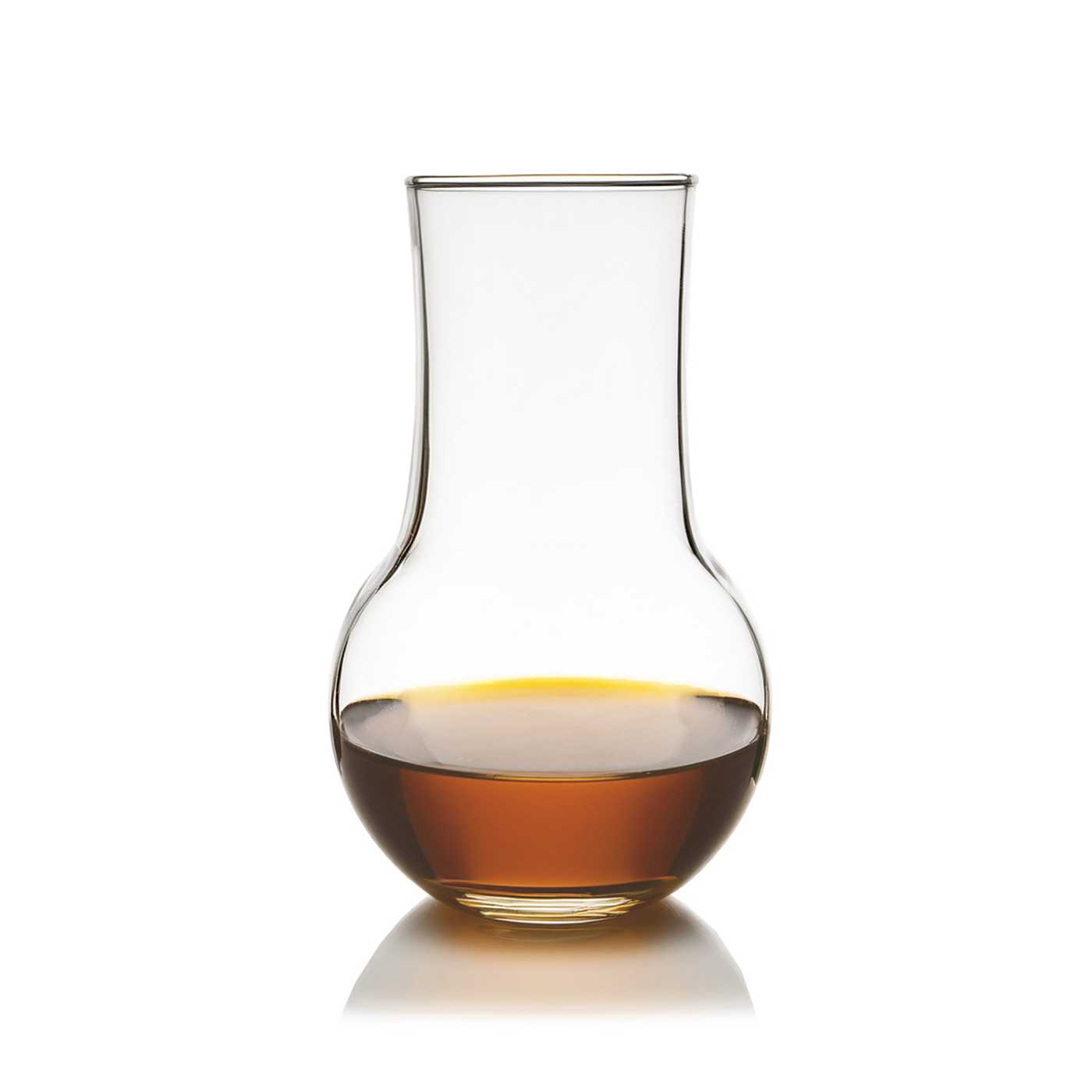
Oat Lipid e, premium oat oil, 30 ml
Pre-order€12.49(€416.33/l)

CO2 Extracts
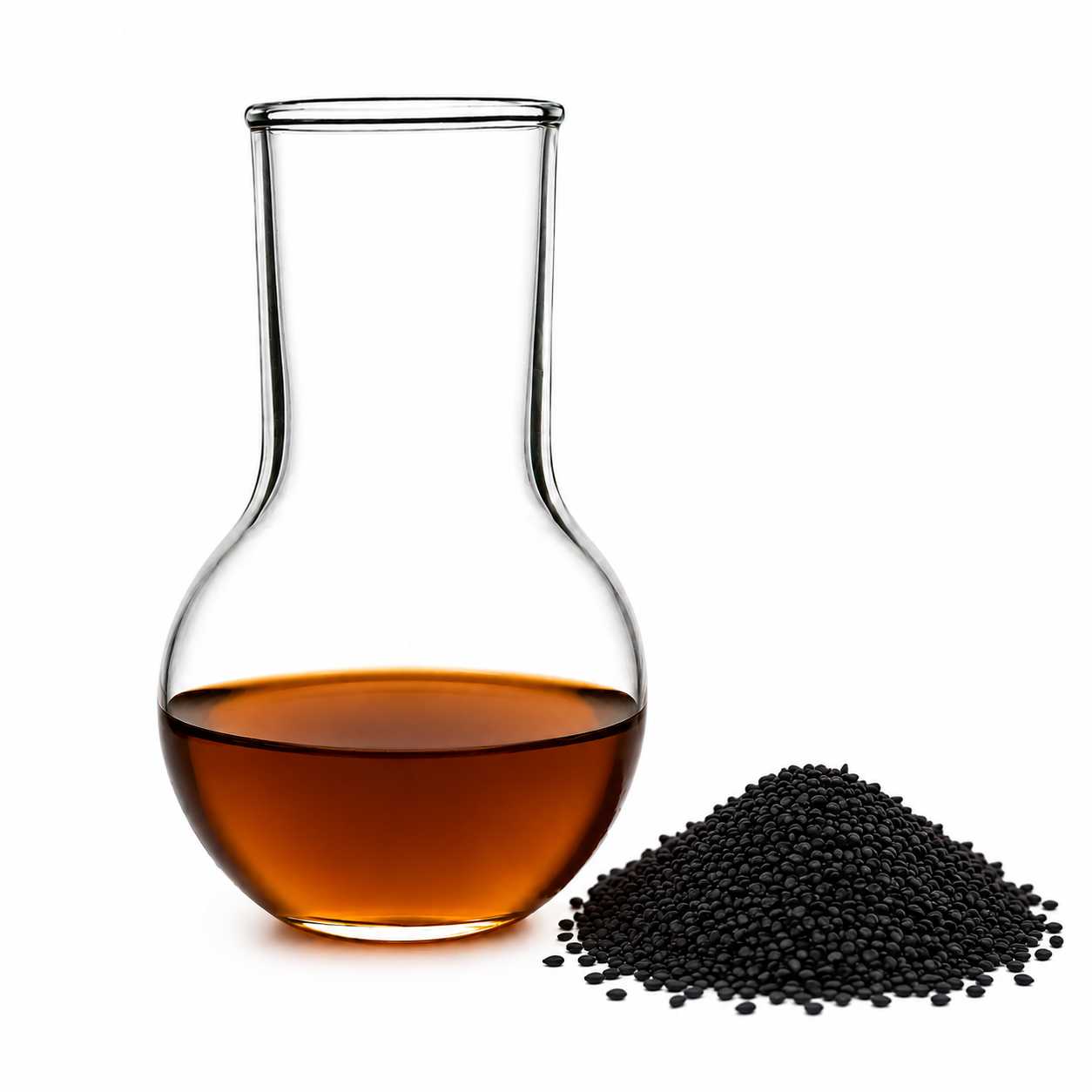
Black cumin ( Nigella sativa L.) originates in the Mediterranean region and the Middle East — a plant whose seeds have been used in these countries for millennia. full description
Lowest price in the last 30 days: €3.89
Black cumin (Nigella sativa L.) originates in the Mediterranean region and the Middle East — a plant whose seeds have been used in these countries for millennia. For cosmetics they are interesting for two reasons: they contain thymoquinone — a bioactive quinone with anti-inflammatory and antioxidant properties — and a rich fatty acid fraction headed by linoleic acid (omega-6) and oleic acid (omega-9). The typical spicy scent is provided by the volatile monoterpenes α-thujene and p-cymene.
CO₂ extraction works with supercritical carbon dioxide as the extraction medium — without organic solvents, without heavy metals, without inorganic salts. The designation CO₂-to (total extract) indicates that the extract captures the full spectrum of lipophilic substances from the seed: fixed oil, waxes, thymoquinone and volatile components. Compared to pressed black cumin seed oil, the resulting product is significantly more concentrated — compounds that remain in the marc during mechanical pressing pass into the extract here. In a formulation, therefore, a significantly lower dosage is sufficient than with a conventional vegetable oil.
Store in a tightly closed, ideally dark container in a cool place, protected from direct light and heat. After each withdrawal, close the container immediately — this minimizes oxidation of sensitive components. Avoid contact with eyes and mucous membranes. The product is intended exclusively for external use. For sensitive skin we recommend testing tolerance on a small area of skin before using it in a formulation.
Pressed black cumin seed oil contains mainly fatty acids and only trace amounts of thymoquinone — most of this compound remains in the seed marc during pressing. The CO₂-to extract is several times more concentrated specifically in the bioactive fraction: thymoquinone, monoterpenes and other lipophilic compounds that you do not obtain by pressing. In a formulation, therefore, a significantly lower dosage is sufficient than with the oil.
We do not recommend this. The extract is highly concentrated and its direct application may irritate the skin, especially sensitive skin. The correct use is always in a formulation — diluted in oil or incorporated into a serum, cream or balm.
The spicy aroma comes from the volatile monoterpenes α-thujene and p-cymene. At lower concentrations of the extract it is usually not disturbing and gives the product a natural character. At higher dosages it is appropriate to choose fragrance components that harmonize the scent — earthy or woody essential oils work well. Important: avoid temperatures above 40 °C, because heat accelerates the evaporation of exactly these aromatic compounds.
Also for dry and mature skin. Linoleic acid in the lipid fraction nourishes dry skin and helps restore the skin barrier. For mature skin, the antioxidant action of thymoquinone, which slows oxidative stress — one of the main factors in visible ageing — is particularly valuable. So it is not just a raw material for acne.
Combining it with retinol makes sense in formulation terms — the antioxidant action of the extract can mitigate potential irritation from the retinoid. With lipophilic forms of vitamin C (e.g. ascorbyl tetraisopalmitate) it is well compatible in the oil phase. With water-based forms of vitamin C, the extract belongs exclusively to the lipid part of the formulation; it does not mix with water.
After opening, store in a tightly closed dark container in the refrigerator or in a cool place. The CO₂-to extract is naturally stable thanks to its low moisture content, but thymoquinone and volatile components are sensitive to heat, light and air. On each withdrawal, measure out the required amount quickly and close the container immediately.
You can find more about the principles and use of CO₂ extracts in natural cosmetics in the article CO₂ extracts and their use.
Also see other CO₂ extracts in the Handymade.sk range.
Only customers with a delivered order can write reviews.