−15 % with codePre-orderSold out
Solagum, AX, 50 g
€8.49(€169.80/kg)

PRESERVATIVES
Pack size10 ml50 ml100 ml500 ml1 l
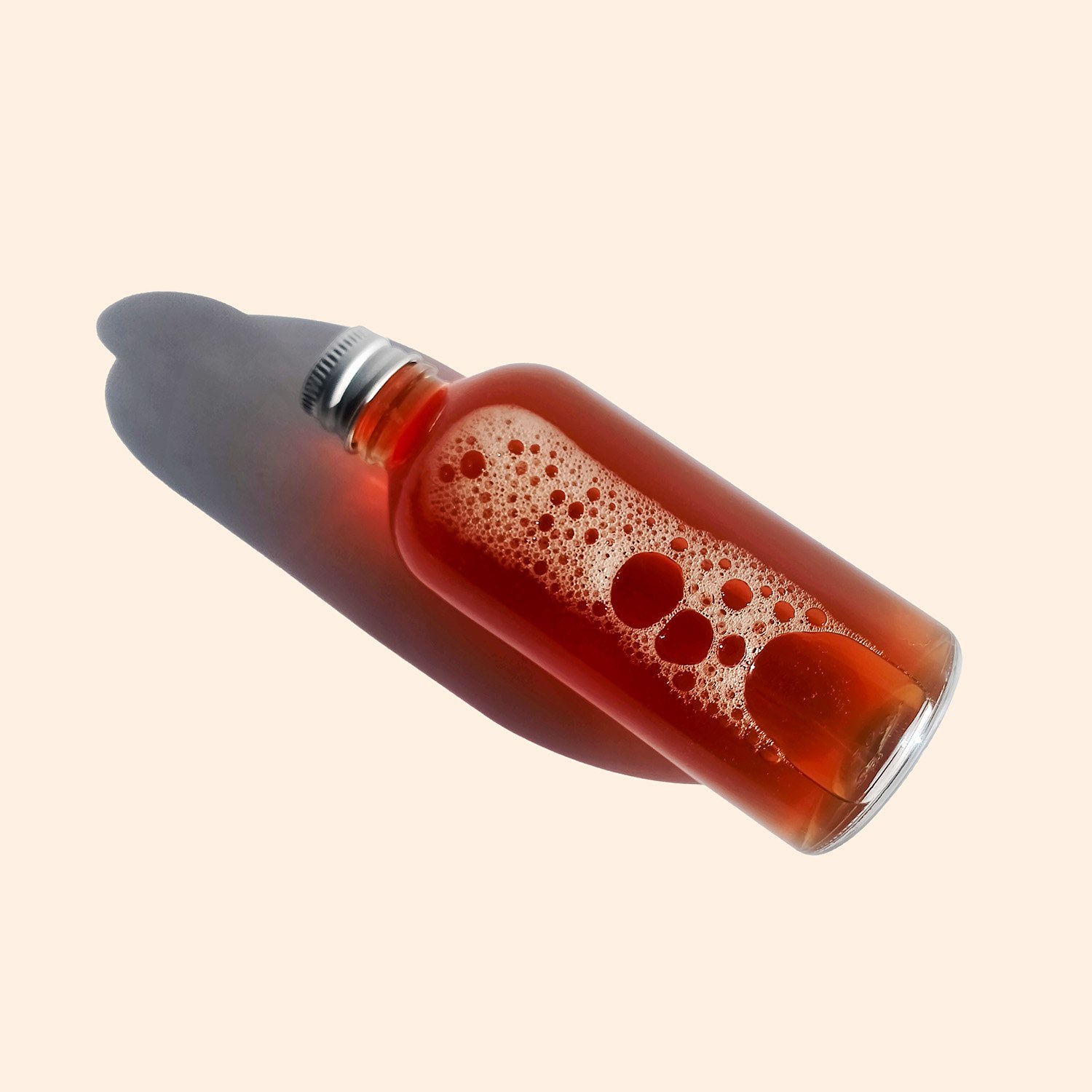
Euxyl K903 is a preservative that protects cosmetic products against bacteria, yeasts and moulds . full description
Lowest price in the 30 days before the discount: €2.49
Euxyl K903 is a preservative that protects cosmetic products against bacteria, yeasts and moulds. It combines benzyl alcohol, benzoic acid and dehydroacetic acid and meets the requirements of several natural cosmetics certifications. It is simply stirred into the formulation during the cooling phase, with no heating or homogenisation. It is suitable for rinse-off and leave-on products with an acidic pH.
Its effect is balanced against all three groups of microorganisms. In the manufacturer’s tests at pH 5.5, 0.5% of the preservative was enough to stop mould growth, and 0.75% for most bacteria and yeasts. Staphylococcus epidermidis was more resistant and required more than 1%. The preservative also acts in the vapour phase, that is, in the air above the product.
The strength of preservation depends on pH. Benzoic acid acts only in its undissociated form, and the amount of it decreases as pH rises. The finished product should have a pH below 6; above this value the protection weakens.
It performs best in non-ionic systems. Non-ionic surfactants weaken benzoic acid less than other preservatives. It is also compatible with anionic surfactants such as sulfates, ether sulfates and sulfosuccinates, and with cationic surfactants, and it does not react with sulfites.
The usage rate is 0.4–1.2% in rinse-off and leave-on products. The EU Cosmetics Regulation permits a maximum of 1.23%, so do not exceed the 1.2% limit. In creams and body lotions 0.8–1% is commonly used, in shampoos 1.2%.
The required rate differs by product type. In the manufacturer’s challenge tests at pH 5.5, a natural cream passed the strictest criterion at 0.8%. A wet wipe emulsion failed at 0.4% and passed only at 0.8%. A make-up remover was already protected at 0.4%. A low rate from one formulation should not be carried over to another without verification.
In emulsions, part of the preservative moves into the oil phase or binds to the emulsifier, where it does not act. Products with a high proportion of vegetable oils, rich creams and body butters usually need a rate near the upper limit.
After adding the preservative, measure the pH of the finished product and adjust it if necessary. The preservative itself is acidic; its 1% aqueous solution has a pH of 3–4.
It is added in the cooling phase at a temperature below 80 °C. Simply stir it in thoroughly.
It dissolves well in alcohol and glycols, but only partially in water, approximately 12 g/l at 20 °C. This roughly corresponds to the upper limit of the usage rate. In formulations it is most often combined with glycerine and pentylene glycol.
The colour of the product may be affected by iron ions. They get into it, for example, from mineral thickeners such as clays, and a product containing them may turn yellow. With such raw materials we recommend verifying the colour with a trial batch.
The preservative does not replace hygienic production or clean raw materials with a low microbial load. To destroy microorganisms in an already contaminated product, it needs at least 48 hours of contact.
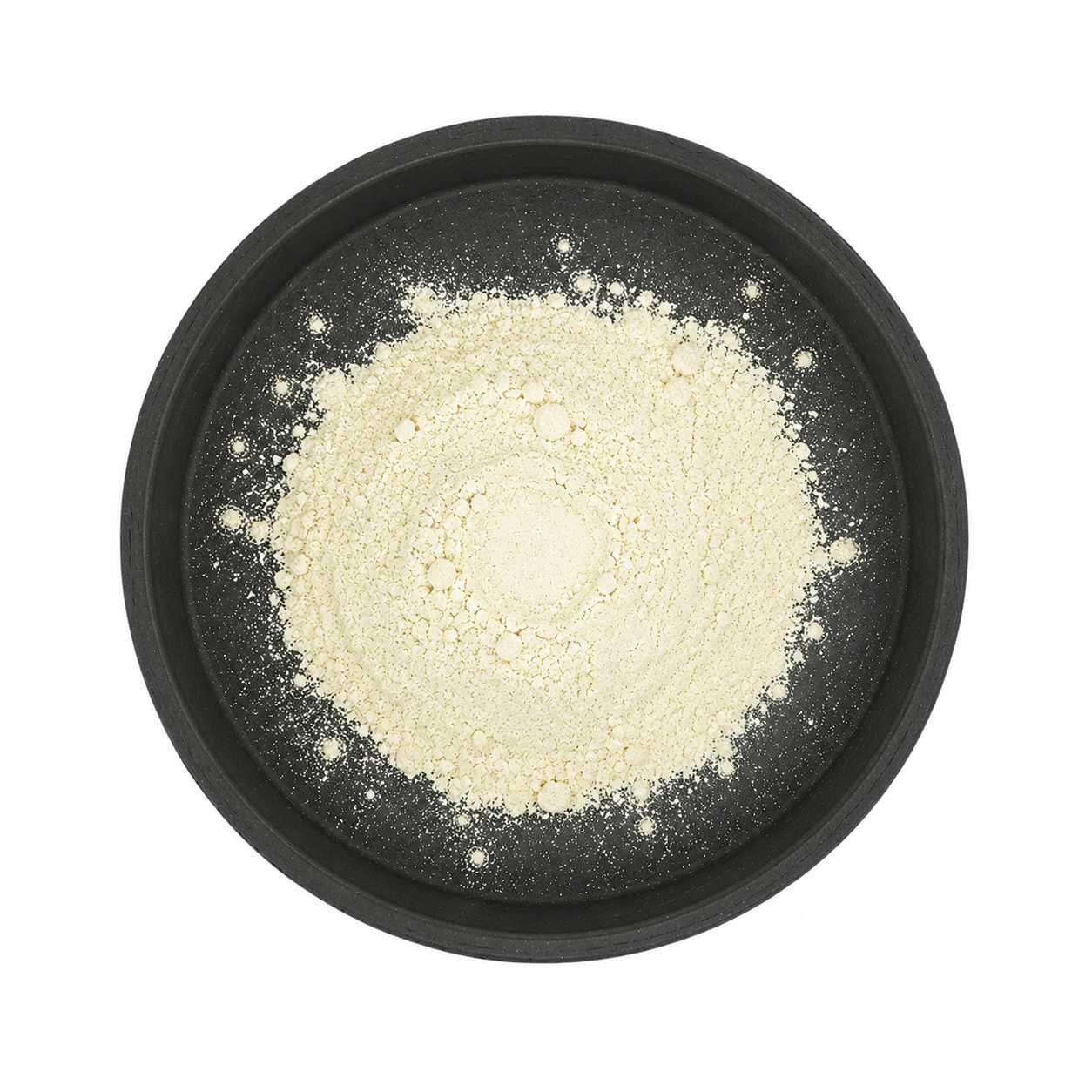
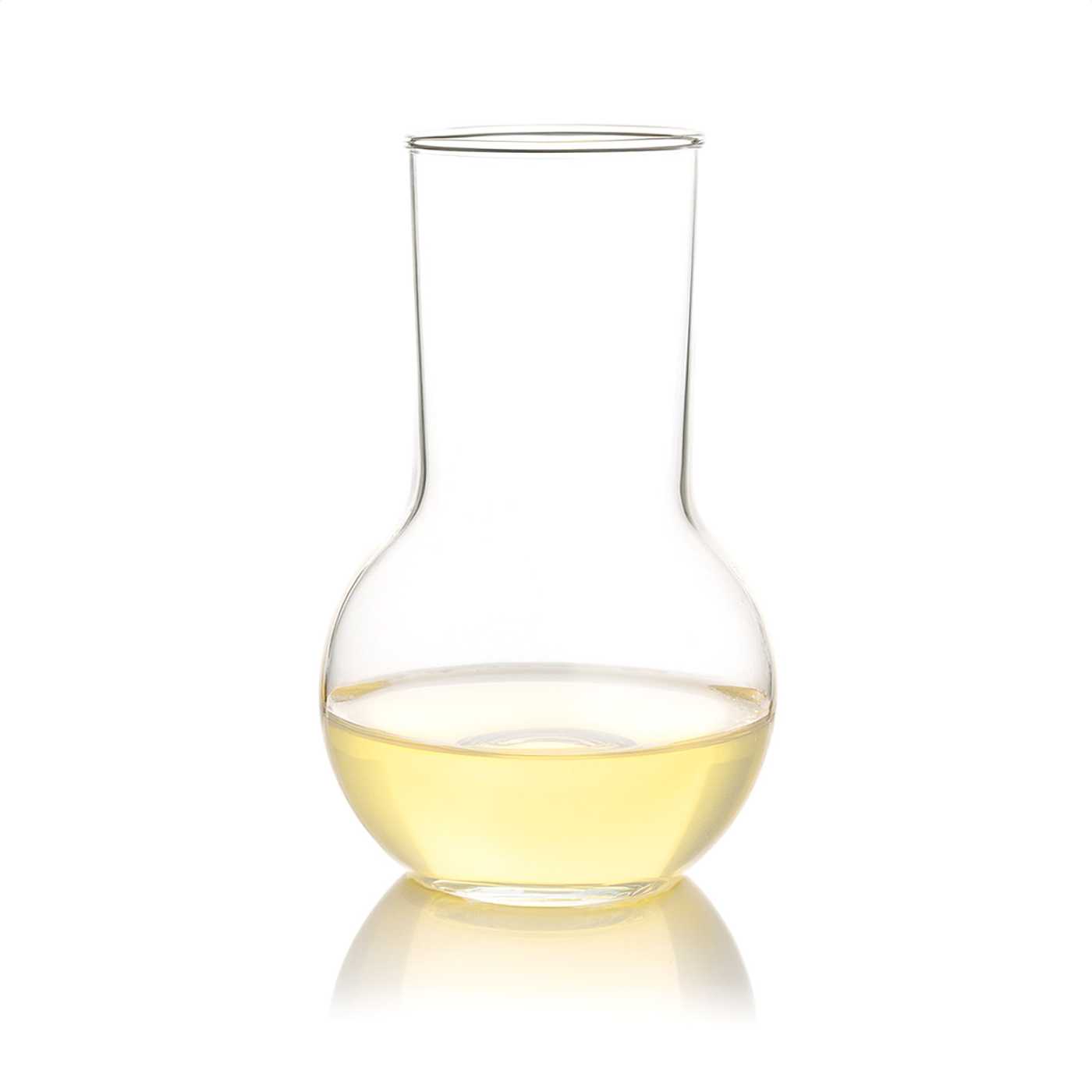
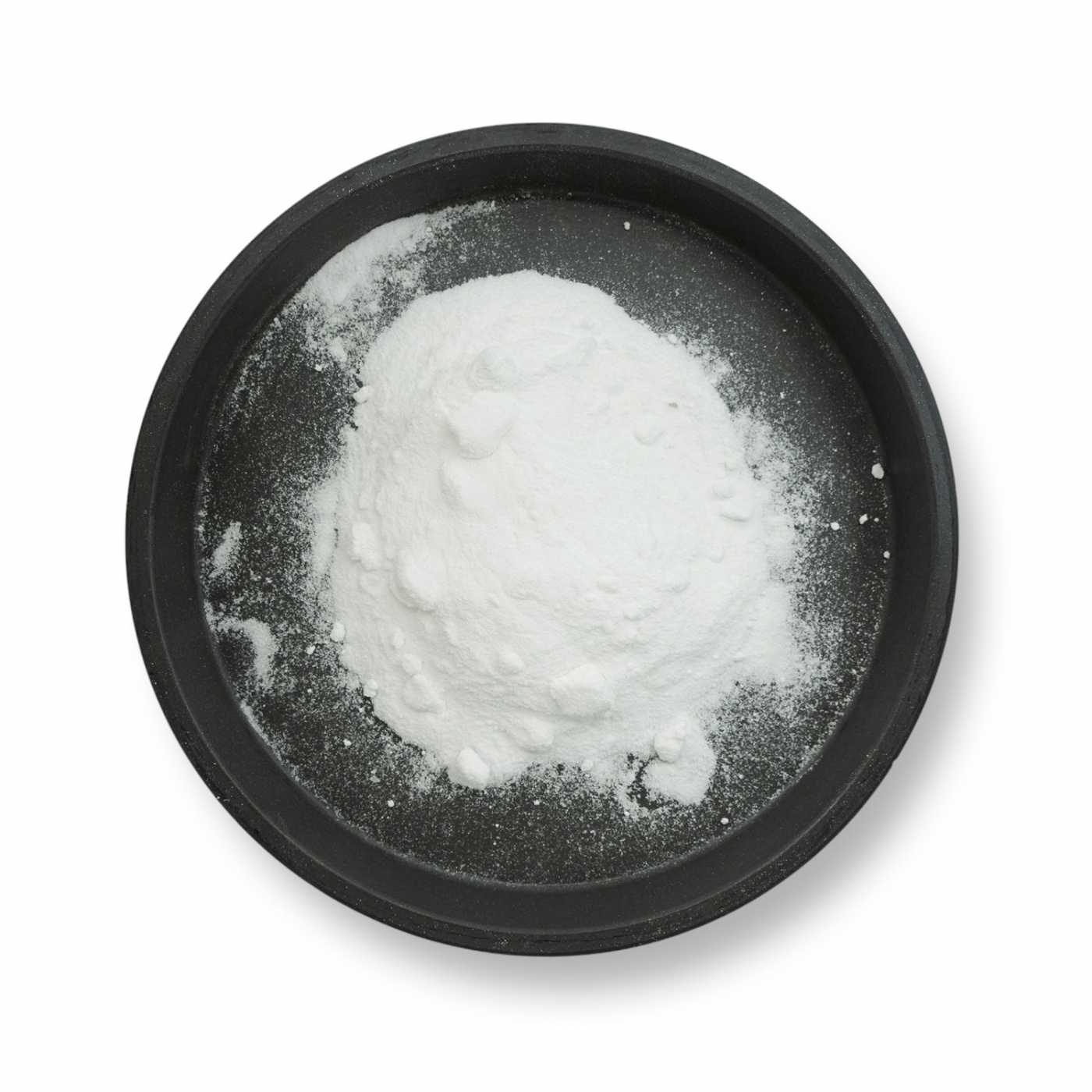
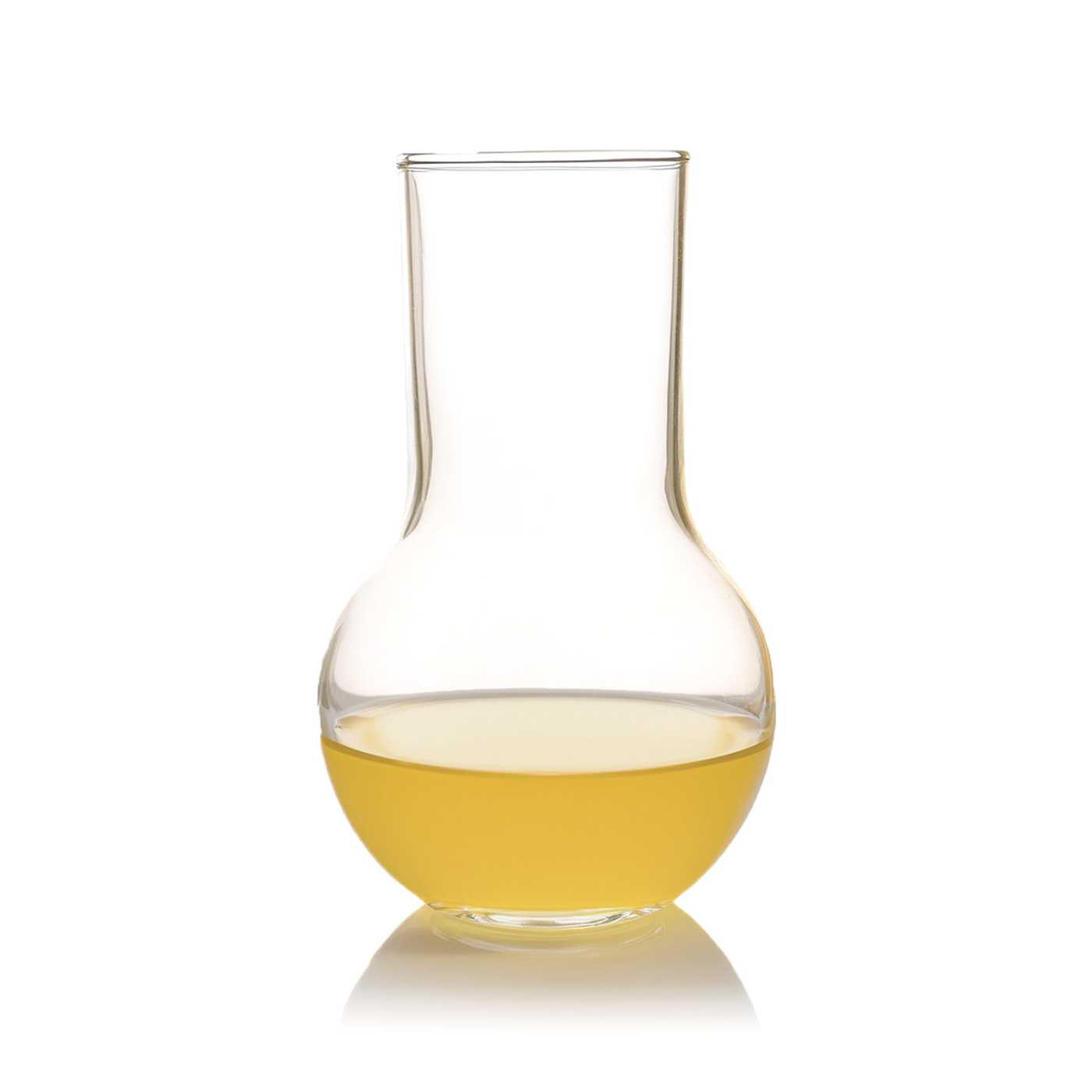
In the cold, below 5 °C, the raw material may solidify or crystallise. The crystals dissolve when gently warmed to 40–45 °C and thoroughly mixed. Before use, check that the appearance matches the batch parameters.
The blend contains benzyl alcohol, which is one of the fragrance allergens. This must be taken into account when labelling the finished product. The raw material is vegan, Halal certified, free from parabens and readily biodegradable. In the Czech Republic and France it is sold only to persons aged 18 and over.
The concentrate is classified under CLP (GHS05, GHS07, GHS08). When handling it, protect your skin and eyes, do not inhale vapours and work in a ventilated area. Do not combine it with strong acids or oxidising agents.

Variant: Euxyl K903, prírodný konzervant 50 ml
It works okay, unfortunately it has a rather strong, specific smell, like an industrial one.
Translated automatically