
+421 950 333 113info@handymade.store

Spend over €100 for discounted shipping!

EMULGATORS

Emulpharma K10 (Beautyderm), 100 g

Pack size50 g100 g500 g1 kg5 kg

Emulpharma K10 (Beautyderm) is a vegetable emulsifier for O/W emulsions that thickens and stabilises a cream or lotion at the same time. It is self-emulsifying and is sufficient on its own for a standard emulsion. full description

AvailabilityIn stock · 23 packs
Product codeEM007_100
Batch500050900
Best before02/2028
€8.49incl. VAT€84.90/kg

Lowest price in the last 30 days: €8.49

Product description

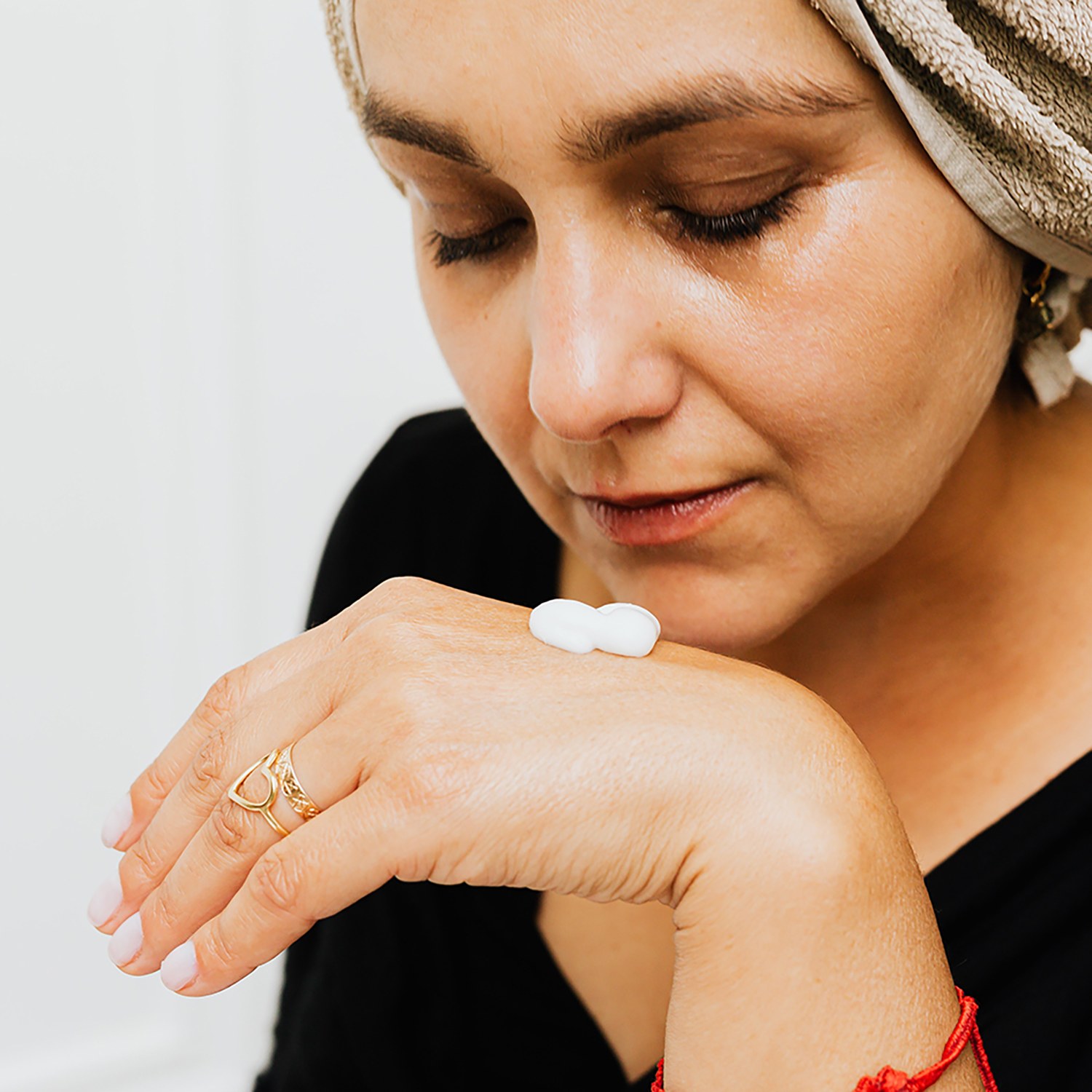
Emulpharma K10 (Beautyderm) is a vegetable emulsifier for O/W emulsions that thickens and stabilises a cream or lotion at the same time. It is self-emulsifying and is sufficient on its own for a standard emulsion. Emulsions made with it spread well and leave a light, velvety feel on the skin. It is used in face, body and hair cosmetics, including products for sensitive skin and baby skin.


How it works in an emulsion

The emulsifier consists of three complementary components. Cetearyl Glucoside and Sorbitan Olivate bind the water phase and the oil phase together, while Cetearyl Alcohol gives the emulsion its thickness. Cetearyl Glucoside makes up the largest share, approximately 50–70%. Sorbitan Olivate accounts for 20–40% and Cetearyl Alcohol for 1–19%.

In the emulsion it forms a liquid crystal structure. The emulsifier molecules arrange themselves in layers around the oil droplets, and water is held between these layers. An emulsion arranged in this way is more stable and spreads more easily.

Besides emulsifying, it also acts as an emollient. After application the skin feels smoother and softer. In hair products it works as a conditioning agent.


Use in a formulation

It is added to the oil phase. The flakes melt at 57–67 °C, so the oil phase is heated to 70–75 °C until they have melted completely.

Unmelted remnants of the emulsifier lead to an unstable or grainy emulsion. Before combining the phases, check that the flakes in the oil phase have melted completely.

The usage rate is 2–8%. For a standard cream or body lotion, start at 3–6% and adjust the thickness according to the result of the first test batch.

The finished product can have a pH anywhere in the wide range of 3–12. The emulsifier therefore tolerates both acidic formulations and alkaline environments. The pH value of 5.5–7.5 refers to a 5% solution of the raw material itself and says nothing about the permissible pH of the finished product.

It is soluble in water and in ethanol, and dispersible in vegetable and mineral oils. It is nevertheless added to the formulation through the hot oil phase, in which it melts. It is non-ionic, its HLB is approximately 9.5 (experimentally determined value), and its compatibility with other ingredients is unrestricted.


Suitable for products such as

  • Face creams and lotions – a light, velvety texture that spreads well
  • Body lotions and hand and foot creams – the thickness is controlled by the amount of emulsifier
  • Products for sensitive, dry and baby skin – an emulsifier without PEG and without fragrance allergens
  • Hair conditioners and masks – both rinse-off and leave-in, also for the scalp
  • Emulsion-based lip products and colour cosmetics
  • Creamy shower and bath products

Good to know

The fatty alcohol needs to be taken into account. Cetearyl Alcohol is part of the emulsifier. When the formulation contains another fatty alcohol, the emulsion turns out thicker, so it is advisable to adjust its amount gradually.

The raw material is of vegetable origin. It is made from oil palm and olives and has RSPO MB (Mass Balance) certification. It contains no PEG, no ethylene oxide is used in its production, and it is readily biodegradable. It is not classified as hazardous under the CLP Regulation.

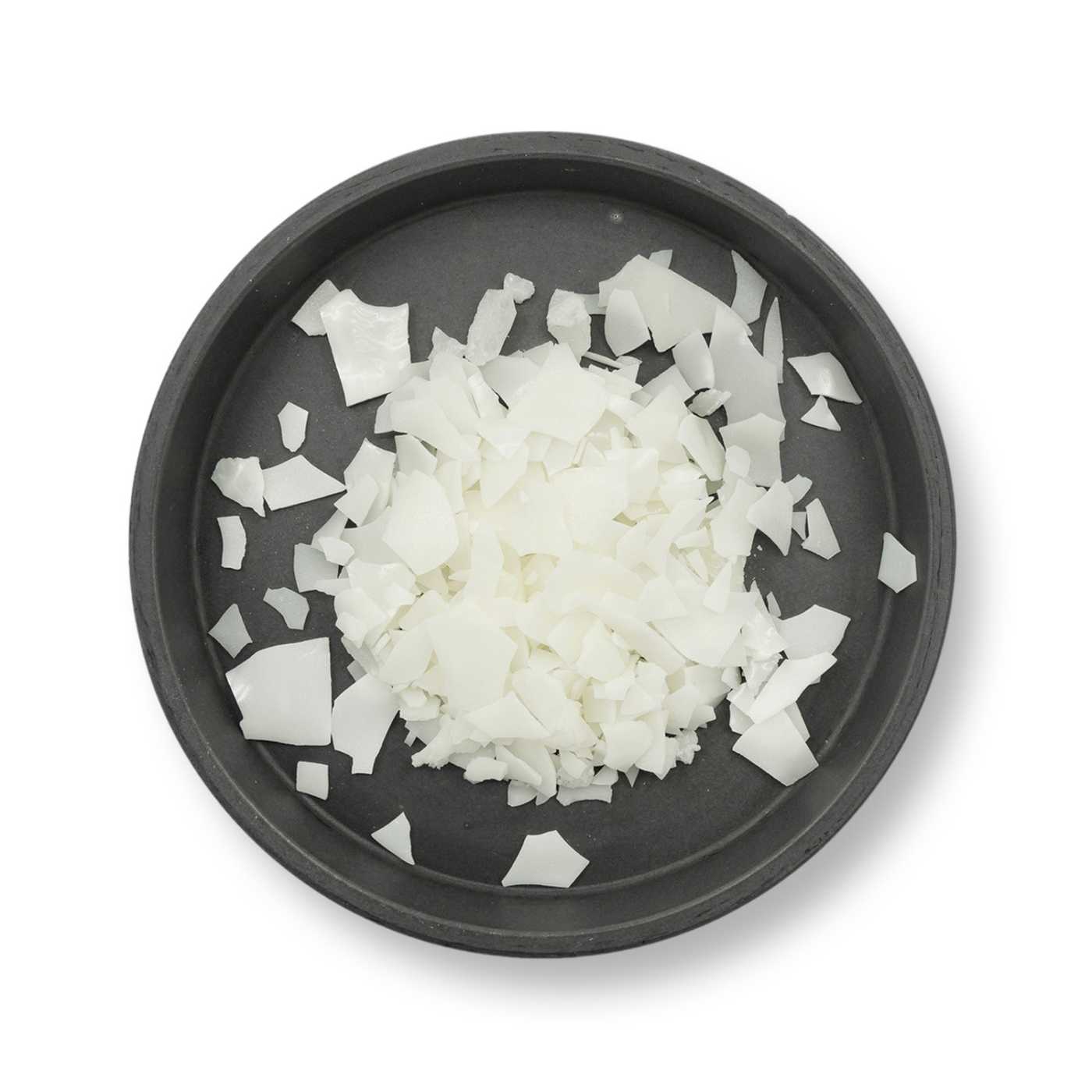
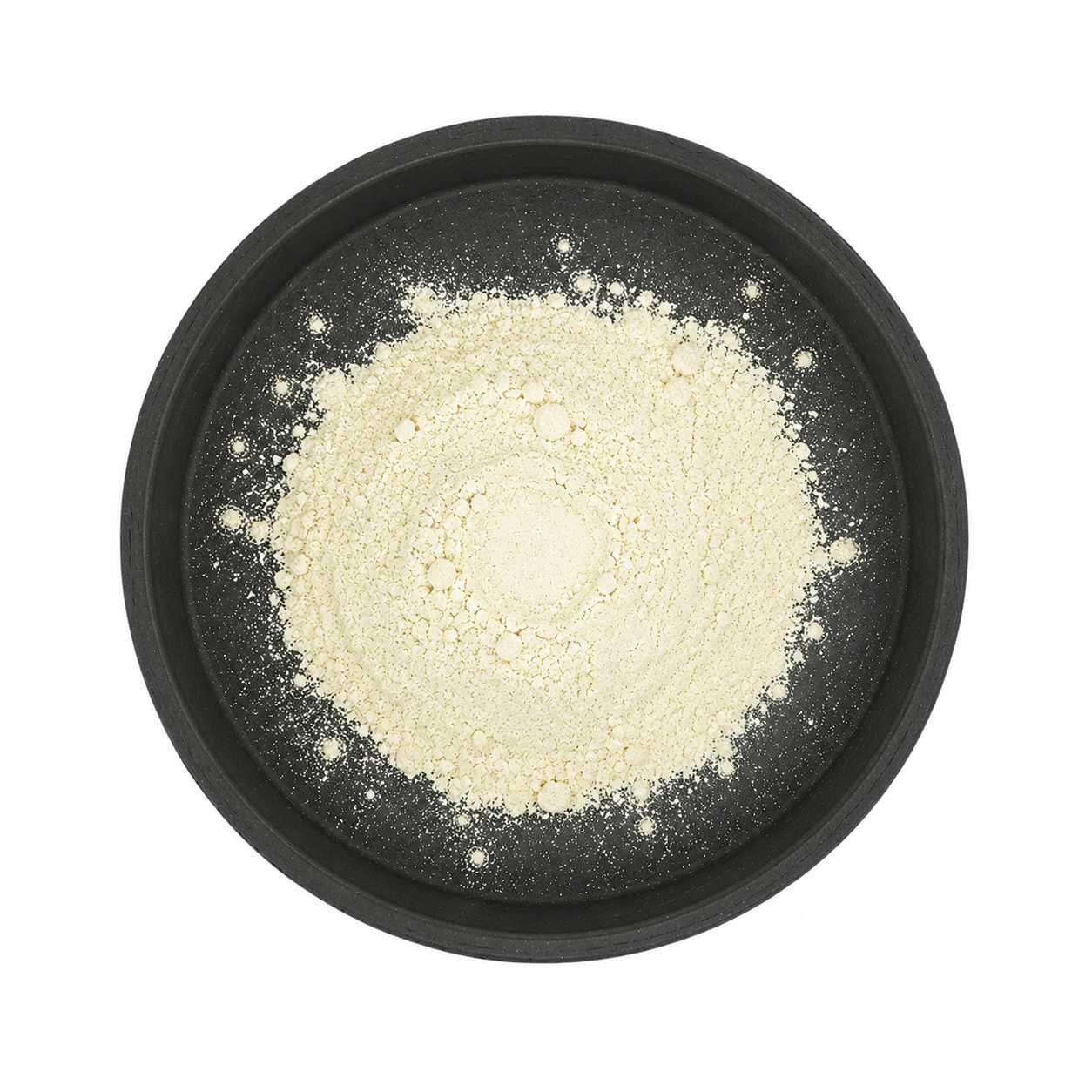
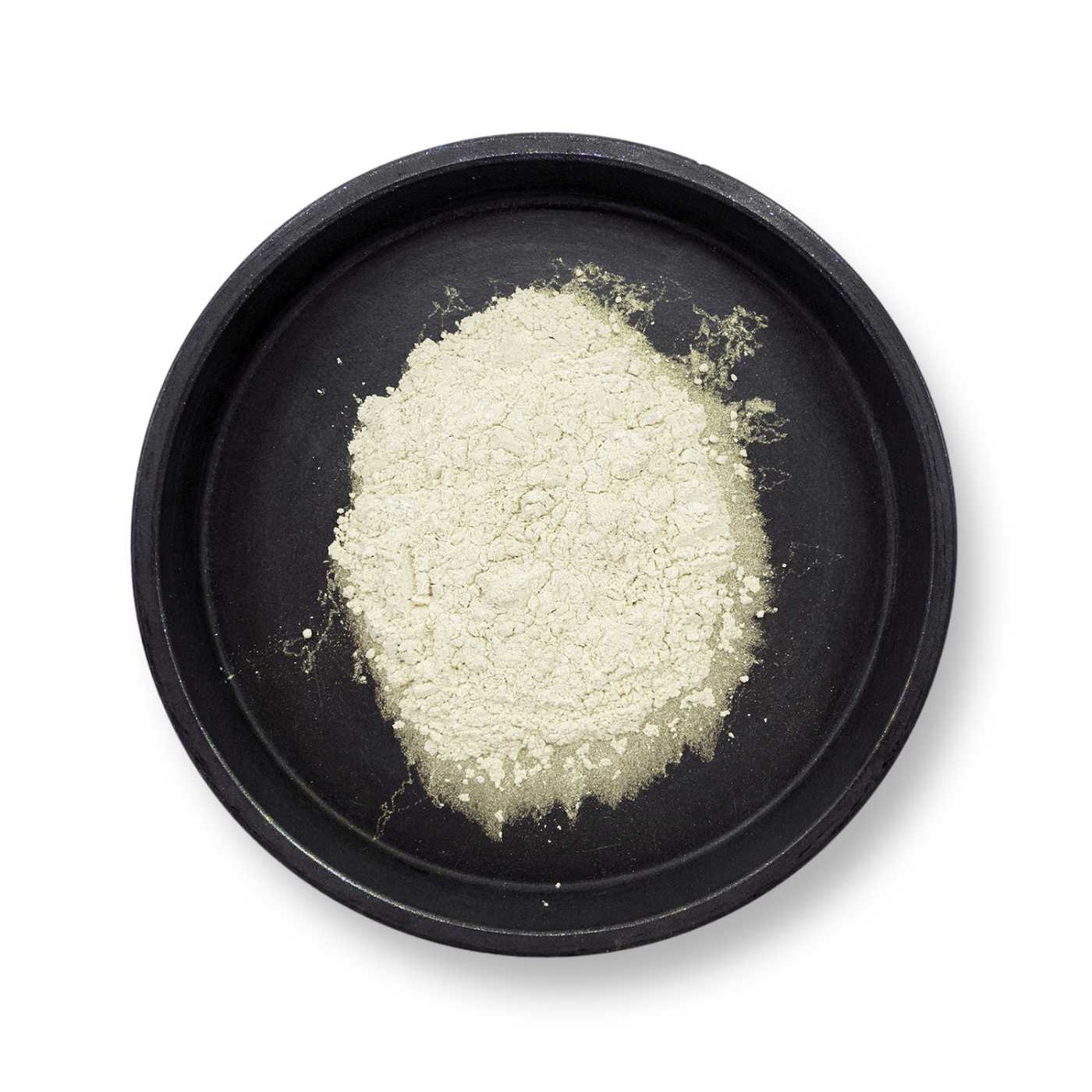
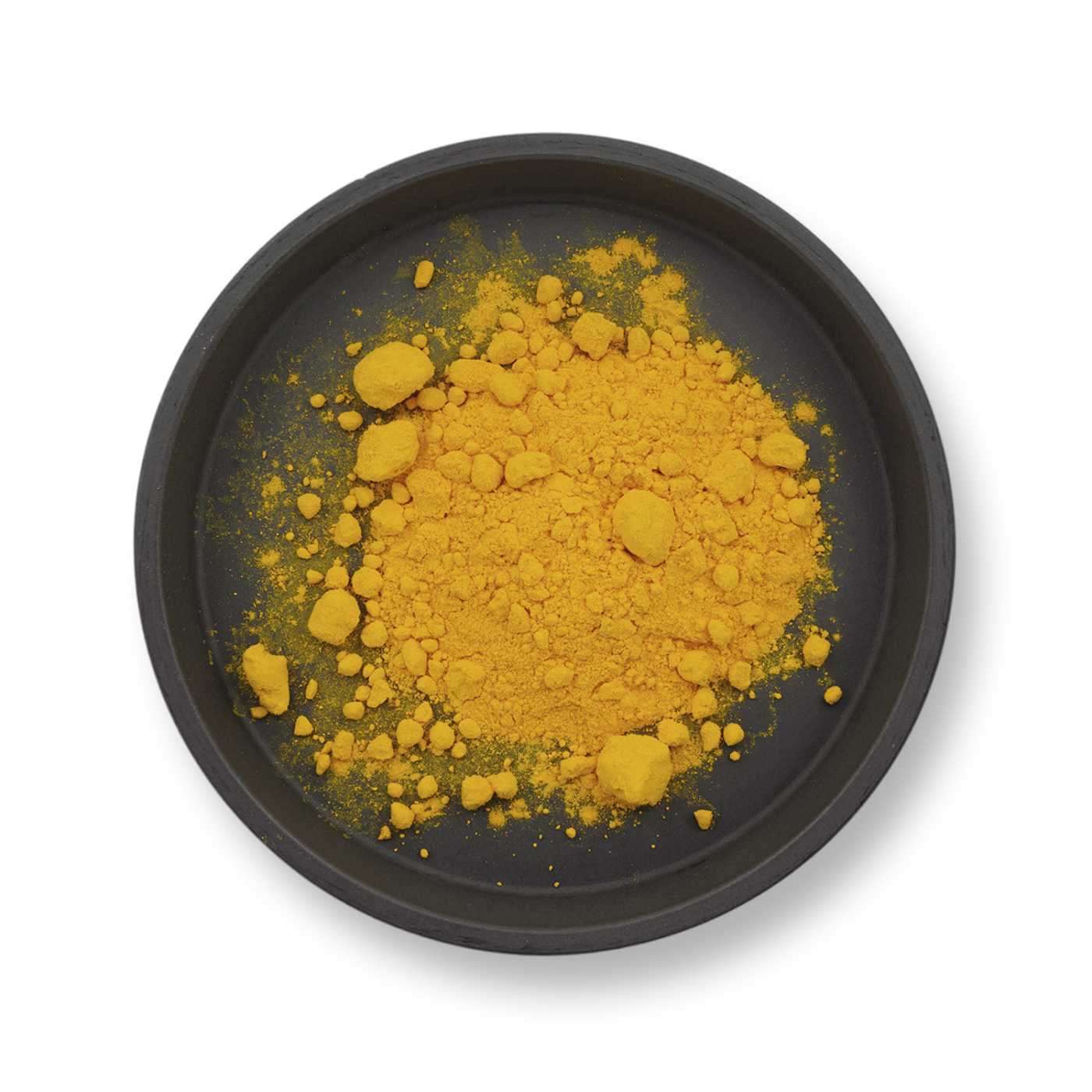
It is supplied as white to ivory flakes with a faint characteristic odour. We recommend verifying the stability and pH of the finished product with every new formulation.


Frequently asked questions

What is the usage rate of the Emulpharma K10 emulsifier?
The usage rate of Emulpharma K10 is 2–8% of the weight of the product. For standard creams and lotions, 3–6% is a good starting point. Thinner emulsions need a lower amount, thicker creams a higher one. The resulting thickness also depends on the share of the oil phase and on other thickening ingredients in the formulation.
At what temperature is Emulpharma K10 processed?
Emulpharma K10 is processed at 70–75 °C. The flakes melt at 57–67 °C, so the oil phase must be heated above this range and held until they have melted completely. Unmelted remnants of the emulsifier lead to an unstable or grainy emulsion.
Is Emulpharma K10 added to the water phase or the oil phase?
Emulpharma K10 is added to the oil phase, in which it melts under heat. The raw material itself is soluble in water and in ethanol, and dispersible in vegetable and mineral oils. When making an emulsion, however, it is melted together with the other ingredients of the oil phase.
Does Emulpharma K10 need a co-emulsifier or another thickener?
No, Emulpharma K10 is a self-emulsifying system and forms an O/W emulsion without any other emulsifier. It also already contains the fatty alcohol Cetearyl Alcohol, which thickens the emulsion. Another fatty alcohol can be added when the cream is meant to be thicker. However, it should be added gradually, because the emulsion thickens quickly with it.
What pH is the Emulpharma K10 emulsifier suitable for?
Emulpharma K10 is suitable for products with a pH of 3–12. This makes it usable in both acidic products and alkaline formulations. The pH value of 5.5–7.5 in the specification refers to a 5% solution of the raw material itself, not to the permissible pH of the finished product.
Is Emulpharma K10 suitable for sensitive skin and baby skin care?
Yes, Emulpharma K10 is also used in products for sensitive, dry and baby skin. It is non-ionic, of vegetable origin, PEG-free and contains no fragrance allergens. However, the tolerance of the finished product depends on the entire formulation, not only on the emulsifier.

Parameters

INCI
Cetearyl Glucoside, Sorbitan Olivate, Cetearyl Alcohol
CAS No.
246159-33-1, 223706-40-9, 67762-27-0 / 8005-44-5
Product colour
White
Country of origin
Italy
Processing method
BlendingEsterification
Formulation phase
Oil phase
HLB value
9
Ionic character
Non-ionic
Recommended processing temperature
70 – 75 °C
Recommended usage rate
2 – 8 %
Recommended formulation pH range
3 – 12
Application type
Leave-onRinse-off
Biodegradability
Readily biodegradable
Manufacturer's certificate
RSPO MB (Mass Balance)
Natural Origin Index (NOI ISO 16128)
1,00

Product documentation

CoACertificate of Analysis
batch 500050900PDF ↓
batch 500054226PDF ↓
TDSTechnical Data Sheet
Physical parameters and processingPDF ↓
SDSSafety Data Sheet
Available for purchased products —
Download all (ZIP)

3 PDF files in one archive

Learn how to work with it

From our blog
REVIEWS

Verified by customers.

No reviews yet.

Only customers with a delivered order can write reviews.