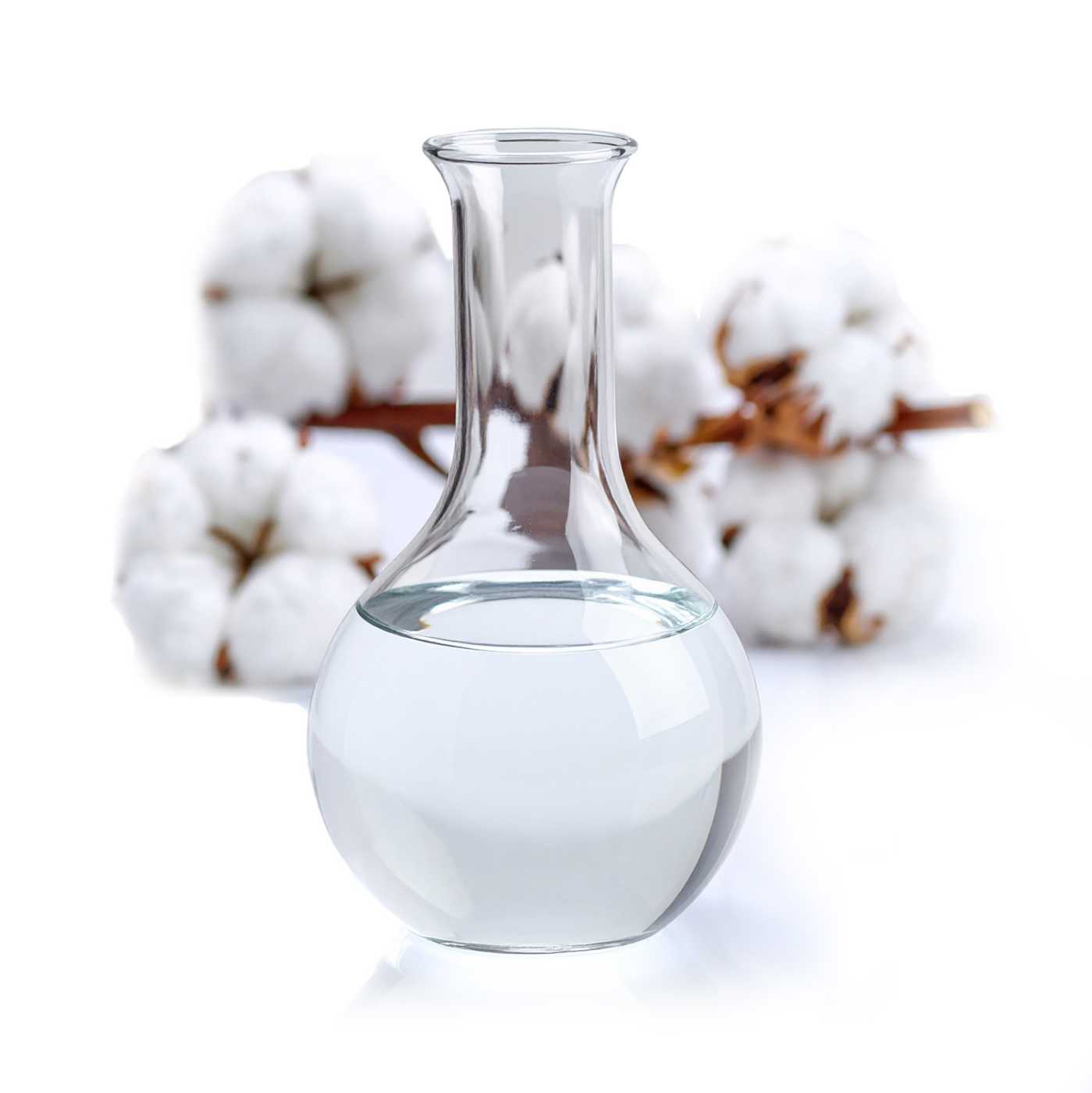
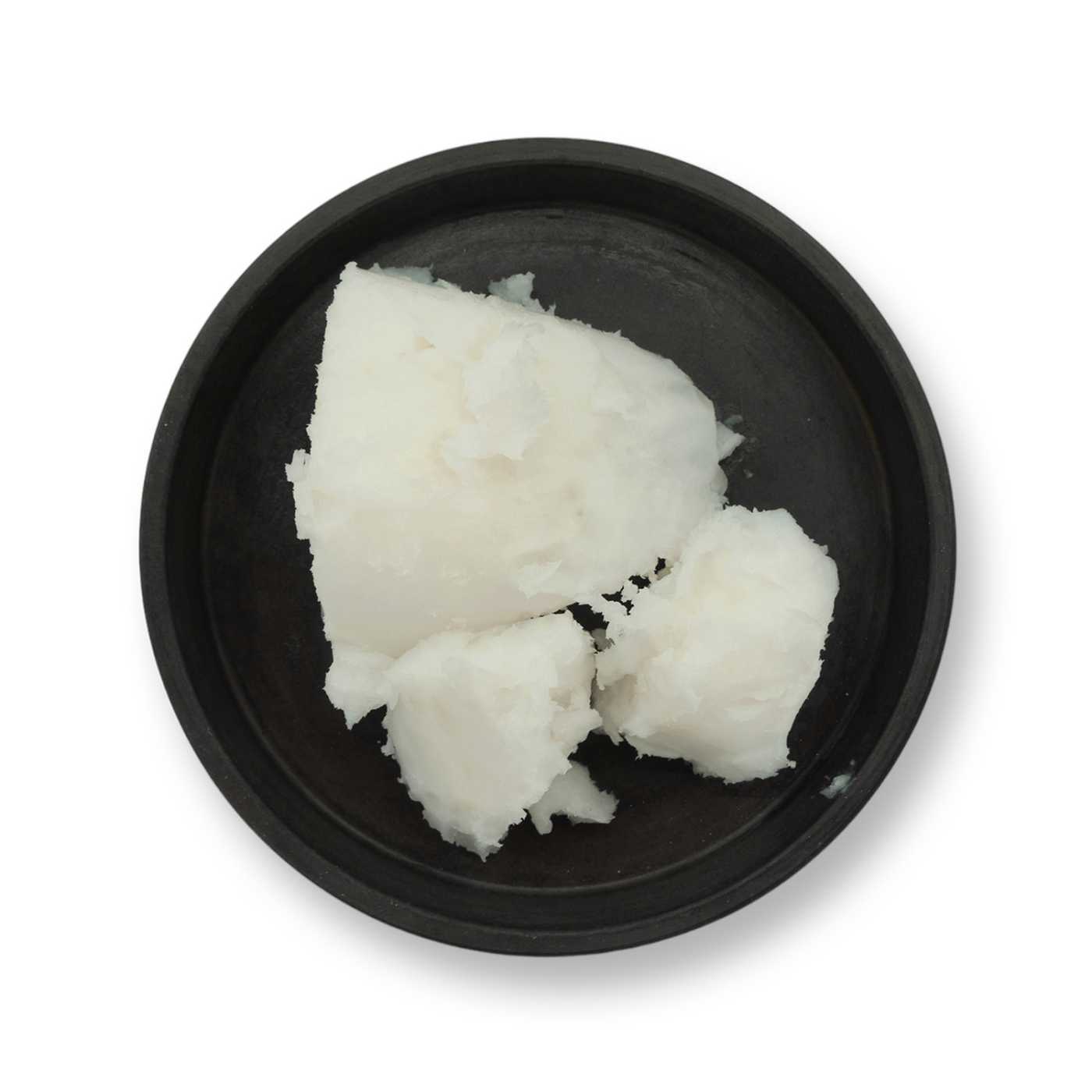
Cotton fragrance oil adds the scent of cotton to soaps, shower gels, creams, hair care products, candles, and laundry and cleaning products. In a formulation, it acts as the fragrance component.
The composition is synthetic, of European origin, and contains no materials of animal origin. It is used in rinse-off and leave-on products for the body, face, hands and hair.
What it is suitable for
- Soaps and rinse-off cosmetics – solid and liquid soaps, shower gels, bath products, shampoos and rinse-off conditioners.
- Leave-on and decorative cosmetics – body creams, lotions and oils, hand creams, face creams, deodorants and antiperspirants.
- Candles and diffusers – candles of all types, including container candles, and fragrances for diffusers.
- Laundry and home care – laundry products, fabric care and household cleaning products.
Use in a formulation
The fragrance oil is added at the end of production, during the cooling phase or afterwards into the finished base. The recommended processing temperature is below 40 °C. It is incorporated by stirring.
It dissolves in oils and in alcohol and is insoluble in water. In emulsions (creams, body lotions, conditioners), it is stirred in after cooling below 40 °C. In anhydrous products, such as body oils, it dissolves directly in the oil phase. In alcohol bases, it also dissolves without any auxiliary ingredients.
Purely water-based products require a solubiliser. The fragrance oil is first mixed with it, and only this mixture is gradually added to the water phase. The ratio of solubiliser to fragrance oil should be tested on a small sample.
In candles, the fragrance oil is stirred into the melted wax just before pouring, at the lowest temperature the wax allows. In cold process soap, first check the fragrance in a small test batch.
Usage rate and IFRA limits
The maximum permitted amount is determined by the IFRA limit for the category to which the finished product belongs. Solid and liquid soaps, shampoos and shower gels fall into category 9, and deodorants and antiperspirants into category 2. Body creams, lotions and oils belong to 5A, face creams and toners to 5B, and hand creams to 5C. Candles fall into category 12, and hand-wash laundry detergents and dishwashing products into category 10A.
Check the IFRA limit for your category before calculating the recipe. Within the limit, start with a lower usage rate and fine-tune the intensity of the fragrance on a test sample.
Good to know
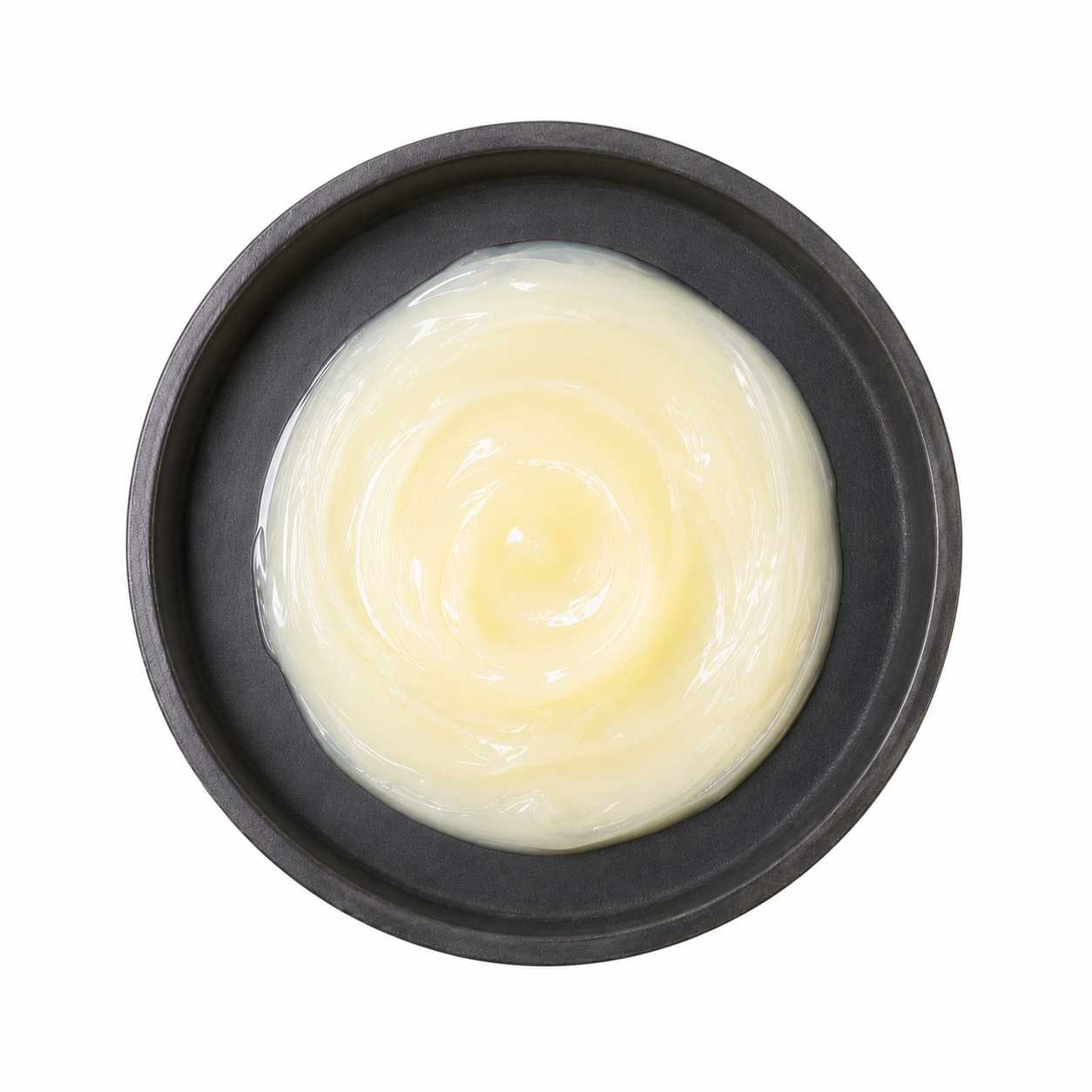
- Colour – the fragrance oil is colourless and clear. It is advisable to check its effect on the colour of the finished product on a sample.
- No preservatives or alcohol – it contains no preservatives, parabens, alcohol, formaldehyde or formaldehyde donors.
- Allergens – it contains one or more fragrance allergens listed in Annex III of Regulation (EC) No 1223/2009.
- CMR – the product is not classified as carcinogenic, mutagenic or toxic for reproduction. However, it contains ingredients with a CMR classification: Anisaldehyde and Cyclamen Aldehyde.
The fragrance oil is classified under Regulation (EC) No 1272/2008 (CLP), contains hazardous substances and is labelled with the GHS07 pictogram. Detailed information on composition, classification and safe handling is provided in the safety data sheet (SDS).
Frequently asked questions
Is Cotton fragrance oil soluble in water?
No, Cotton fragrance oil is insoluble in water. It dissolves in oils and in alcohol. In emulsions, it is added during the cooling phase and stirred into the finished cream or lotion. For purely water-based products, such as face toners, it must first be mixed with a solubiliser and only then added to the water phase.
At what temperature is Cotton fragrance oil added to a cream?
Cotton fragrance oil is added to a cream at a temperature below 40 °C, that is, during the cooling phase. The emulsion is formed first and cooled while stirring. Only then is the fragrance oil stirred in, and the cream is mixed thoroughly so that the scent is distributed evenly.
What is the usage rate of Cotton fragrance oil?
The usage rate of Cotton fragrance oil is governed by the IFRA limit for the category to which the finished product belongs. Soaps, shampoos and shower gels belong to category 9, body creams and lotions to 5A, face creams to 5B, and deodorants to category 2. Within the limit, we recommend starting with a lower usage rate and fine-tuning the intensity of the fragrance on a test sample.
Is Cotton fragrance oil suitable for candles?
Yes, candles are among the applications for which Cotton fragrance oil is intended. In the IFRA system, they fall into category 12. The fragrance oil is stirred into the melted wax just before pouring. The usage rate and the intensity of the scent when burning should be verified with a test candle made with your specific wax and wick.
Does Cotton fragrance oil contain allergens?
Yes, Cotton fragrance oil contains one or more fragrance allergens listed in Annex III of Regulation (EC) No 1223/2009, as amended, including Commission Regulation (EU) 2023/1545. It is also classified under the CLP Regulation and bears the GHS07 pictogram. Details on composition and safe handling are provided in the SDS.