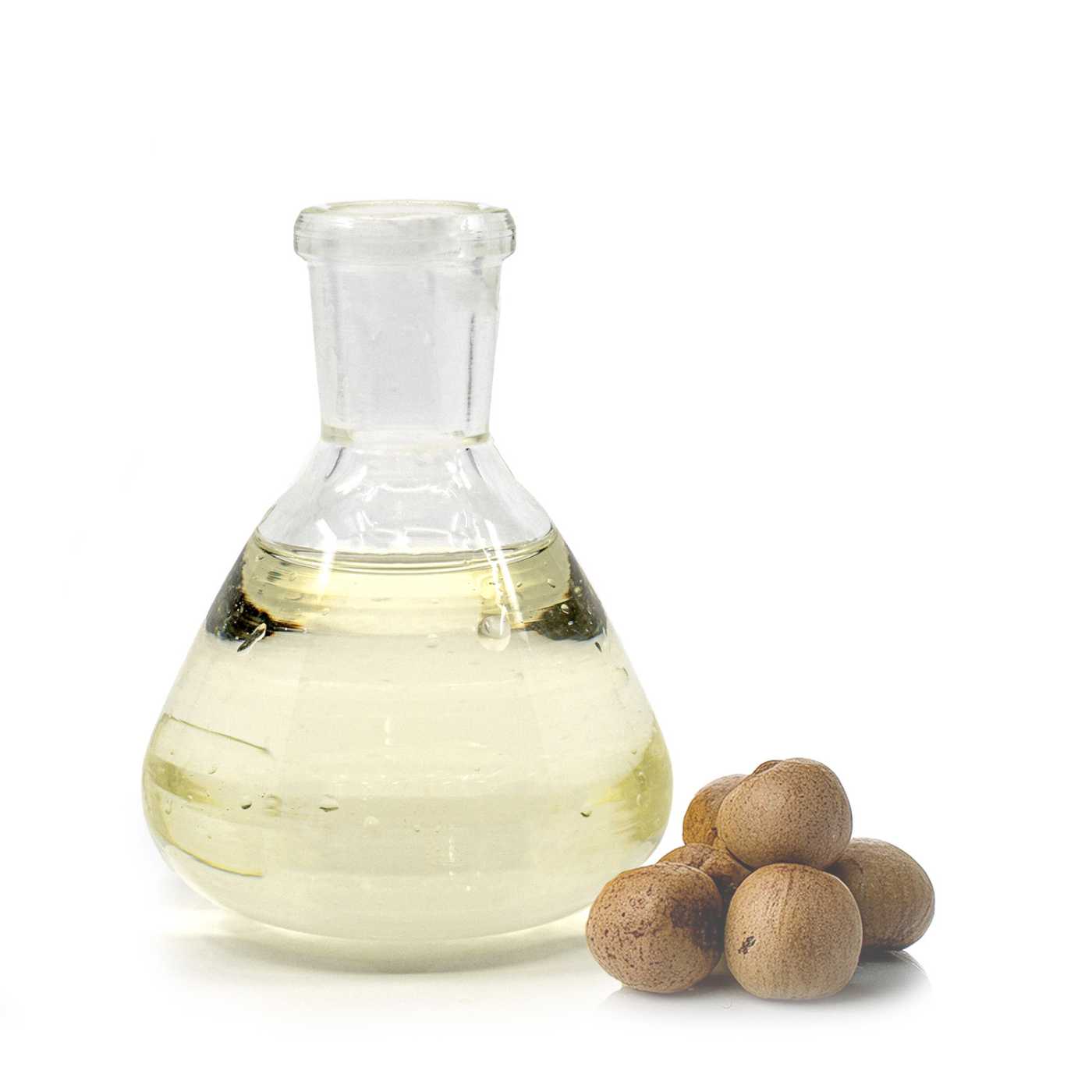
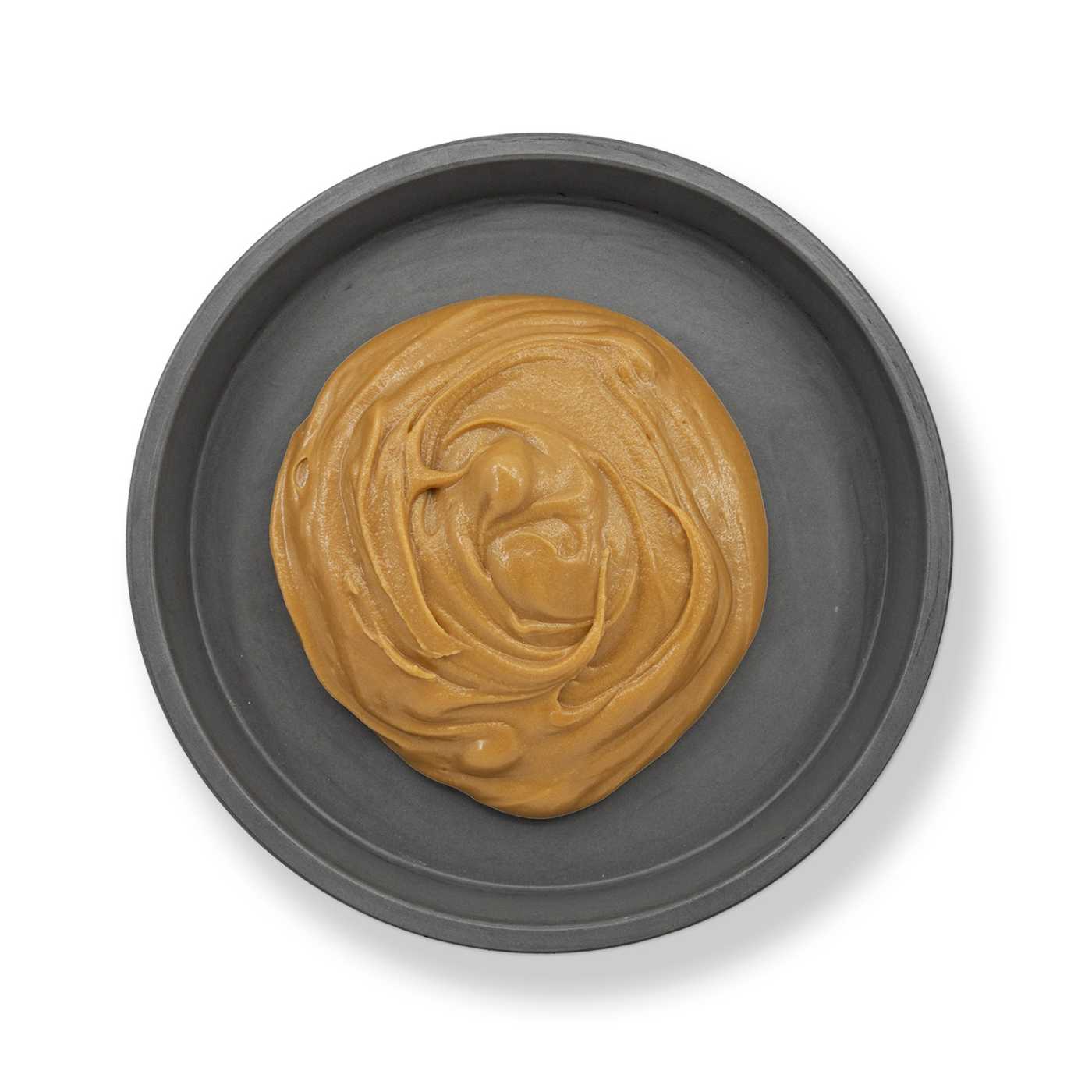
Cold-pressed cupuacu butter is an emollient for creams, body butters, balms and hair masks. It nourishes skin and hair and helps limit moisture loss. It is obtained from the seeds of the Theobroma grandiflorum tree from Brazil, which belongs to the same genus as the cacao tree. The seeds from wild-harvested fruit are dried and cold-pressed, and the butter is then only filtered, so it retains its original fatty acid composition and its mild nutty scent.
In a formulation it can make up a small share of the oil phase or the whole base of an anhydrous product. It is vegan, palm oil-free, preservative-free and alcohol-free. It is also used in baby cosmetics and in products for sensitive skin.
Key benefits
- Limiting moisture loss – the butter forms a thin film on the skin that slows the evaporation of water. The manufacturer recommends it especially for dry, rough and cracked skin, where it helps maintain a feeling of hydration for longer.
- Softening and smoothing – as an emollient, it fills in tiny irregularities and leaves the skin smoother. According to the manufacturer’s data, it absorbs relatively quickly and does not leave a distinctly greasy feel.
- Antioxidants and fatty acids – the manufacturer states that its natural antioxidant content helps protect the skin from external influences and supports the appearance of mature skin. It classes the butter among ingredients for anti-wrinkle products. The actual effect, however, depends on the whole formulation.
- Soothing irritated skin – according to the manufacturer, the butter soothes and reduces visible redness. In the finished product this translates into a more comfortable feel on sensitive skin.
- Evening out skin tone – the manufacturer’s marketing materials mention brightening the skin and reducing the visibility of dark spots. For this effect we rely solely on the manufacturer’s claims.
- Conditioning hair – it softens dry and damaged hair, makes it easier to comb and gives it a silky feel. It suits hair masks, leave-in conditioners and styling products.
Use in formulations
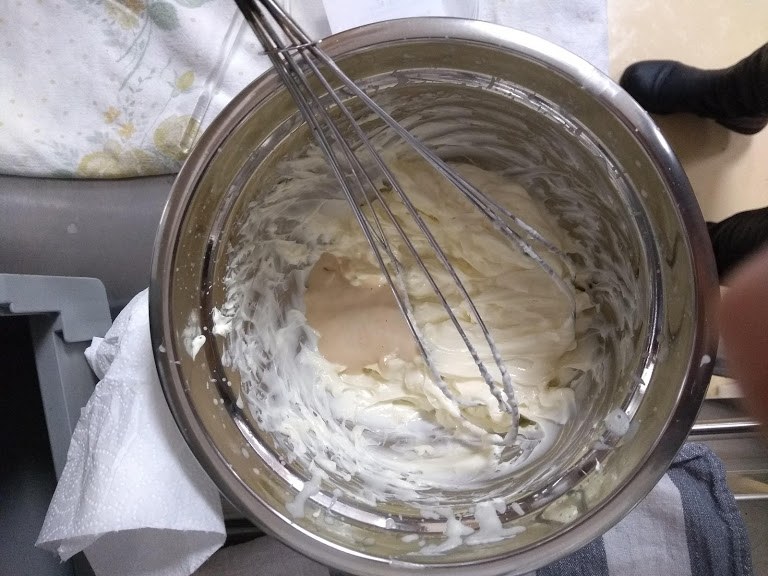
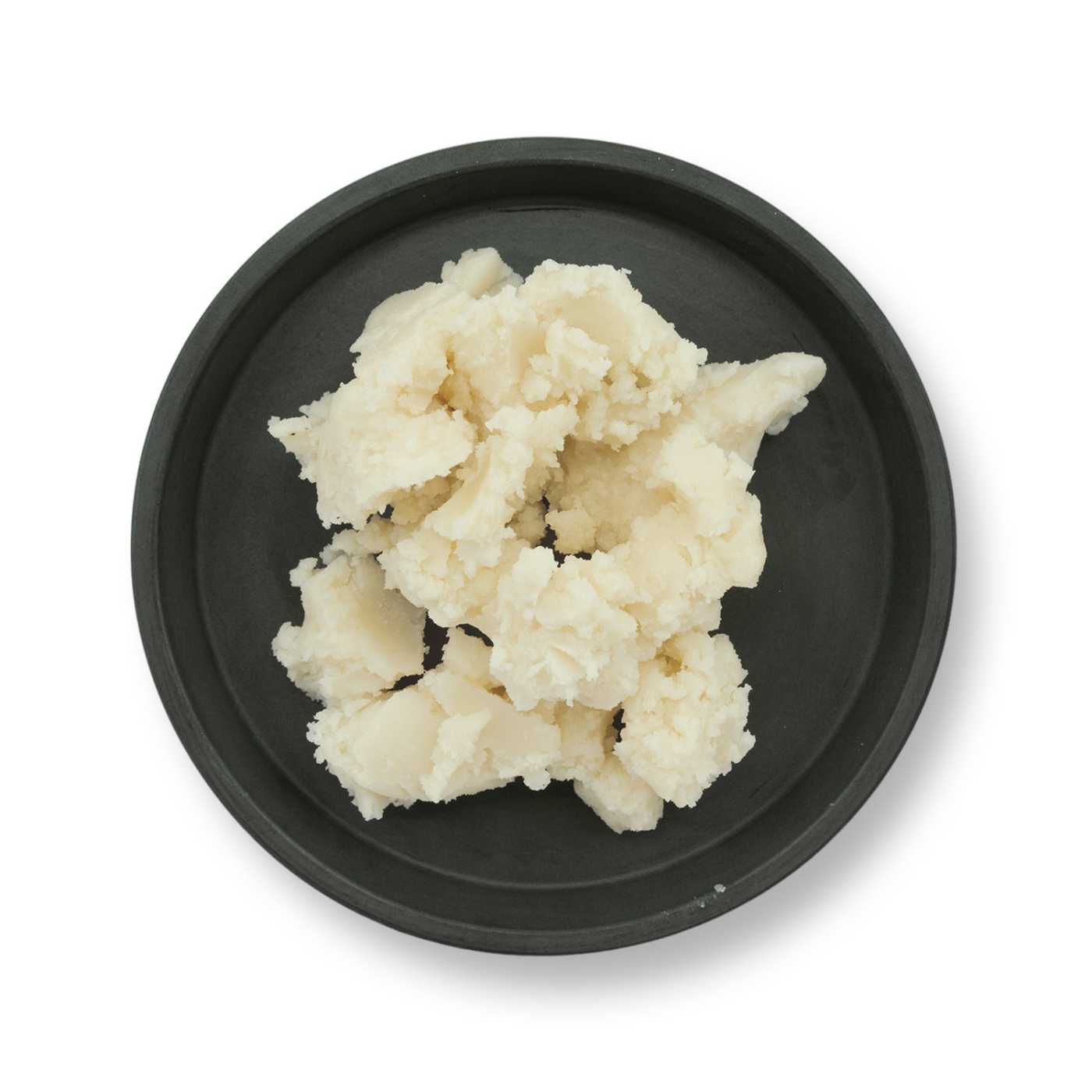
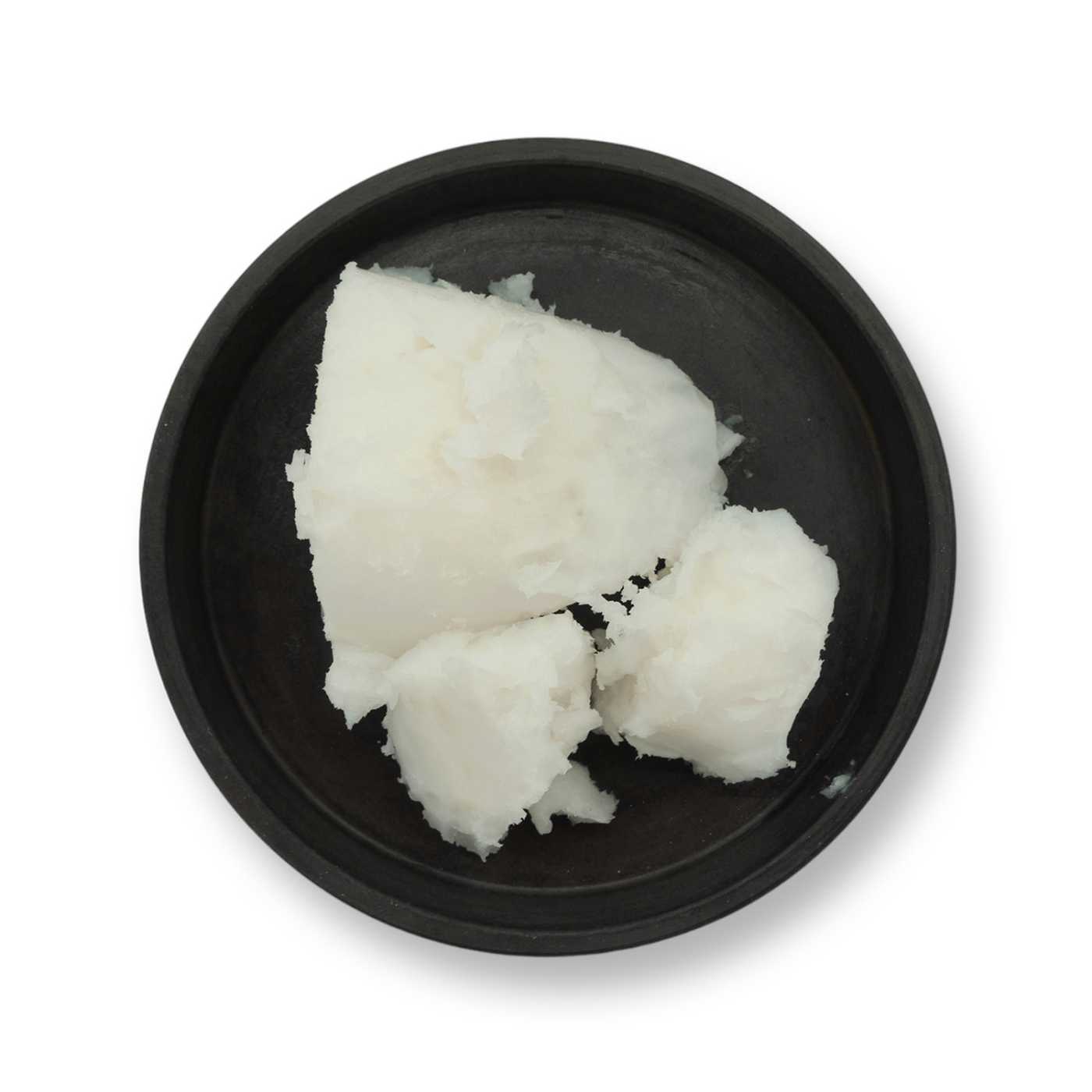
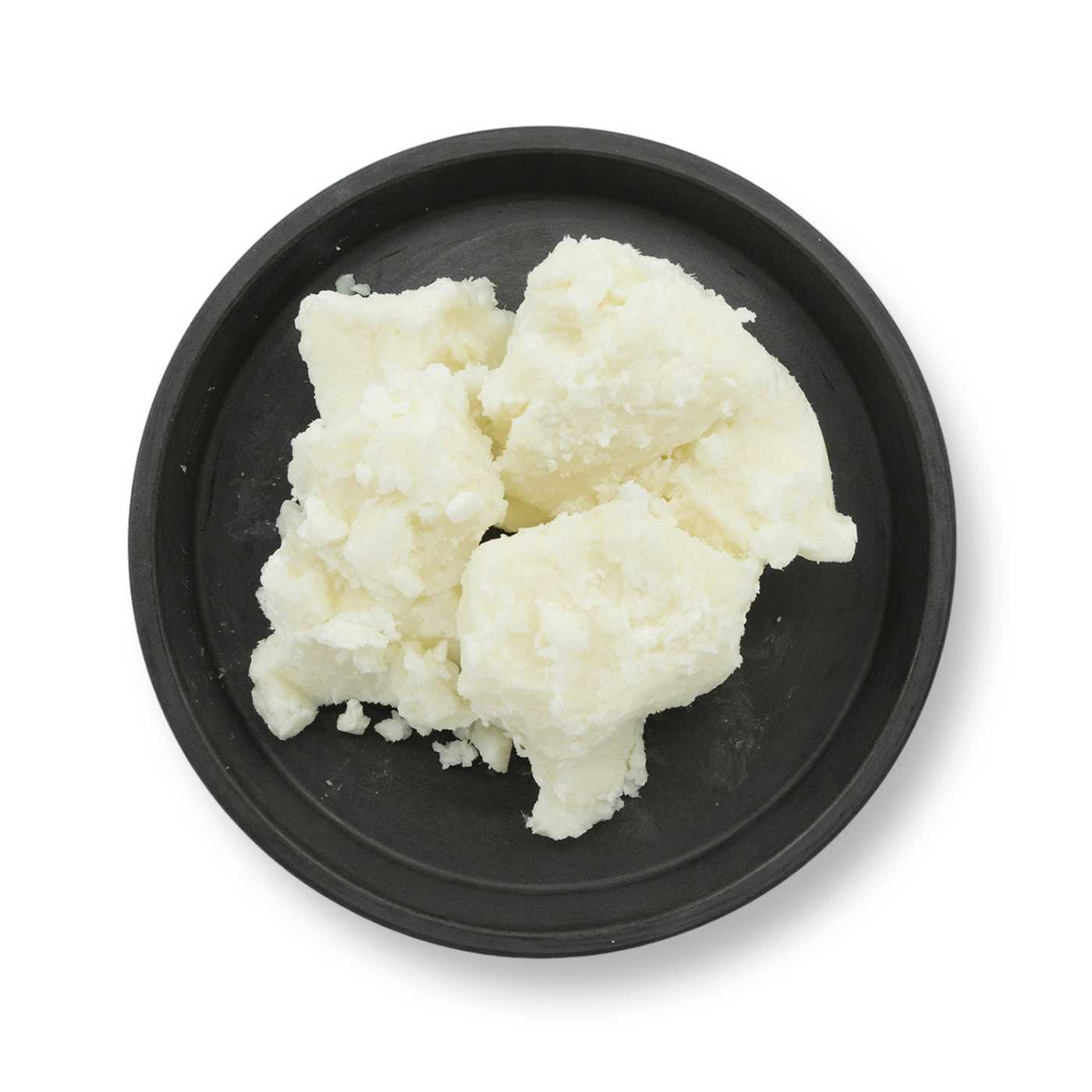
Cupuacu butter is supplied as a soft solid butter that spreads well. It is oil-soluble and insoluble in water, so it belongs in the oil phase. In emulsions it is melted together with the other oils and waxes, and in anhydrous products it is mixed directly with liquid oils, butters or waxes. The recommended processing temperature is up to 60 °C, so a water bath is enough to melt it.
Do not heat above 60 °C. If the formulation requires a higher temperature for other ingredients, add the butter only during cooling, once the temperature of the mixture drops below this limit.
The consistency is determined by the fatty acid composition. The butter contains approximately 30–40% stearic acid and 5–15% arachidic acid, which give balms and body butters body and firmness, and 35–45% oleic acid, which improves spreadability and absorption. Unsaponifiables make up at most 1.5%. At room temperature the butter holds its shape, and it softens when warmed.
The usage rate ranges from 1% up to 100%. In creams and lotions a lower share is used, where the butter firms up the texture and adds a more nourishing feel. In body butters, lip balms and solid sticks it can be the main ingredient, even on its own without other fats.
Butters with a high stearic acid content tend to become grainy after slow solidification. After melting, therefore, cool the mixture quickly, for example in the fridge, and stir anhydrous body butters several times while they solidify.
In both cold process and hot process soaps, the butter is used as part of the fat blend. The saponification value for this raw material is approximately 160–260 mg KOH/g. We therefore recommend calculating the amount of sodium or potassium hydroxide from the value for the specific batch, not from an average.
Suitable for products such as
- Body butters and balms – anhydrous products where the butter forms the base of the formulation and gives a dense, nourishing texture.
- Creams and body lotions – as part of the oil phase of both O/W and W/O emulsions, especially for dry and mature skin.
- Lip balms and lip balm sticks – it firms up the mixture, softens cracked lips and combines well with waxes.
- Hand and foot creams – for rough and cracked skin, where the protective film is put to use.
- Hair masks and conditioners – rinse-off and leave-in products for dry and damaged hair.
- Soaps – in the fat blend of both cold process and hot process soap.
- Decorative cosmetics – in solid and creamy products, for example coloured balms or lipsticks.
- Baby cosmetics and shower products – as a nourishing ingredient in products for sensitive skin.
Good to know
The butter itself contains no water or preservatives. Anhydrous products made with it therefore do not need a preservative, but for emulsions and all formulations with a water phase, preservation is essential. It is also worth adding an antioxidant to the oil phase, for example tocopherol, which slows the oxidation of unsaturated fatty acids and prolongs the fresh scent of the finished product.
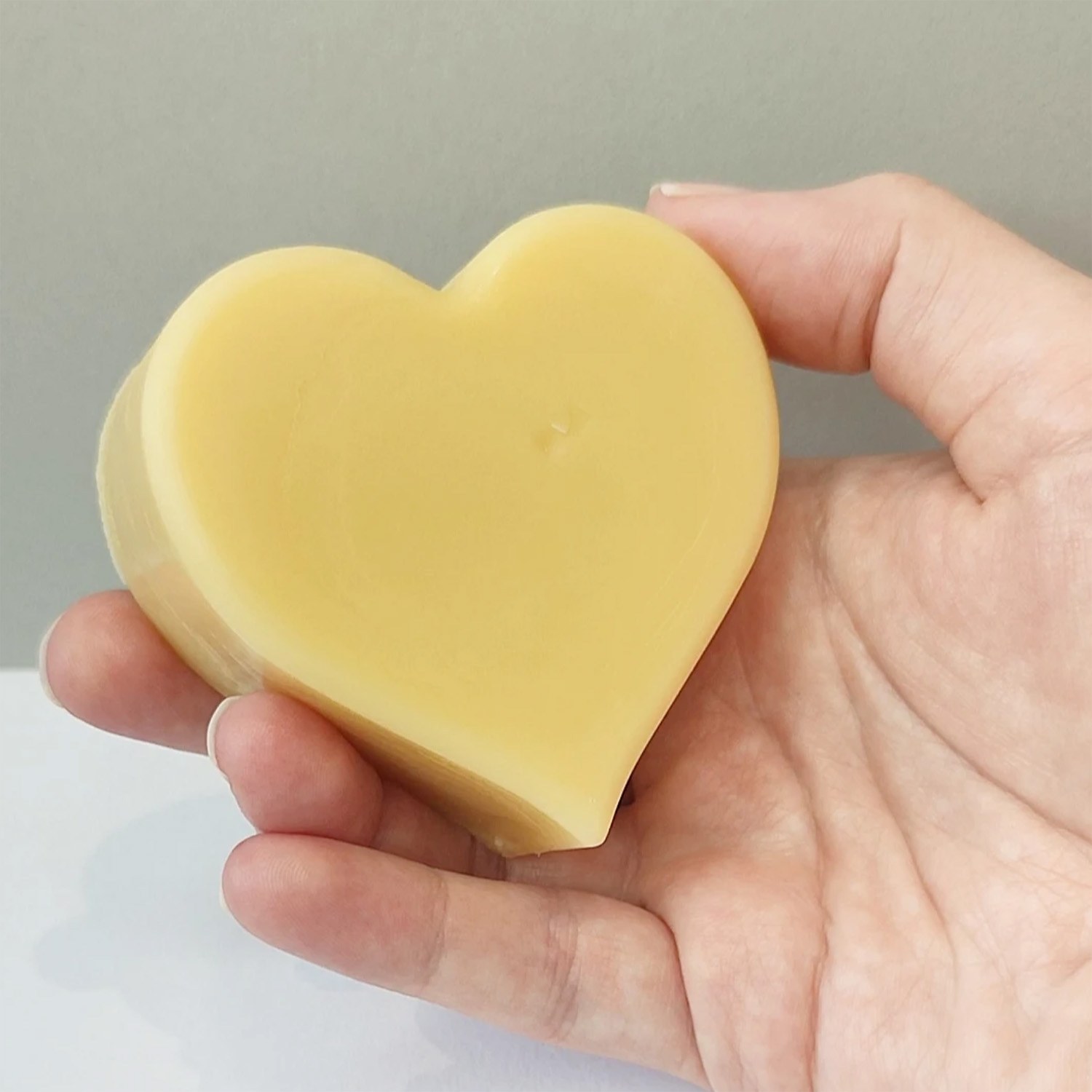
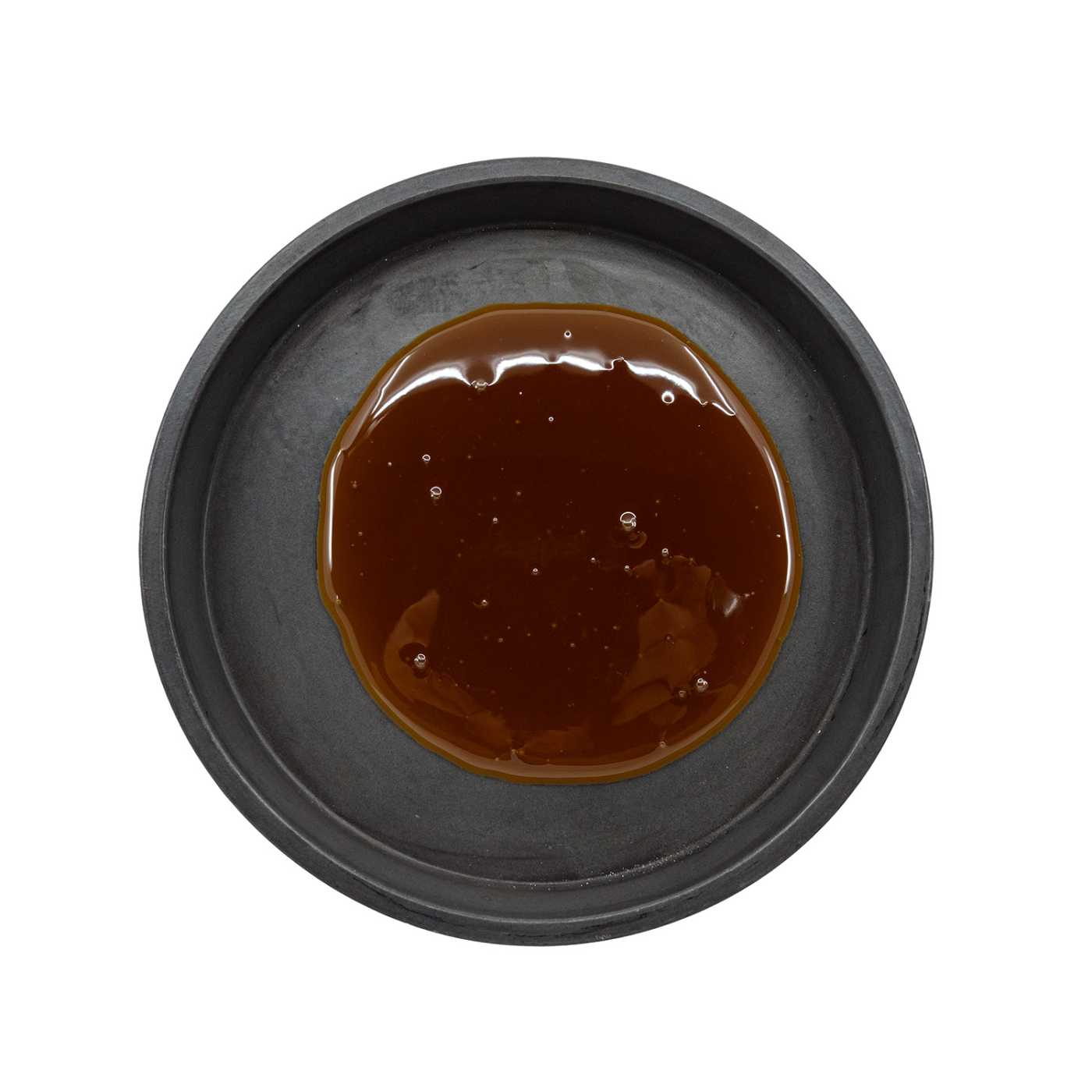
The colour of the butter ranges from light cream to yellow to light brownish and may differ slightly between batches. In white creams at a lower usage rate it is usually not visible, while in anhydrous balms with a high share of butter you should expect a creamy yellow shade. The scent is mildly nutty and fatty. In unfragranced products it remains noticeable, while a fragrance composition will mask it at a normal usage rate.
The raw material is not classified as hazardous under the CLP Regulation, does not contain the fragrance allergens listed in Annex III of the Cosmetic Products Regulation and is suitable for rinse-off and leave-on products.
Frequently asked questions
Is cupuacu butter soluble in water?
No, cupuacu butter is insoluble in water and dissolves only in oils and fats. In formulations it is therefore added to the oil phase, and in emulsions it is combined with the water phase using an emulsifier. It cannot be incorporated into purely water-based products, such as toners or gels without an oil phase, without a solubiliser.
At what temperature is cupuacu butter processed?
Cupuacu butter is heated to a maximum of 60 °C, ideally in a water bath. At this temperature it is fully melted and can be mixed with oils, waxes or an emulsifier. If the formulation requires a higher temperature for other ingredients, the butter is added only once the mixture is cooling. At room temperature it is a soft solid and holds its shape.
Can cupuacu butter be used on its own as a body butter?
Yes, cupuacu butter can also be used on its own, as the recommended usage rate goes up to 100%. For better spreadability it is often mixed with a liquid oil in practice, and in an anhydrous product it is enough to add an antioxidant. With pure butter you should expect a firmer texture, and after melting the mixture should be cooled quickly to prevent graininess.
Is cupuacu butter suitable for hair care products?
Yes, cupuacu butter is used in hair masks, in rinse-off and leave-in conditioners and in styling products. It softens dry and damaged hair, makes it easier to comb and gives it a silky feel. For leave-in products for fine hair, a lower usage rate is recommended so that the hair does not feel weighed down.
Does a product with cupuacu butter need a preservative?
Every product that contains water needs a preservative. Cupuacu butter itself and the anhydrous balms and body butters made from it do not require one. However, it is recommended to add an antioxidant to the oil phase, for example tocopherol, which slows the yellowing of the fat. In creams, lotions and all emulsions, preservation is essential regardless of the share of butter.