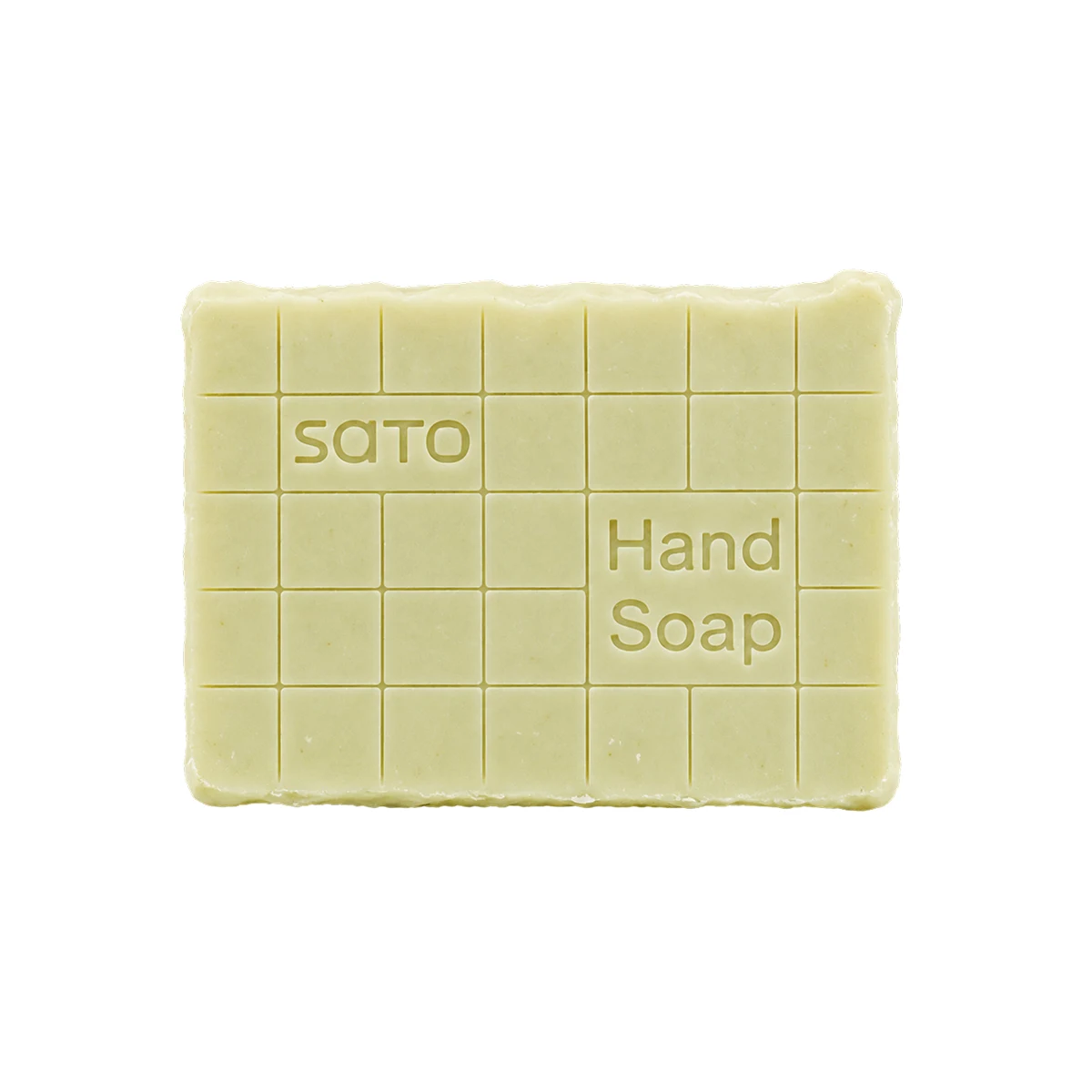
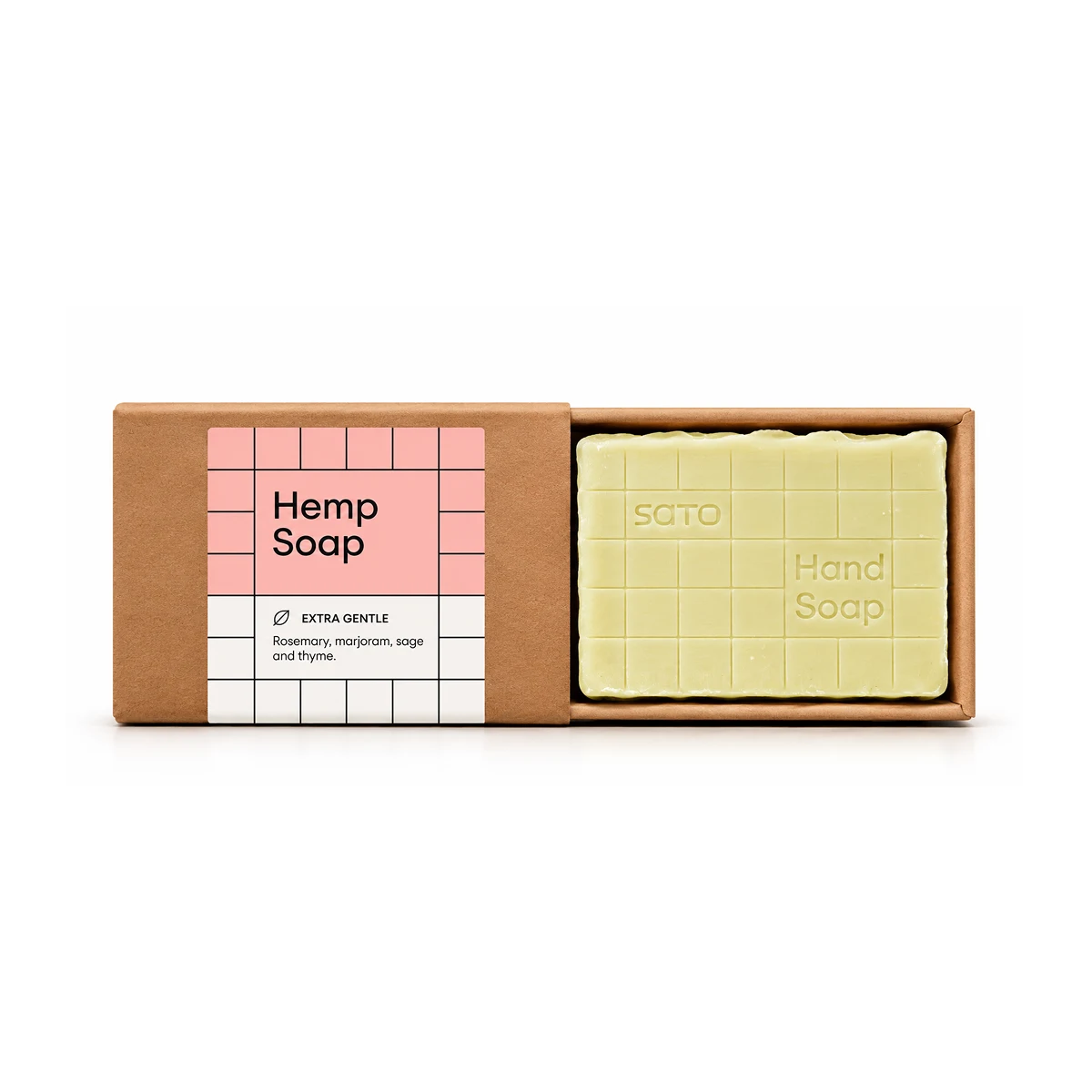
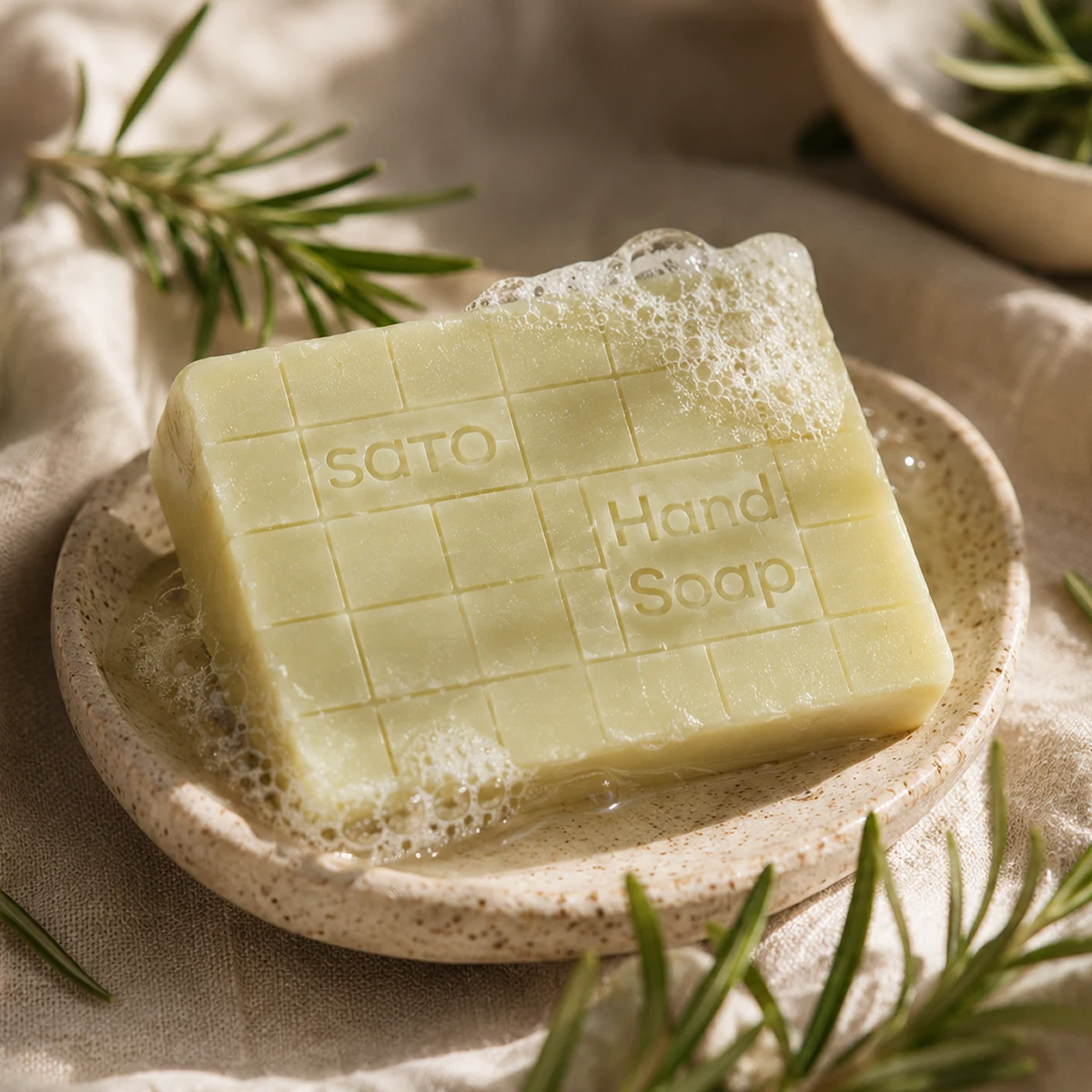
Hemp Soap is built on hemp oil and herbs you know from the kitchen. Hemp oil gives it a gentle green tint and leaves the skin lightly conditioned as you wash, while rosemary, marjoram, sage and thyme add a fresh herbal fragrance.
The lather is rich and creamy: coconut oil makes sure there is plenty of it, and shea butter makes it creamy. It is made by the cold process in Slovakia to our own recipe.
Why hemp oil
Hemp oil is pressed from the seeds of common hemp, one of the oldest crops people have grown. For centuries the stalks were made into ropes and ship sails, and the seeds into oil. It is rich in unsaturated fatty acids, which gently nourish the skin.
It is a delicate oil that does not tolerate high temperatures, so the cold process suits it. We used it twice in the recipe: one is refined, the other cold-pressed with its natural green colour.
For the record: this is a seed oil, and soap made with it does what soap does: it cleans.
Made by the cold process
In this method the oils and butter are only gently warmed. The transformation into soap proceeds slowly.
All the glycerine that forms during saponification stays in the soap. It binds moisture, and the skin feels pleasant to the touch after washing.
The recipe has a superfat of approximately 6%. This part of the oils is deliberately not turned into soap and conditions the skin while you are still washing.
After production the soap still cures. Part of the water evaporates from it and the soap hardens.
Ingredients and why these
At SATO a simple principle applies: no ingredient without a function, each one added with a purpose. We list the ingredients as they enter production. Most of the oils turn into soap and glycerine in the process.
- Coconut oil – a source of rich lather and cleansing power. Of all the oils in the recipe it gives the most lather, so without it a soap with gentle olive and hemp oil would lather only timidly.
- Olive pomace oil – obtained from what is left of the olives after pressing. Olives for oil are traditionally harvested in late autumn and winter, when they are ripe. In the soap it gives the lather creaminess and makes washing gentler.
- Demineralised water – sodium hydroxide is dissolved in it so that it can meet the oils. It is demineralised so that minerals from tap water do not react with the soap before you wash with it for the first time.
- Shea butter – obtained traditionally by hand from the nuts of a tree that grows in the African savannas. It firms up the soap and gives the lather creaminess. The part that is not saponified nourishes the skin.
- Sodium hydroxide – without it the soap would not form. It meets the oils in the exact ratio given by the recipe, slightly less than would convert all the oils, so that some of the oil stays free. It is fully consumed in the reaction, and none is left in the finished soap.
- Hemp oil – pressed from the seeds of common hemp, not from the leaves or flowers, and it gave the soap its name. It is one of the oils with omega-6 and omega-3 fatty acids in a ratio of approximately 3:1. It is sensitive to heat and light, which is why the cold process suits it, and it is hemp oil that brings the gentle green tint of the soap.
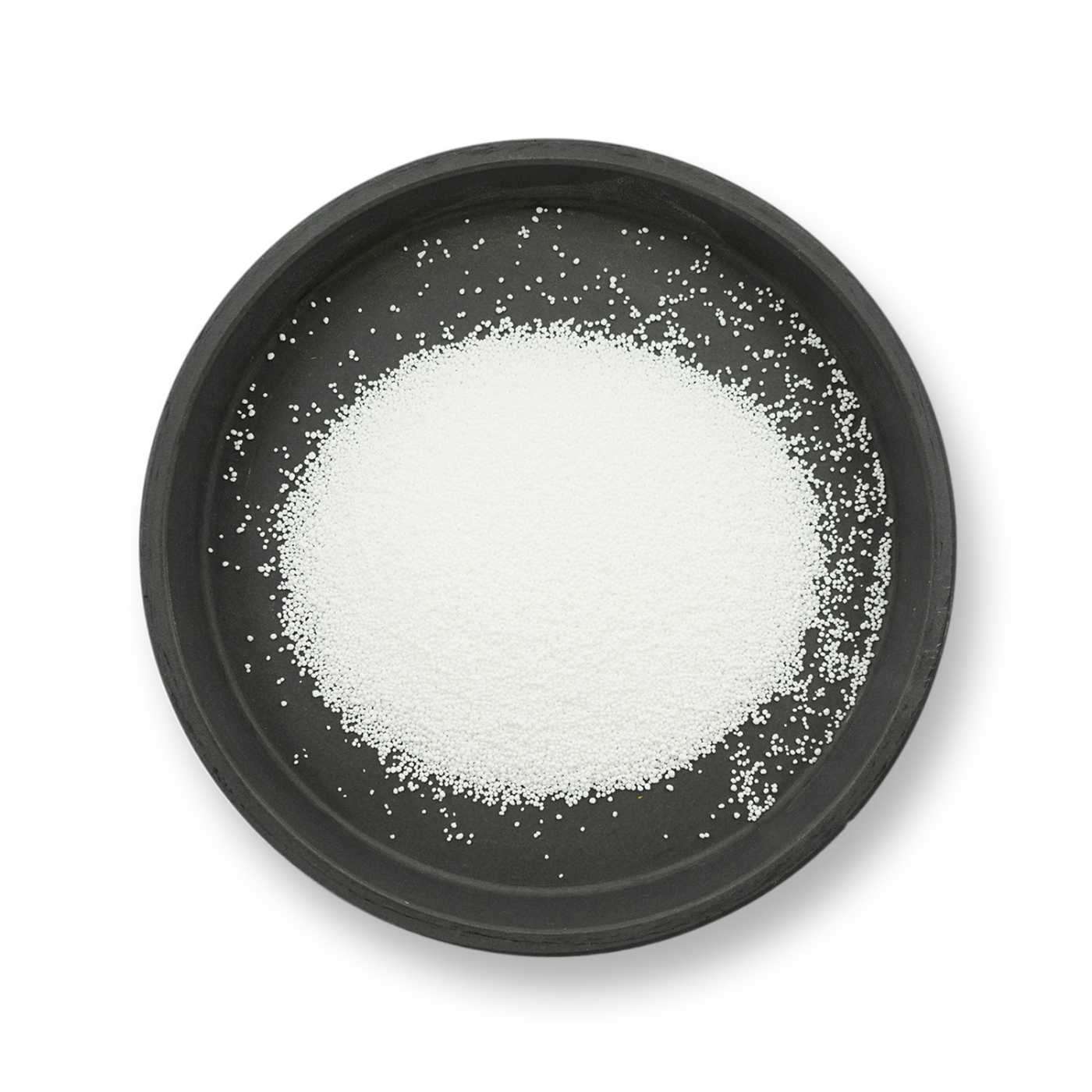
- Salt – ordinary, just without iodine. It helps the soap with gentle oils harden sufficiently.
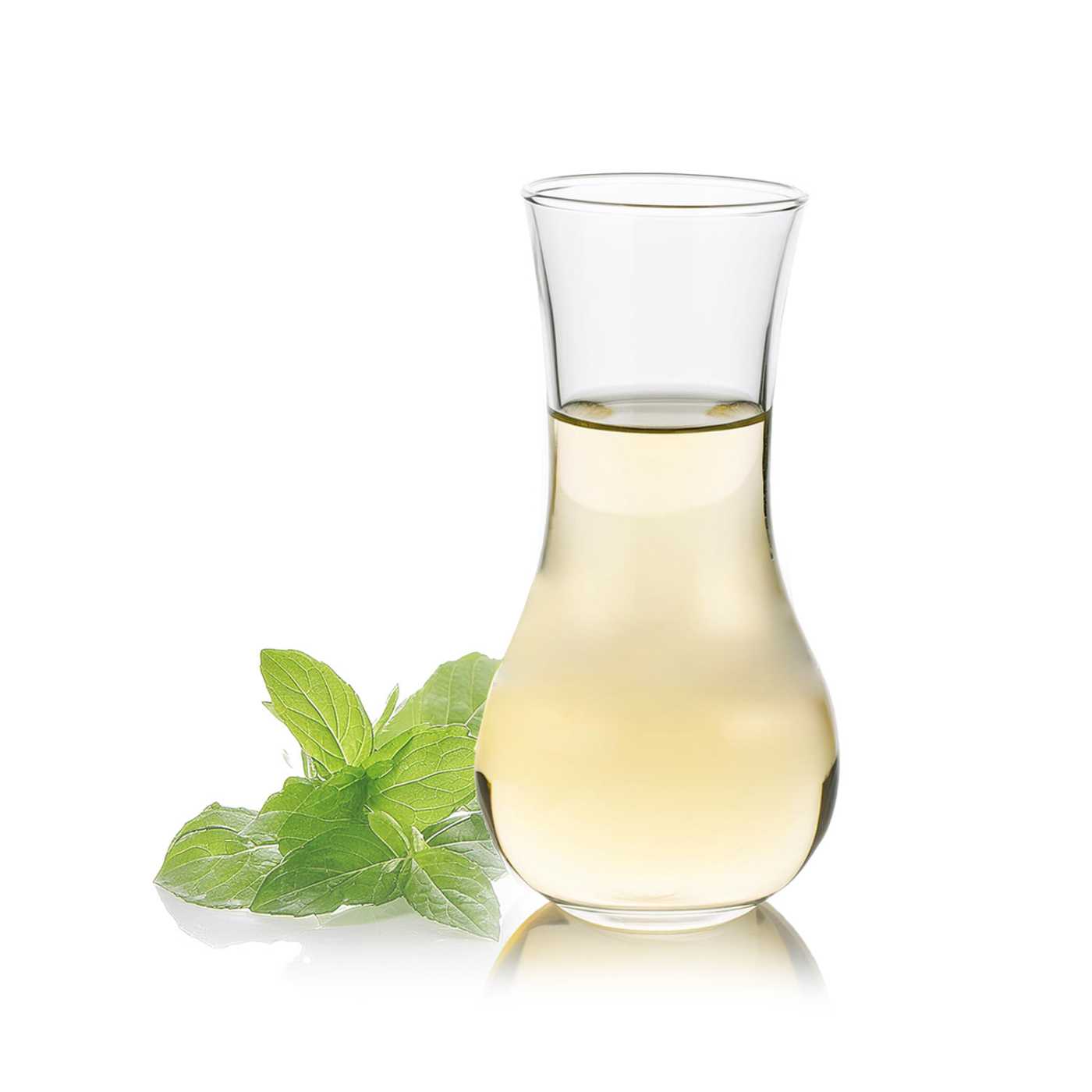
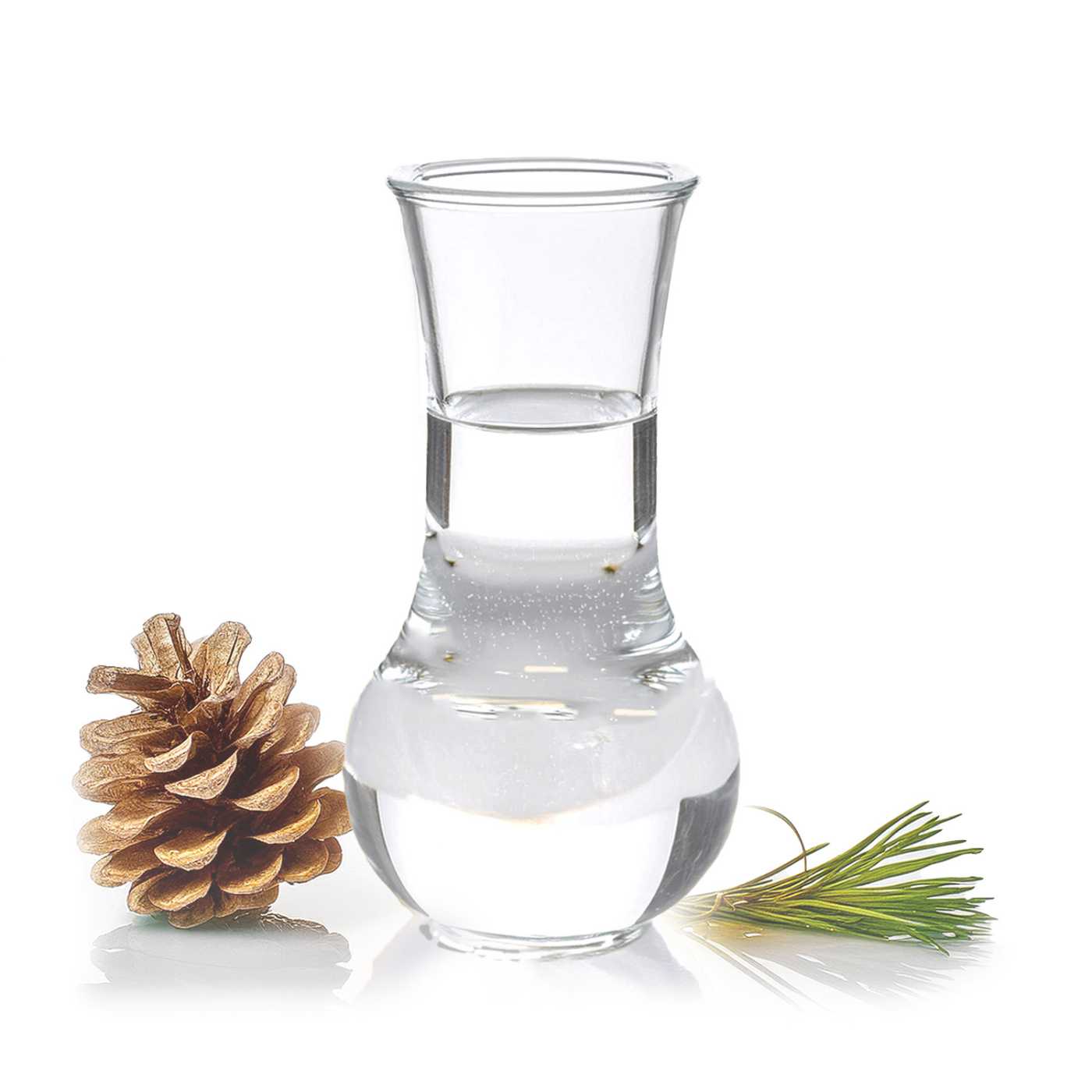
- Rosemary essential oil – rosemary got its name from the Latin ros marinus, sea dew. This rosemary is rich in camphor, and so it smells fresh and herbal. In the soap it is the first of the four herbs that make up its fragrance.
- Marjoram essential oil – a spice you know from the kitchen, here working purely for fragrance. The genus name Origanum comes from Greek and means joy of the mountains.
- Sage (Salvia officinalis) essential oil – the epithet “officinalis”, meaning medicinal, belongs only to its botanical name; in the soap it has a single task: to smell good. It brings a warm, slightly spicy note to the herbal blend.
- Thyme essential oil – it completes the four. White thyme is an oil that is purified once more after distillation, and that is why it is lighter. All four herbs belong to the Lamiaceae family, so in the soap they stay in the family.
Ingredients (INCI): Cocos Nucifera Oil, Olea Europaea Husk Oil, Aqua, Butyrospermum Parkii Butter, Cannabis Sativa Seed Oil, Sodium Hydroxide, Sodium Chloride, Origanum Majorana Leaf Oil, Rosmarinus Officinalis Leaf Oil, Salvia Officinalis Oil, Thymus Vulgaris Flower/Leaf Oil, Alpha-Terpinene, Beta-Caryophyllene, Camphor, Limonene, Linalool, Linalyl Acetate, Pinene, Terpineol, Terpinolene.
At a glance
Fragrancerosemary, marjoram, sage and thyme (essential oils)
Productioncold process, in Slovakia
Superfatapproximately 6%
Ingredients of natural origin90% according to ISO 16128*
Key raw materialhemp oil
For washinghands and body
* The only ingredient that lowers this figure is sodium hydroxide, without which a solid soap cannot be made.
Use
- Wet the soap and work it into a lather in your palms or on a washcloth.
- Spread the lather over wet skin.
- Rinse with water.
- Between uses, let the soap dry on a soap dish with drainage, and it will last longer.
Avoid contact with the eyes; if it gets into them, rinse them with water.
Frequently asked questions
What does the soap smell like?
It smells of herbs you commonly use in the kitchen: rosemary, marjoram, sage and thyme. The fragrance comes exclusively from their essential oils, so the soap smells fresh and herbal.
Is it for hands or for the body too?
Both. The skin of the whole body deserves hemp oil just as much as your hands do. Work the soap into a lather in your palms or on a washcloth and spread the lather over wet skin.
Can I wash my hair with it?
We do not recommend it. The soap is alkaline and can leave a dull film in the hair, especially in hard water. Hemp oil does not change that, and hair is what shampoo is made for. Keep this soap for hands and body.
How does it differ from other SATO soaps?
In the hemp oil and the herbal fragrance. Its base of oils and its superfat of approximately 6% are similar to
Black Clay Soap or
Goat Milk Soap, only with hemp oil instead of sunflower oil and more olive oil. While Black Clay Soap smells of coriander, lime and frankincense, Hemp Soap smells of herbs. The choice is therefore a matter of what you want the soap to do and what your nose prefers.
How long does the soap last?
It depends on how often you wash with it and where it waits between uses. Salt and curing have firmed it up, but standing water harms it more than regular washing. Give it a soap dish from which the water drains away. A
wooden soap dish goes well with it in the bathroom.