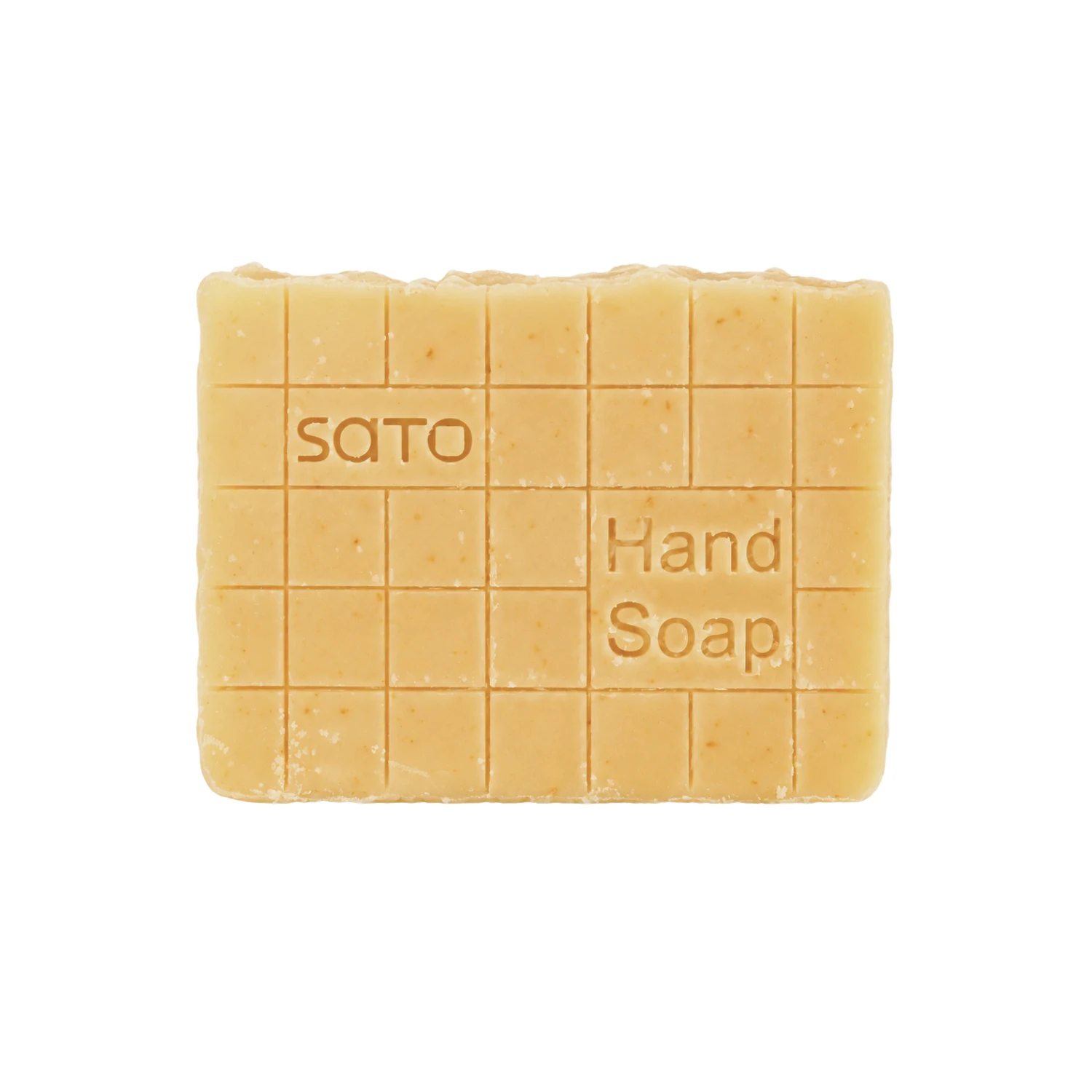
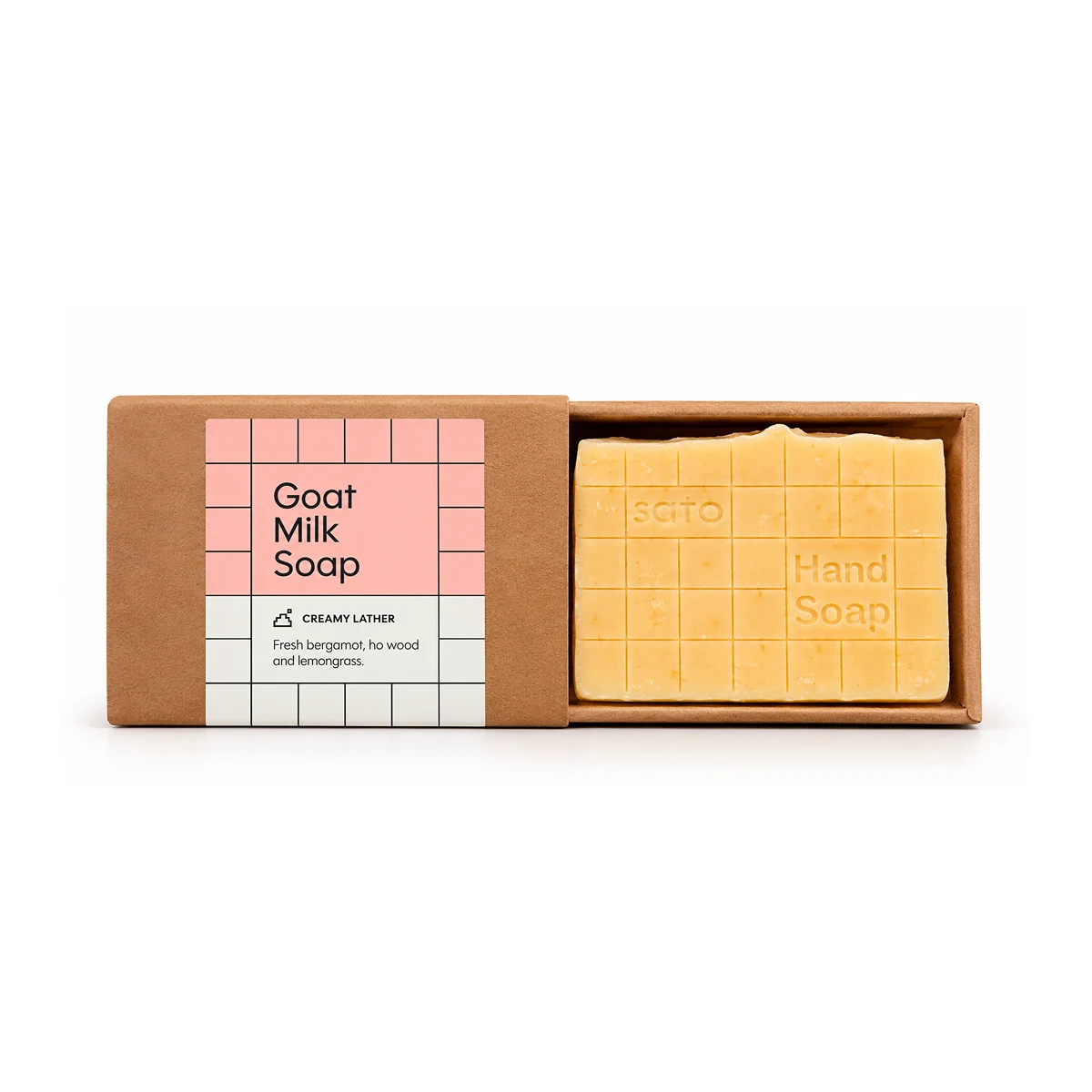
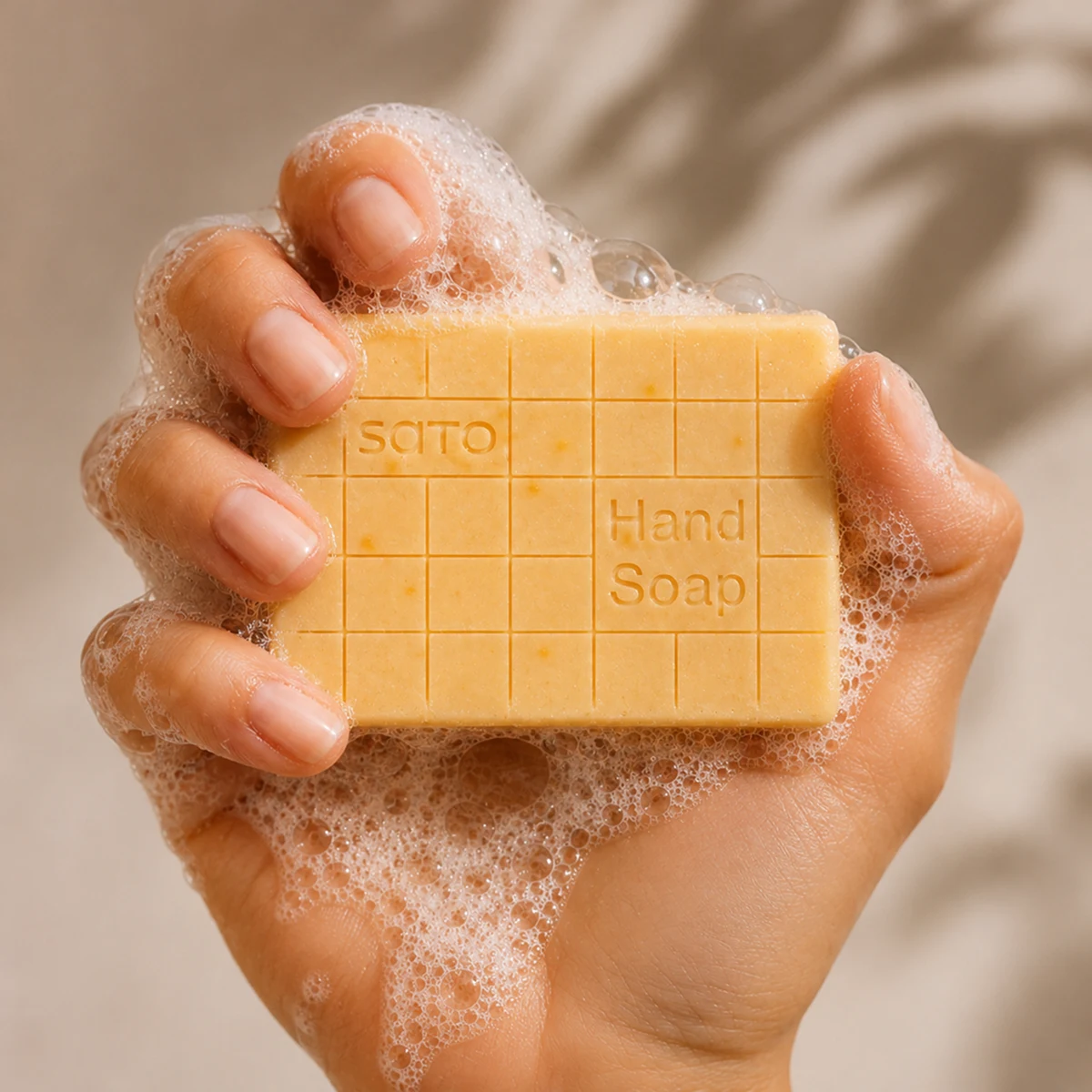
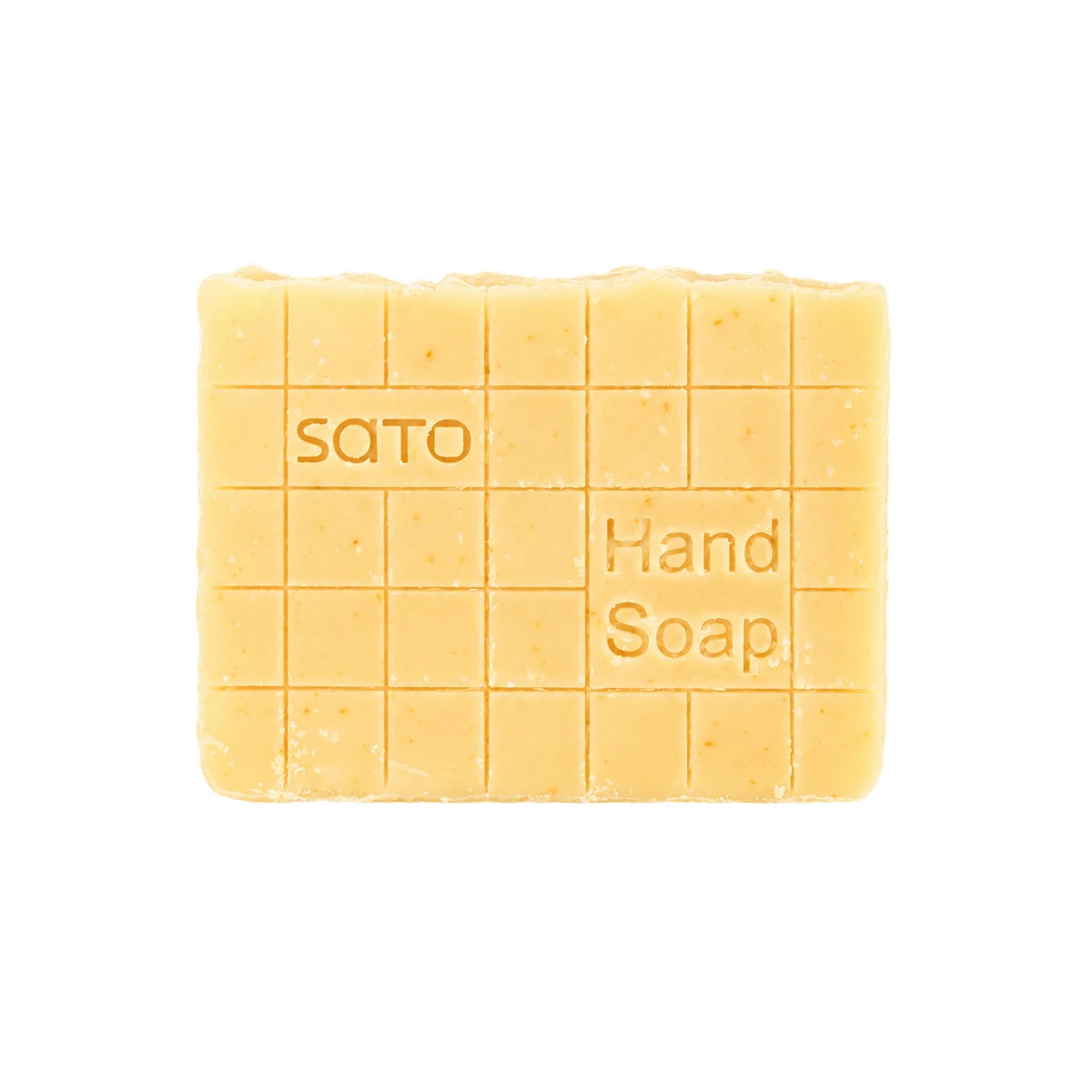
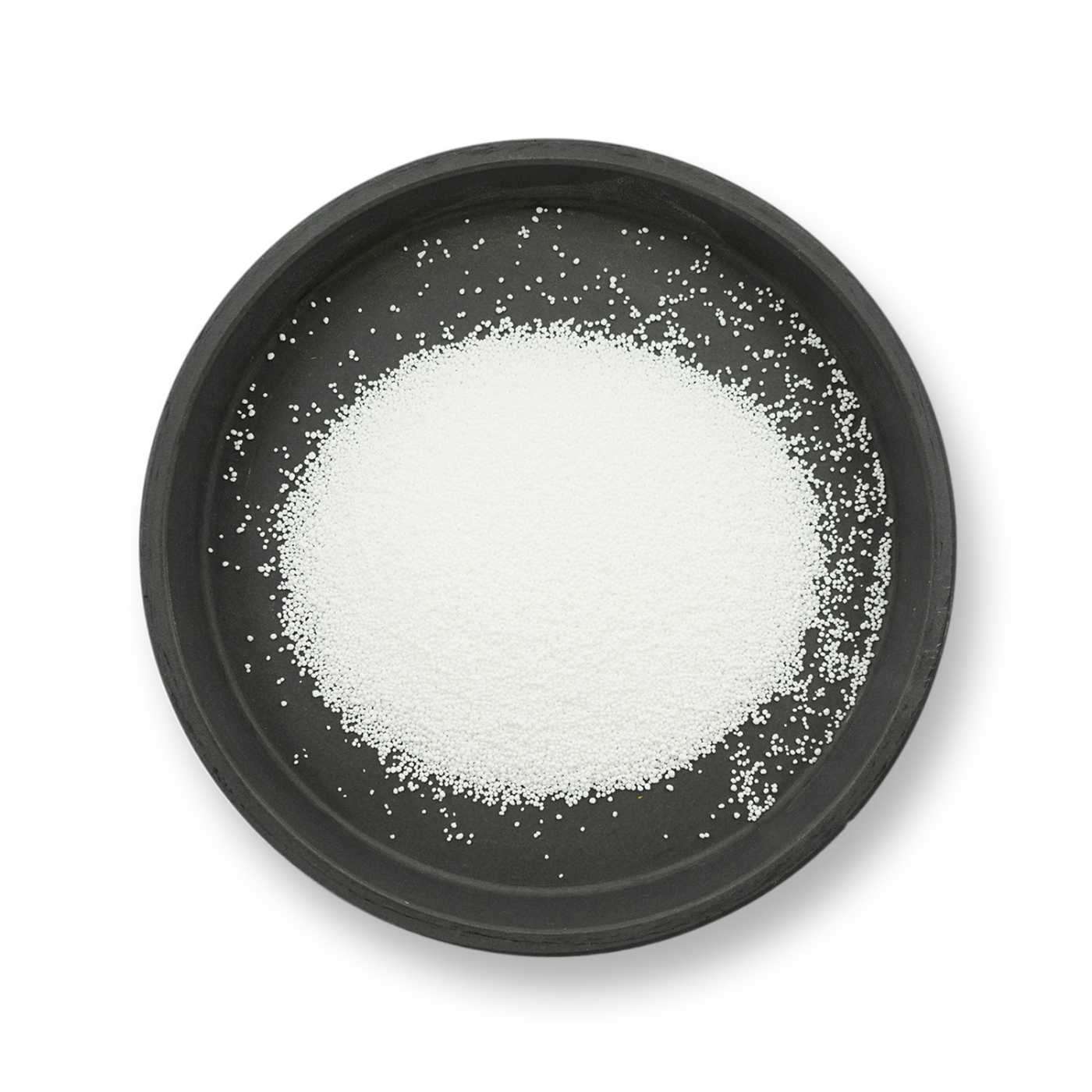
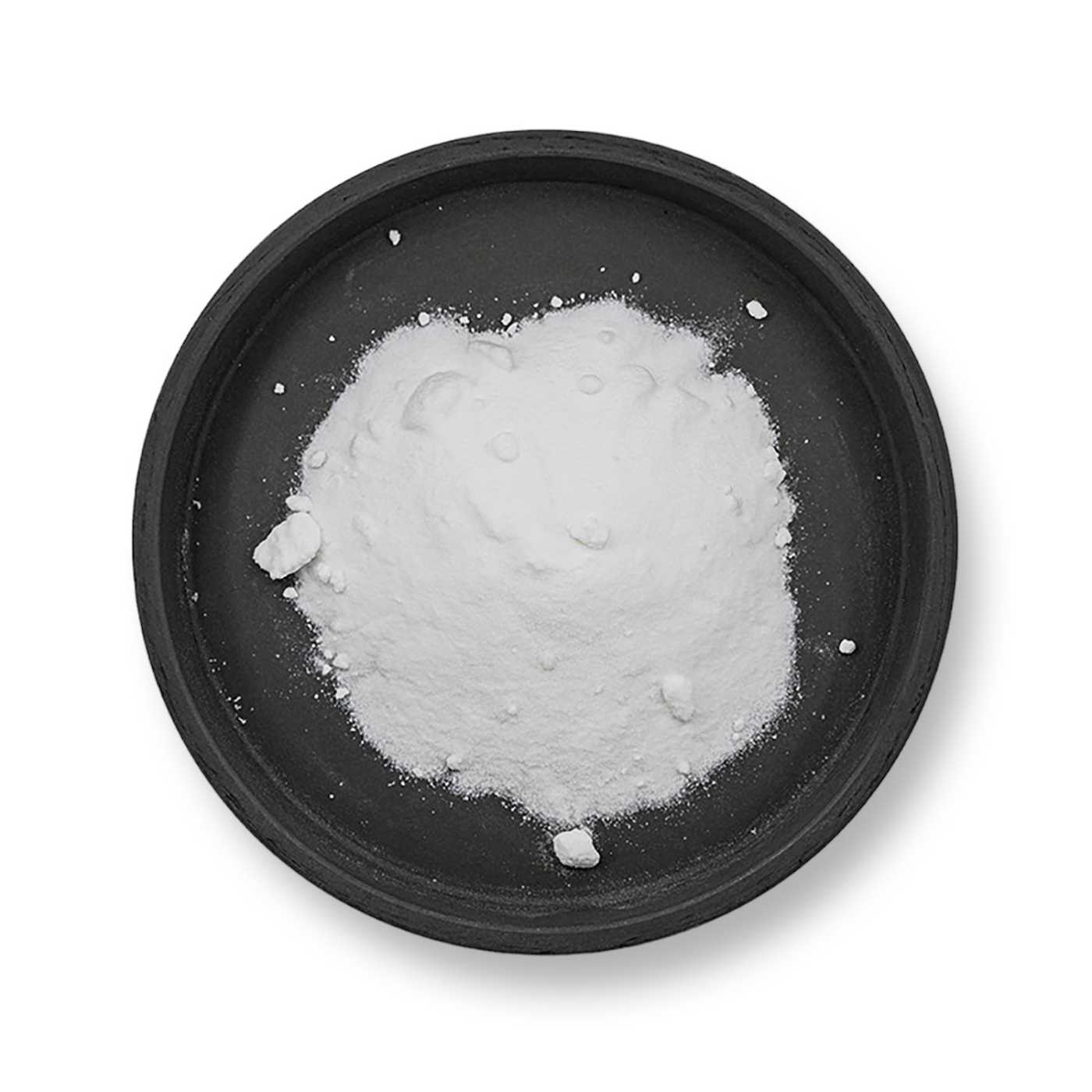
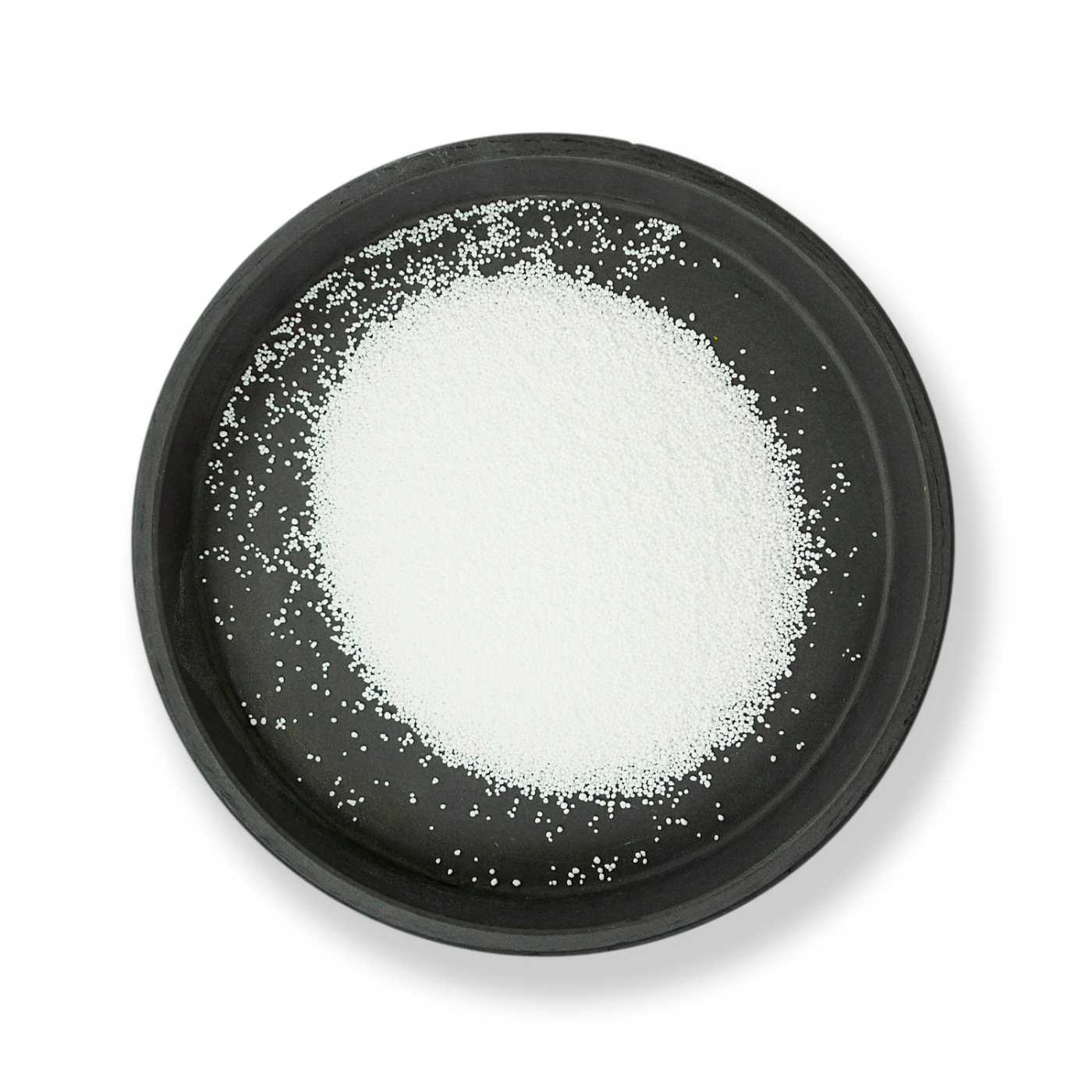
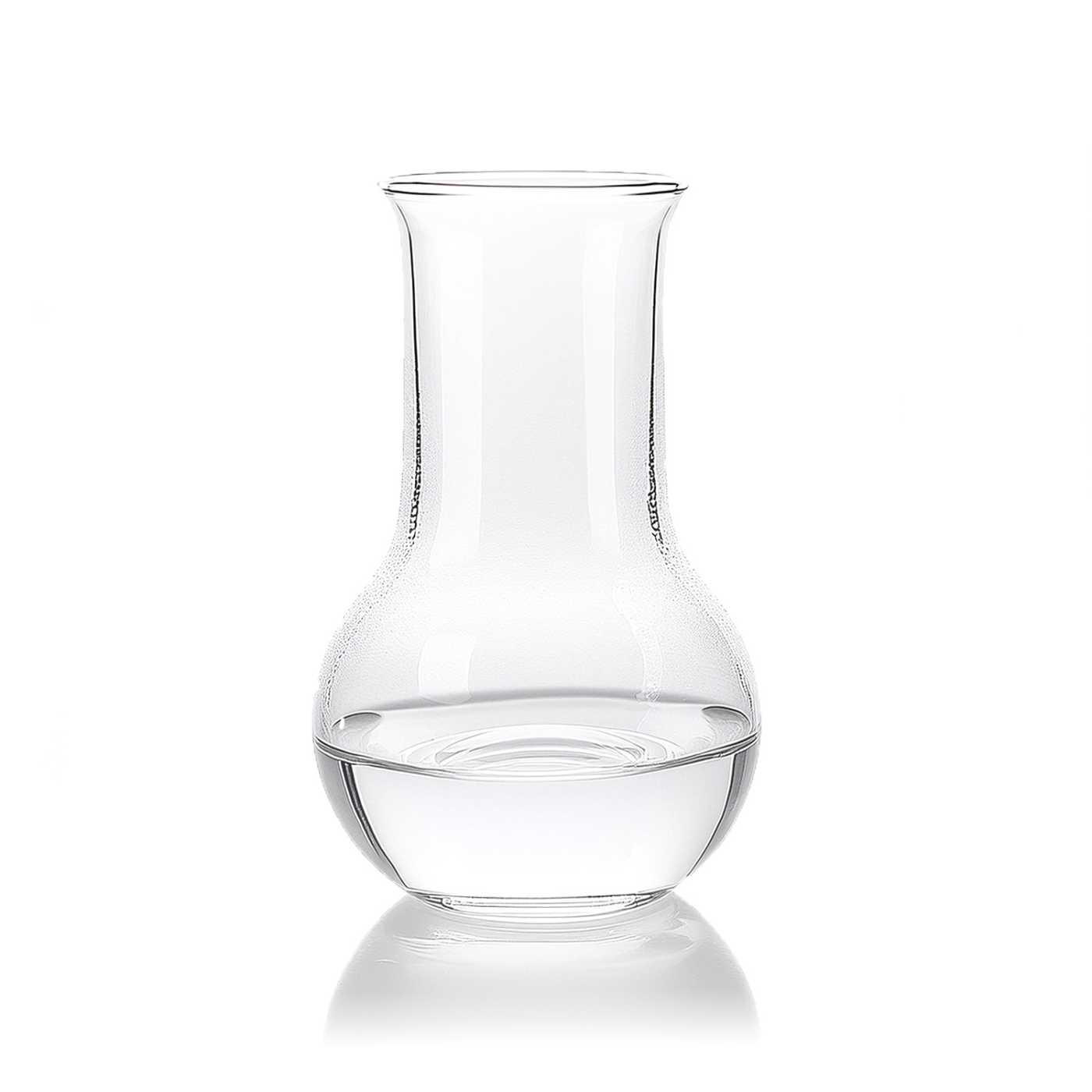
Goat Milk Soap gives a thick, creamy lather that cleanses the skin gently. This comes from goat milk with shea butter and cold process soap making.
The lather comes with a fresh fragrance of bergamot, ho wood and lemongrass. The soap is made in Slovakia to our own recipe.
Why goat milk
The goat milk is Slovak, from a small farm, and in the recipe it replaces part of the water. It brings milk fat, proteins and milk sugar into the soap, and these do two things. They thicken the lather into a cream and give the skin a gentle, silky feel during washing.
The work is divided precisely. Coconut oil creates the lather, while goat milk and shea butter thicken it into a cream. On the skin, this kind of lather spreads easily and feels creamy.
Made by the cold process
Milk does not tolerate high temperatures well, and the cold process suits it. The oils and butter are processed at a gentle temperature and the reaction runs slowly.
The glycerine that forms during saponification stays in the soap in full. It binds moisture, which the skin needs after washing.
The recipe has a superfat of approximately 6%: this portion of the oils is deliberately left unsaponified and nourishes the skin with oils even as you wash.
After production the soap cures: part of the water evaporates and the soap hardens. At this stage of production, time does all the work.
Ingredients and why these
At SATO we follow a simple rule: no ingredient without a function, and each one added with a purpose. We list the ingredients as they enter production. Most of the oils and the butter turn into soap and glycerine in the process.
- Coconut oil – the engine of the lather. The lather appears as soon as the soap is moistened, and the soap is hard thanks to it. Coconuts can drift across an ocean and sprout on another coast.
- Shea butter – from the nuts of a tree that grows in the African savannas. It is traditionally collected and processed mainly by women, which is why it is also called “women’s gold”. It gives the soap firmness and the lather creaminess.
- Olive pomace oil – obtained from what is left of the olives after pressing. Olive trees live for hundreds of years, and some in the Mediterranean still bear fruit after a thousand. It softens the coconut lather.
- High oleic sunflower oil – from a sunflower bred so that its oil contains more oleic acid, the same acid olive oil is known for. That is why it resists oxidation better than ordinary sunflower oil and the soap stays fresh for longer.
- Water – sodium hydroxide is dissolved in it. We use only demineralised water in production, and goat milk replaces part of it.
- Goat milk – from a small Slovak farm, it gave the soap its name. It is not here just for the lather: milk fat and proteins give the soap a creamy feel and condition the skin during washing, and milk sugar thickens the lather. And a small curiosity: caprylic and capric acids, which goat milk contains, are named after the goat, in Latin capra.
- Sodium hydroxide – without it, soap does not form. With the oils and milk fat it turns into soap and glycerine, and none remains free in the finished soap. Working with milk requires care, because the lye solution heats it and the milk could scorch.
- Salt – ordinary, just without iodine. It helps the soap harden.
- Bergamot essential oil – pressed from the peel of the citrus fruit that gives Earl Grey tea its typical scent. In the soap it brings a fresh citrus note.
- Ho wood essential oil – distilled from the wood of the Asian camphor tree. It is rich in linalool, the same fragrant compound found in lavender, and gives the citrus a soft woody base.
- Lemongrass essential oil – a grass known from Asian cooking, with the oil distilled from its leaves. It smells of lemon, although it has nothing to do with lemon.
Ingredients (INCI): Cocos Nucifera Oil, Butyrospermum Parkii Butter, Olea Europaea Husk Oil, Helianthus Annuus Seed Oil, Aqua, Goat Milk, Sodium Hydroxide, Sodium Chloride, Citrus Bergamia Peel Oil Expressed, Cinnamomum Camphora Linalooliferum Wood Oil, Cymbopogon Citratus Leaf Oil, Citral, Geraniol, Geranyl Acetate, Limonene, Linalool, Linalyl Acetate, Pinene.
In brief
Fragrancebergamot, ho wood, lemongrass (essential oils)
Latherthick and creamy
Productioncold process, in Slovakia
Superfatapproximately 6%
Ingredients of natural origin90% according to ISO 16128*
For washinghands and body
* The only ingredient that lowers this figure is sodium hydroxide, without which a solid soap cannot be made.
Use
- Moisten the soap and lather it in your palms or on a washcloth.
- Spread the lather over moist skin.
- Rinse with water.
- Between uses, let the soap dry on a soap dish with drainage, and it will last longer.
Avoid contact with the eyes; if the soap gets into them, rinse them with water.
Frequently asked questions
What does the soap smell like?
It smells fresh, of bergamot, ho wood and lemongrass. The fragrance is made up exclusively of essential oils. Goat milk takes care of the lather and the feel on the skin and leaves the scent to more qualified ingredients. And no, you cannot smell the goat.
What is the lather like?
Thick and creamy. Coconut oil creates it, and goat milk and shea butter thicken it. Anyone expecting large bubbles will get more of a cream that spreads over the skin like milk. The soap is for hands and body, and you can lather it in your palms or on a washcloth.
Can I wash my hair with it?
Better not. Goat milk does nothing special for hair, but the alkalinity of the soap and hard water do: hair can feel rough and dull afterwards. Shampoo is for hair, and this soap is for hands and body.
How long does the soap last?
It depends on how often you wash with it and where it waits for the next use. Shea butter, salt and curing have made it firm, and the rest is up to the soap dish. In standing water every soap softens, regardless of the recipe. On a soap dish with drainage it has time to dry. You will find a
wooden soap dish in our shop.
How does it differ from the other SATO soaps?
In its goat milk and its fragrance.
Black Clay Soap and
Pumice Hand Soap share the same base of three oils and shea butter and have the same superfat. However, they smell different: the first of coriander, lime and frankincense, the second of cedar, fir, patchouli and black pepper.
Hemp Soap has hemp oil instead of sunflower oil and smells of herbs.
Beeswax Soap belongs to the Zero edition and lets the natural scent of the wax and oils come through.