Spend over €100 for discounted shipping!

+421 950 333 113[email protected]

Essential oils, 10 ml

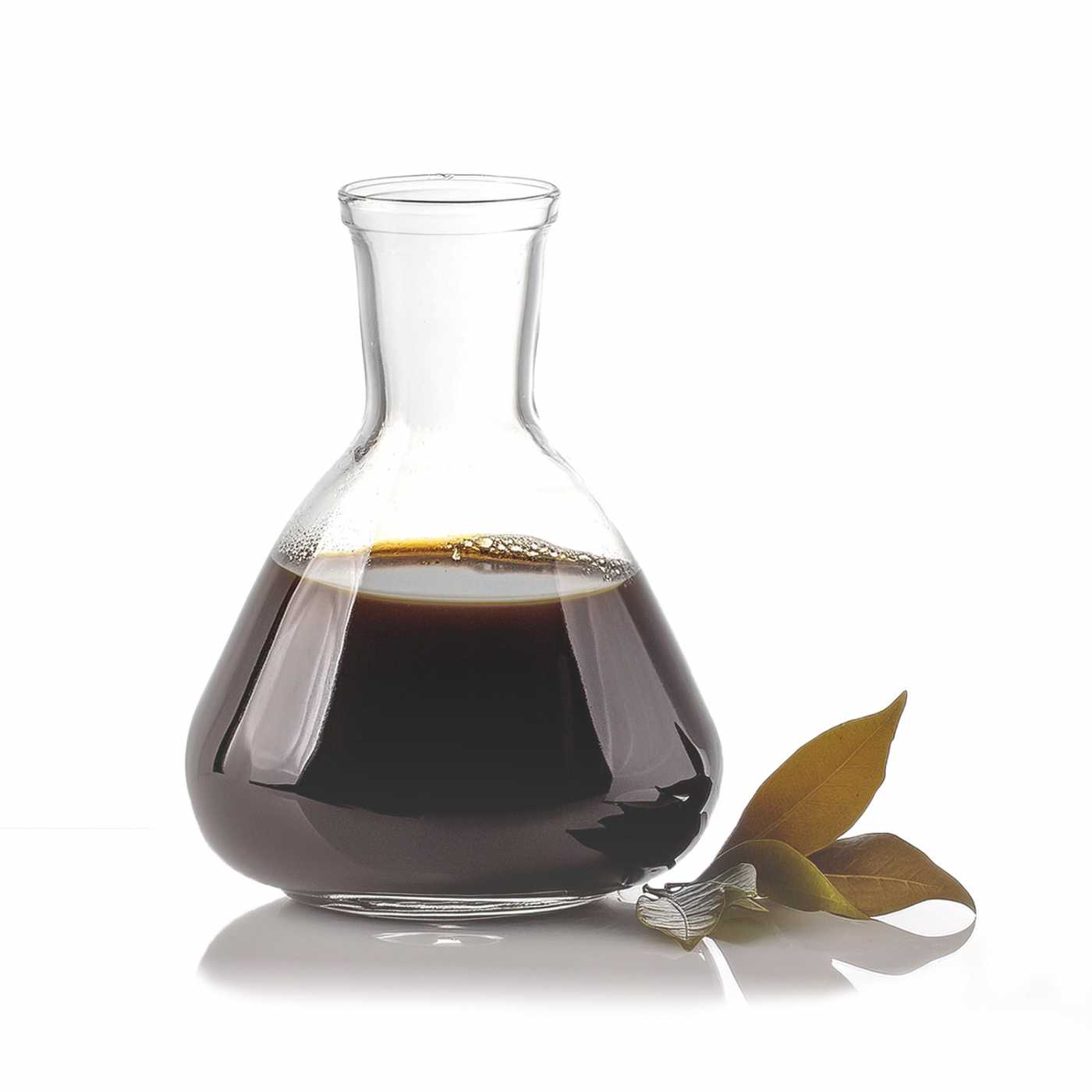
Pine Sylvestris Essential Oil, 10 ml

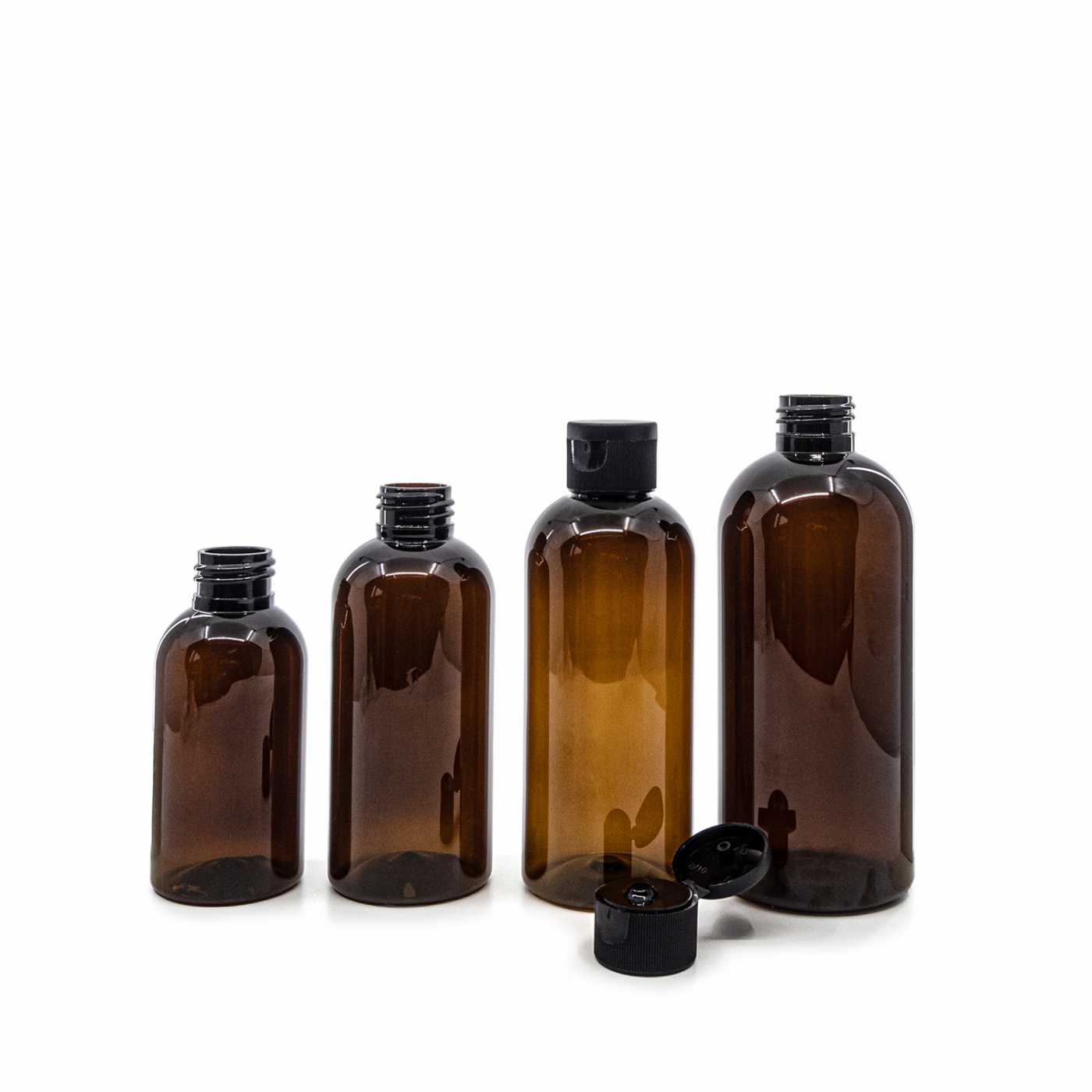
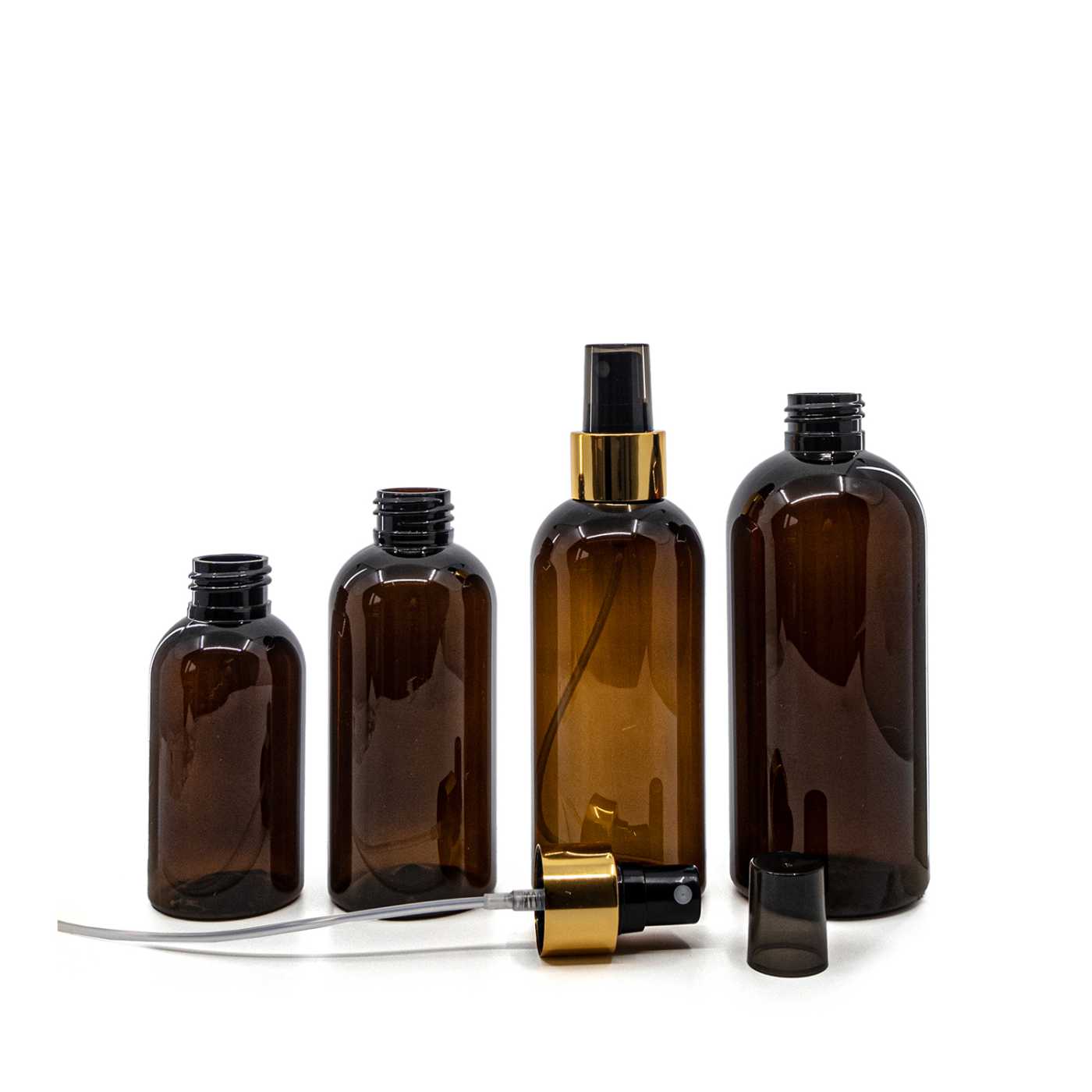
Pack size10 ml100 ml500 ml1 l5 l

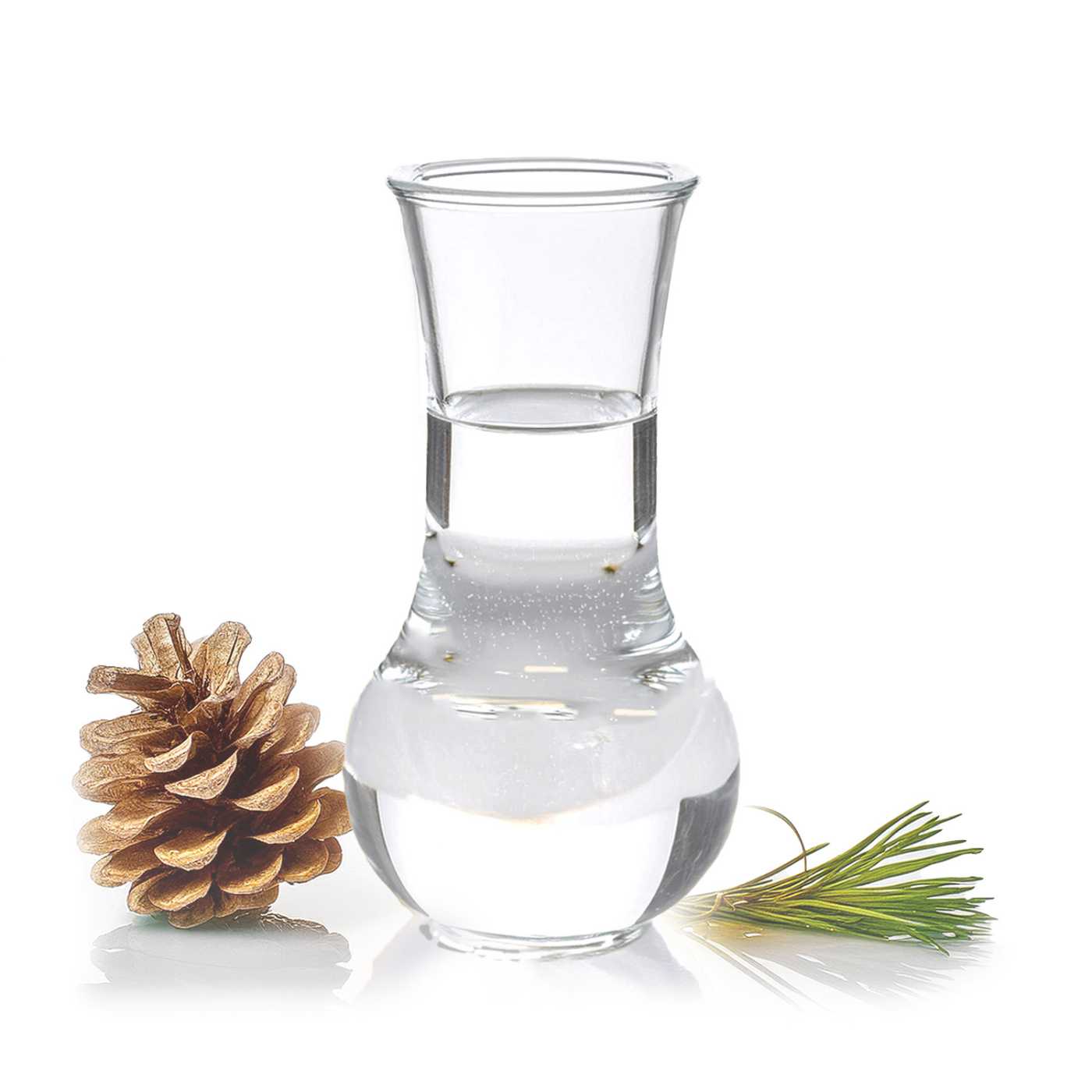
Pine essential oil brings to cosmetics a woody scent of conifer needles and works as an active ingredient in formulations for oily and problem-prone skin . full description

AvailabilityIn stock · 1,017 packs
Product codeEON006_10
Batch23770
Best before07/2029
€2.09incl. VAT€209.00/l

Lowest price in the last 30 days: €2.09

Product description

Pine essential oil brings to cosmetics a woody scent of conifer needles and works as an active ingredient in formulations for oily and problem-prone skin. It is obtained by steam distillation of needles from Scots pine (Pinus sylvestris) of European origin, without solvents and without ingredients of animal origin.

In a formulation it serves two purposes. As a fragrance ingredient it gives the product a woody, slightly earthy character. As an active ingredient it belongs in facial cleansing products, shampoos for oily-prone hair, bath and shower products, and in diffuser blends.


Key benefits

  • Cleansing effect – the manufacturer states that the oil helps remove impurities and excess sebum from the skin and scalp, which is why it belongs in rinse-off cleansing products.
  • Refreshing character – the conifer scent gives a shower gel, shampoo or bath salt a brisk, invigorating note.
  • Warming sensation – according to the manufacturer's data it has a mildly warming effect on the skin, which is used in massage oils and creams intended for relaxation.
  • Soothing effect on the skin – the manufacturer lists it among ingredients that support the calming of irritated skin. The result in the finished product depends on the dosage and the rest of the formulation.
  • Antimicrobial properties – the manufacturer states antimicrobial activity. In cosmetics this is a supporting function; it does not replace the preservation system.

Use in formulation

The oil is added at the end, during the cooling phase, or subsequently incorporated into the finished base. The recommended processing temperature is below 40 °C. In an emulsion, therefore, mix it into the cooled base and stir until evenly dispersed.

It is not water-soluble. In tonics, sprays and bath waters it requires a solubiliser or an alcohol base, with which it is compatible. In anhydrous products (oil serums, massage oils, balms, bath salts) it dissolves directly in the carrier oil or is mixed into the melted mass after it has partially cooled.

Dosage is governed by the current IFRA standard according to the product category. A different limit applies to leave-on facial and body products than to shampoos, soaps or candles. Before placing the product on the market, verify the limit for the specific IFRA category listed in the parameters.

In soaps and shower products it is used alone or blended with other essential oils. In perfumery it forms the woody base of a composition.


Suitable for products such as

  • Facial cleansing products – rinse-off gels and foams for oily and problem-prone skin.
  • Shampoos – for oily-prone hair, where the manufacturer states a refreshing effect on the scalp.
  • Shower gels and bath salts – the conifer scent has an invigorating effect.
  • Massage oils and balms – the warming sensation, according to the manufacturer's data, complements the effect of the massage.
  • Diffuser and aromatherapy blends – alone or blended with other essential oils.
  • Soaps – as a fragrance ingredient in both solid and liquid soaps.

What is good to know

The oil is classified under CLP as flammable, irritant and sensitising, with labelling of serious health hazards upon prolonged exposure. Work with the undiluted oil wearing gloves, away from heat sources and in a well-ventilated space. It is never applied to the skin in undiluted form.

Contains fragrance allergens listed in Annex III of Regulation (EC) No 1223/2009 on cosmetic products. Take this into account when drawing up the label for the finished product. Data on allergens can be found in the safety data sheet and in the product parameters.

When creating your own fragrance composition, start with a lower proportion of pine and adjust the scent gradually. Keep the final proportion within the IFRA limit for the given product category.

The product has not been tested on animals, contains no GMOs, nanomaterials or microplastics and is not classified as CMR. Some ingredients are subject to the California Proposition 65 list, which is relevant when exporting to the USA.


Frequently asked questions

Is pine essential oil water-soluble?
No, pine essential oil is not water-soluble. In tonics, facial sprays or bath waters it is incorporated through a solubiliser or through alcohol, with which it is compatible. In anhydrous products such as massage oils or balms, it is mixed directly into the carrier oil.
When is pine essential oil added to a cream?
Only during the cooling phase, when the emulsion temperature is below 40 °C. The oil is mixed into the finished base with continuous stirring and mixed until evenly dispersed. It can equally be additionally incorporated into an already-finished cooled base.
How much pine essential oil is used in cosmetics?
The maximum dosage is determined by the IFRA standard according to the product category. A different limit applies to leave-on facial products, a different one to shampoos, soaps or candles. Before placing the product on the market, verify the limit for the specific category listed in the parameters, and for allergens check the obligation to declare them on the label.
What skin type is pine essential oil suitable for?
According to the manufacturer's data, primarily for oily and problem-prone skin and for oily-prone hair. The manufacturer states a cleansing and refreshing effect, which is used in rinse-off cleansing products and shampoos. In the finished product it always depends on the dosage and on how the oil is diluted.
How is pine essential oil produced and where does it come from?
It is obtained by steam distillation of needles from Scots pine (Pinus sylvestris) of European origin. No solvents or ethylene oxide are used in production and the product has not been treated with ionising radiation. It contains no ingredients of animal origin, GMOs or nanomaterials and has not been tested on animals. It is registered under the REACH regulation and is not listed among SVHC substances.

Parameters

INCI
Pinus Sylvestris Leaf Oil
CAS No.
8023-99-2 / 84012-35-1
EC number
281-679-2
Product color
Colorless
Country of origin
Romania
Processing method
Steam Distillation
Appearance
Liquid
Recommended processing temperature
< 40 °C
Application area
FaceHairScalpBody
Recommended dosage range
Viď IFRA %
Application type
Leave-onRinse-off
Certifications
Vegan
Natural Index (NI ISO 16128)
1,00
Natural Origin Index (NOI ISO 16128)
1,00
Renewable Carbon Content (RCC)
100 %
Volume
10 ml

Product documentation

CoACertificate of Analysis
batch 22608PDF ↓
TDSTechnical Data Sheet
Physical parameters and processingPDF ↓
IFRAIFRA Certificate
batch 22608PDF ↓
AllergensAllergen Declaration
batch 22608PDF ↓
batch 20958PDF ↓
MSDSSafety Data Sheet
Available for purchased products —
Download all (ZIP)

5 PDF files in one archive

Learn how to work with it

From our blog
Blanka O.8 Oct 2026SK

Verified purchase

Variant: Esenciálny olej, borovica, 10 ml

Andrea S.7 Oct 2026CS

Verified purchase

Variant: Esenciálny olej, borovica, 100 ml