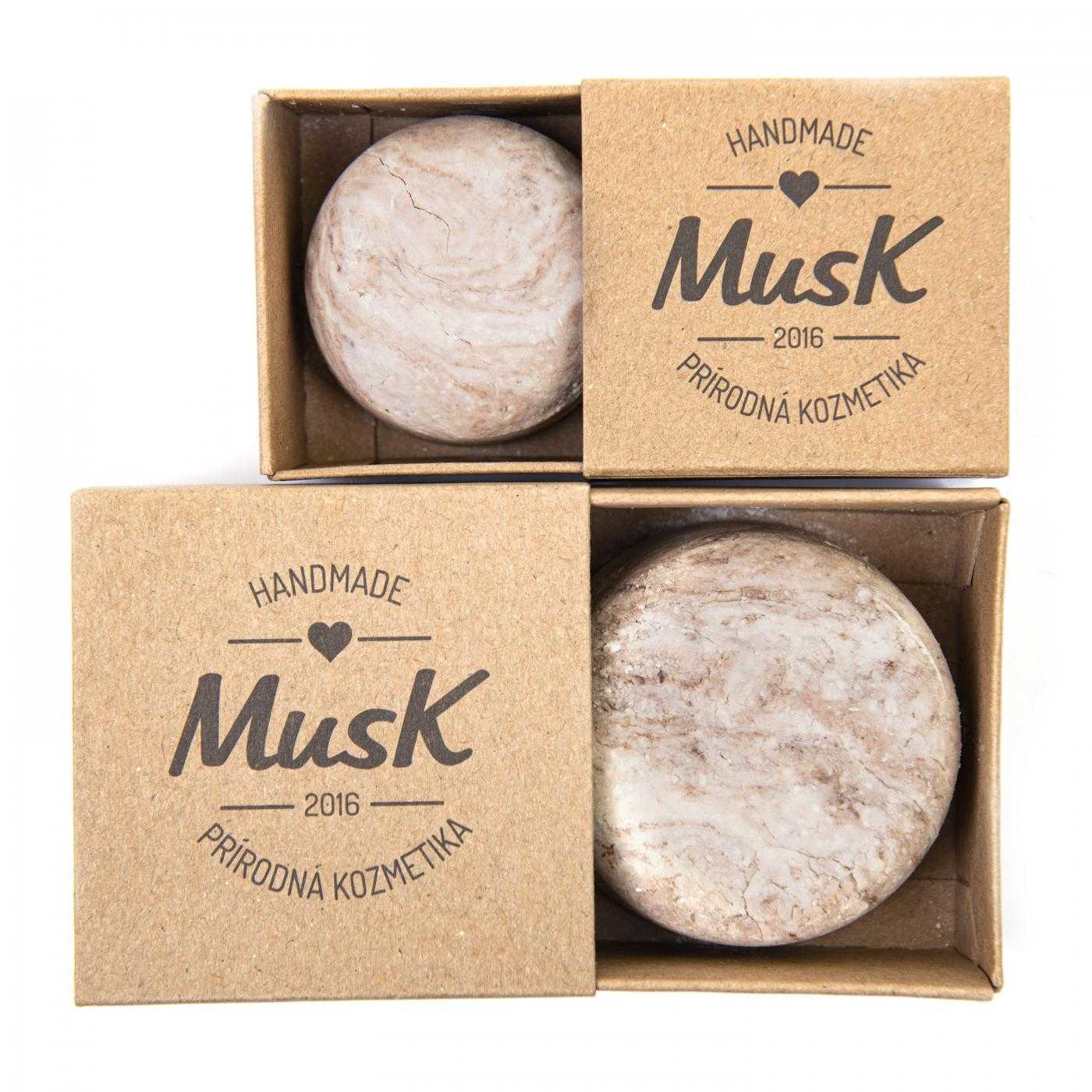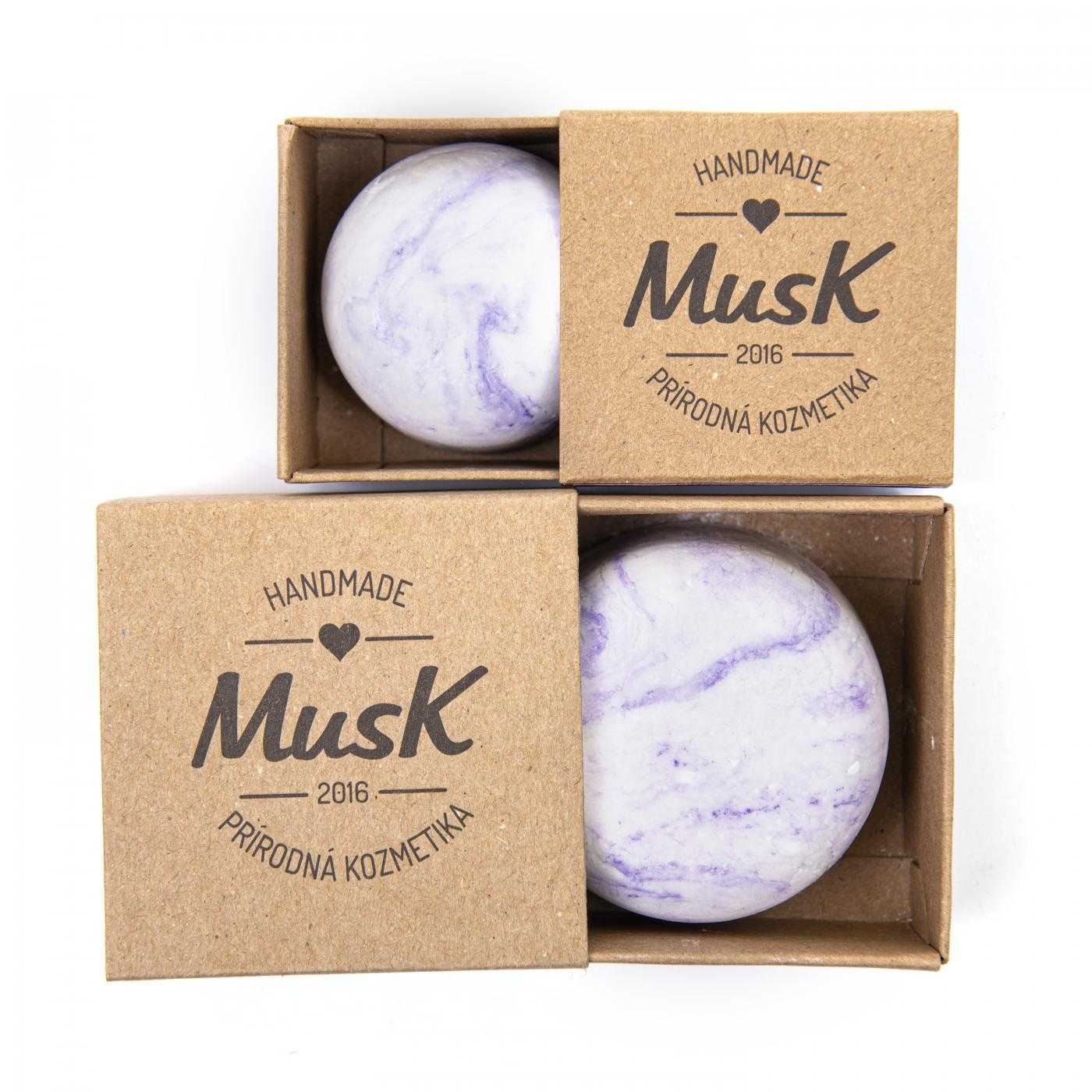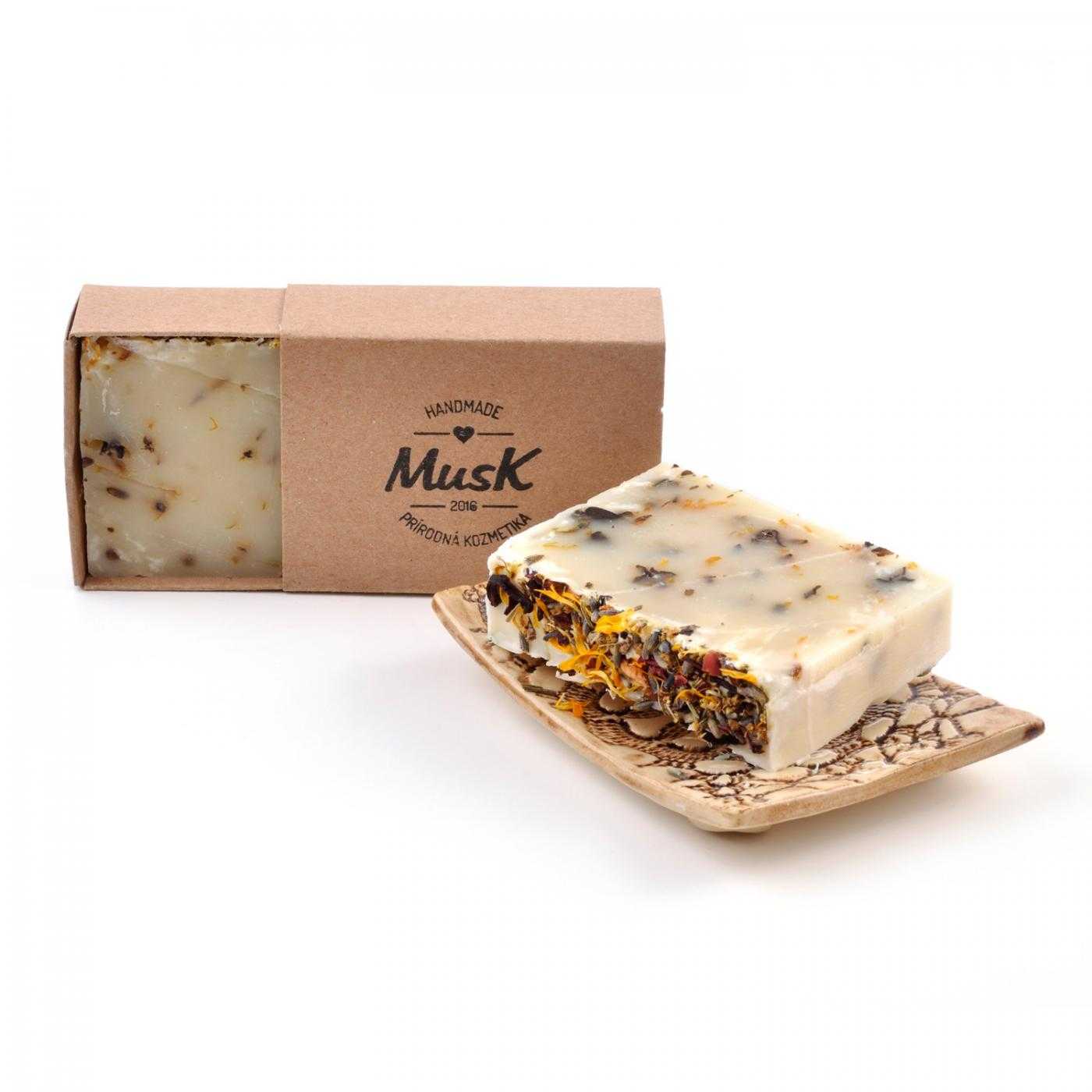
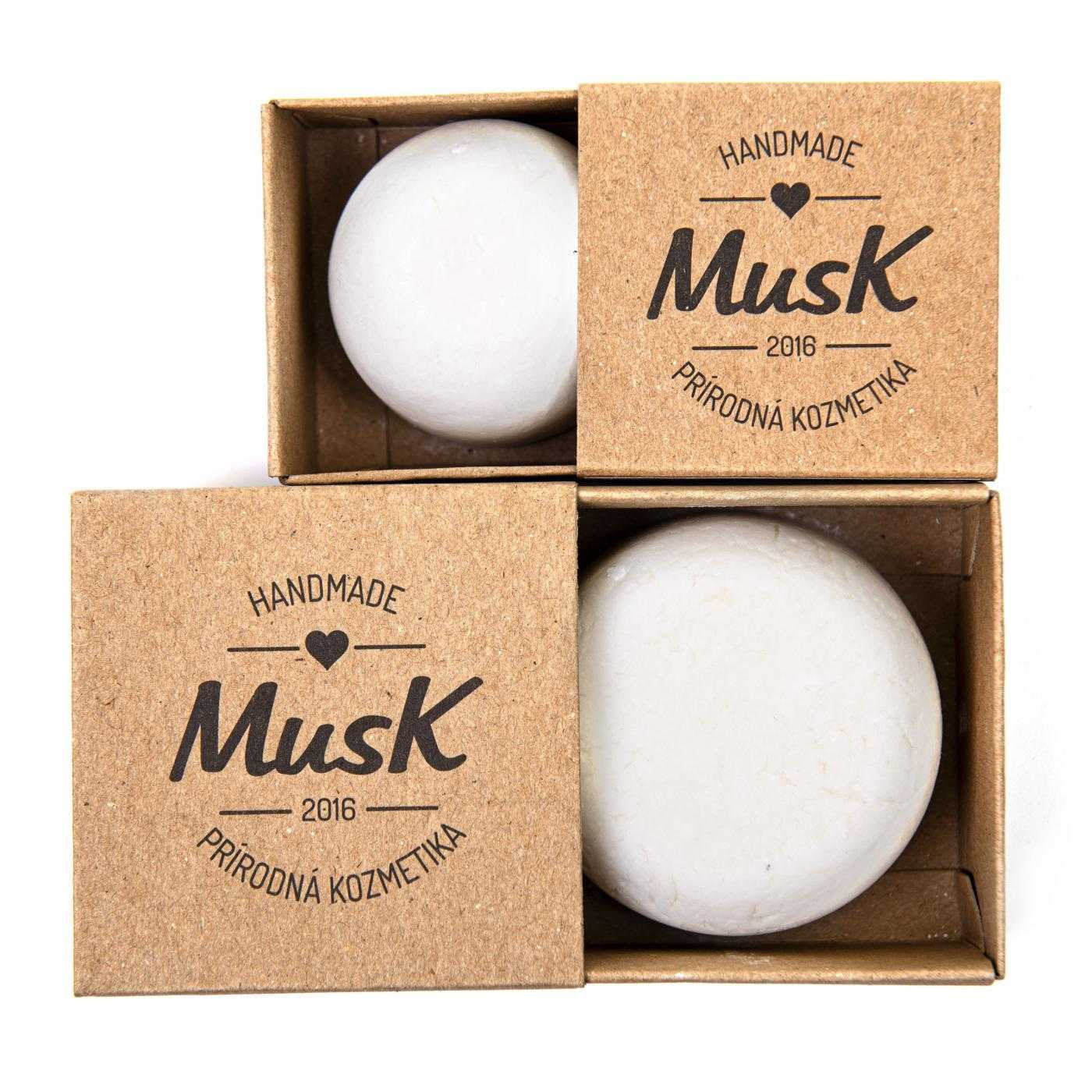
Solid shampoo, Jemný Dotyk, 80 g
Pre-order€6.99(€87.38/kg)

CLEANING & WASHING
White vinegar at a concentration of 10 % is used in cosmetics manufacturing and household products primarily as a pH regulator . full description
Lowest price in the last 30 days: €11.55
White vinegar at a concentration of 10 % is used in cosmetics manufacturing and household products primarily as a pH regulator. This aqueous solution of acetic acid in food-grade quality acidifies the water phase, lowers the pH of the finished product after adding alkaline ingredients, and forms the basis of homemade hair rinses, descalers, and rinse aids. Compared to regular kitchen vinegar, it is more concentrated, so less is needed for the same effect and you can adjust the strength when diluting according to your intended use.
Vinegar is added to the water phase. It mixes freely with water, glycols and alcohol, but does not dissolve in fats and oils, so it has no use in anhydrous products. For pH adjustment it is dosed in drops or small increments, with the solution stirred and pH measured after each addition. At higher doses, the vinegar odour remains in the product.
In emulsions, pH is adjusted only after cooling, once the emulsion is stabilised. More pronounced acidification can alter the viscosity of pH-sensitive thickeners, so test the behaviour in a specific formulation on a small sample.
Vinegar is compatible with acidic environments. It should not be added to solid cleaning products containing sodium carbonate or baking soda, as the acid reacts with them immediately, releasing carbon dioxide, and the components neutralise each other. It should equally not be combined with true soap in a single product, as the acidic environment breaks down the soap and produces a greasy precipitate.
The solution is classified as irritant. When working with undiluted vinegar, protect your eyes and skin and work in a ventilated area. Details on classification and safe handling are in the safety data sheet accompanying the product.
Never mix vinegar with chlorine-based bleaches (Savo and similar products), as the reaction releases toxic chlorine gas. Do not use it on natural stone such as marble or limestone either, as the acid etches and dulls the surface.
On skin and hair, vinegar should only be applied diluted with water; the undiluted solution is irritating. When making products at home, use containers made of glass, stainless steel or durable plastic; the acid attacks galvanised or aluminium metal. Acetic acid is readily biodegradable, which is particularly valuable for cleaning products that end up in the drain.
Both ingredients acidify and remove limescale, but differ in form and behaviour. Citric acid is an odourless powder and, in addition to acidification, also has a chelating effect, binding calcium and magnesium ions, which is why it is more often chosen for cosmetic emulsions and serums. White vinegar is liquid, dosed without dissolving, has a pronounced odour and is best suited for hair rinses, vinegar-based cleaners, descalers and fabric softener substitutes. When adjusting pH in cosmetics, the deciding factor is whether the vinegar odour in the product is acceptable to you.
Only customers with a delivered order can write reviews.