Spend over €100 for discounted shipping!

+421 950 333 113[email protected]

Candle waxes

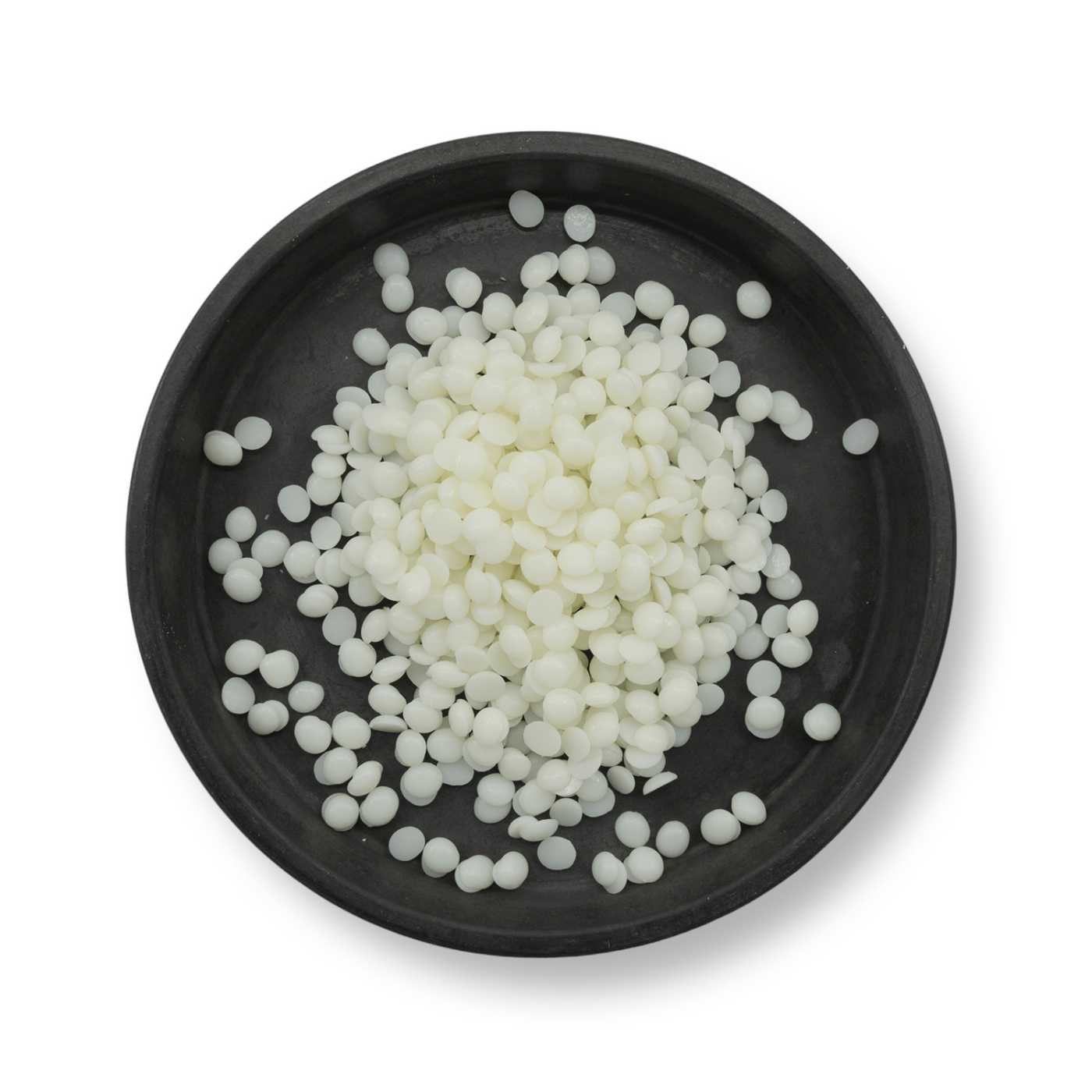
KeraSoy Container 4130, candle wax, 1 kg

Pack size1 kg5 kg20 kg

KeraSoy container 4130 soy wax is a plant-based soy wax blend developed for pouring container candles , that is, candles that burn directly in glass or another vessel. full description

AvailabilityIn stock · 85 packs
Product codeSV020_1
Batch793548
€9.96incl. VAT€9.96/kg

Lowest price in the last 30 days: €9.96

Product description

KeraSoy container 4130 soy wax is a plant-based soy wax blend developed for pouring container candles, that is, candles that burn directly in glass or another vessel. When poured close to the setting point, it adheres to the vessel wall and in most standard containers a single pour is sufficient without topping up. No additional additives are required; only a fragrance blend and, if needed, a colorant are added to the melted wax.

It accepts fragrance oils at loadings of up to 10 – 12 %, making it possible to produce strongly scented candles. The result is tuned with three variables: fragrance, colorant and wick.


Suitable for

  • Container candles – the wax is formulated for adhesion to vessel walls; at the correct pouring temperature, topping up is not required in most containers.
  • Scented candles – accepts high fragrance oil loadings; best results are achieved with fragrances developed for natural waxes.
  • Coloured candles – compatible with most oil-soluble colorants: powder, liquid, blocks and flakes.
  • Re-melting – remnants of old or failed candles can be remelted and the wax reused, provided it is not overheated for extended periods.

This wax is developed for container candles. It is not intended for free-standing candles made in moulds.


Processing instructions

Melt the wax with constant stirring, preferably in a stainless steel vessel. Ordinary steel is acceptable, but copper and zinc accelerate discolouration of the wax and should be avoided. Brief heating to 90 °C does no harm if the wax is cooled promptly. Holding above 85 °C for extended periods leads to darkening. Monitor temperature with a digital probe thermometer; a glass thermometer in hot wax is less safe.

Powder colorant is added to wax heated to approximately 75 °C and stirred until fully dissolved. It can also be pre-dissolved in fragrance oil and added together with it, but the colorant must be completely dissolved. For liquid colorants, blocks and flakes, 70 °C is sufficient. A richer, darker shade is achieved by adding a small amount of black colorant to the chosen colour.

Fragrance oil is added only after the wax has cooled to pouring temperature, just before pouring, and mixed thoroughly. Fragrances developed for paraffin candles may perform poorly with this wax: the fragrance oil may sweat to the surface, the candle surface may be uneven, or the flame may be weak. Choose blends formulated for natural waxes.

Adhesion to glass is best when pouring close to the setting point, approximately 45 – 55 °C, into clean containers pre-warmed to 45 – 50 °C. If the surface finish or adhesion is unsatisfactory, adjust the pouring temperature in steps of 5 – 10 °C and observe the difference.

Large containers may require a top-up pour after setting to level the surface. Top up with a small amount of wax slightly warmer than the first pour temperature, before the candle has fully cooled. Topping up a completely cold candle reduces adhesion to the vessel. Allow candles to cool undisturbed at room temperature, around 25 °C, and leave them to cure for 48 hours before a test burn.


Wick and test burn

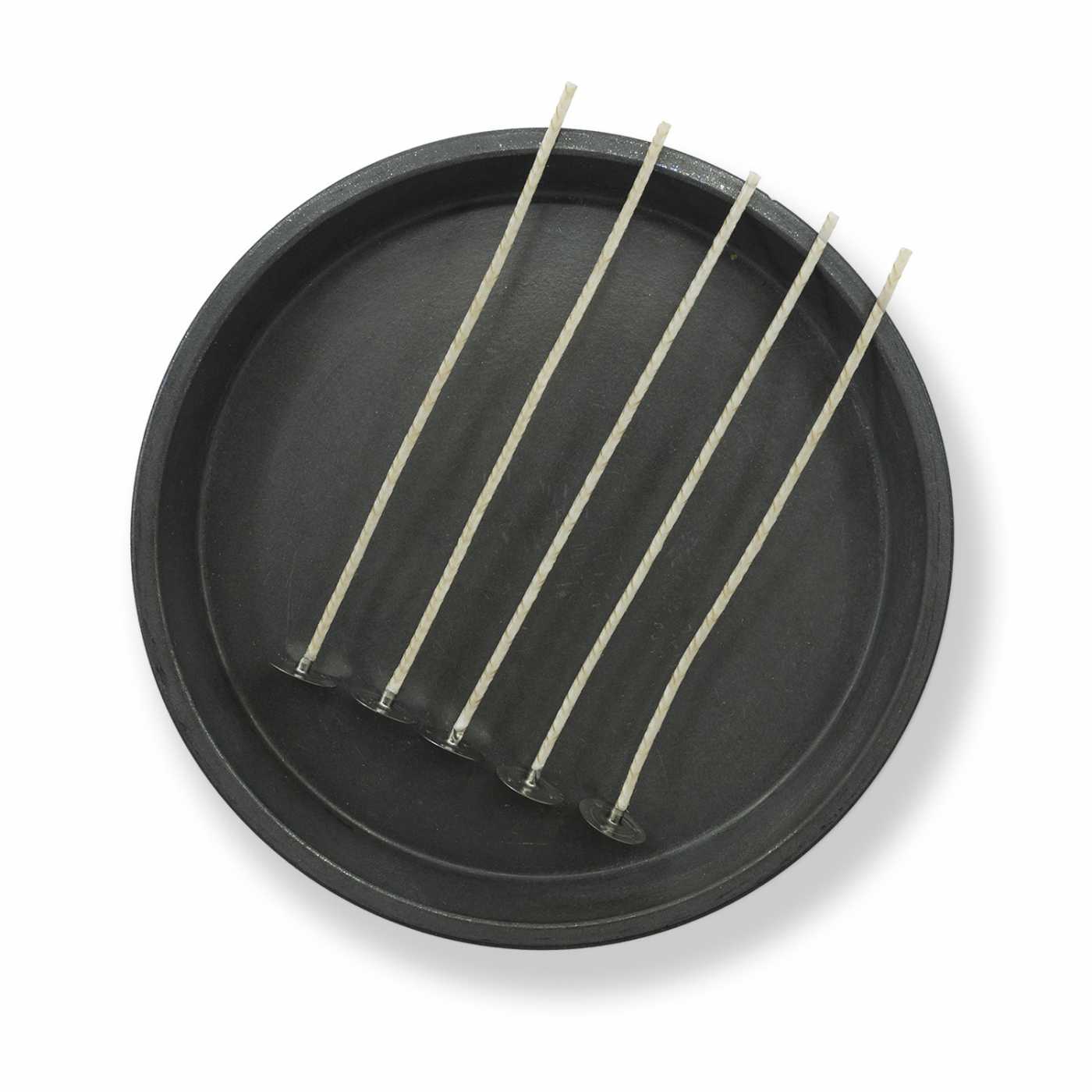
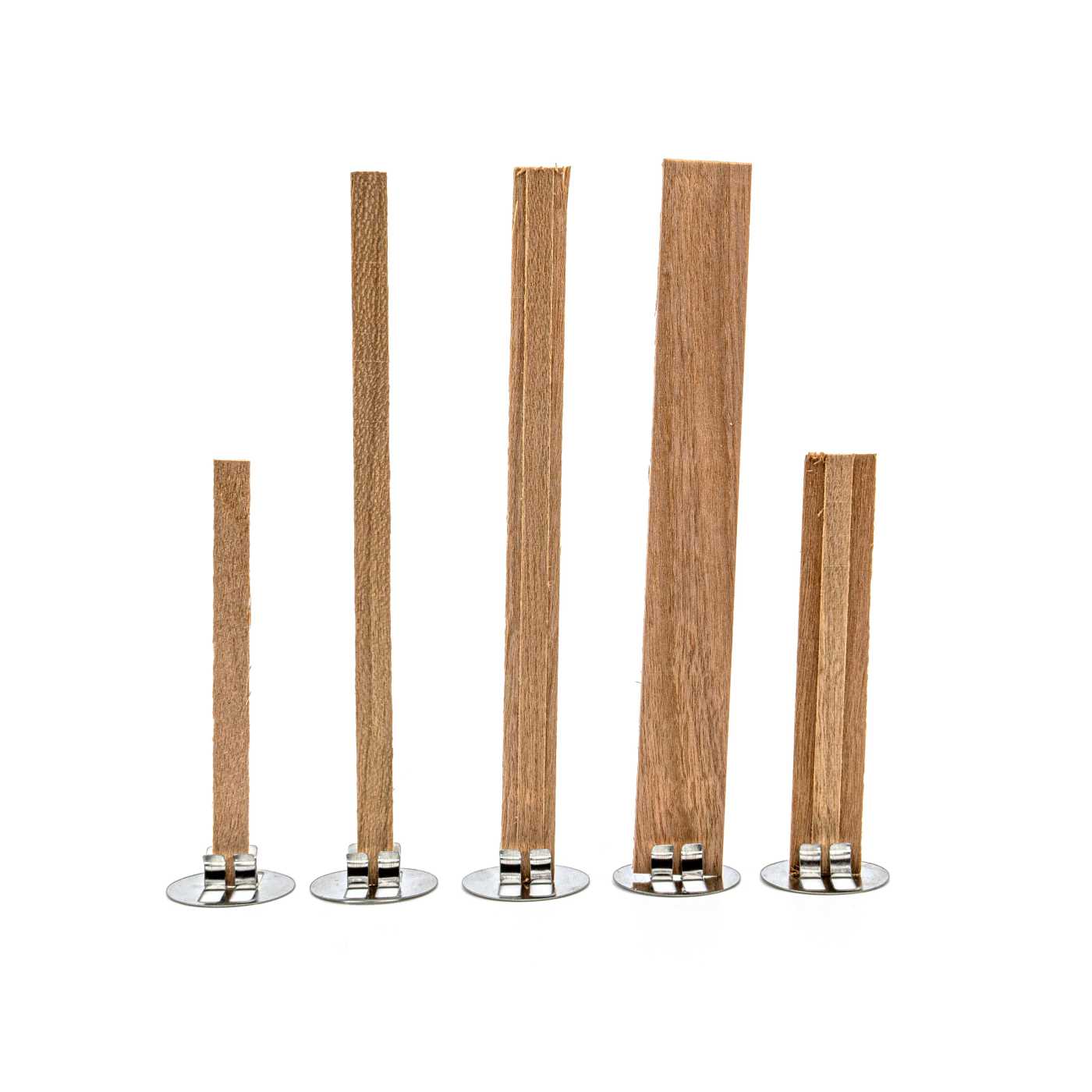
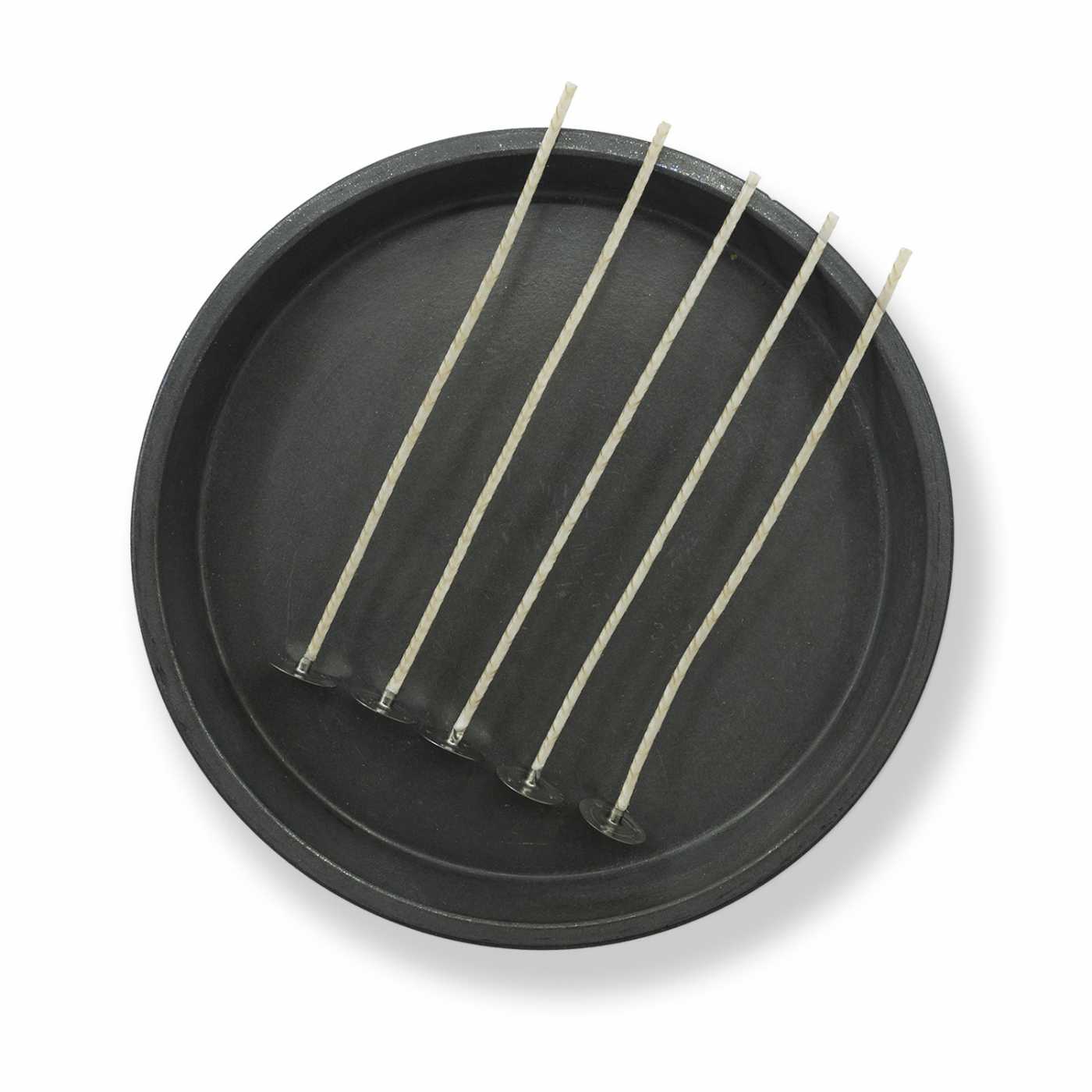
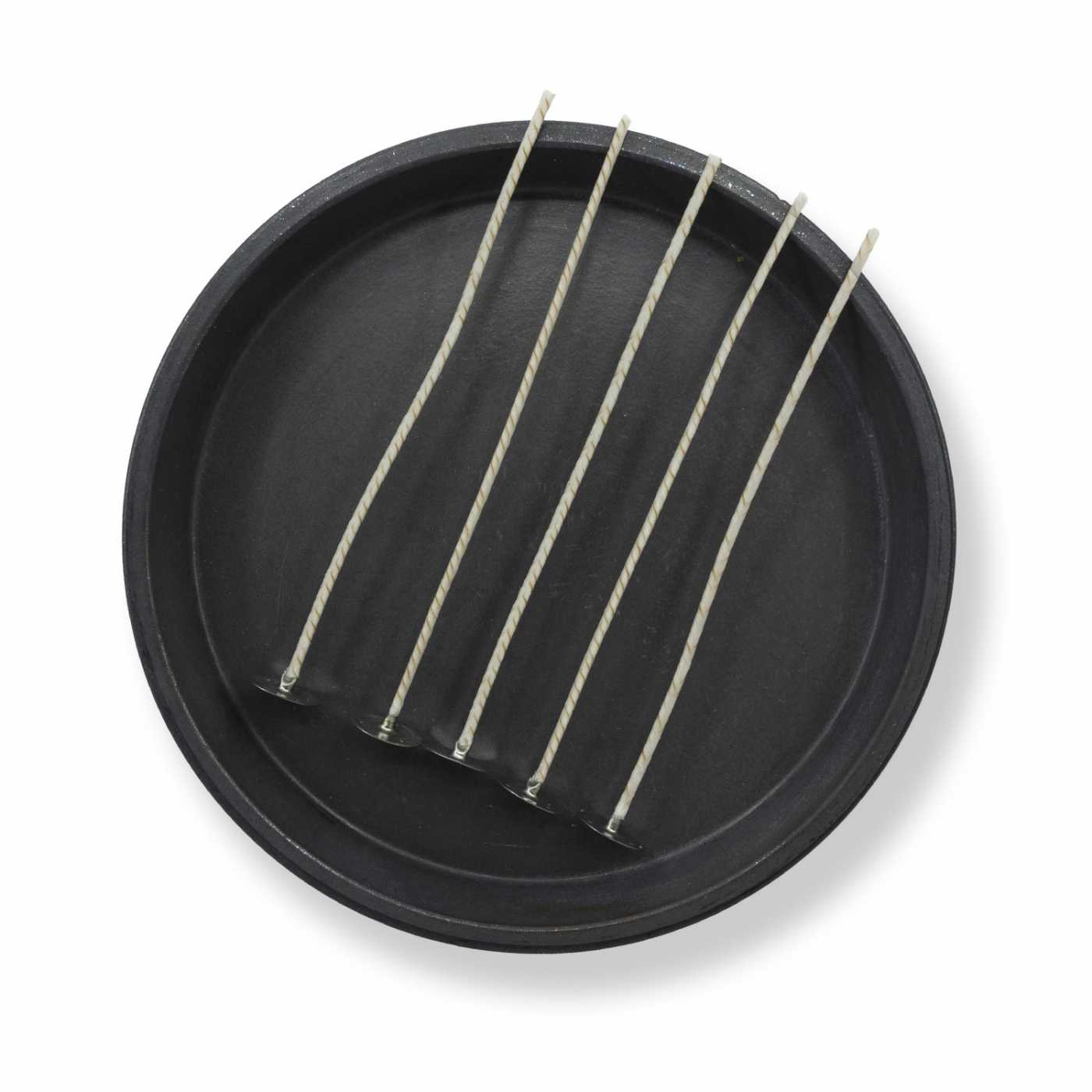
Natural waxes generally require a thicker wick than paraffin. The correct size is influenced by the fragrance, colorant, and the diameter and shape of the container. A wick that is too thick causes sooting, fast burn and wax running along the candle wall. A wick that is too thin leads to tunnelling and a small flame. Keep the wick trimmed to approximately 6 mm. If the flame is weak or unstable, try a different wick type.

During a test burn, monitor the diameter of the melt pool and the formation of a mushroom at the wick tip. The mushroom is a build-up of carbon and other deposits that impairs burning, causes soot and an unpleasant odour. Test wicks until you achieve the desired melt pool diameter and a clean, steady flame.

Test every combination of container, wax, colorant, fragrance and wick with a test burn. Scent throw depends on the size and depth of the melt pool during burning, which is determined by the wick.


Good to know

  • Oil-soluble colorants only – wax is oil-soluble and water-insoluble; water-dispersible colorants will not dissolve in it.
  • Indicative temperatures – the melting point is around 45 °C and the setting point around 34 °C. These are typical values; a specific batch may vary slightly.
  • Clean containers – pouring vessels must be free of contaminants and at least at room temperature; pre-warming to 45 – 50 °C improves adhesion.

Frequently asked questions

Is KeraSoy container soy wax suitable for glass candles?
Yes, KeraSoy container 4130 soy wax is developed specifically for candles that burn in a vessel, and glass is one of the most common applications. When poured close to the setting point into a pre-warmed container, it adheres to the wall and in most sizes a single pour is sufficient. It is not intended for free-standing candles made in moulds.
How much fragrance oil can KeraSoy container soy wax hold?
The wax is used with fragrance oils at loadings of up to 10 – 12 %. Blends developed for natural waxes are recommended, as fragrances formulated for paraffin may sweat to the surface, affect the appearance of the candle or impair the flame. Fragrance oil is added to wax cooled to pouring temperature and mixed thoroughly just before pouring.
At what temperature is KeraSoy container soy wax poured into containers?
The best adhesion to the container is achieved when pouring in the range of approximately 45 – 55 °C, close to the wax's setting point. The ideal temperature depends on the container size, fragrance used and colorant. If the surface finish or adhesion is unsatisfactory, adjust the pouring temperature by 5 – 10 °C up or down and compare the results.
Why does a soy container candle tunnel?
Tunnelling is a typical sign of a wick that is too thin. Natural waxes require a thicker wick than paraffin, and wick selection is also influenced by the fragrance, colorant and container diameter. It helps to try a thicker or different wick type and verify each combination with a test burn after 48 hours from pouring.
Can KeraSoy container soy wax be remelted and reused?
Yes, old or failed candles can be remelted and the wax reused. When remelting, do not heat the wax above 85 °C and avoid holding it at high temperature for extended periods, as this causes darkening. Brief heating to 90 °C followed by rapid cooling does no harm. A stainless steel vessel is most suitable for melting; copper and zinc accelerate colour change.
What colorants work in KeraSoy container soy wax?
It works with most oil-soluble colorants, whether powder, liquid, in blocks or flakes. Powder colorant dissolves in wax heated to approximately 75 °C; other forms can be added at 70 °C. Water-dispersible colorants will not dissolve in the wax. A darker shade is achieved by adding a small amount of black colorant.

Parameters

CAS No.
68334-28-1
Product color
White
Chemical name
Hydrogenated vegetable oil (soy)
Processing method
HydrogenationBlending

Product documentation

TDSTechnical Data Sheet
Physical parameters and processingPDF ↓
MSDSSafety Data Sheet
Available for purchased products —
Download all (ZIP)

1 PDF files in one archive

Learn how to work with it

From our blog
REVIEWS

Verified by customers.

No reviews yet.

Only customers with a delivered order can write reviews.