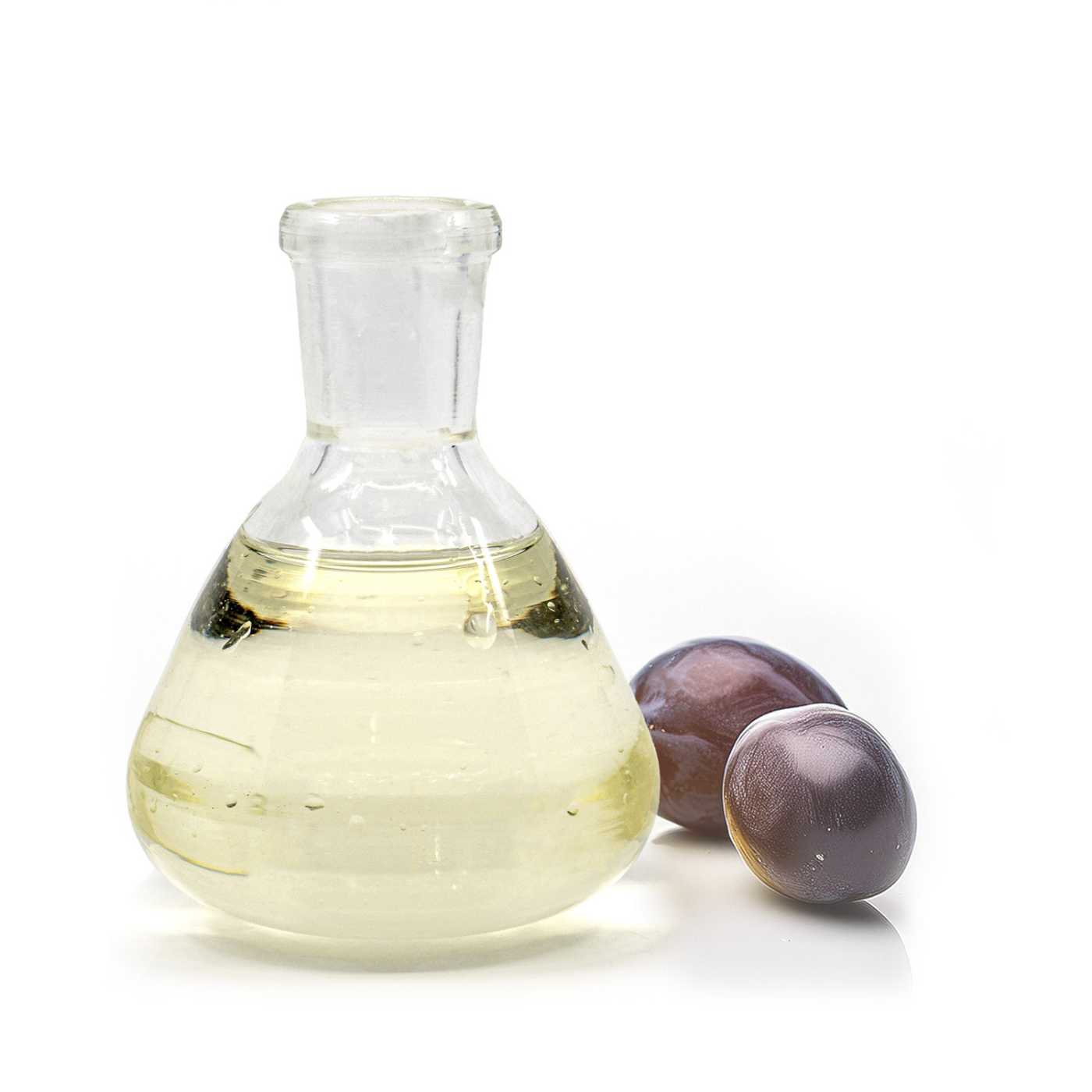
Fragrance oil Pink Gin, 10 ml
Pre-order€1.88(€188.00/l)

Candle waxes
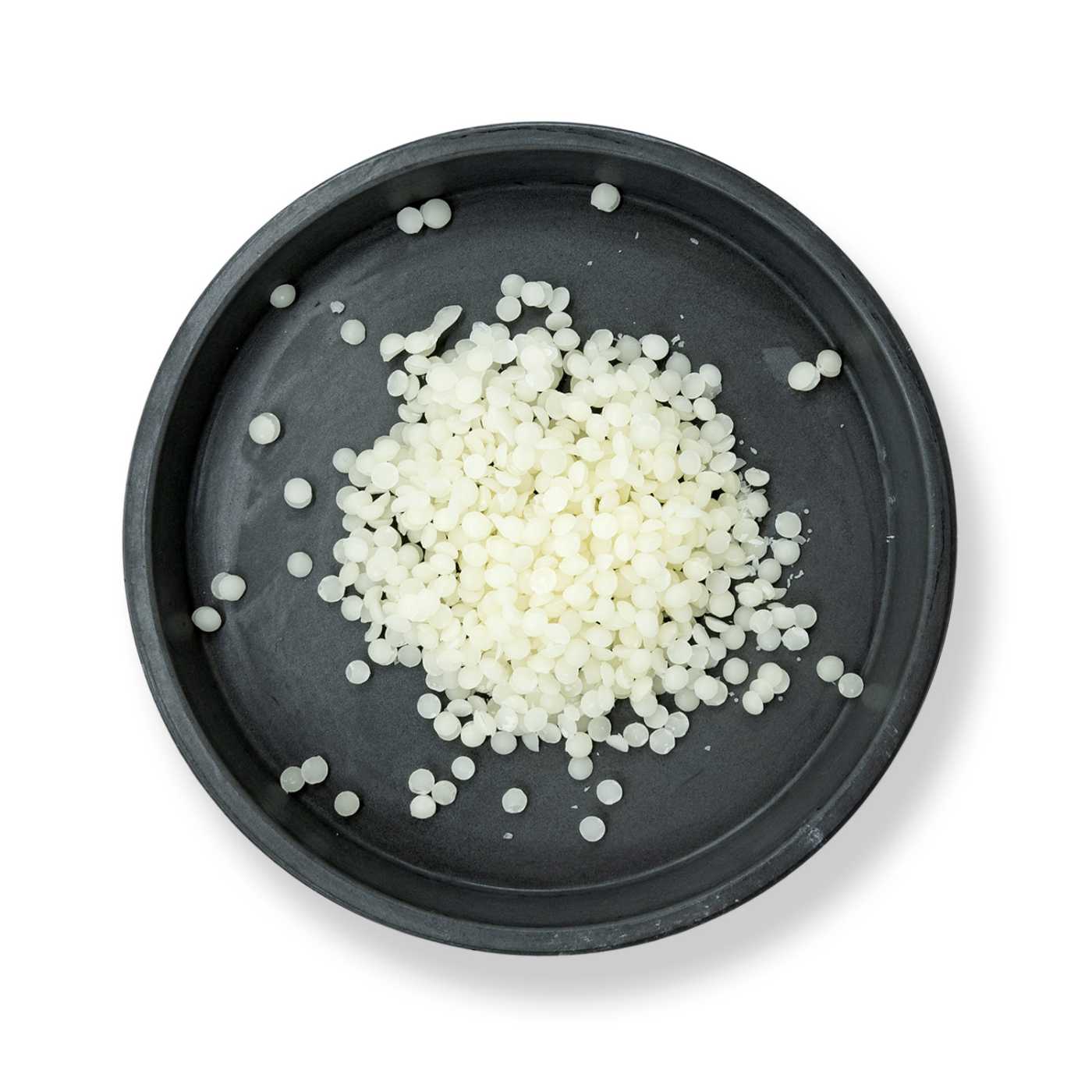
KeraSoy Pillar 4120 soy wax is a blend based on hydrogenated soybean oil , developed for casting freestanding candles in moulds. full description
Lowest price in the last 30 days: €50.35
KeraSoy Pillar 4120 soy wax is a blend based on hydrogenated soybean oil, developed for casting freestanding candles in moulds. A candle made from it holds its shape without a container, releases from the mould after cooling, and can be coloured and fragranced.
Candle makers do not need to add anything to it. Apart from fragrance oil and colourant, it requires no further additives. The wax is of plant origin, biodegradable, and suitable for vegan ranges. Due to the widespread use of genetically modified soy on the market, the manufacturer cannot guarantee an exclusively non-GMO origin of the raw material, but gives preference to it wherever possible.
Melt with continuous stirring, preferably in a stainless steel vessel. Ordinary steel is acceptable, but copper and zinc accelerate discolouration of the wax, so avoid them. Brief heating to 90 °C will not harm the wax if it is quickly cooled back down. Higher temperatures or prolonged overheating may discolour the wax.
Do not heat the wax above 85 °C and do not keep it at a high temperature for long. Old wax or failed candles can be remelted and reused.
Colourants work in all common forms: powder, liquid, flakes, and blocks. Dissolve powder colourant in wax heated to approximately 75 °C and stir until fully dissolved. It can also be dissolved directly in the fragrance oil and added together with it, but the colourant must be completely dissolved before adding. For liquid colourants and blocks, a temperature of around 70 °C is sufficient. For a deeper, darker shade, add a little black to the chosen colour.
Add the fragrance oil only after the wax has cooled to pouring temperature and mix thoroughly, preferably just before pouring. The size and depth of the melt pool determine how the candle smells, so the choice of wick also affects the scent performance.
Fragrances developed for paraffin candles may cause fragrance oil sweating to the surface, surface defects, or a weak flame in this wax. Use fragrances designed for natural waxes.
Moulds must be clean and at least at room temperature. Pre-heating to 45 – 50 °C improves release of the candle from the mould. Pouring at around 55 – 65 °C gives good release; the exact temperature depends on the size and shape of the mould, the fragrance used, and the colourant. If the surface or release is unsatisfactory, adjust the pouring temperature in steps of 5 – 10 °C up or down and compare the results.
For large candles, a top-up pour may be needed. Add a small amount of wax slightly warmer than the original pouring temperature before the candle has fully cooled. A top-up pour into a cold candle adheres less well. Allow candles to cool undisturbed at room temperature and leave them to cure for 48 hours before a test burn.
Natural waxes generally require a larger wick than paraffin. A wick that is too large causes soot, fast burning, and wax leaking down the side of the candle. A wick that is too small leads to tunnelling and a small flame. Wick selection is affected by the shape of the candle, the amount of fragrance, and the colourant, so test every combination of wax, fragrance, colour, and wick by burning.
During the test burn, monitor the diameter of the melt pool and mushrooming at the tip of the wick – the build-up of carbon that impairs burning, causes soot, and produces odour. Trim the wick to approximately 6 mm. If the flame is not stable, try a different wick type.
I added a little mica, champagne, to 100 g of wax and got the loveliest colour
Translated automatically