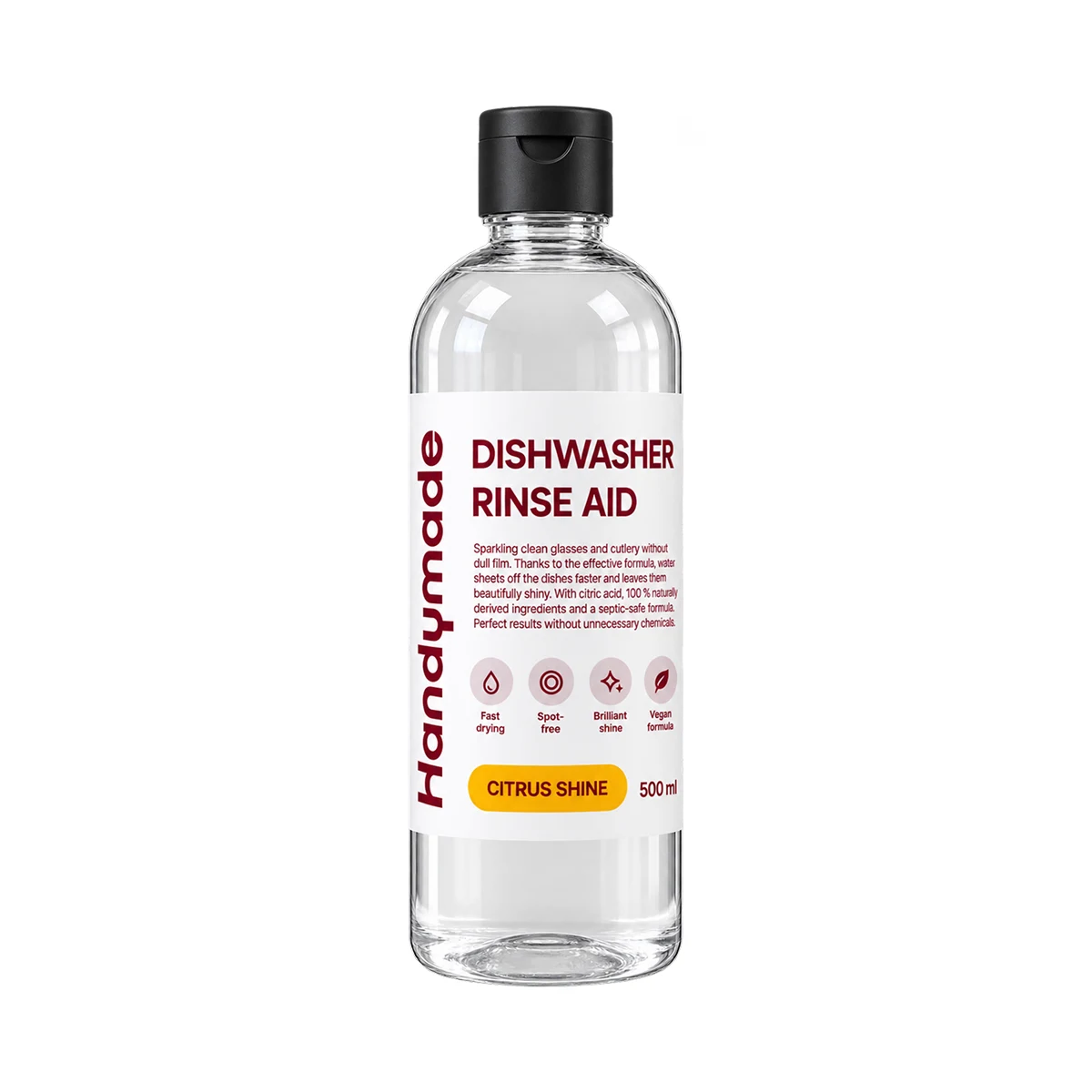
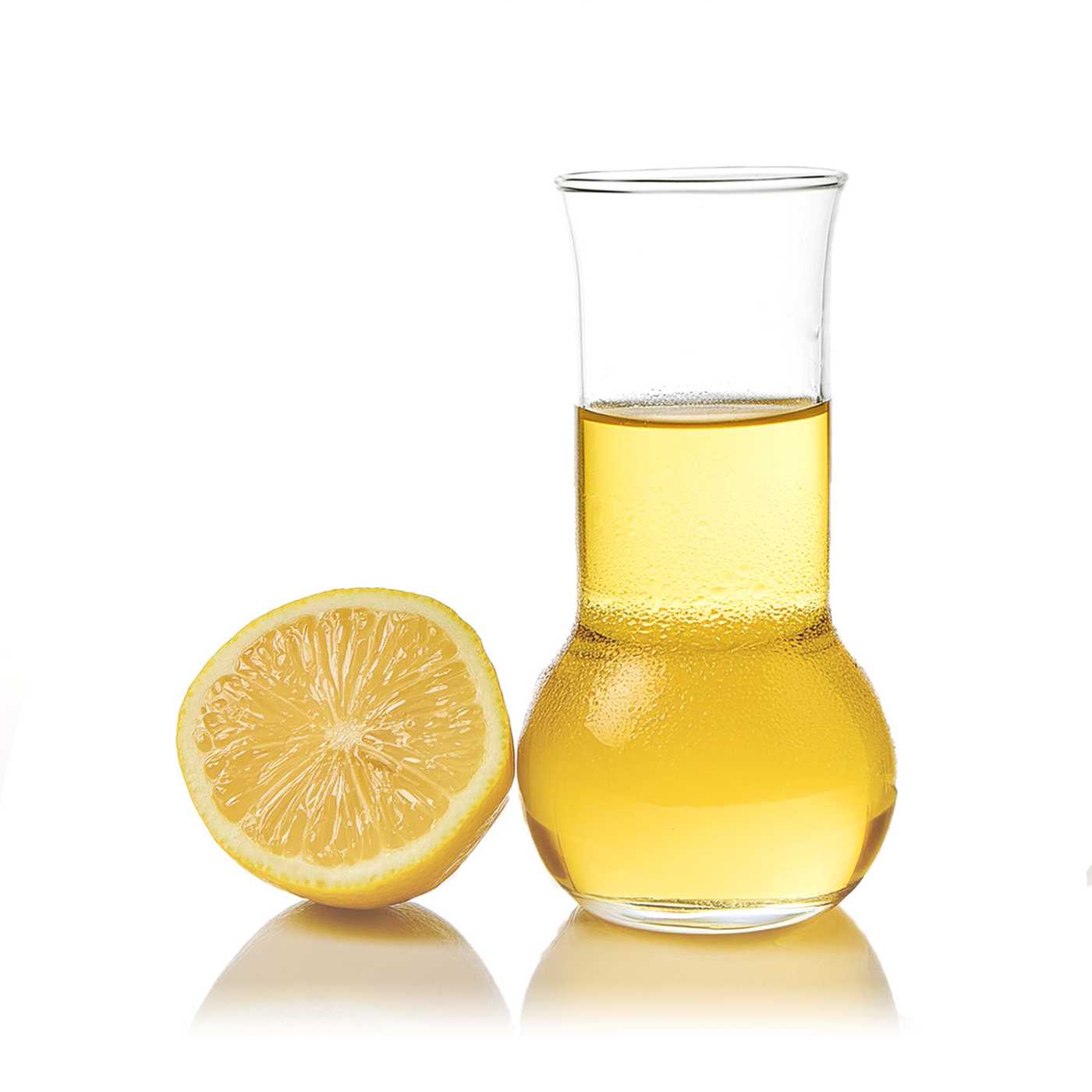
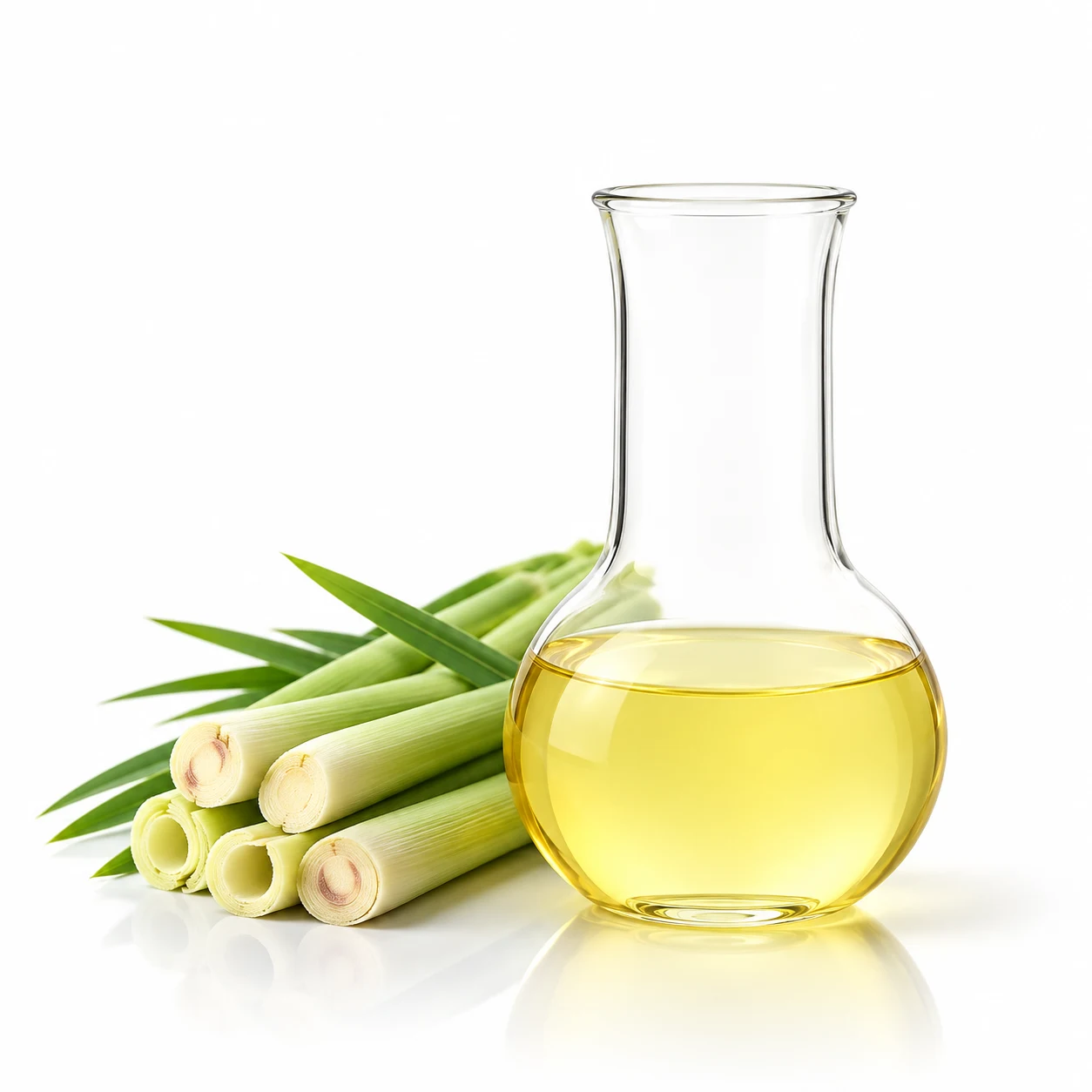
You take dry dishes out of the dishwasher, the glasses have no dried-on droplets, and a fresh scent greets you when you open the door. Citrus Shine dishwasher rinse aid works in the final rinse: water runs off plates and glass before it can dry, and the dishes dry faster.
Rinse aid does not wash the dishes; that is the job of the gel. Its purpose is to leave no white marks on the glass after washing and to let the dishes go straight from the dishwasher into the cupboard.
It smells of lavender, lemon and rosemary, and the scent comes only from essential oils. It is intended for homes where an open dishwasher should smell fresh.
What the Citrus Shine rinse aid brings you
- Dry dishes without dried-on droplets – water runs off the surface while still in the dishwasher, so fewer spots remain on glasses and cutlery.
- Glass without white marks – the rinse aid helps prevent mineral marks left by water, which show up on glasses as a white coating or a dull film.
- Scent from essential oils – you notice it most when warm air comes out of the dishwasher.
- Small dose per wash – the dishwasher adds the rinse aid by itself and only in the final rinse, so the dispenser needs refilling only now and then.
- Developed and made in Slovakia – the formula was created in our own laboratory and we manufacture the rinse aid ourselves. We explain why we took this on in the article Why we started making our own cleaning products.
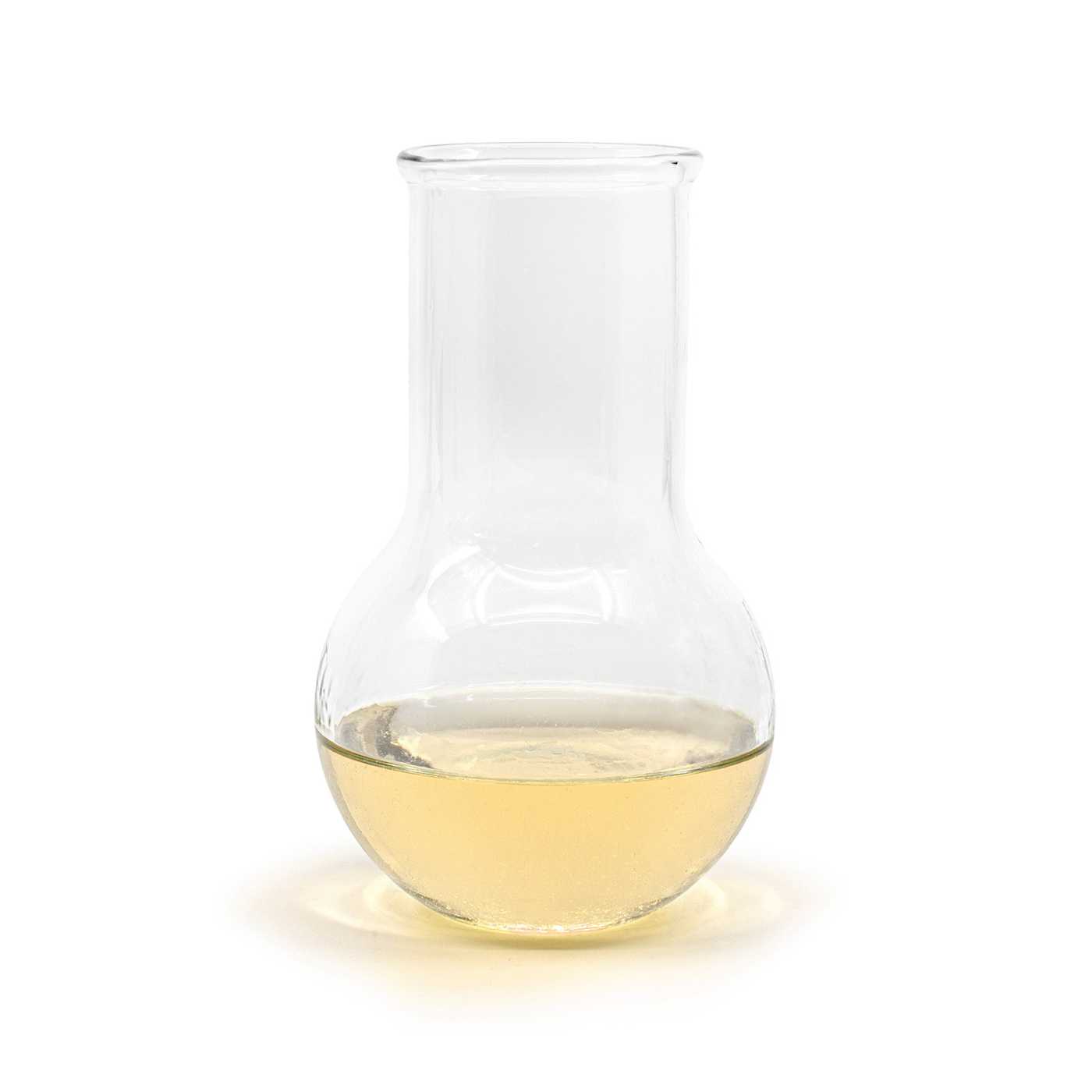
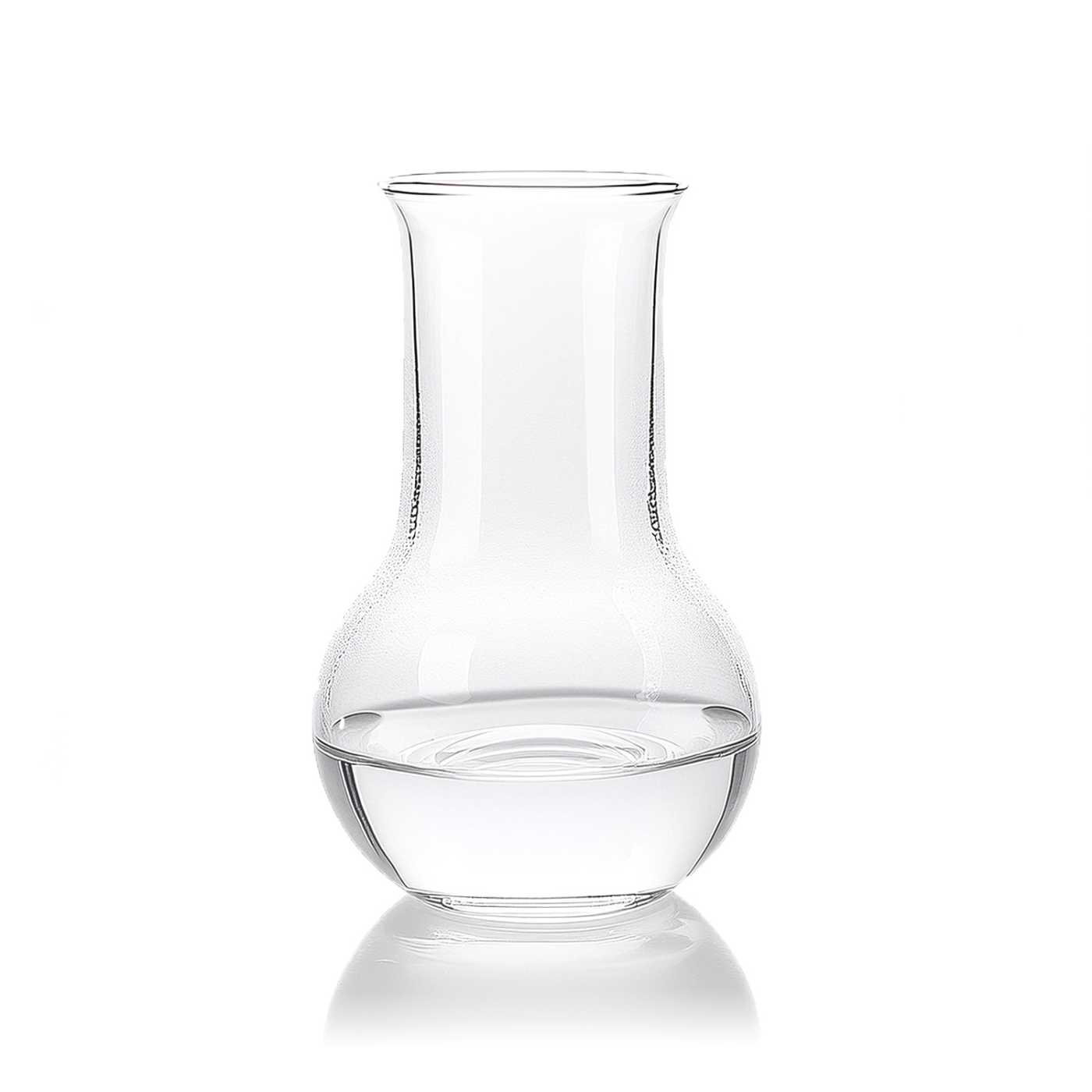
Droplets that dry on glass
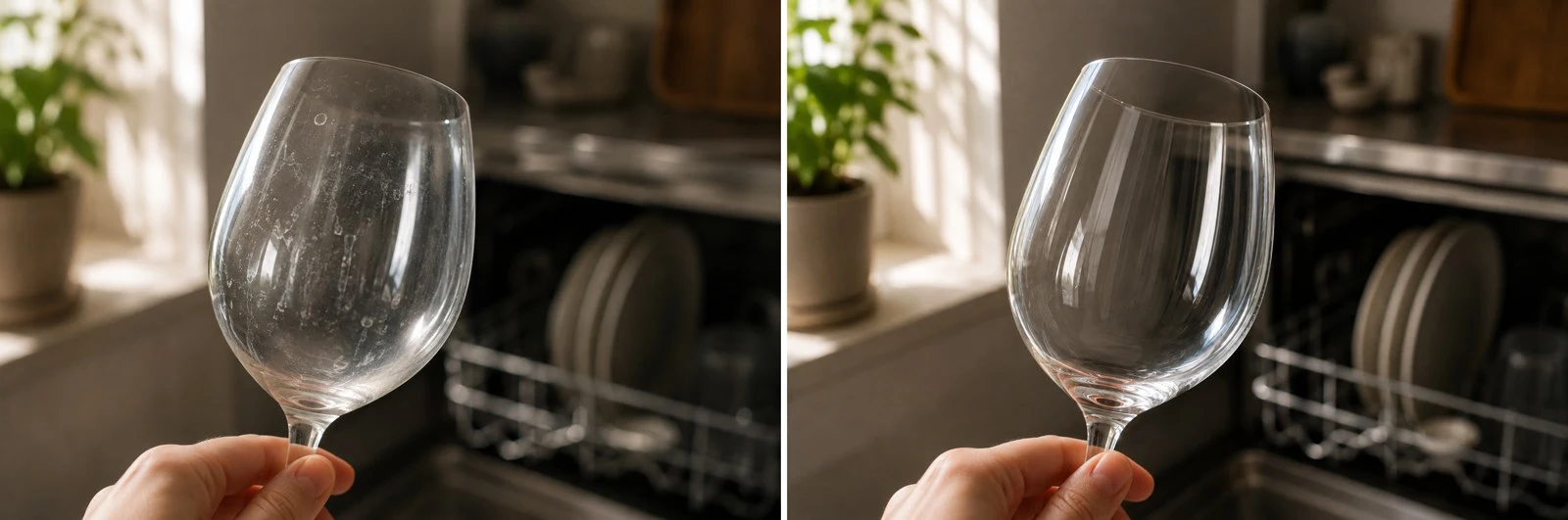
Without rinse aid
With rinse aid
Illustrative image. When water does not sheet off a glass, mineral marks remain after the droplets dry.
Sophorolipids in the rinse aid
Sophorolipids, surfactants produced by fermenting rapeseed oil and sugars, are responsible for the water sheeting in Citrus Shine. They reduce the surface tension of water, so after the final rinse the water forms a thinner layer on the dishes and runs off more easily. The result is faster drying and fewer dried-on droplets.
Sophorolipids come from renewable raw materials and are produced with minimal processing and without solvents. They are complemented by sugar-based surfactants (glucosides, APG), which promote even wetting of the surface.
How to refill and set the rinse aid
The rinse aid is poured into the rinse aid dispenser in the dishwasher. The dishwasher then automatically adds a small amount of it to the final rinse. The dose is set on the dishwasher. For the first use a medium setting is enough, and you can adjust it according to the result.
- If drops and dried-on spots remain on the dishes after washing, increase the dose.
- If streaks or an oily film appear on the glass, reduce the dose.
Always change the dose by one setting only and judge the result on the glasses. Drops and streaks are visible on glass first.
What to combine the rinse aid with
The rinse aid gives the best result as part of a trio: the Pure dishwasher gel cleans the dishes, the premium dishwasher salt softens the water, and the rinse aid takes care of drying and shine. All three are available together in the Citrus Shine dishwasher product set.
We offer the same rinse aid without fragrance as the Pure dishwasher rinse aid. The glasses on your table then smell only of what you pour into them.
Why a single product is not enough and what happens when one of the three is missing is explained in the article Why a dishwasher needs gel, salt and rinse aid. You can read how to keep your dishwasher in good condition, from cleaning the filter to setting the water softener correctly, in the article How to look after your dishwasher so that it washes like new.
Frequently asked questions
How often does the rinse aid dispenser need refilling?
The dispenser needs refilling when the dishwasher signals a low rinse aid level, on most dishwashers with an indicator light on the panel. One filling lasts a long time, and consumption depends on the dose setting and on how often you wash.
Do I need a rinse aid if I already use a gel?
Yes, the gel and the rinse aid each do something different. The gel removes food residue and grease, while the rinse aid works only in the final rinse and helps the water run off the dishes instead of drying in droplets. Without a rinse aid the dishes are often wet at the end of the programme and spots remain on the glasses.
The dishes are still wet after washing, what can I do?
First check that there is rinse aid in the dispenser and that the dose is set. If both are in order, increase the dose on the dishwasher by one setting and compare the result after the next wash. Plastic dishes dry more slowly than glass and ceramics.
Will the dishes have a scent after washing?
The scent is noticeable mainly when you open the door and warm air comes out of the dishwasher. It comes from lavender, lemon and rosemary essential oils. On the dishes themselves the scent is subtle, because the dishwasher doses only a small amount of rinse aid. If you want dishes with no scent at all, choose the Pure rinse aid, which takes care of drying in the same way.
What should I do when a white coating remains on the glasses?
A white coating after washing is usually a trace of minerals from hard water. The rinse aid helps prevent it, but the key is softened water. Check that there is salt in the salt container and that the dishwasher softener setting matches the hardness of your water. If both the salt and the softener are in order, try increasing the rinse aid dose slightly.
Can I use it if I have a septic tank or a reed bed treatment system?
Yes. Chlorine-based and disinfectant products are the main problem for septic tanks and domestic wastewater treatment plants, because they disrupt their natural function. The rinse aid contains no chlorine and is not a disinfectant. When used in normal amounts, it is diluted enough in the wastewater that it does not harm the treatment plant. The same applies to a reed bed treatment system, because wastewater reaches it through a pre-treatment tank.