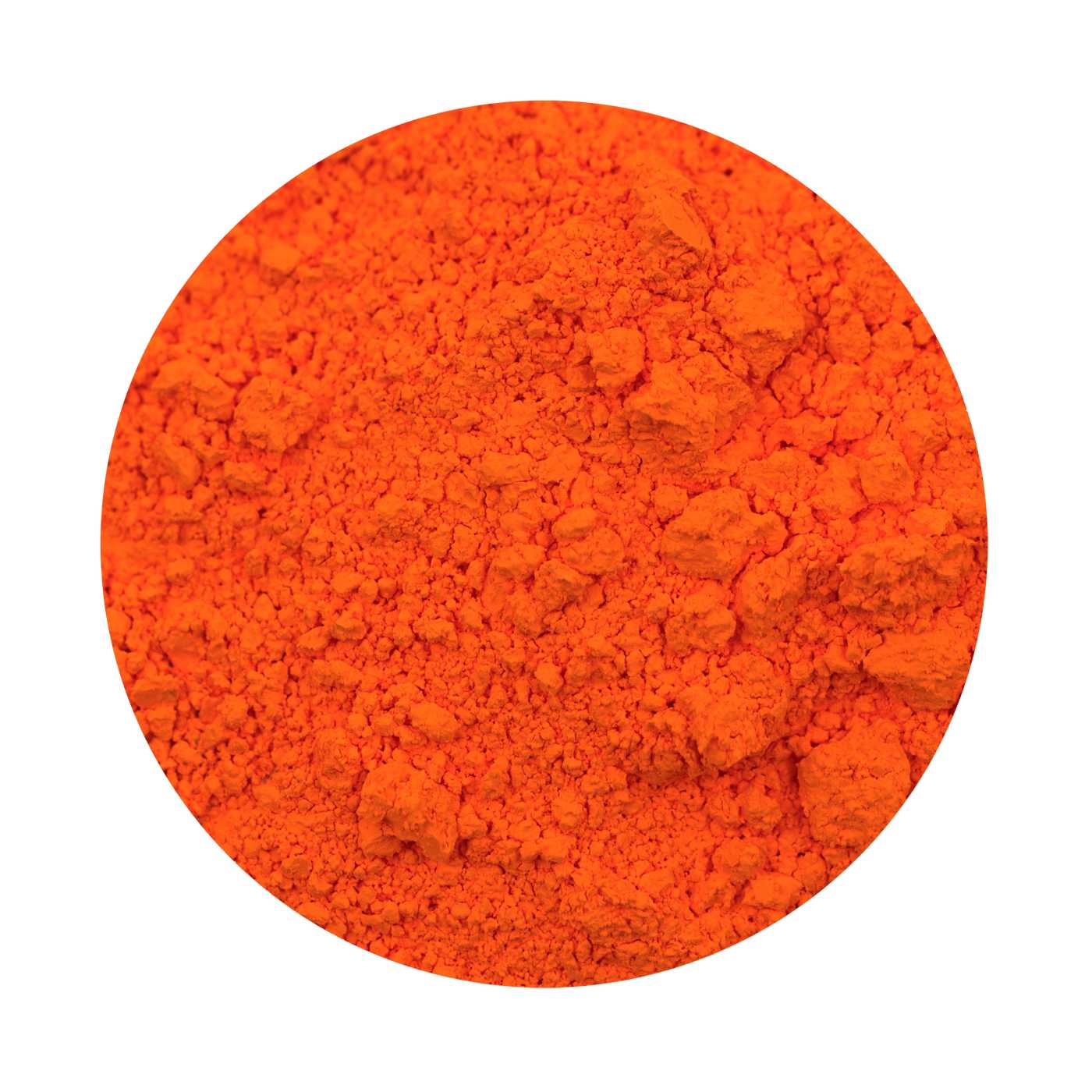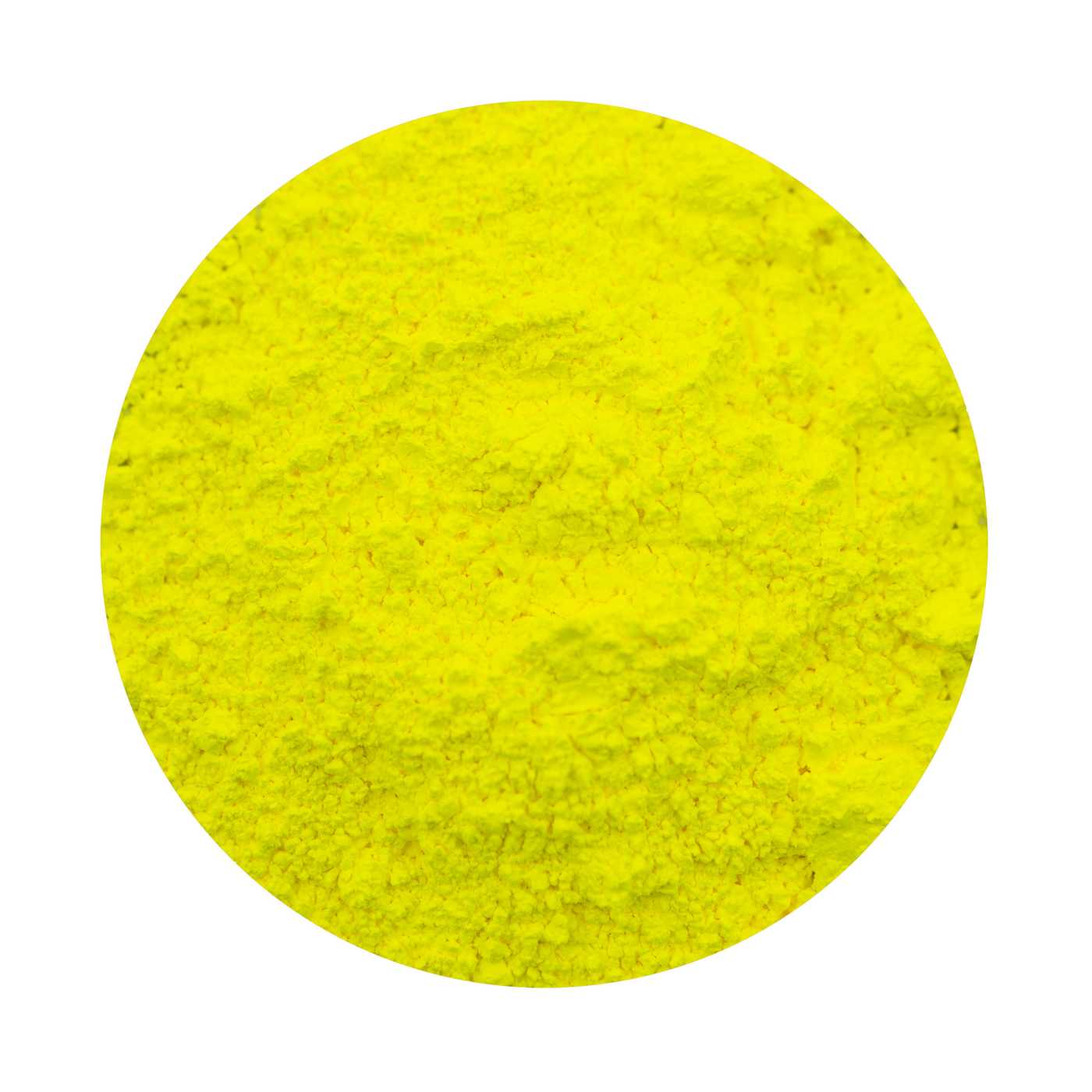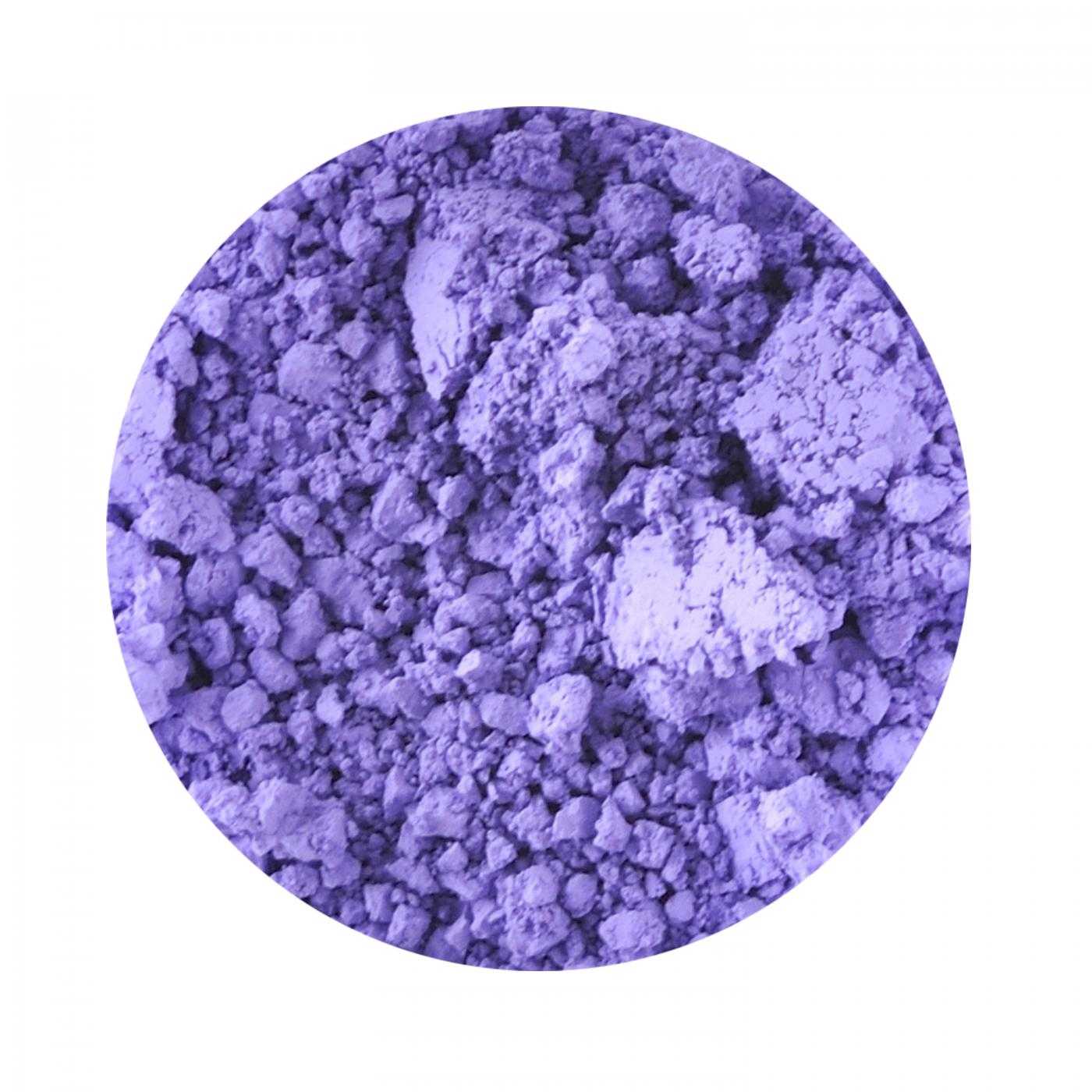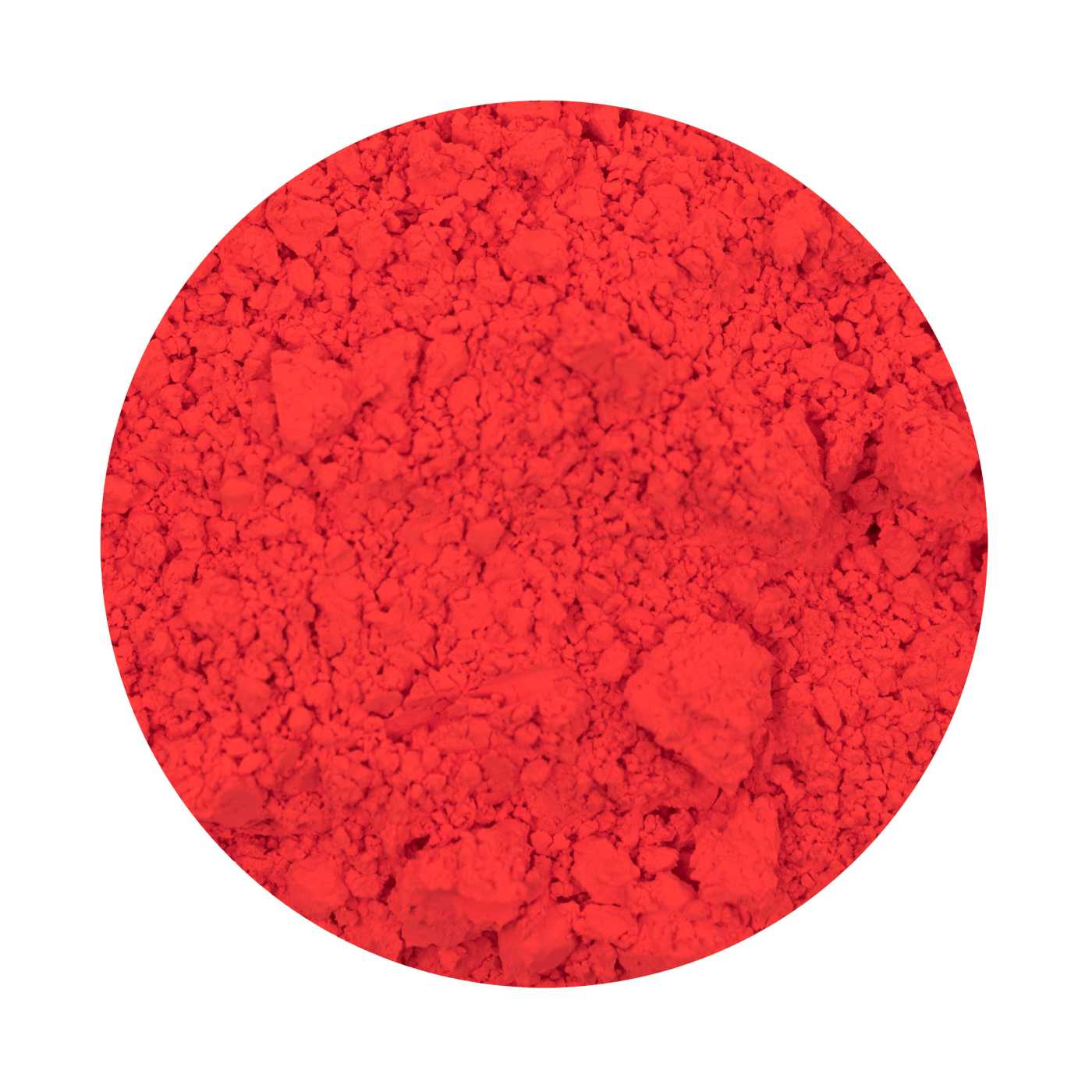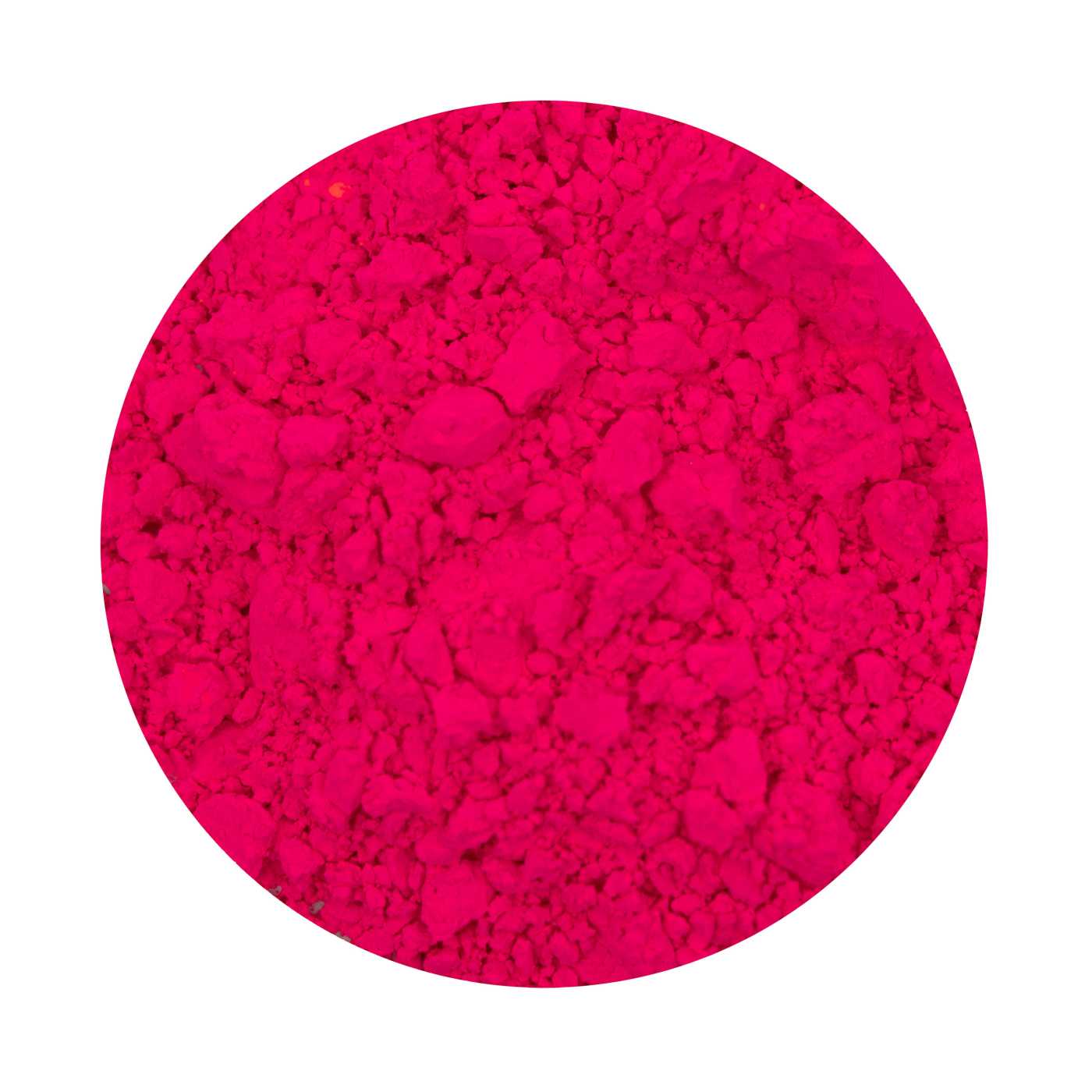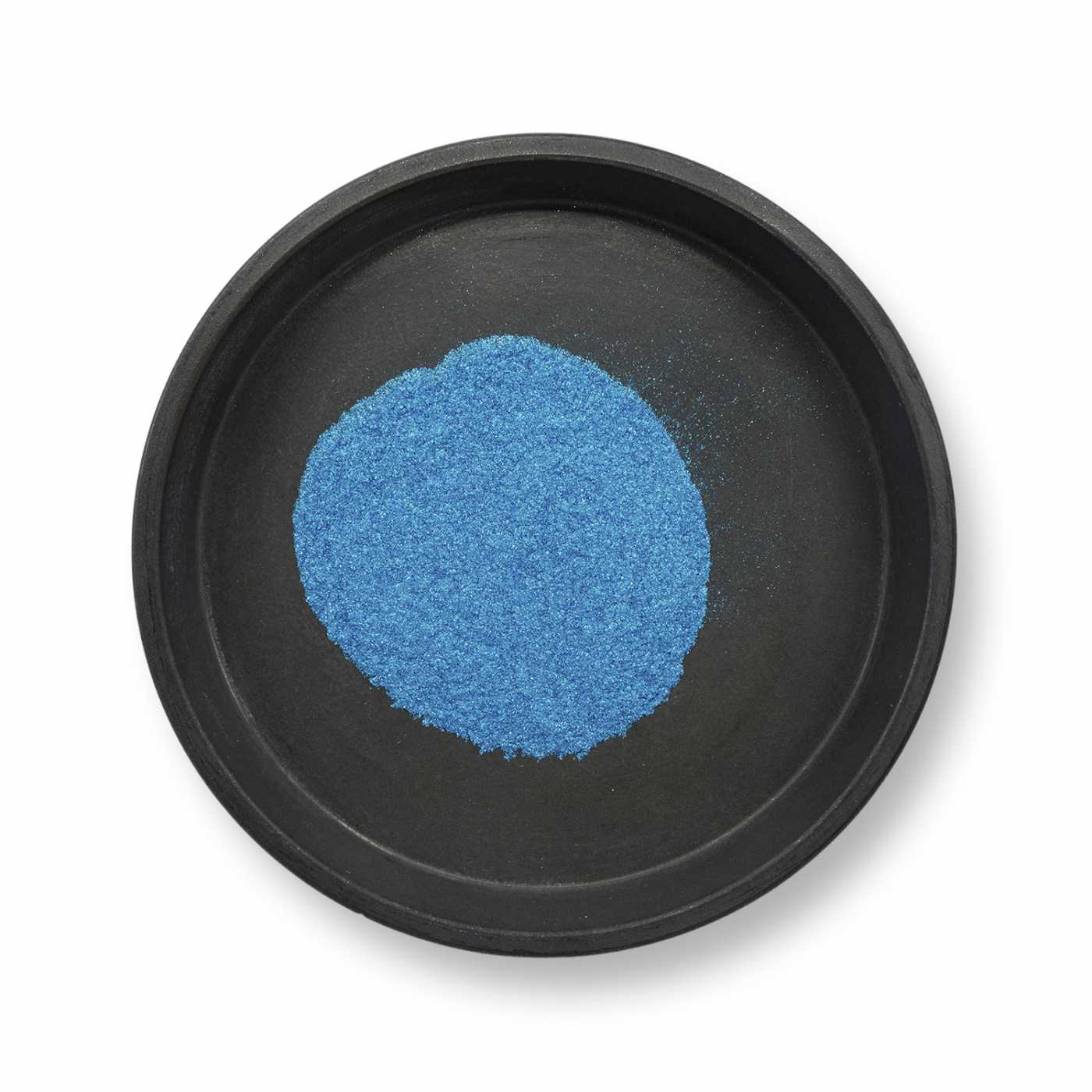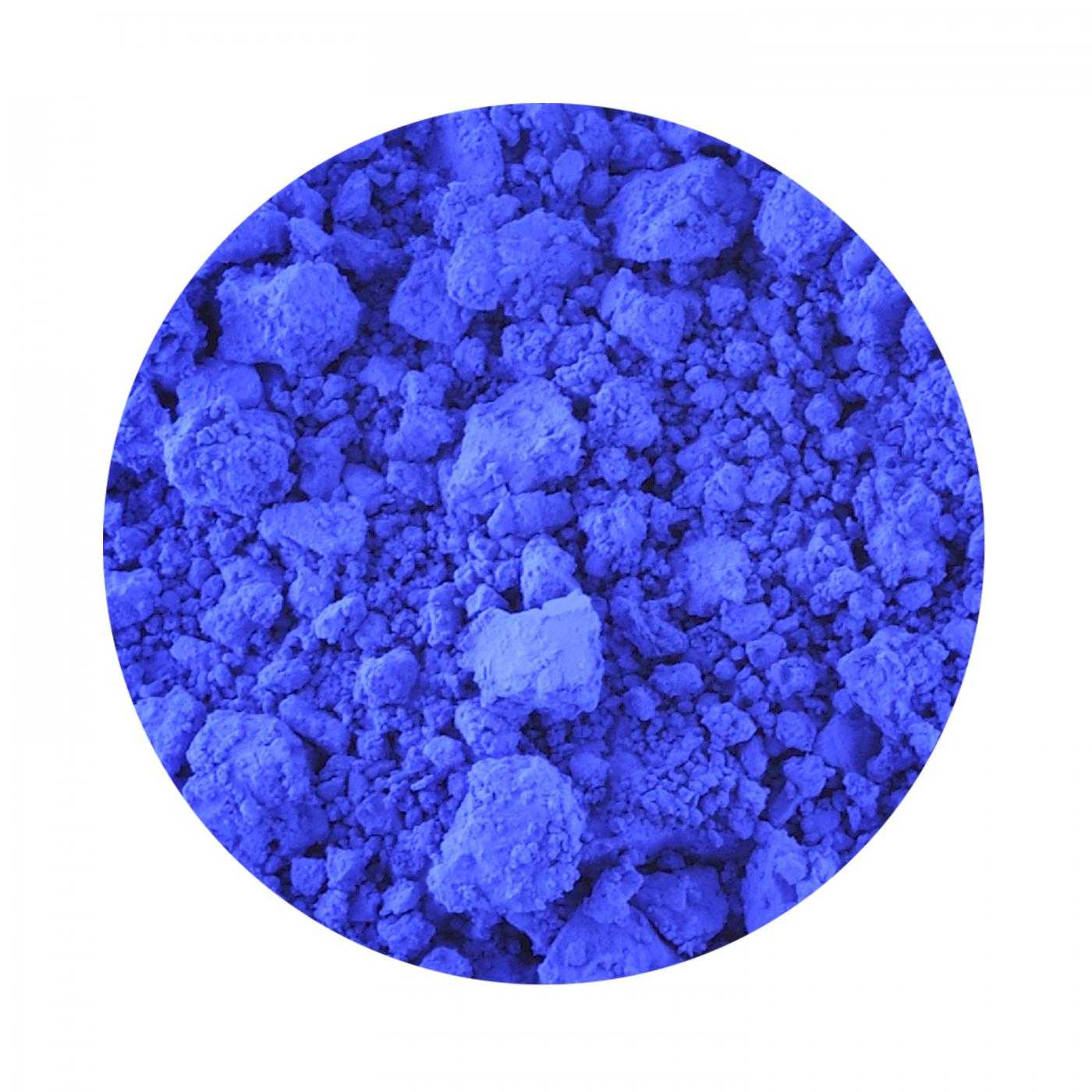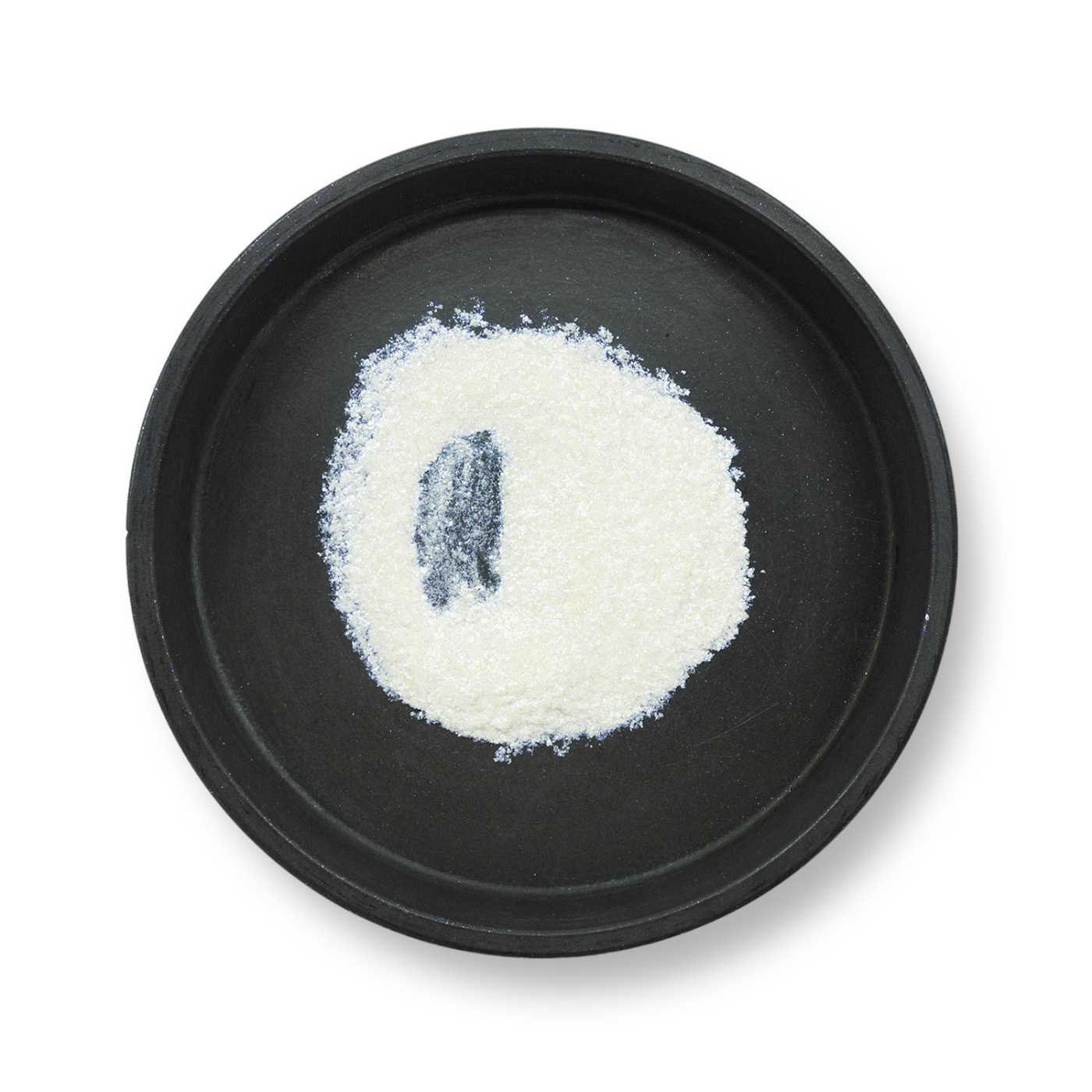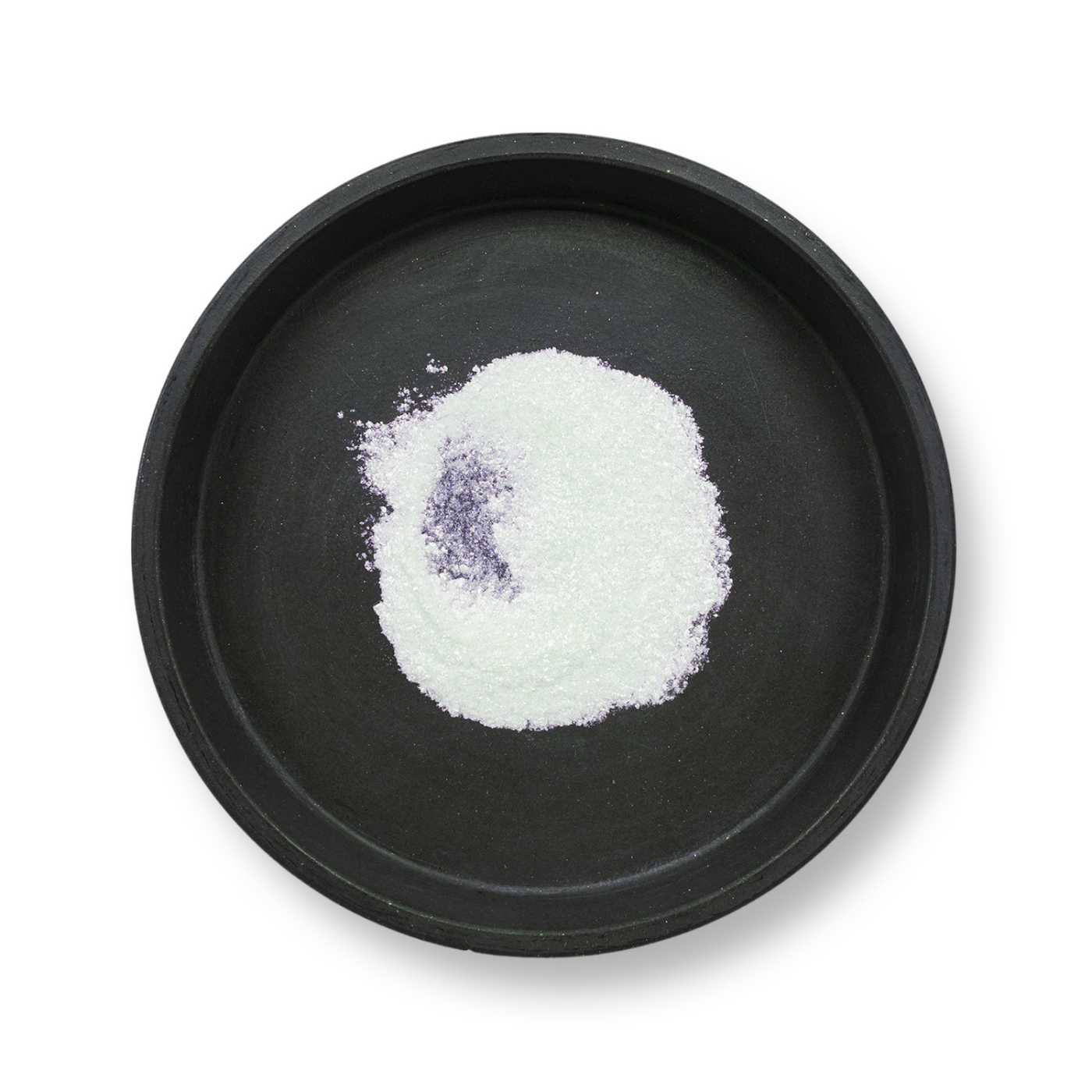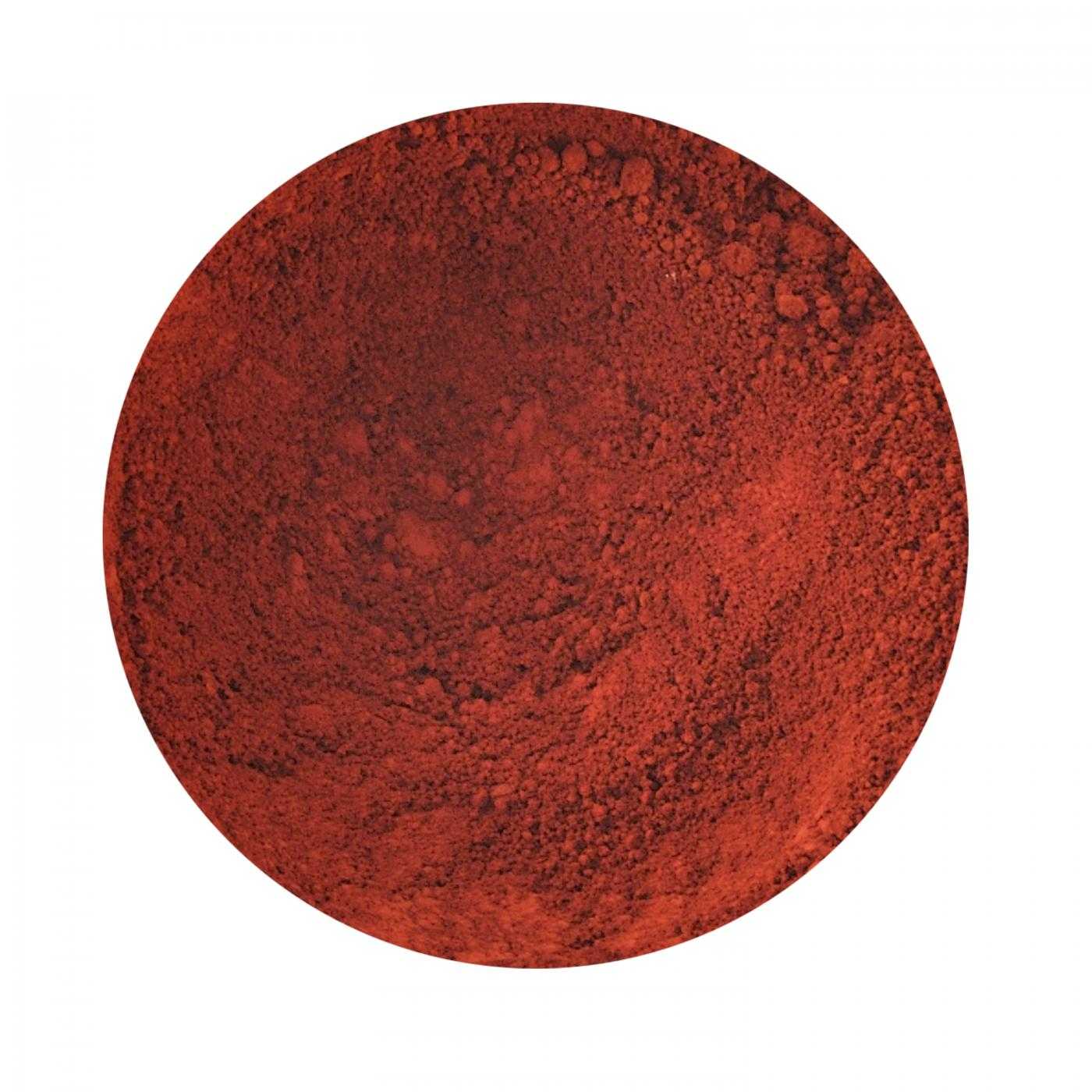

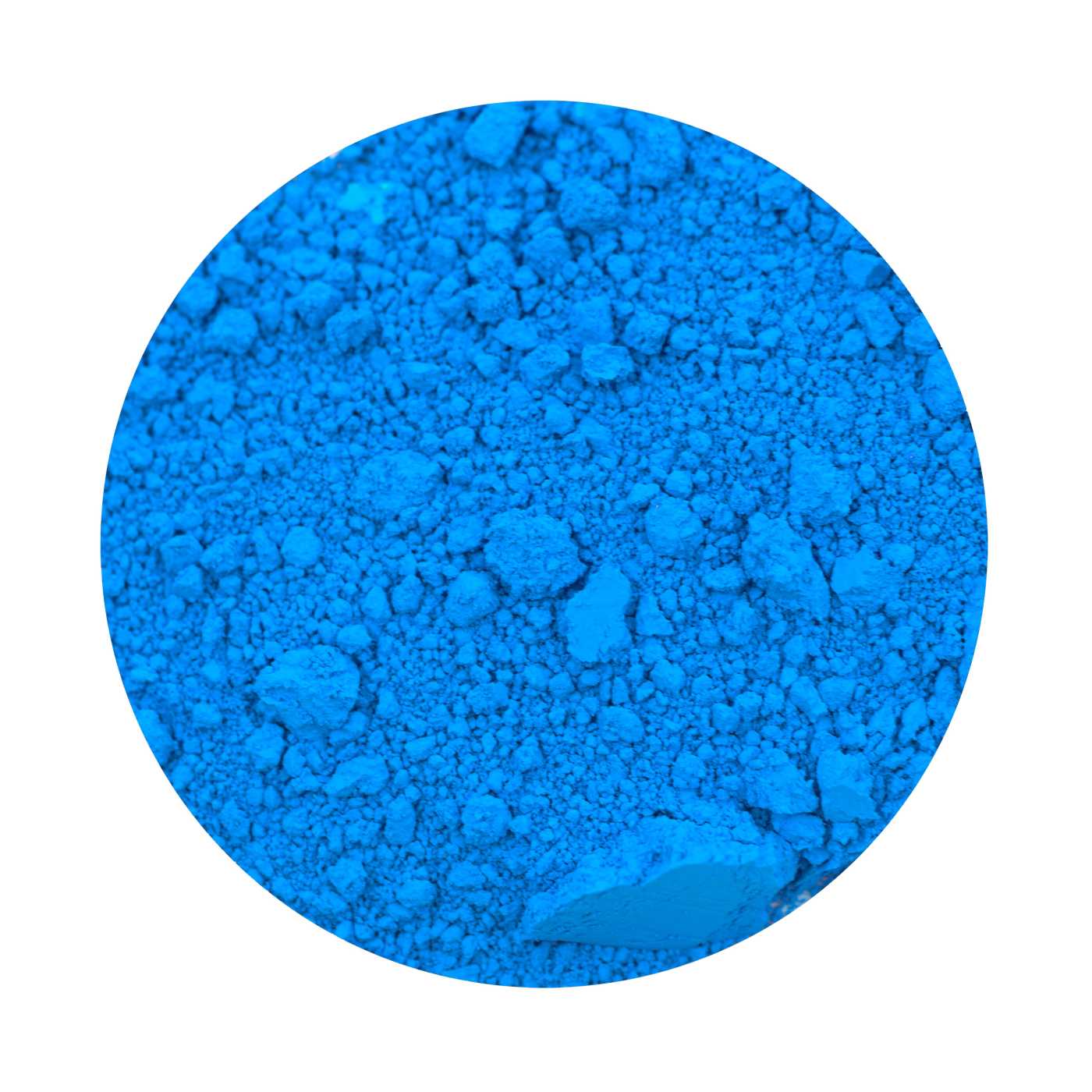
Powder, Neon Lites, Super Blue, 10 g
Pre-order€2.30Original price €3.29(€230.00/kg)

MICA POWDERS
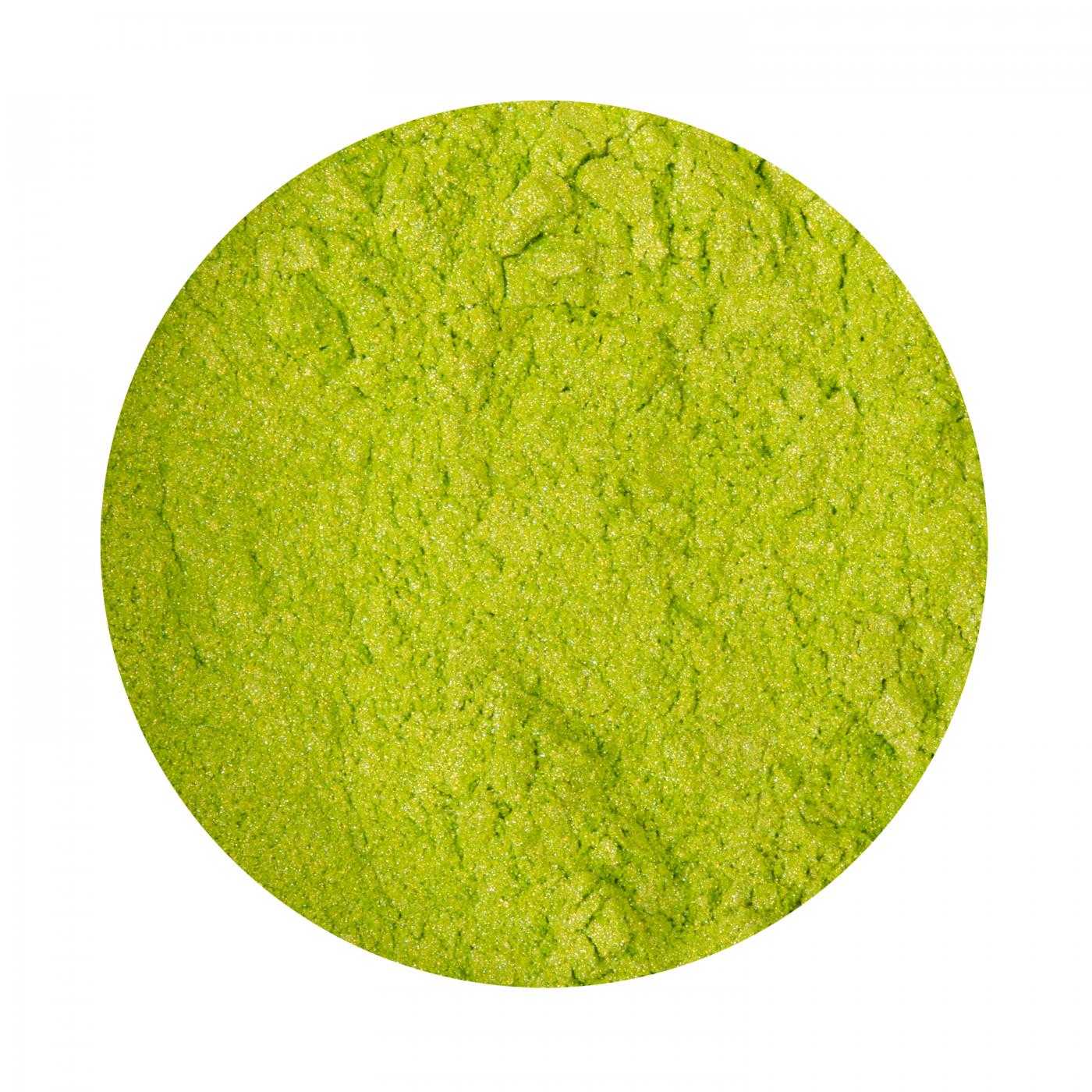
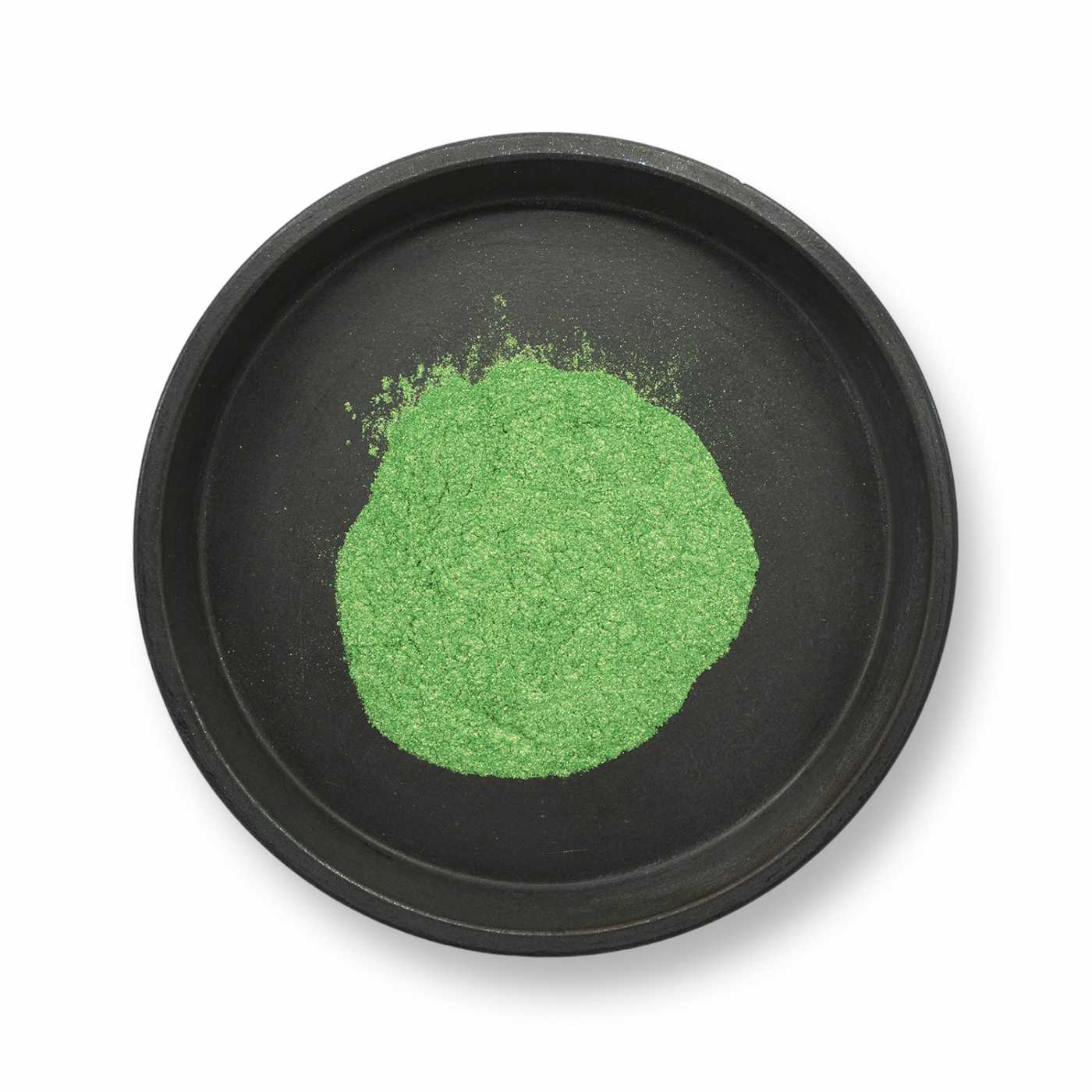
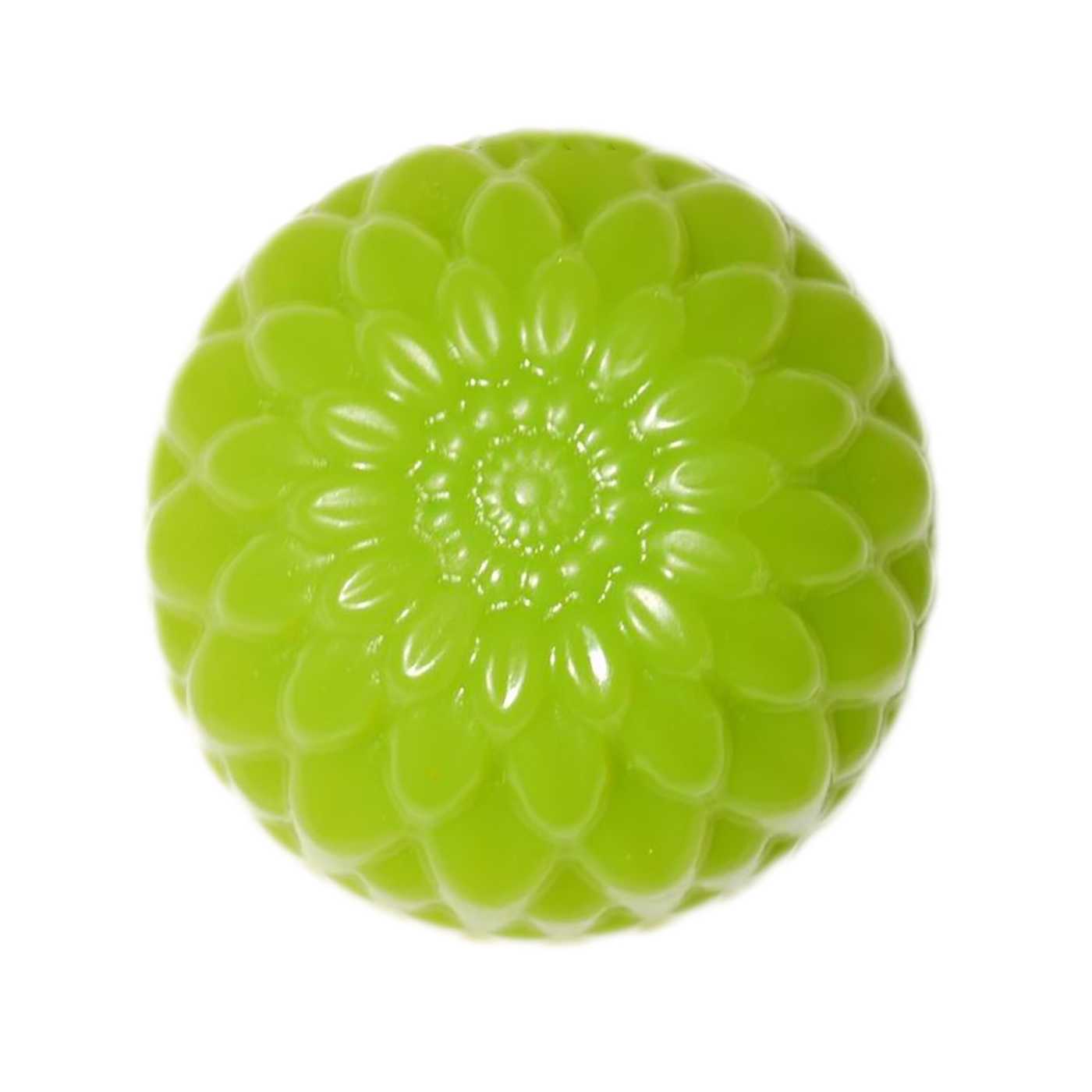
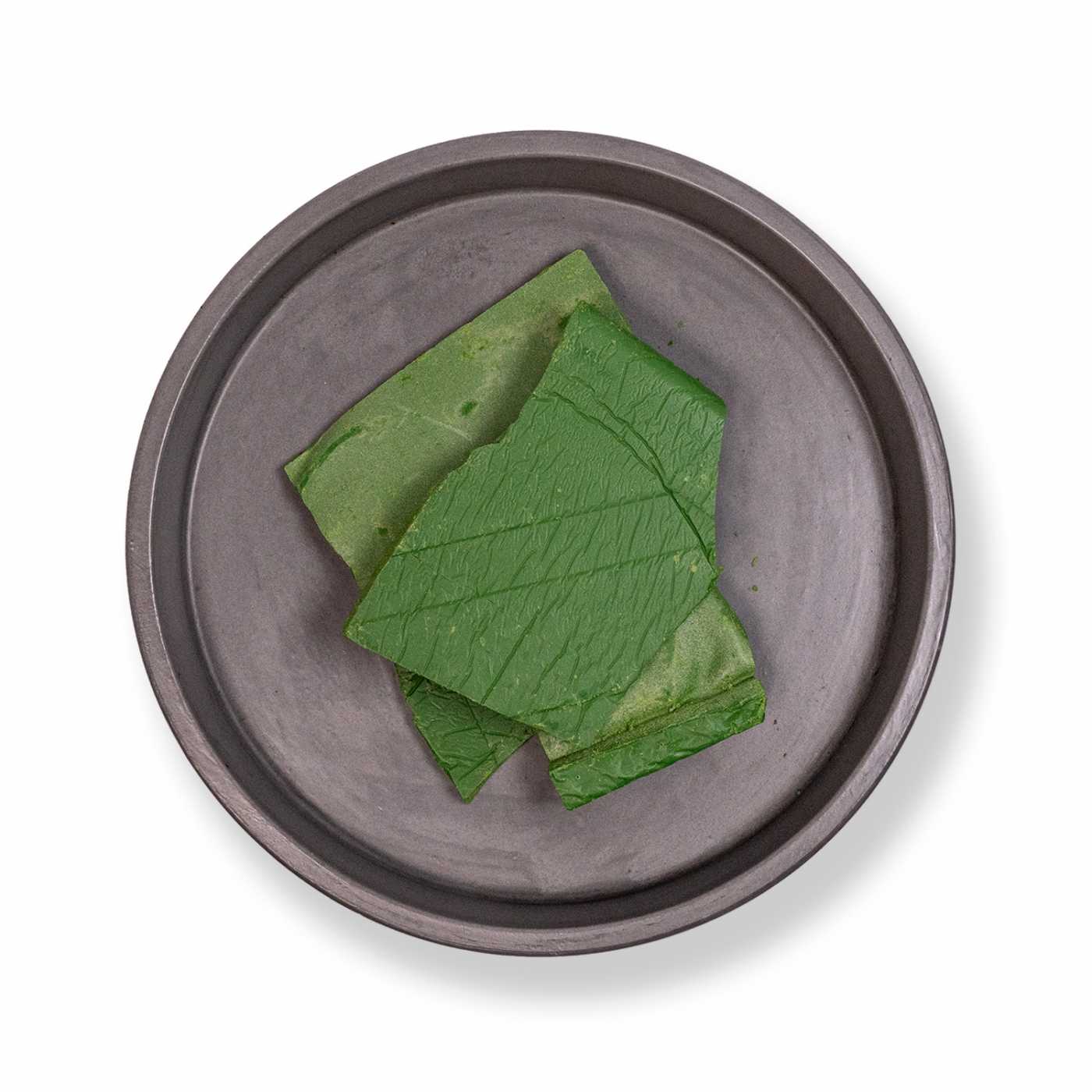
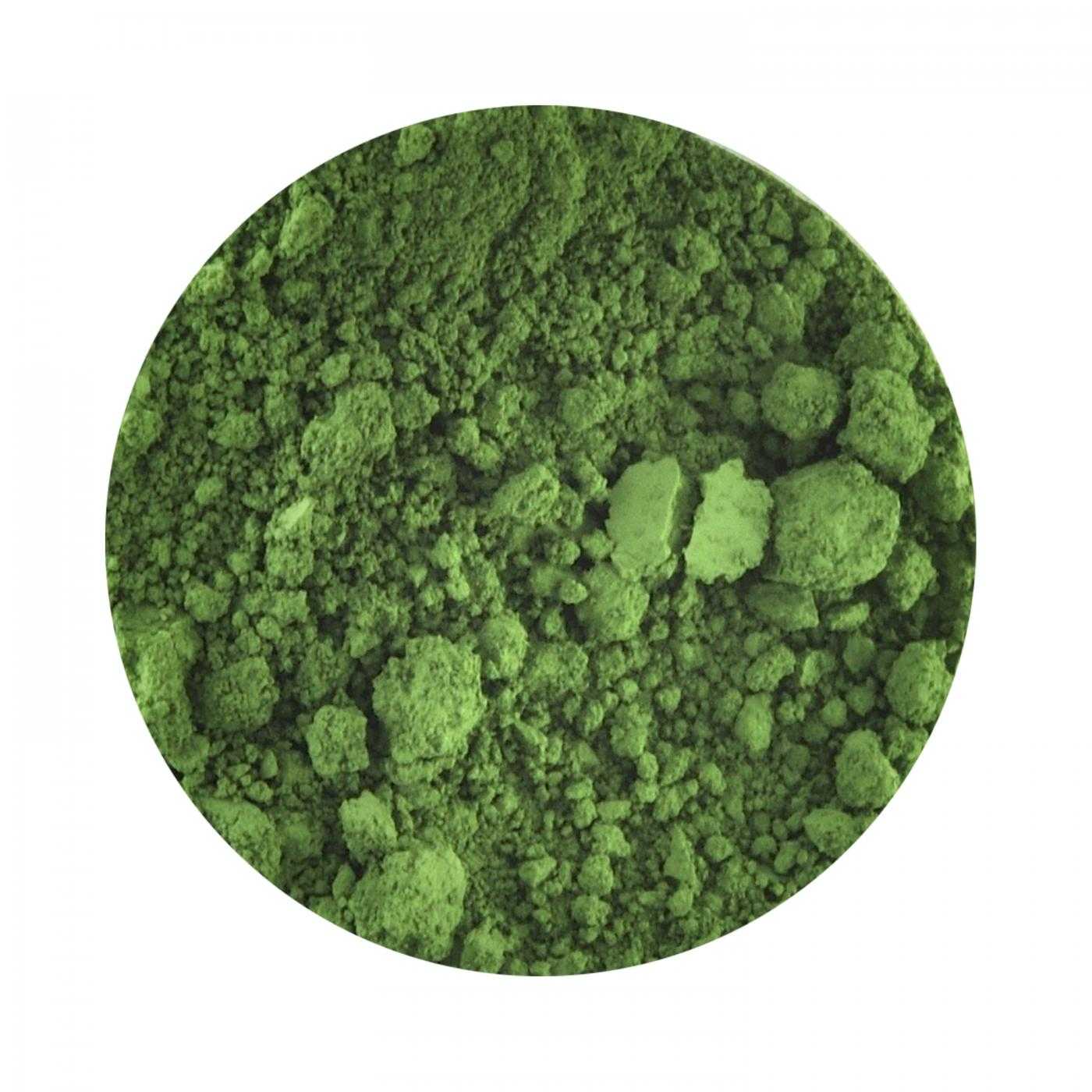
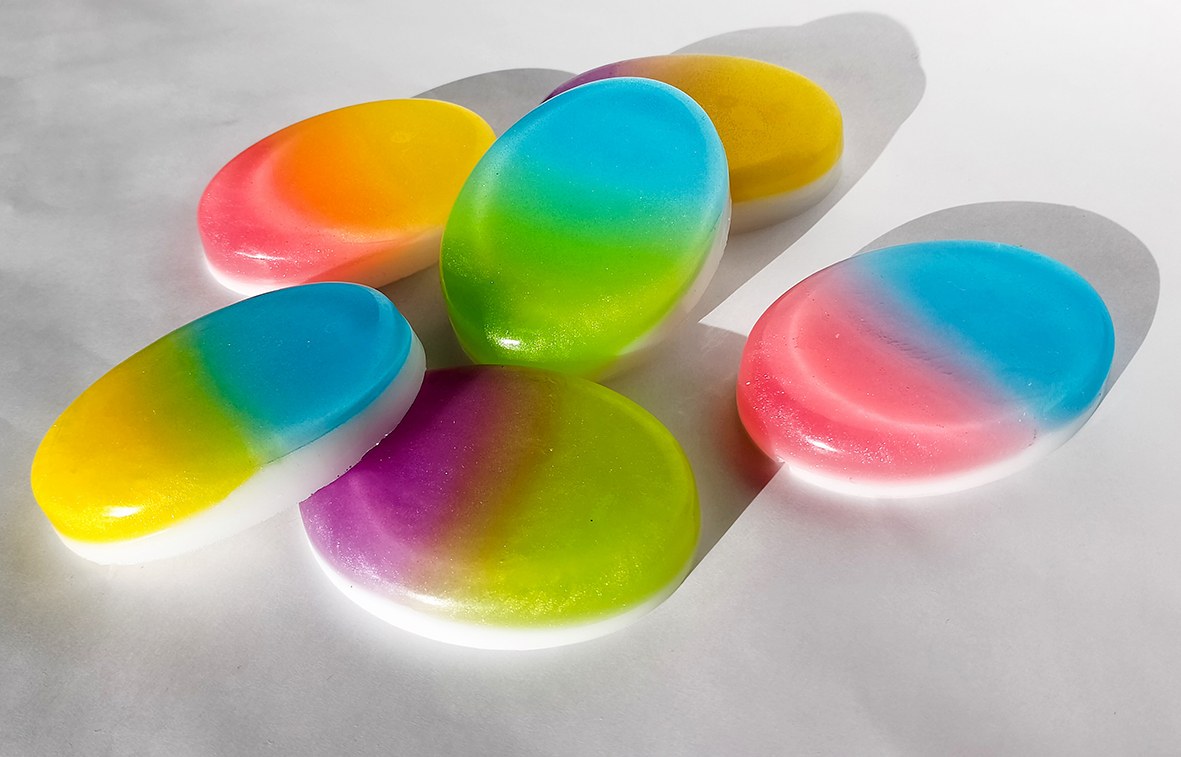
Mica Lime is a pearlescent pigment powder in a lime green shade that adds colour and shimmer to a product at the same time. It is used in decorative cosmetics, soaps, bath bombs, candles and hobby crafts. full description
Lowest price in the last 30 days: €69.99
Mica Lime is a pearlescent pigment powder in a lime green shade that adds colour and shimmer to a product at the same time. It is used in decorative cosmetics, soaps, bath bombs, candles and hobby crafts. It is suitable for both rinse-off and leave-on products, including products for the lips, nails and the eye area.
The pigment is based on the mineral mica coated with titanium dioxide. The green tone comes from chromium oxide and yellow iron oxide. The pigment is mineral, of European origin, free of animal-derived materials and free of nanomaterials.
The shimmer comes from mica platelets. Light is reflected from their surface and from the titanium dioxide layer that coats them, and the eye perceives this as a pearlescent effect. Particles of 10–60 µm remain dispersed in the product and colour it by reflecting light.
The final effect depends on the base. In clear and translucent bases such as gels, oils, waxes or glycerine soap, the shimmer stands out the most. In white opaque emulsions it is more subdued and the shade is lighter.
The pigment is insoluble in water, oil and alcohol. It disperses in both oil and water, meaning it spreads evenly throughout. It is added to the oil phase, during the cooling phase, or afterwards to the finished base, at a temperature below 80 °C.
The usage rate depends on how strong the result should be. The recommended range is 1–30%. Lower rates are enough for light tinting, while higher rates are suited to decorative cosmetics with a pronounced pearlescent effect.
In anhydrous products, keep in mind that the pigment binds oil. Every 100 g of pigment takes up 50–65 g of oil. At high rates in lipsticks, balms or pressed powders, it absorbs part of the oil phase and the product may become drier or firmer.
The recommended pH range of the formulation is 6.0–9.0. Cold process and hot process soap have a higher pH, so we recommend checking the stability of the shade in a test batch. The pigment is better suited to glycerine soap bases with a lower pH.
In thin liquid products, the particles may settle at the bottom over time. Thickening the product or shaking it before use will help.
For candles, we recommend carrying out a burn test with the specific wax and wick. It will show you how the pigment disperses in the wax and whether it affects the burning of the wick.
When working with the powder, do not inhale the dust. Use a respirator and eye protection, and wash your hands before and after work.

Variant: MICA, práškové farbivo, Lime, 10 g
Variant: MICA, práškové farbivo, Lime, 10 g