+421 950 333 113info@handymade.storeHandymade Days: −10 % on all ready-made productsShop now

Candle fragrance oils

Mint and Eucalyptus Fragrance Oil, 1 l

Pack size10 ml100 ml500 ml1 l

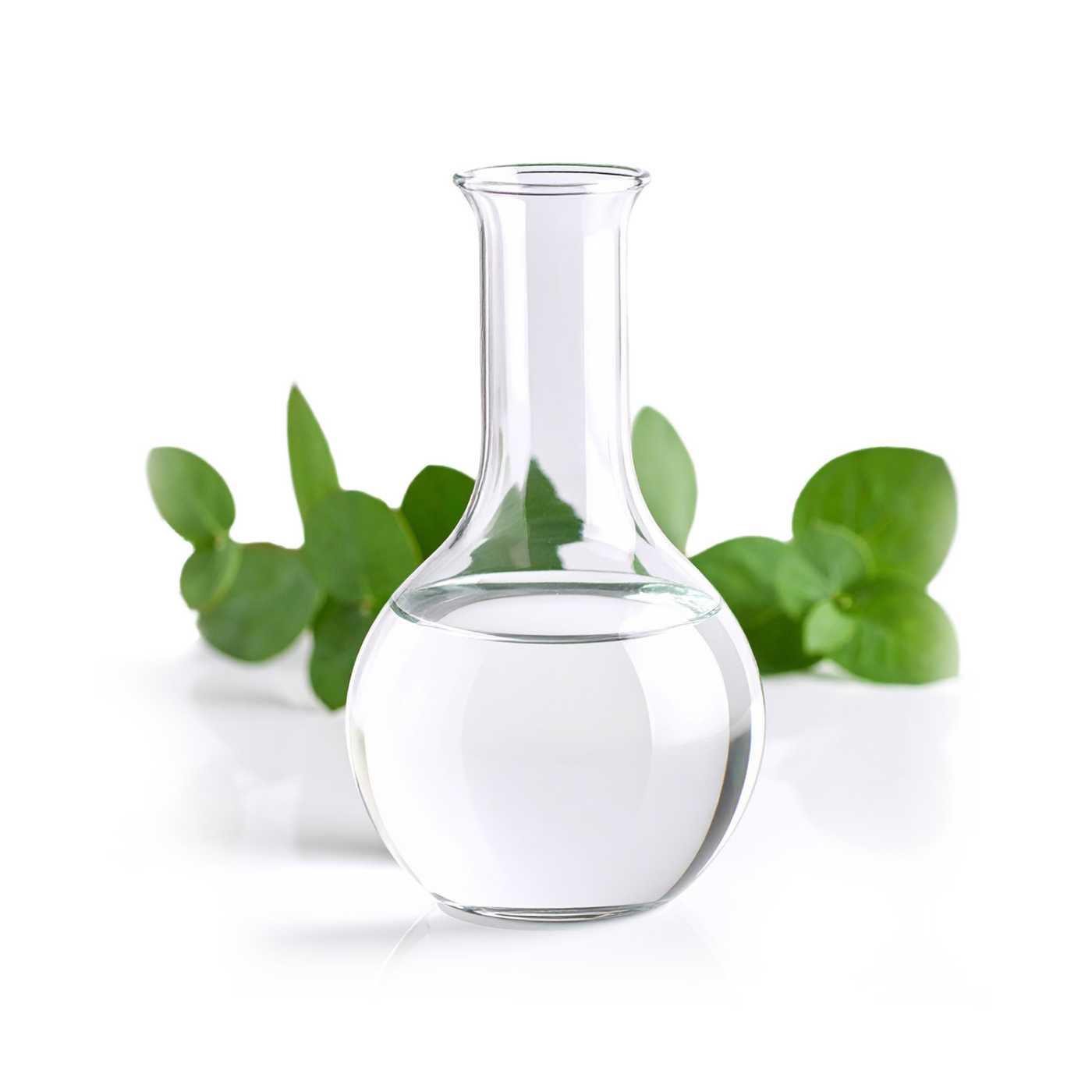
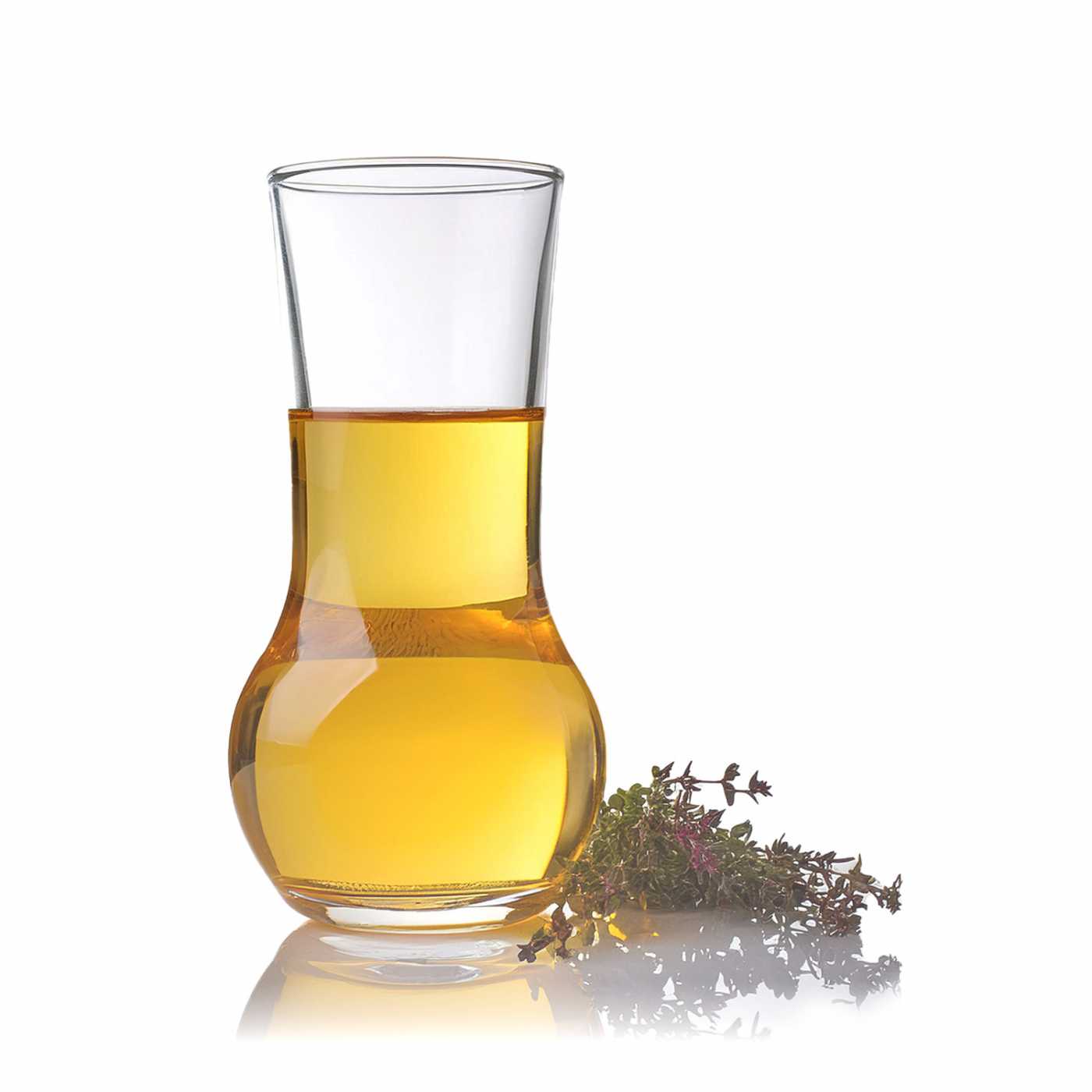
Mint and eucalyptus fragrance oil gives soaps, bath salts, body creams, shampoos and candles the scent of mint and eucalyptus. full description

AvailabilityPre-order
Product codeVO218_1000
€84.00incl. VAT€84.00/l

Lowest price in the last 30 days: €84.00

Pre-orderThis variant is currently out of stock — your order will be a pre-order and delivery may take longer.

Product description

Mint and eucalyptus fragrance oil gives soaps, bath salts, body creams, shampoos and candles the scent of mint and eucalyptus. It is a fragrance composition of synthetic origin, made in Europe, which acts as the fragrance component in a formulation and is added at the end of production.

It has also proved itself in cold process soap, where in a soap maker’s practical test it neither accelerated trace nor discoloured the batter. The amount in the finished product is governed by the IFRA limit for the product category, from lip balms to candles.


What it is suitable for

  • Soaps – solid and liquid, including cold process soap.
  • Bath bombs and bath salts – scenting anhydrous mixtures, into which the oily liquid is mixed directly.
  • Body and facial care – creams, lotions, body oils and butters; the fragrance is added to the cooled emulsion or to the oil base.
  • Hair cosmetics – shampoos, conditioners and scalp products.
  • Candles and diffusers – for candles, the IFRA limit for category 12 applies.
  • Household cleaning products and hobby products – hand washing, laundry products, creative and artistic work.

Use in a formulation

It is added during the cooling phase, when the base is below 40 °C, or it is worked into the finished product afterwards. The emulsion is first cooled while stirring continuously and the fragrance oil is added as the last ingredient. For oil-based products, butters and anhydrous mixtures, it is enough to stir the fragrance in directly. It dissolves in oils and alcohol, but not in water. In water-based products such as toners or air fresheners, it stays on the surface and a solubiliser is needed; its amount and type should be verified on a test sample.

There is no single universal usage rate. The manufacturer does not state a recommended range, and the maximum amount in a product is determined by the IFRA limit for its category. The same fragrance has a different ceiling in a lip balm (category 1), in a body cream (category 5A), in a shower gel or soap (category 9) and a different one in a candle (category 12).

Before calculating your formulation, open the IFRA certificate in the Product documentation section and find the category of your product. The stated percentage is the maximum for the finished product; you choose the specific amount according to the desired fragrance intensity, never above the limit.

In cold process soap, the fragrance behaves well. In a soap maker’s practical test, the batter did not thicken or seize after it was added, the consistency stayed smooth and the fragrance oil did not discolour it. The batter thickened slowly, according to the tester probably due to saponification itself, not because of the added oil.

The fragrance oil does not accelerate trace and does not colour the batter, so there is time for layering and patterns, and it is also suitable for white soaps.


Good to know

The product contains fragrance allergens listed in Annex III of Regulation (EC) No 1223/2009 as amended. When compiling the ingredient list for the label of the finished product, rely on the product documentation.

The concentrate is subject to the CLP Regulation and is labelled with the GHS07 (irritant, sensitisation) and GHS09 (hazardous to the environment) pictograms. As a whole it is not classified as carcinogenic, mutagenic or toxic for reproduction, but it contains the components Gamma-Terpinene and p-Cymene, which have such a classification. Details on handling are in the safety data sheet (SDS).

When working with the undiluted fragrance oil, follow the SDS, and always compare the usage rate in the finished product with the IFRA limit for the given category, especially for lip products, the eye area and children’s cosmetics.

Check how the fragrance behaves in your specific base on a small sample. The product contains no materials of animal origin, parabens or intentionally added microplastics, and it has not been tested on animals.


Frequently asked questions

Is the mint and eucalyptus fragrance oil suitable for cold process soap?
Yes, in a soap maker’s practical test, the mint and eucalyptus fragrance oil proved itself in cold process soap. After it was added, the batter did not accelerate trace, did not seize and was not discoloured by the fragrance oil; the consistency stayed smooth. It is therefore also suitable for layered soaps and patterns, where more working time with the batter is needed. The amount is determined by the IFRA limit for category 9.
Is the mint and eucalyptus fragrance oil soluble in water?
No, the mint and eucalyptus fragrance oil does not dissolve in water. It dissolves in oils and in alcohol, and it is worked into emulsions after cooling. In water-based products, for example toners, air fresheners or room sprays, a solubiliser is needed, otherwise the fragrance stays separated on the surface. The ratio of solubiliser to fragrance oil is verified on a test sample.
How much mint and eucalyptus fragrance oil should be added to a cream or soap?
There is no single universal usage rate; the maximum amount is determined by the IFRA limit for the product category. The manufacturer does not state a recommended range. The limits for the individual categories, from lip products to candles, are given in the IFRA certificate in the Product documentation section. You choose the specific amount according to the desired fragrance intensity so that it does not exceed this ceiling.
At what temperature is the mint and eucalyptus fragrance oil added to a product?
The recommended processing temperature is below 40 °C. The mint and eucalyptus fragrance oil is added to a cream or lotion during the cooling phase while stirring continuously, or it is worked into the finished base afterwards. For oils, butters and bath salts, it is stirred in directly without heating.
Can the mint and eucalyptus fragrance oil be used in candles and diffusers?
Yes, candles and diffusers are among the listed uses of the mint and eucalyptus fragrance oil. The maximum amount in a candle is determined by the IFRA limit for category 12, stated in the certificate in the Product documentation. We recommend testing the fragrance intensity and behaviour in your chosen wax on one test candle.

Parameters

INCI
ParfumParfum/Fragrance
Product colour
ColourlessClear
Country of origin
European Union
Processing method
Blending
Appearance
Liquid
Function in formulation
Fragrance component
Recommended processing temperature
< 40 °C
Application type
Leave-onRinse-off
Volume
1000 ml

Product documentation

TDSTechnical Data Sheet
Physical parameters and processingPDF ↓
SDSSafety Data Sheet
Available for purchased products —
Download all (ZIP)

1 PDF file in one archive

REVIEWS

Verified by customers.

No reviews yet.

Only customers with a delivered order can write reviews.