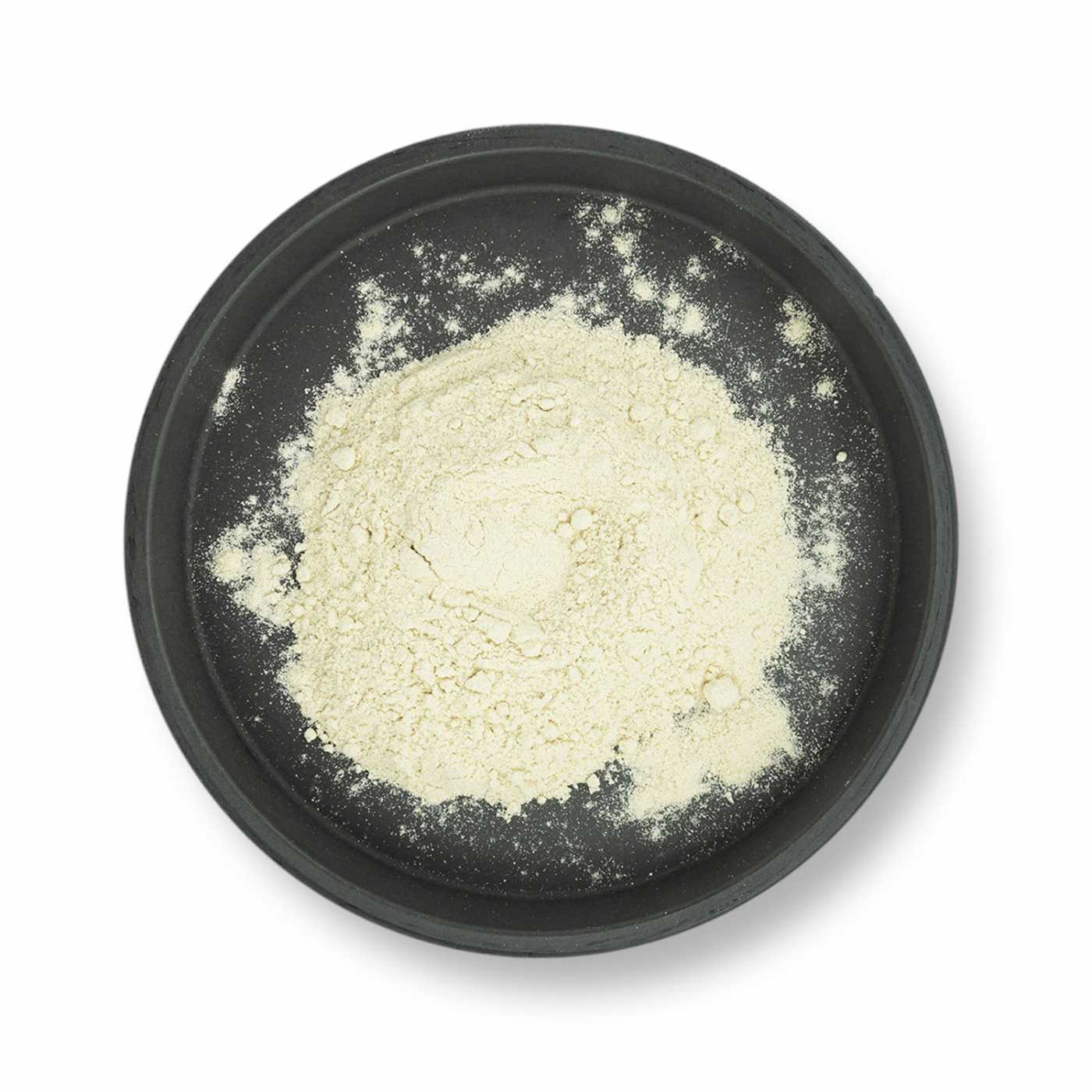
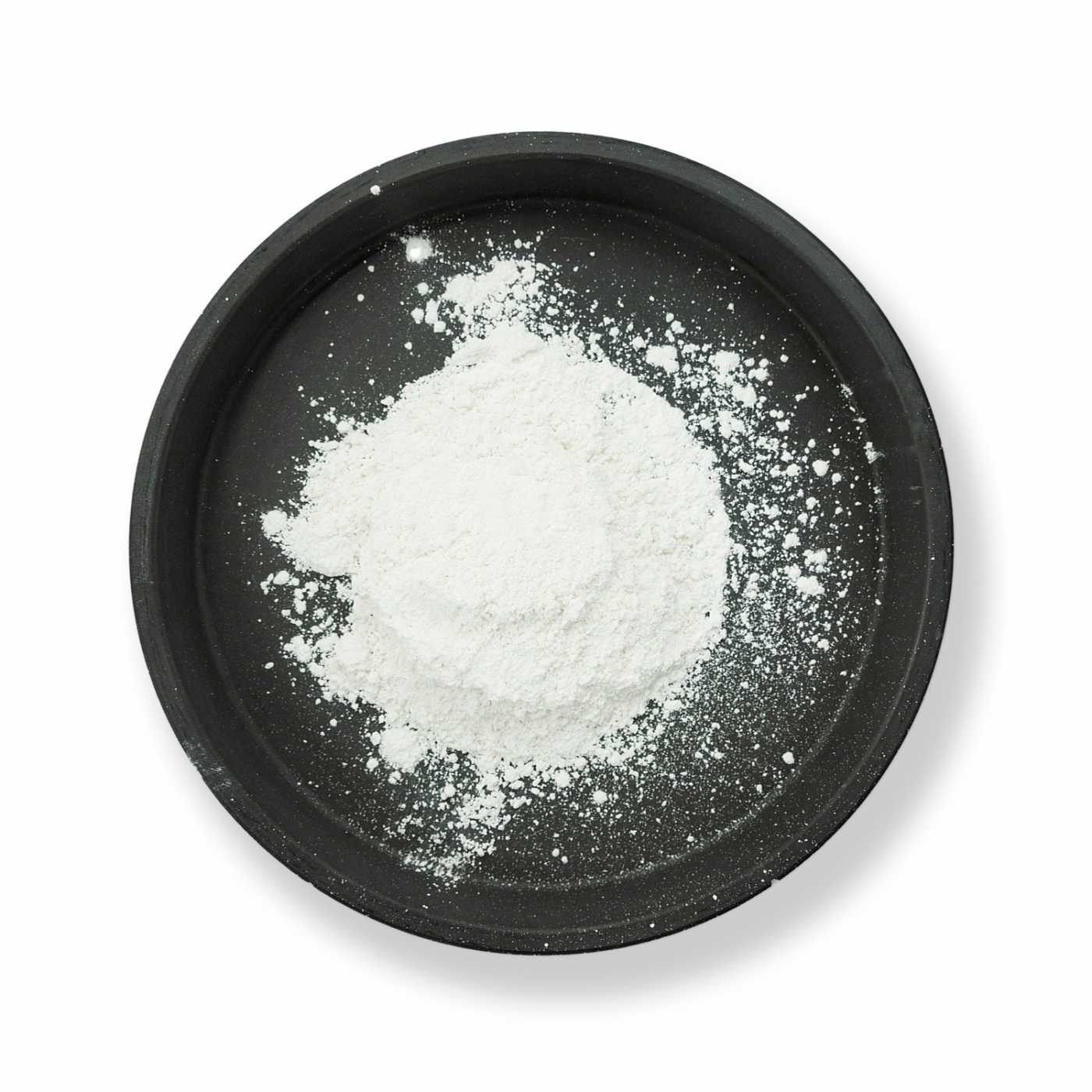
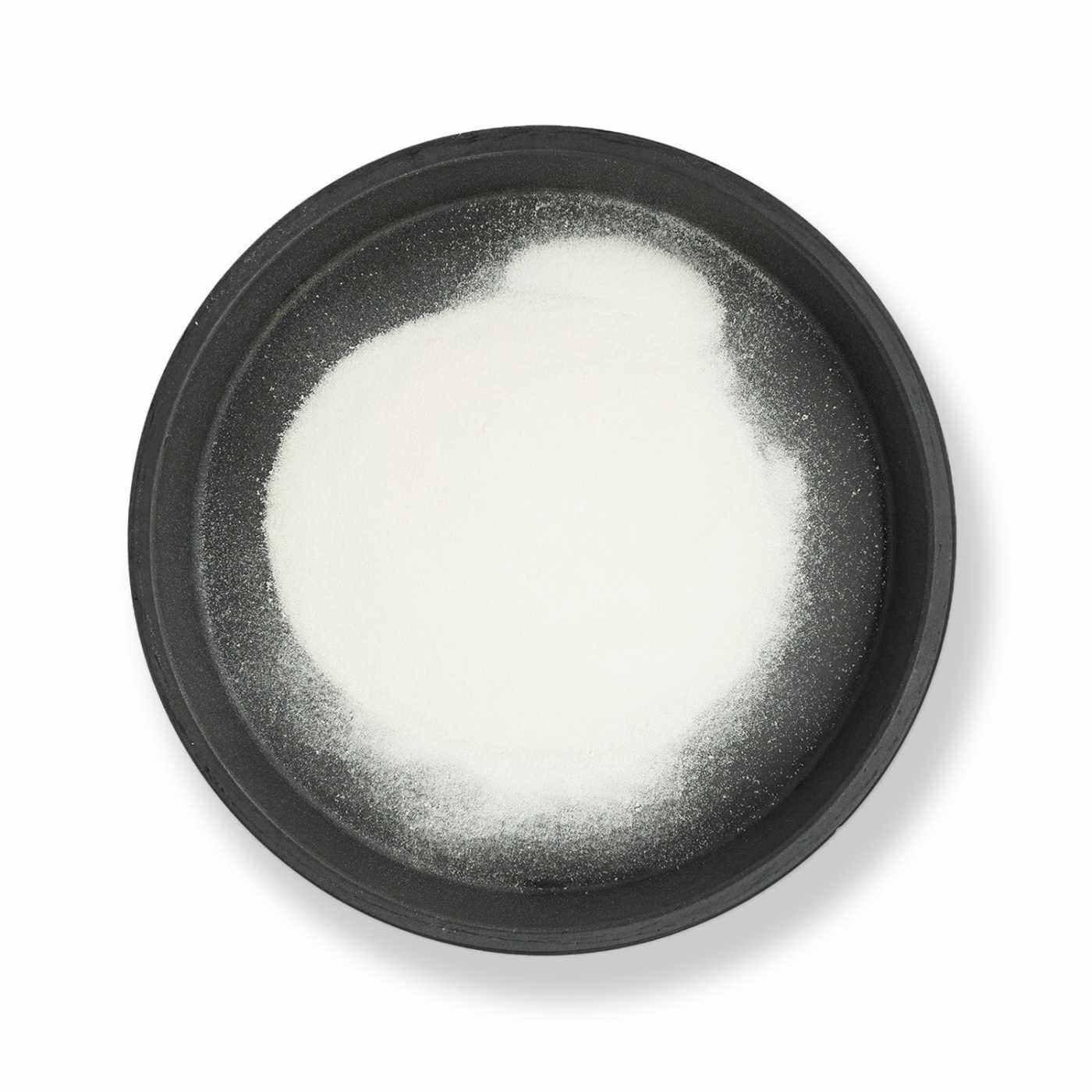
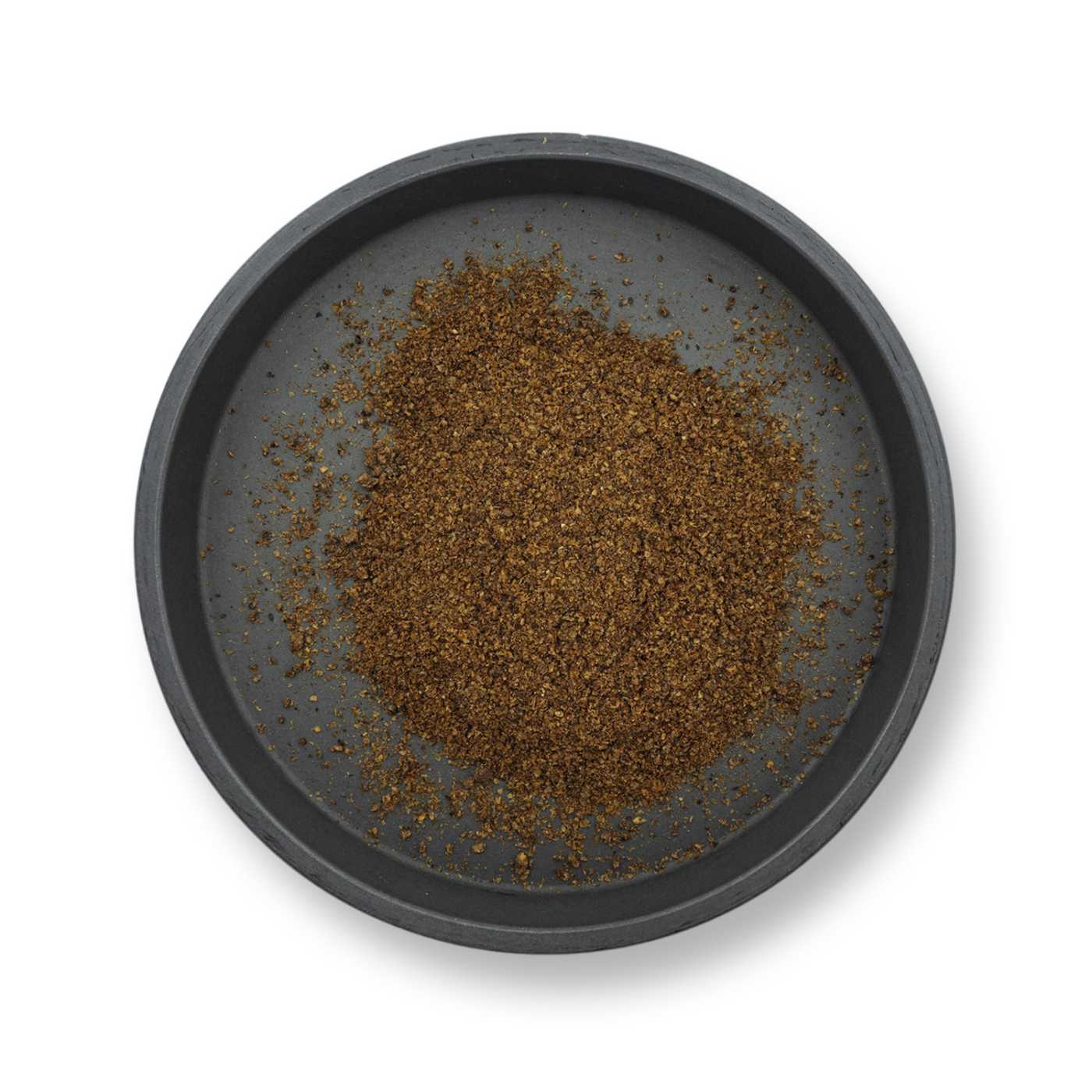
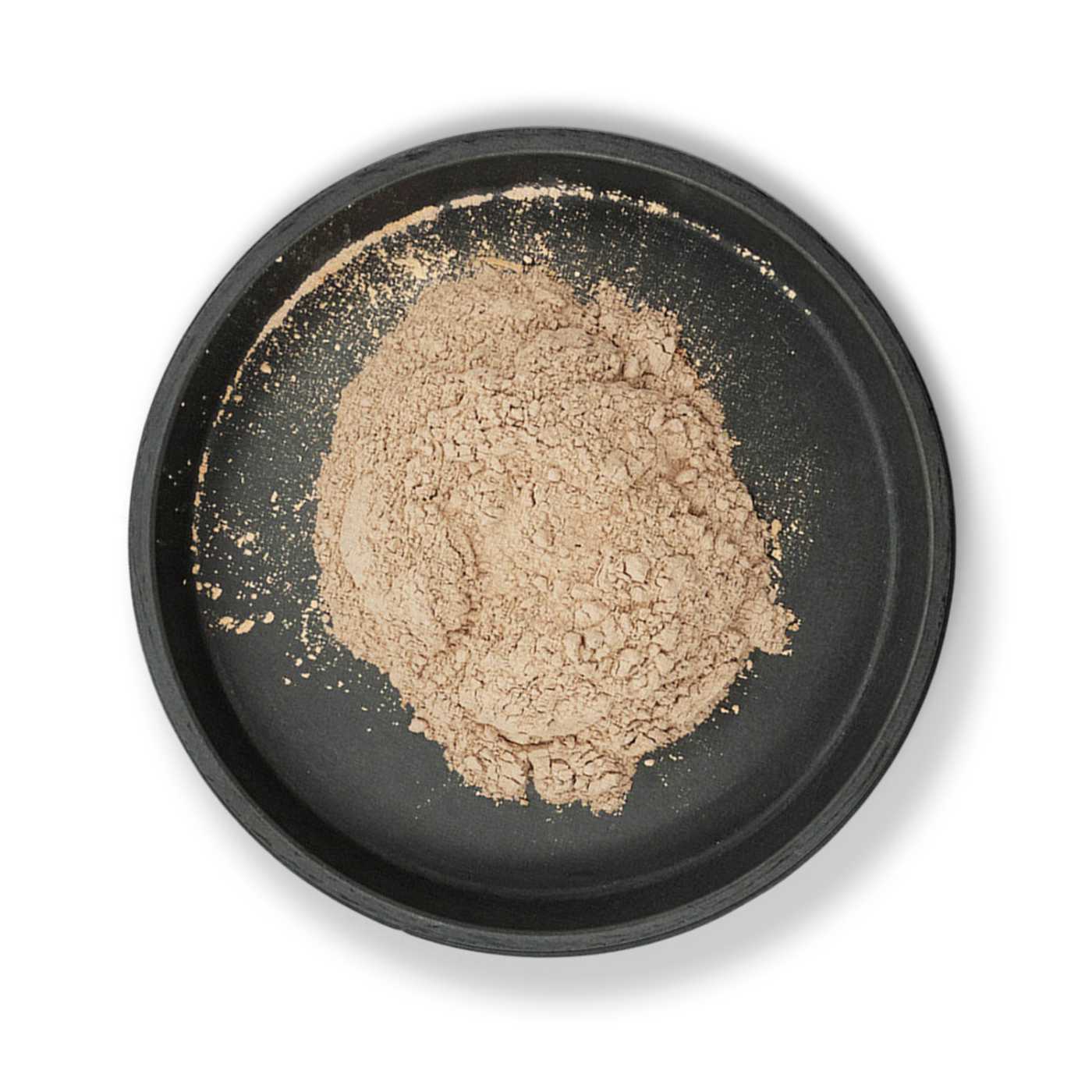
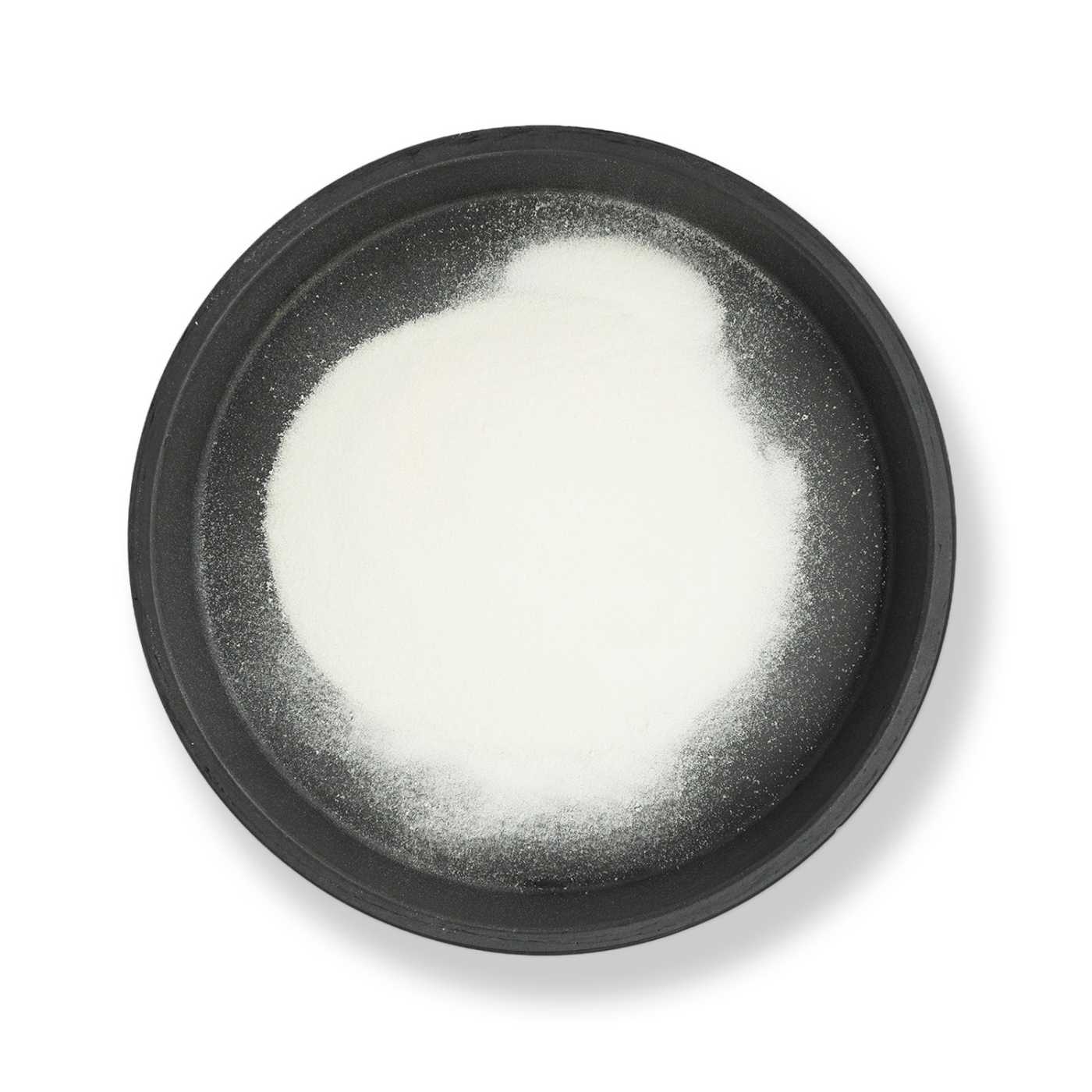
Oat Silk is a colloidal oat flour of organic quality that brings soothing and hydration for dry and sensitive skin to the formulation. It is made from whole oat grains of European origin, including the bran, which concentrates most of the active constituents of oats: beta-glucan, avenanthramides, and oat lipids. In the finished product, it softens the feel on the skin, helps reduce irritation, and at the same time stabilises and slightly thickens the water phase.
Used at 1 – 5 % in creams, lotions, masks, bath preparations, shampoos, and children's cosmetics.
How colloidal oat flour differs from regular oat flour
According to the USP pharmacopoeial monograph, colloidal oat flour has a precisely defined fineness of grinding, a minimum protein and beta-glucan content, and a low microbial load. Flour that does not meet these criteria may not be labelled as colloidal. Oat Silk contains at least 4 % beta-glucan, is milled finely without coarse particles, and is made from an oat variety with a high beta-glucan content cultivated for the cosmetic industry. The manufacturer states that its patented processing method increases the availability of plant constituents and, compared to regular colloidal oat flour, yields a denser, more cohesive suspension with less settling.
Key benefits
- Hydration and softening – beta-glucan binds water in the skin and helps retain it. Skin feels smoother and more supple, especially when dry.
- Soothing irritated skin – according to the manufacturer's studies, avenanthramides reduce redness and the sensation of itching associated with dry skin.
- Skin barrier support – oat lipids help restore the skin's protective layer. In tests, the manufacturer recorded a reduction in transepidermal water loss and preservation of the skin's natural pH.
- Antioxidant activity – antioxidation is among the ingredient's declared properties, complementing its soothing effect on sensitive skin.
- Scalp and hair care – according to the manufacturer's studies, it reduces the feeling of tightness and itching of the scalp, acts as a prebiotic for its microbiome, and strengthens damaged hair, including after heat stress.
- Stabilisation and texture – in an emulsion it acts as an auxiliary stabiliser and slightly increases viscosity. The manufacturer also describes it as a natural emulsifier.
Use in formulation
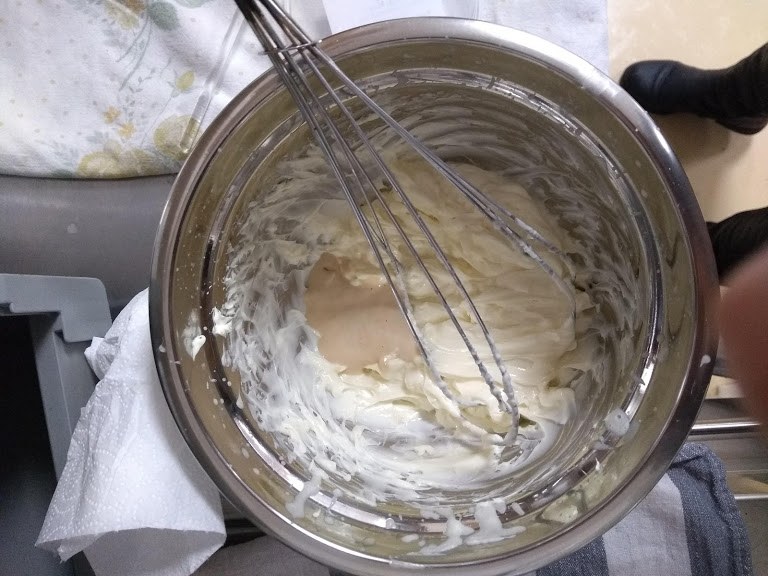
Oat Silk belongs in the water phase. It does not dissolve in water, it only disperses, so stir it in gradually with continuous mixing to prevent lumps from forming. It helps to first disperse the powder in a small amount of water or glycerin into a smooth paste and then add this to the rest of the water phase. The hydrated powder slightly thickens the phase.
When dosing at around 5 %, bear in mind that the powder binds some of the water and the emulsion will come out thicker than the same formula without it. If you want to maintain the original consistency, reduce the proportion of the main thickener.
Processing temperature should not exceed 75 °C. When manufacturing using a hot process, do not heat the water phase above this limit, or stir the powder into the partially cooled emulsion while it can still be mixed evenly.
In cold-process formulations, such as gels or lotions with a ready-made emulsifying system, it is added to the water phase at any point. The recommended pH range for the formulation is 4.5 – 8.0, which covers standard creams, lotions, shampoos, and bath preparations. Compatibility with common raw materials has no known restrictions. However, in thin liquid products, check the behaviour of the suspension, as fine particles may settle over time.
At higher doses, it gives white emulsions a subtle creamy tint. This is rarely noticeable in tinted products, but should be taken into account in a purely white cream.
Suitable for products such as
- Creams and lotions for dry and sensitive skin – the primary application, where both the moisturising and soothing effects and skin barrier support come into play.
- Children's cosmetics – creams, lotions, and bath preparations for children, valued for the absence of allergenic fragrances and preservatives.
- Bath powders and bath milks – dispersed in water, it creates a milky bath that softens the skin, even in a simple formulation without an emulsifier.
- Masks and cleansing powders – dry blends mixed with water just before use. The manufacturer states that it cleanses gently and preserves the skin's natural lipids.
- Shampoos and scalp preparations – particularly for sensitive and itchy scalps.
- Body creams and hand creams – where the goal is rapid soothing and softening of irritated skin.
Good to know
The powder itself contains no preservative. As a plant-based raw material containing proteins and carbohydrates, it requires that every aqueous product containing Oat Silk has an effective preservation system, which we recommend verifying with a challenge test. Dry blends that the customer mixes just before use do not require a preservative, but must be protected from moisture.
Manage the overall viscosity of the product with the main thickener and treat Oat Silk as a texture supplement. When testing a new formula, it is advisable to start at 2 % and adjust the dose according to the desired consistency and skin feel.
The raw material is COSMOS Organic certified, making it suitable for natural and organic cosmetic formulations. It is vegan, free from GMO ingredients, and is not classified as a hazardous substance.
Frequently asked questions
Is Oat Silk water-soluble?
No, Oat Silk is water-dispersible, not water-soluble. The fine particles disperse in water to form a milky suspension that remains uniform when well mixed. In thin liquids it may partially settle over time; in creams and thicker lotions, the viscosity of the product holds it together.
How is colloidal oat flour added to a cream?
Colloidal oat flour is added to the water phase of a cream at 1 – 5 %, preferably first mixed with a small amount of water or glycerin into a smooth paste. This paste is then stirred into the rest of the water phase with continuous mixing and processing continues with the standard emulsification procedure. The temperature of the water phase should not exceed 75 °C.
What is the difference between colloidal oat flour and regular oat flour?
Colloidal oat flour meets the requirements of the USP pharmacopoeial monograph for particle fineness, active constituent content, and microbiological purity; regular oat flour does not have to meet these criteria. It is made from the whole grain including the bran, has a guaranteed minimum beta-glucan content, and forms a fine suspension in water without coarse particles. Only flour that meets these requirements may be labelled as colloidal.
Is Oat Silk suitable for children's cosmetics and sensitive skin?
Yes, Oat Silk is intended for use in children's cosmetics and preparations for sensitive skin. It contains no allergenic fragrances or preservatives, is not classified as hazardous, and according to the manufacturer's studies, reduces redness and itching of dry skin. The finished product must still have a safe overall formulation and the corresponding safety assessment.
Can Oat Silk be used in an anhydrous product?
Yes, Oat Silk is suitable for dry anhydrous blends that are mixed with water at the point of use: bath powders, powdered masks, or cleansing powders. It disperses in water when used, releasing its active constituents. In oil-based products and balms without water, it does not disperse and remains as a settled powder, so it is not suitable for these applications.
Does a cream containing colloidal oat flour need a preservative?
Yes, every aqueous product containing colloidal oat flour requires an effective preservation system. Oat Silk itself contains no preservative, and as a plant-based raw material with proteins and carbohydrates, it does not protect the aqueous product from microorganisms. It is recommended to use a preservative appropriate for the given pH and to verify its efficacy with a challenge test. Dry blends to be mixed before use do not require a preservative.