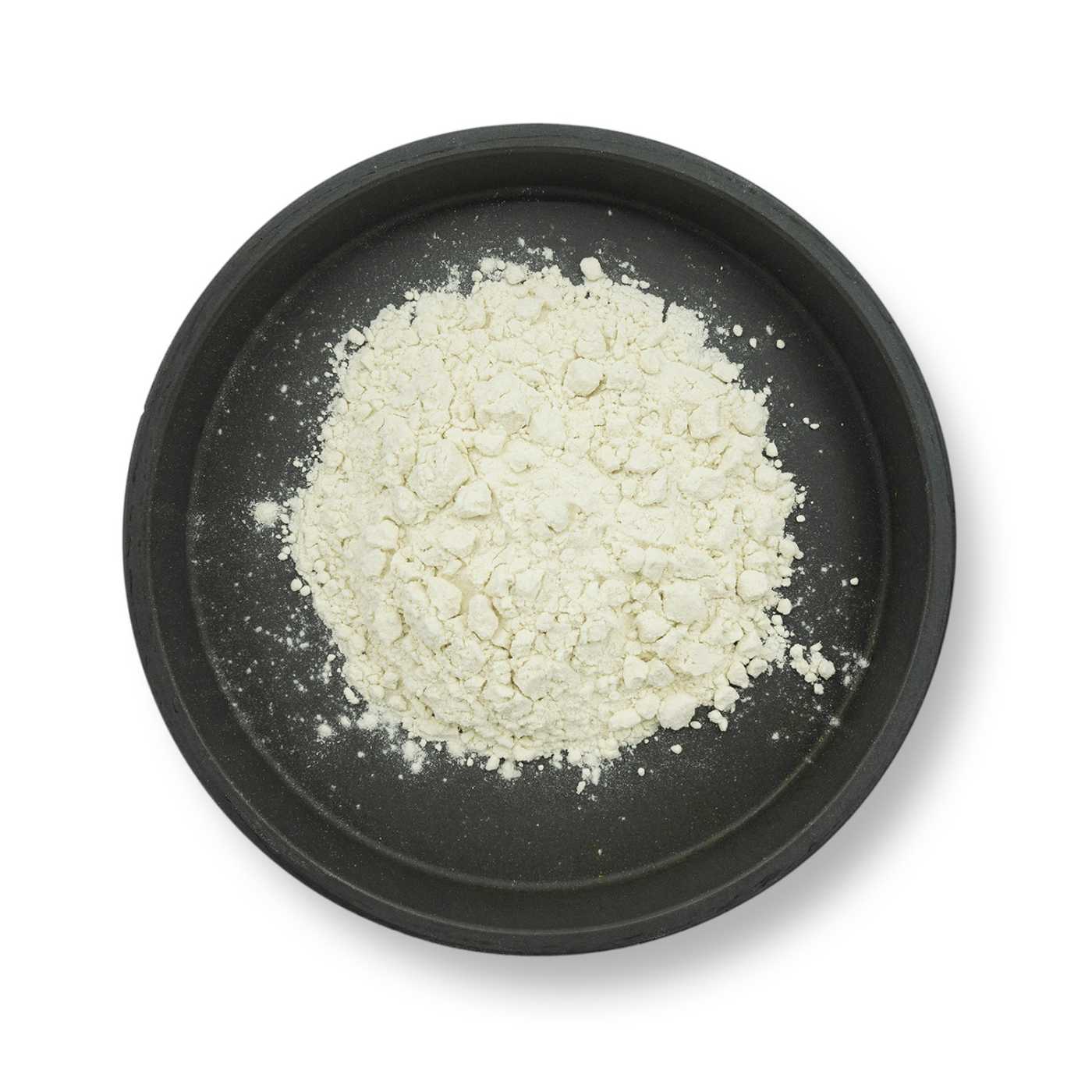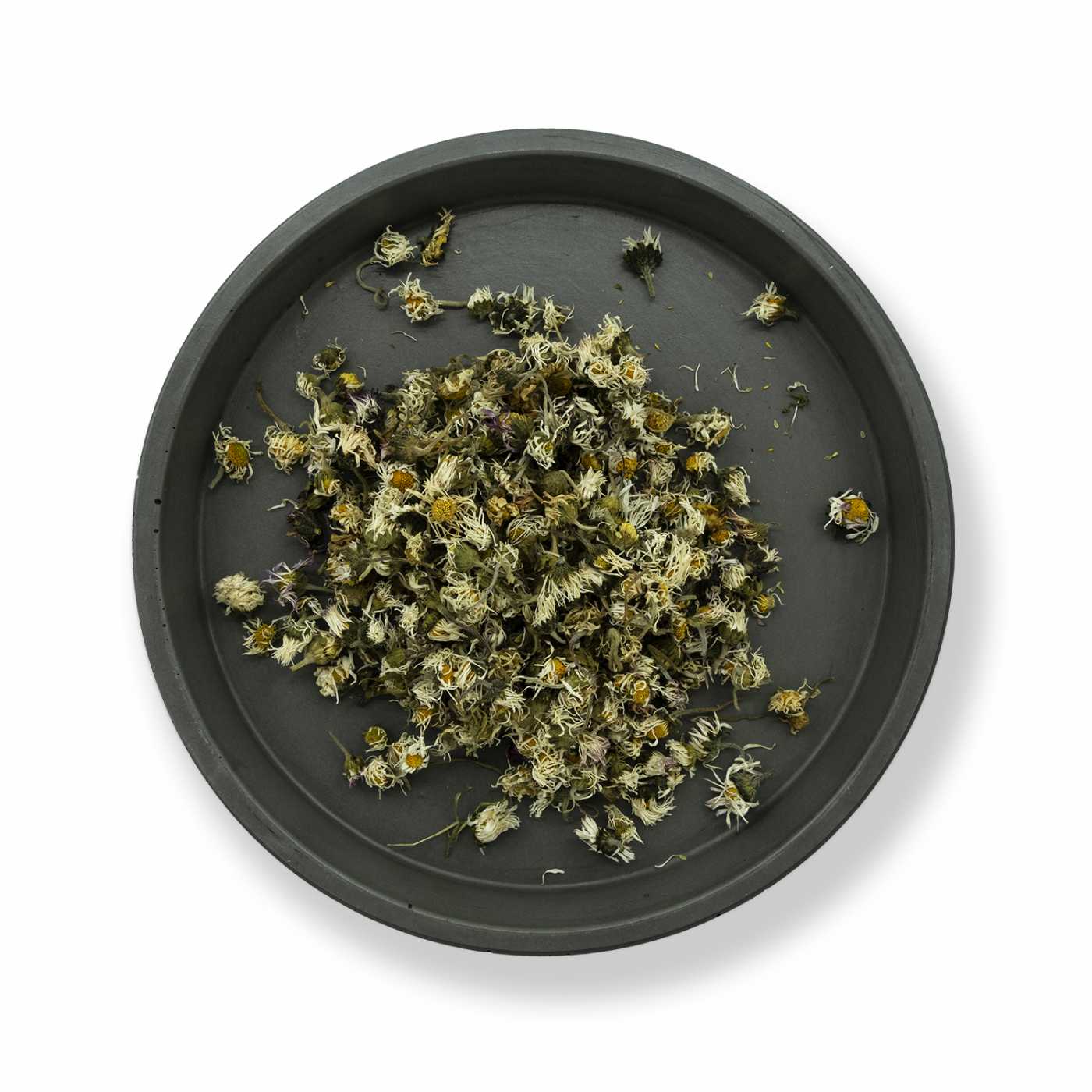
Daisy, Dried Flower, 50 g
Pre-order€5.64(€112.80/kg)

HYDROLATES, FLOWER WATERS
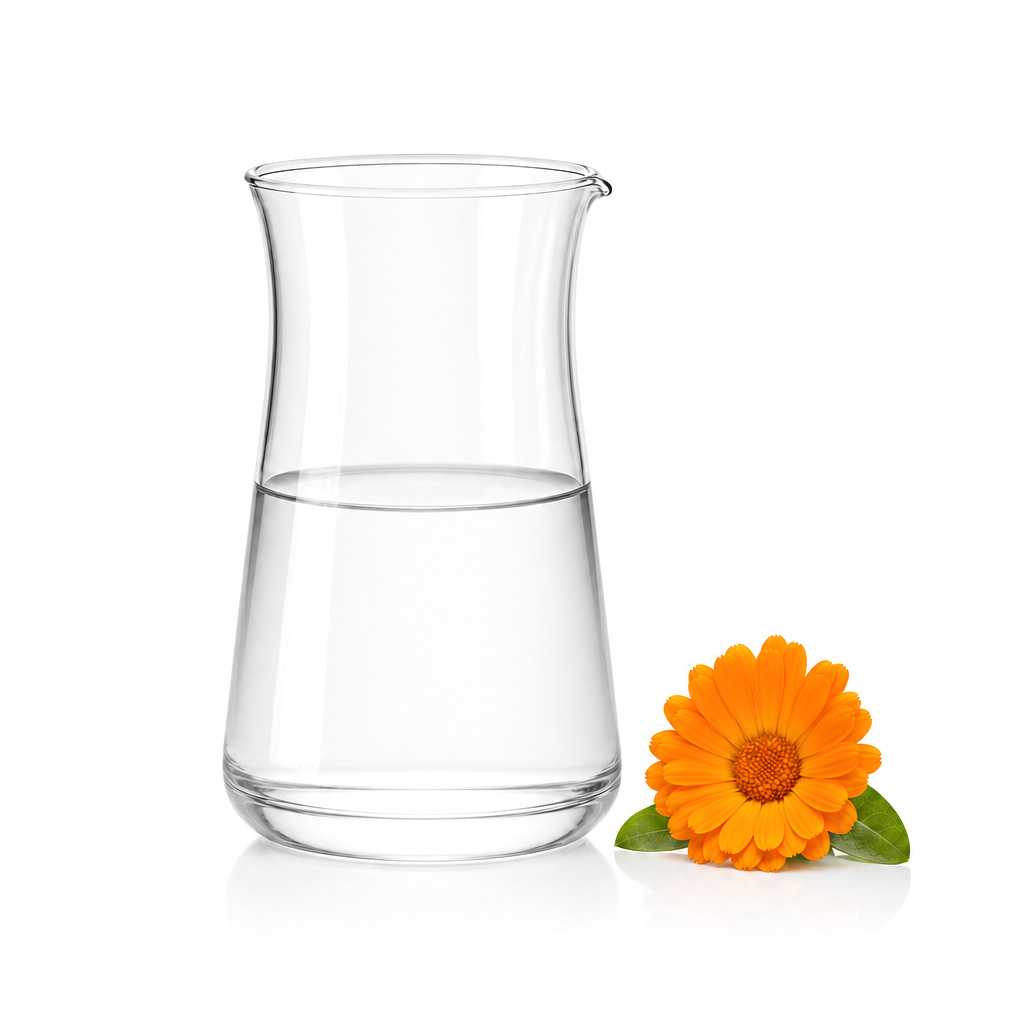
Calendula BIO floral water is a hydrolat from calendula flowers (Calendula officinalis) designed to soothe and care for sensitive, irritated and atopic skin . full description
Lowest price in the last 30 days: €5.59
Calendula BIO floral water is a hydrolat from calendula flowers (Calendula officinalis) designed to soothe and care for sensitive, irritated and atopic skin. In a formulation it replaces plain water, bringing with it the properties that have made calendula a long-standing favourite in cosmetics: it eases the sensation of irritation, supports regeneration and treats the skin gently, without unnecessary burden. It is also suitable for products for baby skin, scalp care and intimate hygiene preparations.
The raw material comes from organic cultivation of European origin, is vegan, free from GMO ingredients and free from ethanol. The hydrolat is stabilised with its own preservation system and supplemented with tocopherol, so it is easy to work with even in home conditions.
Calendula hydrolat belongs in the water phase. It most commonly replaces part or all of the water in a recipe. The dosage can therefore range from a few percent up to 100 % if used on its own as a facial toner. In emulsions it is added as part of the water phase. In a hot-process cream it can be heated together with the other aqueous components, but to preserve the delicate scent it is better to add it after the emulsion has cooled.
The hydrolat functions across a wide range of pH 3.0 – 8.0, making it compatible with most common systems including acidic toners with acids and neutral emulsions. It tolerates electrolytes, common preservatives and fragrance, and is not sensitive to oxidising or reducing agents.
To make full use of calendula's effect in a formulation, replace the entire water phase of a toner or moisturising spray with the hydrolat. In emulsions it is sufficient to replace half the water with it; the remainder can be distilled water.
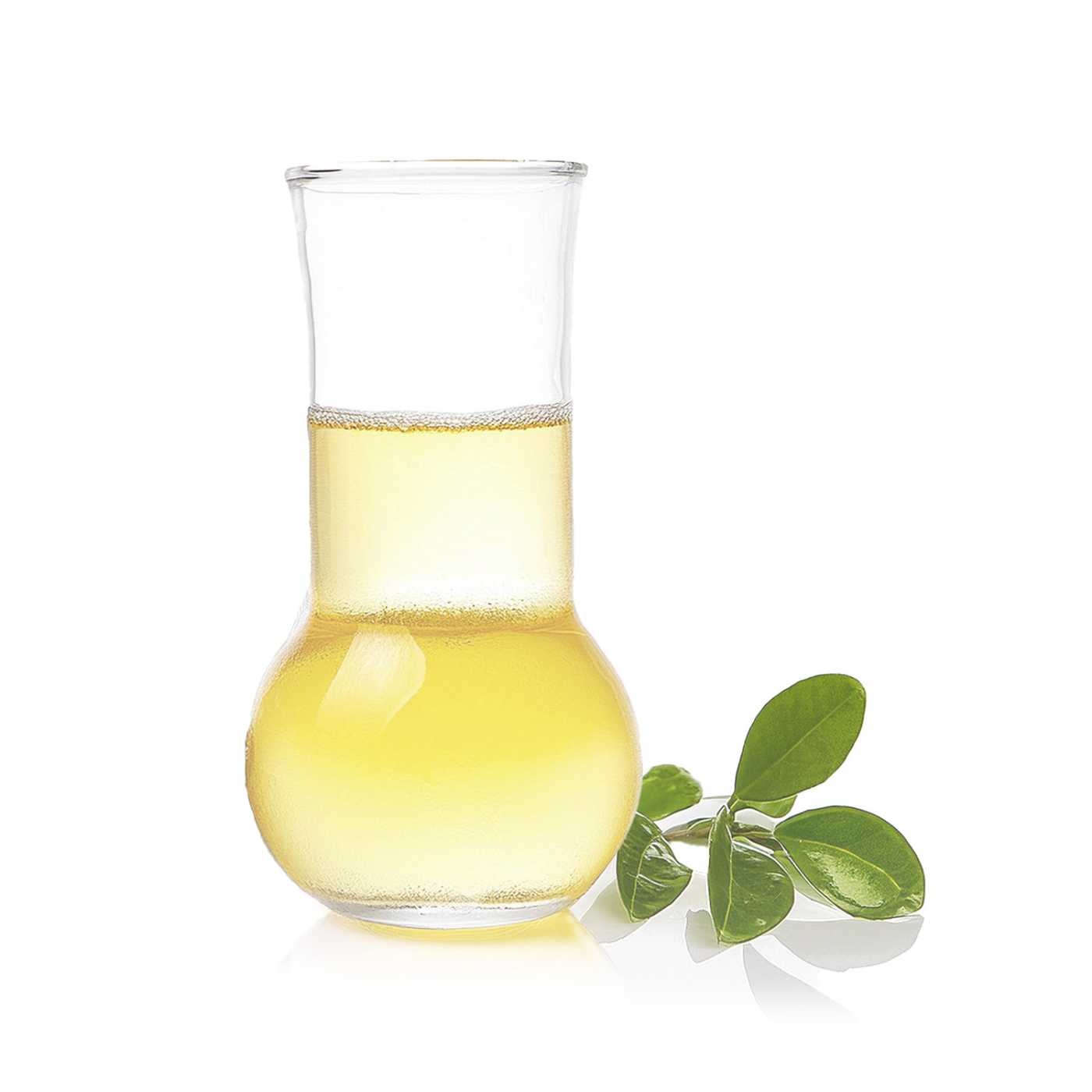
The hydrolat is practically colourless, so it will not affect the colour of the finished product. The scent is delicate and herbal, and at low dosage in an emulsion it is practically imperceptible. It does not dissolve in oil, so it is not suitable for anhydrous products and would separate in oil serums or balms.
The hydrolat is supplied with its own preservation system, but this protects the raw material, not your finished formulation. Every product with a water phase to which you add the hydrolat needs to be preserved separately according to its composition and pH.
When making gels, the thickener is first dispersed in the hydrolat and only then neutralised. The hydrolat also contains natural plant compounds, so verify the viscosity of the finished gel in the complete formulation.
The hydrolat is suitable for both rinse-off and leave-on products. No solubiliser is needed for sprays, as it contains no oily components. If you combine the hydrolat with essential oils, the essential oil must be bound with a solubiliser just as with plain water.
The raw material is not classified as hazardous and does not require a safety data sheet. It contains no fragrance allergens from Annex III of the cosmetic products regulation, which simplifies labelling of the finished product.
Hydrolat and calendula oil (macerate) are two different raw materials from the same plant. Hydrolat is an aqueous ingredient produced during the distillation of flowers and contains the water-soluble constituents of the plant. Macerate is an oil in which calendula flowers have been infused. It therefore contains fat-soluble components and belongs in the oil phase. In a single formulation they complement each other well: the hydrolat forms the water phase and the macerate part of the oil phase, so the emulsion gains calendula properties from both sources.
Only customers with a delivered order can write reviews.