Essential oil, rosemary ct cineole, organic
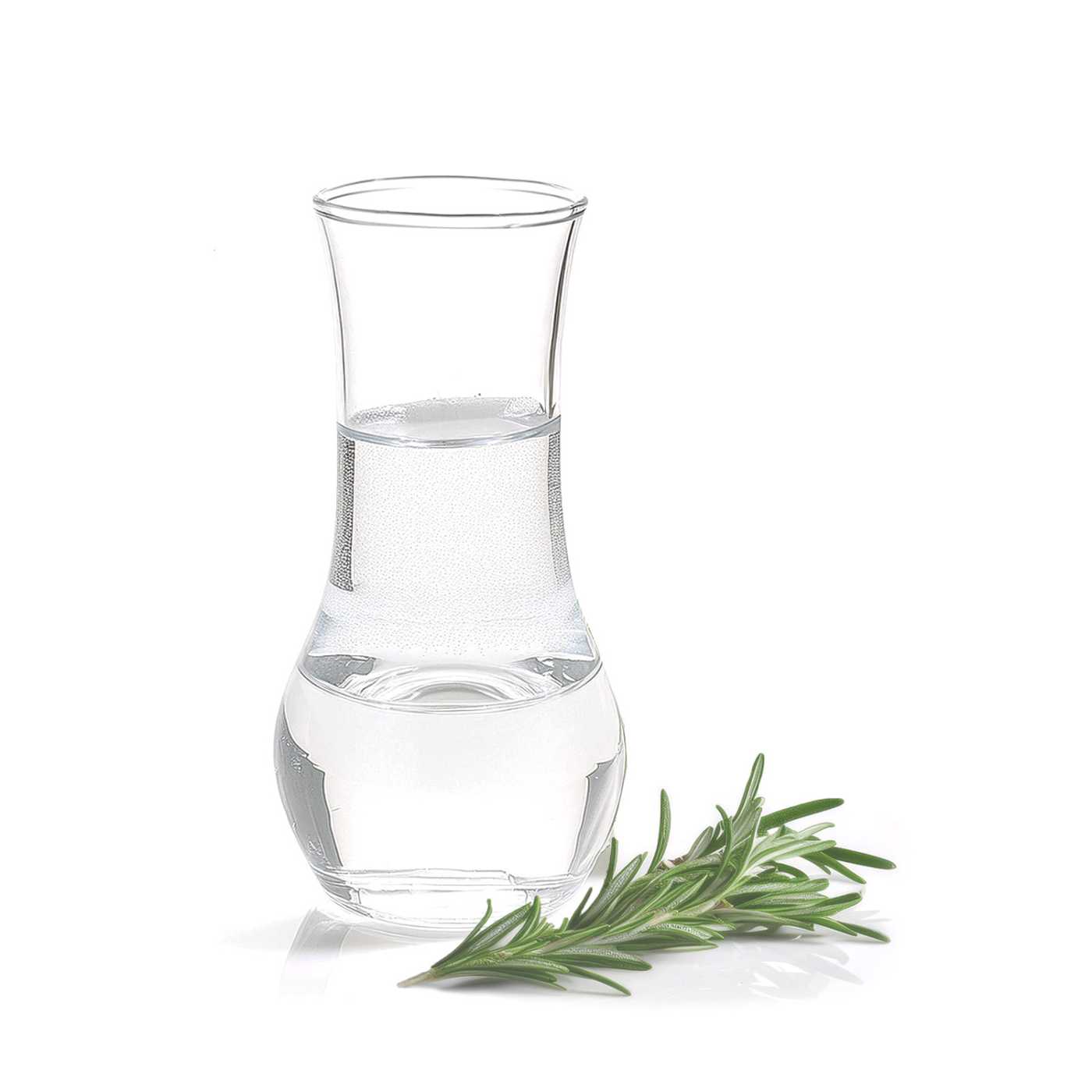
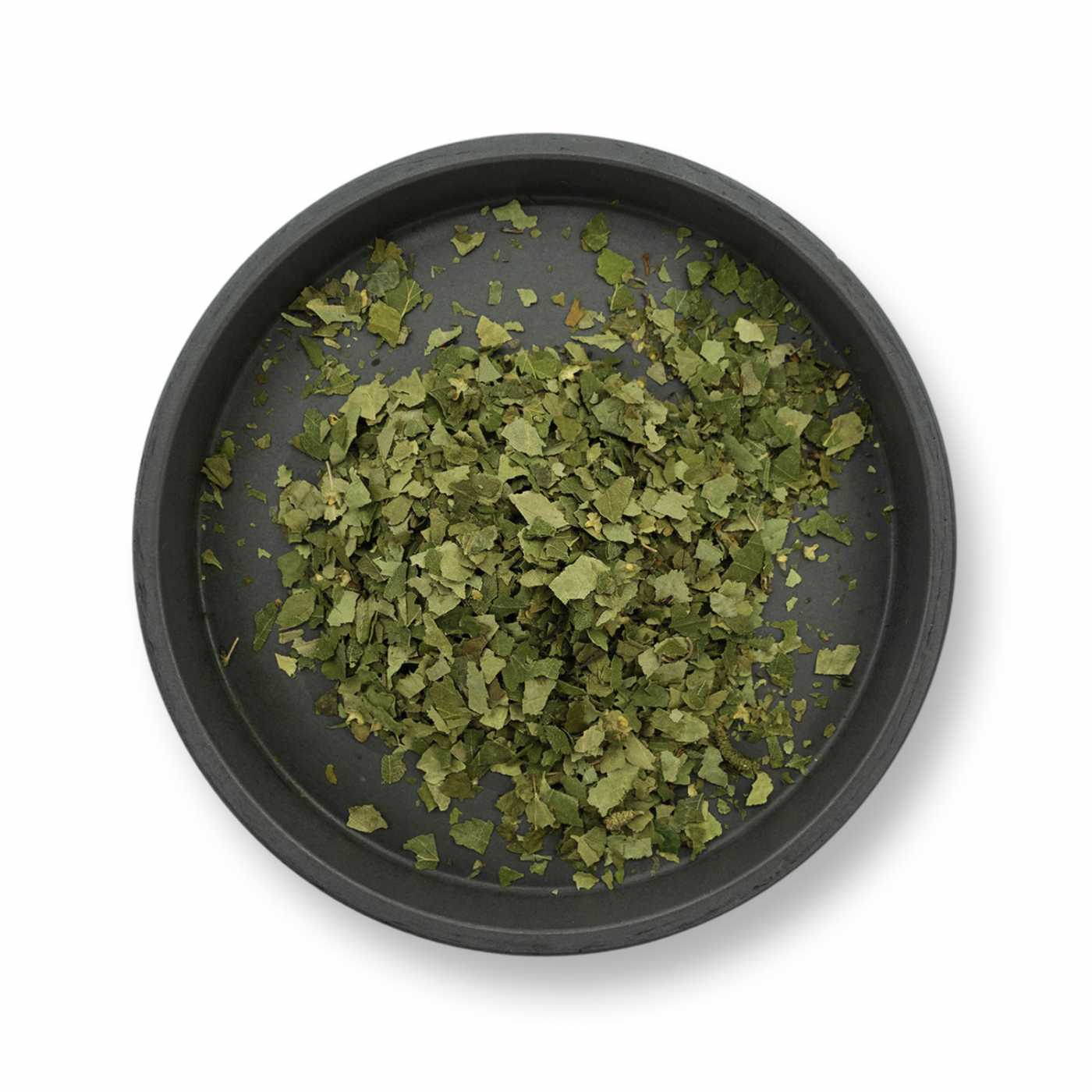
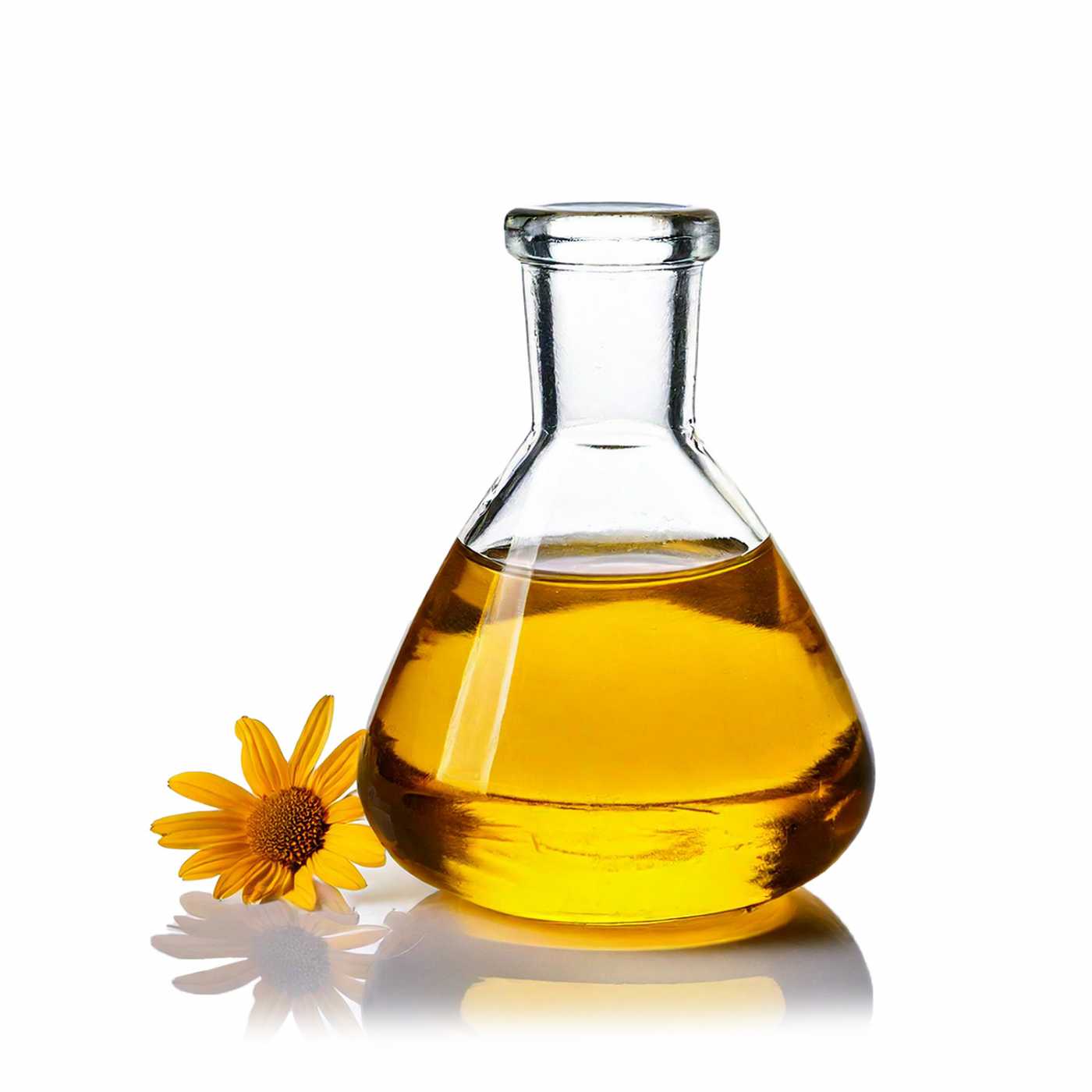
Rosemary essential oil in the cineole chemotype is added to cosmetics primarily as a fragrance ingredient with a fresh herbal scent and as an active ingredient in preparations for hair and oily skin. It is obtained by steam distillation from the leaves of Rosmarinus officinalis L. from certified organic cultivation of European origin. In formulations it works wherever a pronounced and clean herbal scent is needed, particularly in shampoos, hair tonics and preparations for skin prone to oiliness.
The designation ct cineole refers to the chemotype. Rosemary is cultivated in several chemotypes with different compositions, and the cineole chemotype has a predominance of 1,8-cineole in its composition, which defines its fresh herbal character of scent.
What it is suitable for
- Fragrance – herbal, fresh and pronounced, clearly perceptible in compositions even at low concentrations.
- Hair and scalp care – according to the manufacturer's data, the oil refreshes the scalp, stimulates circulation and helps regulate sebum production. It is used in shampoos, hair tonics and scalp massage oils, as well as in anti-dandruff and anti-hair loss preparations.
- Oily skin – the manufacturer states that it contributes to a cleaner skin appearance and balanced sebum production. It is therefore suited to facial tonics, cleansing gels and light emulsions for oily skin.
- Cooling sensation – it leaves a fresh, mildly cooling impression on the skin. The manufacturer recommends it for preparations to soothe skin after sun exposure and for products for irritated skin.
- Antimicrobial and anti-inflammatory action – stated by the manufacturer in their documentation. In cosmetics, these properties are used to support a clean skin appearance, not as a replacement for preservation.
Use in formulation
The essential oil is soluble in oils and in alcohol; it does not dissolve in water. In anhydrous preparations (massage oils, balms, butters) it is blended directly into the oil phase. In tonics, sprays and other water-based products it is incorporated through a solubiliser, for example Polysorbate 20 or Polysorbate 80, otherwise it will separate on the surface. In emulsions it is added in the cooling phase after emulsification to avoid loss of volatile fragrance components due to heat.
In shampoos and shower gels, the oil is first mixed into a small amount of surfactant and then added to the rest of the mass. This prevents cloudiness and uneven dispersion.
The oil is classified under the CLP regulation, is flammable and is subject to IFRA restrictions for individual product categories. We recommend always verifying the dosage in the finished preparation according to the IFRA category and the safety data sheet, particularly for leave-on products.
The oil has food-grade and cosmetic-grade quality, organic certification and is vegan. It is therefore also suitable for certified natural cosmetics.
Suitable for products such as
- shampoos and hair tonics for oily hair and against dandruff,
- scalp massage oils and preparations against hair loss,
- facial tonics, cleansing gels and light creams for oily skin,
- shower gels and solid soaps with a fresh herbal scent,
- cooling gels to soothe skin after sun exposure,
- air fresheners, diffuser blends and candles where a clean herbal scent is valued.
Good to know
The scent is pronounced, so it is dosed carefully and gradually into blends. Volatile components react sensitively to heat; the oil is added to the finished product at a low temperature and the mass is not reheated after addition.
In leave-on hair tonics, keep the total dosage of essential oils low and test tolerability on a small area before applying to the entire scalp.
The organically certified oil comes from controlled organic cultivation. For customers who produce certified natural cosmetics, this is an important detail when making their selection.
Frequently asked questions
What is the difference between rosemary ct cineole and rosemary ct verbenone?
The difference lies in the chemotype, i.e. in the predominant component of the oil, not in the plant. Rosemary ct cineole has a predominance of 1,8-cineole, has a fresh herbal character and is used mainly in hair preparations and for oily skin. The verbenone chemotype has a predominance of verbenone in its composition and therefore also a different character of scent. When choosing, follow the purpose of the formulation and the desired character of the scent.
Is rosemary essential oil soluble in water?
No, rosemary essential oil does not dissolve in water. In tonics, sprays and hydrolate-based preparations it is incorporated using a solubiliser, which disperses it into the water phase without separation. In oils, butters and balms it is blended directly; in emulsions it is added to the cooling mass after emulsification.
When is rosemary oil added to a cream or shampoo?
In a cream, it is added only after emulsification into the cooling mass, to avoid loss of volatile fragrance components due to heat. In a shampoo, it is first mixed into a small amount of surfactant and then blended into the remainder. In preparations with a lower concentration of surfactants, a solubiliser may be required.
Is rosemary ct cineole suitable for leave-on scalp preparations?
Yes, it is also used in leave-on hair tonics and scalp massage oils. The manufacturer states its use in hair care for refreshing the scalp and stimulating circulation. However, the dosage must comply with IFRA limits for leave-on hair preparations and the safety assessment of the finished product. For sensitive scalps, a lower concentration and a tolerability test are recommended.
Why is rosemary essential oil labelled with hazard pictograms?
Rosemary essential oil is a substance classified under the CLP regulation: it is flammable, irritant, may cause sensitisation, carries a classification for serious health risks upon prolonged exposure and is hazardous to the aquatic environment. The pictograms apply to the pure, undiluted oil, which is handled in accordance with the safety data sheet, away from sources of heat and without contact with eyes. In the finished cosmetic preparation the oil is diluted and its safety is assessed by the product evaluation according to concentration.
Can rosemary oil be used in food?
The oil has food-grade quality, meaning it meets the purity requirements for this area of use. In the Handymade range, however, it is intended as a raw material for cosmetics and fragrance products. Any food use requires its own assessment in accordance with regulations for aromatic substances and is not the subject of this description.