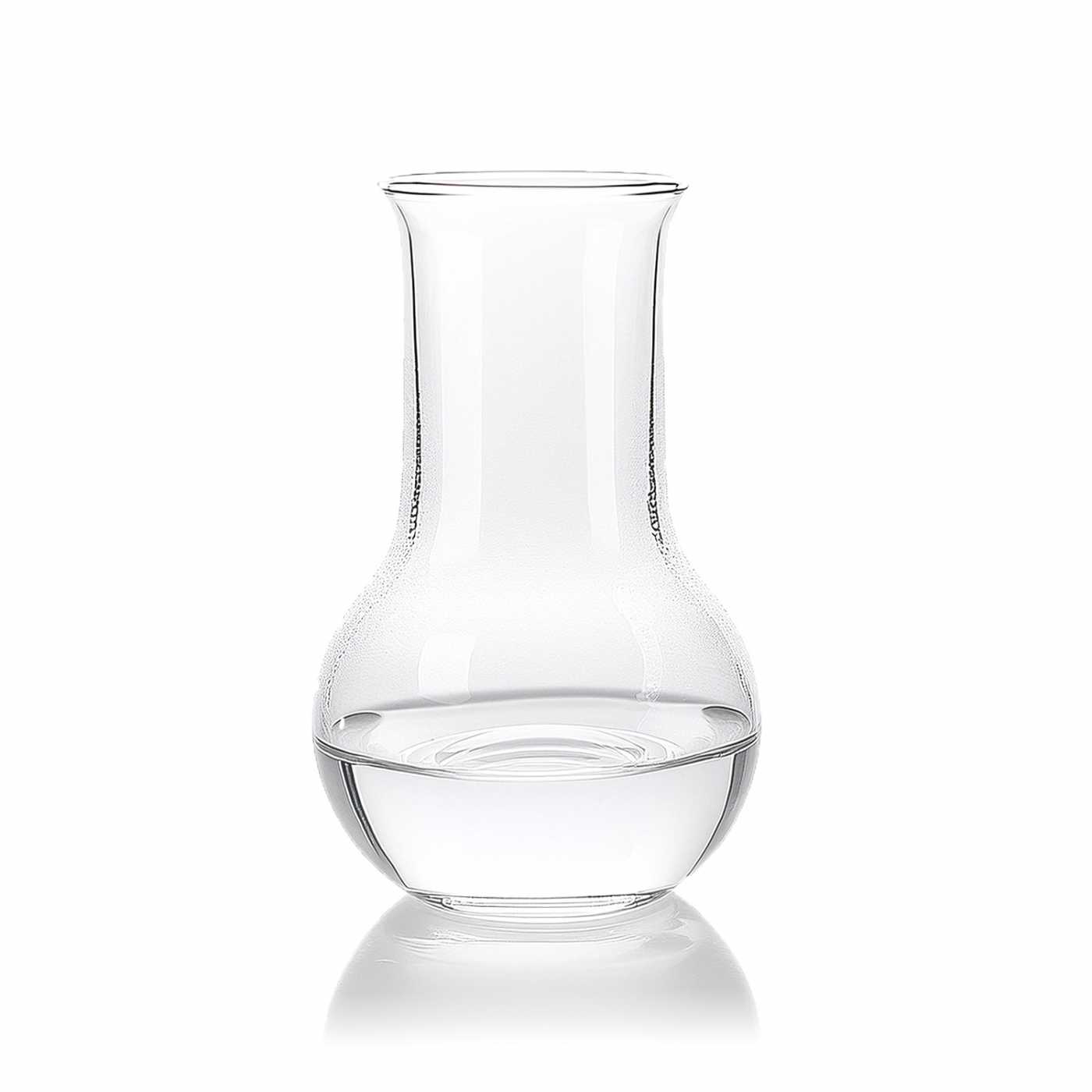
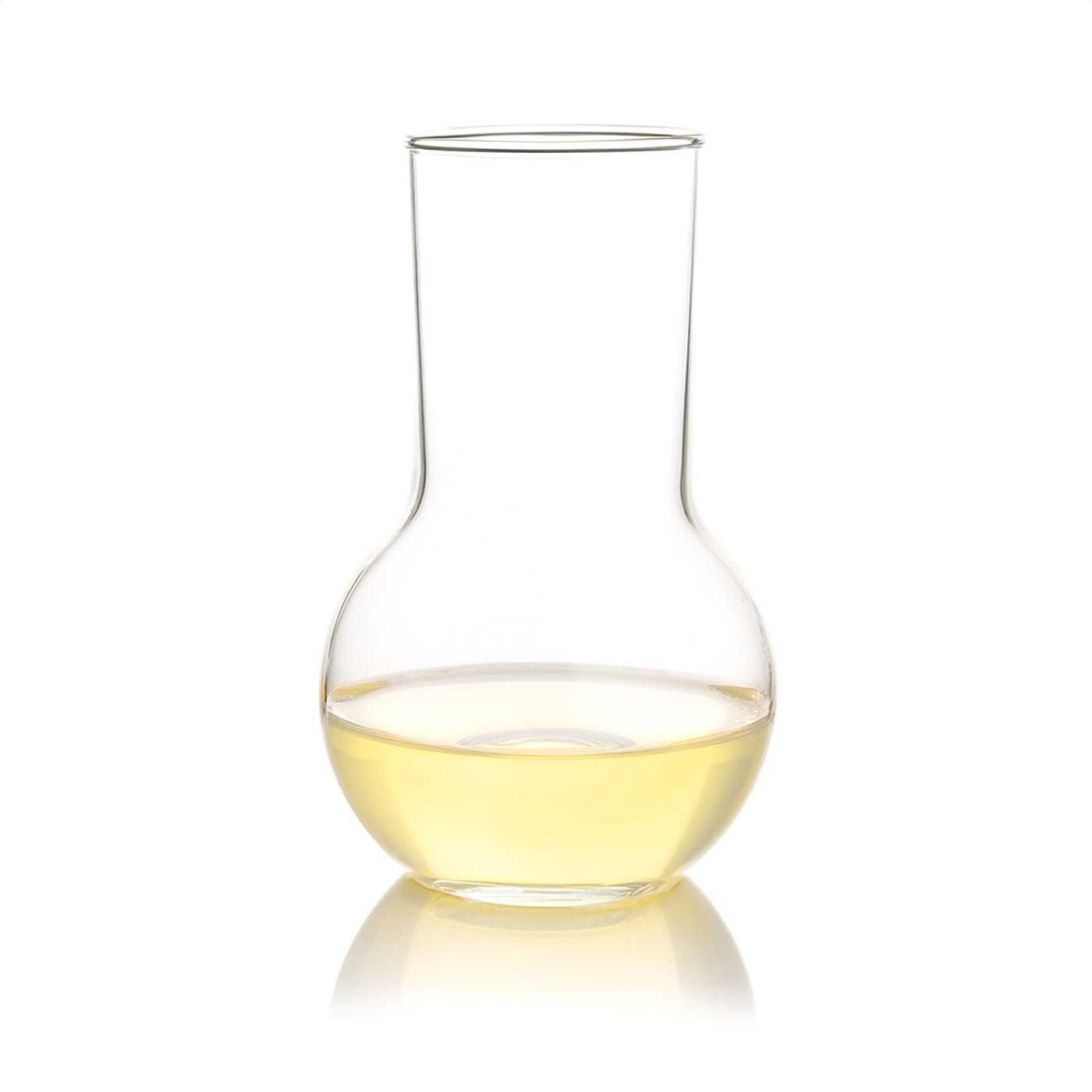
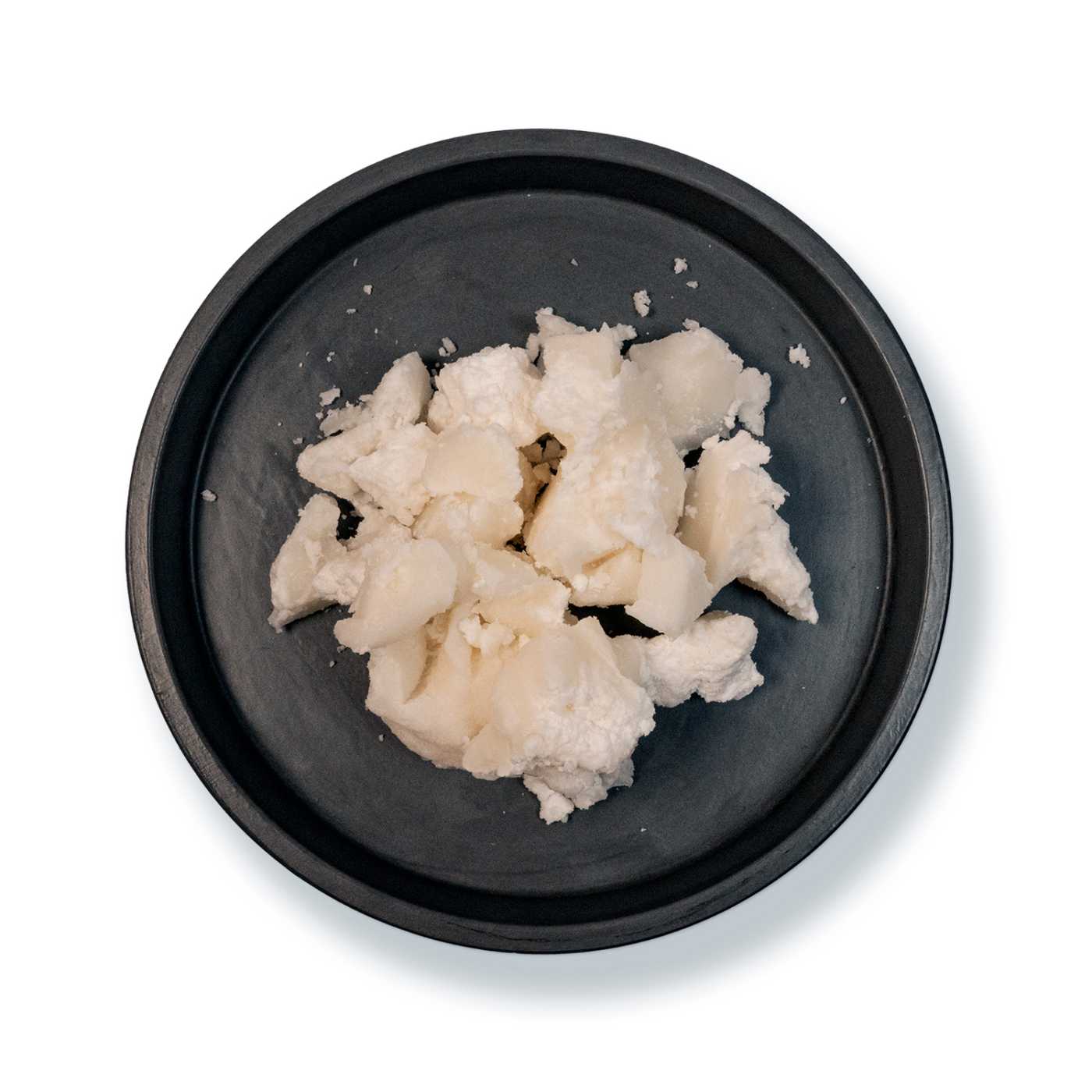
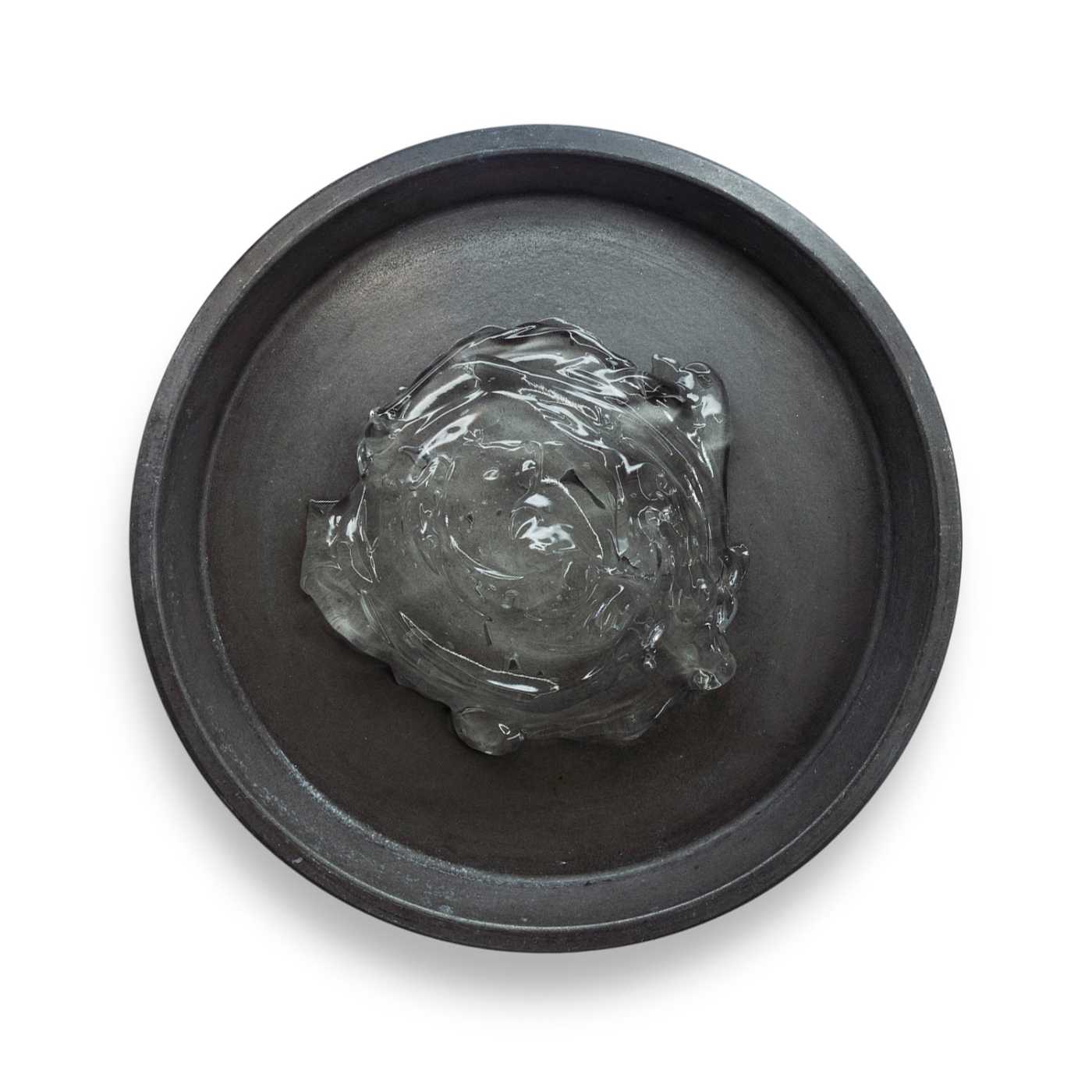
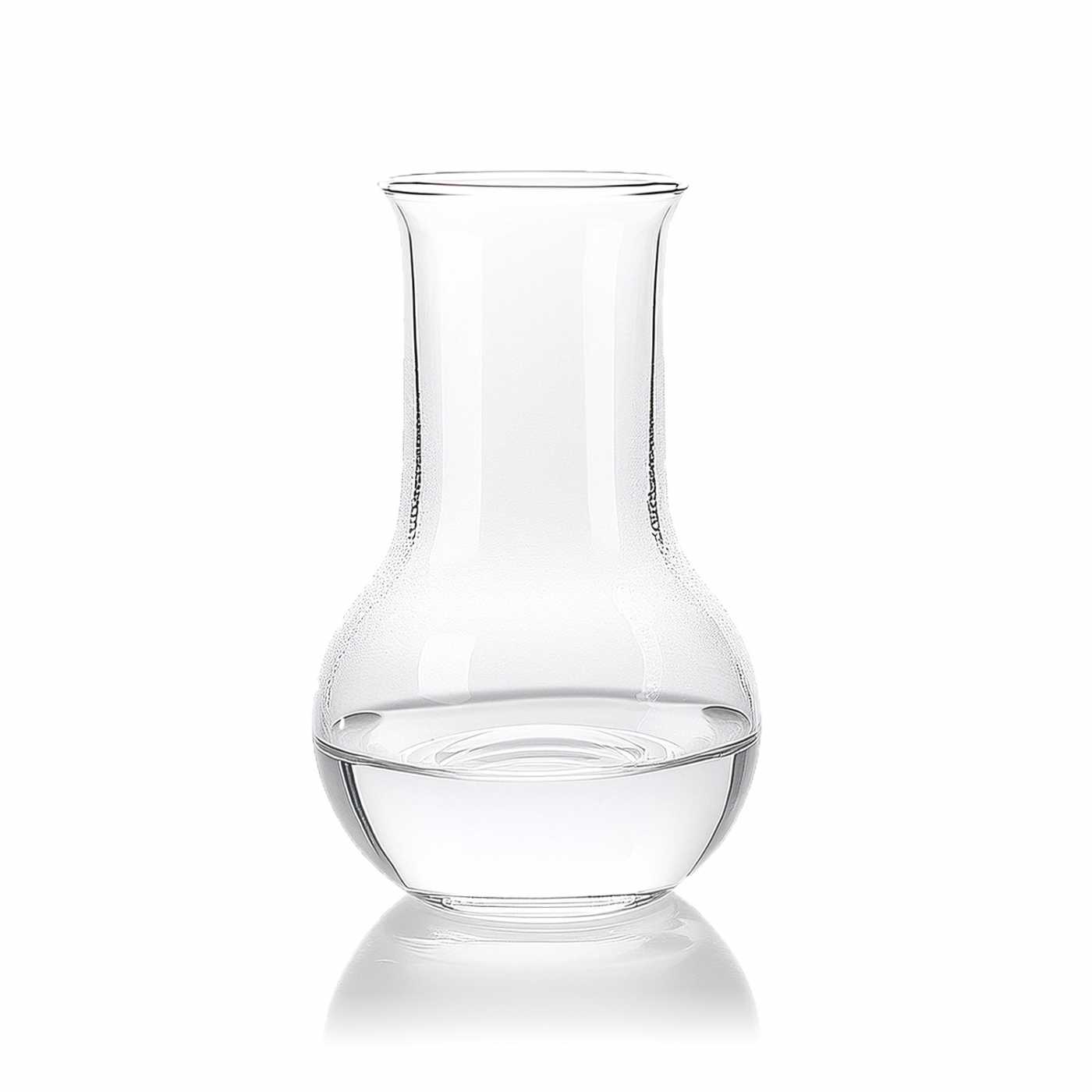
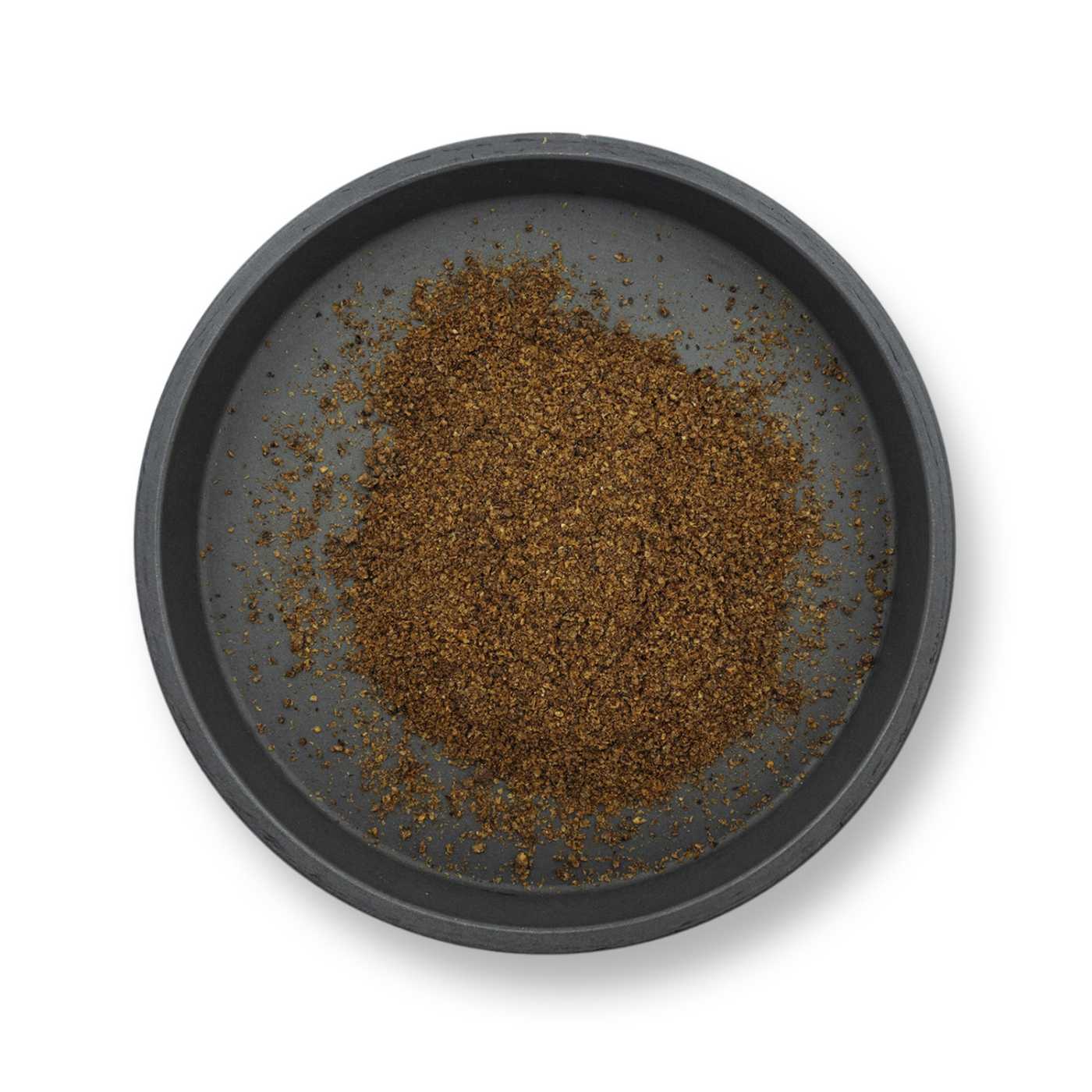
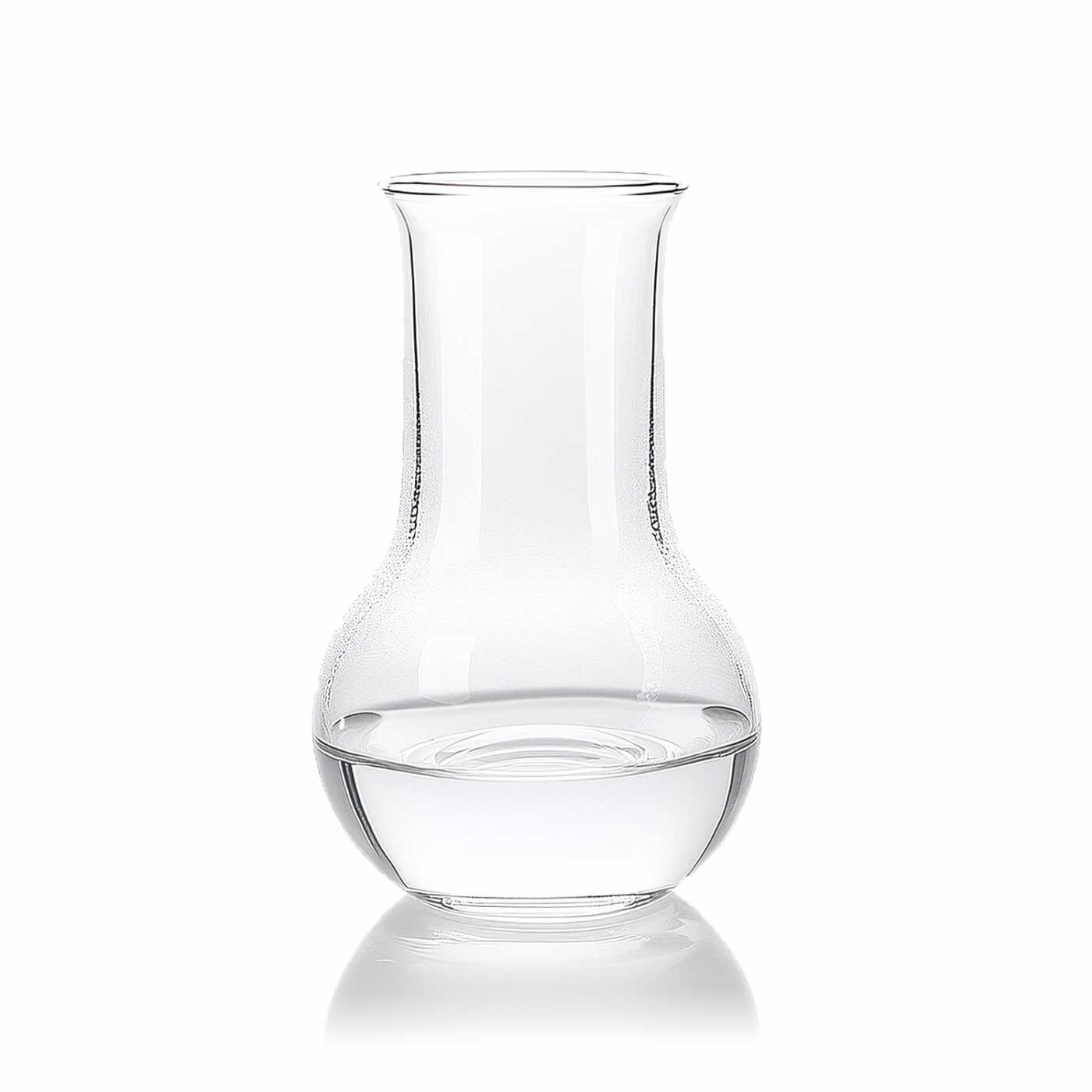
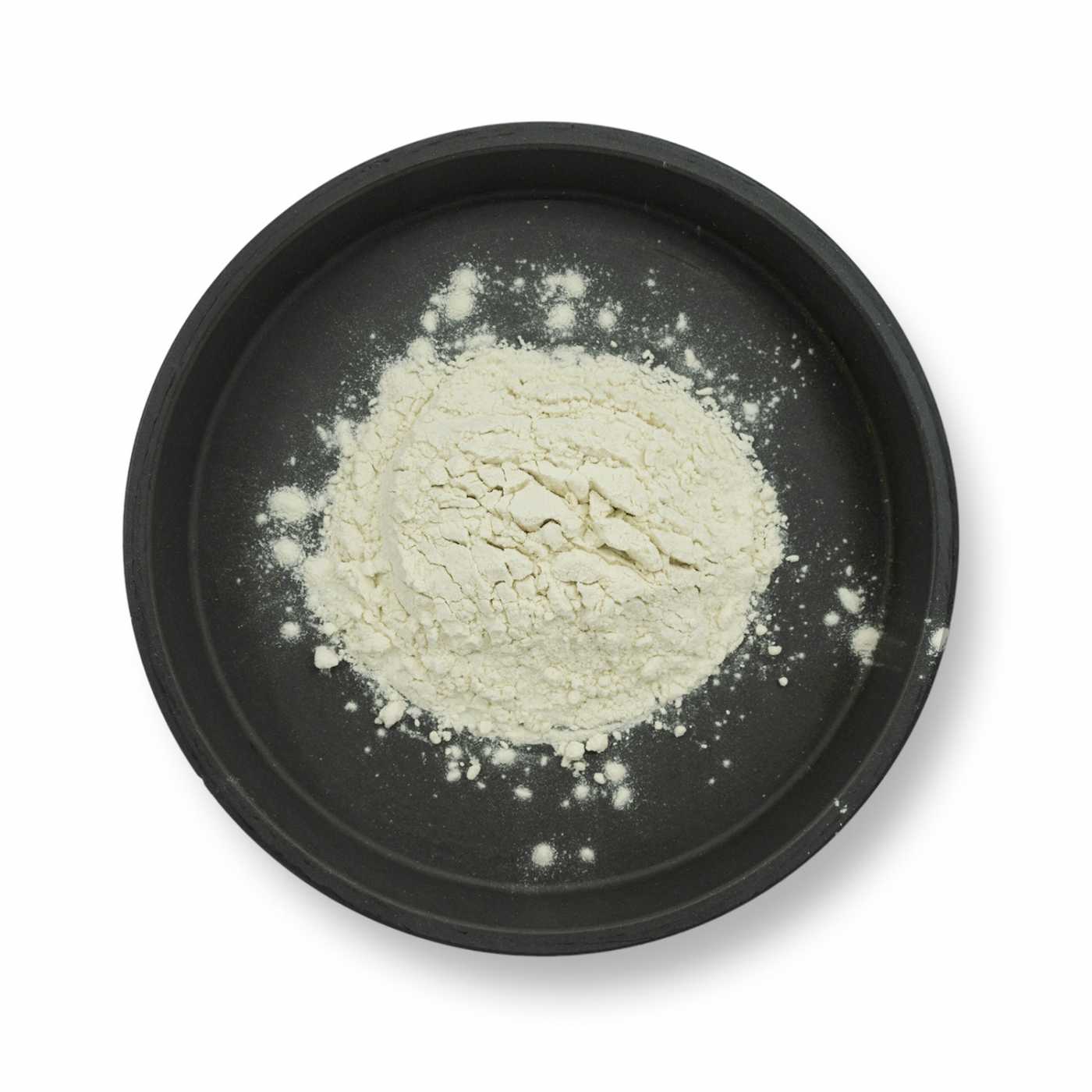
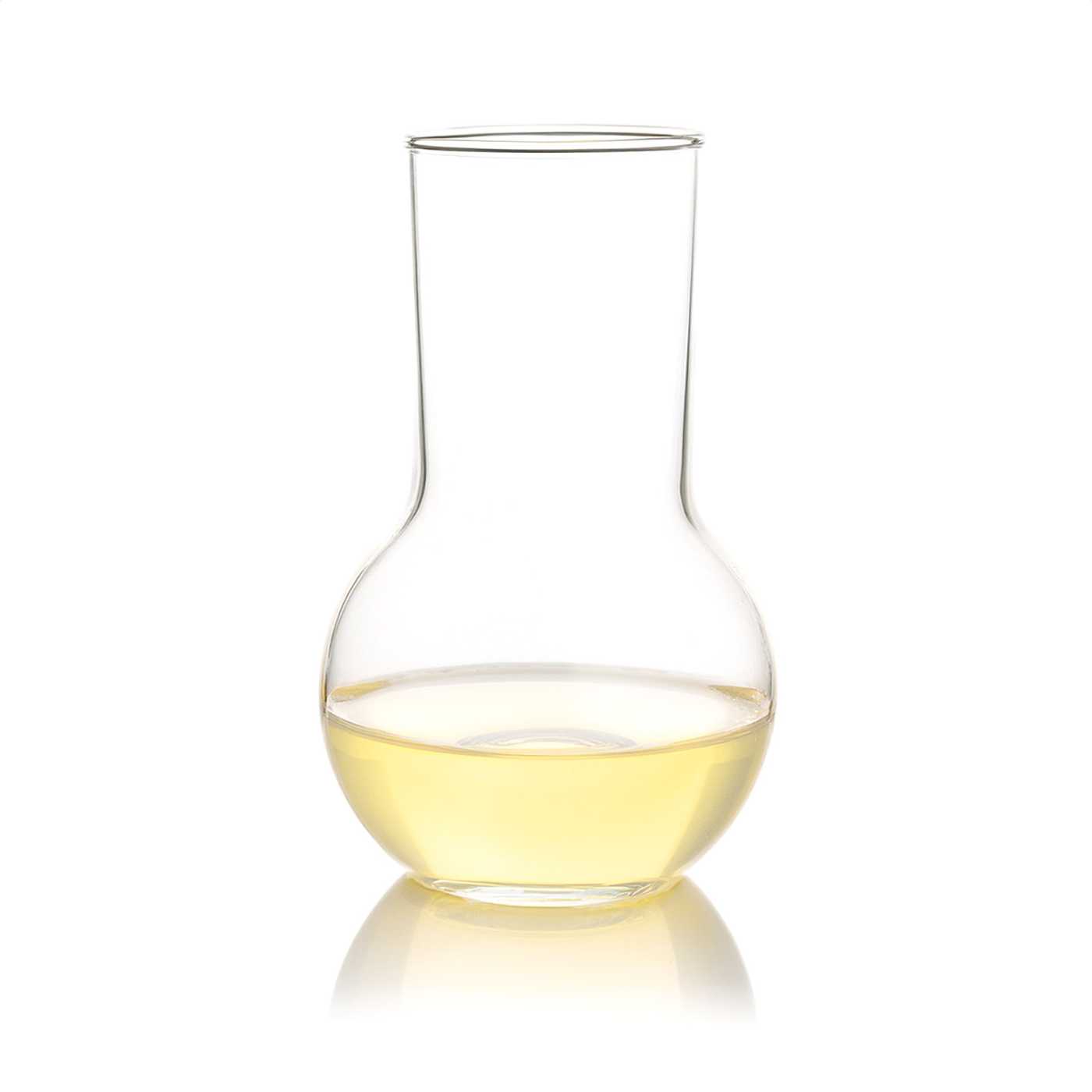
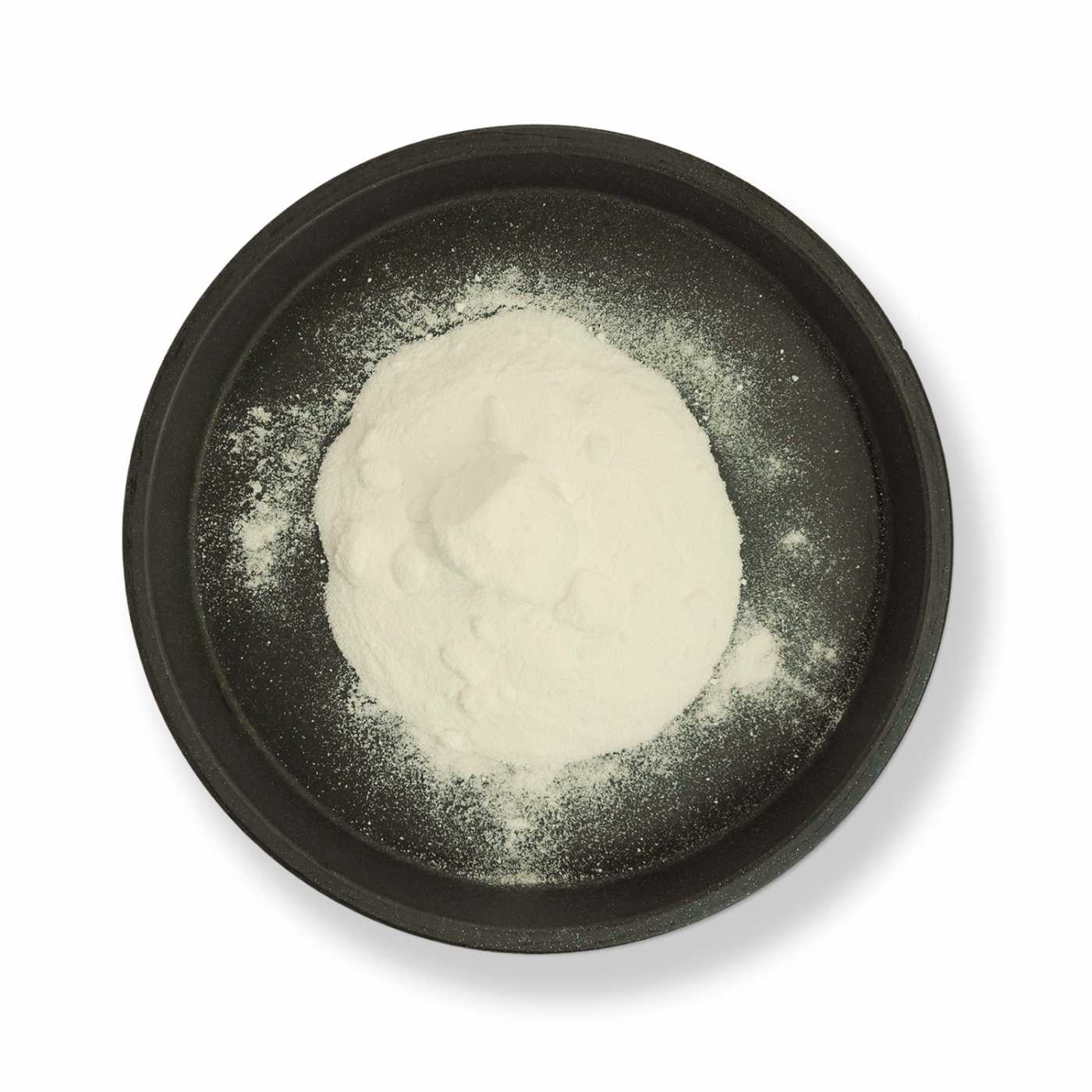
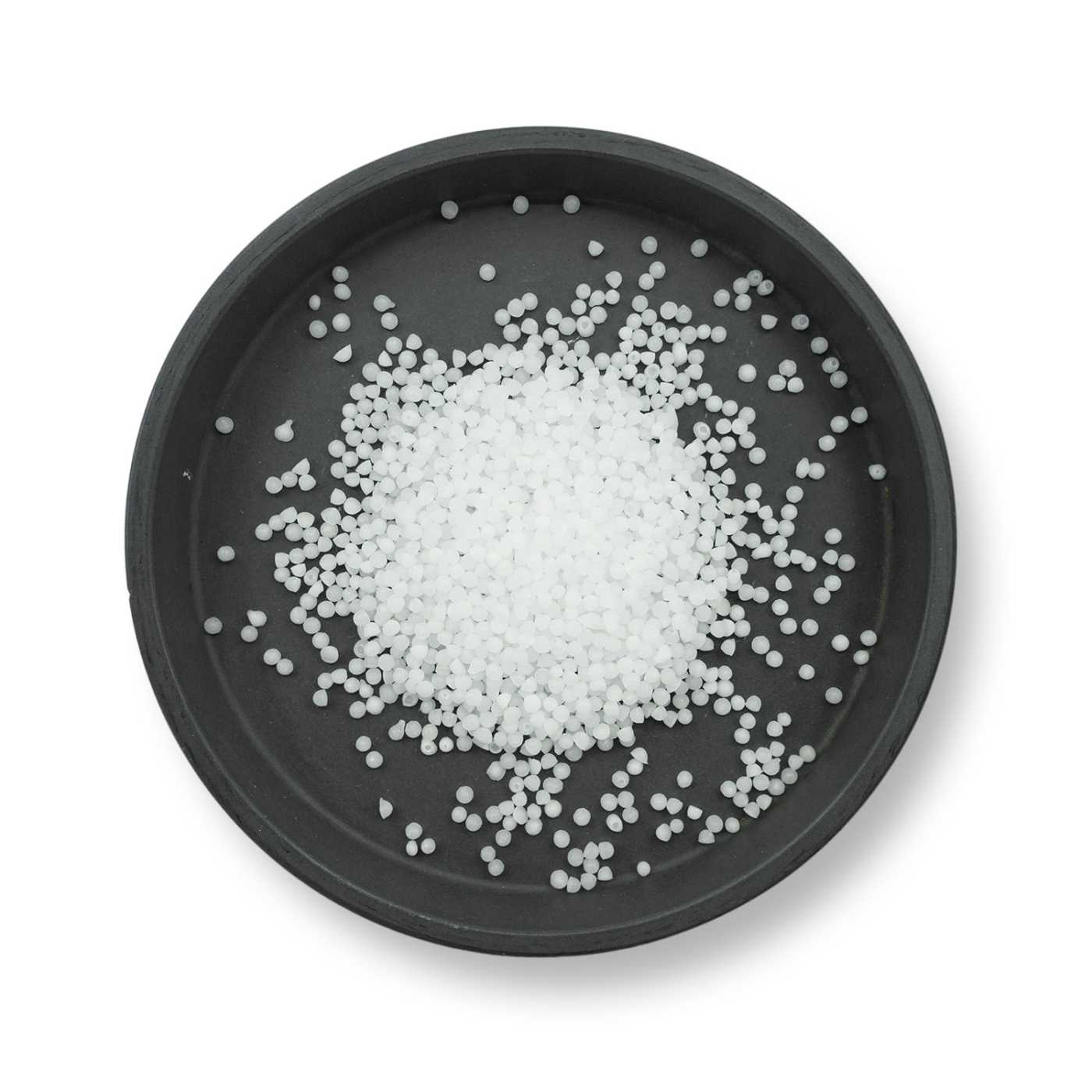
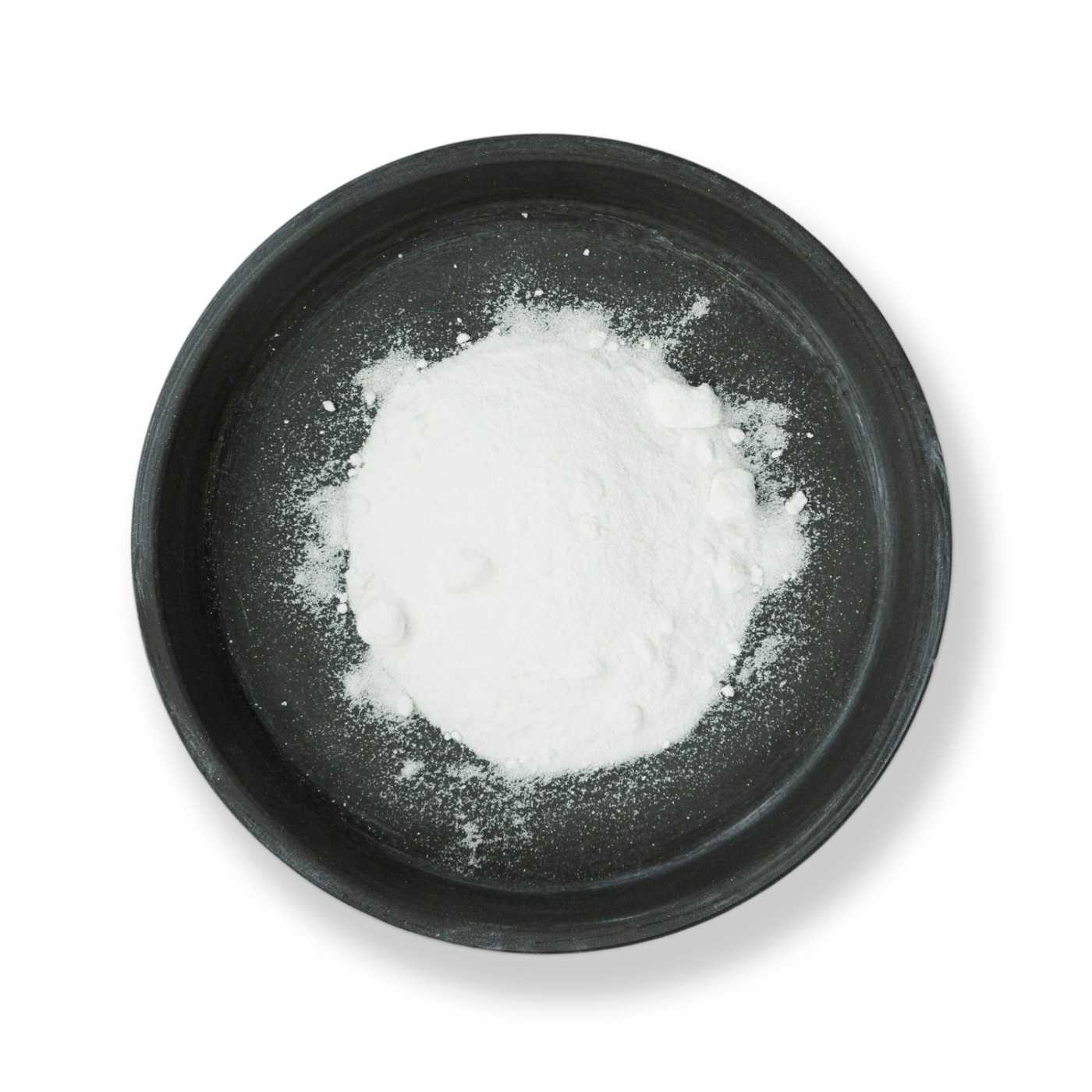
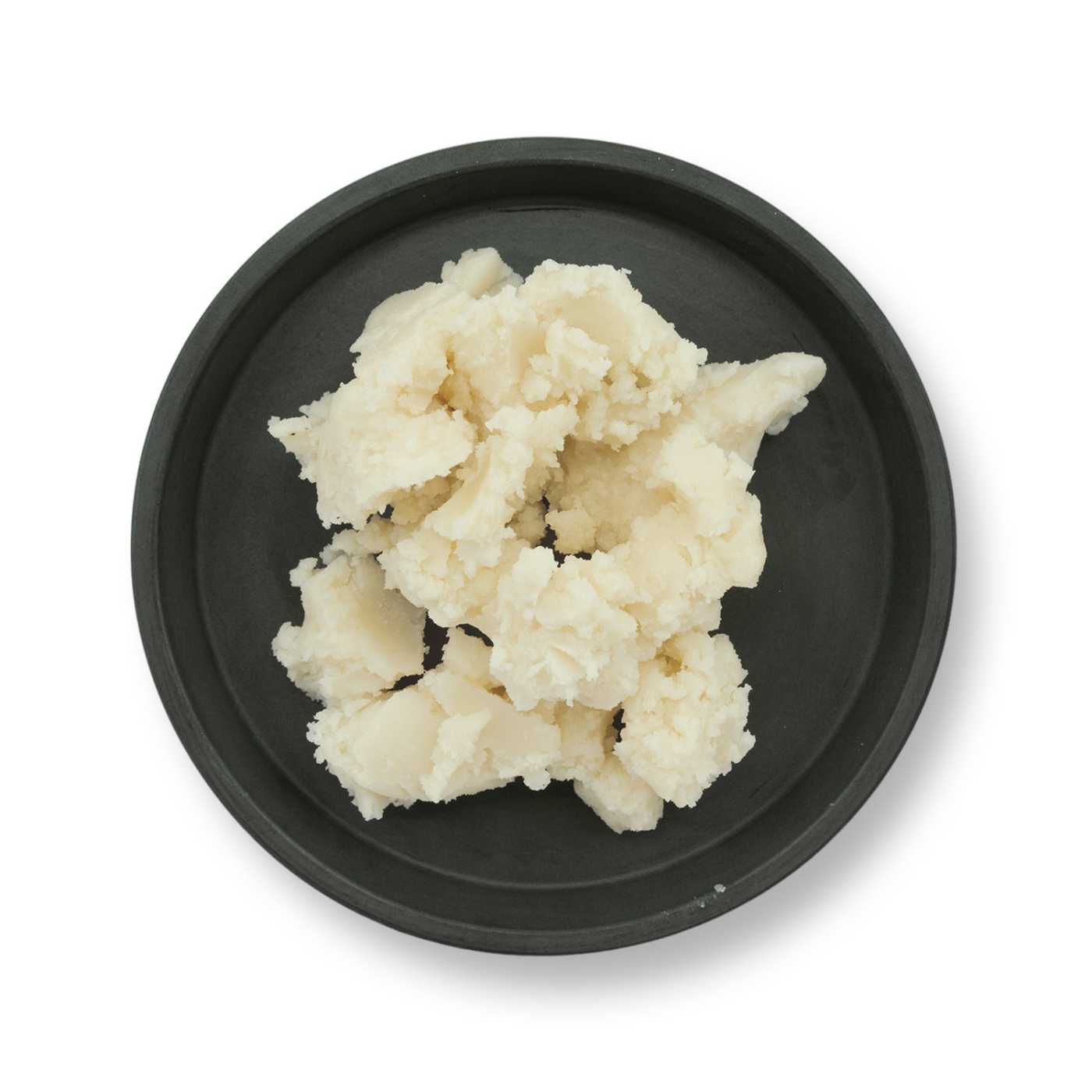
Caprylyl/Capryl Glucoside is a nonionic surfactant from the alkyl polyglucoside group that performs two functions at once in aqueous formulations: it cleanses and foams, and also disperses fragrance or essential oils in water so that the solution remains clear. It is produced from coconut and palm kernel oil and glucose. In shower gels, shampoos and facial cleansers it works as a foam-boosting ingredient, in tonics, micellar waters and refreshing sprays as a solubiliser.
What sets it apart from other glucosides is its short carbon chain (C8 to C10). Foam builds quickly, solutions remain fluid and it dissolves oily ingredients in water more effectively than glucosides with longer chains. The raw material is of plant origin, readily biodegradable and suitable for formulations certified to COSMOS, ECOCERT or NATRUE.
Key properties
- Solubiliser – disperses essential oils, fragrance compositions or oily extracts into the water phase while keeping the solution transparent. In tonics, micellar waters and sprays it is a non-ethoxylated alternative to solubilisers such as PEG-40 Hydrogenated Castor Oil.
- Foam-boosting ingredient – in combination with anionic and amphoteric surfactants it increases foam volume and speeds up foam formation. On its own it produces a light, thin foam, so in cleansing products it is usually used in combination.
- Broad compatibility – mixes with anionic, cationic, nonionic and amphoteric surfactants, tolerates electrolytes and alkaline environments. It is therefore also suitable for solid shampoos, bar cleansing products and concentrates.
- Milder action on the skin – when added to anionic surfactants (for example Sodium Coco-Sulfate or Sodium Lauroyl Sarcosinate) it reduces their irritation potential, which is used in children's cosmetics and products for sensitive skin.
Use in formulation
Added to the water phase, it is miscible with water and can be processed both cold and hot up to 80 °C. Dosage depending on purpose ranges from 2 – 50 %: just a few percent is sufficient to dissolve a small amount of fragrance, while higher amounts are used as the main surfactant in concentrates or solid products. When calculating, note that the raw material contains 62 – 65 % active matter, the rest is water.
In solubilisation the order of steps matters. The surfactant is first mixed directly with the essential oil or fragrance composition to form a homogeneous mass, and only then is water or a hydrolat added gradually. The ratio of surfactant to oil is typically several times higher; the precise ratio depends on the oil composition and is verified by a clarity test of the finished solution.
If the solution turns cloudy after adding water, further mixing will not help. Prepare a new premix with a higher proportion of surfactant or reduce the amount of fragrance. Cloudiness means that the oil is not fully enclosed in micelles.
The raw material is supplied at an alkaline pH; a ten-percent solution has a pH of around 12. At normal usage levels it will raise the pH of the entire formulation, so after incorporation the pH is adjusted with an acid (citric or lactic) to a value suitable for the skin. The finished formulation tolerates a range of pH 4 – 12, so the surfactant also performs well in alkaline cleansing products.
The concentrate is not preserved; its only protection against micro-organisms is the high pH. Once diluted with water and the pH is lowered, this protection is lost and the finished product requires a full preservative.
Solutions containing this surfactant remain thin. To achieve the consistency of a shower gel or shampoo, xanthan gum, cellulose derivatives or a combination with an amphoteric surfactant (Cocamidopropyl Betaine, Coco-Betaine) and salt is used, which increases viscosity in combination with anionic surfactants. A nonionic surfactant on its own cannot be thickened with salt.
Suitable for products such as
- Shower gels, bath foams and liquid soaps – secondary surfactant that improves foam and reduces the effect of anionic ingredients.
- Shampoos and children's cleansing cosmetics – compatible with cationic conditioning ingredients (such as Polyquaternium-7), making it suitable for conditioning shampoos as well.
- Micellar waters, facial tonics and refreshing sprays – dissolves fragrance and oily extracts, keeping the solution clear.
- Facial cleansing gels and foams – rinse-off products for sensitive skin with a lower proportion of anionic surfactants.
- Mouthwashes and toothpastes – foam-boosting ingredient in oral hygiene products.
- Solid shampoos and bar cleansing products – stable in the presence of electrolytes and in alkaline environments.
What's good to know
- Turbidity of the concentrate – the raw material is slightly hazy due to its magnesium oxide content (up to 0.1 % magnesium) and the high pH at which it is supplied. After adjusting the pH below 8.5, the haze disappears and has no effect on the properties of the finished product.
- Separation – the concentrate may separate in the container. Before weighing, stir to a uniform consistency; this does not affect quality.
- Oil and alcohol – the surfactant does not dissolve in oils or in ethanol. It does not belong in anhydrous oil-based products and solubilisation takes place only in water. In formulations with a higher alcohol content we recommend verifying clarity and stability.
- Rinse-off and leave-on products – its main use is in rinse-off products. In leave-on tonics and sprays it is used only at the low level required for solubilisation.
- Skin feel – like any surfactant it degreases. In products for dry skin it is supplemented with moisturising ingredients (glycerin, betaine) or lipid-restoring ingredients.
Comparison with other glucosides
Alkyl polyglucosides differ from each other in the length of their carbon chain, which determines their behaviour. Caprylyl/Capryl Glucoside has the shortest chain, so it dissolves oily ingredients most effectively, produces a quick light foam and solutions remain fluid. Coco Glucoside (C8 to C16) is a versatile cleansing surfactant with a creamier foam. Lauryl Glucoside with the longest chain produces a rich, dense foam and higher viscosity, but in solid form it dissolves more slowly and is not intended for solubilisation. For a clear tonic with fragrance the short chain is the right choice; for a thick shower gel with rich foam a longer glucoside in combination with an amphoteric surfactant is the better option.
Frequently asked questions
Is Caprylyl/Capryl Glucoside soluble in water?
Yes, the surfactant is miscible with water and is added to the water phase of the formulation. It does not dissolve in oils or ethanol, so it is not suitable for anhydrous oil-based products. Its function is, on the contrary, to transfer oily ingredients into water: once pre-mixed with an essential oil and then diluted with water, a clear solution is obtained.
How is Caprylyl/Capryl Glucoside used to dissolve essential oils in water?
The surfactant is first mixed directly with the essential oil to form a homogeneous mass, and only then is water added gradually. The ratio of surfactant to oil is typically several times higher; the precise ratio is verified by a clarity test of the finished solution. If the solution turns cloudy, the proportion of surfactant should be increased or the amount of fragrance reduced.
Why is Caprylyl/Capryl Glucoside hazy and does it affect the product?
The turbidity of the concentrate is not a defect and has no effect on the finished product. It is caused by the magnesium oxide content in combination with the alkaline pH at which the raw material is supplied. Once the pH of the finished product is adjusted below 8.5, the haze disappears and the solution is clear, which also applies to tonics and micellar waters.
Does the pH need to be adjusted after adding Caprylyl/Capryl Glucoside?
Yes, in most cases pH adjustment is necessary. The raw material has an alkaline pH and at normal usage levels it will raise the pH of the entire formulation above values suitable for the skin. After incorporation the pH is lowered with citric or lactic acid. After this step the product requires a preservative, as the high pH no longer provides protection.
What is the difference between Caprylyl/Capryl Glucoside and Coco Glucoside?
Caprylyl/Capryl Glucoside has a shorter carbon chain, dissolves oily ingredients in water more effectively and produces a lighter, thinner foam. Coco Glucoside is a more versatile cleansing surfactant with a creamier foam. For a clear tonic with fragrance the short chain is the right choice; for a shower gel or shampoo with full foam, Coco Glucoside or a combination of both is preferred.
Is Caprylyl/Capryl Glucoside suitable for children's cosmetics and sensitive skin?
Yes, it is among the surfactants used in children's cleansing preparations and in products for sensitive skin and sensitive scalp. Added to anionic surfactants it reduces their irritation potential. It does not contain known skin allergens or fragrance allergens listed in Annex III of the Cosmetic Products Regulation. Like any cleansing surfactant it degreases, so in children's products it is used at moderate levels and supplemented with moisturising ingredients.