+421 950 333 113info@handymade.store

Spend over €100 for discounted shipping!

Candle fragrance oils

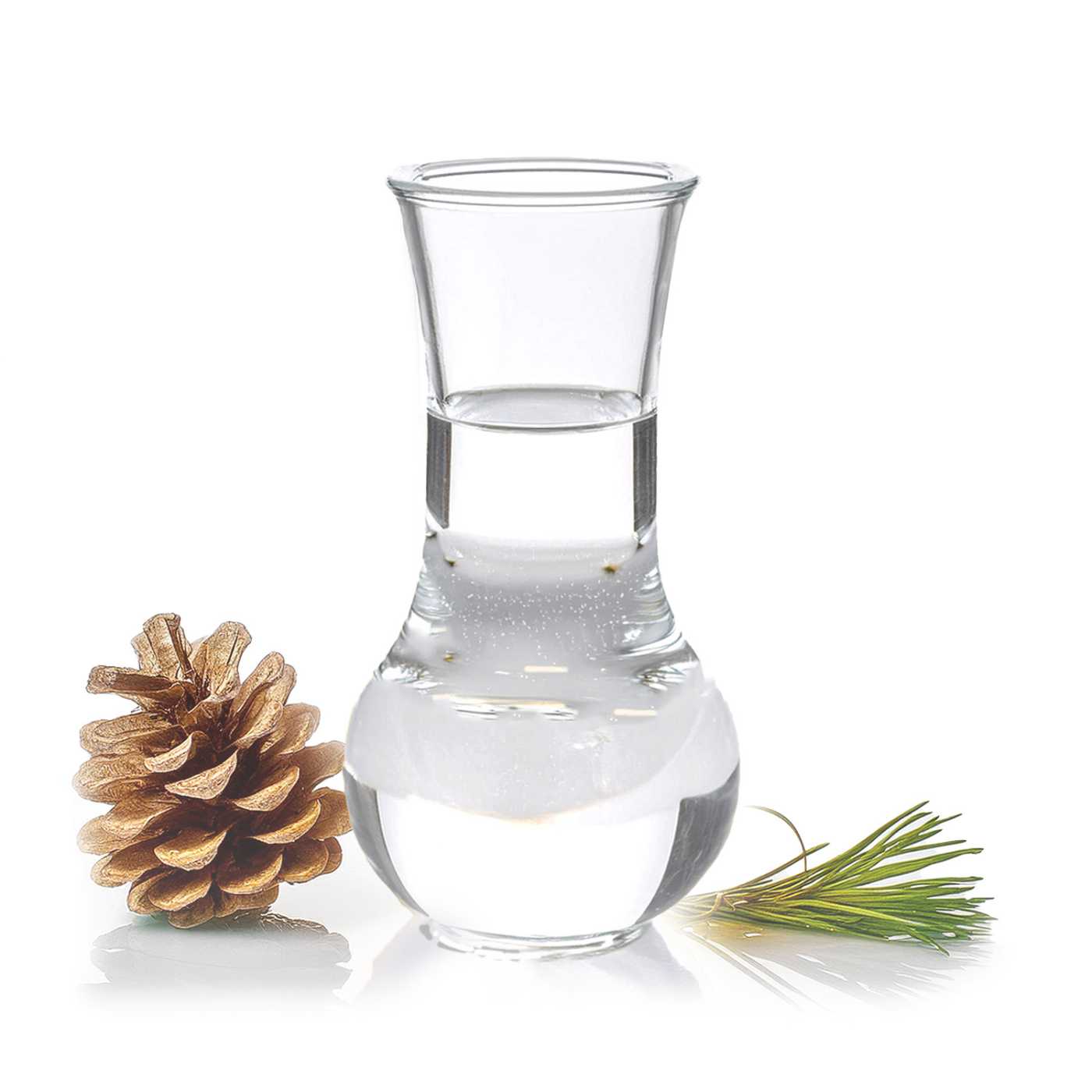
Pine Sylvestris Essential Oil, 5 l

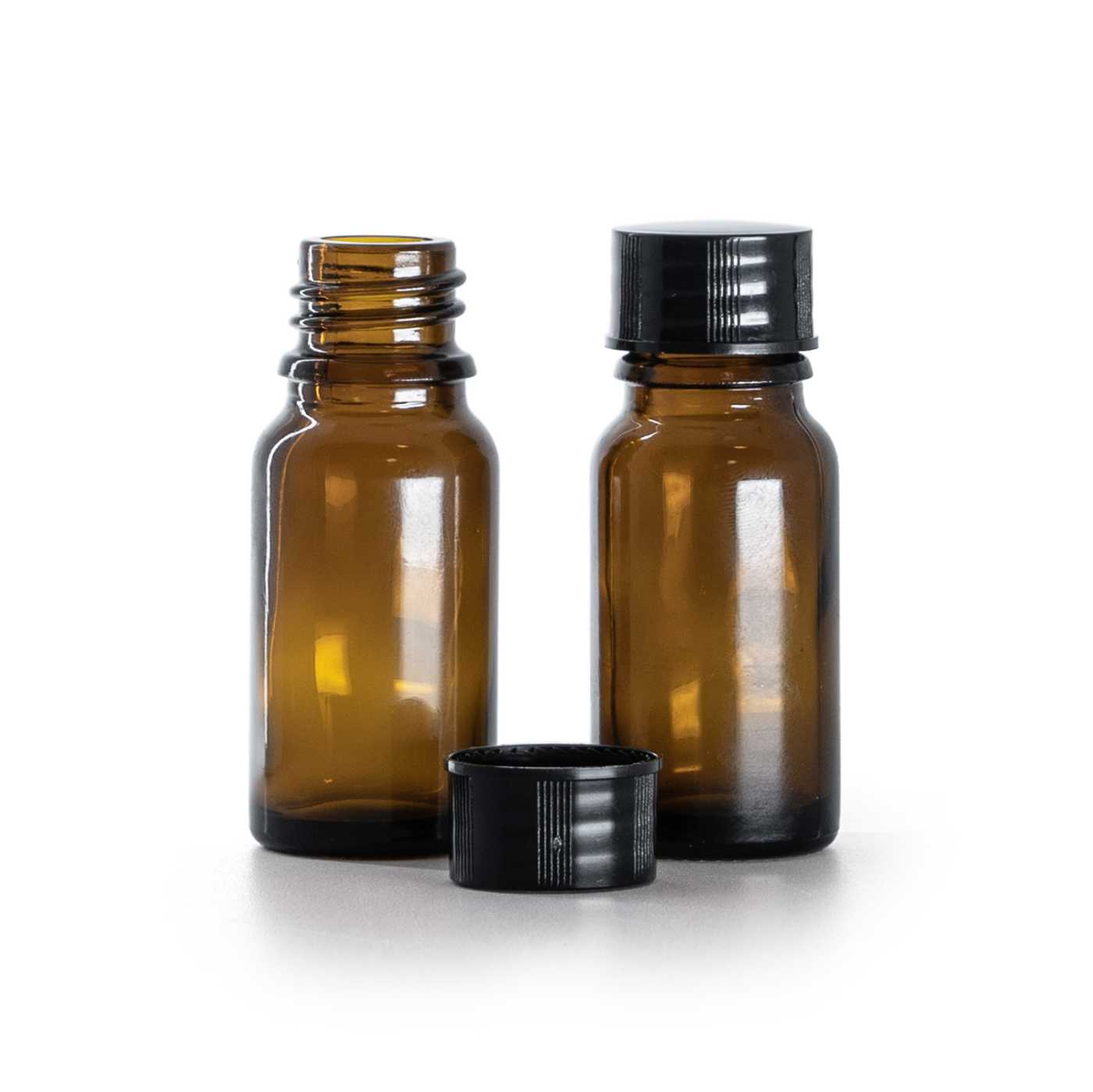
Pack size10 ml100 ml500 ml1 l5 l

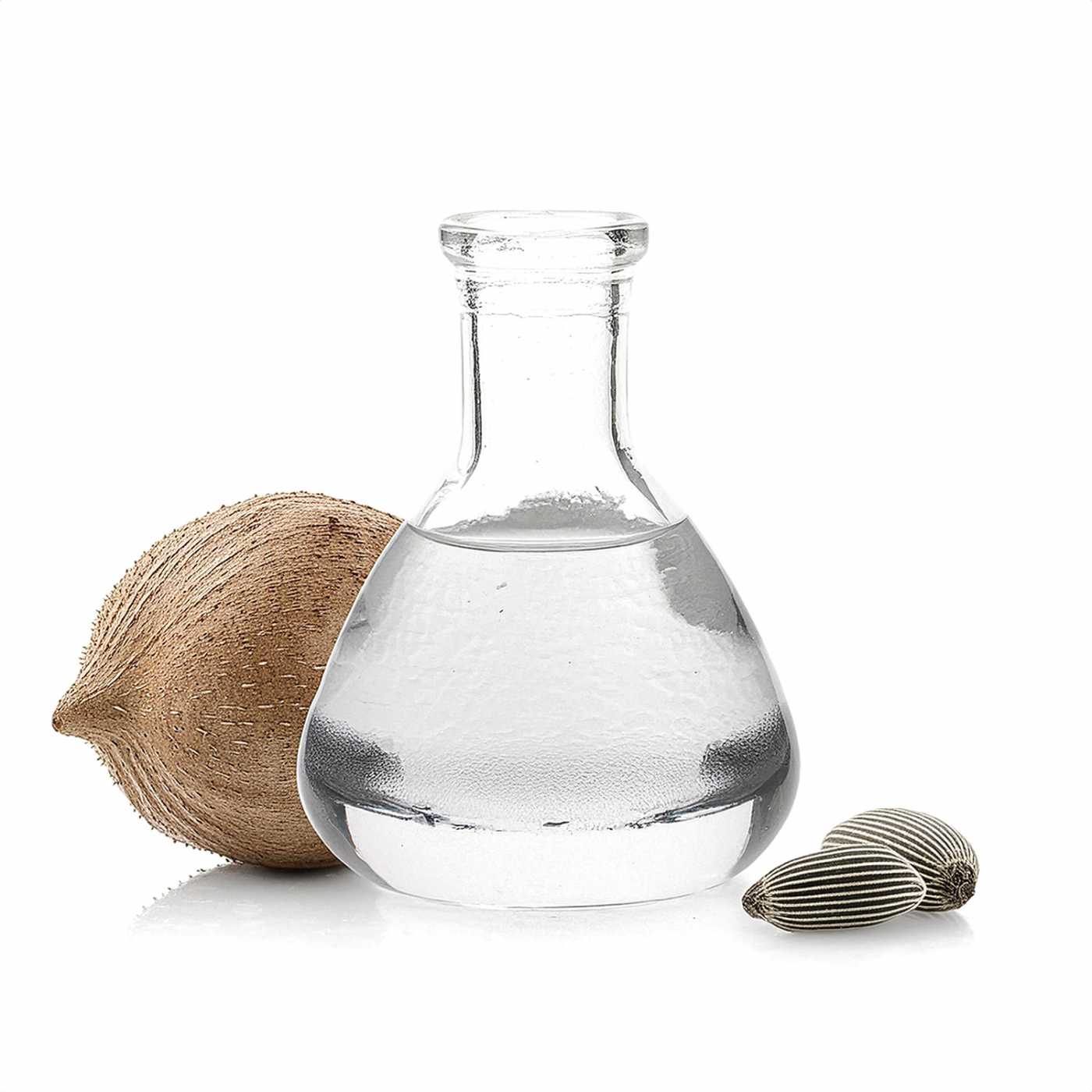
Pine essential oil is obtained by steam distillation of the needles of Scots pine and gives products an earthy, woody fragrance . full description

AvailabilityIn stock · last 1 pack
Product codeEON006_5
Batch23770
Best before07/2029
€526.63incl. VAT€105.33/l

Lowest price in the last 30 days: €526.63

Product description

Pine essential oil is obtained by steam distillation of the needles of Scots pine and gives products an earthy, woody fragrance. It is used to scent cosmetics, soaps and candles, and in the care of oily and problem skin and of hair prone to greasiness. The oil is of European origin and contains no carrier or other ingredients.


Fragrance and effect in cosmetics

The fragrance of pine is earthy and woody. It blends well with citrus, floral, woody and resinous fragrances, so it works on its own as well as in your own fragrance blend.

In facial cosmetics, pine oil is credited with a cleansing effect. It is added to cleansers, toners and serums for oily and problem skin, to which it also gives a feeling of freshness.

In hair cosmetics, it brings mainly fragrance. It gives shampoos, conditioners and hair oils a fresh, invigorating character, which suits products for hair prone to greasiness and for the scalp.

On the skin, it creates a mild warming sensation. It is therefore used in massage oils and creams intended for relaxation.


Use in formulations

The essential oil is added at the very end of production. In an emulsion, it belongs in the cooling phase below 40 °C, or it can be mixed into the finished base afterwards. The oil is volatile and heat speeds up its ageing. In a hot oil or emulsion phase, the fragrance evaporates and the oil oxidises faster.

It is practically insoluble in water. For toners, body mists and gels, it is first pre-mixed with a solubiliser or dissolved in alcohol, otherwise it floats on the surface or makes the product cloudy. It mixes well with vegetable oils, alcohol and fragrance compositions.

There is no single universal usage rate. The highest amount in the finished product is determined by the IFRA limit for the given product category. One limit applies to lip products (category 1), another to body creams and another to candles (category 12).

The limits for all product categories are in the IFRA certificate in the Product documentation section. We recommend determining the usage rate according to it before the first test batch.


Suitable for products such as

  • Cleansing gels, toners and serums – for oily and problem skin.
  • Shampoos, conditioners and hair oils – for hair prone to greasiness and scalp care.
  • Solid and liquid soaps, shower gels – as a natural fragrance with a woody character.
  • Body oils, butters, balms and milks – including massage products with a warming sensation.
  • Candles of all types, including candles in jars – in an amount up to the IFRA limit for category 12.
  • Diffusers – on its own or blended with citrus and resinous fragrances.

Good to know

Pine oil oxidises in the air. Its terpenes (α-pinene, β-pinene) turn into hydroperoxides, which are a common cause of contact allergy. An old or long-opened oil therefore irritates and sensitises more than a fresh one. Only fresh oil from a well-closed package is used in cosmetics, and we recommend adding an antioxidant, for example tocopherol, to the formulation. Ageing is accelerated by heat and light and shows as a change in fragrance.

The oil contains fragrance allergens from Annex III of Regulation (EC) No 1223/2009. Their content in the finished product must be calculated and stated on the label. The raw material is classified under the CLP Regulation; details of the classification and safe handling are in the safety data sheet.

Pine essential oil is a flammable liquid with a flash point of 37 °C. When working with it, keep it away from flames, sparks and hot surfaces, and work in a ventilated space.

The raw material is of plant origin, contains no ingredients of animal origin and is suitable for vegan products.


Frequently asked questions

Is pine essential oil soluble in water?
No, pine essential oil is practically insoluble in water. For toners, mists and gels, it is pre-mixed with a solubiliser or dissolved in alcohol, otherwise it floats on the surface or causes cloudiness. It mixes with vegetable oils, alcohol and fragrance compositions without any auxiliary substances.
What is the usage rate of pine essential oil in cosmetics?
Pine essential oil has no single universal usage rate. The highest amount in the finished product is determined by the IFRA limit for the specific category, for example category 1 for lip products or category 9 for soaps and shampoos. The limits for all categories are in the IFRA certificate in the Product documentation section.
When is pine essential oil added to a cream?
Pine essential oil is added to a cream in the cooling phase, when the emulsion is below 40 °C. It can also be mixed into the finished base afterwards. At a higher temperature, the fragrance evaporates quickly and the oil oxidises sooner. It therefore does not belong in a heated oil phase.
Is pine essential oil suitable for candles?
Yes, pine essential oil can be used in candles of all types, including candles in jars. The amount must not exceed the IFRA limit for category 12, which is stated in the IFRA certificate for the product. The oil is a flammable liquid with a flash point of 37 °C, so during production it must be kept away from flames and hot surfaces.
Why is only fresh pine essential oil used in cosmetics?
Fresh pine essential oil irritates and sensitises the skin less than old oil. The terpenes α-pinene and β-pinene oxidise in the air to hydroperoxides, which are a common cause of contact allergy. Oxidation is slowed by a well-closed package and by an antioxidant in the formulation, for example tocopherol.
Which fragrances does pine essential oil combine with?
Pine essential oil blends with citrus, floral, woody and resinous fragrances. Its own fragrance is earthy and woody. In blends, it is used to scent soaps, shower products and hair cosmetics, and in diffusers.

Parameters

INCI
Pinus Sylvestris Leaf Oil
CAS No.
8023-99-2 / 84012-35-1
EC number
281-679-2
Country of origin
Romania
Processing method
Steam distillation
Odour
Woody
Appearance
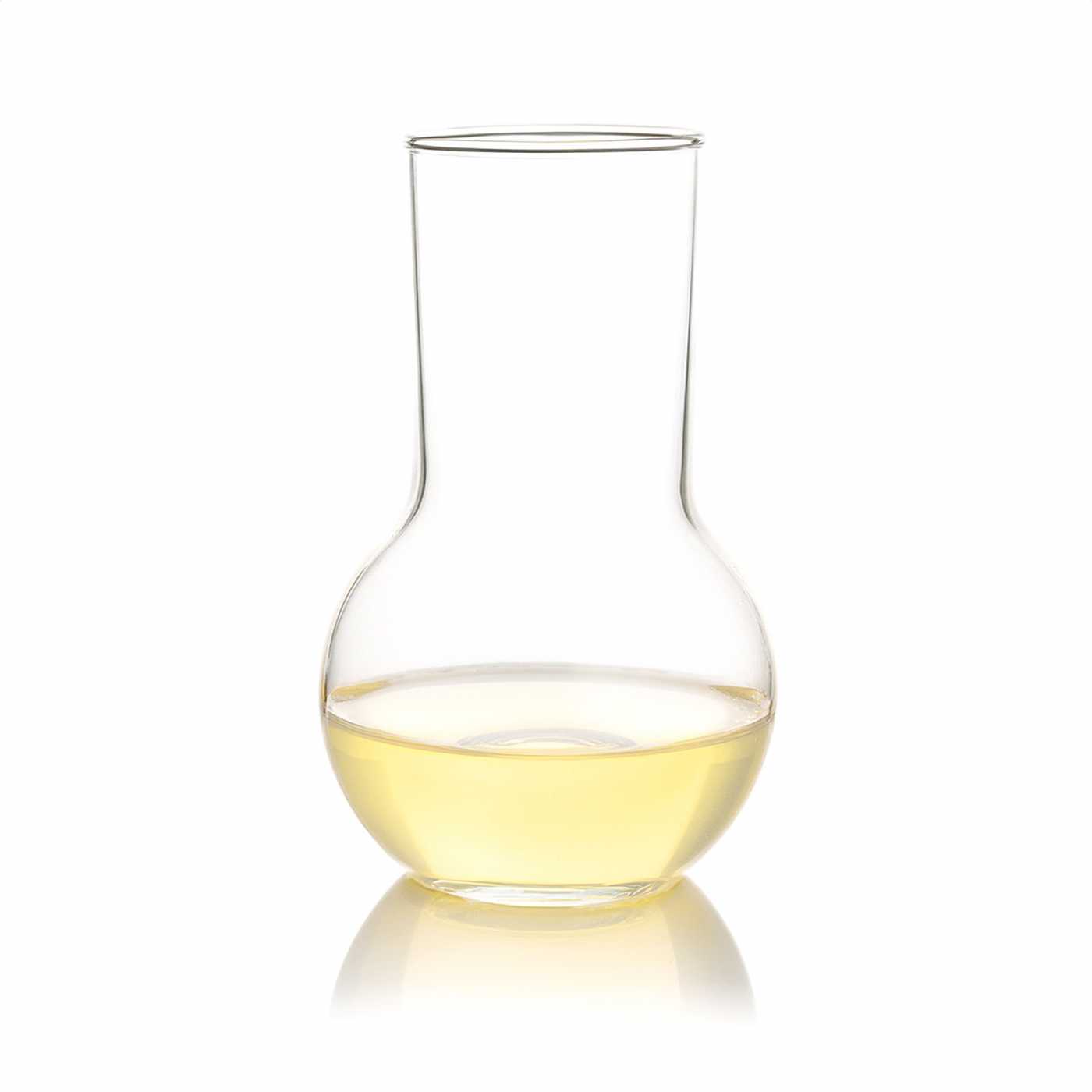
Liquid
Function in formulation
Fragrance component
Application area
FaceHairScalpBody
Recommended processing temperature
< 40 °C
Application type
Leave-onRinse-off
Biodegradability
Readily biodegradable
Certifications and declarations
Vegan
Manufacturer's certificate
BRC
Natural Index (NI ISO 16128)
1,00
Natural Origin Index (NOI ISO 16128)
1,00
Organic content
0 %
Renewable Carbon Content (RCC)
100 %
Volume
5000 ml

Product documentation

CoACertificate of Analysis
batch 23770PDF ↓
batch 22608PDF ↓
TDSTechnical Data Sheet
Physical parameters and processingPDF ↓
IFRAIFRA Certificate
batch 23770PDF ↓
AllergensAllergen Declaration
batch 23770PDF ↓
SDSSafety Data Sheet
Available for purchased products —
Download all (ZIP)

5 PDF files in one archive

Learn how to work with it

From our blog
Veronika F.19 Nov 2026SK

Verified purchase

Adam V.5 Nov 2026SK

Verified purchase

Blanka O.8 Oct 2026SK

Verified purchase

Variant: Esenciálny olej, borovica, 10 ml

Andrea S.7 Oct 2026CS

Verified purchase

Variant: Esenciálny olej, borovica, 100 ml
(4 reviews)