Spend over €100 for discounted shipping!

+421 950 333 113[email protected]

GLASS BOTTLES up to 10 ml

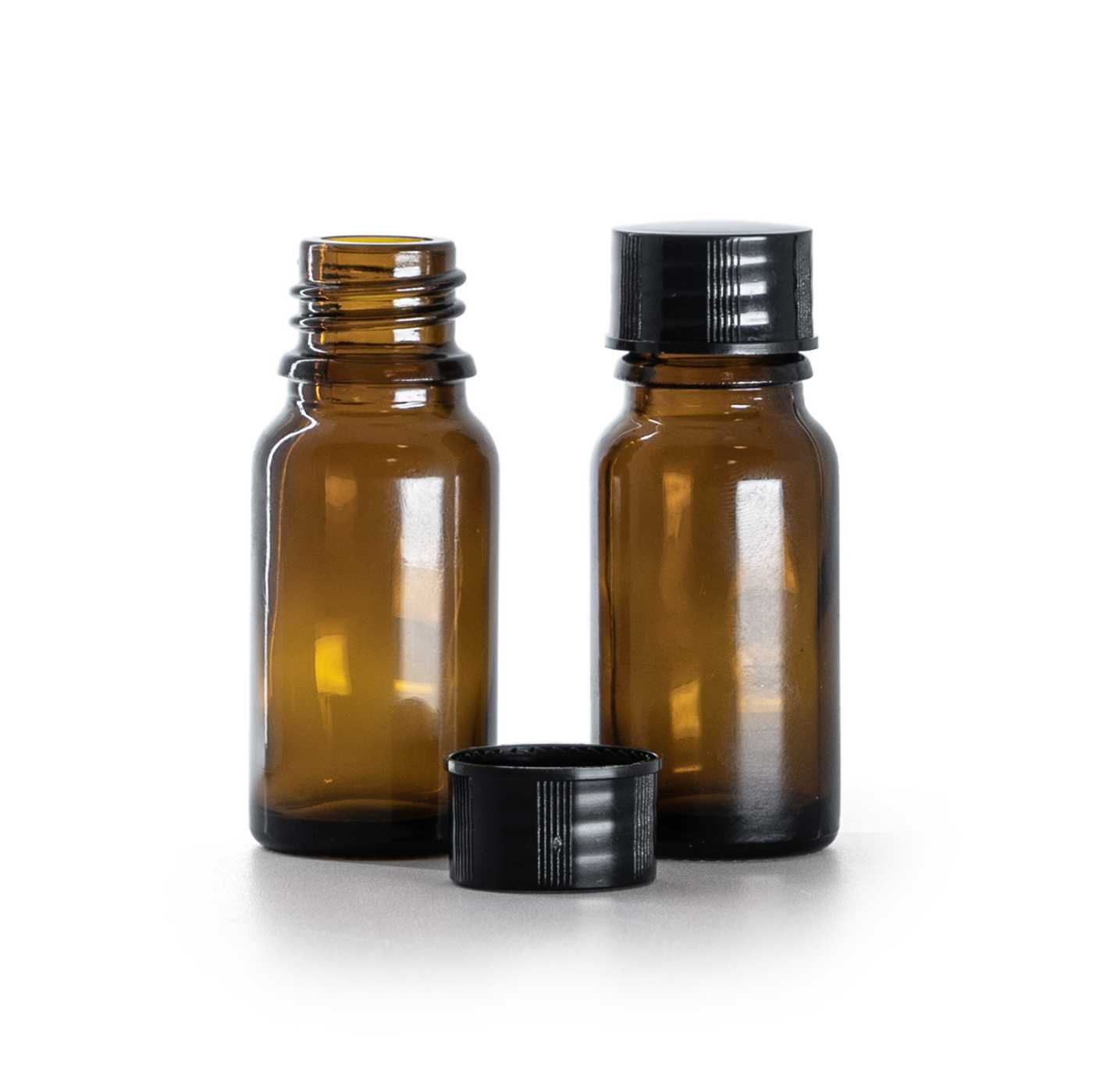
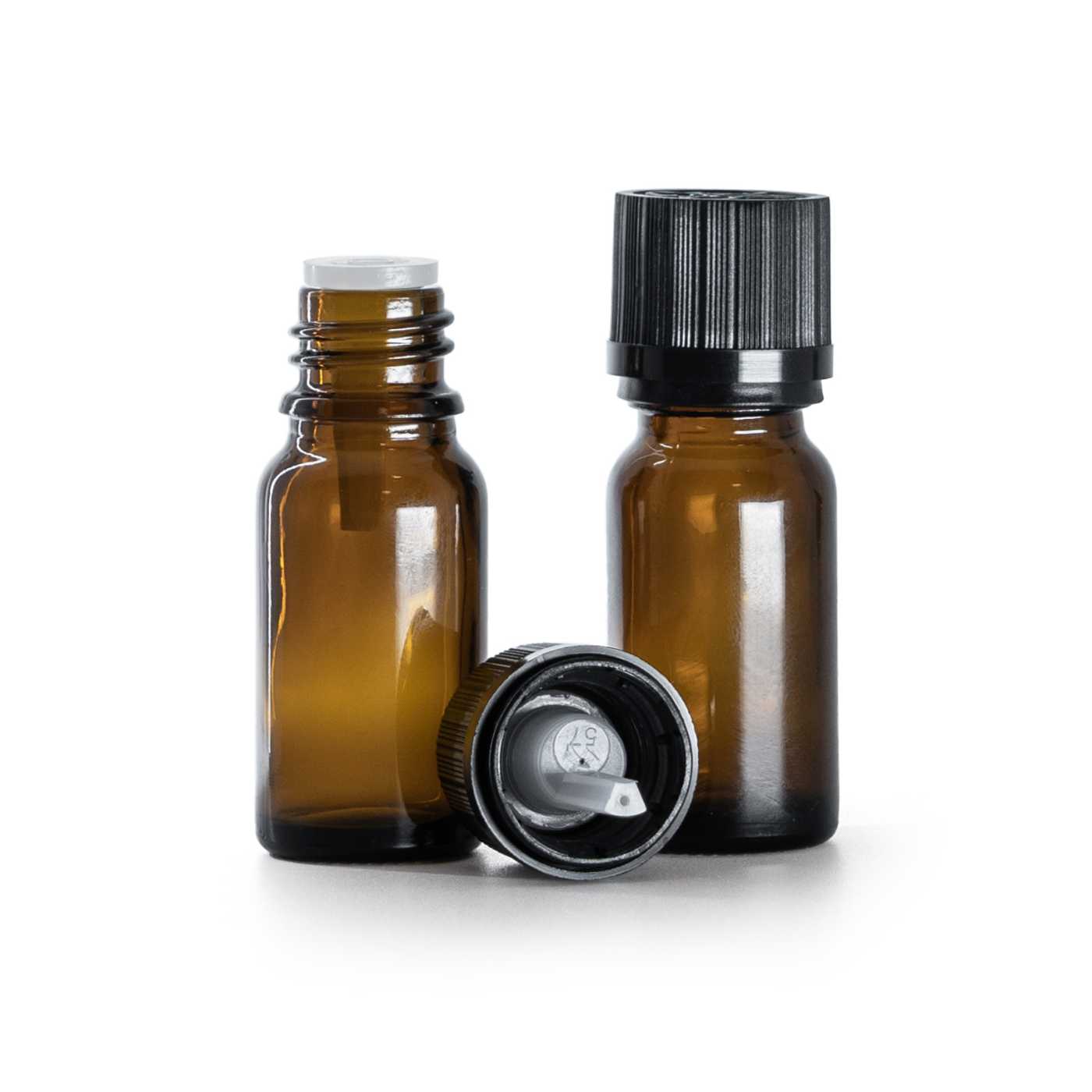
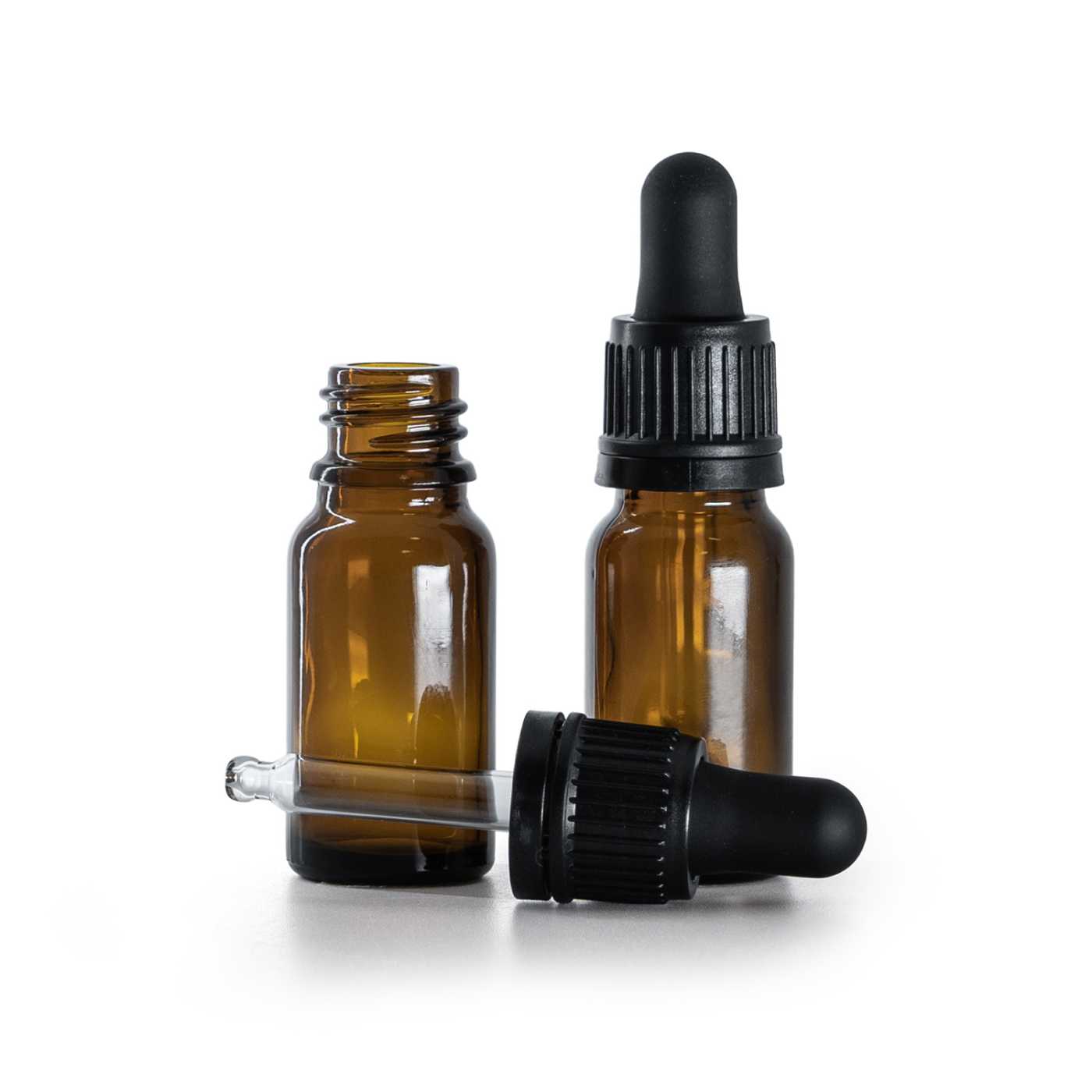
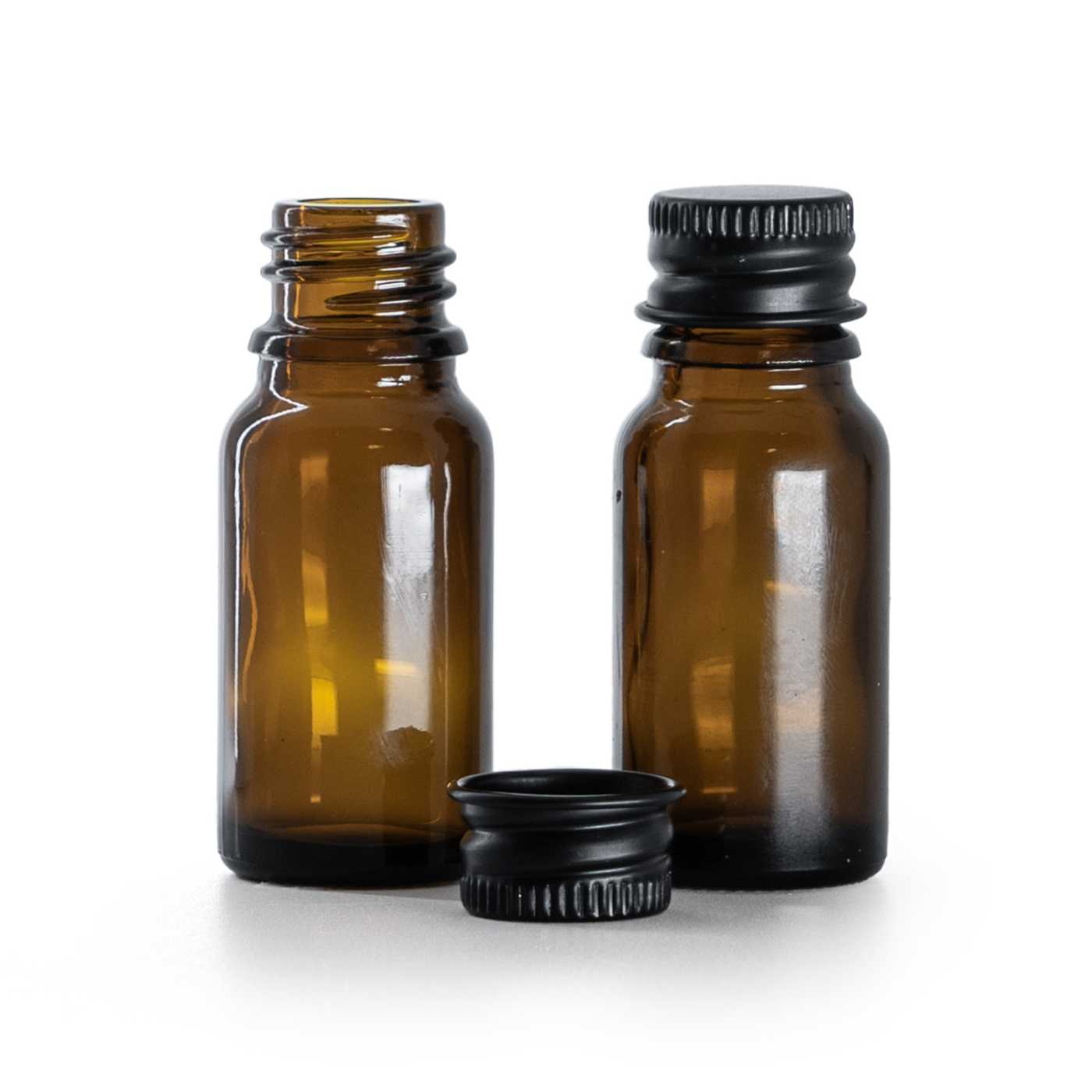
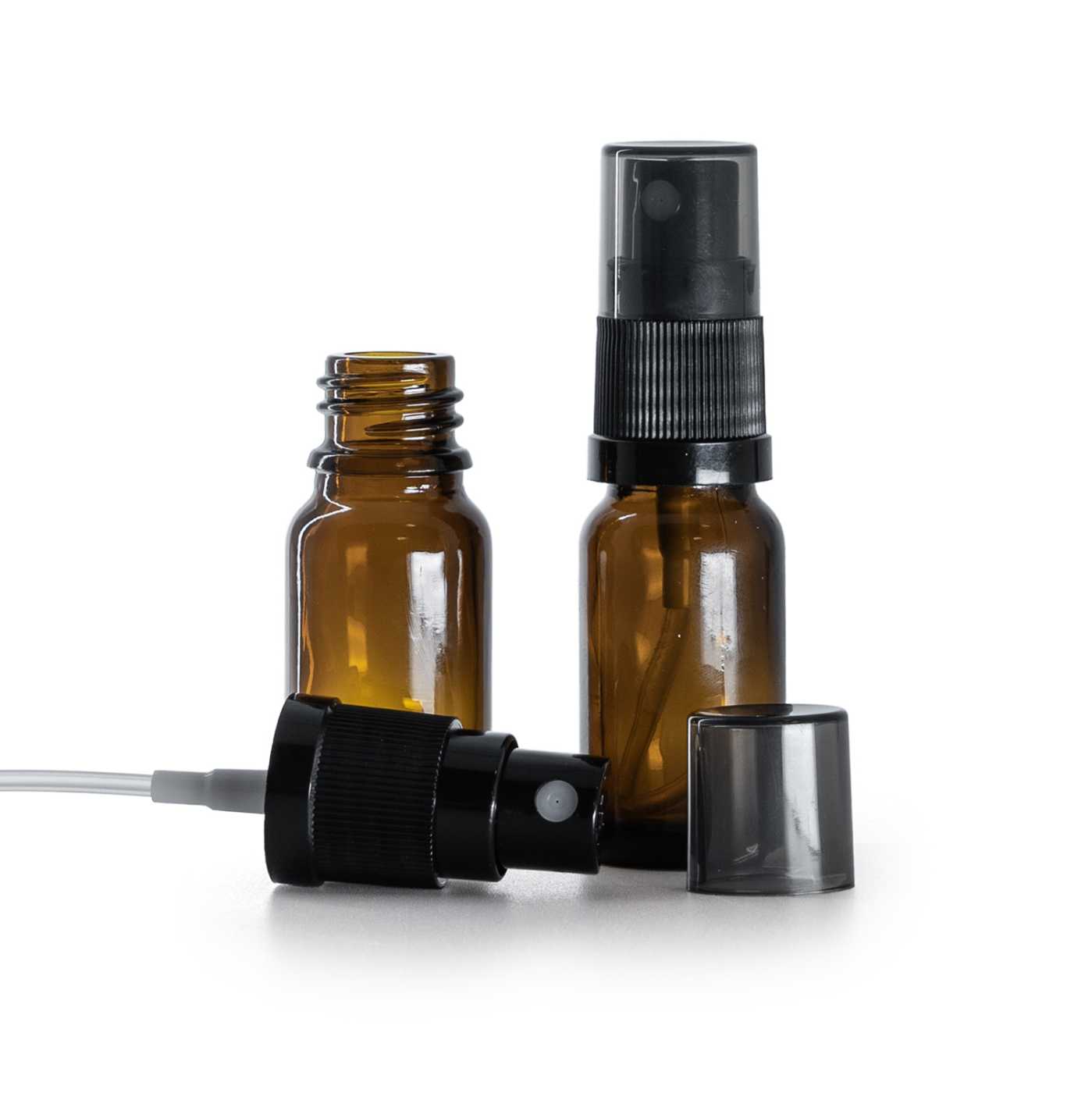
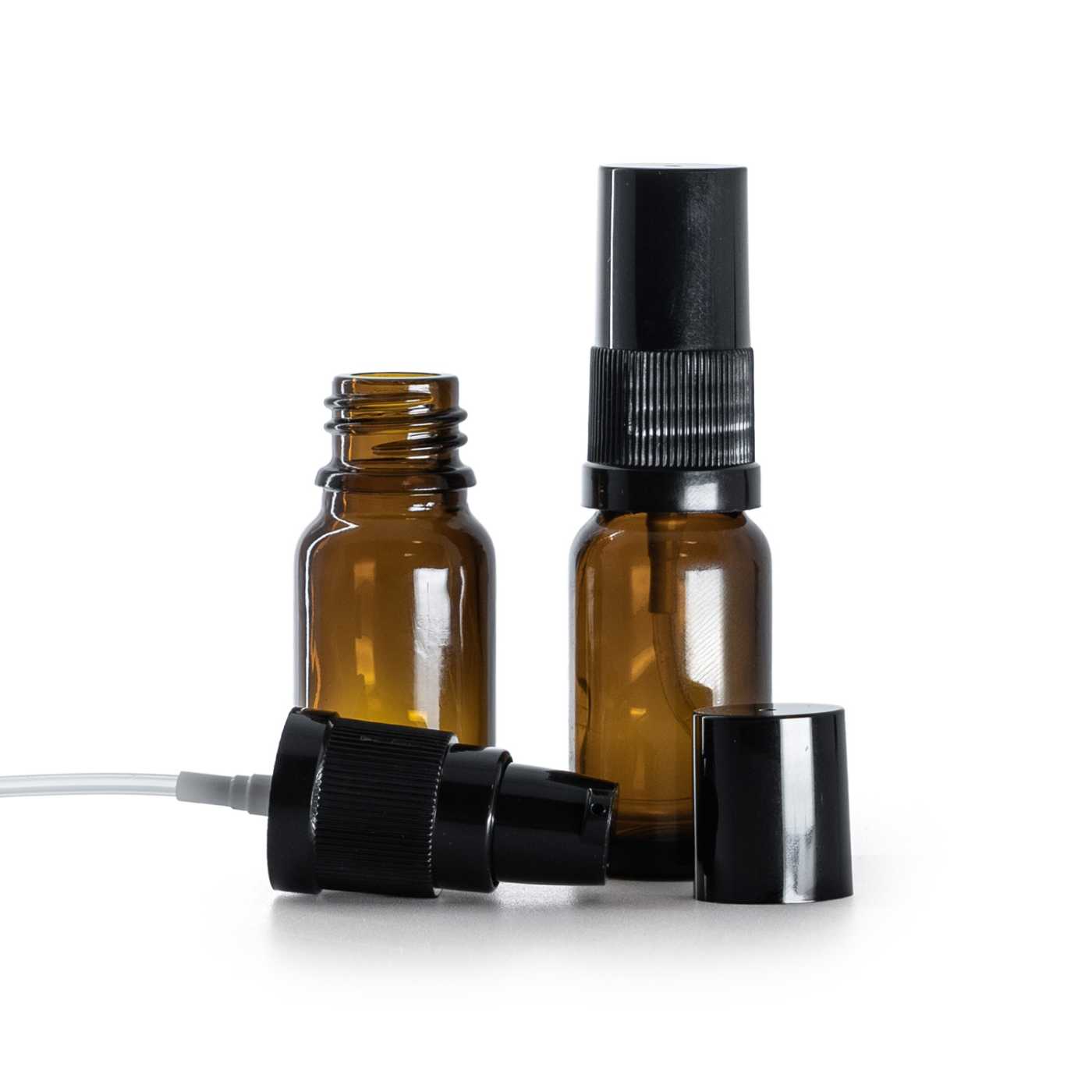
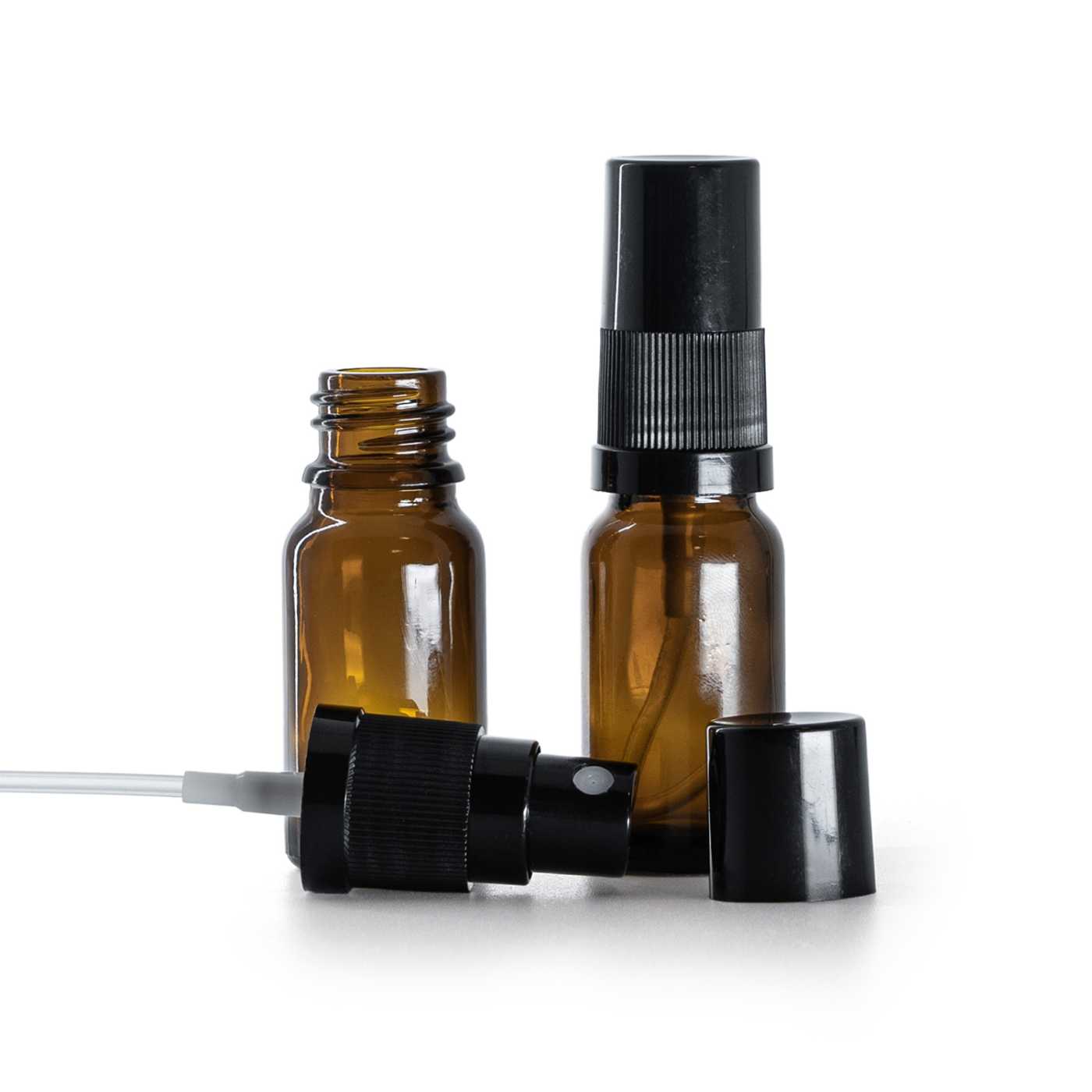
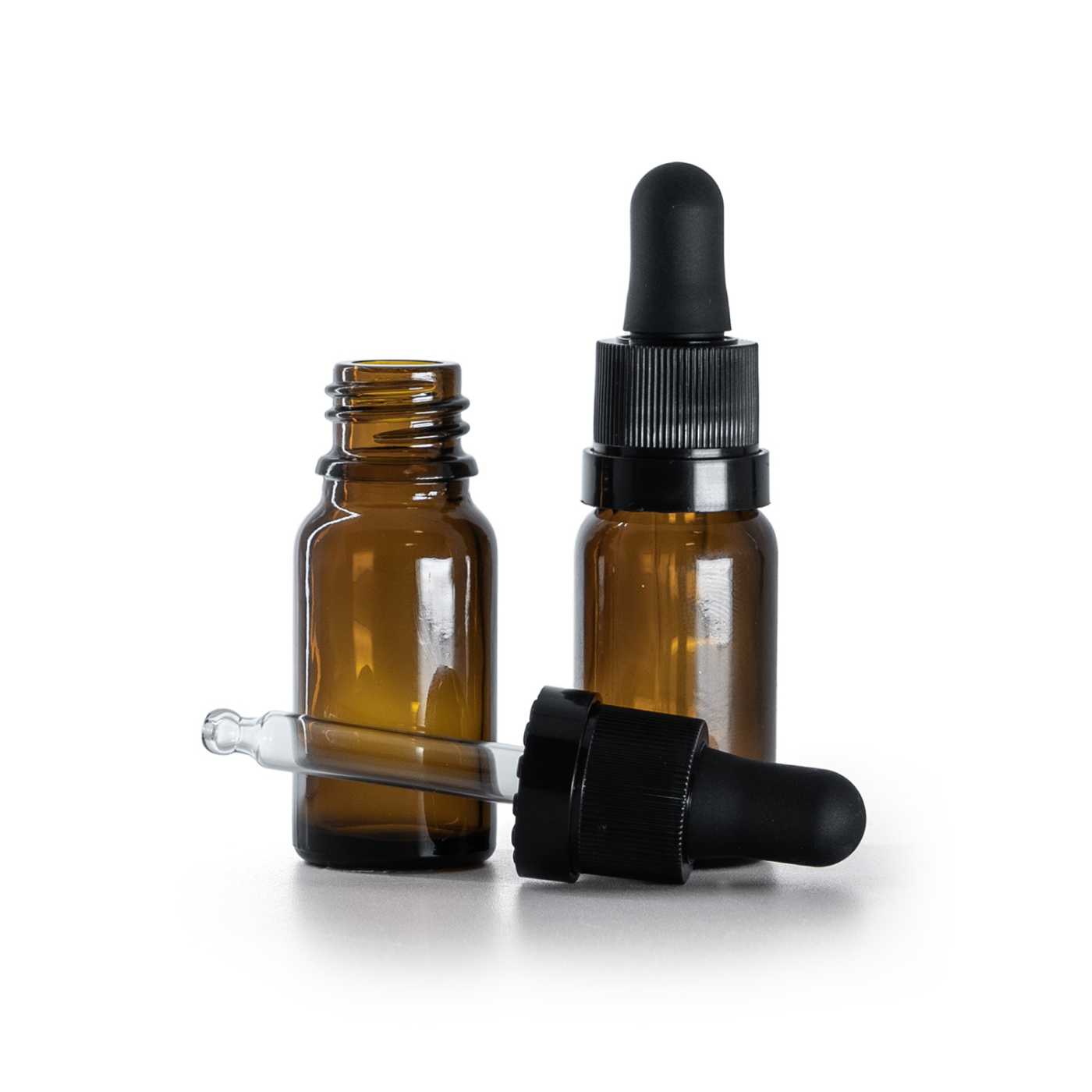
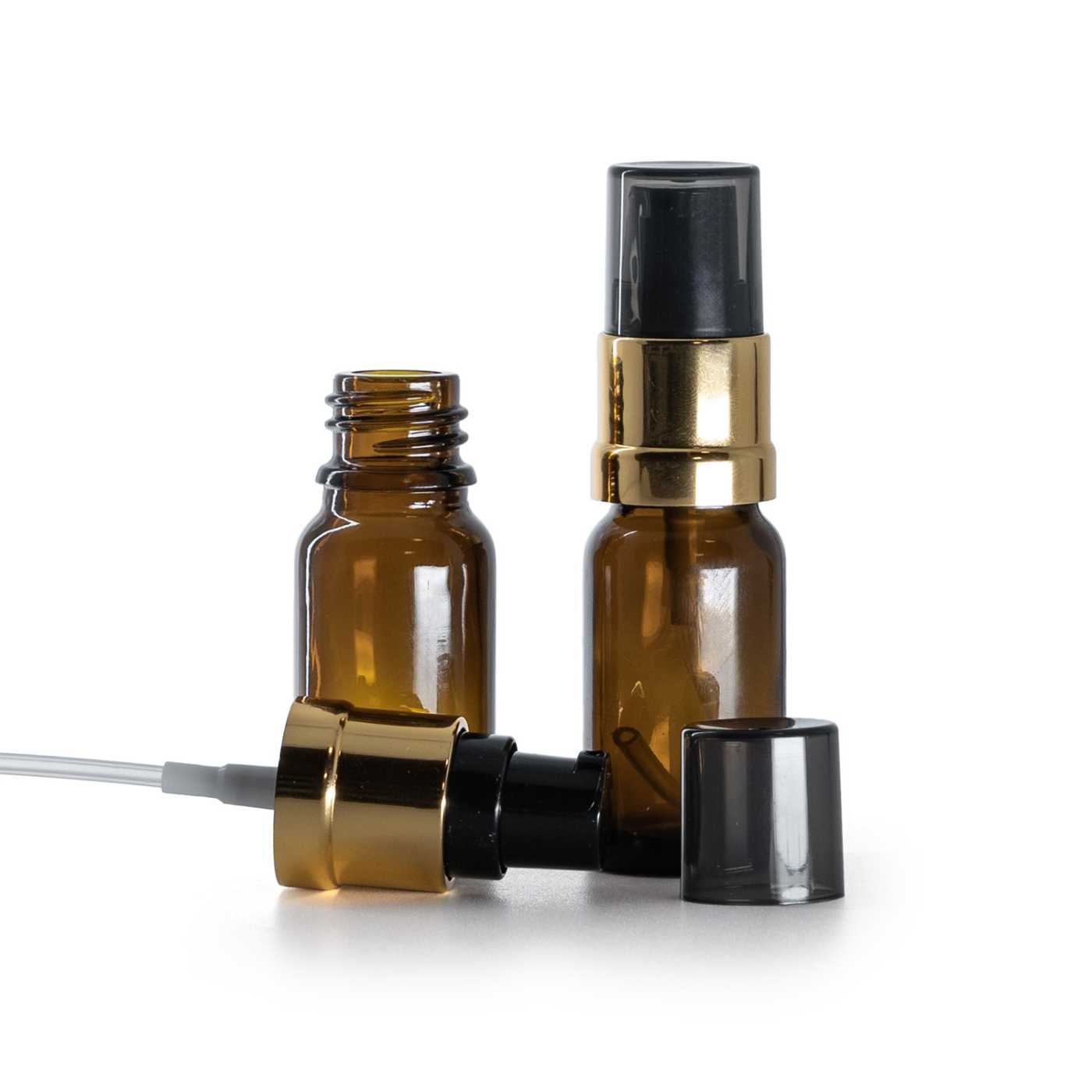
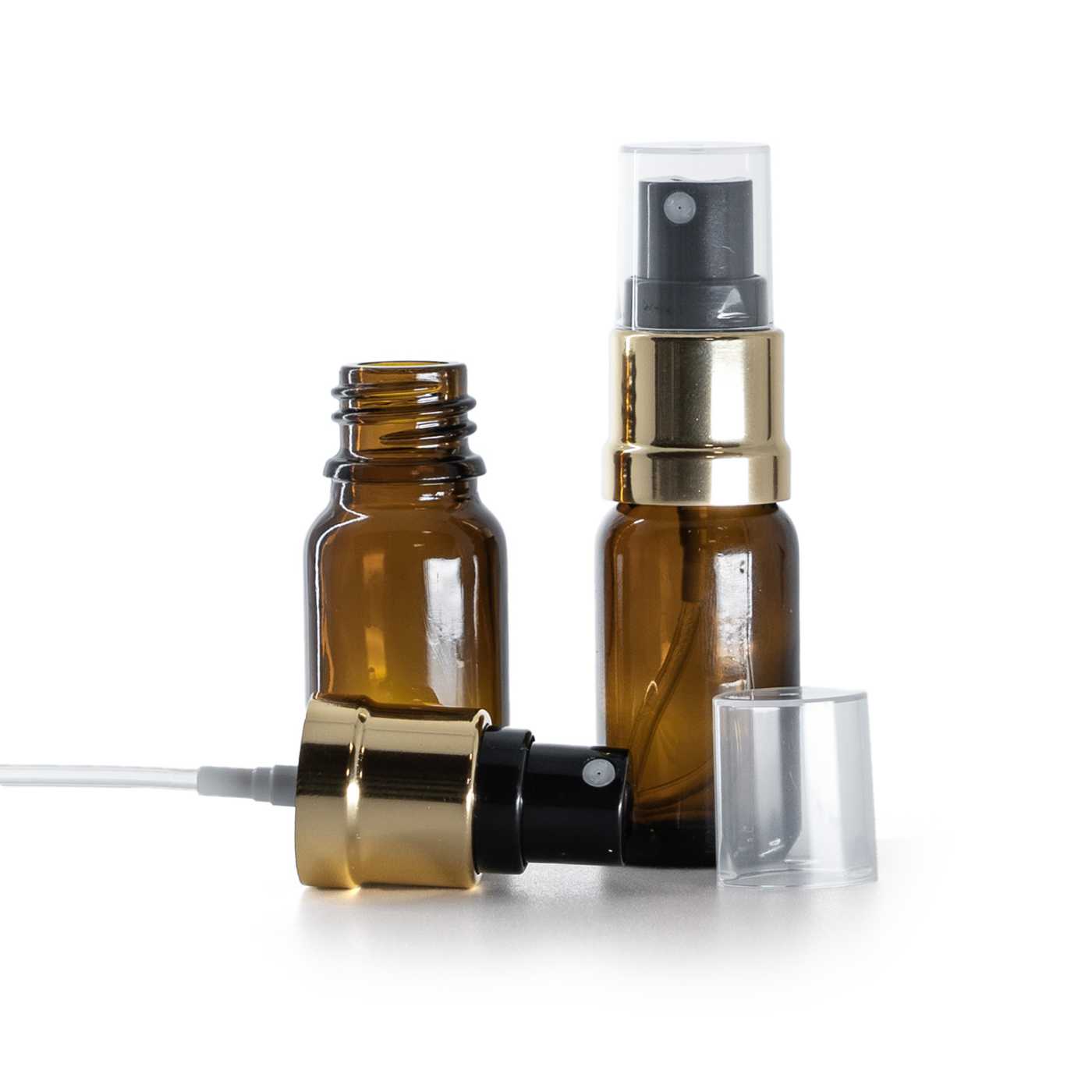
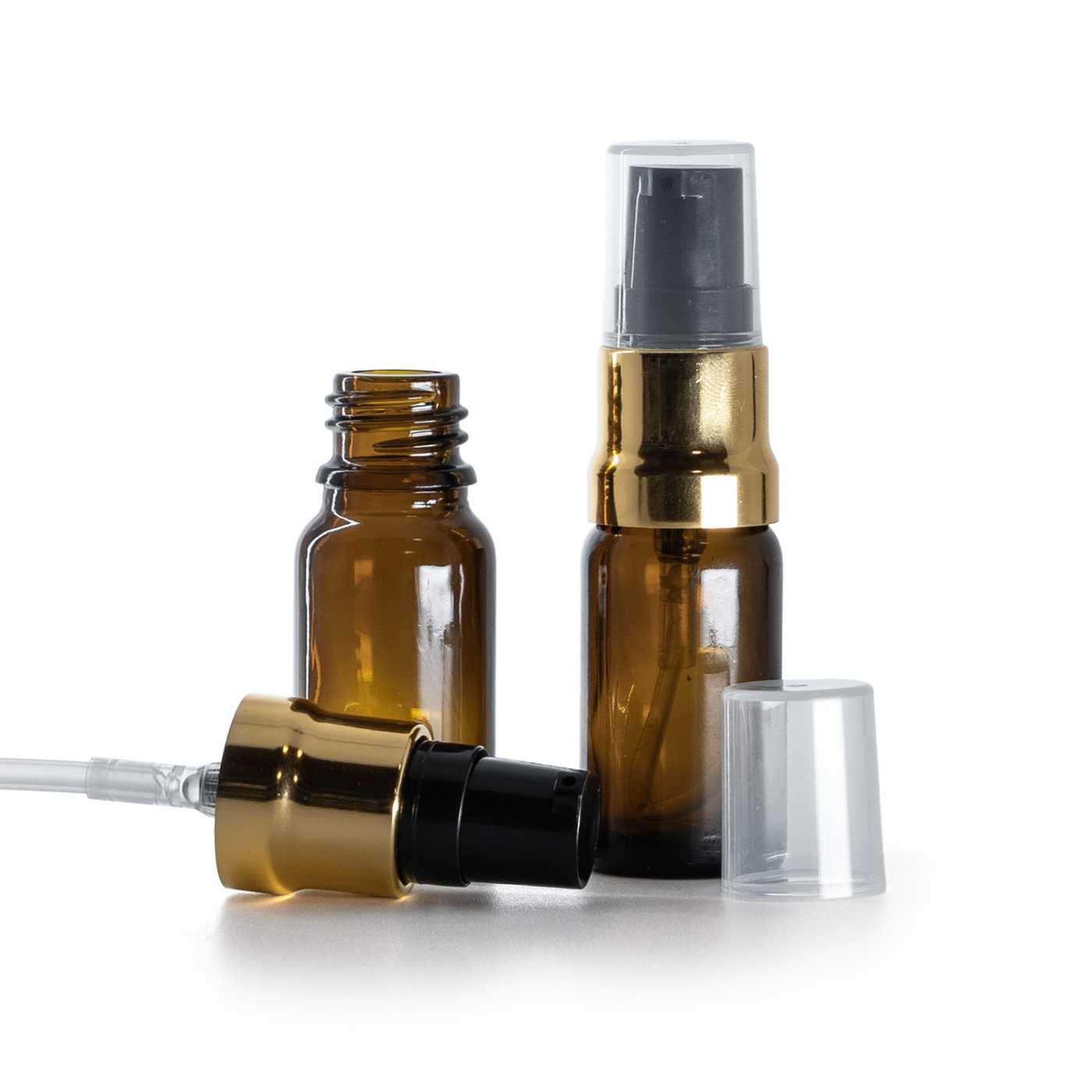
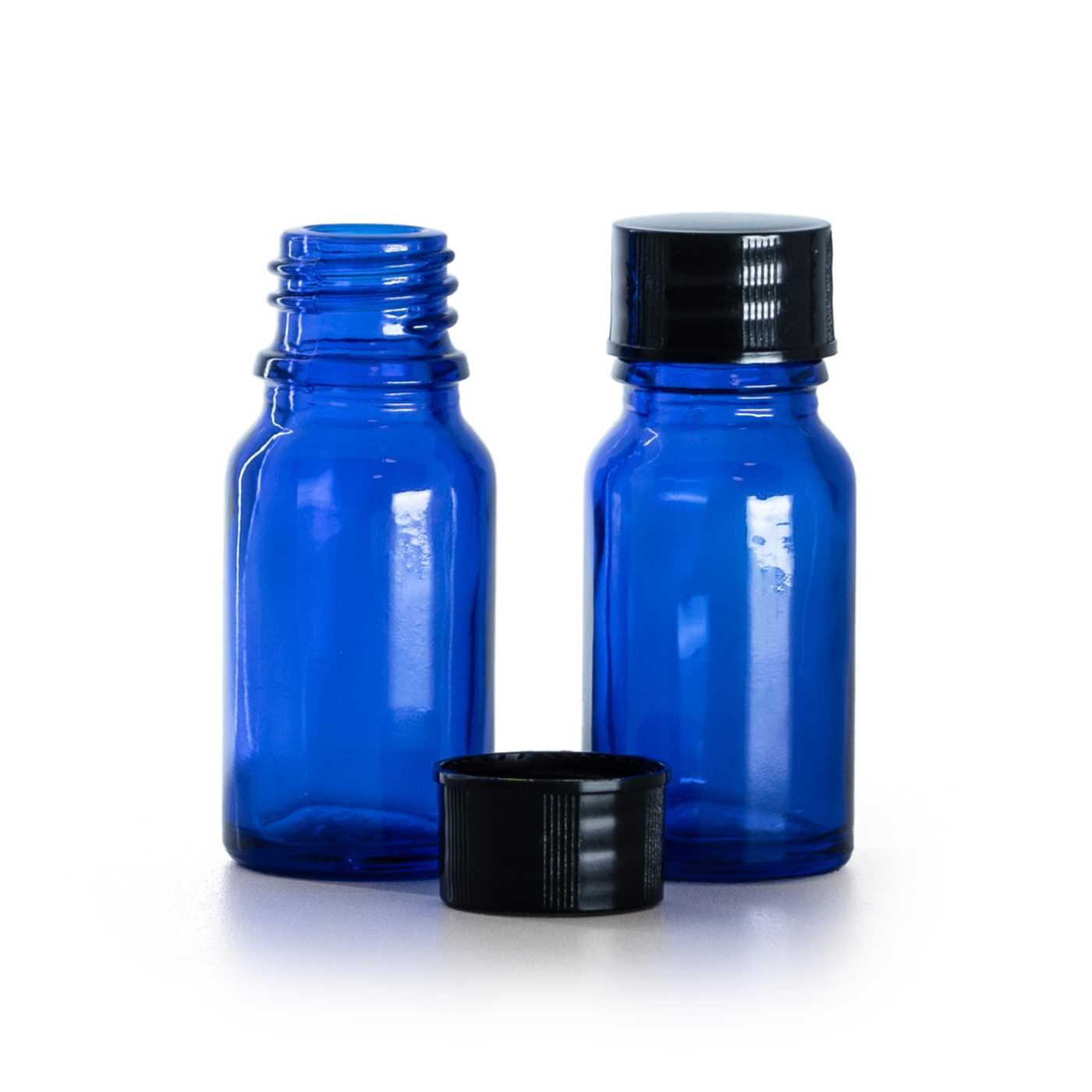
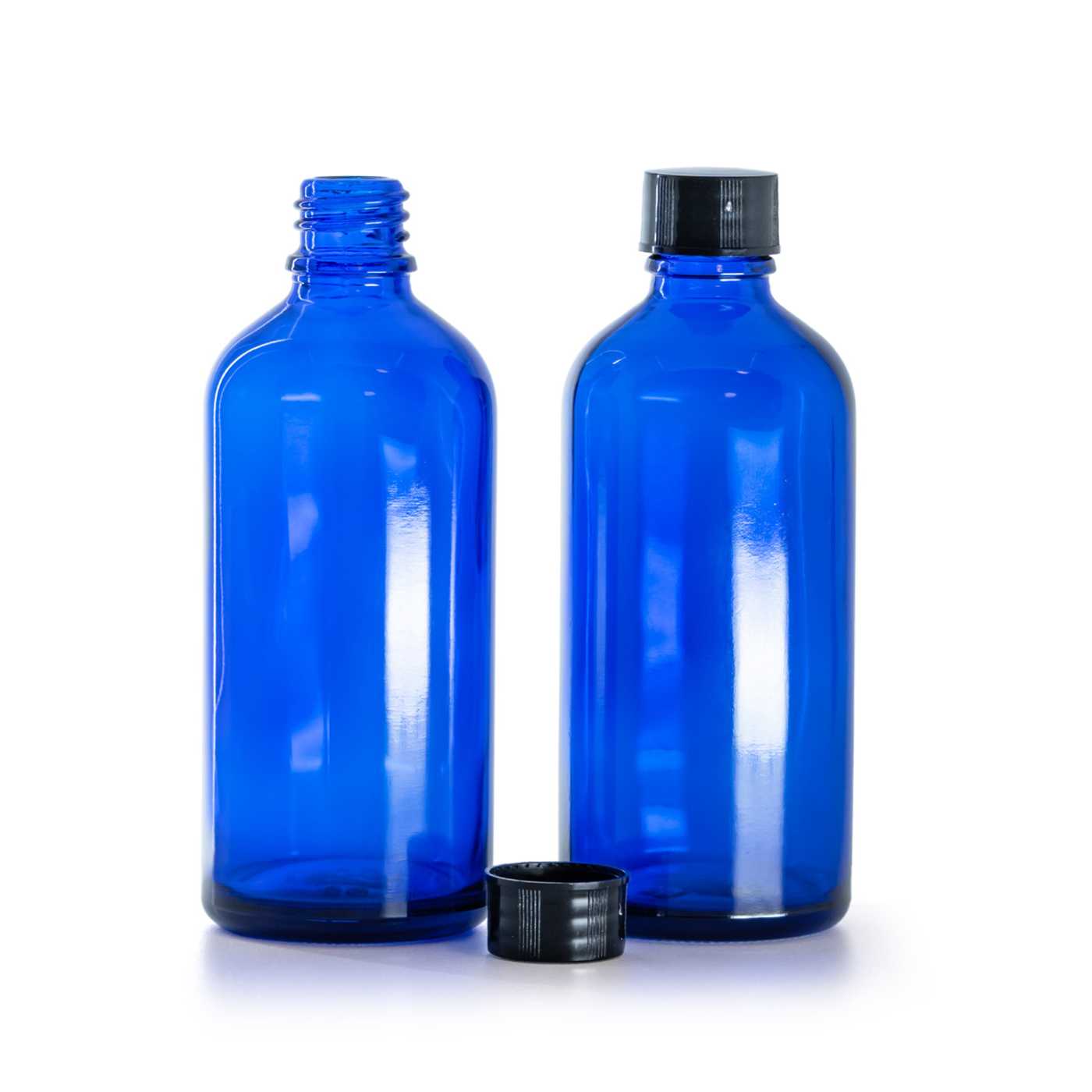
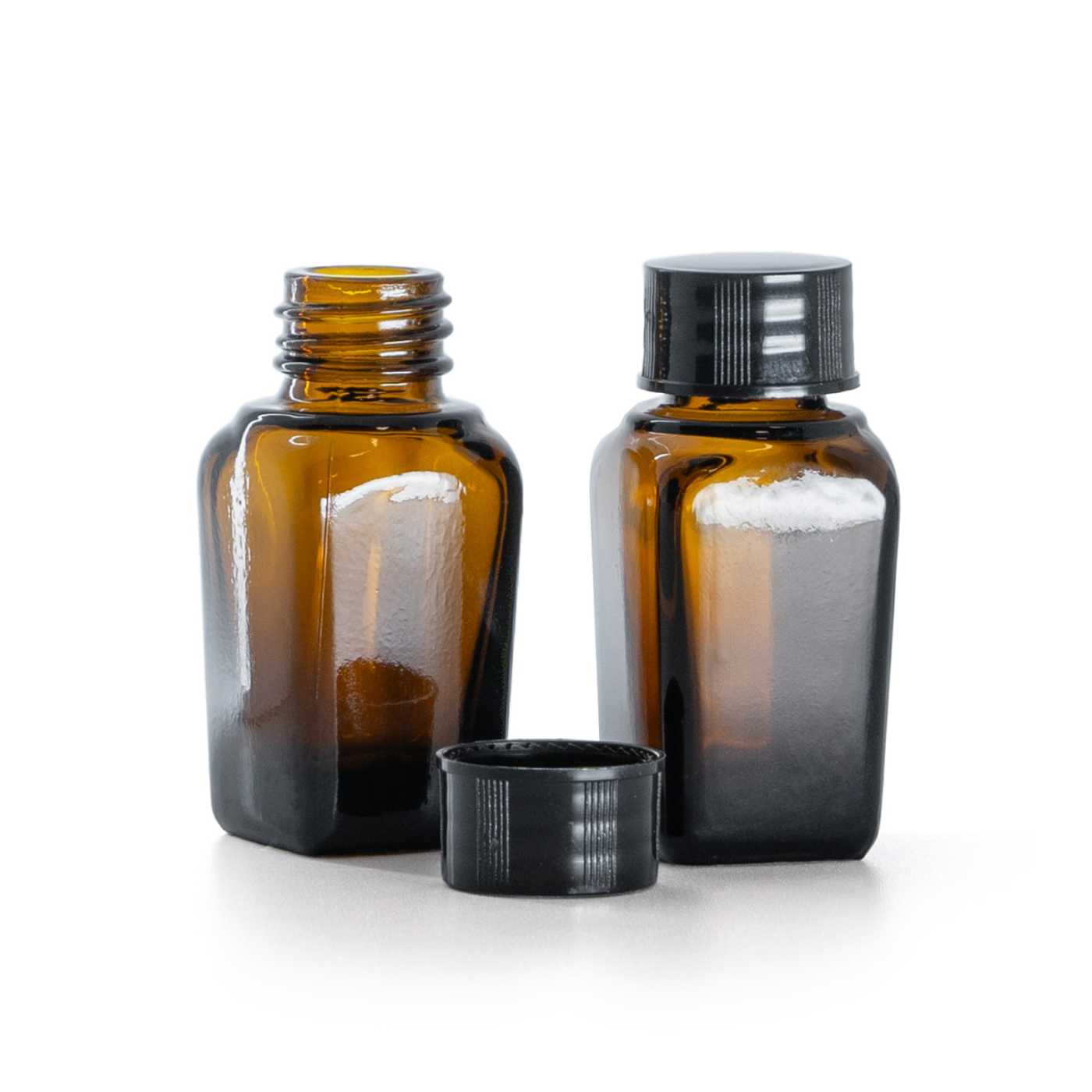
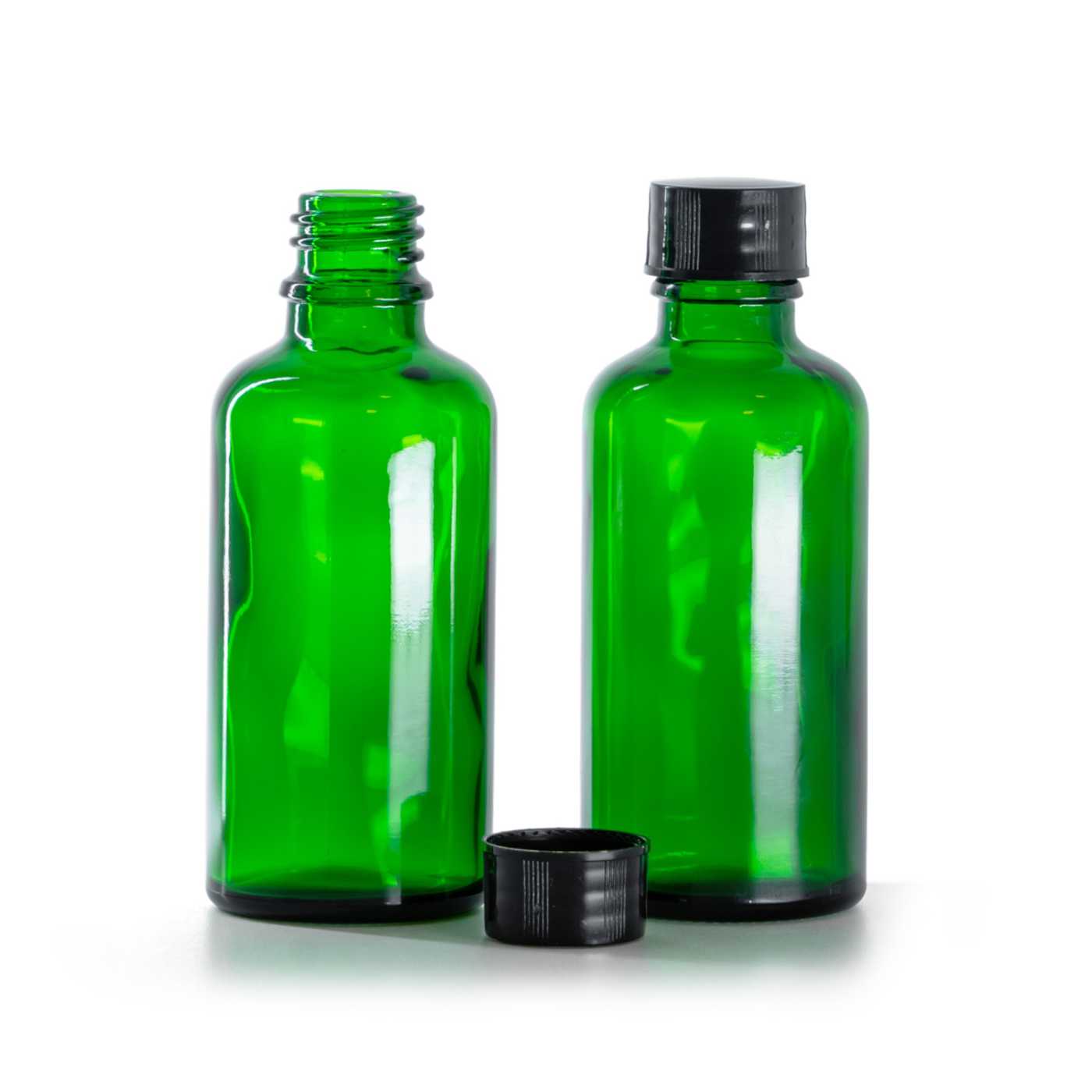
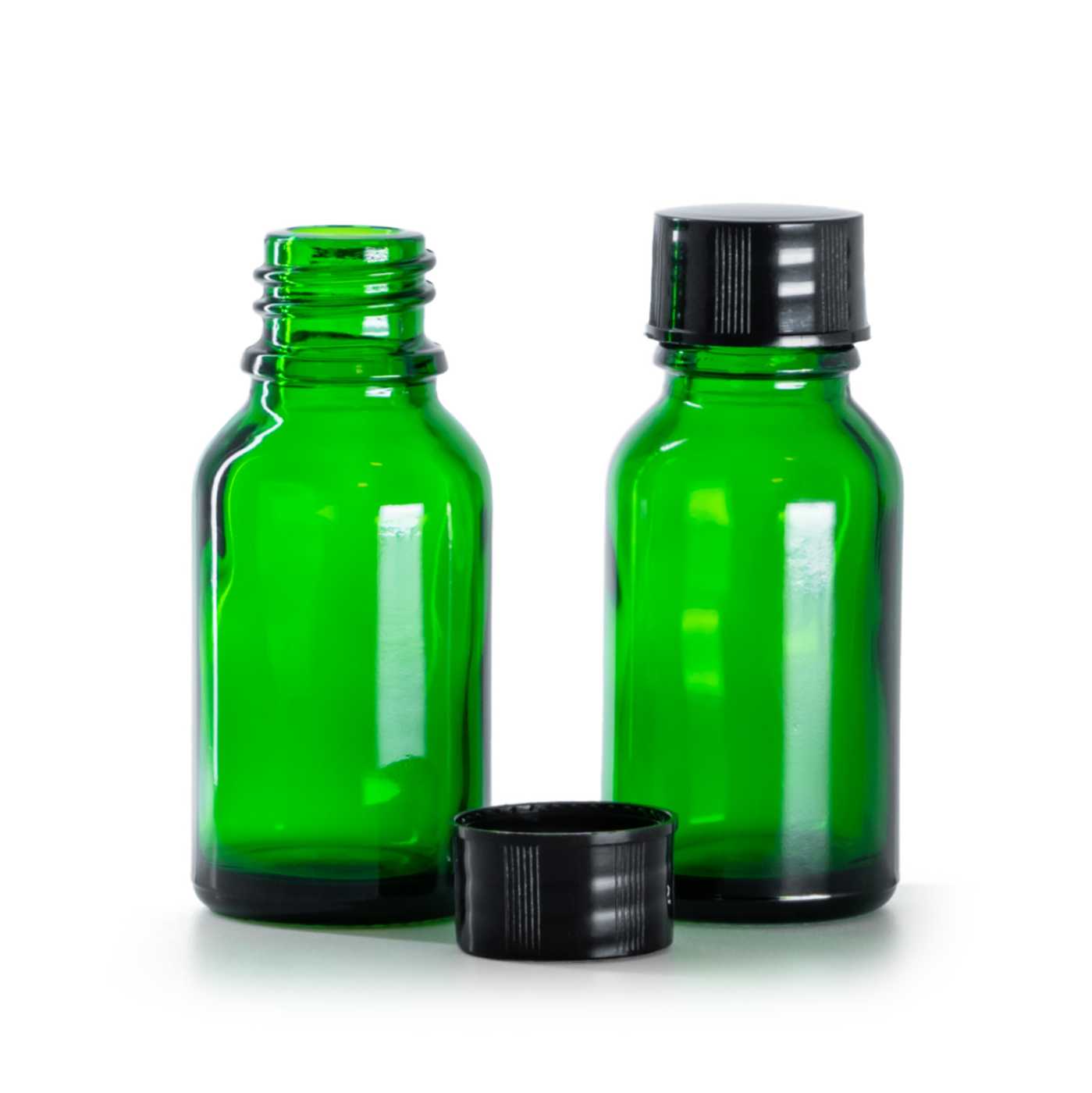
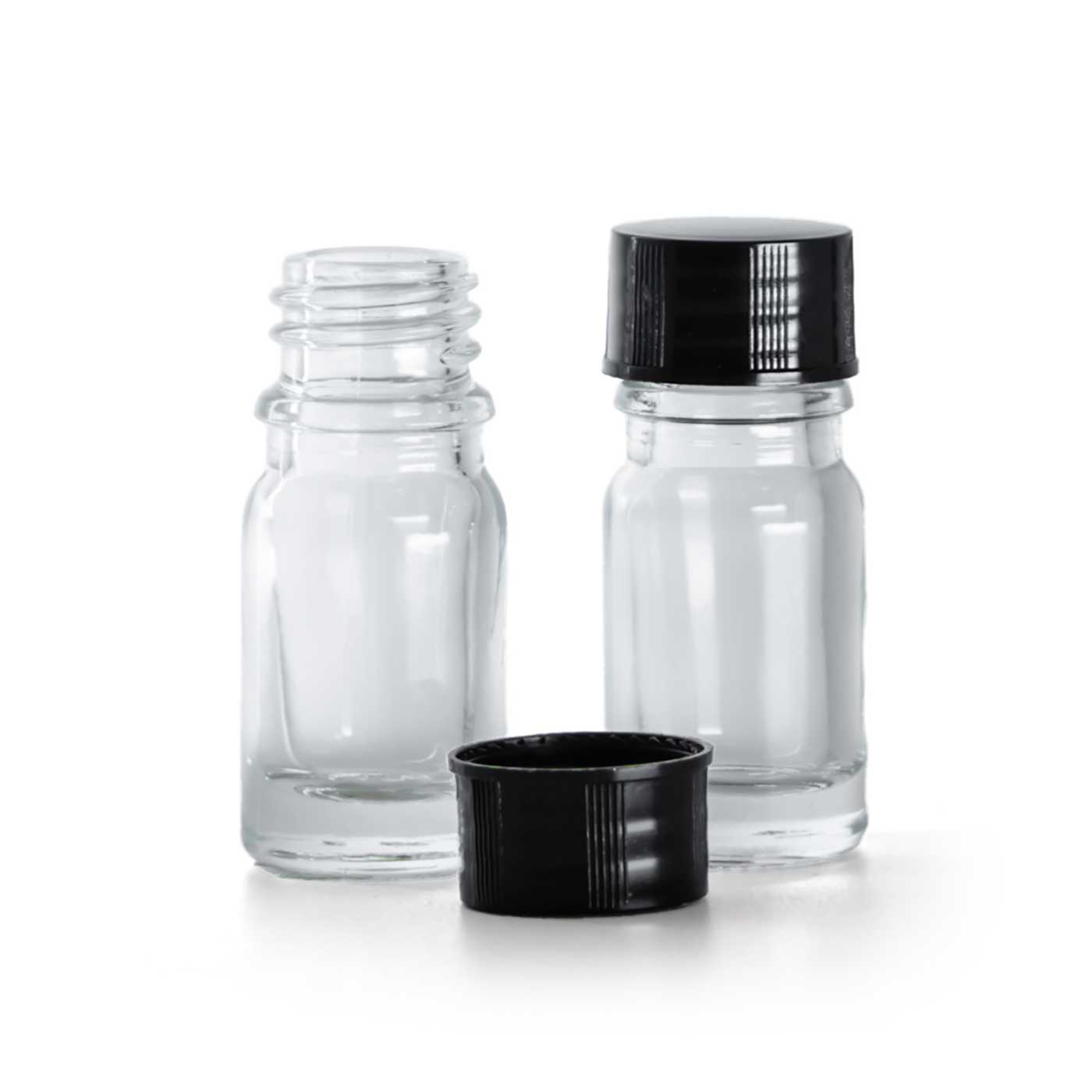
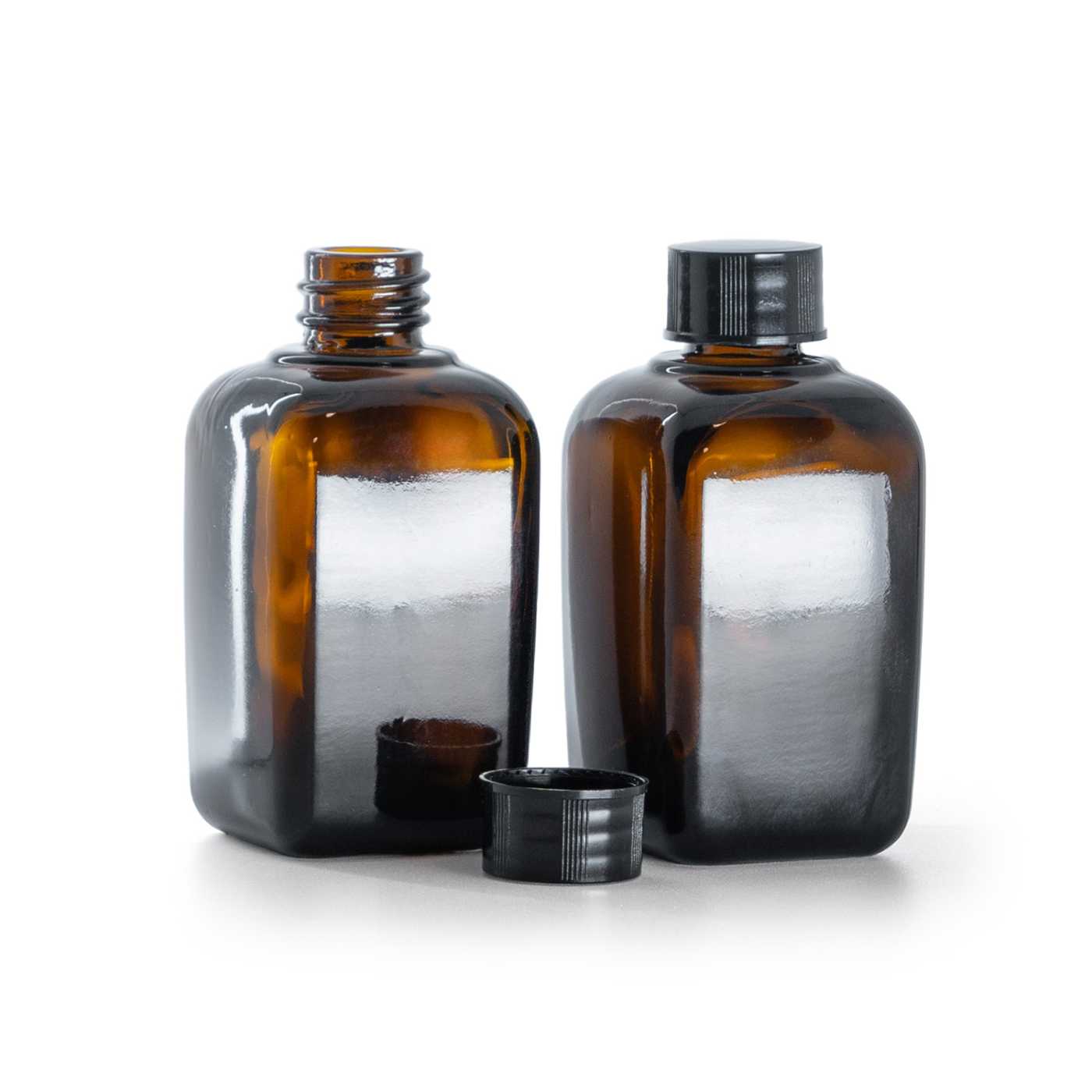
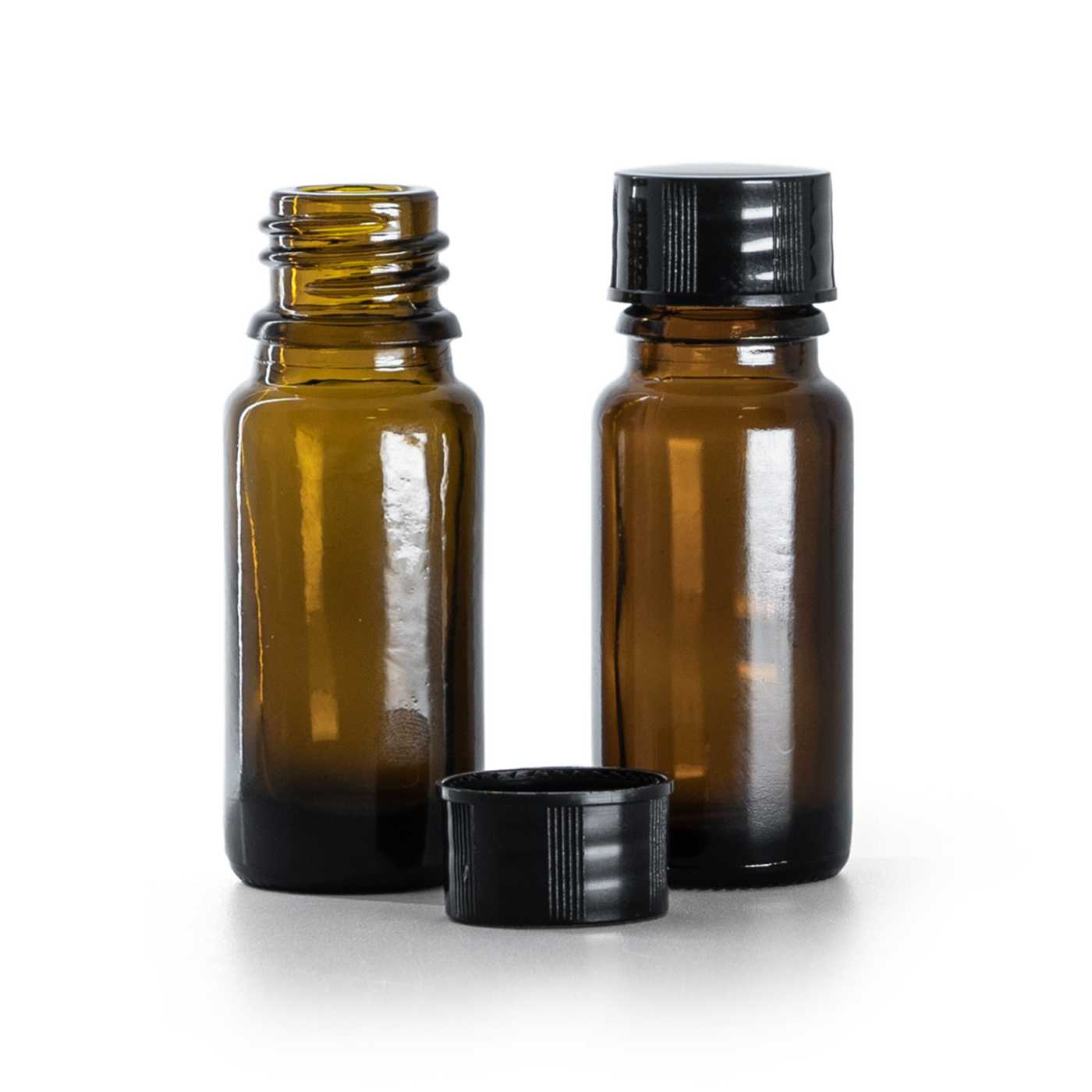
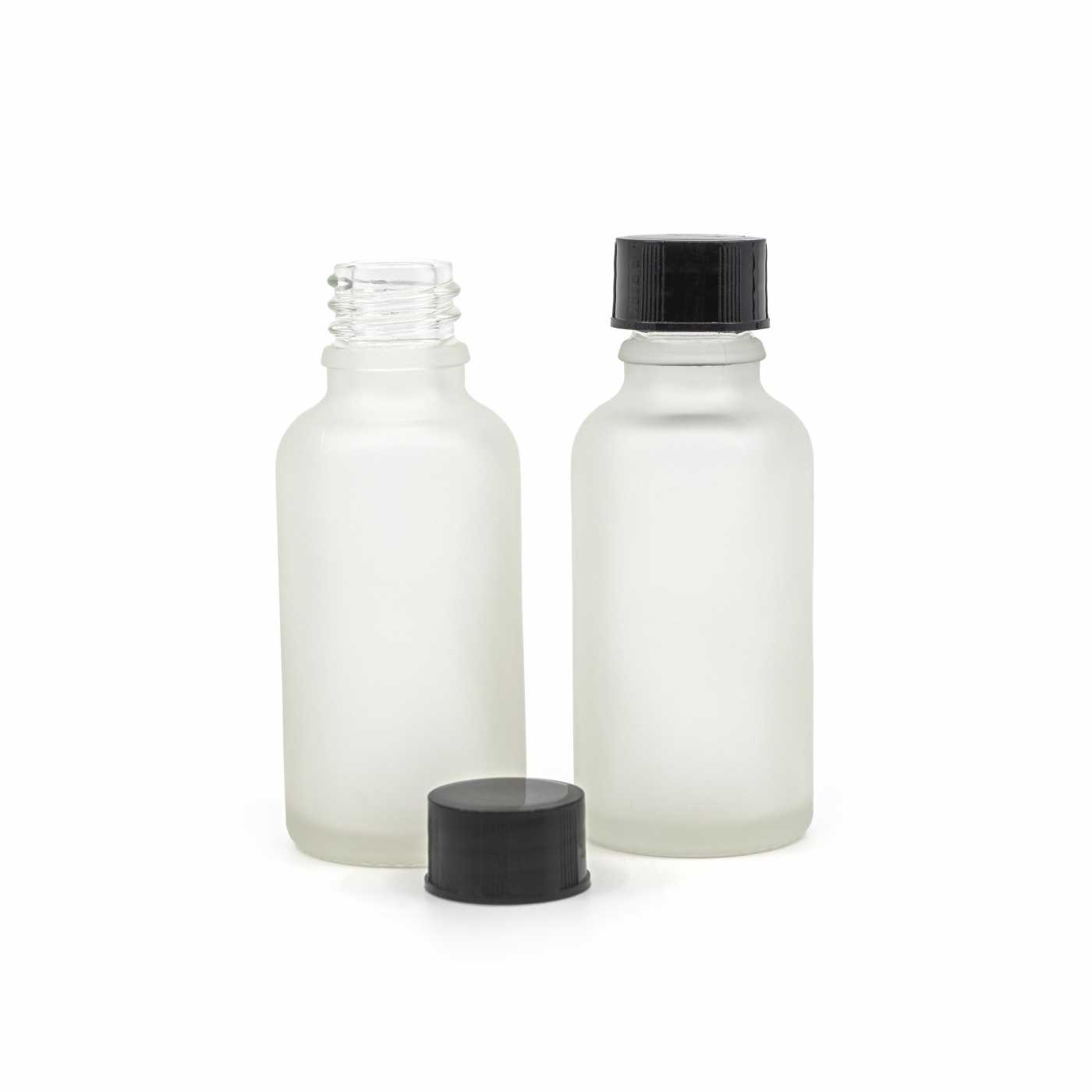
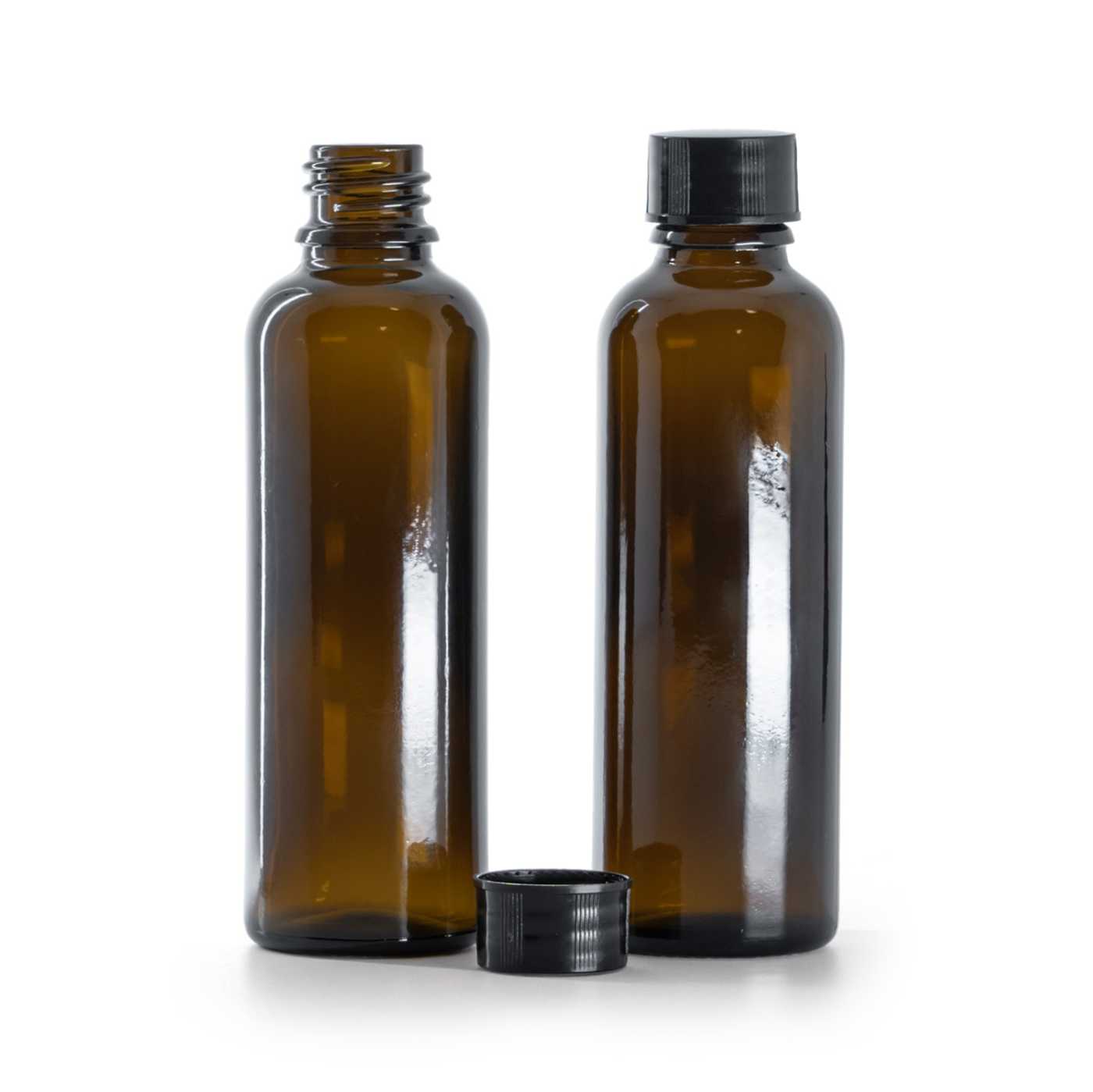
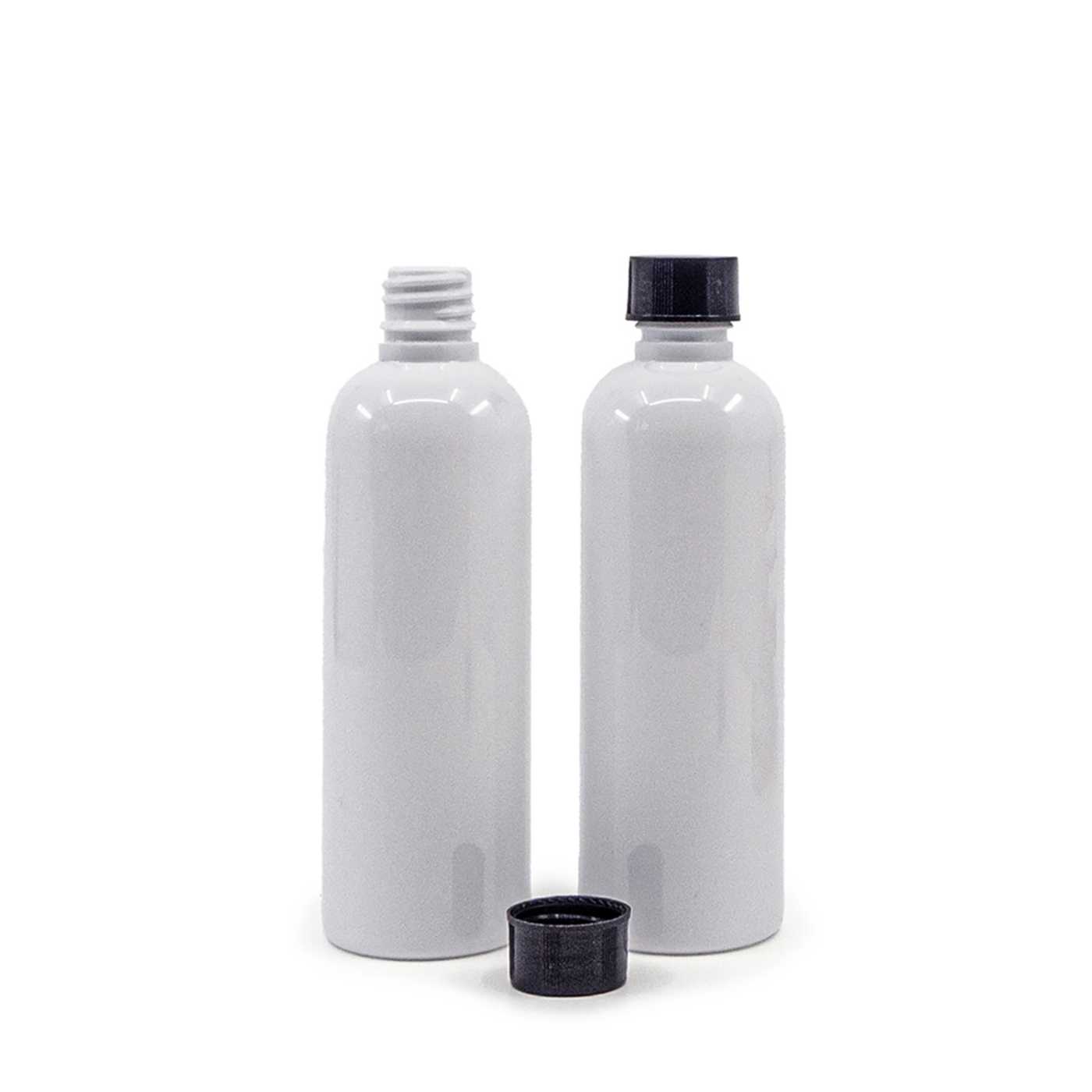
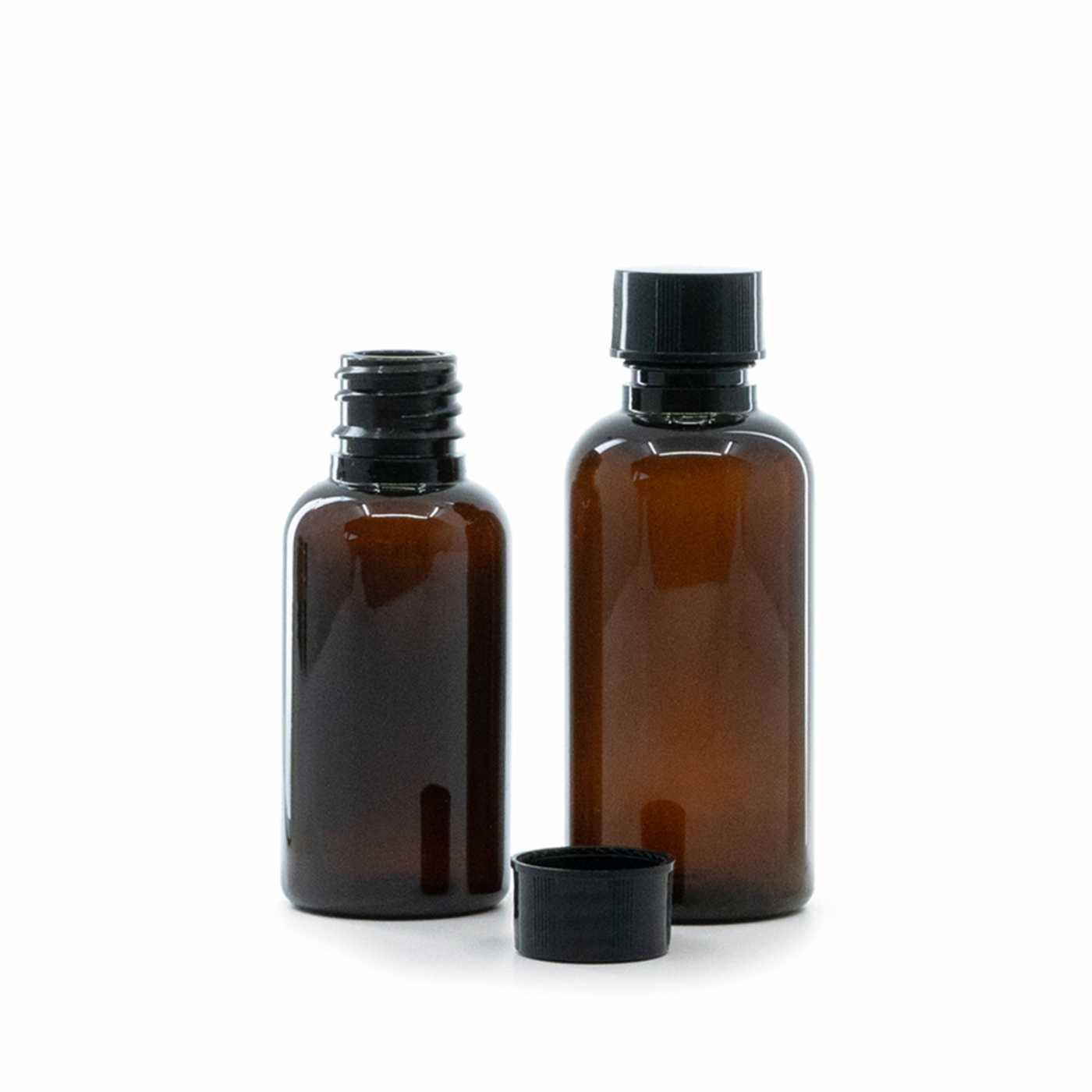
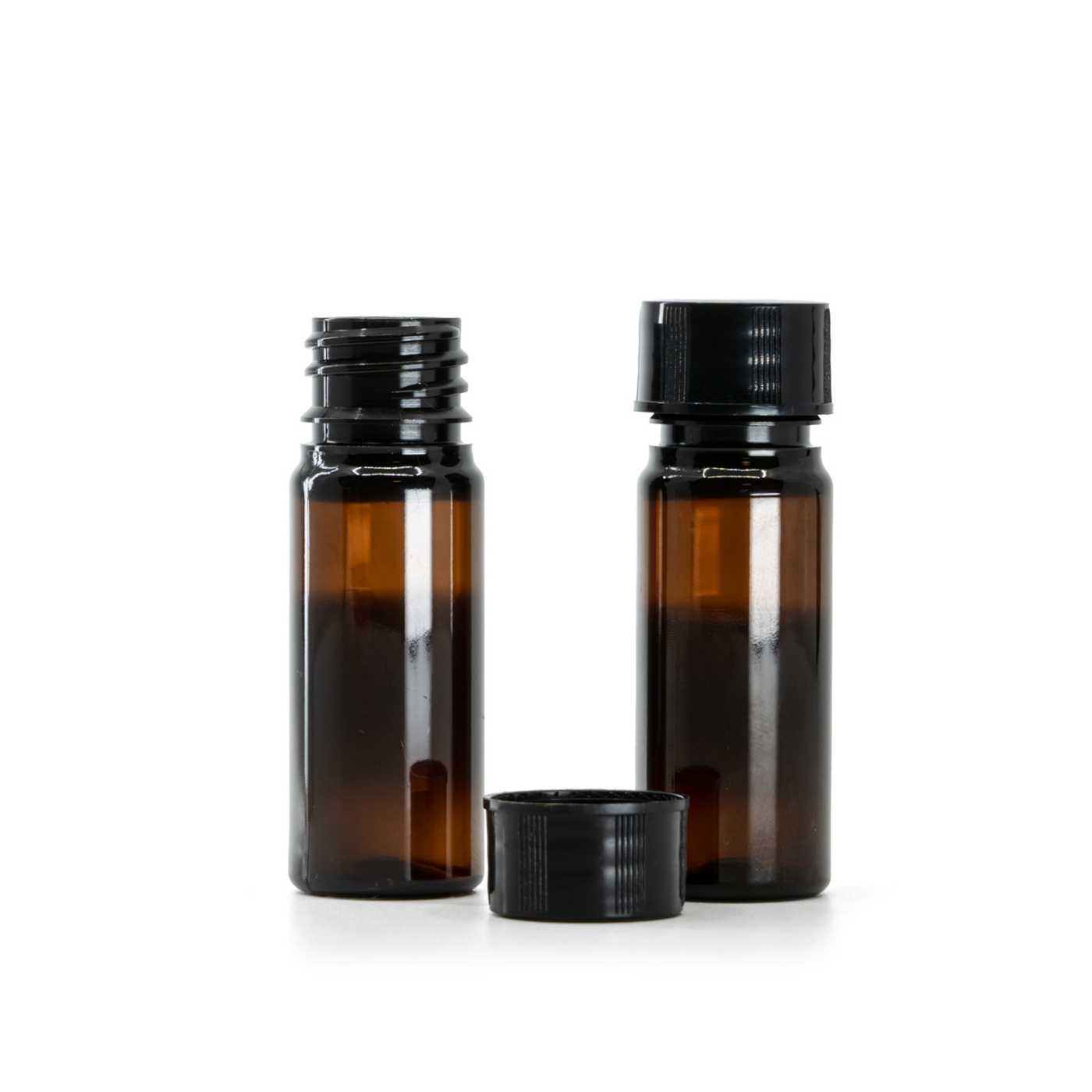
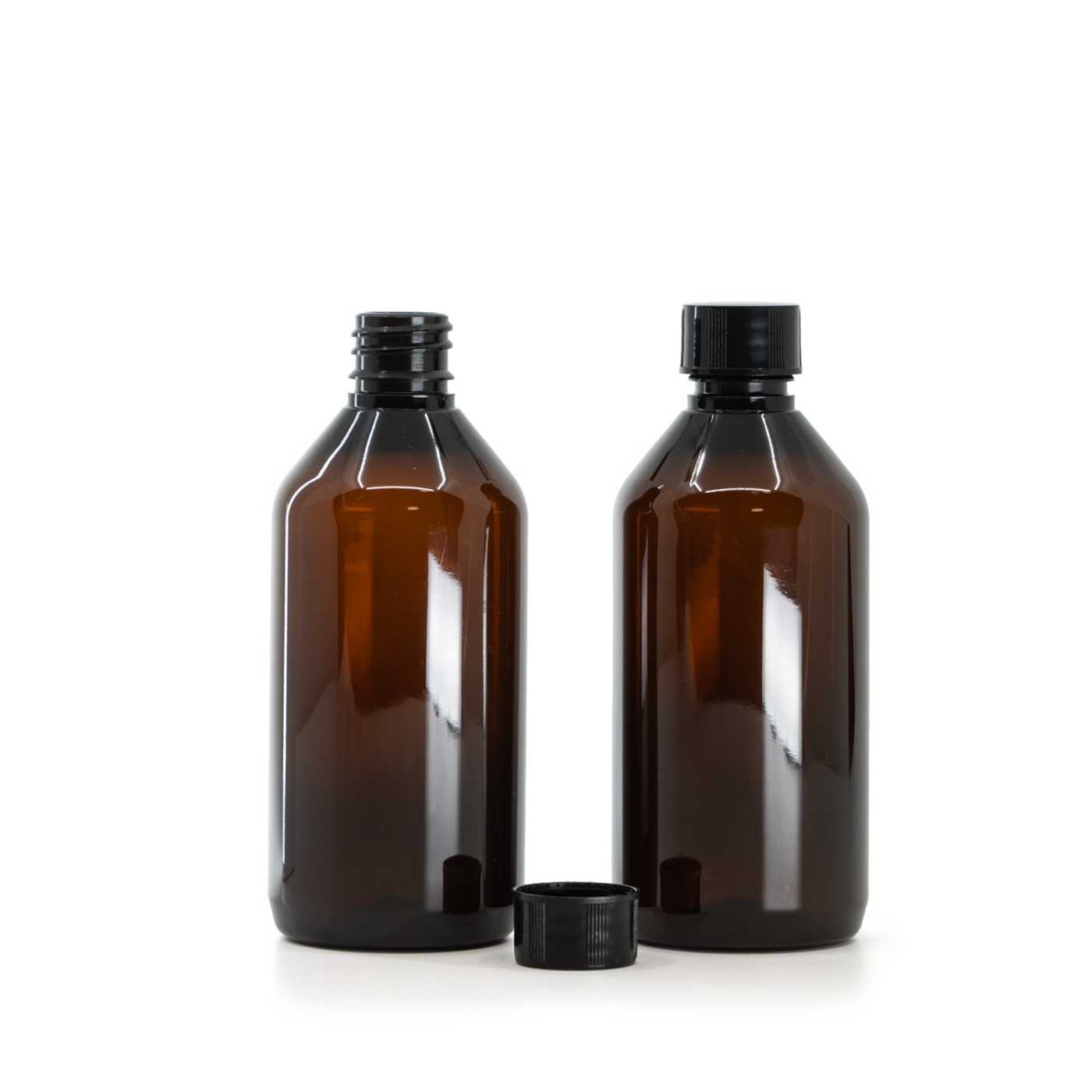
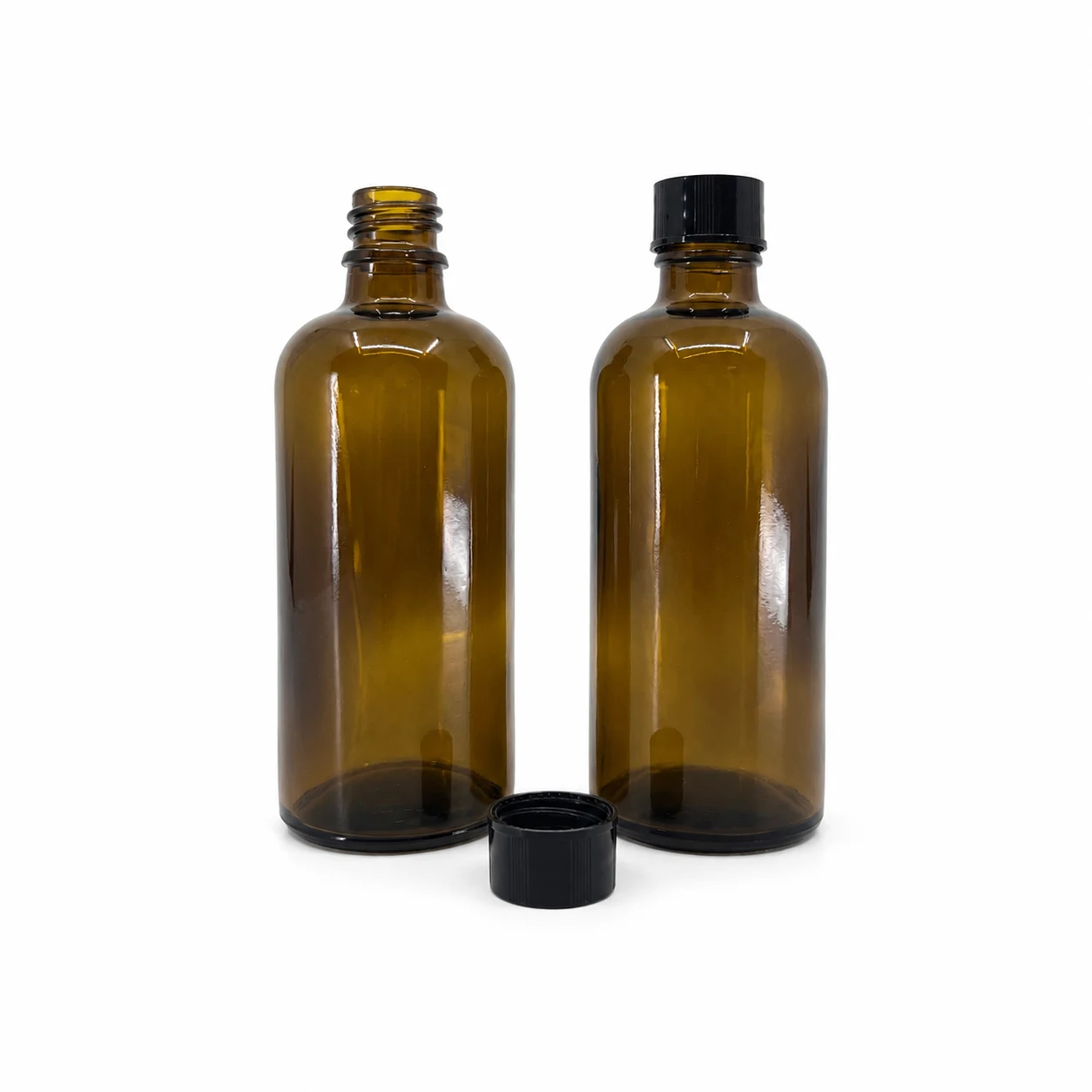
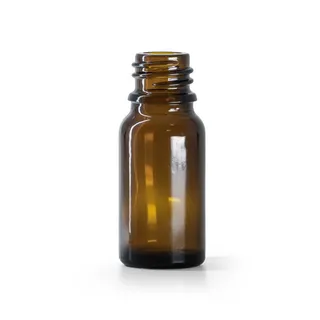
Amber Glass Bottle, Black Cap, 10 ml

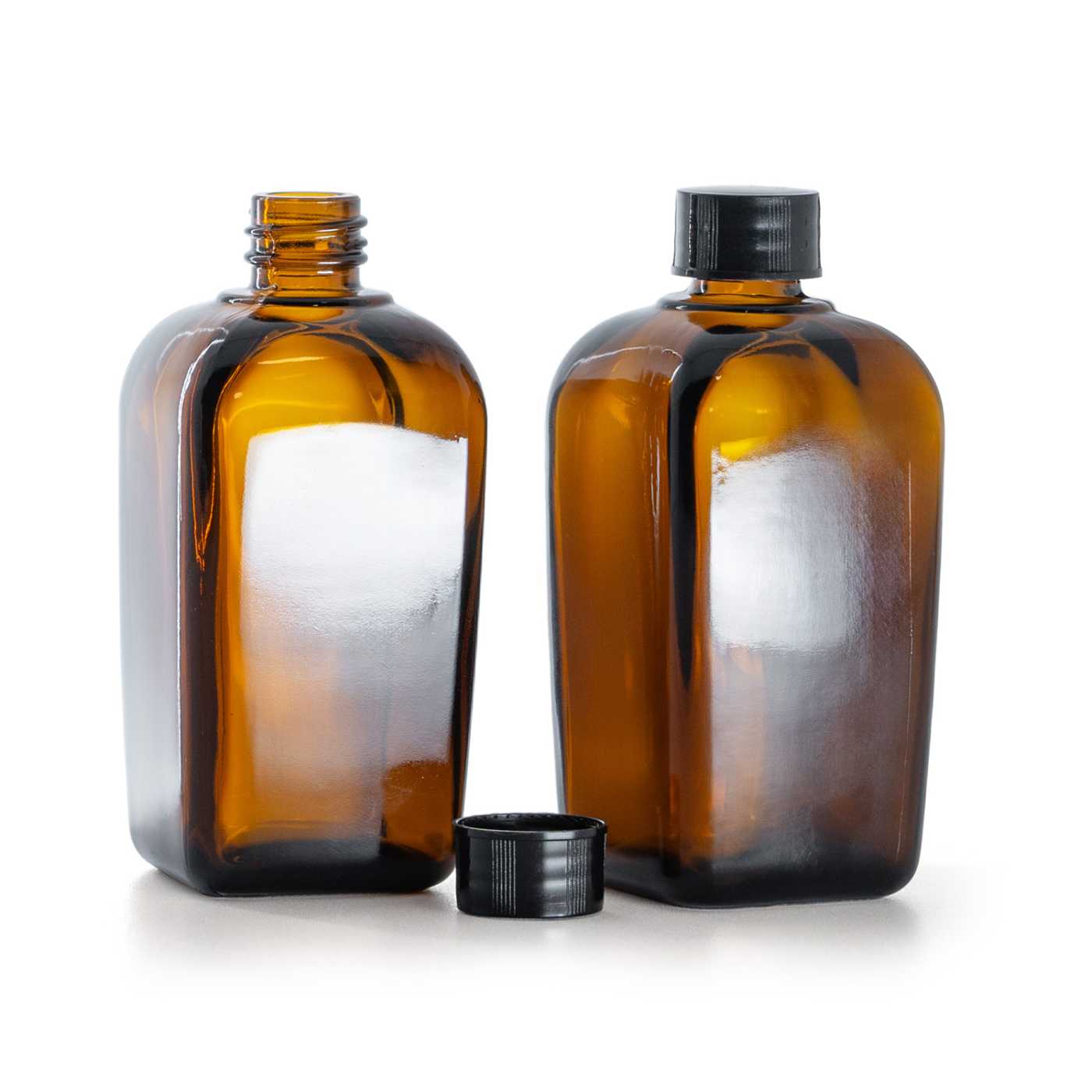
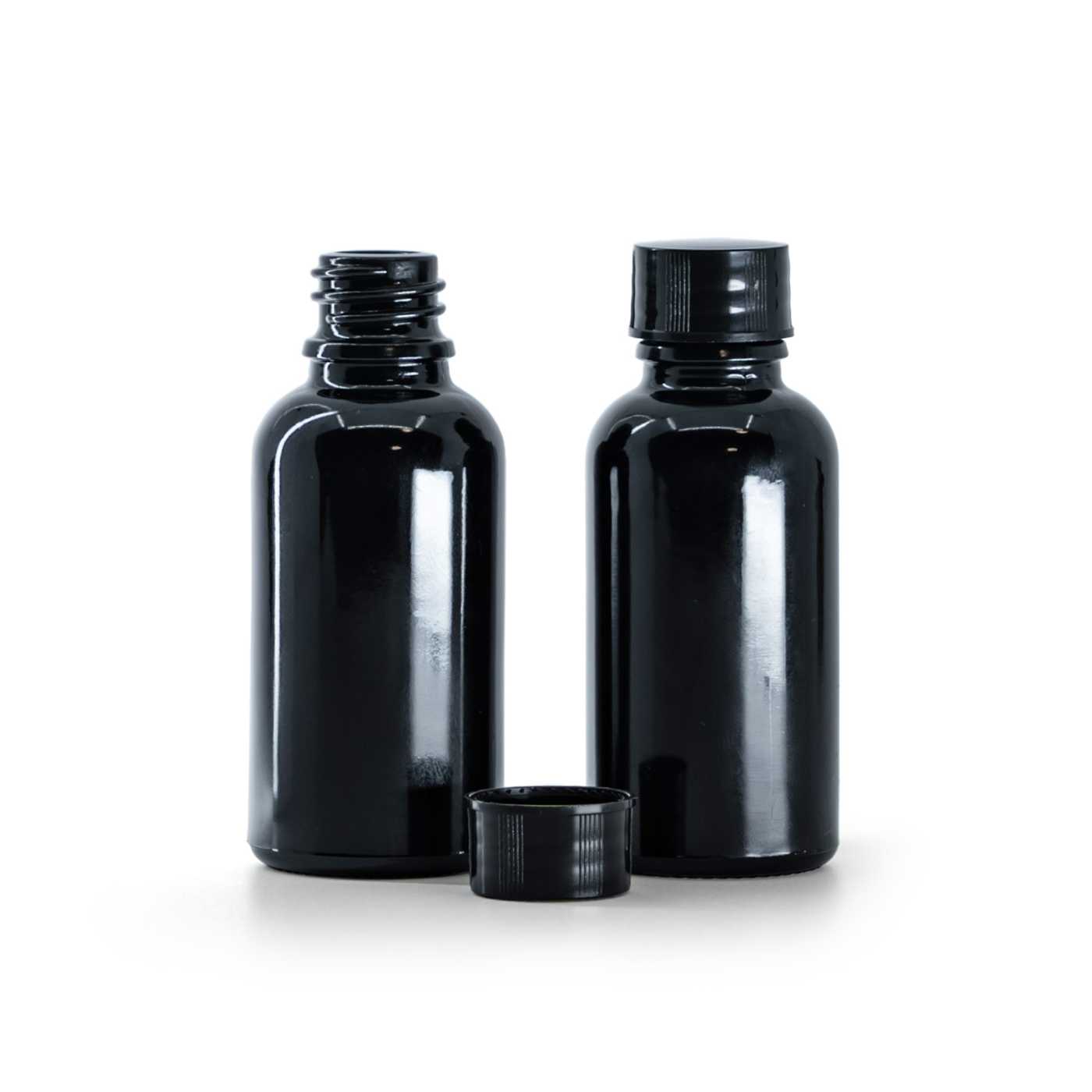
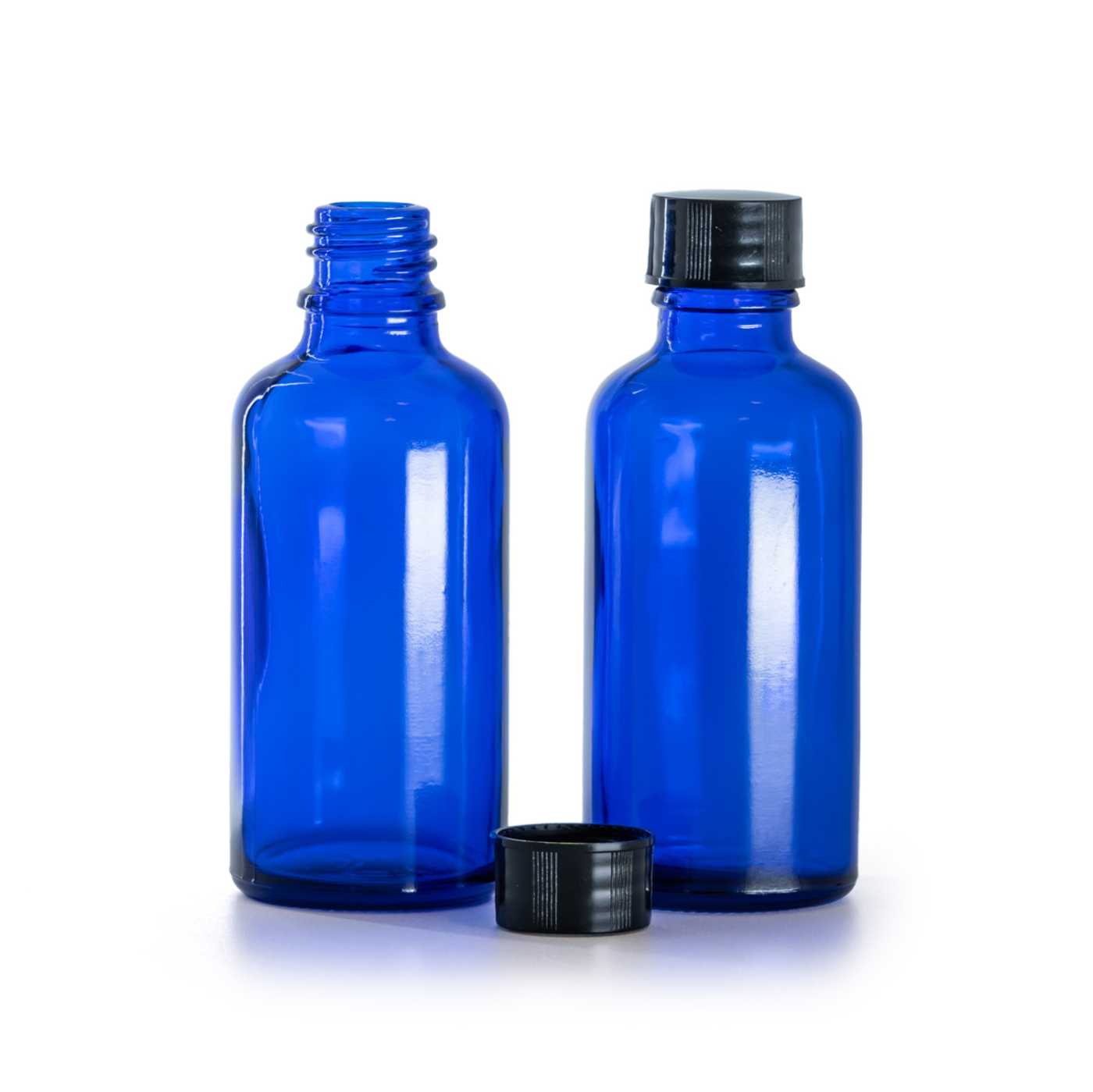
Pack size10 ml15 ml30 ml50 ml100 ml

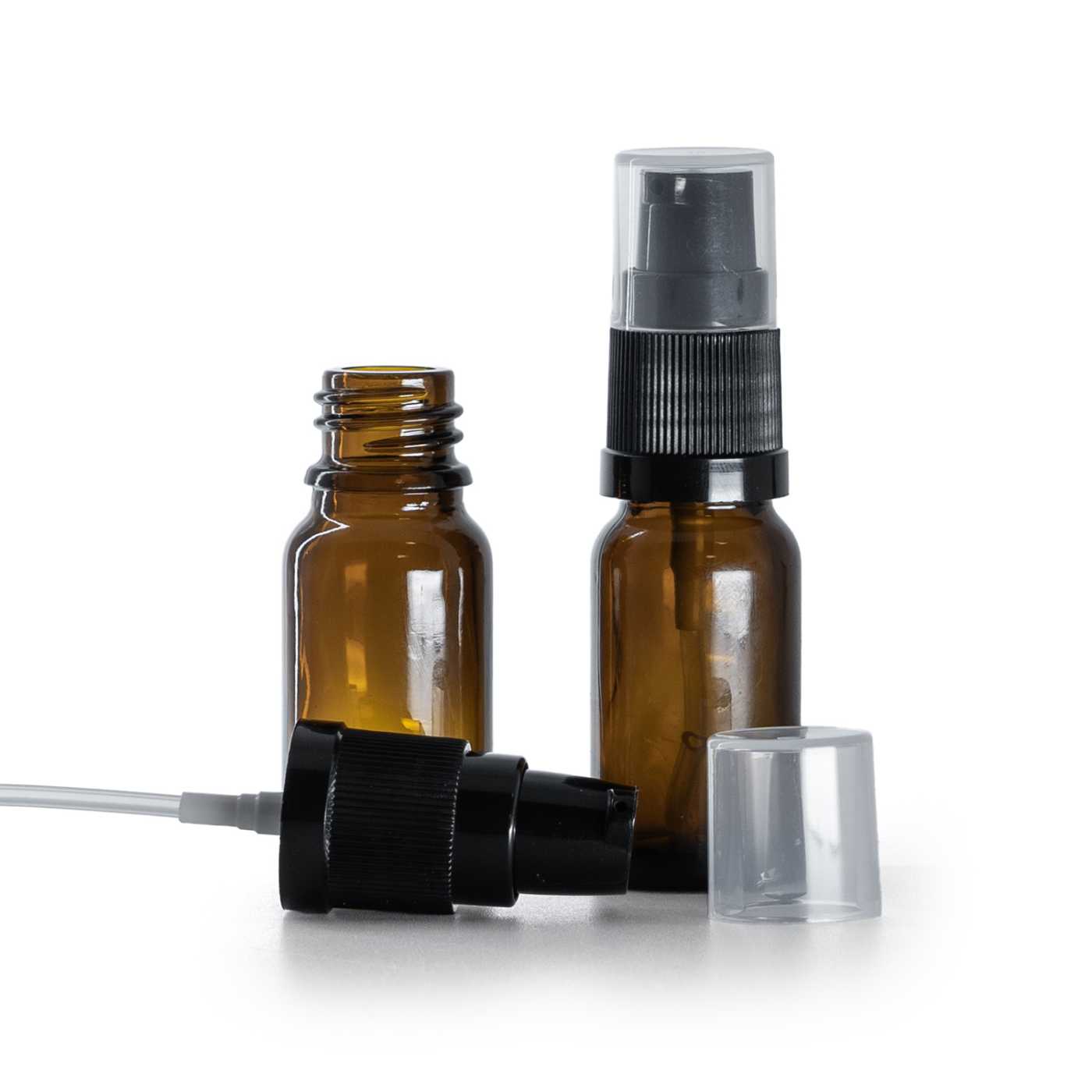
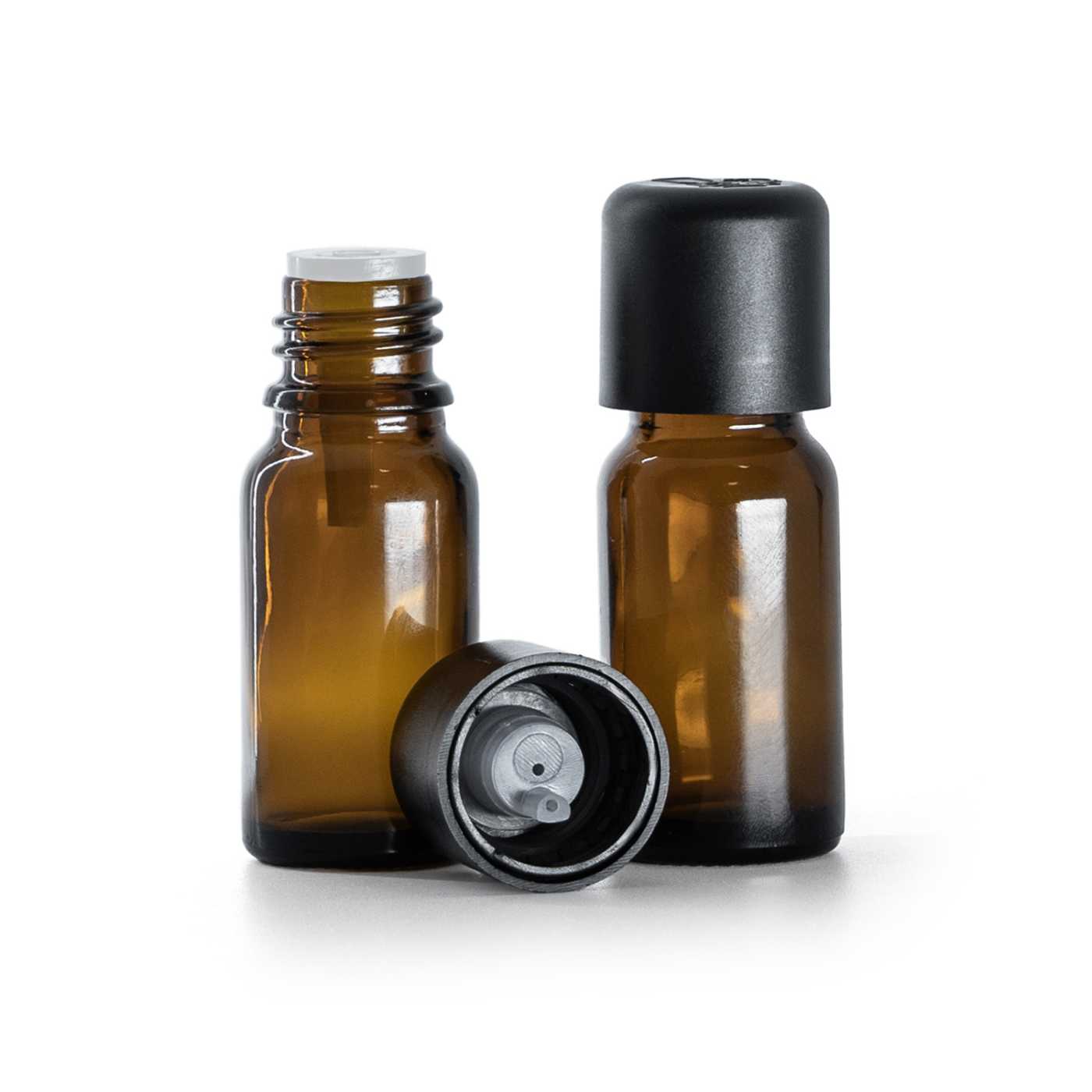
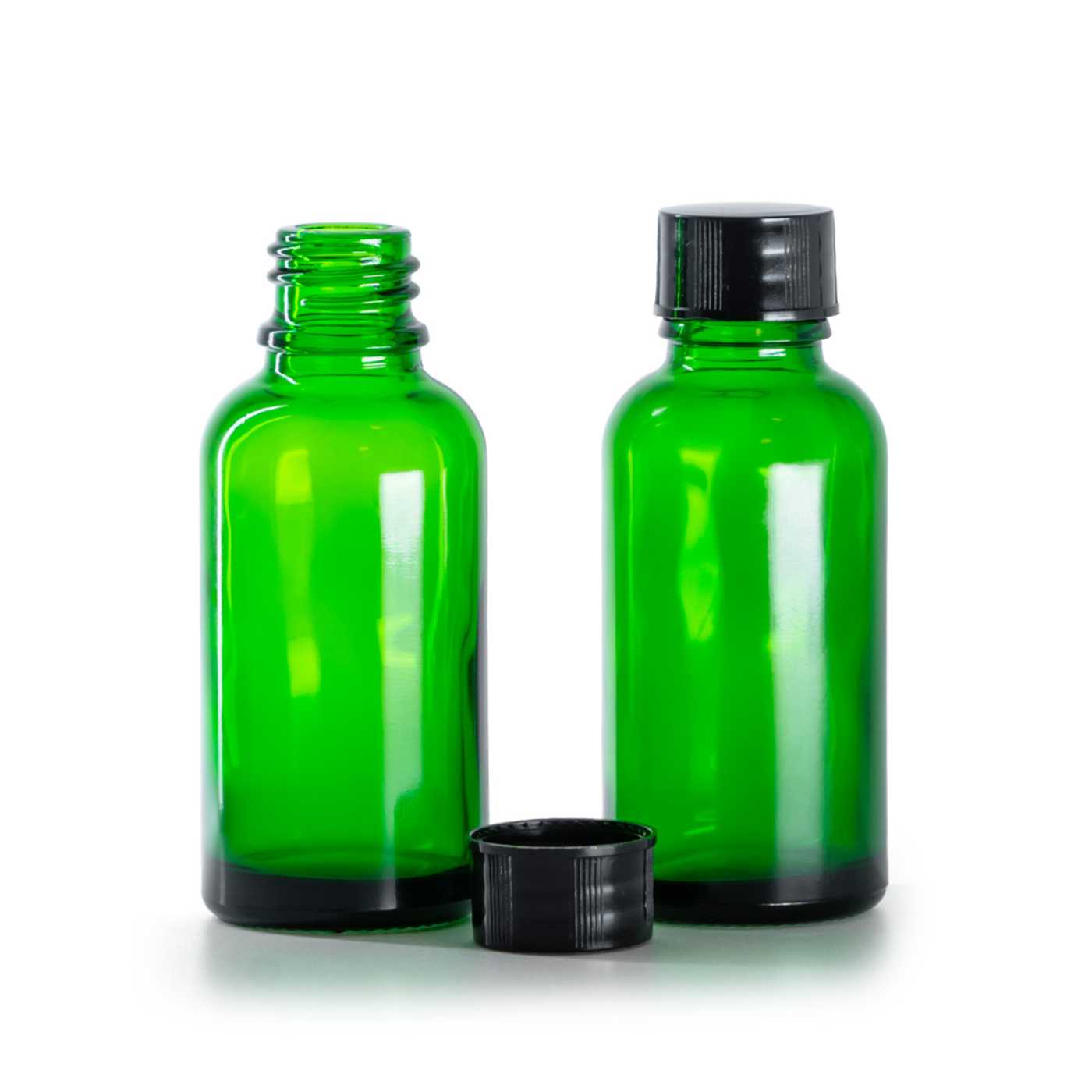
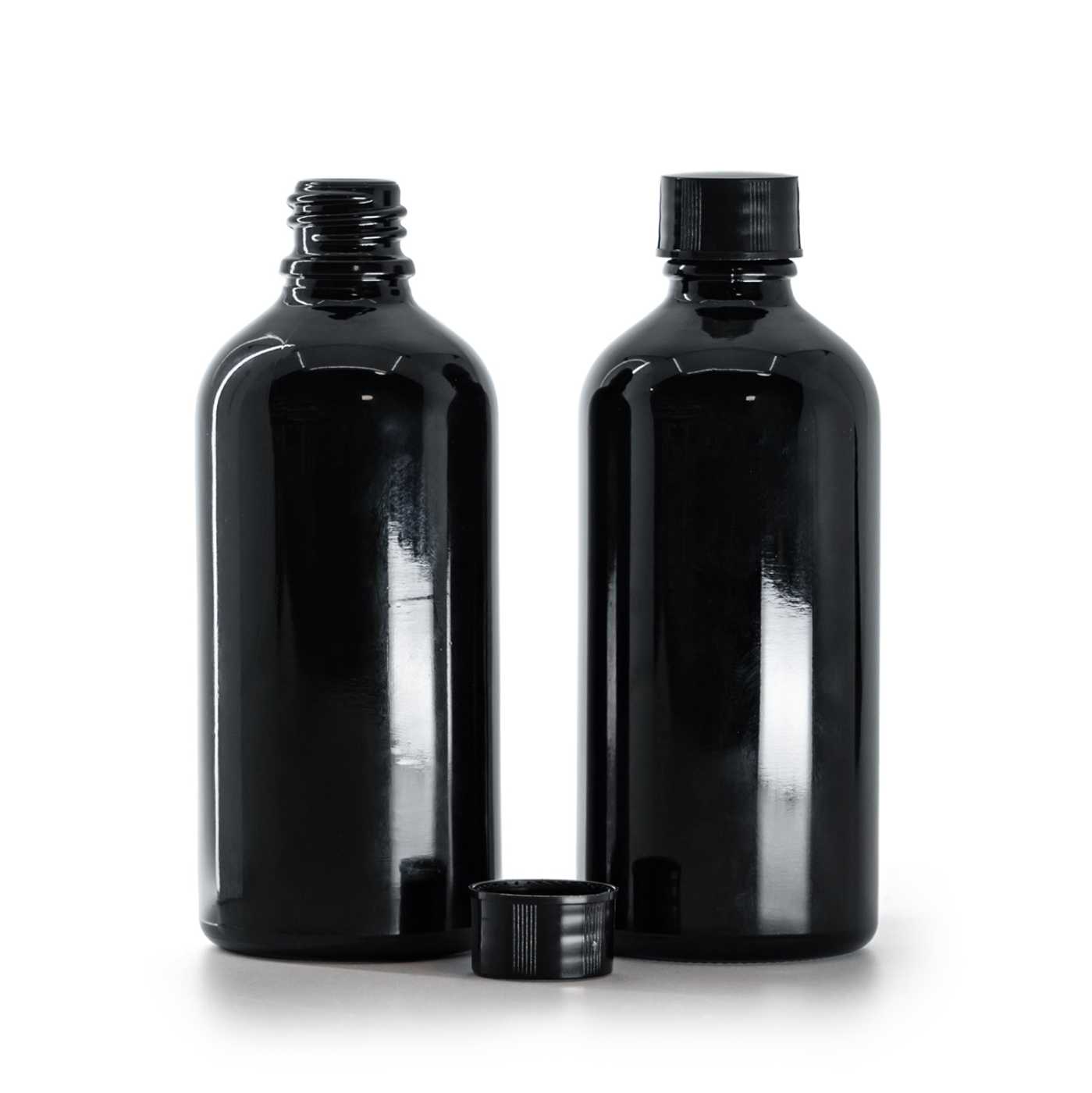
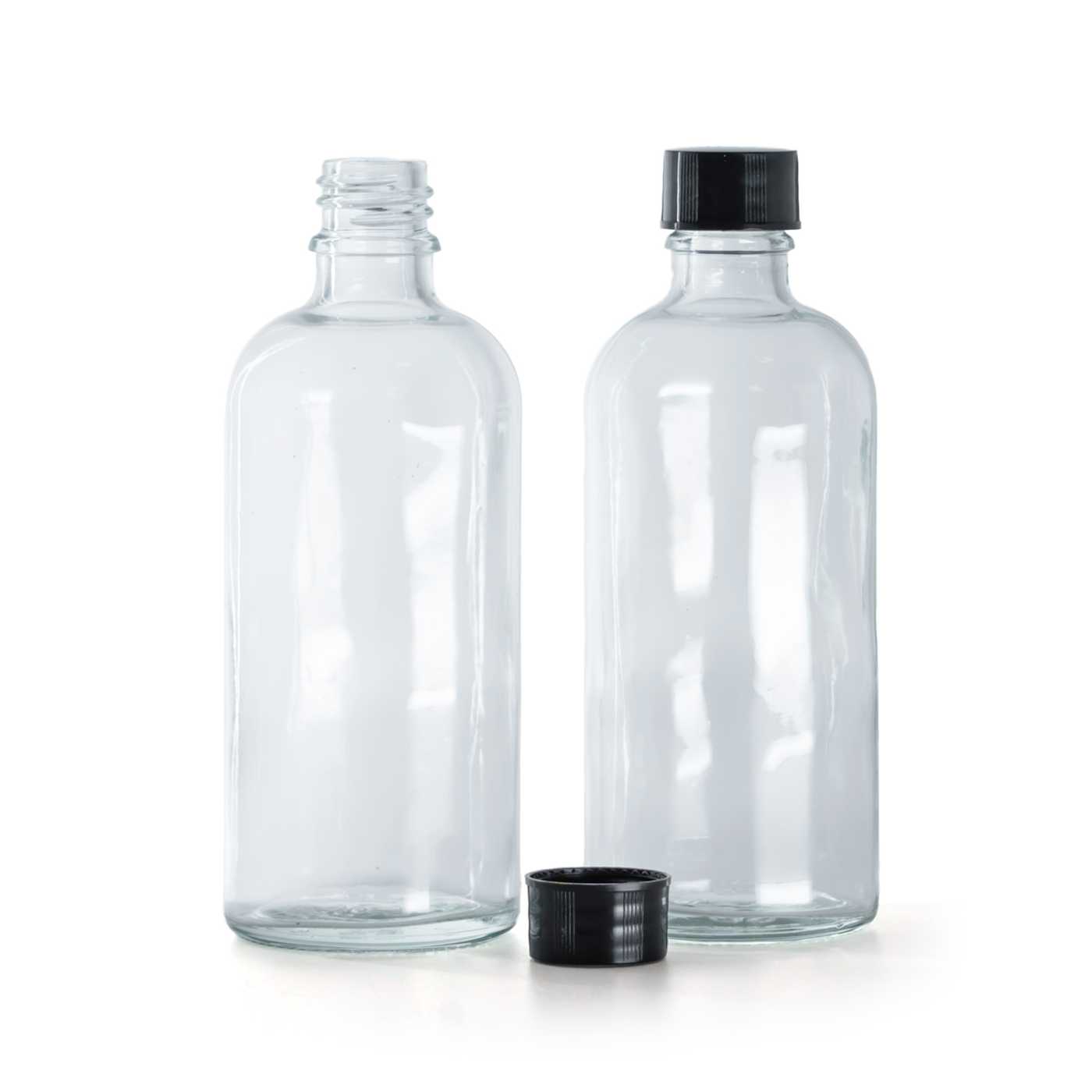
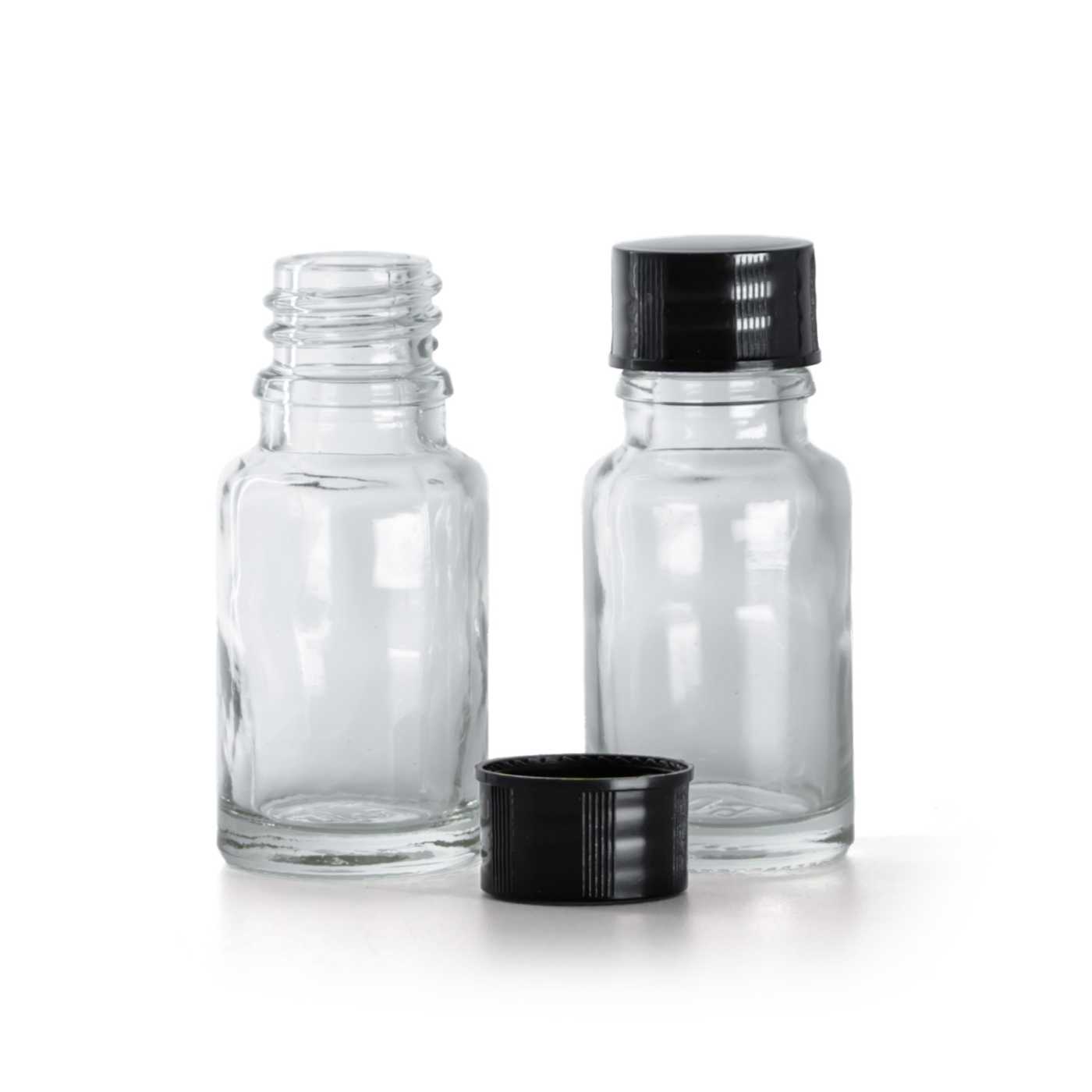
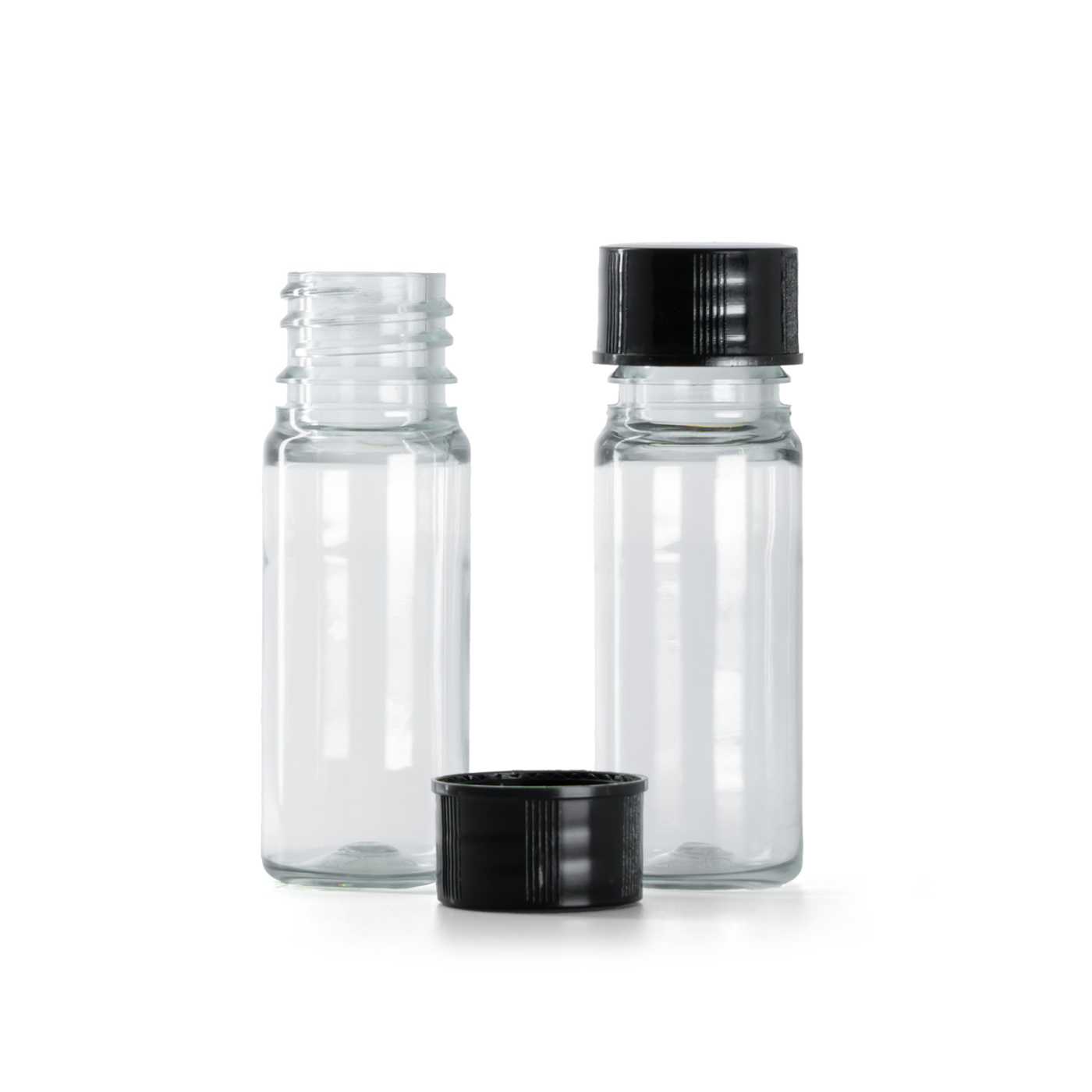
A glass vial with a black cap is a ready-made complete packaging and closure set for small quantities of cosmetics. full description
AvailabilityIn stock · 291 pcs
Product codeO18SH010-OVV18PC0
€0.37incl. VAT
Lowest price in the last 30 days: €0.37

Volume pricing
1–186 pcs€0.37Your price
187–1121 pcs€0.35−5 % · 1× plato
1122–5048 pcs€0.31−15 % · 6× plato
from 5049 pcs€0.28−25 % · 27× plato

Total for 1 pcs: €0.37

Quantities add up across all combinations of this bottle.

Product description

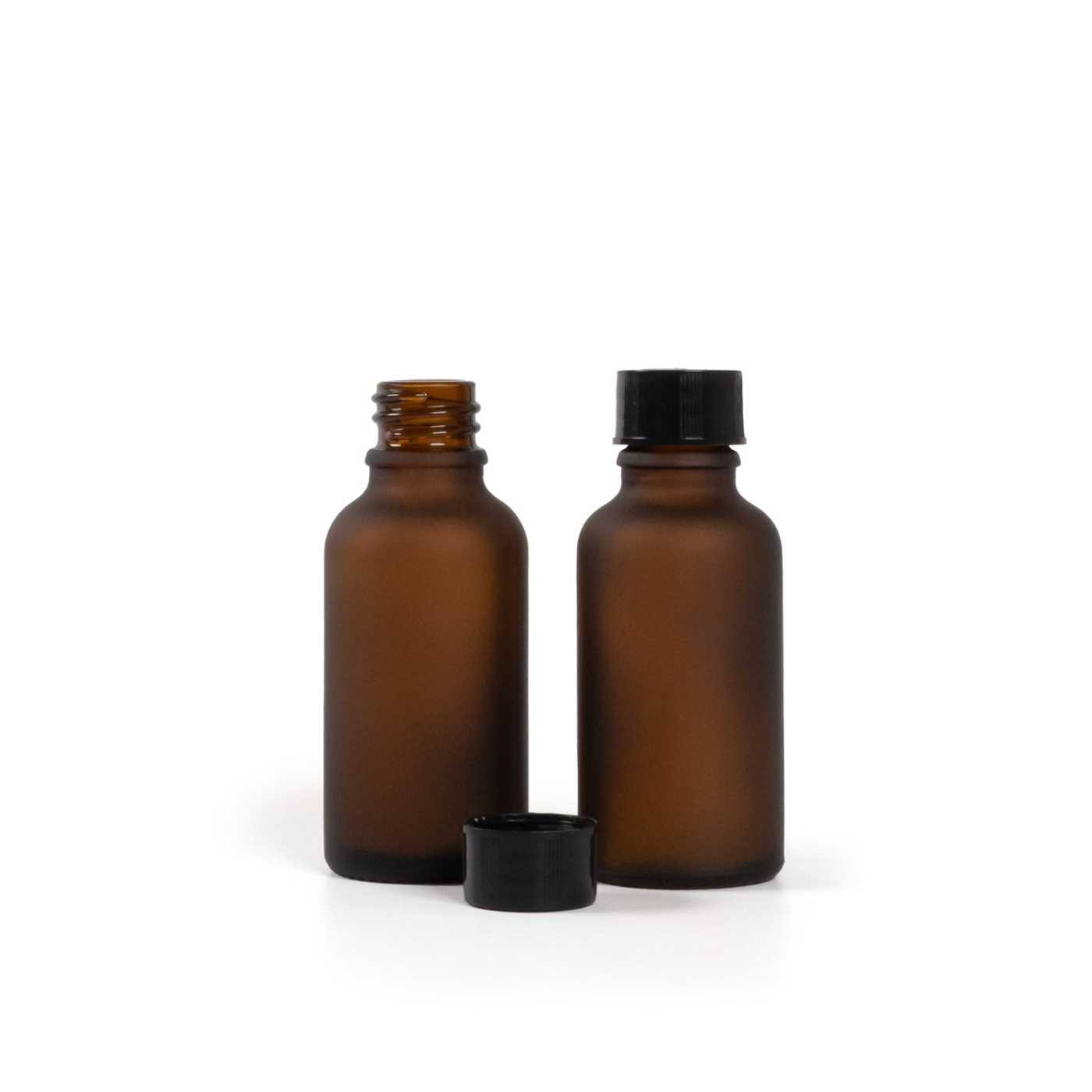
A glass vial with a black cap is a ready-made complete packaging and closure set for small quantities of cosmetics. Amber glass filters light, helping to protect UV-sensitive contents such as facial oils, vitamin serums or essential oil blends. A nominal volume of 10 ml makes it a practical choice for samples, travel-size packaging, gift sets or small trial batches where you want to verify a formula before filling it into larger containers.

The set as a whole is declared as suitable for contact with cosmetic products. The glass vial on its own also holds food-contact approval, but the plastic cap does not, which is why the complete set with this closure is intended for cosmetics.


Why choose this set

  • Protection of contents from light – amber glass transmits significantly less light than clear glass, which slows down the oxidation of oils and the fading of colour-active ingredients. It is therefore suitable for formulas that would quickly lose quality in a clear bottle.
  • Glass with no interaction with contents – glass does not react with oils, alcohol or essential oils and does not absorb odours. It can also be used for concentrated fragrance blends, where plastic bottles tend to soften or take on a smell over time.
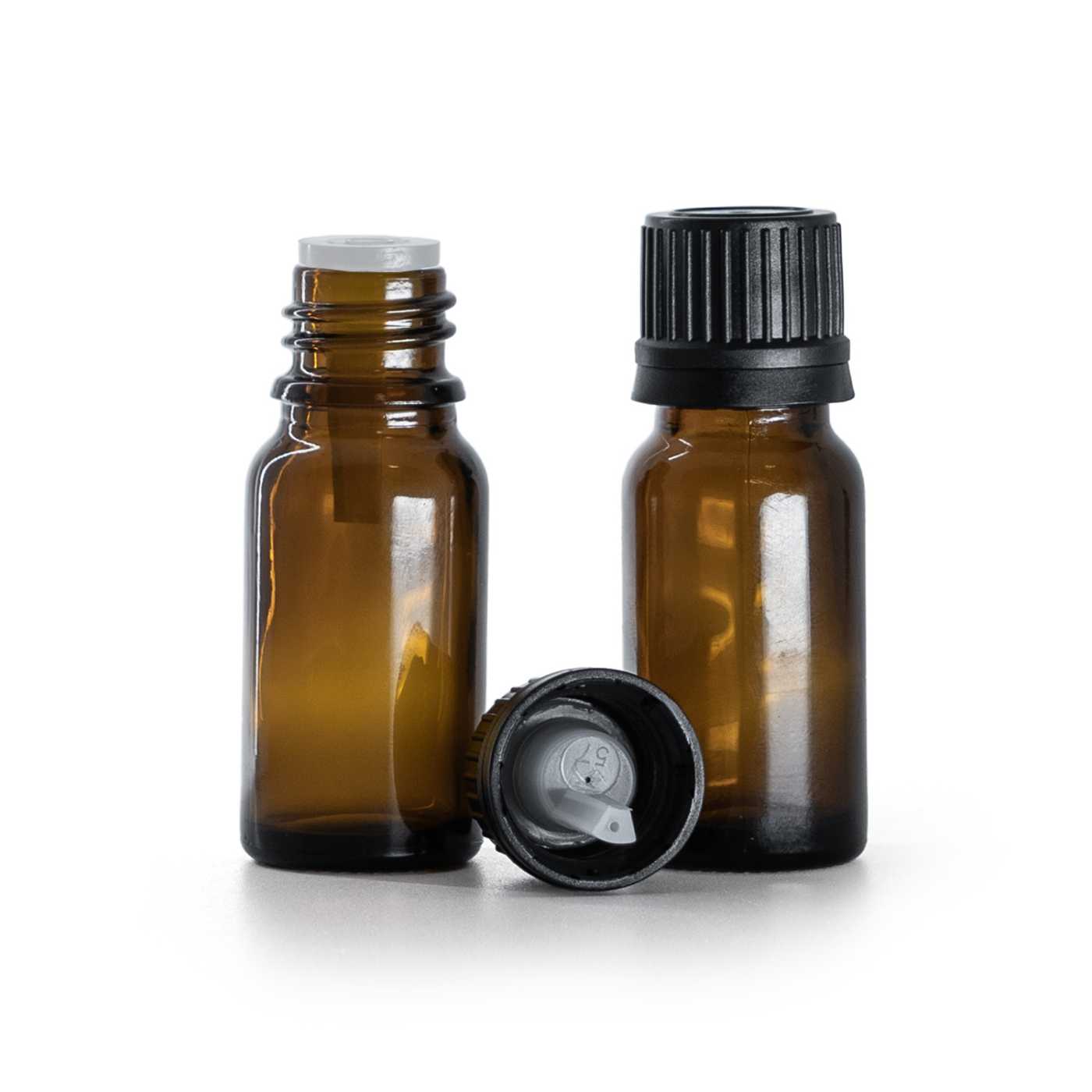
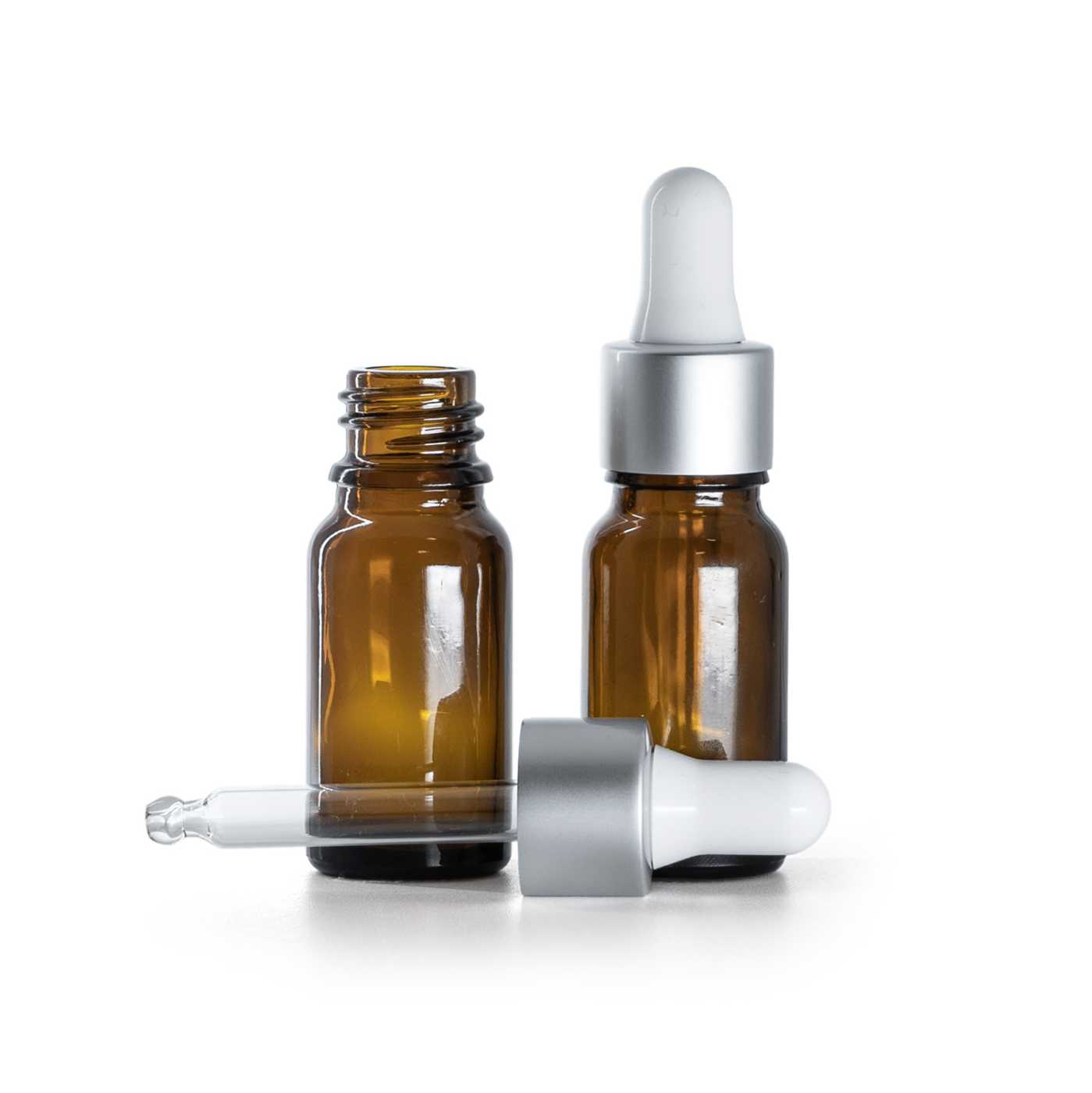
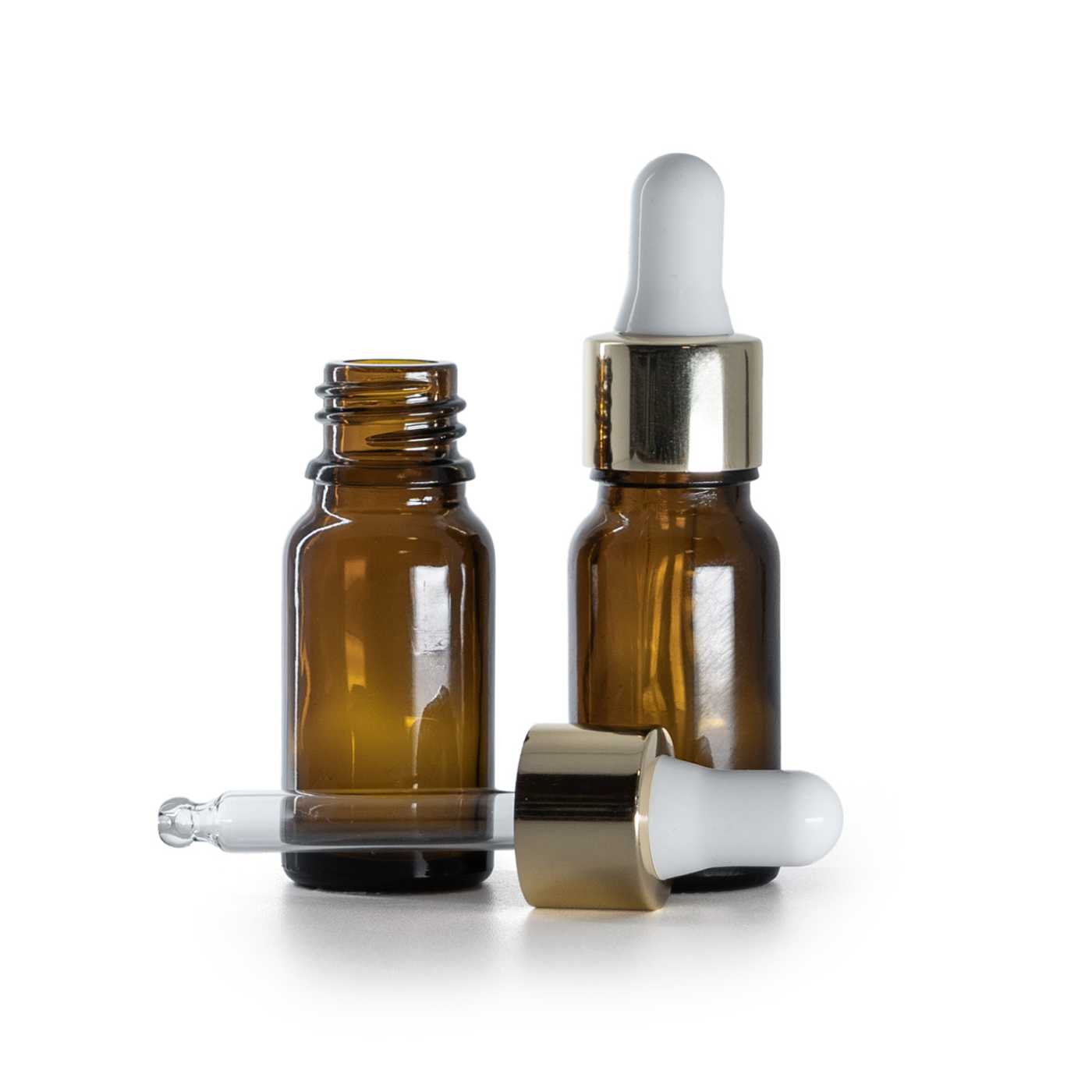
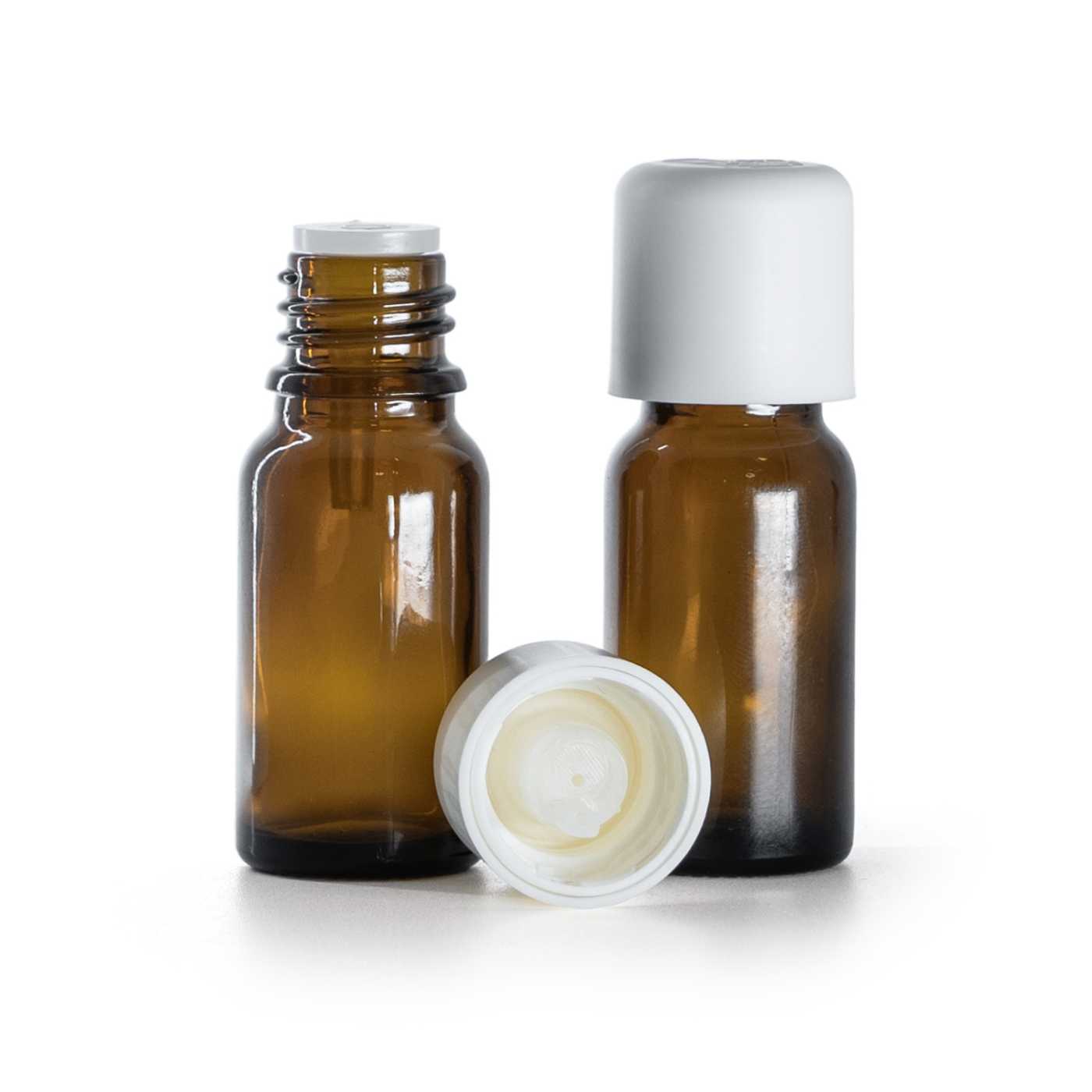
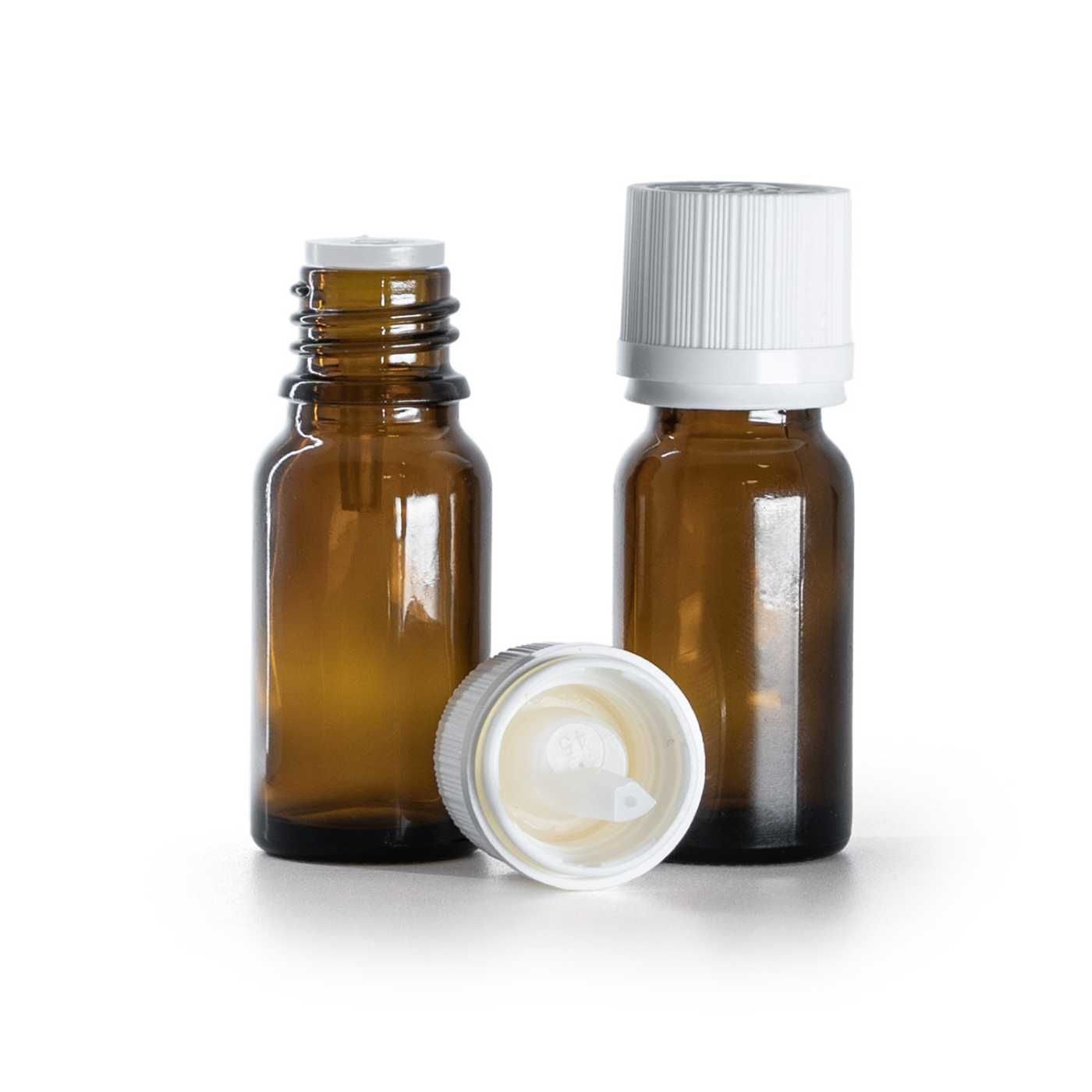
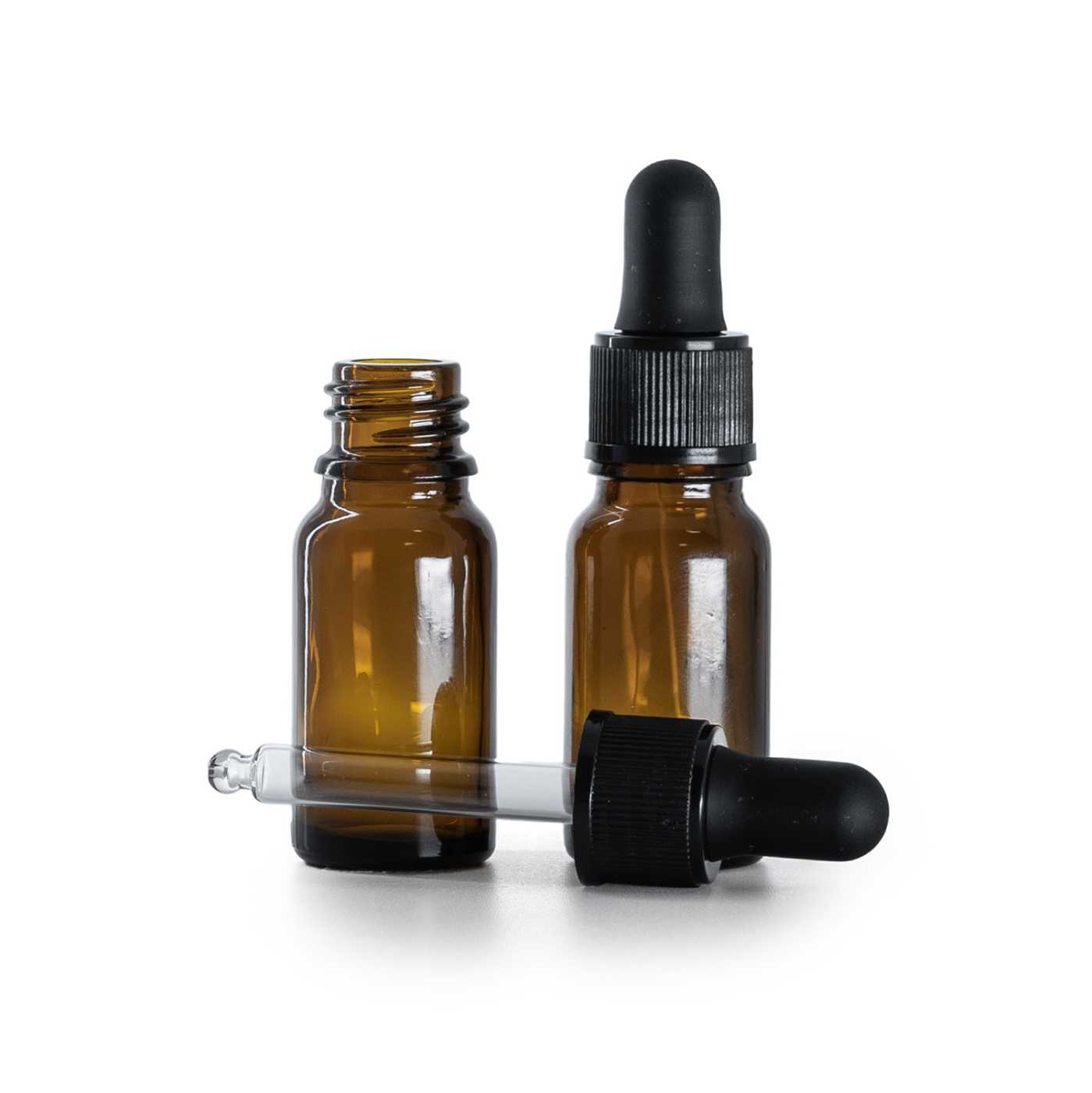
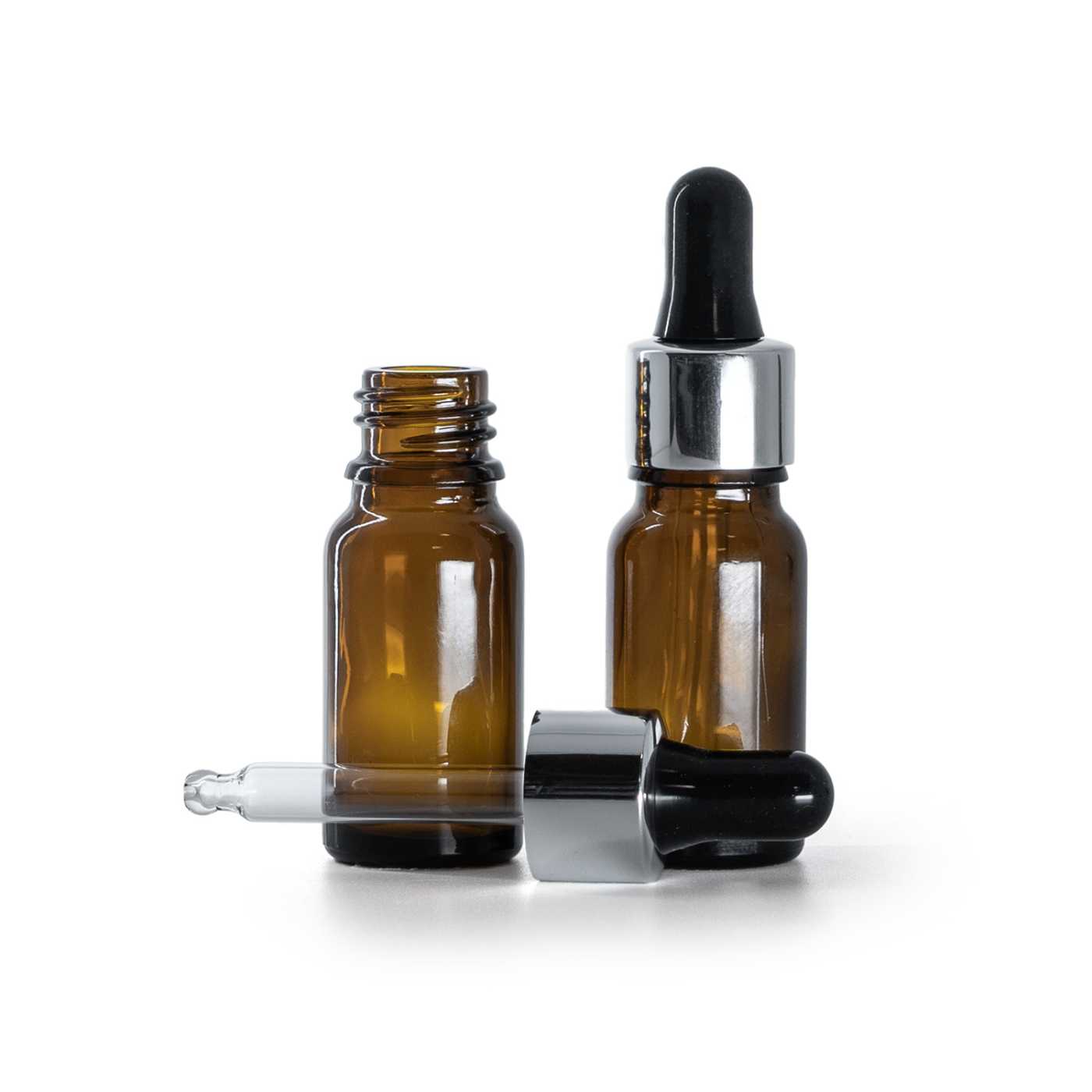
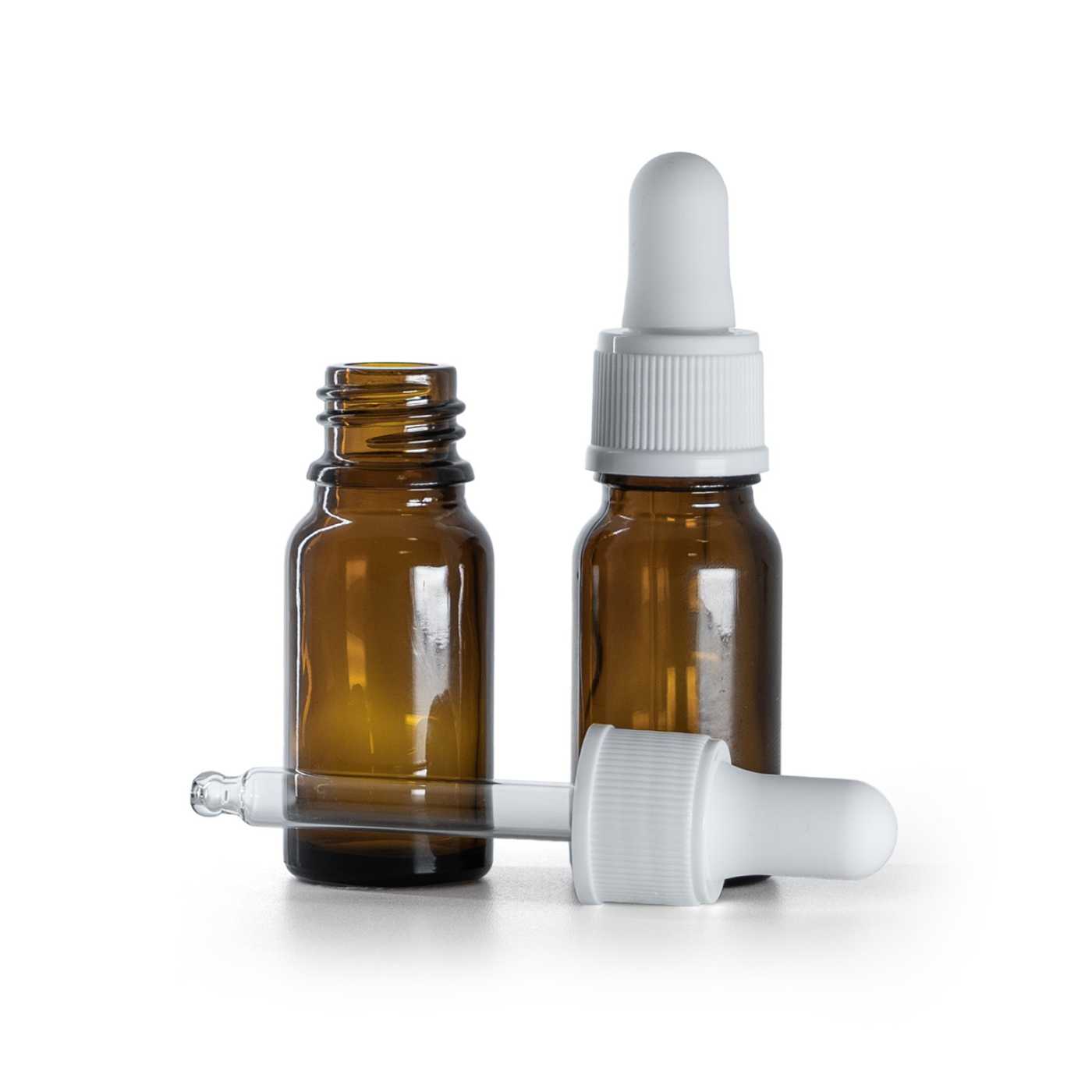
  • Simple closure with 18/410 thread – a plain polypropylene screw cap with a sealing insert reliably seals the neck. Contents are dispensed by tilting and dropping directly from the neck, or with a dropper for measured extraction.
  • Practical small format – the vial fits easily into a cosmetic bag or gift packaging. It is easy to work with during production when filling small batches using a funnel or syringe.

What the set is suitable for

Thanks to its narrow neck and dark glass, the set is particularly suitable for liquid and low-viscosity preparations that are dispensed in drops or small amounts:

  • samples of facial and body oils, oil serums and massage blends,
  • essential oil blends and fragrance oils, both alcohol-free and with alcohol,
  • small quantities of tinctures and extracts intended for cosmetic use,
  • water-based serums, when dispensing with a dropper or direct dripping is planned,
  • trial batches during formula development and stability testing.

The narrow neck is not suitable for thick creams, balms and paste-like products. For these, jars or wide-neck bottles are more appropriate.


Nominal and total volume

With any container, we distinguish between two figures. Nominal volume is the quantity for which the vial is designed under normal filling conditions. Total volume to the brim is the physical volume up to the neck and is always larger. The difference provides headspace for the closure and for expansion of the contents when the temperature changes. The vial should therefore be filled to the nominal volume, not to the brim. If filled all the way to the neck, the contents may overflow when screwing on the cap or remain in the thread, impairing the seal.

When filling, leave headspace in the neck. If the contents warm up after filling, for example during transport, the headspace will prevent them from being forced through the thread.


Good to know

Before the first fill, we recommend washing and disinfecting both the vial and the cap with isopropyl alcohol or ethanol and allowing them to dry completely. Residual moisture in an anhydrous product shortens its stability and may promote the growth of micro-organisms.

Glass can tolerate heat, but it is sensitive to sudden temperature changes. Do not pour a hot mixture into a cold vial, or vice versa. The polypropylene cap handles heat less well, so allow the contents to cool before closing.

With concentrated essential oils and solvents, we recommend checking the behaviour of the cap's sealing insert against the specific formula, particularly for longer-term storage. The glass itself does not react with them.

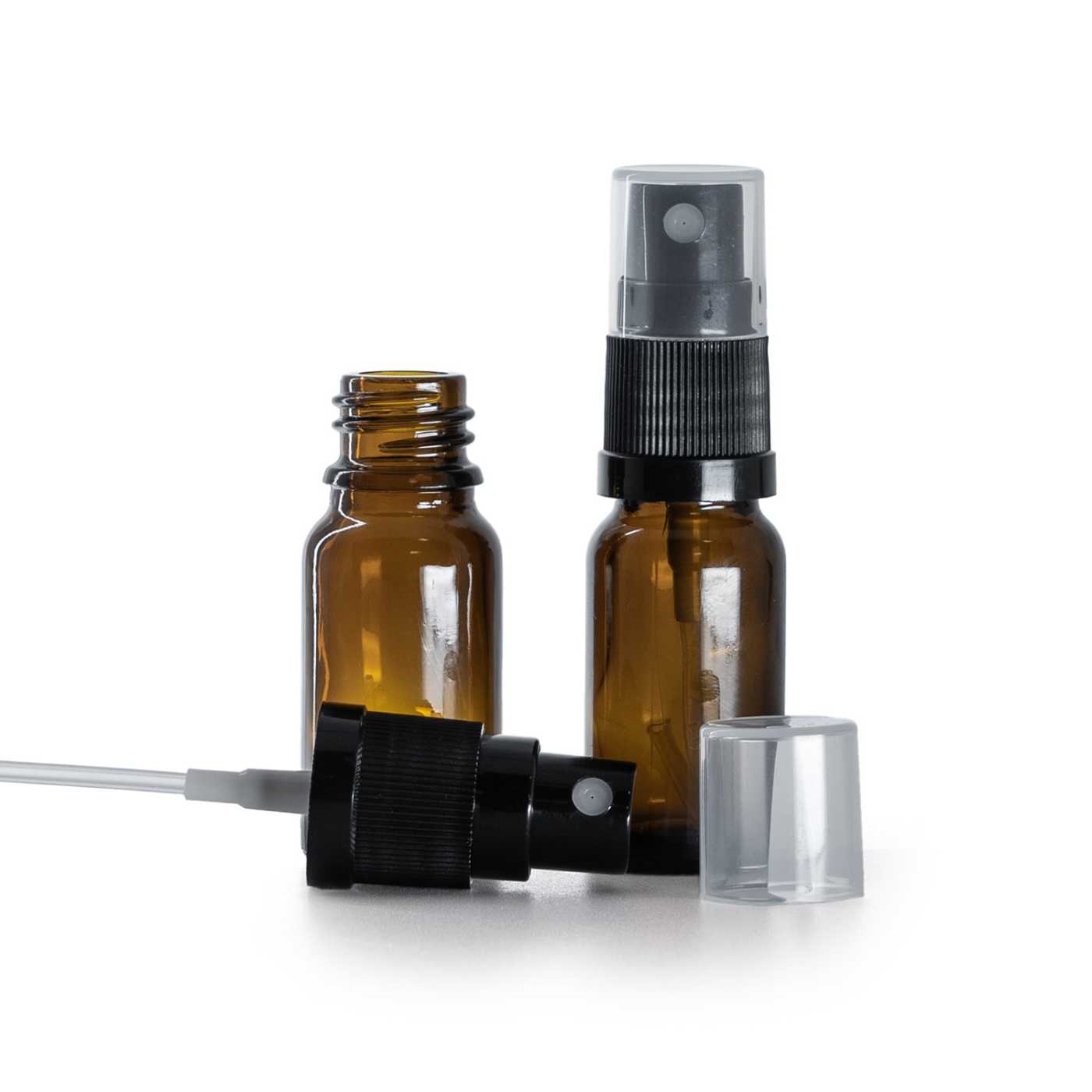
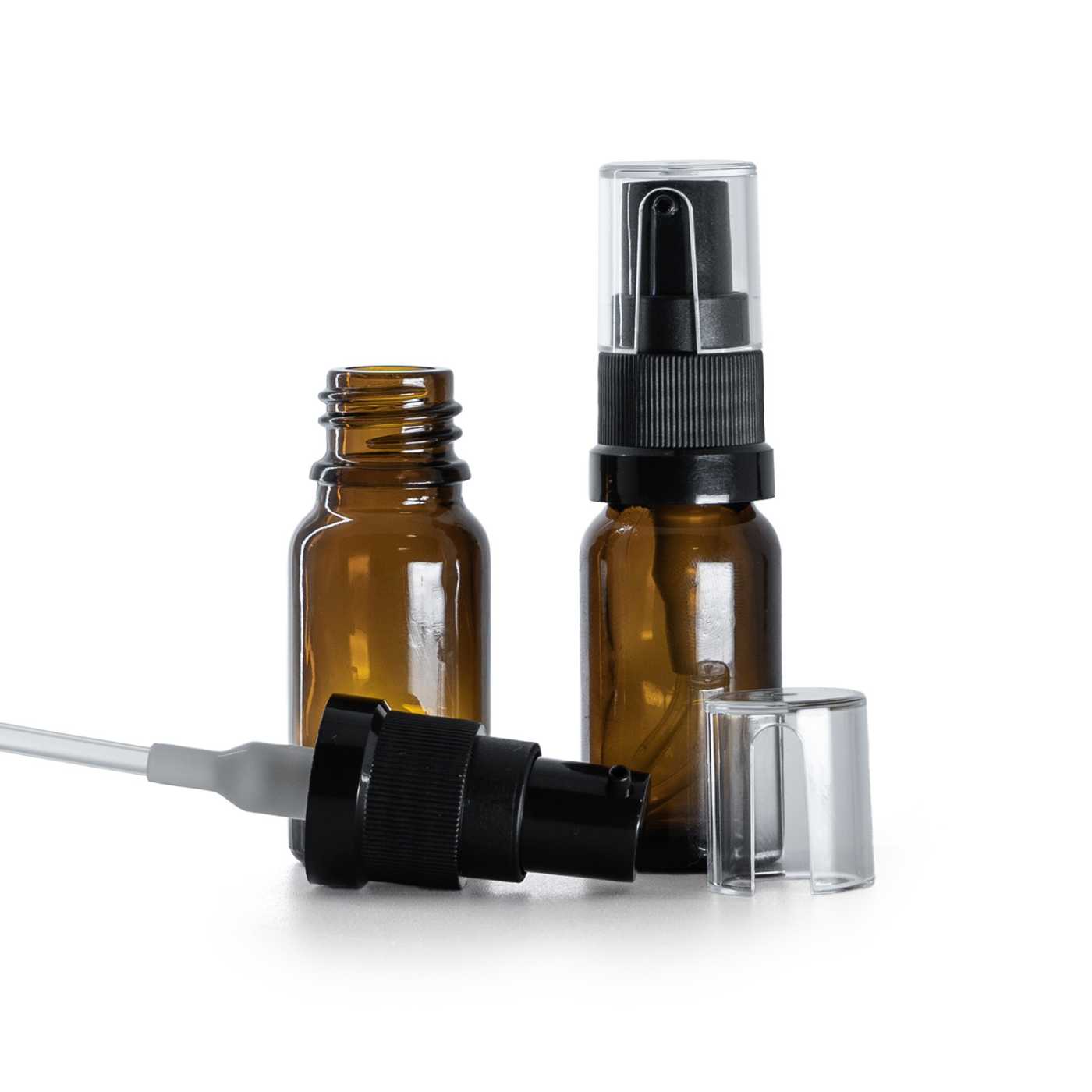
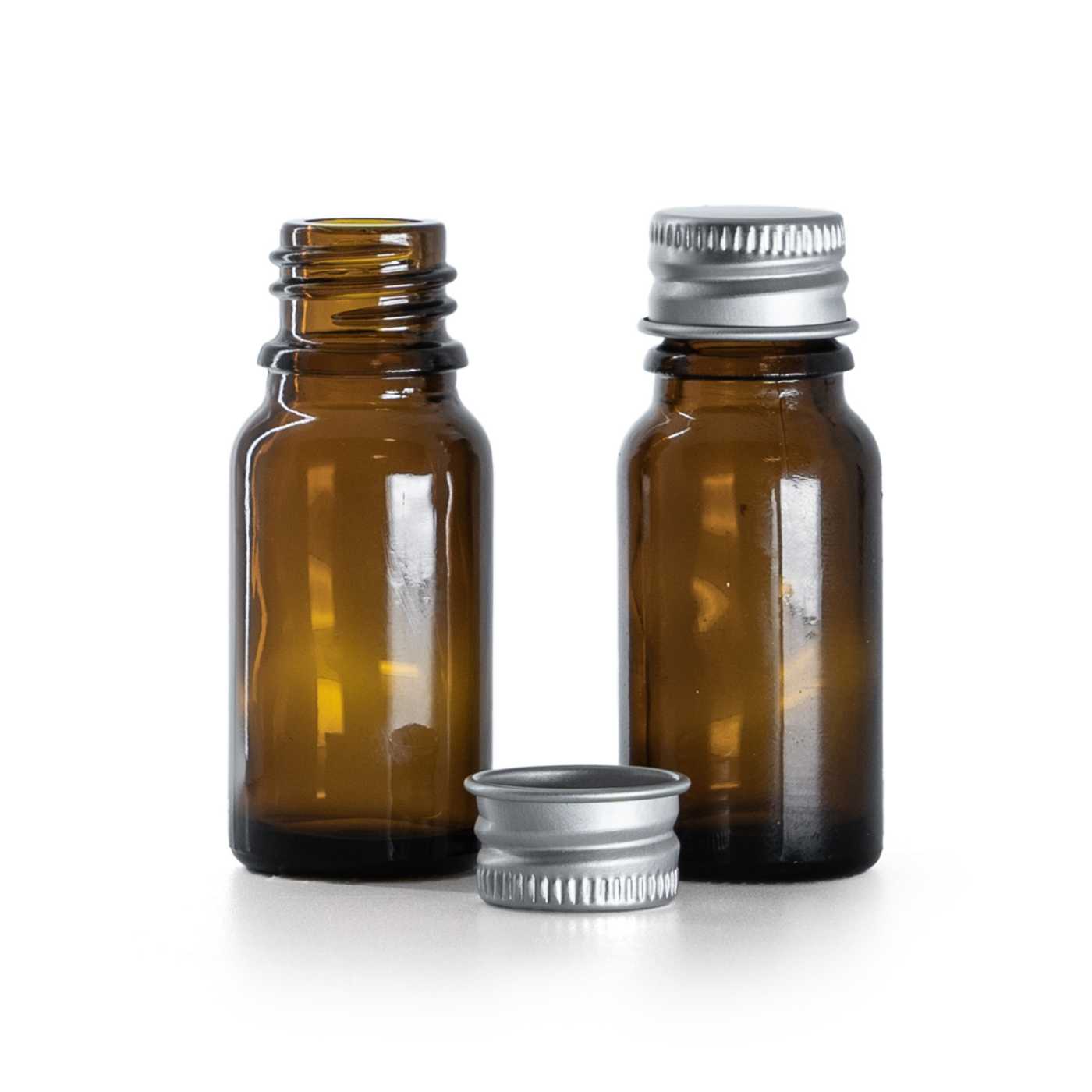
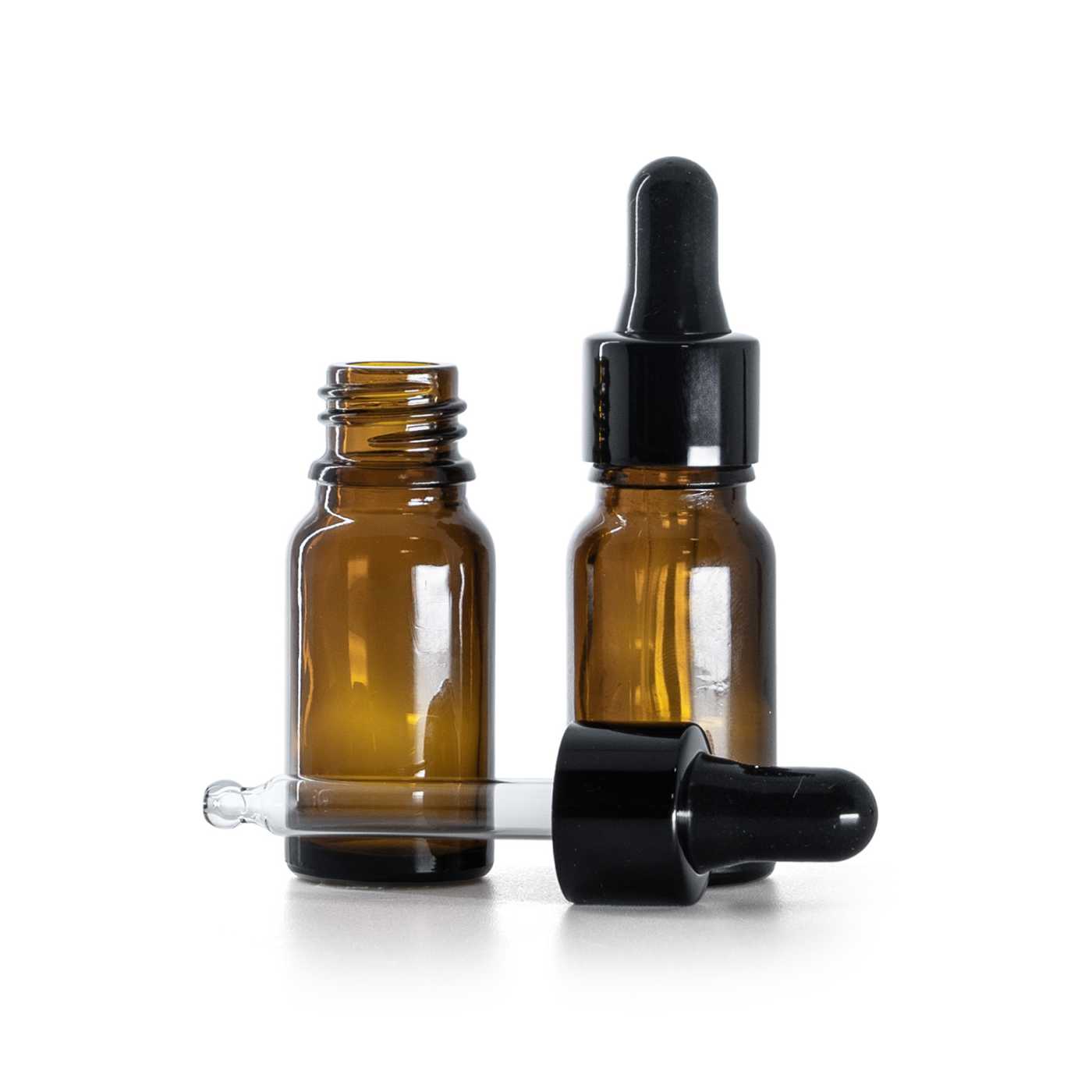
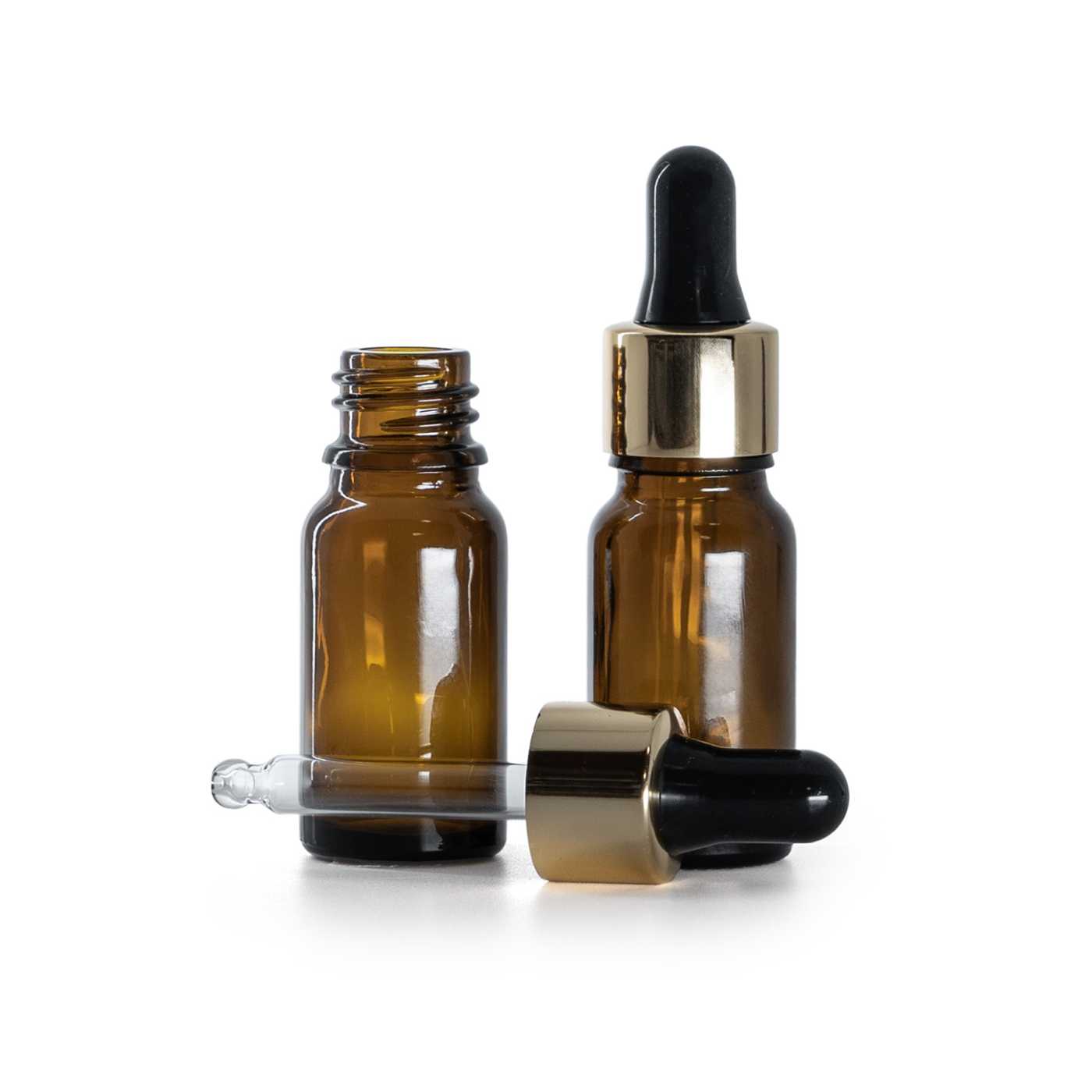
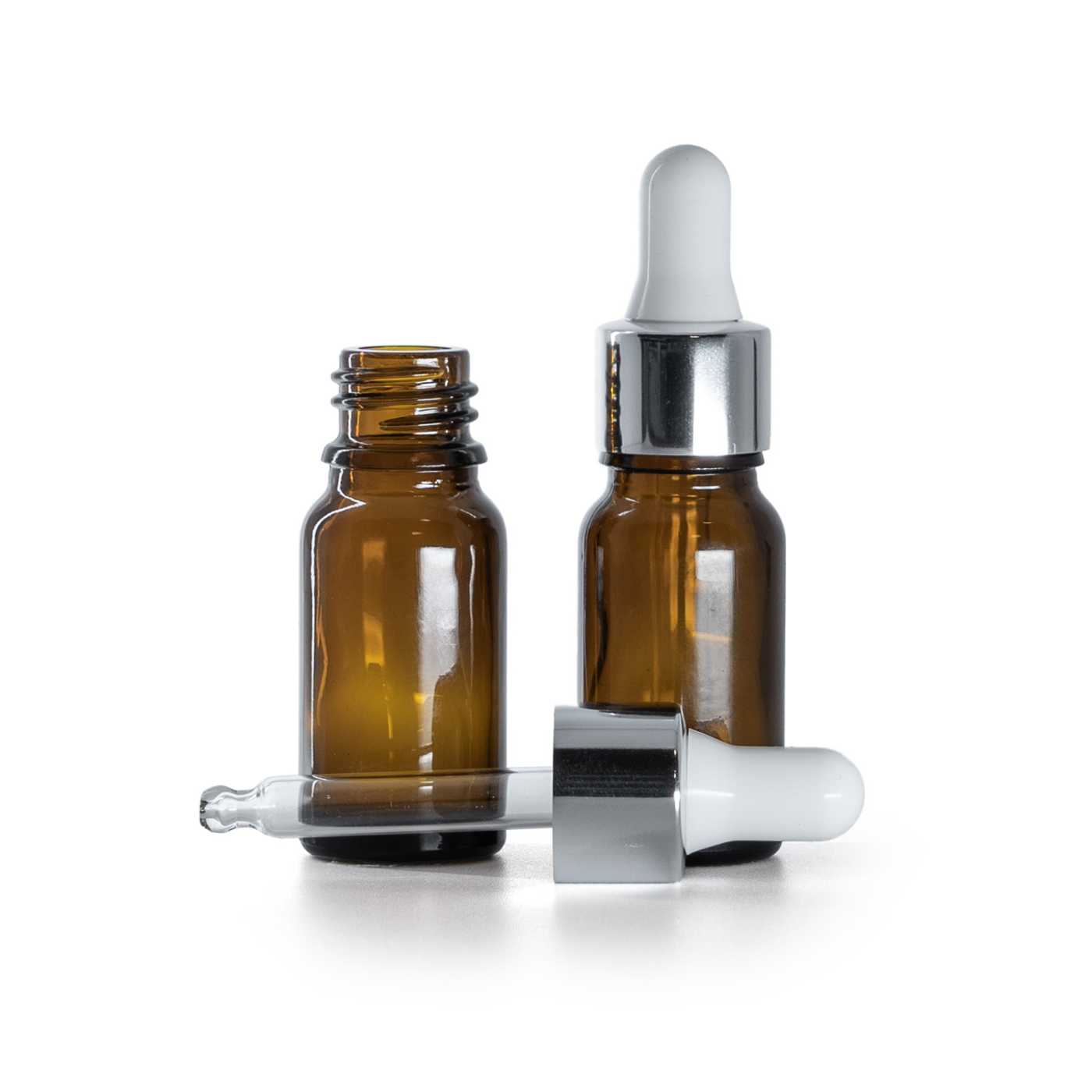
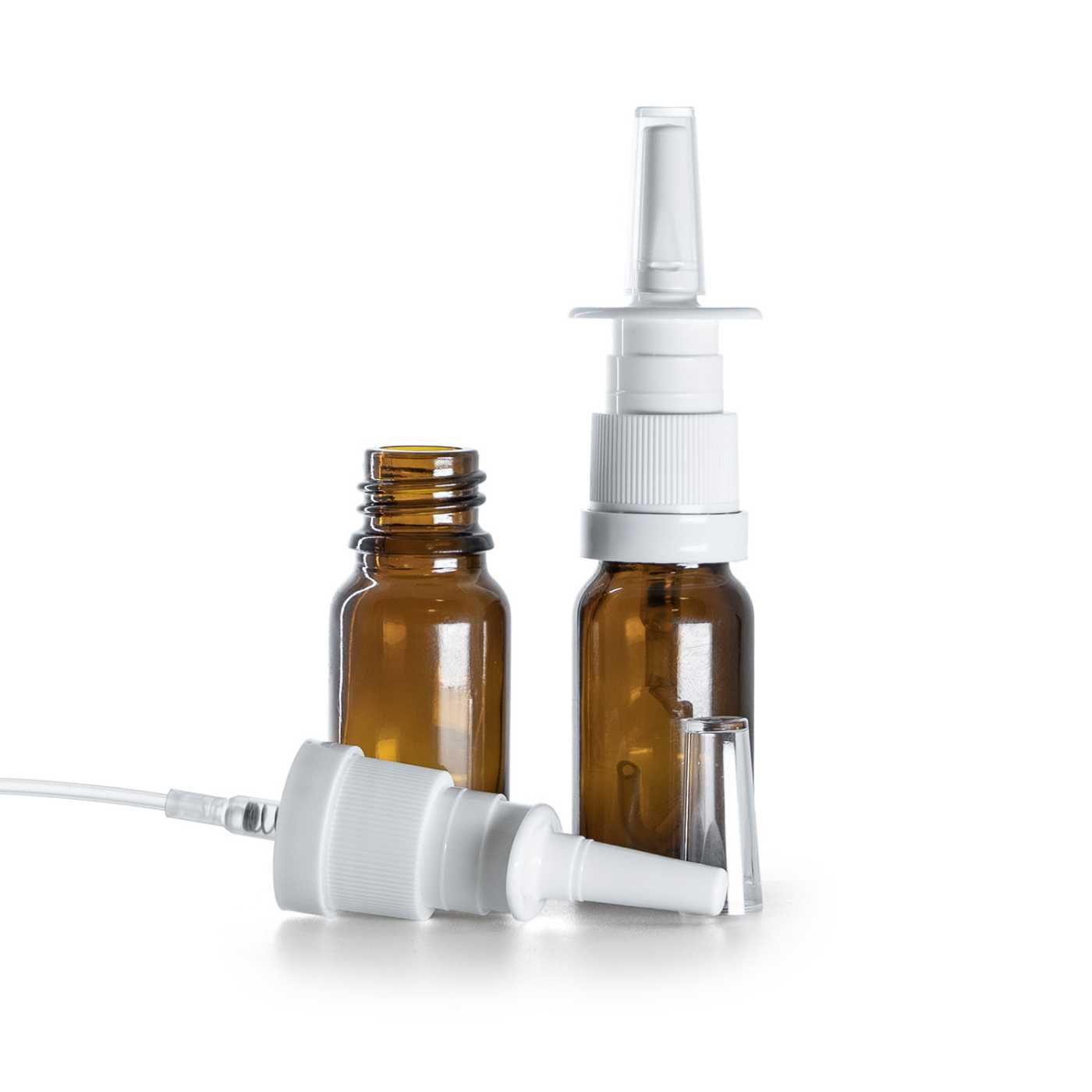
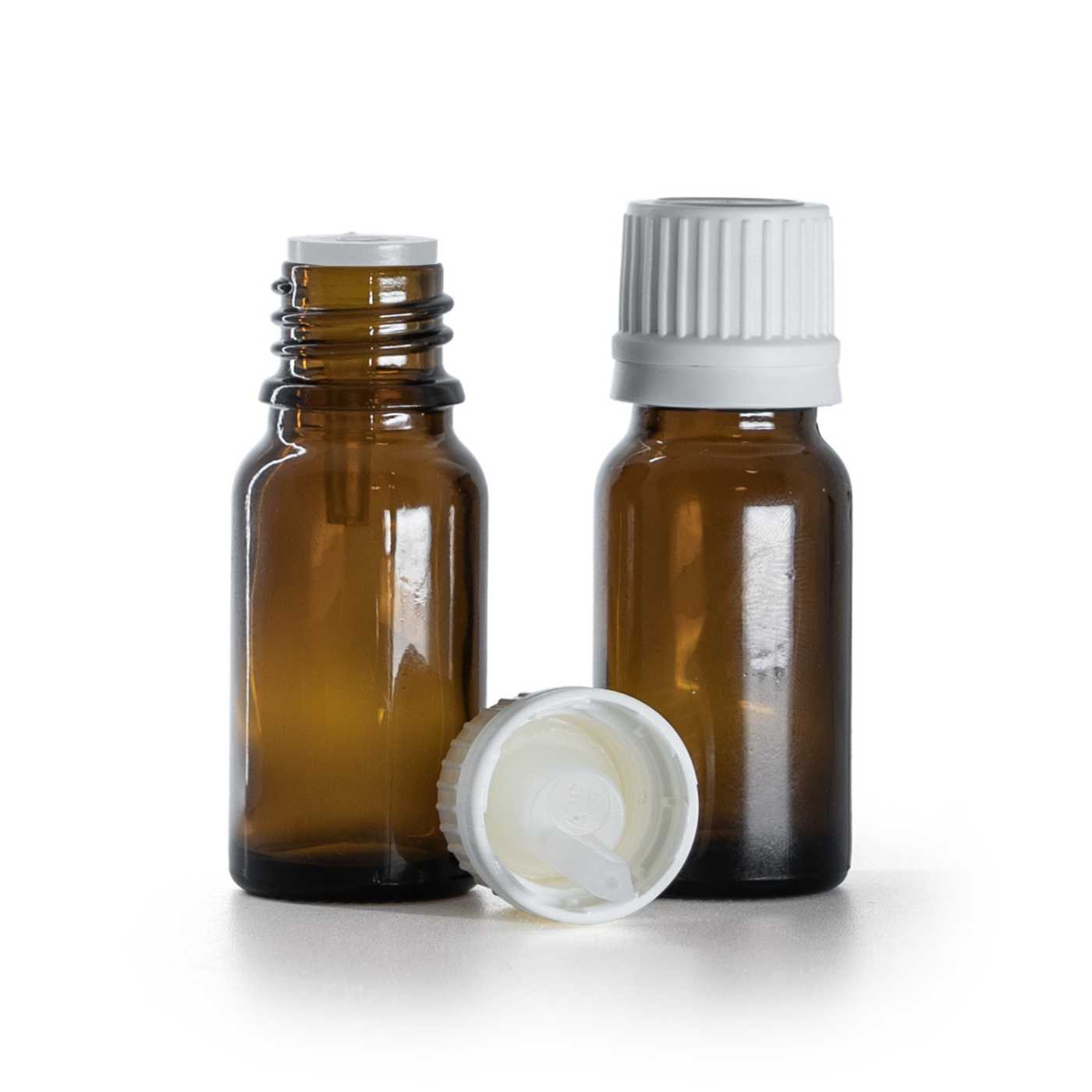
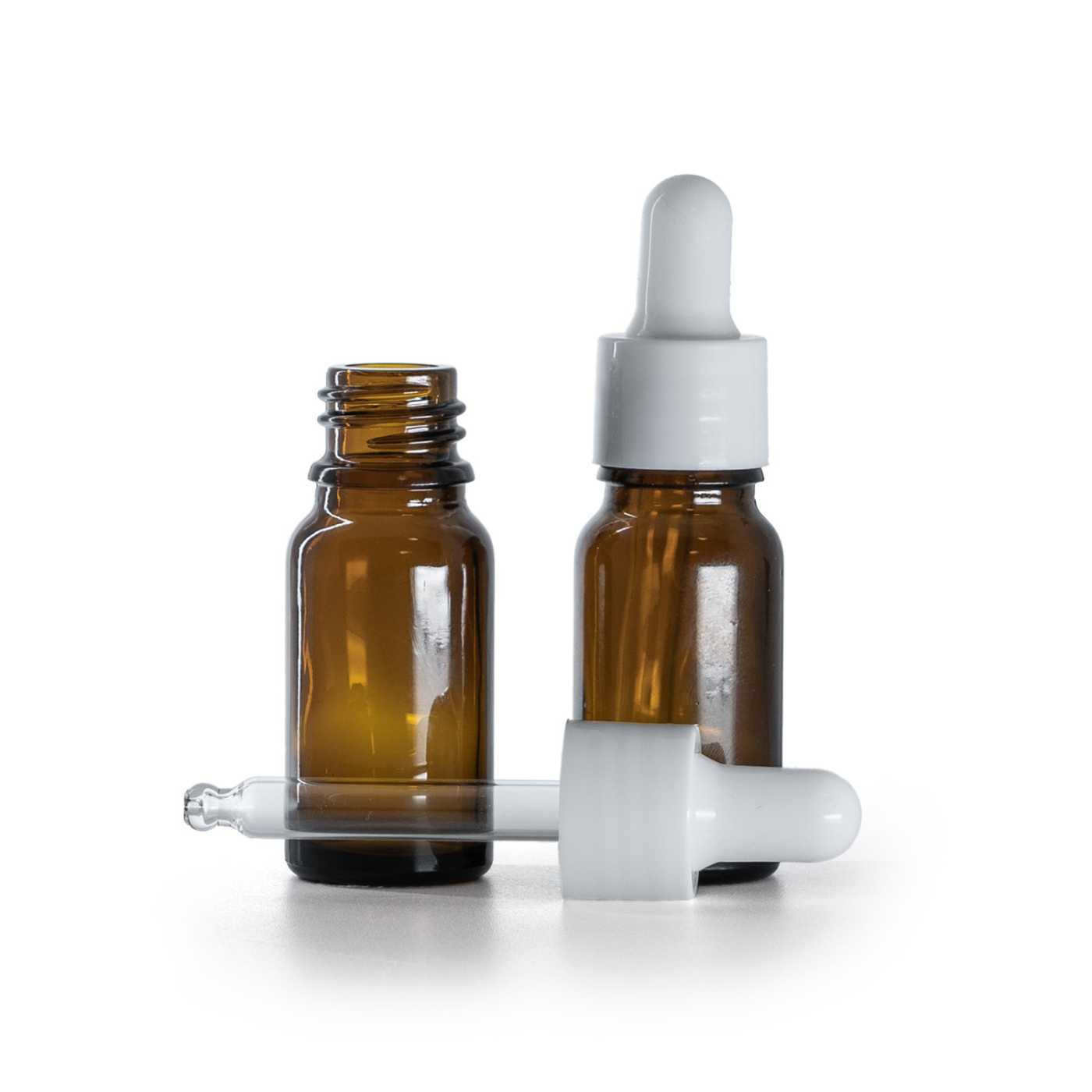
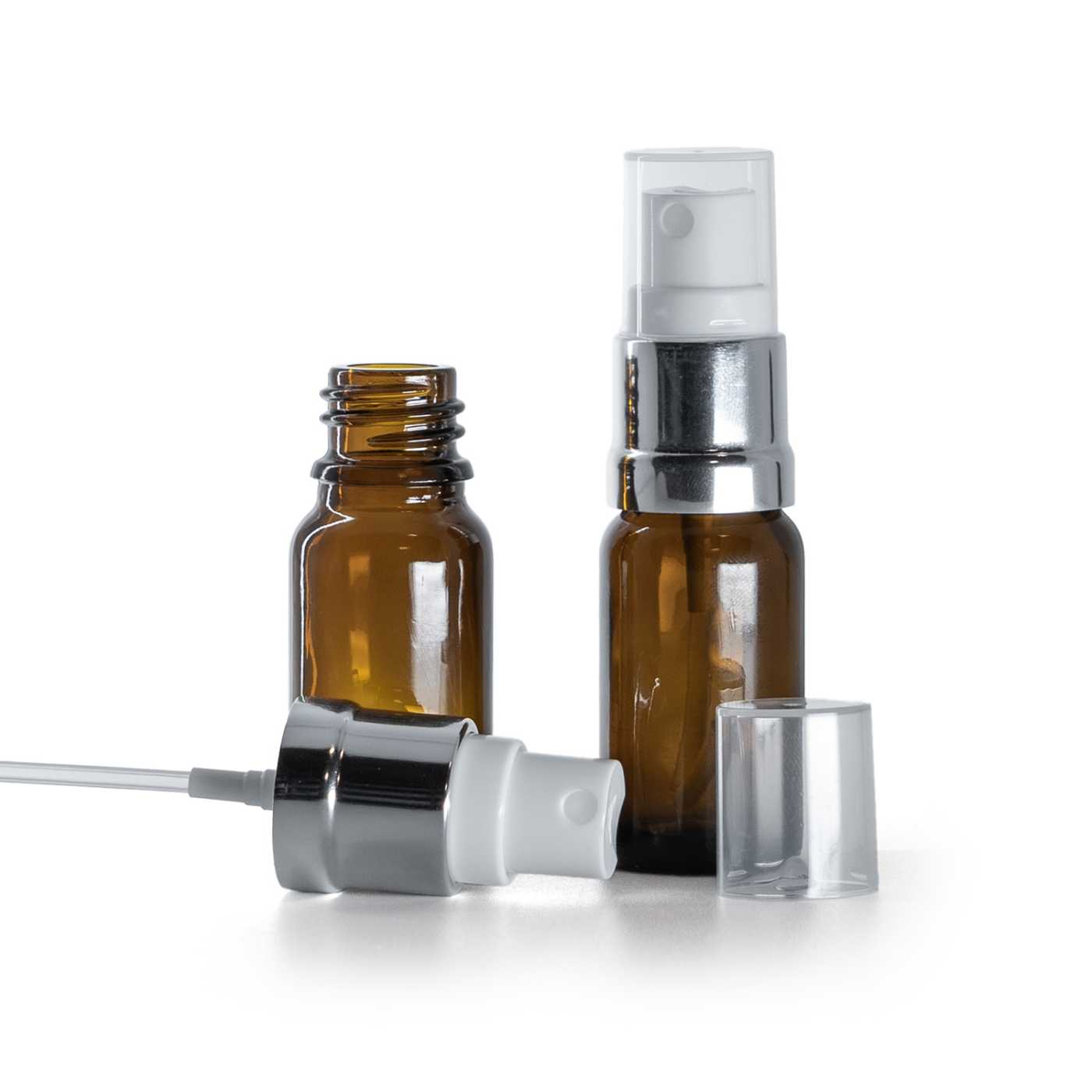
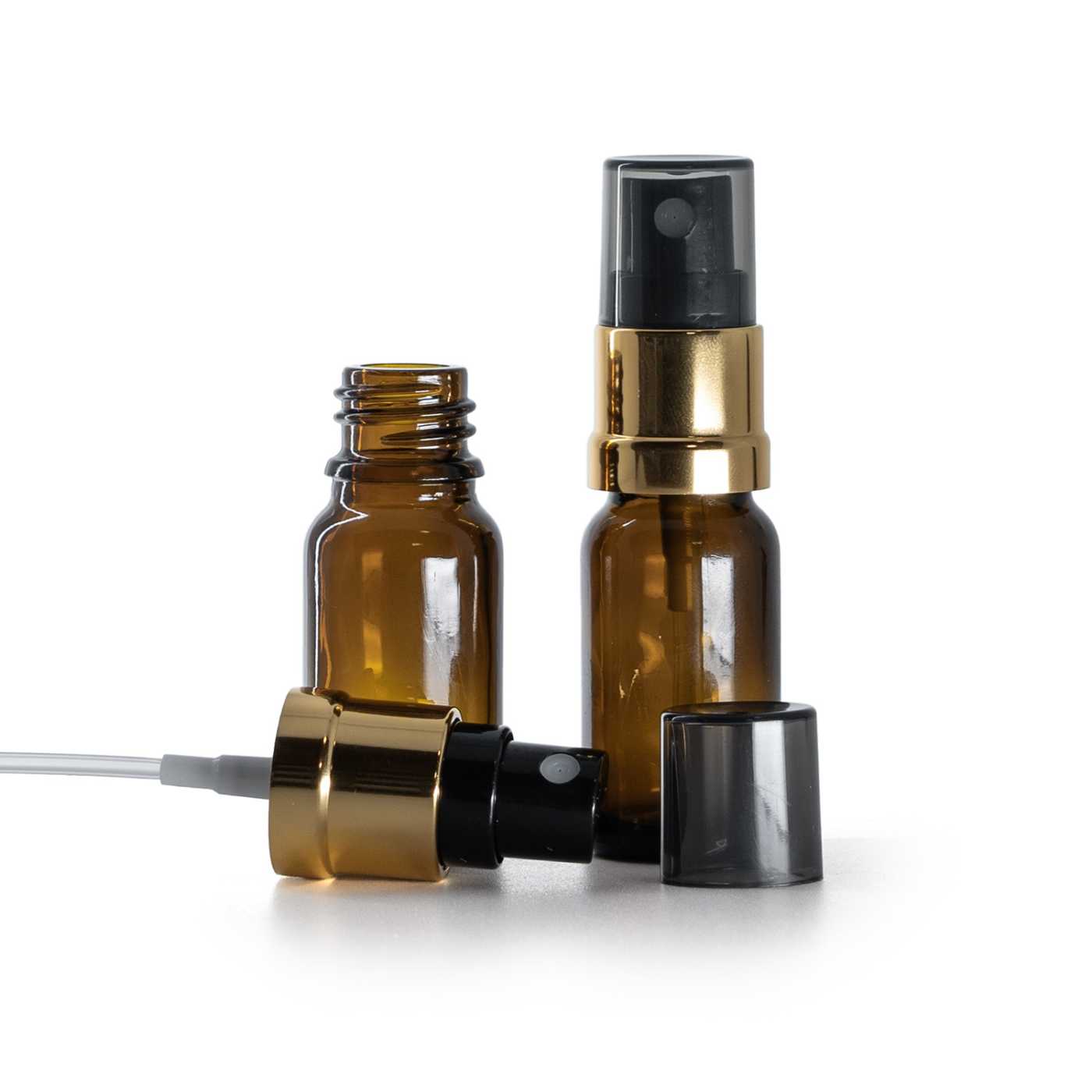
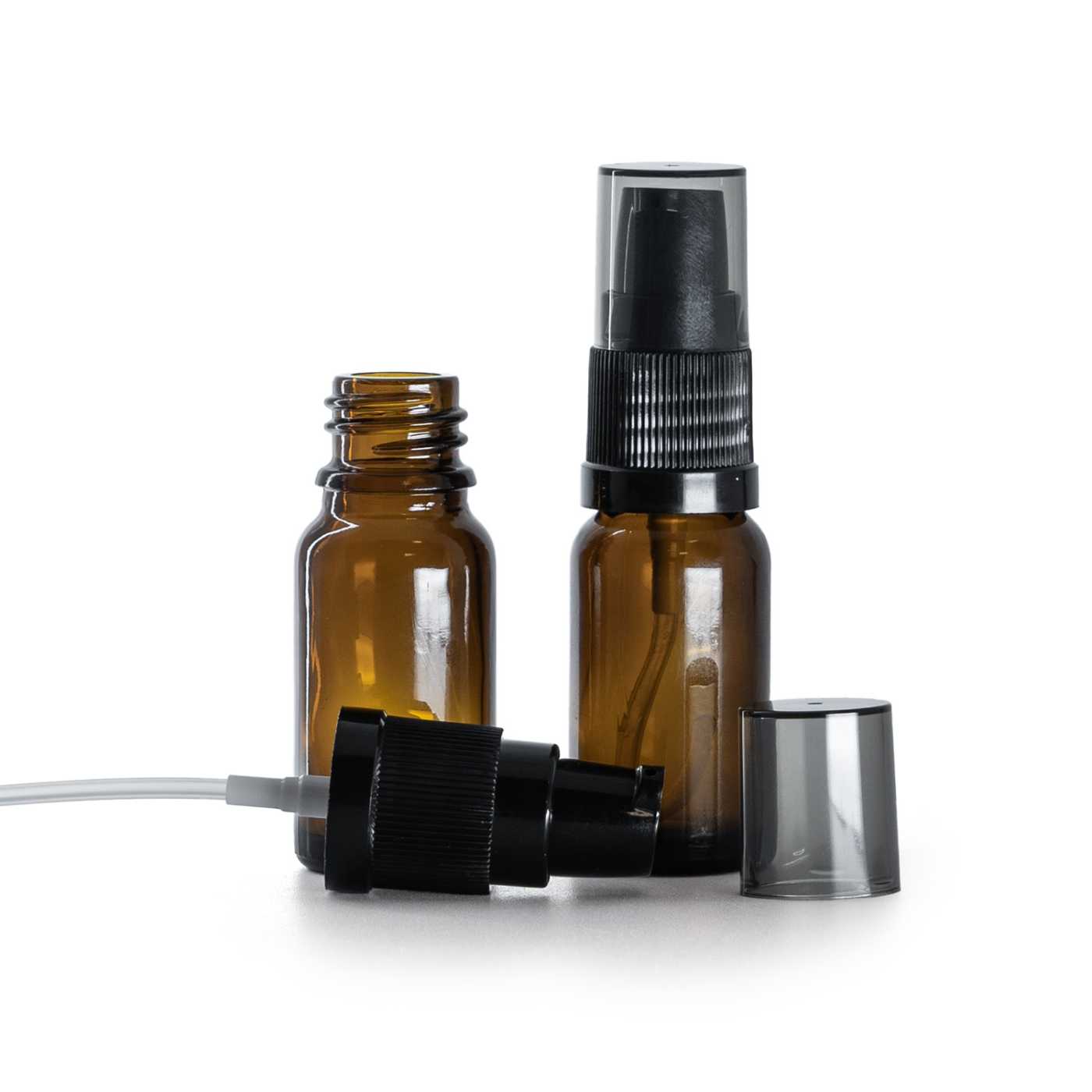
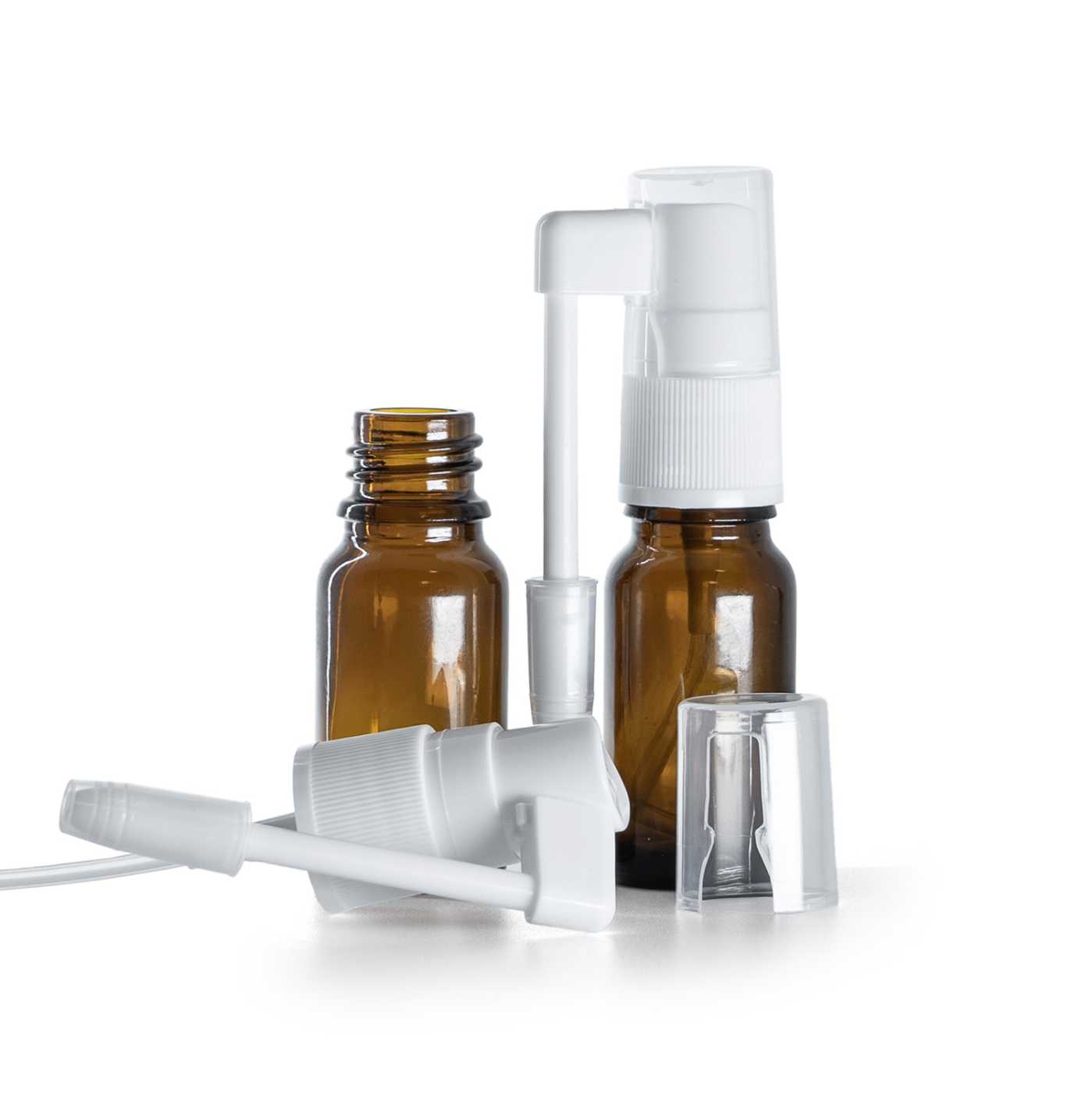
The vial can be reused after washing. Inspect the cap and replace it with a new one of the same 18/410 neck type if the thread or insert is damaged. Further closures with this neck, such as a dropper, as well as ready-made combinations are available in the Handymade range. For a custom combination, we recommend verifying the seal and dispensing performance with the specific formulation.

For a cylindrical vial with a small diameter, use a narrow label that will not wrinkle after application.

After use, the glass and plastic cap are easily separated and sorted individually, glass with glass and the cap with plastics.


Frequently asked questions

Does the amber glass vial protect the contents from light?
Yes, amber glass significantly limits the penetration of light, including UV radiation, thereby slowing the oxidation of oils and the breakdown of sensitive ingredients. It is not a complete barrier, so it is recommended to store filled bottles away from direct sunlight. For products that are not affected by light, clear glass is also sufficient.
Is the vial and cap set suitable for food contact?
No, the set as a whole is not declared for food contact. The food-contact approval applies to the glass vial on its own; the plastic cap does not have it. The set is therefore intended for cosmetic products, for which both components carry the appropriate declaration.
How many millilitres can actually be filled into a 10 ml vial?
The vial is filled to the nominal volume of 10 ml, although its total volume to the brim is larger. The difference is headspace for the closure and for expansion of the contents when the temperature changes. If you fill it all the way to the neck, the contents will get into the thread when screwing on the cap and impair the seal.
Can the glass vial be used for essential oils?
Yes, glass is suitable for essential oils; it does not react with them and does not absorb their scent. With concentrated oils, we recommend monitoring the sealing insert of the plastic cap, as certain components may degrade plastics over time. For long-term storage, it is advisable to verify the seal with the specific blend.
How is the vial prepared for repeated filling?
Simply wash the vial with warm water and a cleaning agent, rinse thoroughly, disinfect with isopropyl alcohol or ethanol and allow to dry completely. The cap is cleaned in the same way. If there is residual odour or the insert is damaged, we recommend replacing it with a new one with an 18/410 neck.
Is the 10 ml vial suitable for water-based serums or only for oils?
It is suitable for both; glass is resistant to water, alcohol and oils alike. For water-based products, effective preservation is necessary, as a small container is opened and dispensed frequently. For more convenient dispensing of a water-based serum, the cap can be replaced with a dropper with the same neck type.

Parameters

Amber Glass Bottle, Type A, 10 ml

Product color
Amber
Country of origin
European Union
Nominal capacity
10
Brimful capacity
14 ml
Diameter
25 mm
Thread type
18/410
Height
60,7 mm
Product material
Glass

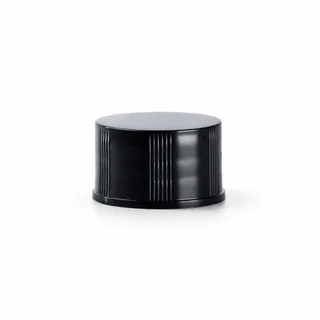
Plain plastic cap, 18/410, black

Product color
Black
Country of origin
China
Diameter
21 mm
Thread type
18/410
Height
12 mm
Product material
PPPlasticEPE
REVIEWS

Verified by customers.

No reviews yet.

Only customers with a delivered order can write reviews.