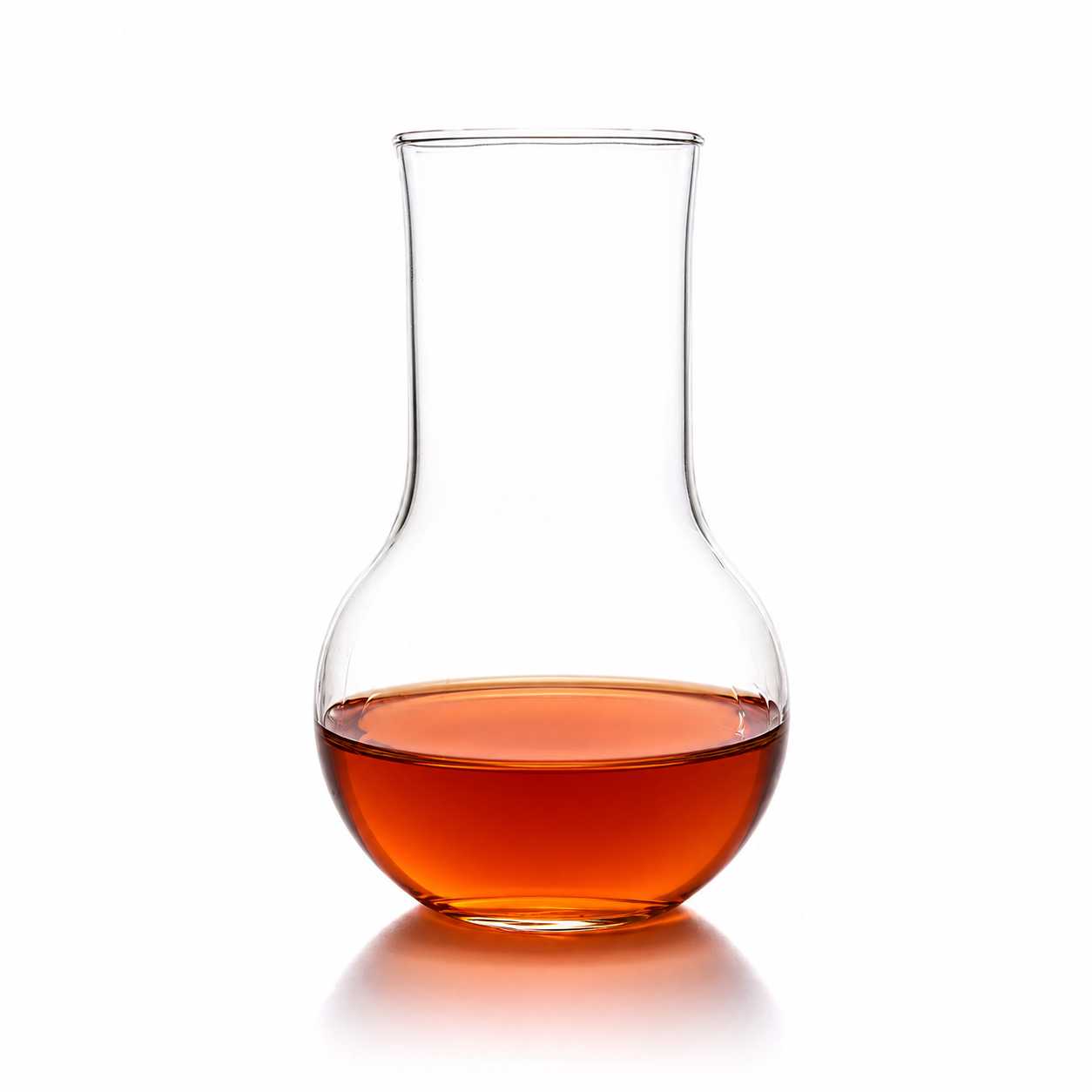
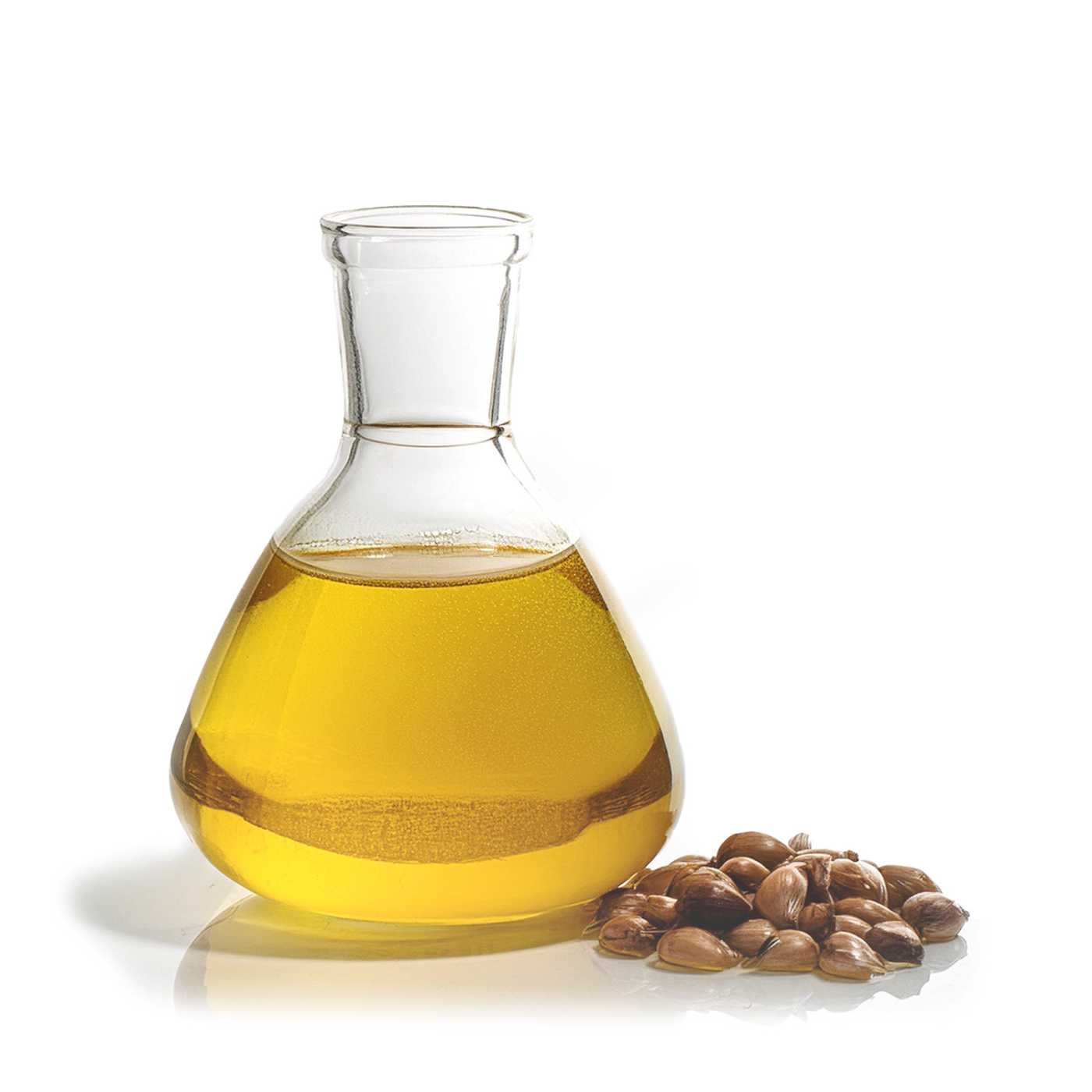
Pink hibiscus fragrance oil
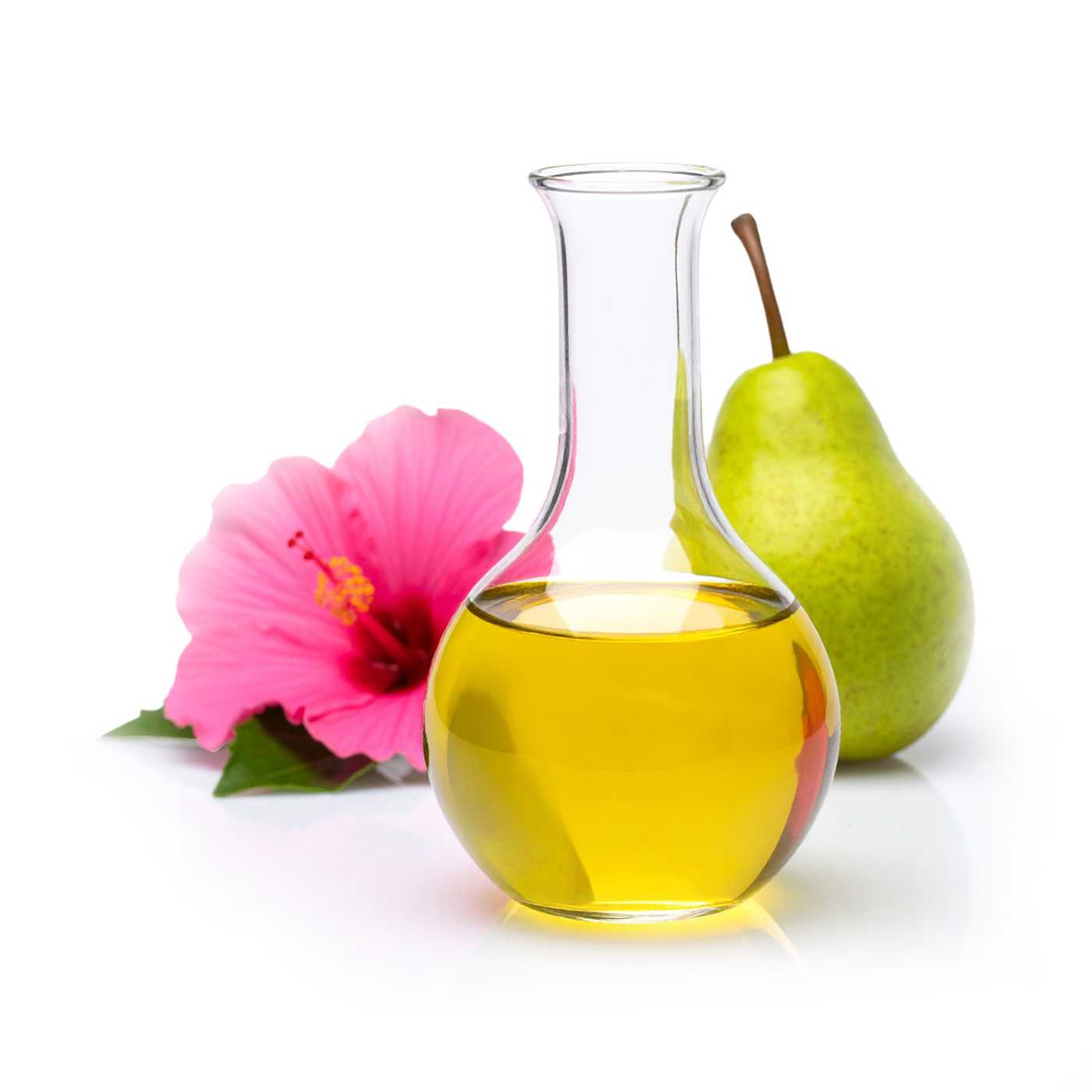
Pink hibiscus fragrance oil is a fragrance composition with a floral profile and a rosy undertone, which brings the scent of hibiscus to cosmetics. It is used for fragrancing finished products – from soaps and body care to bath bombs and diffusers – and its main role in a formulation is to give the product a recognisable scent character. It is a fragrance ingredient of cosmetic grade and European origin, added in small proportions, and it carries its scent even after being incorporated into the base.
Key benefits
- Distinctive floral profile – the hibiscus note with a rosy touch gives the product a pleasant, easily memorable scent without the need to combine several ingredients.
- Wide range of uses – thanks to its solubility in oil and in alcohol, it suits oil-based, emulsion and alcohol-based systems, as well as rinse-off and leave-on cosmetics.
- Effective at a low usage rate – as a concentrated fragrance ingredient, a small proportion is sufficient, so it has minimal impact on the other properties of the formulation.
Use in formulations
The product is soluble in oil and in alcohol and insoluble in water. In water-based or emulsion systems it is therefore added via the oil phase, or with the help of a solubiliser if it is to be part of a clear water-based or water-alcohol product (for example a spray or eau de toilette). Without a solubiliser it will not dissolve in the water phase and may separate.
The fragrance is incorporated cold, during the cooling phase, at a temperature below 40 °C. Adding it to the hot phase needlessly weakens the intensity of the scent, because some of the volatile components escape when heated. The usage rate is governed by the IFRA limits for the given product type and area of application – it is advisable to check the maximum proportion in the current IFRA certificate according to the product category, as it differs between rinse-off and leave-on cosmetics.
The product is classified under CLP and is one of the fragrance ingredients containing fragrance allergens. When formulating, take into account the mandatory declaration of allergens on the label and follow the safety data sheet and the IFRA limits.
In cold process soap, the fragrance performed acceptably in a soap maker’s practical test, but it calls for extra care: the batter thickens fairly quickly and reaches a thick, pudding-like consistency, which can still be worked with. It practically does not discolour the soap batter itself, so it does not affect the colour scheme of the soap.
In cold process soap, work quickly and add the fragrance just before pouring into the mould – the mixture thickens quickly.
Suitable for products such as
- Solid and liquid soaps and shower gels – the fragrance withstands rinse-off systems well.
- Body oils, lotions and creams – add it to the oil phase or the cool-down phase.
- Bath bombs and bath salts – in an anhydrous environment, it can be incorporated directly.
- Diffusers and aromatherapy blends thanks to its solubility in carriers.
- Water-alcohol products (body sprays) – with the use of a solubiliser for a clear result.
- Candles – candles of all types, including container candles, at a rate up to the IFRA limit for category 12.
Good to know
- Pre-mix the fragrance with the oil phase or a small amount of carrier before stirring it into the whole base – this ensures a more even distribution.
- In water-based products intended to be clear, without a solubiliser, it causes cloudiness or separation.
- Dose carefully and within the IFRA limits; a higher proportion does not improve the scent proportionally, it only increases the risk of exceeding the permitted values.
- For more sensitive formulations, check the compatibility and stability of the fragrance in the finished product, as some alkaline or active ingredients may slightly shift its character.
Frequently asked questions
Is pink hibiscus fragrance oil soluble in water?
No, pink hibiscus fragrance oil is not soluble in water – it dissolves in oil and in alcohol. In water-based or emulsion products it is added via the oil phase, and if it is to be part of a clear water-based or water-alcohol system, it needs a solubiliser, otherwise it will separate.
When should the fragrance be added to a cream or emulsion?
The fragrance is added cold, during the cooling phase, at a temperature below 40 °C. Incorporating it into the hot phase weakens the intensity, because some of the volatile components escape when heated. It is stirred into the finished emulsion only just before completion, after the base has cooled.
Is pink hibiscus fragrance suitable for cold process soap?
Yes, with extra care. In a practical test in cold process soap, the batter thickened fairly quickly to a thick, pudding-like consistency, but it could still be worked with. We recommend working quickly and adding the fragrance just before pouring. It practically does not discolour the soap batter.
What is the usage rate for pink hibiscus fragrance oil?
It is used in small proportions, and the maximum usage rate is determined by the IFRA limits according to the product type and area of application. Since the permitted proportion differs between rinse-off and leave-on cosmetics, it is advisable to check the specific value in the current IFRA certificate for the given product category.
Will this fragrance affect the colour of the finished product?
In a test in cold process soap, it practically did not discolour the mixture. In other formulations the final colour also depends on the concentration and the rest of the formulation, so for products where clarity or an exact shade matters, we recommend testing the fragrance first in a small sample.