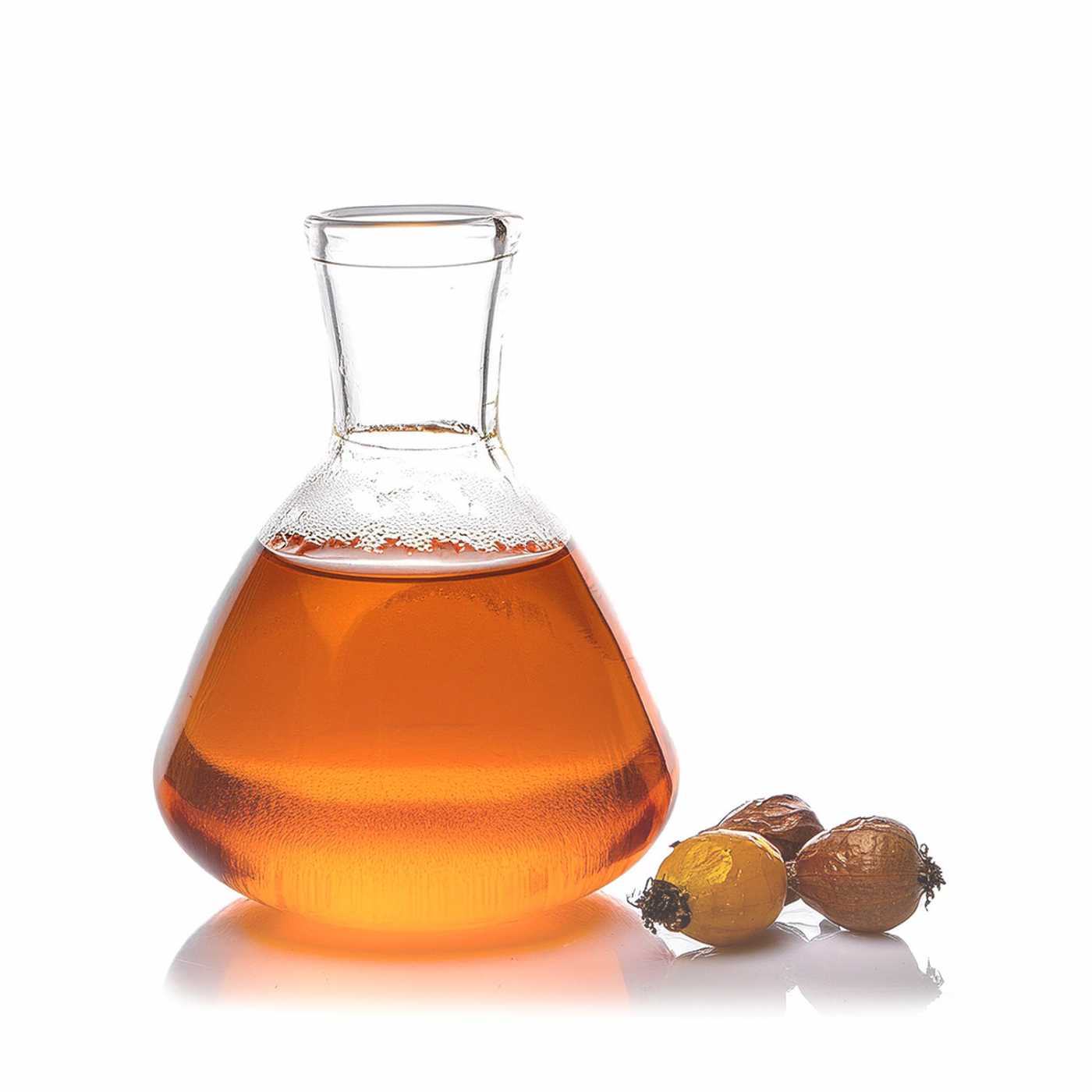
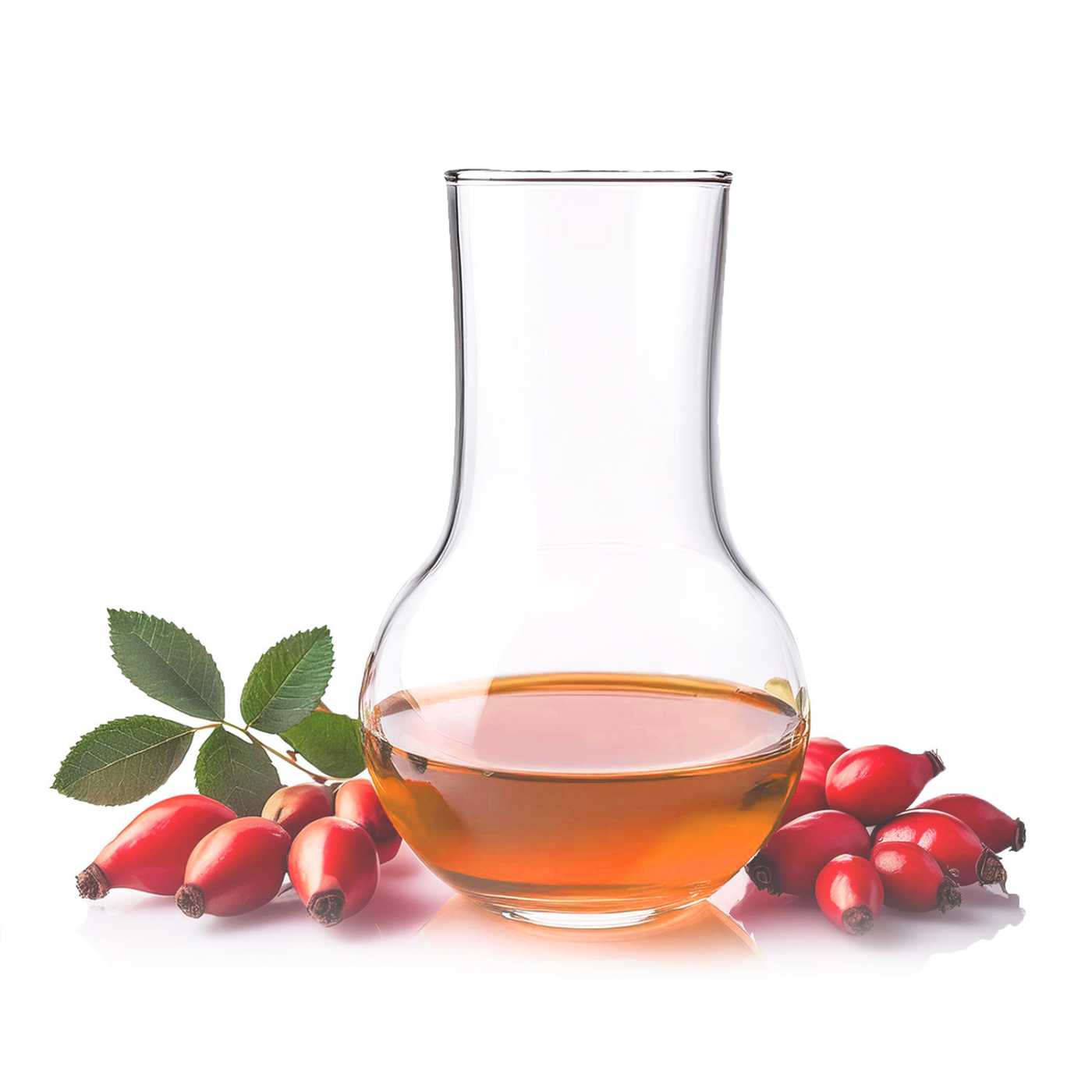
Cold-pressed rosehip seed oil is a regenerating and nourishing oil for serums, creams, and balms for dry, mature, or unevenly pigmented skin. It is obtained by mechanically pressing seeds of rosehip (Rosa canina) of European origin from wild harvest, without heating, which preserves its natural colour and scent.
The oil contains 35 – 65 % linoleic acid and 10 – 50 % linolenic acid, complemented by oleic acid in the range of 13 – 30 %. The manufacturer describes it as a lightweight oil that spreads quickly on the skin and does not leave a noticeable greasy film. According to manufacturer data, the raw material is vegan.
What the oil brings to skin and hair
- Nourishment and hydration support – unsaturated fatty acids replenish the skin's lipids. The manufacturer states that the oil helps reduce moisture loss and that the skin feels smoother and more supple after application.
- Antioxidant action – according to the manufacturer, the oil contains natural antioxidants that help protect the skin from environmental influences. It is therefore suitable for formulations for mature skin.
- Skin tone evening – the manufacturer attributes to the oil the ability to reduce the appearance of darker spots and uneven pigmentation with regular use. The effect depends on the dosage and the overall formulation.
- Fast absorption – once spread, the oil absorbs quickly without a greasy feel according to the manufacturer, which is used particularly in facial serums.
- Hair care – in hair oils and masks, according to the manufacturer, it smooths hair, reduces frizz, and adds shine.
Use in formulation
The oil is added to the oil phase or used on its own. Due to its high content of polyunsaturated fatty acids, we recommend adding it to the cooled emulsion at the end of processing, or including it in the oil phase only shortly before emulsification, to minimise heat exposure. For anhydrous products (oil serum, balm, ointment base) it is added cold; for balms, after melting the waxes and fats, just before pouring.
The manufacturer does not specify a precise recommended dosage. In oil serums it is commonly used as one of the components in an oil blend or on its own; in emulsions it is combined with more stable oils that withstand longer processing.
Oils with a high content of polyunsaturated fatty acids are subject to oxidation more quickly than saturated fats. Add an antioxidant to the formulation, such as Tocopherol, and avoid exposing the oil to unnecessary heat or light during processing.
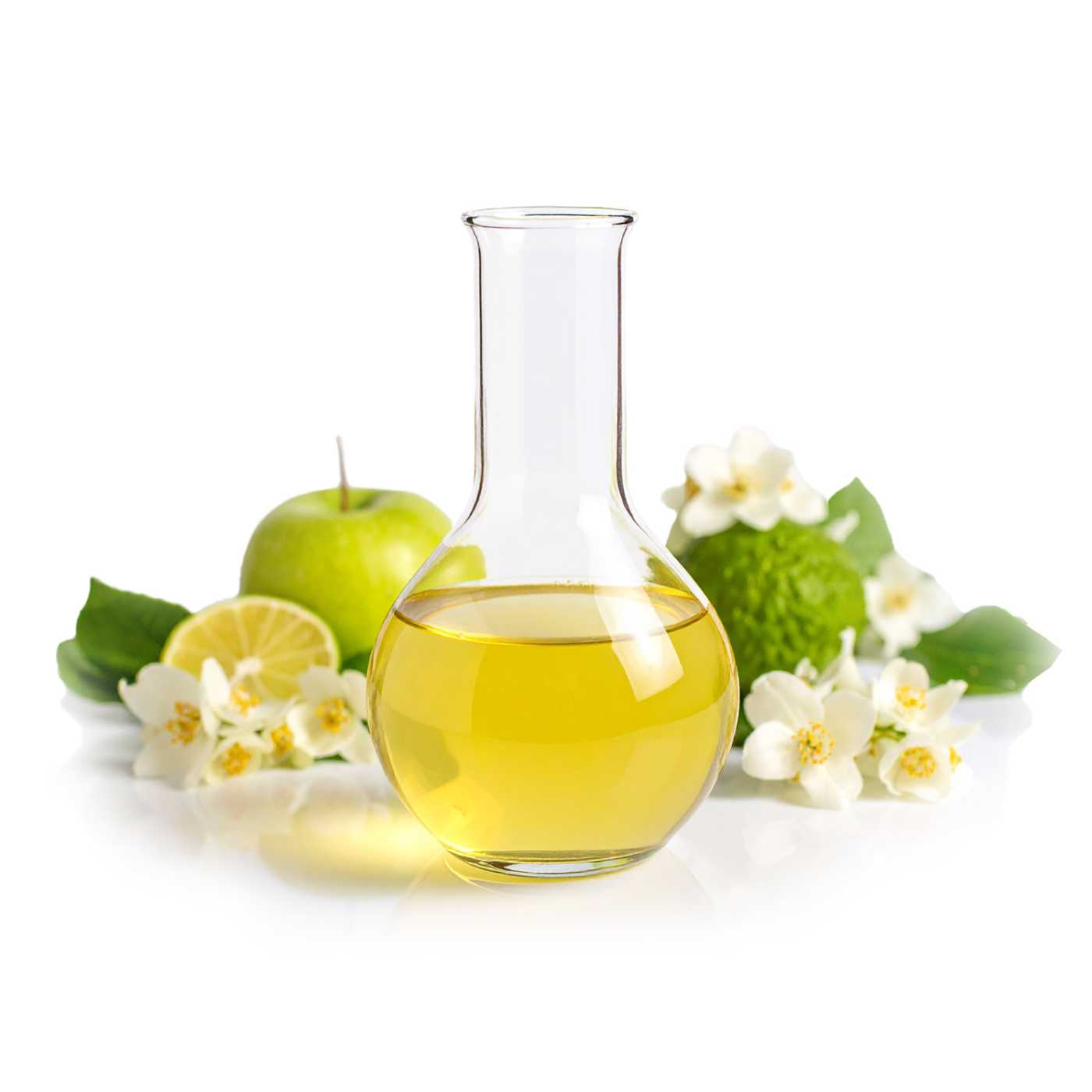
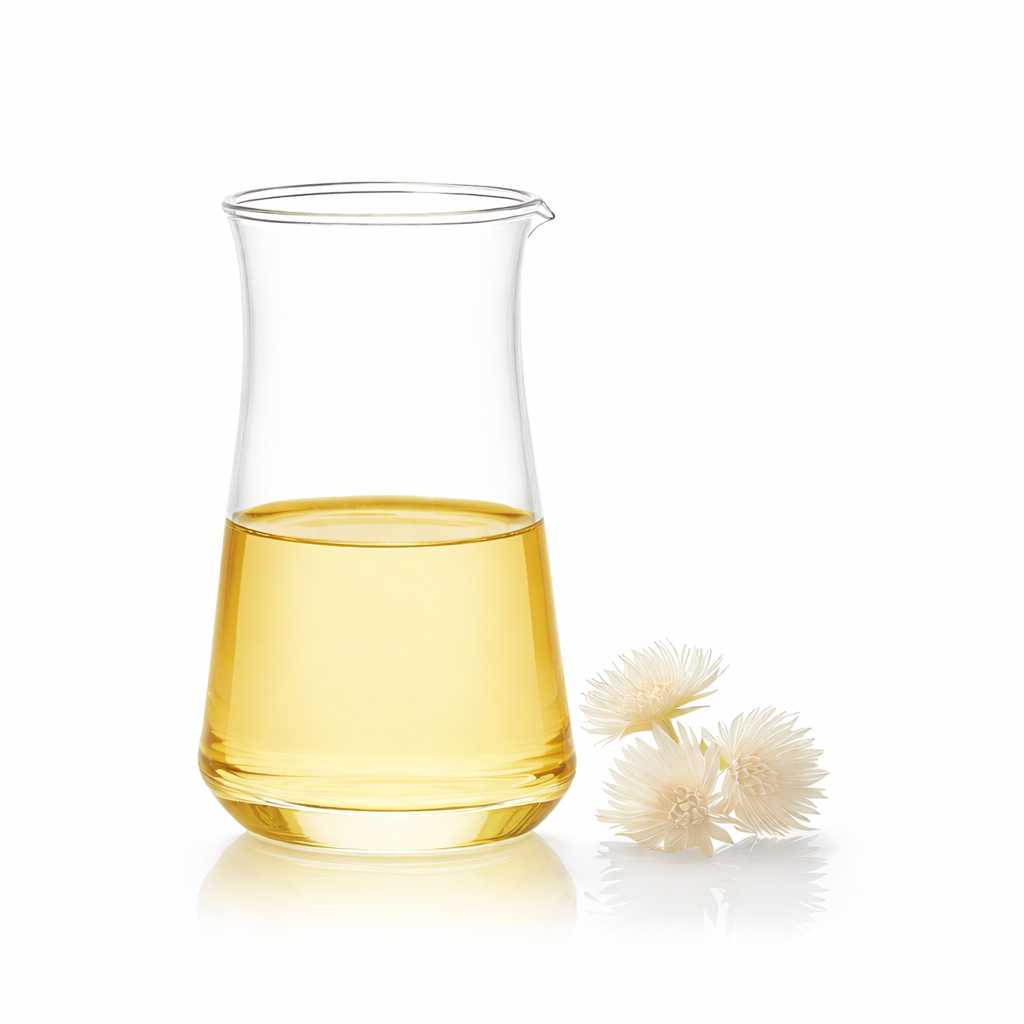
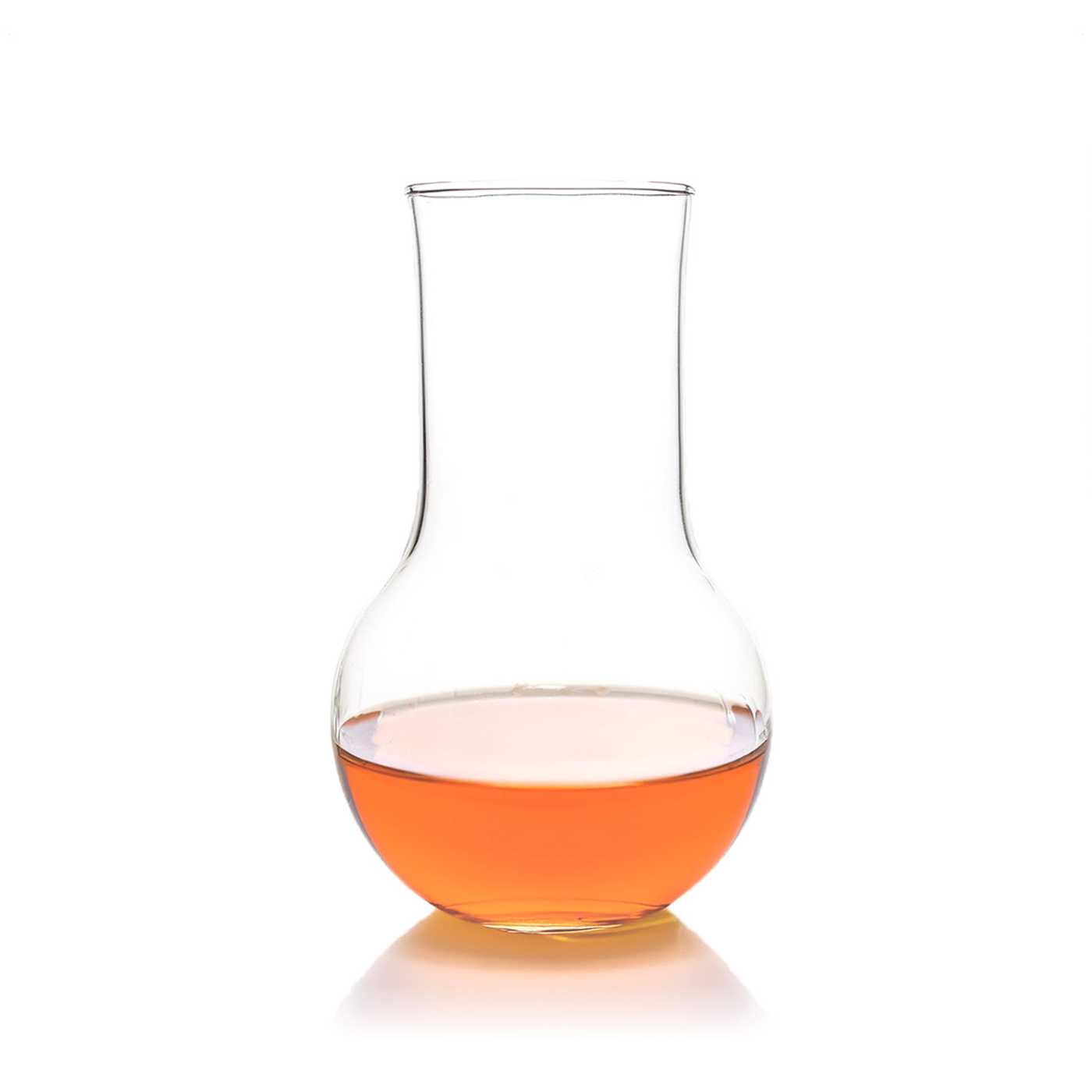
The colour of the oil ranges from yellow to dark orange and transfers to the finished product. White creams and lotions will acquire a yellowish to creamy shade; in oil serums the colouring is more pronounced. The scent is natural, earthy and fruity. At higher concentrations in the formulation, take this into account when selecting the fragrance component.
Suitable for products such as
- Oil-based facial and body serums – make use of the light texture and fast absorption; the oil can form a substantial part of the blend.
- Moisturising creams and body lotions – a regenerating component of the oil phase for dry and mature skin.
- Balms, ointments, and body butters – the manufacturer lists these among the recommended applications; the oil is added after the base has cooled.
- Hand and foot creams – a nourishing component for stressed and dry skin.
- Hair oils and masks – applied to hair ends or used as a rinse-out treatment.
- Rinse-off products – body wash gels and cleansing preparations, where it supplements the lipid component. Efficacy here is limited by the brief contact time with the skin.
What is good to know
The oil is cold-pressed and unrefined, so colour and scent intensity may vary slightly between batches. The fatty acid ranges stated above are the manufacturer's specification; individual batches fall within those ranges.
Do not keep the oil in the heated oil phase for extended periods. Verify compatibility with your chosen emulsifier, preservative, and antioxidant in the finished formulation by a stability test.
For sensitive skin, start with a lower dosage. The manufacturer cites soothing of irritated skin as a cosmetic benefit, based on their own data.
Frequently asked questions
Is rosehip seed oil greasy or does it absorb quickly?
According to the manufacturer, rosehip seed oil absorbs quickly and does not leave a noticeable greasy film. It contains a high proportion of unsaturated fatty acids, particularly linoleic acid and linolenic acid, and has a light texture. The manufacturer therefore recommends it for facial serums and face preparations where a heavy feel on the skin is undesirable.
How is rosehip seed oil added to a cream?
Rosehip seed oil is added to the cream as part of the oil phase, ideally after the emulsion has cooled at the end of processing. The oil is thus exposed to minimal heat, which limits oxidation. If it must be added directly to the oil phase, incorporate it just before emulsification and avoid prolonged heating.
Will rosehip seed oil colour the finished product?
Yes, rosehip seed oil has a natural yellow to dark orange colour that transfers to the product. White emulsions will acquire a creamy or yellowish shade; oil serums a more pronounced orange tint. Account for this colour when developing the formulation and avoid combining it with colorants that would clash with this hue.
Does rosehip seed oil need preservation?
Rosehip seed oil itself does not require an antimicrobial preservative, as it contains no water. However, it does need protection against oxidation, as it contains a high proportion of polyunsaturated fatty acids. We recommend adding an antioxidant, such as Tocopherol, to oil blends and serums. Once the oil is incorporated into a water-containing emulsion, the finished product does require a preservative.
Is rosehip seed oil suitable for hair cosmetics?
Yes, rosehip seed oil is also used in hair oils and masks. According to manufacturer data, it helps smooth the hair shaft, reduce frizz, and add shine. A small amount is applied to hair ends, or it is incorporated into a rinse-out mask so that the hair does not feel weighed down.