Pre-orderSold out

Vitamin C, Ascorbyl Tetraisopalmitate, Stabilized, 10 ml
€18.99(€1,899.00/l)

EMULGATORS
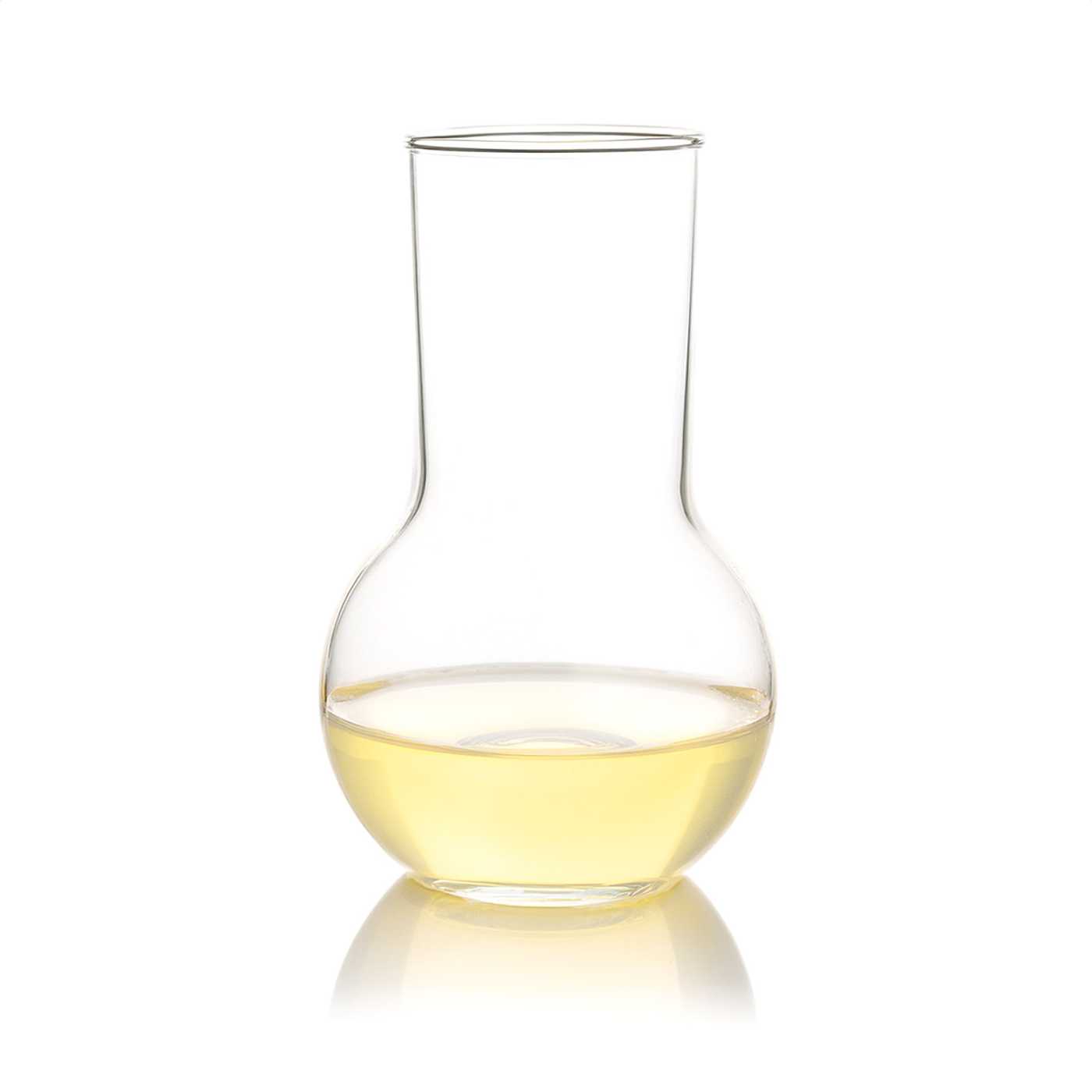
Polyglyceryl-3 Polyricinoleate (PGPR) is a non-ionic water-in-oil (W/O) emulsifier of plant origin. It keeps the water phase dispersed in the oil in the form of tiny droplets. full description
Lowest price in the 30 days before the discount: €32.99
Polyglyceryl-3 Polyricinoleate (PGPR) is a non-ionic water-in-oil (W/O) emulsifier of plant origin. It keeps the water phase dispersed in the oil in the form of tiny droplets. It is used as the main emulsifier in W/O emulsions or as a co-emulsifier and stabiliser alongside another W/O emulsifier. It tolerates electrolytes, so the water phase can also contain salt.
It is produced in Europe by esterifying glycerine with fatty acids from castor oil. It contains no PEG, silicones or palm oil ingredients and is also suitable for vegan cosmetics.
The difference lies in which phase is the outer one. In a common O/W cream, oil droplets are dispersed in water. PGPR has a very low HLB value, approximately 1.5, and forms the opposite type of emulsion: the water is enclosed in droplets and the outer phase is oil. PGPR on its own is not intended for O/W emulsions with an outer water phase.
You will notice the difference on the skin. A W/O emulsion leaves an oily film on the skin that slows down water evaporation and is harder to wash off with water than an O/W cream. This type of emulsion is therefore used mainly in care for dry skin and in sun care products.
The recommended usage rate is 0.5–4%. Emulsions with a high water content need more emulsifier, so the rate should be towards the upper end of the range. Sun care formulations also use rates of 3–6%.
Always dissolve the emulsifier in the oil phase first, preferably with gentle heating. The processing temperature should stay below 80 °C. Only then add the water phase, gradually and with constant intensive mixing.
The mixing method determines stability. A stick blender or homogeniser breaks the water into smaller, more uniform droplets, and the emulsion is more stable.
Mixing with a spoon or a magnetic stirrer is not sufficient for a W/O emulsion with PGPR. After a few days the water droplets merge and the water separates.
In formulations, PGPR is most often combined with glycerine, Caprylic/Capric Triglyceride, Tocopherol, Magnesium Sulfate, Xanthan Gum and another W/O emulsifier, Polyglyceryl-3 Diisostearate. Isostearyl Isostearate and Cetearyl Alcohol also appear frequently.
Do not overdo the salt. Magnesium sulfate is the one used most often. Too high a dose of salt reduces the stability of the emulsion and at the same time speeds up oxidation of the oil.
The ratio of water to oil matters. With a very high water content and a low emulsifier rate, the droplets clump together and the water separates. With a low water content, on the other hand, oil may be released. We recommend verifying every new formulation with a stability test.
The oil in a W/O emulsion oxidises faster with a higher water content, a higher salt content, a low emulsifier rate and when stored in warm conditions. An antioxidant, for example Tocopherol, and cool storage of the finished product help.
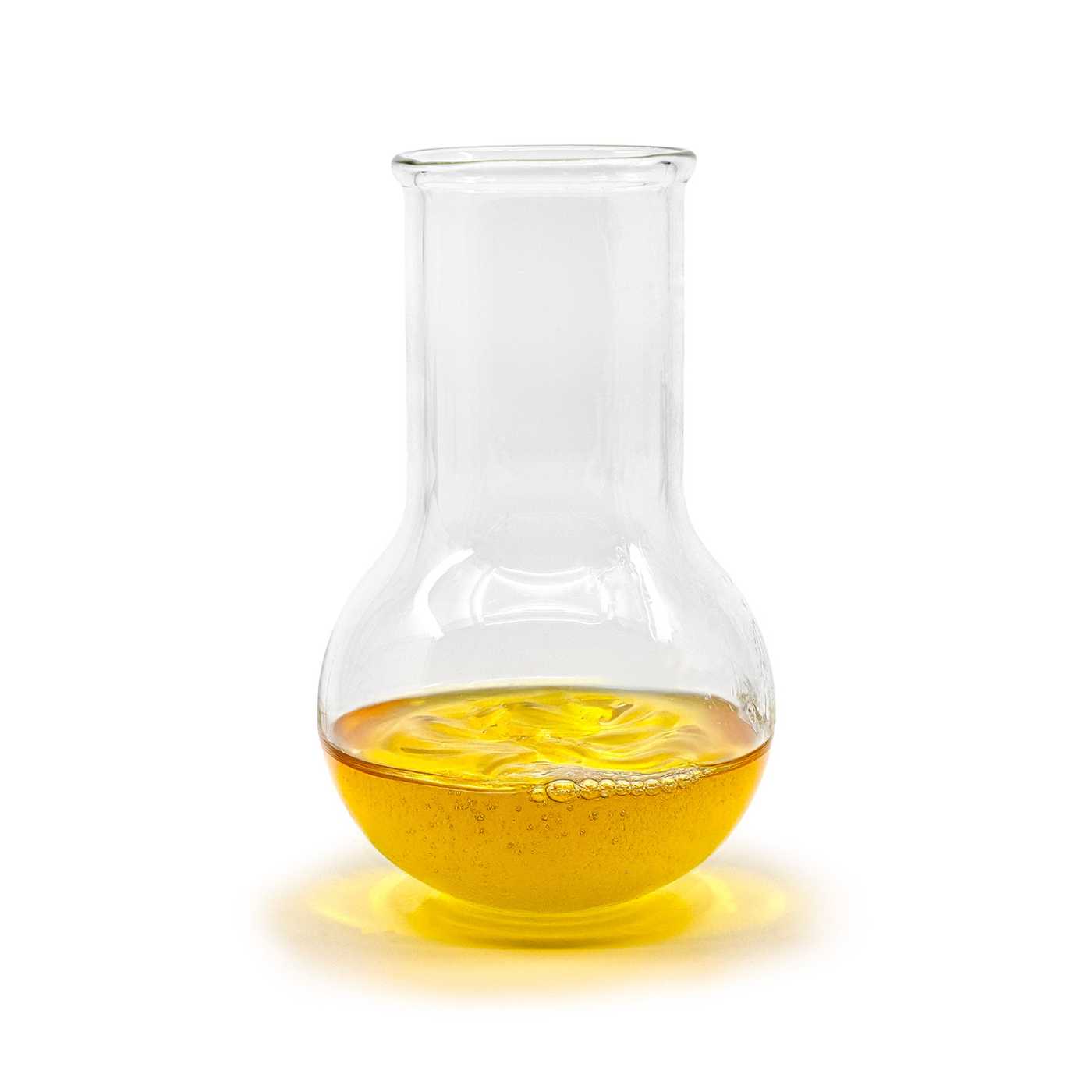
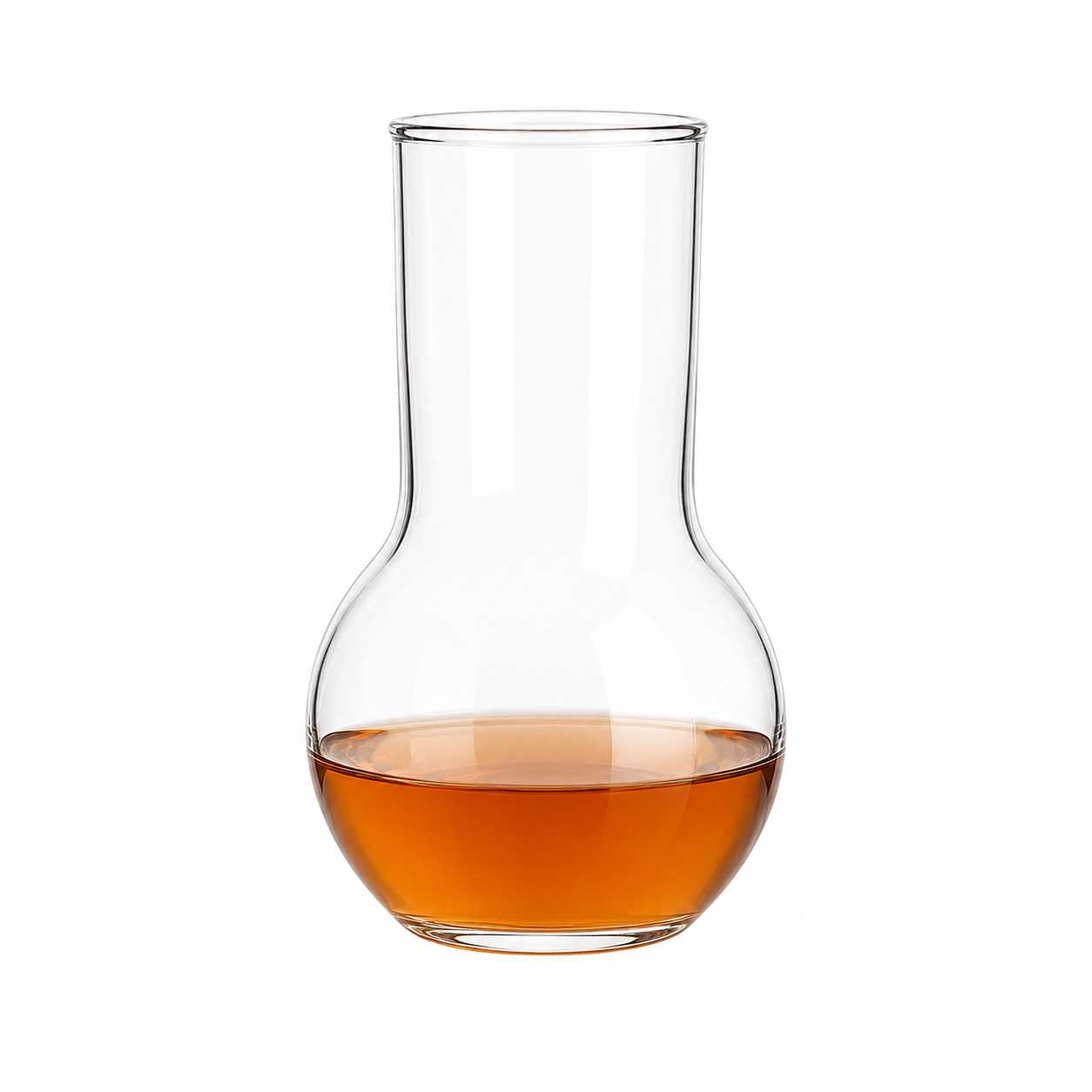
The ingredient itself is a light brown viscous liquid with a characteristic odour. It is not classified as hazardous under CLP, but avoid contact with eyes and skin when handling it. Protect it from strong acids, strong bases and strong oxidising agents, with which it may react exothermically. It decomposes at high temperatures.

A very interesting emulsifier for water-in-oil systems. Great to experiment with and useful for exploring a completely different emulsion structure.
Translated automatically