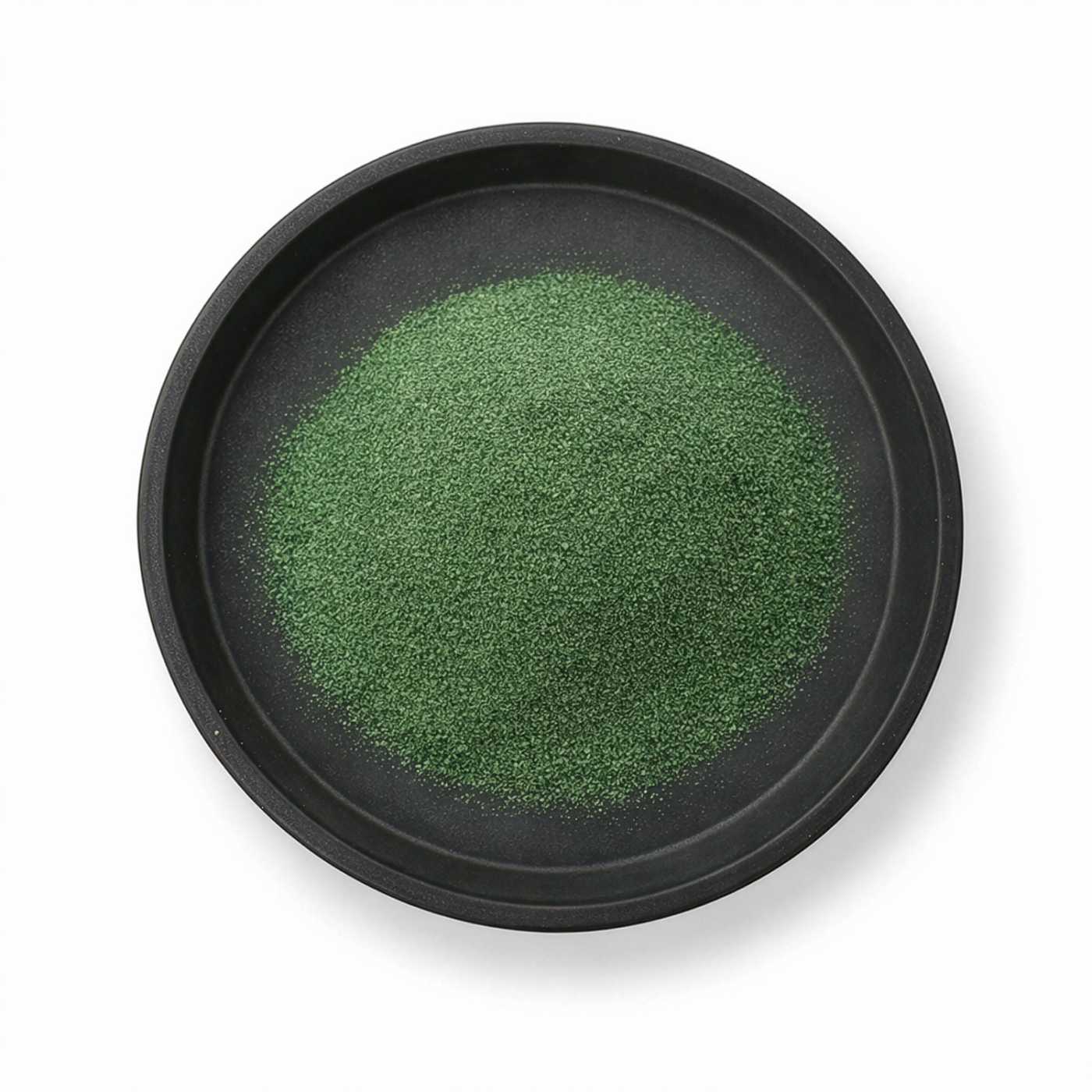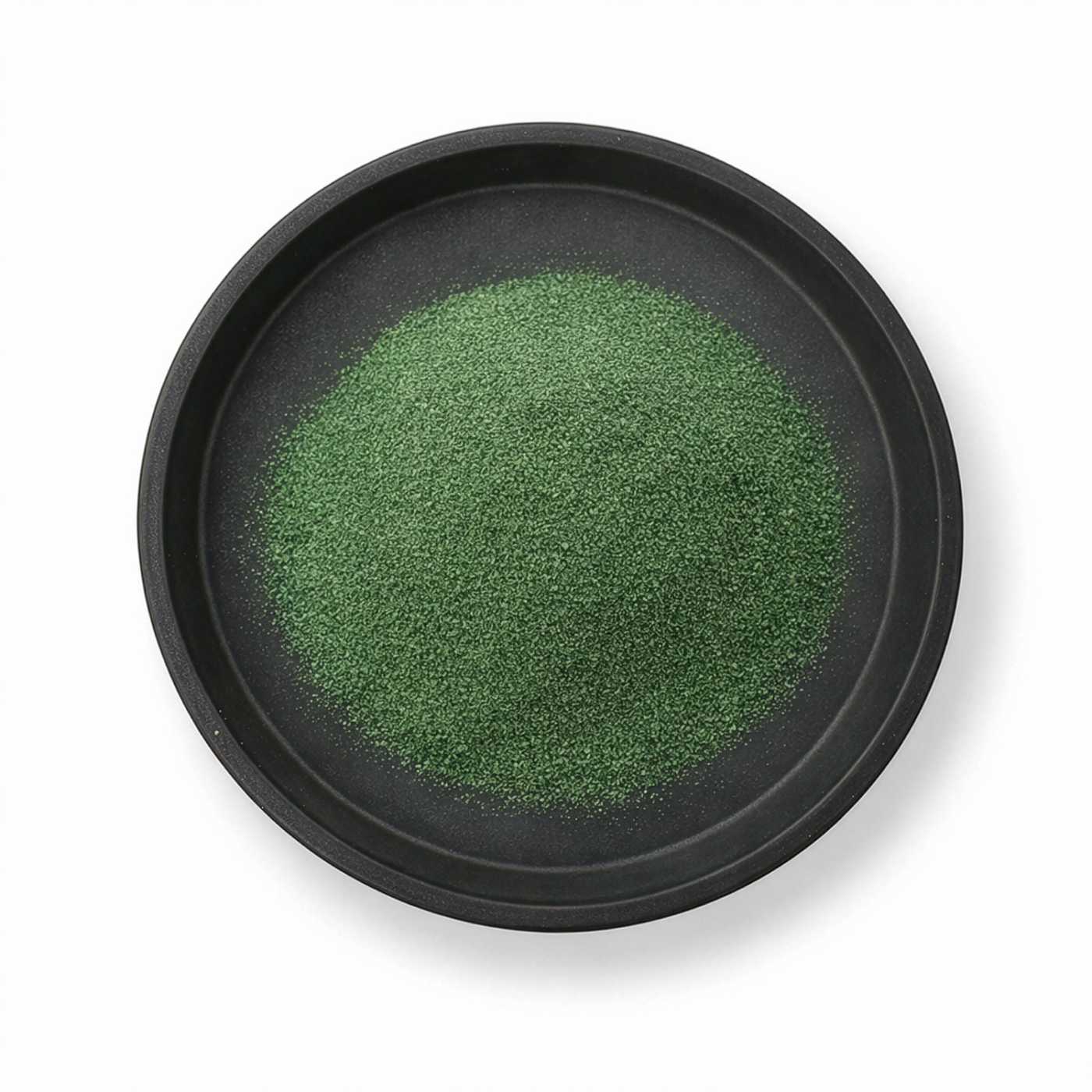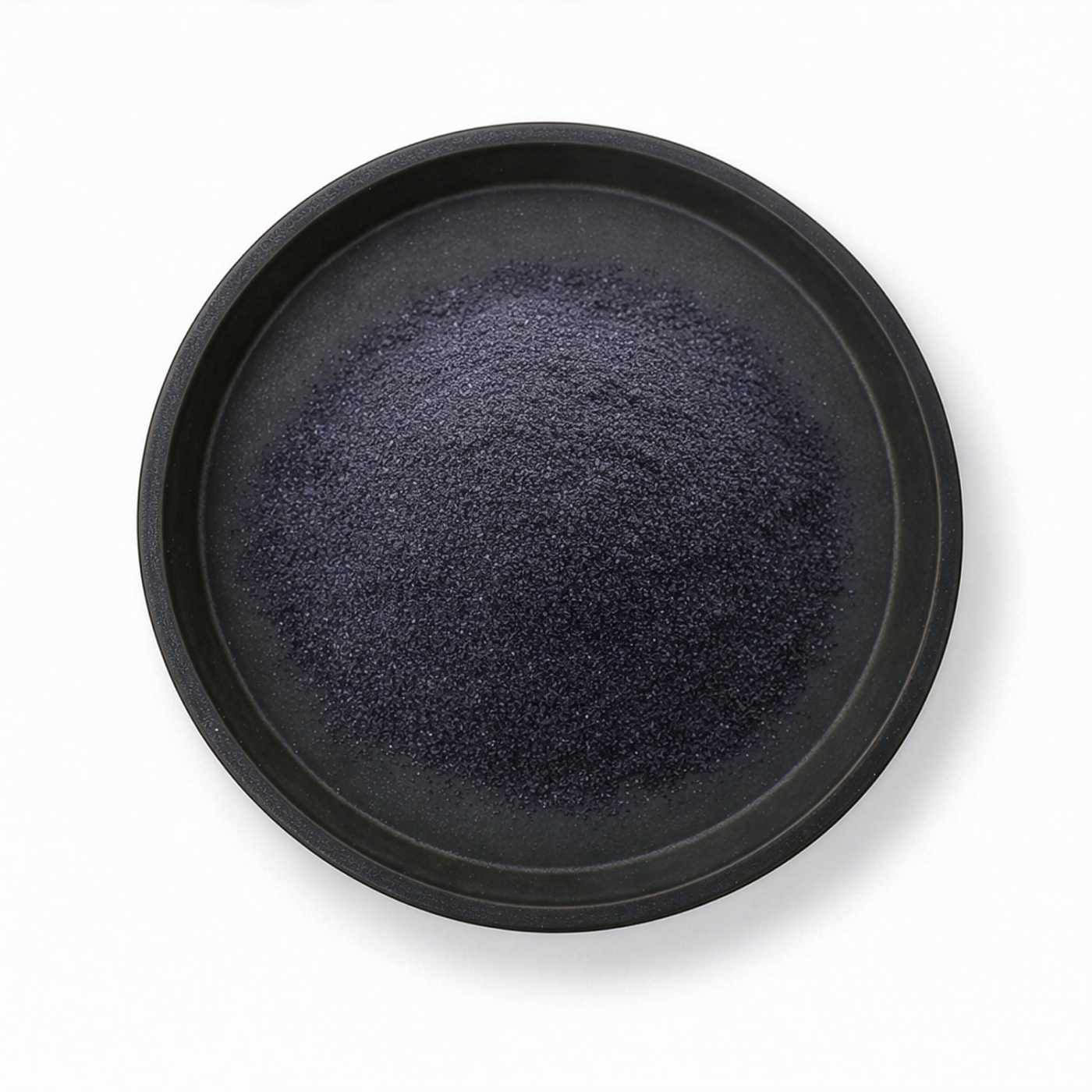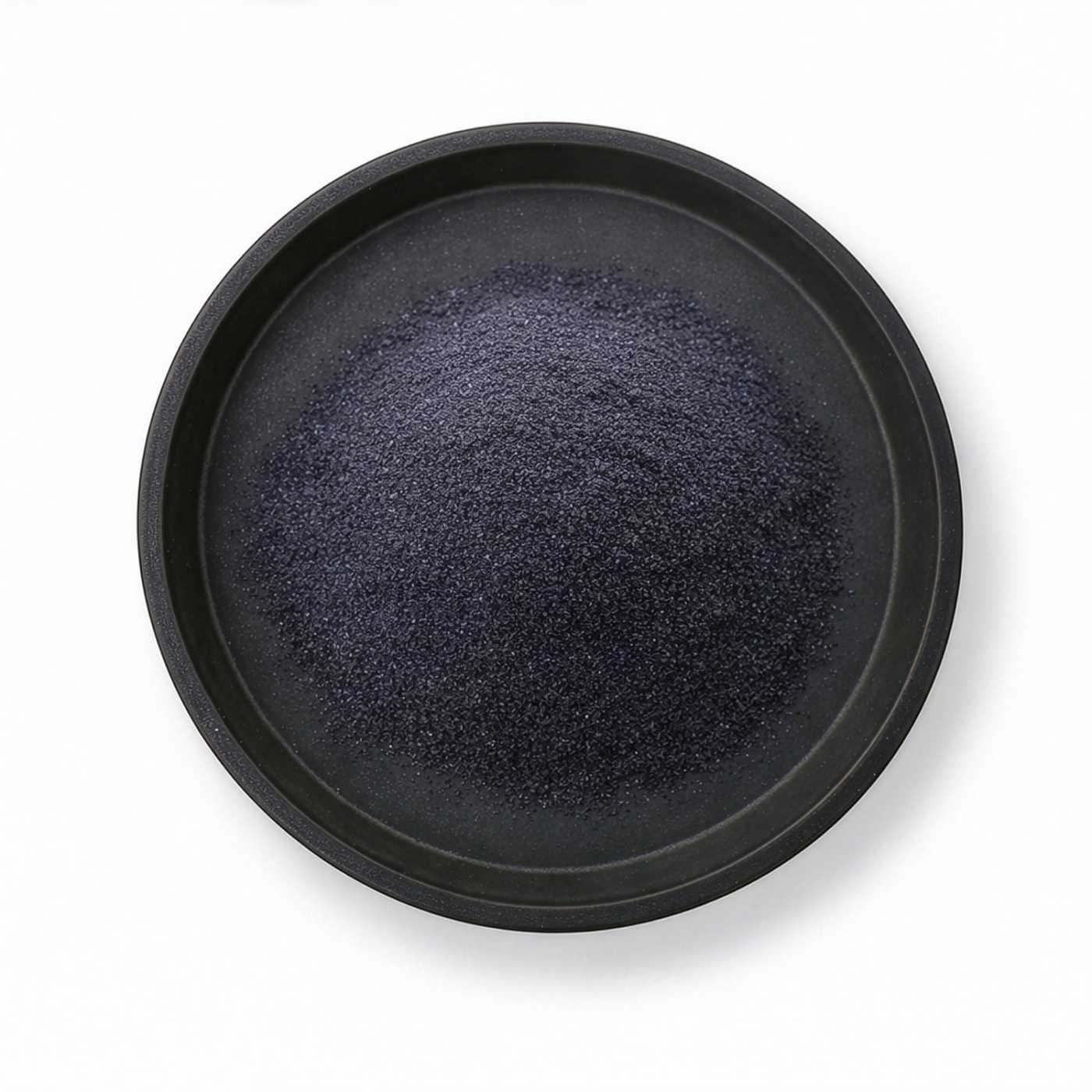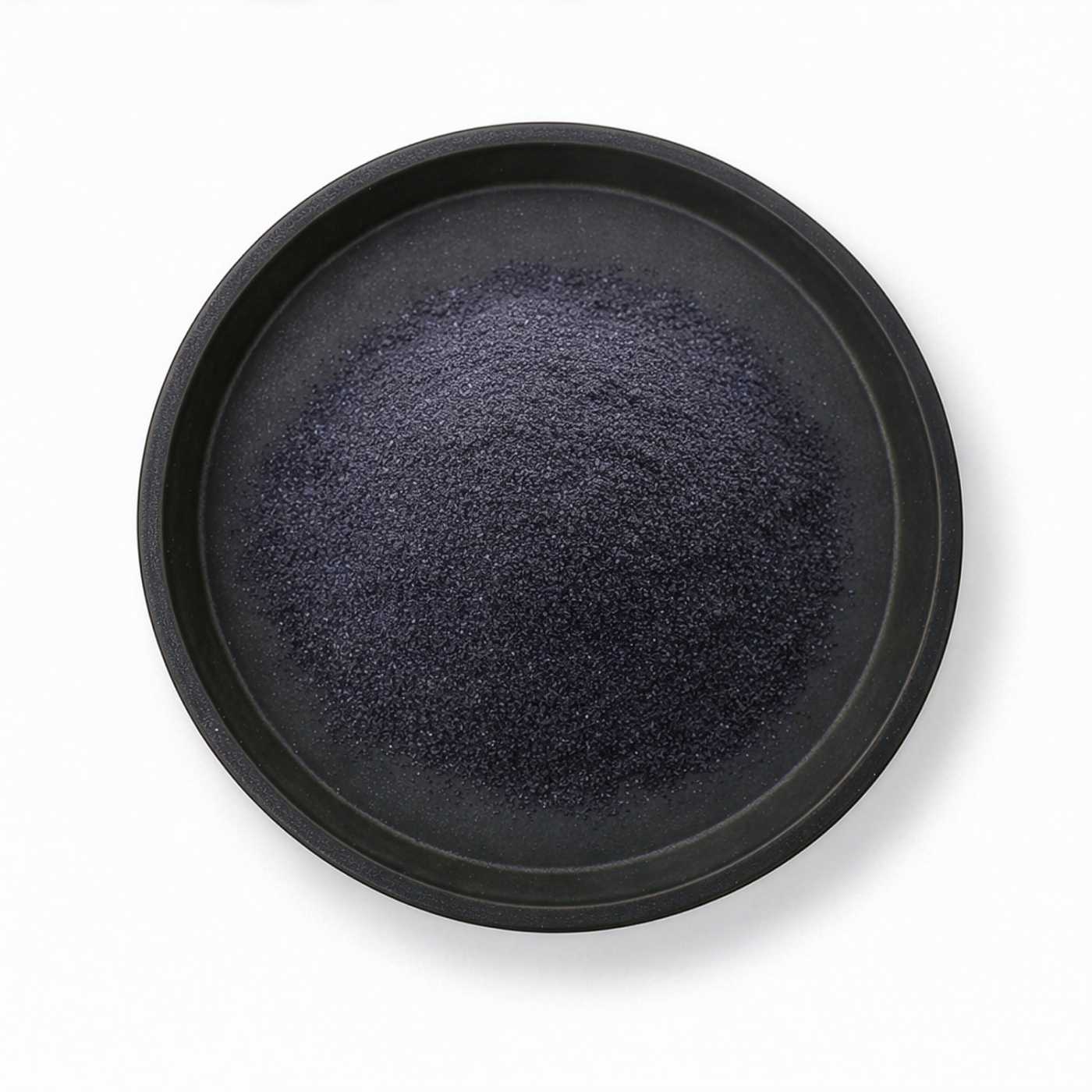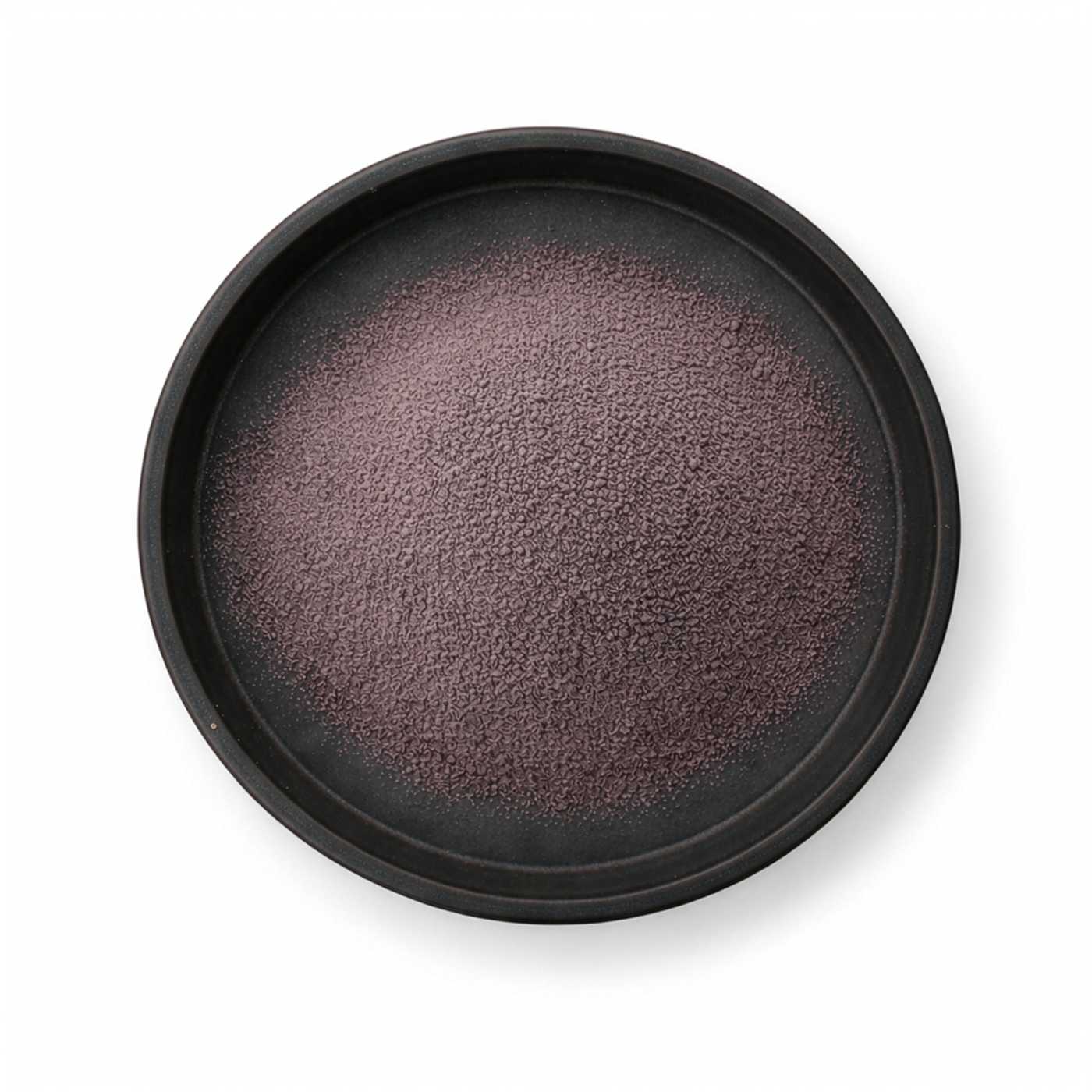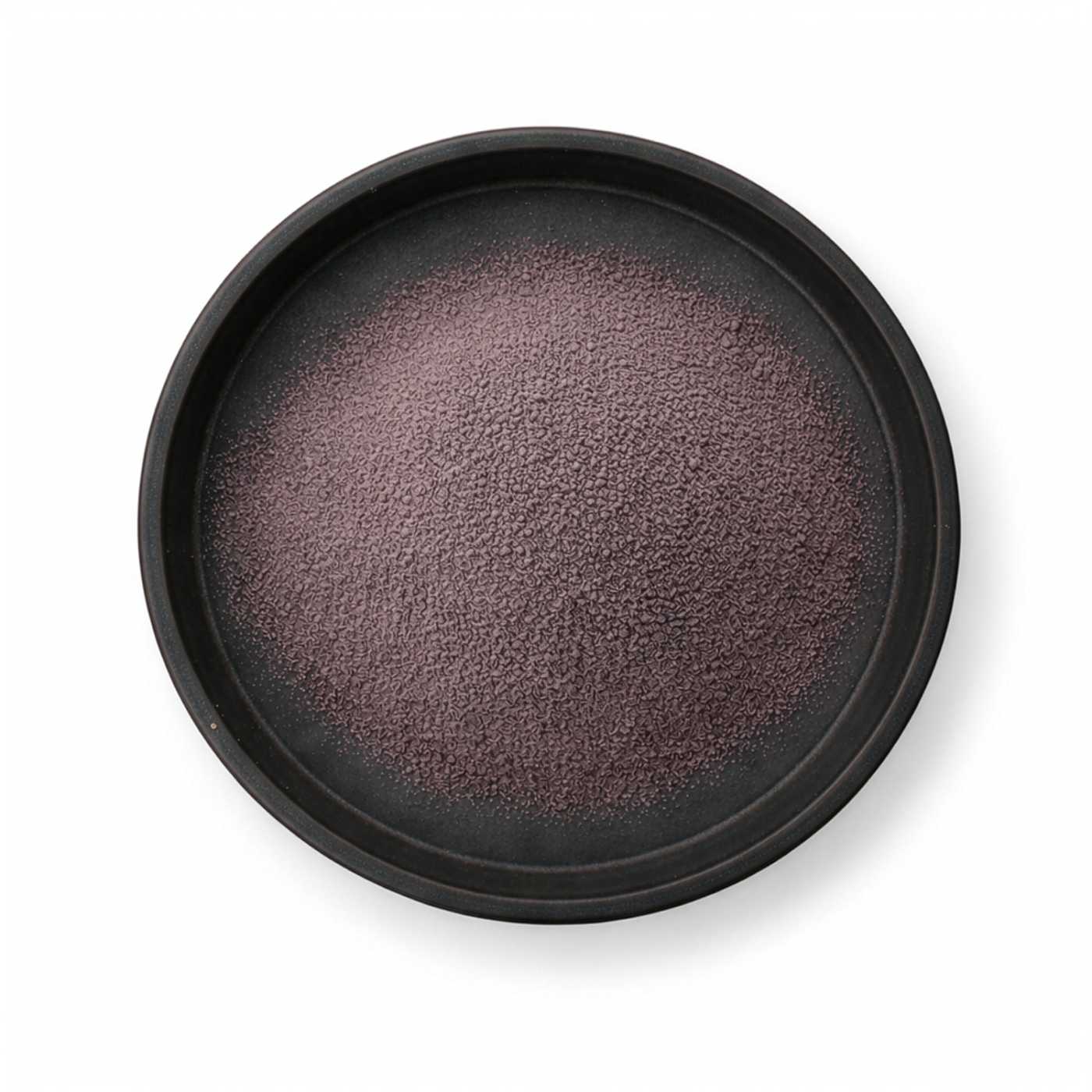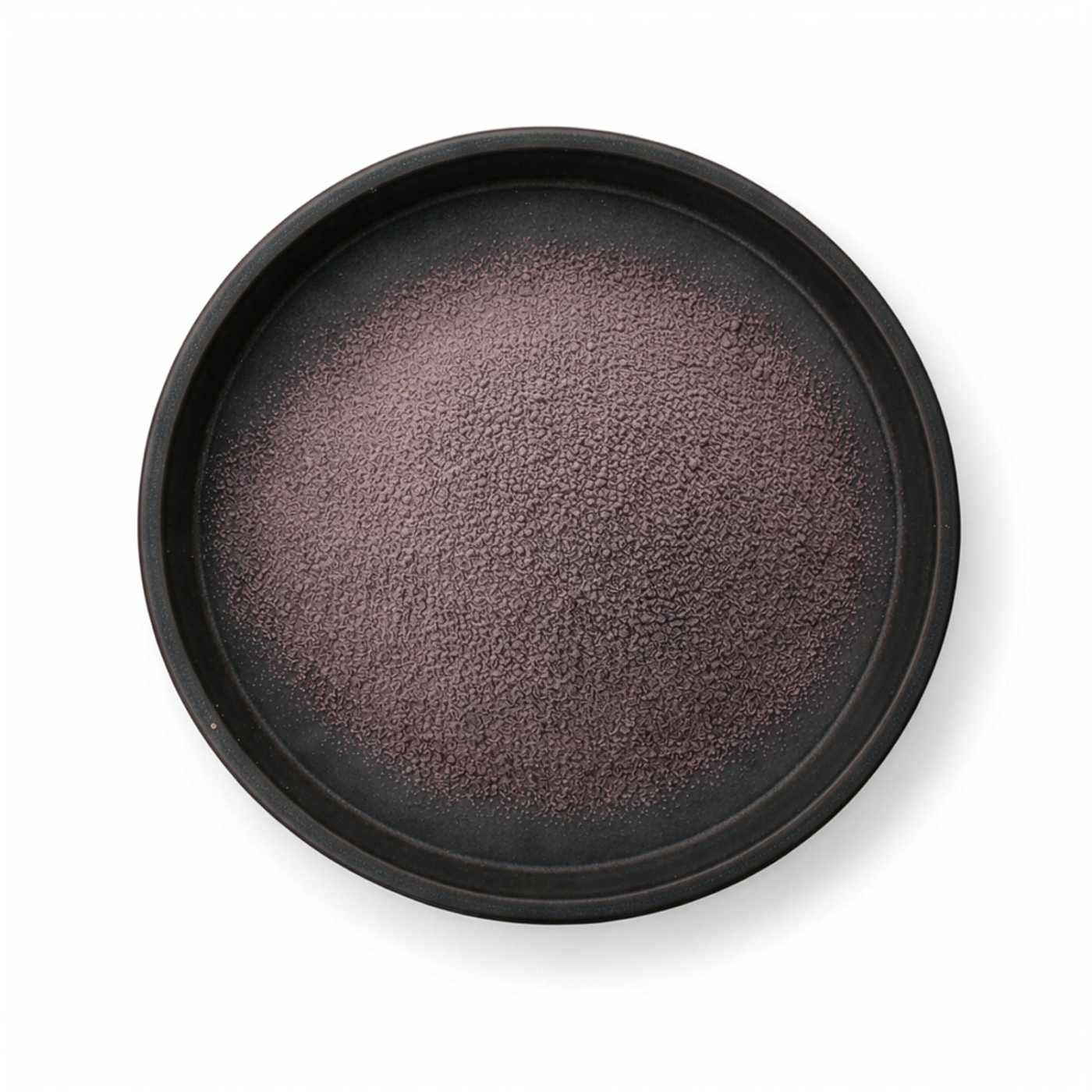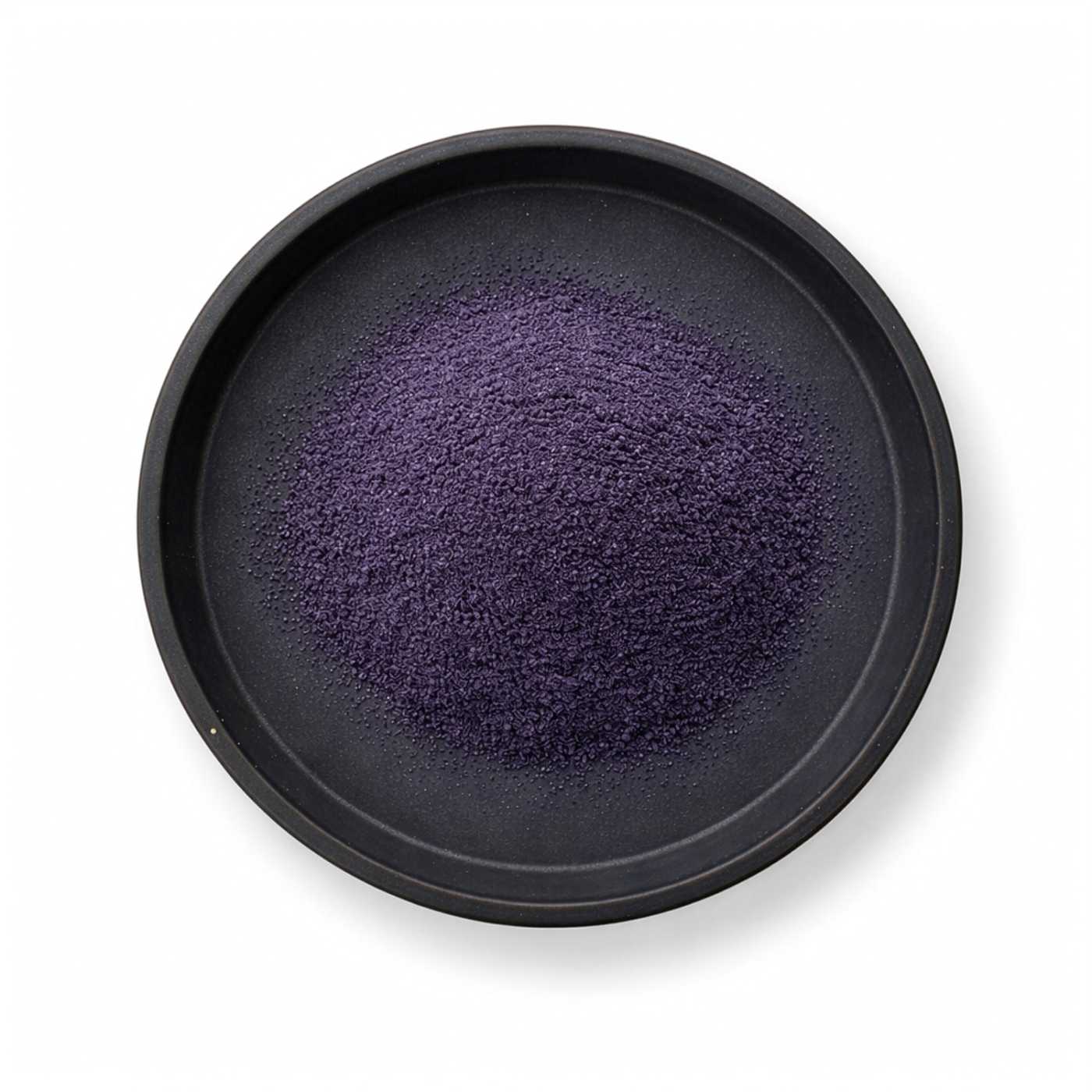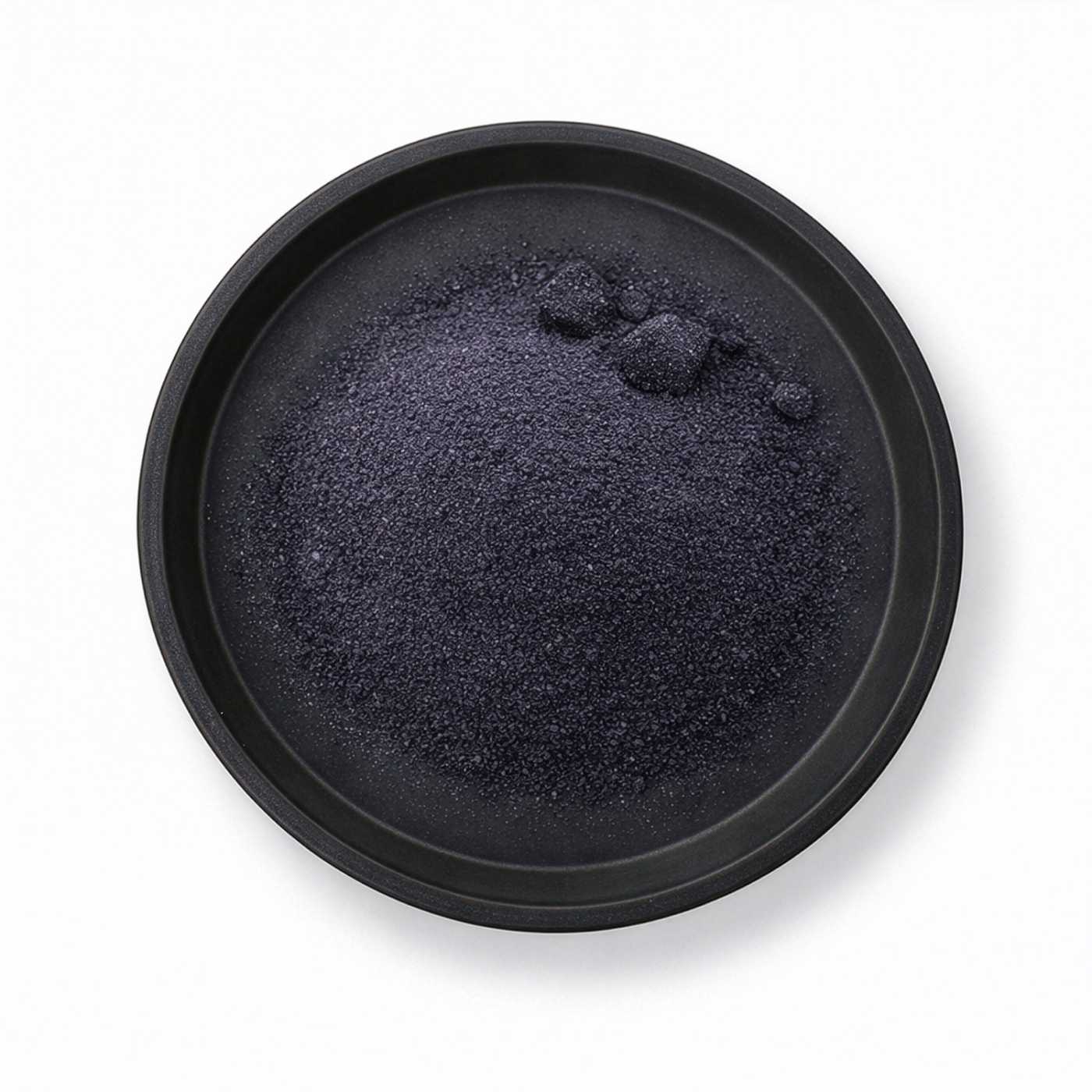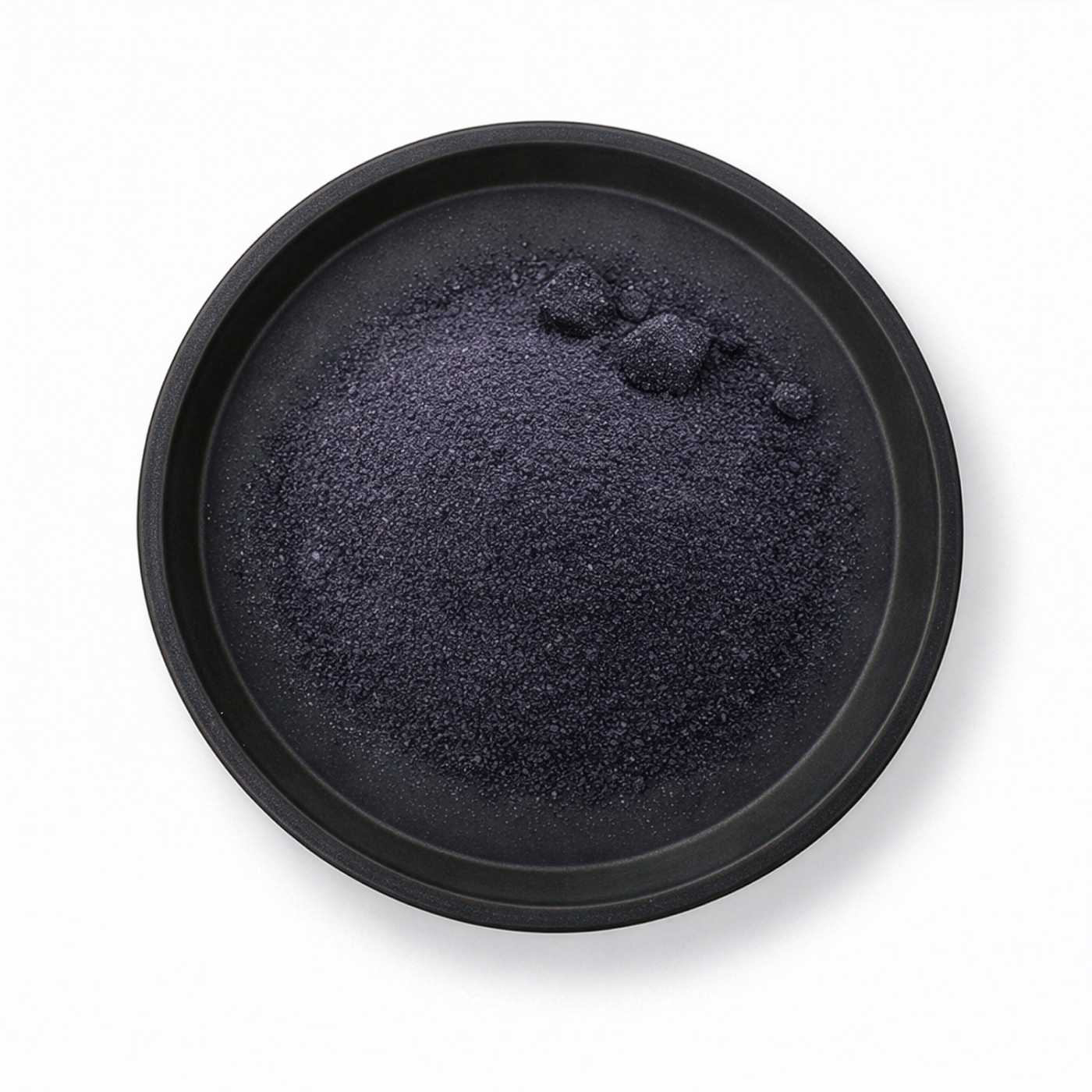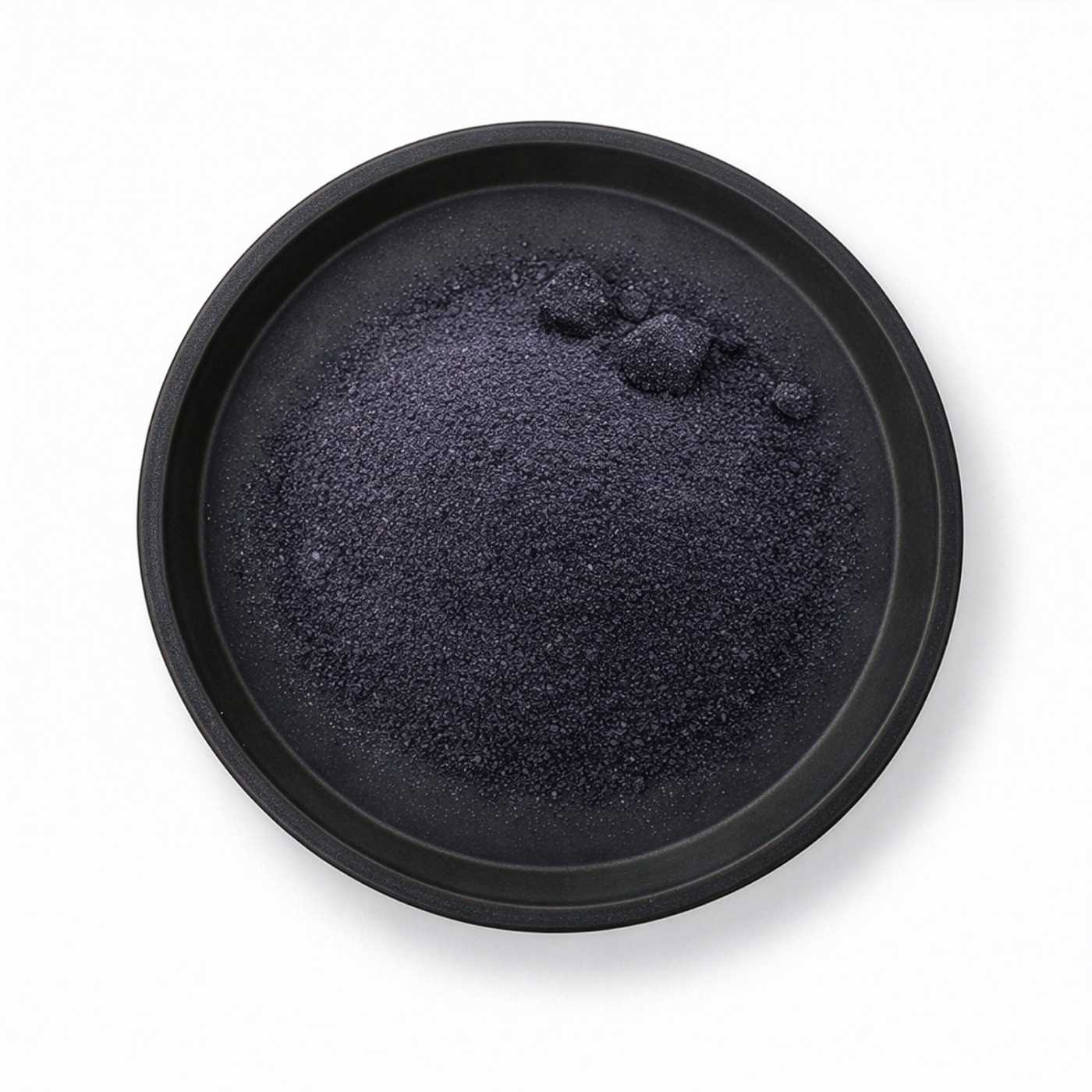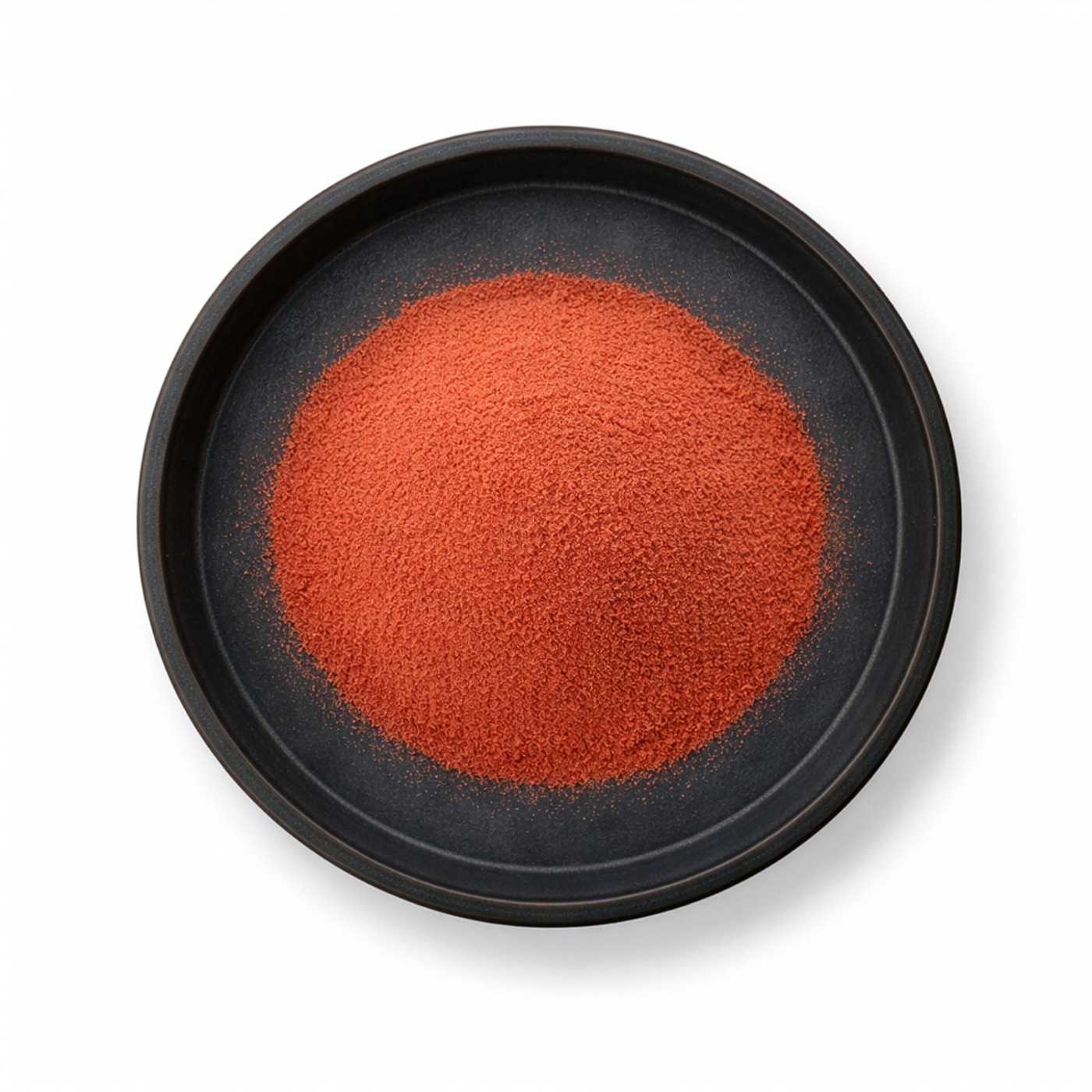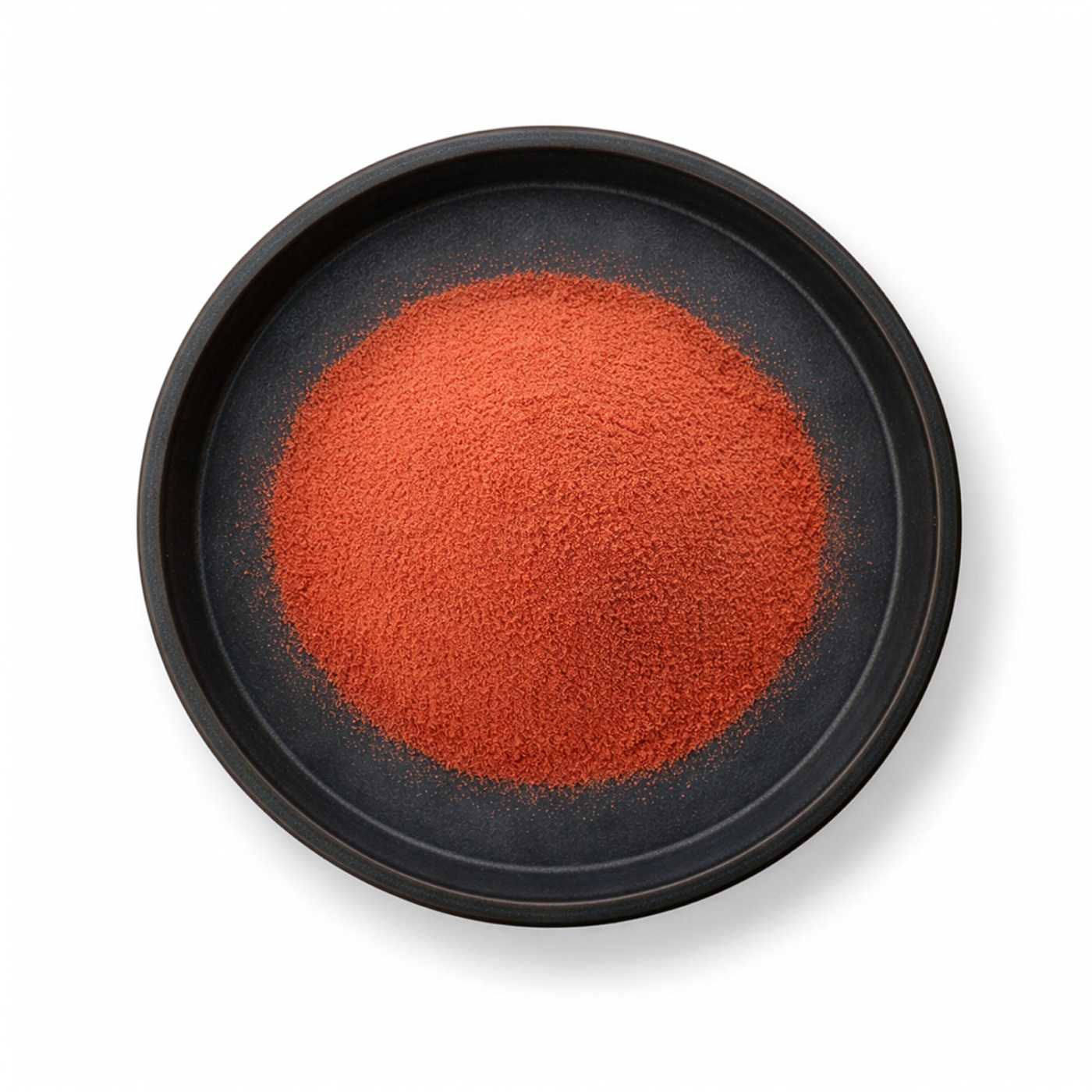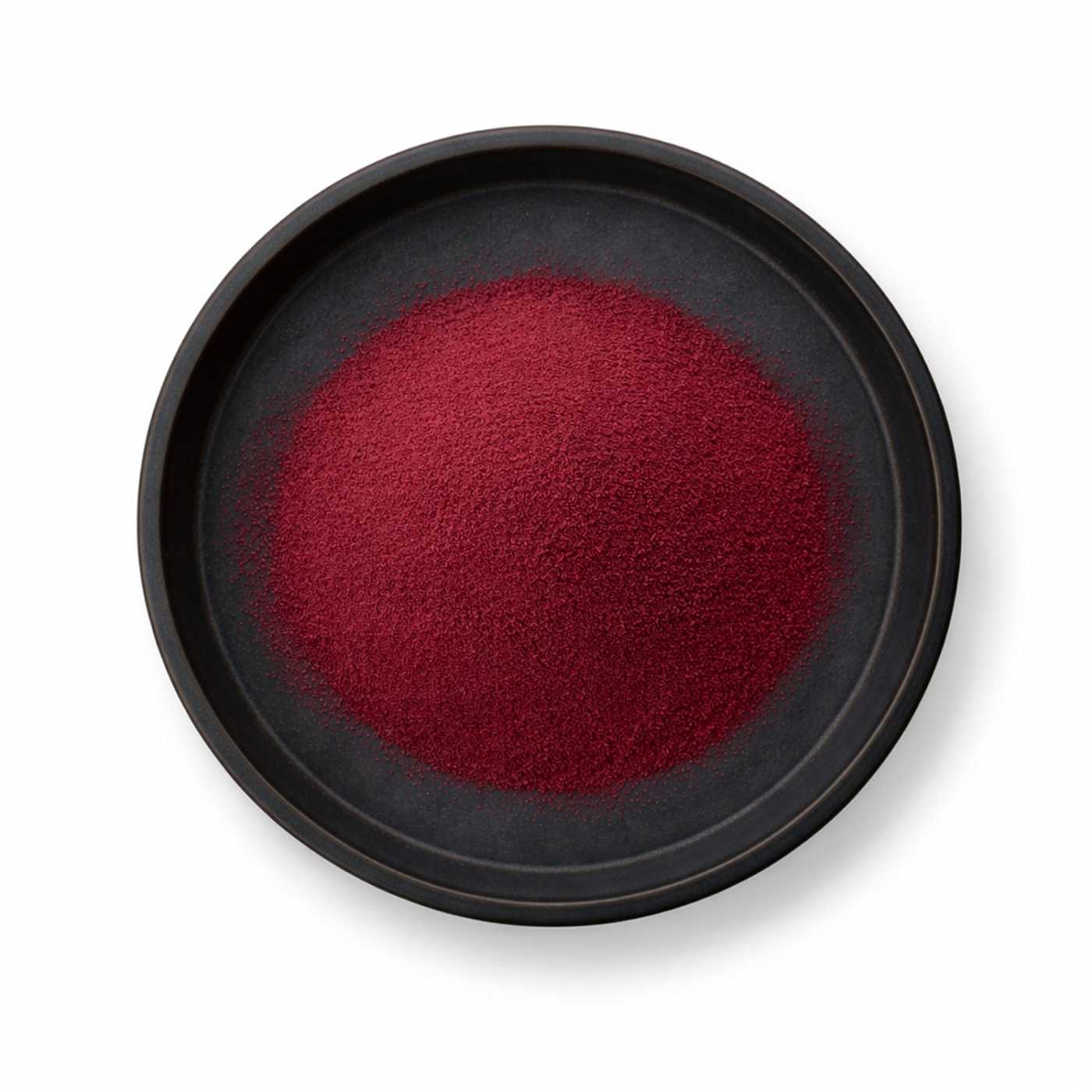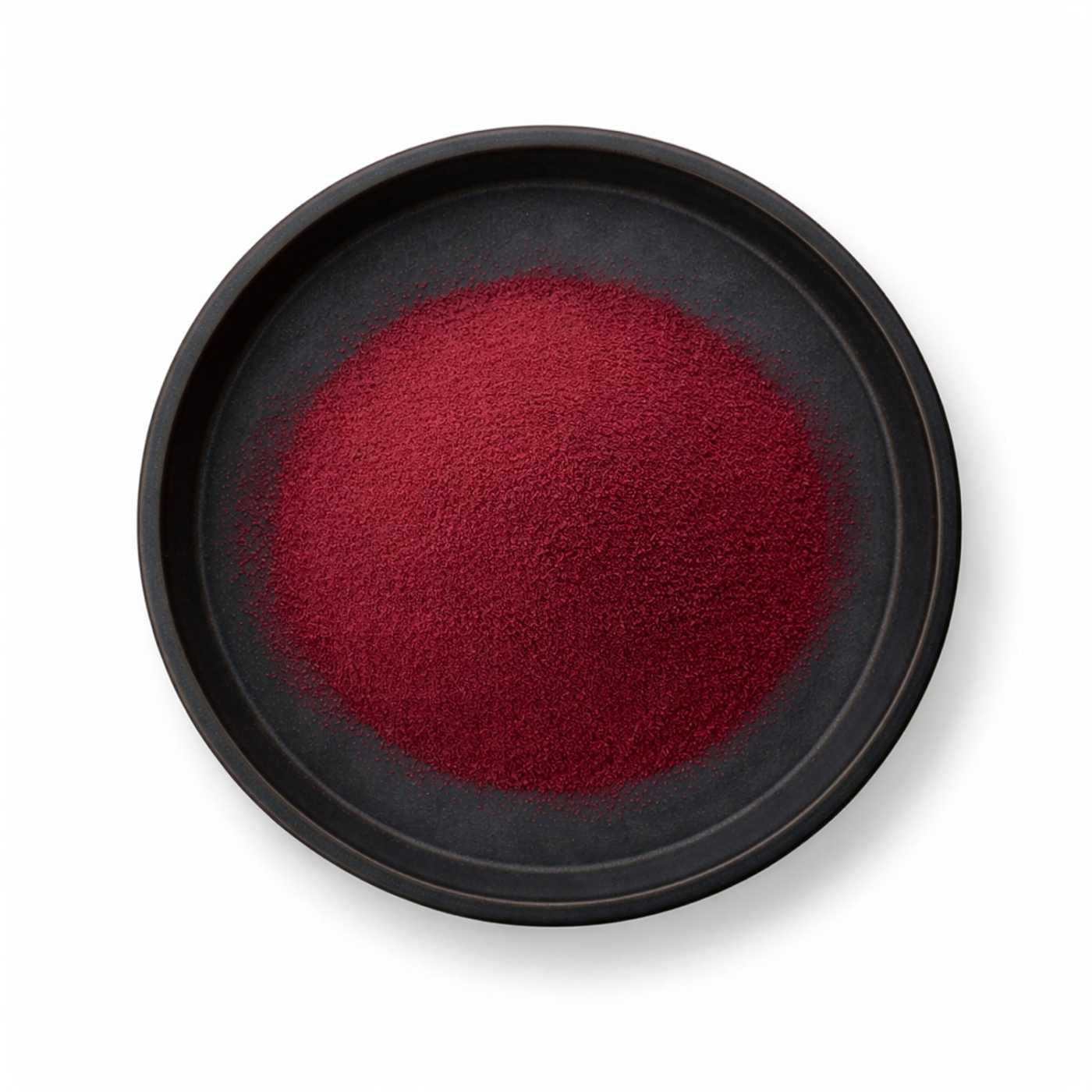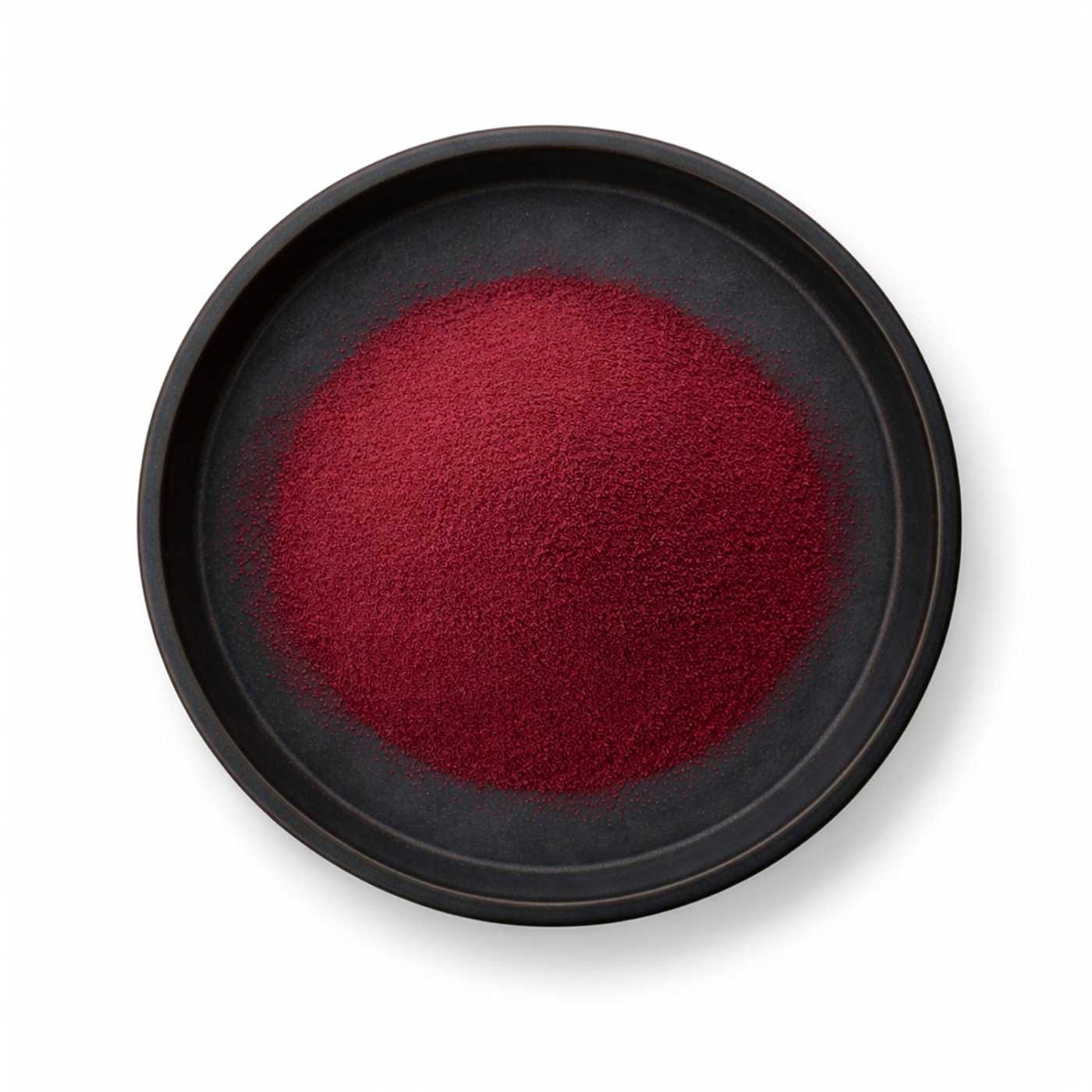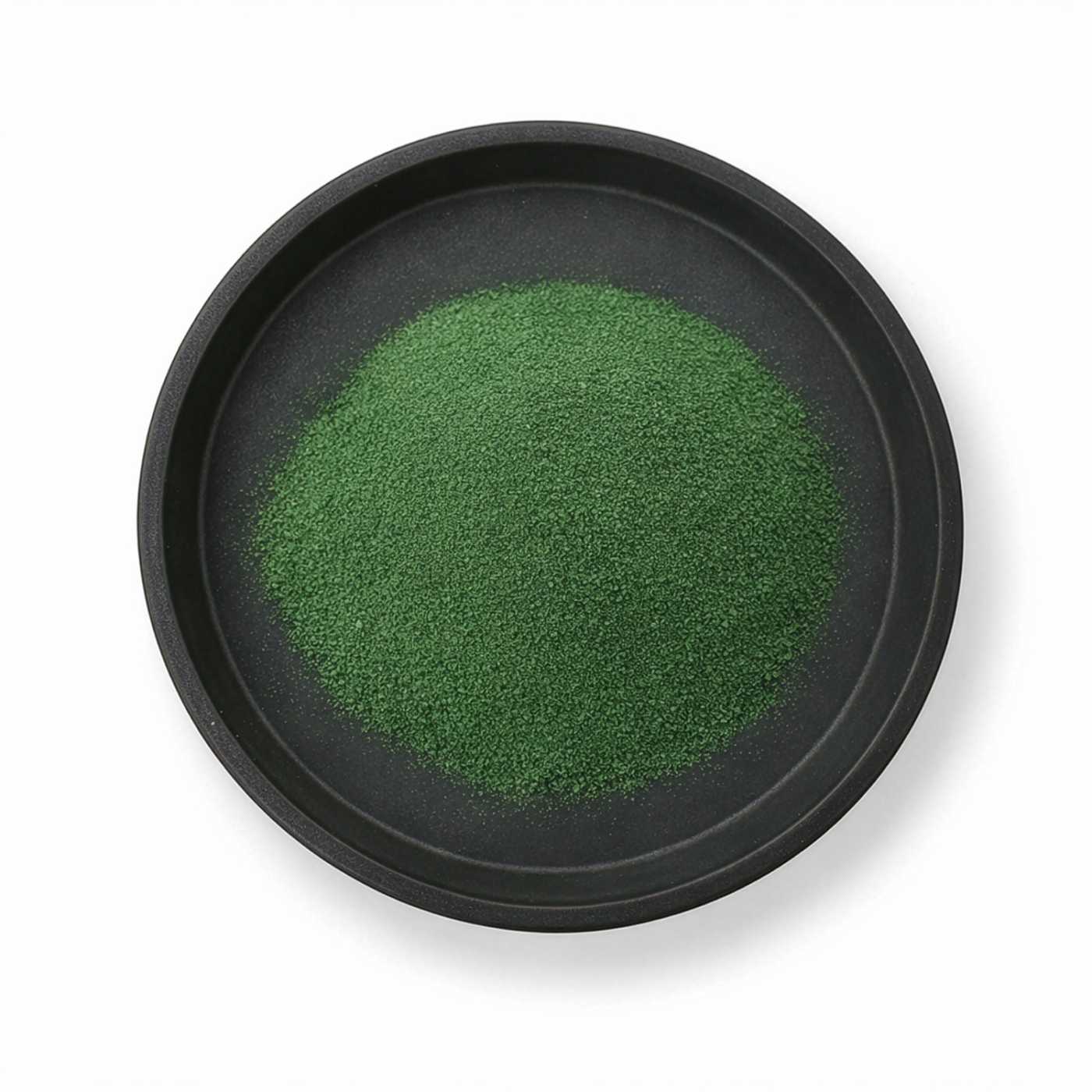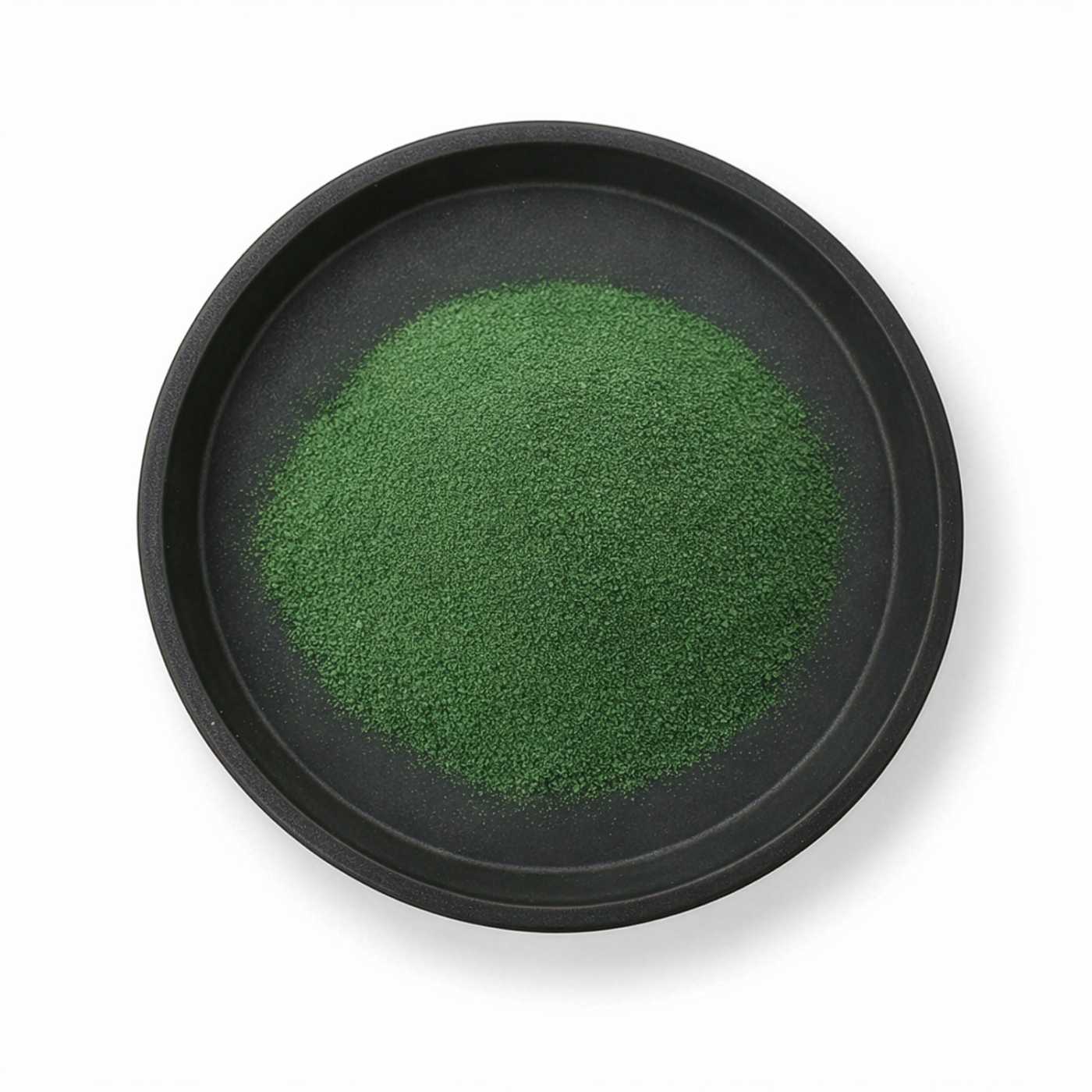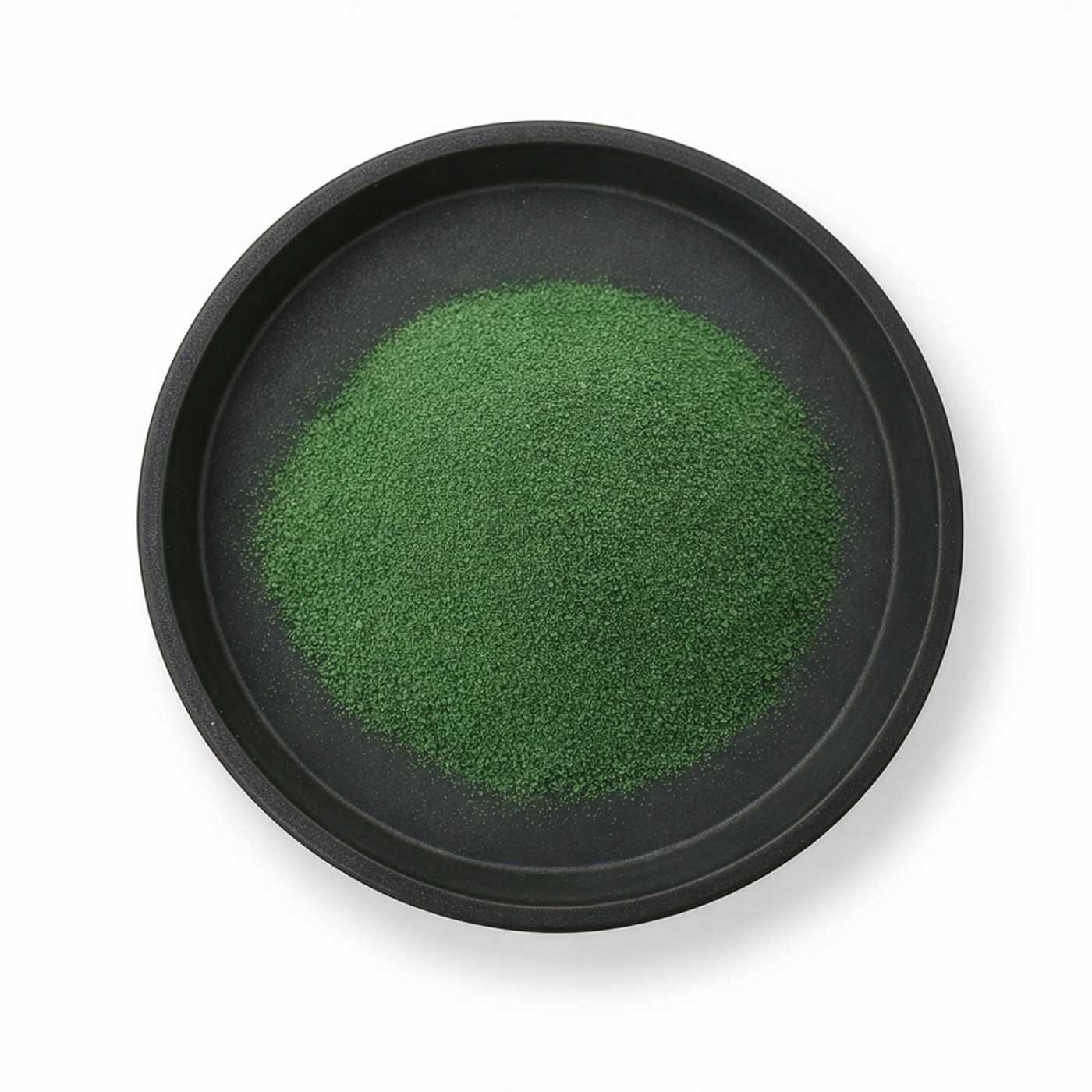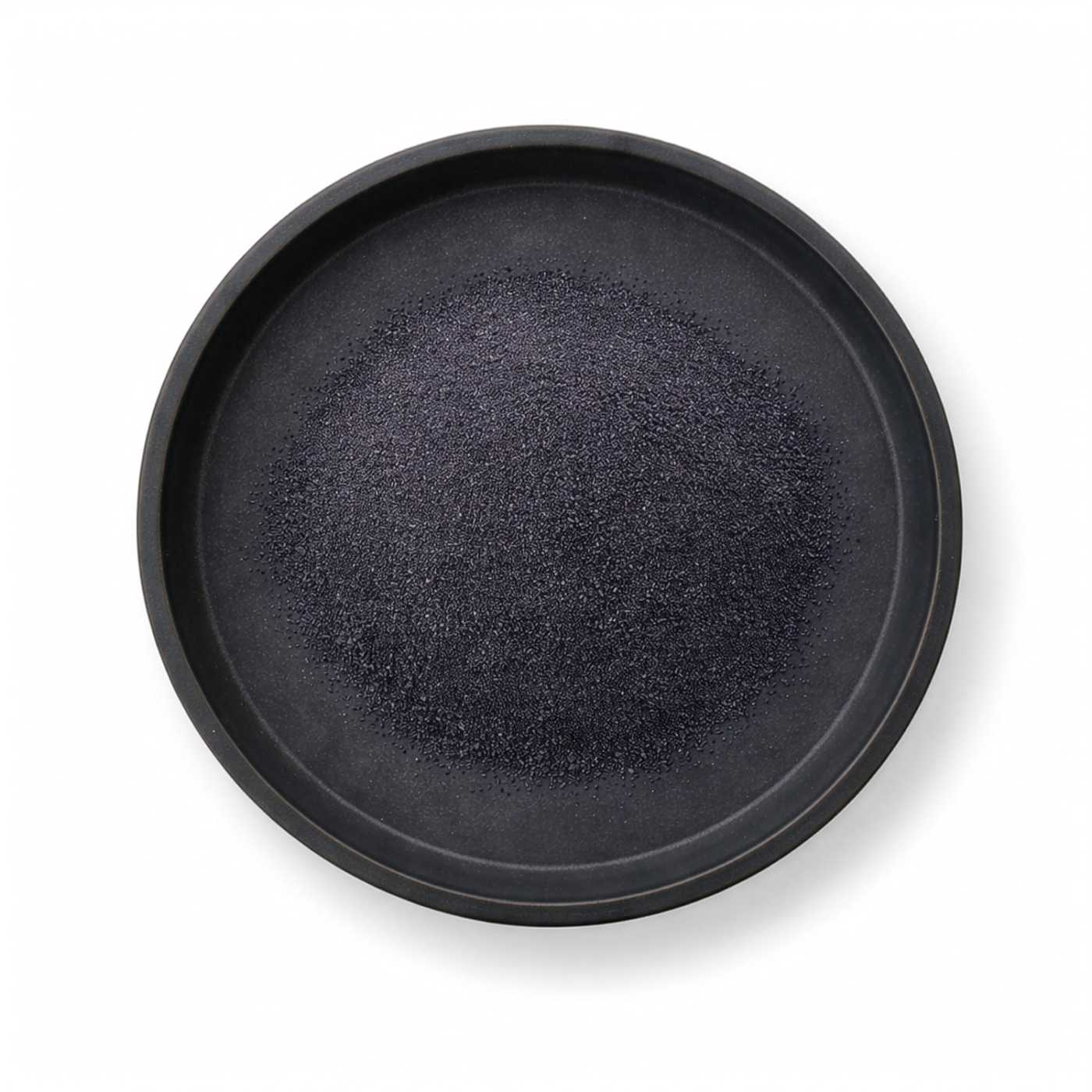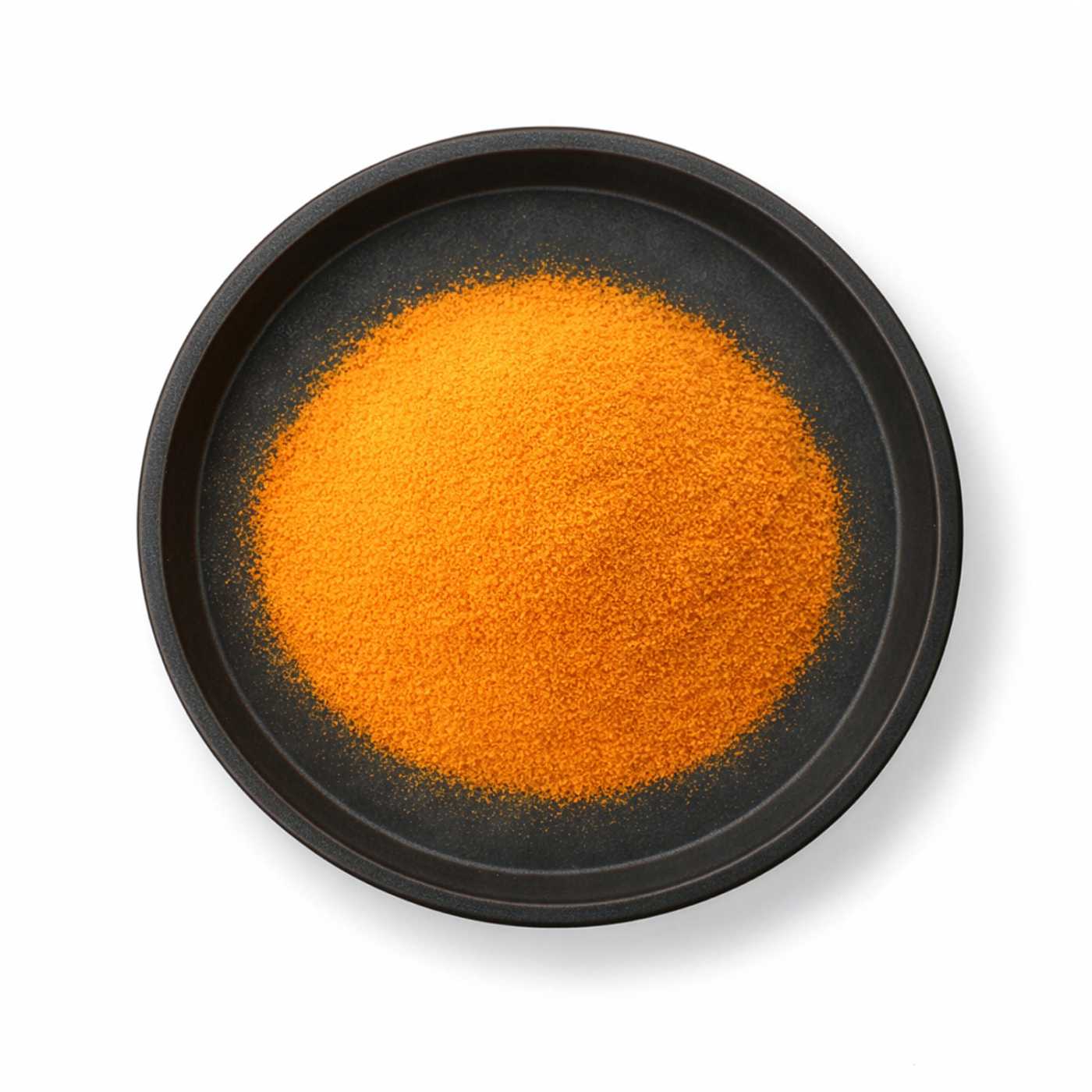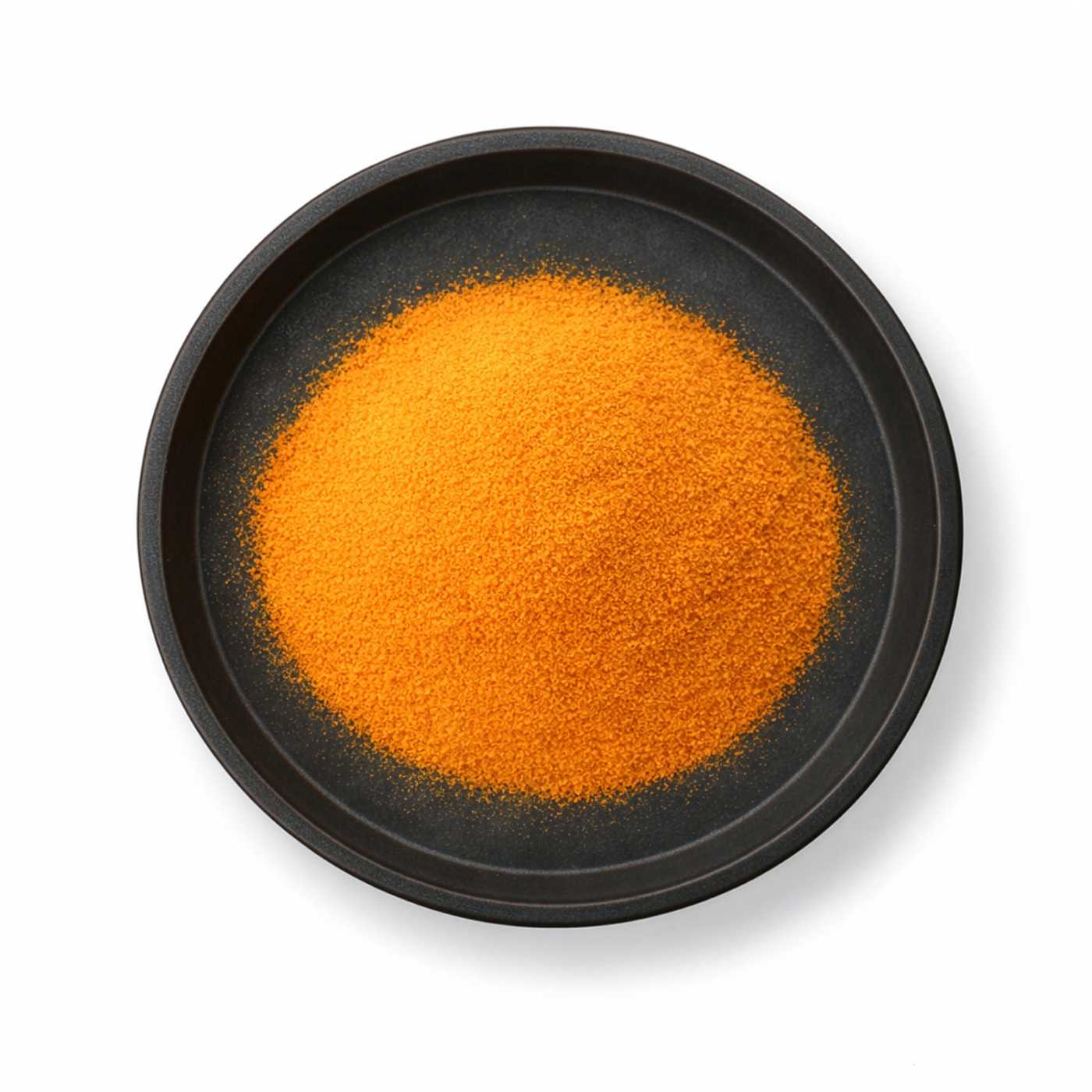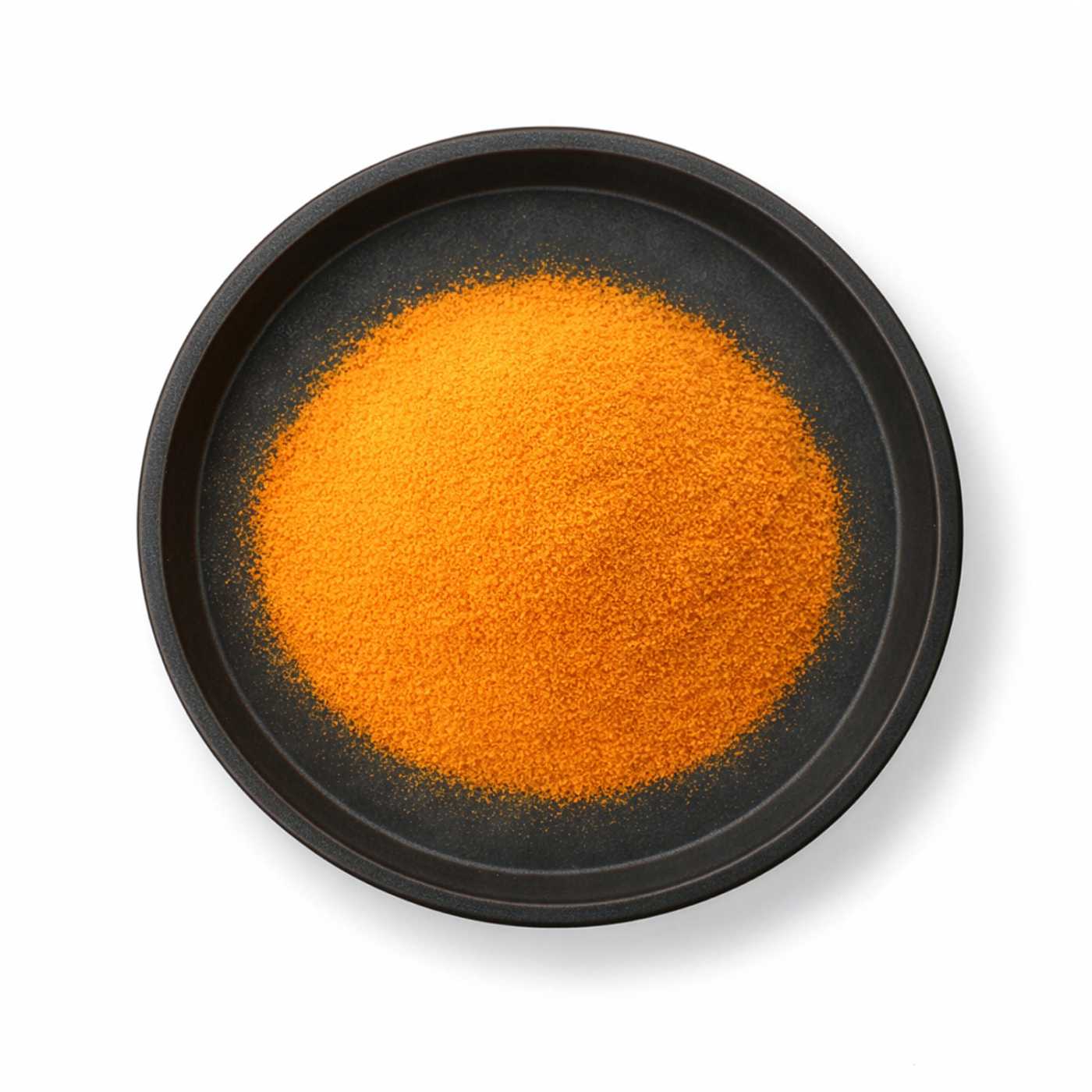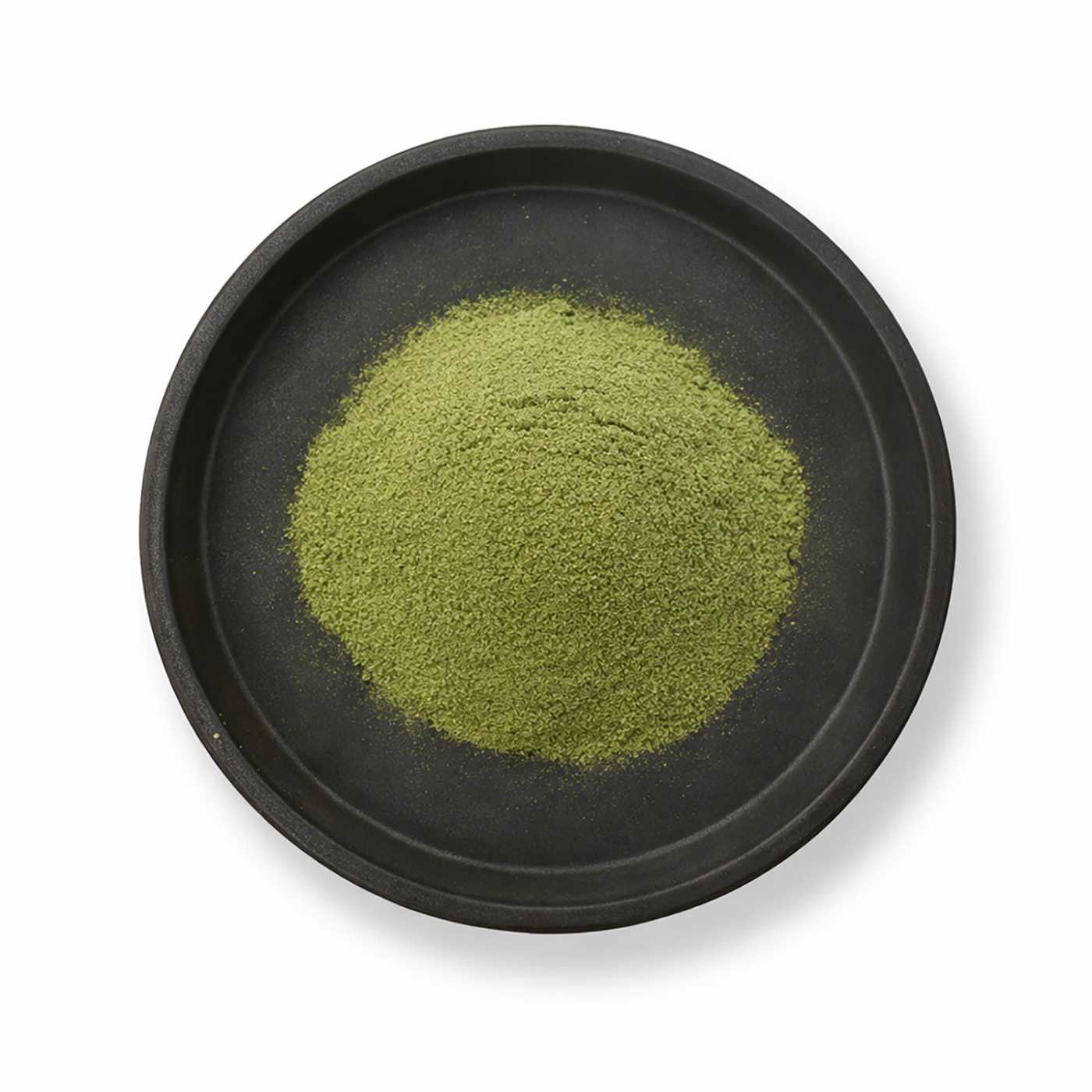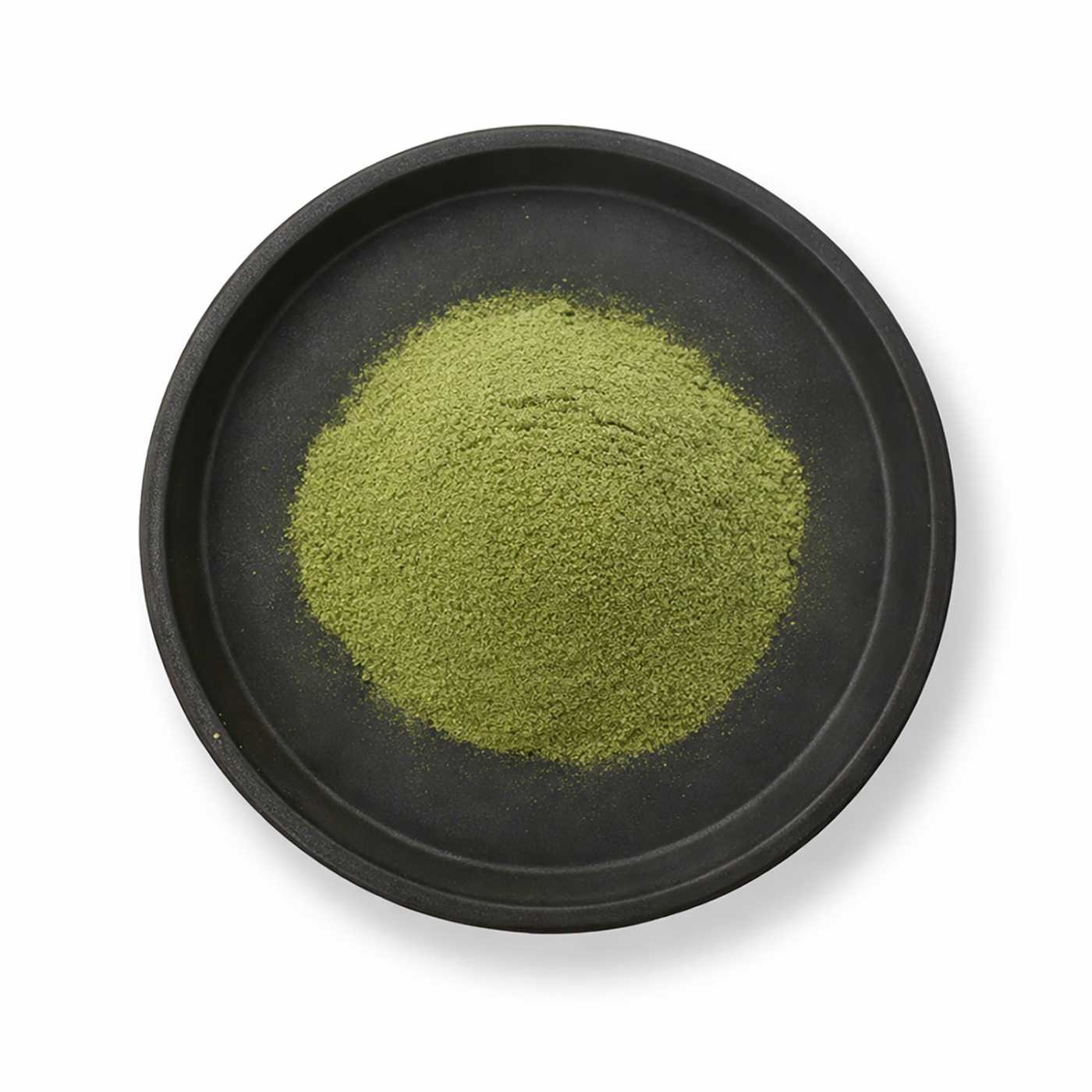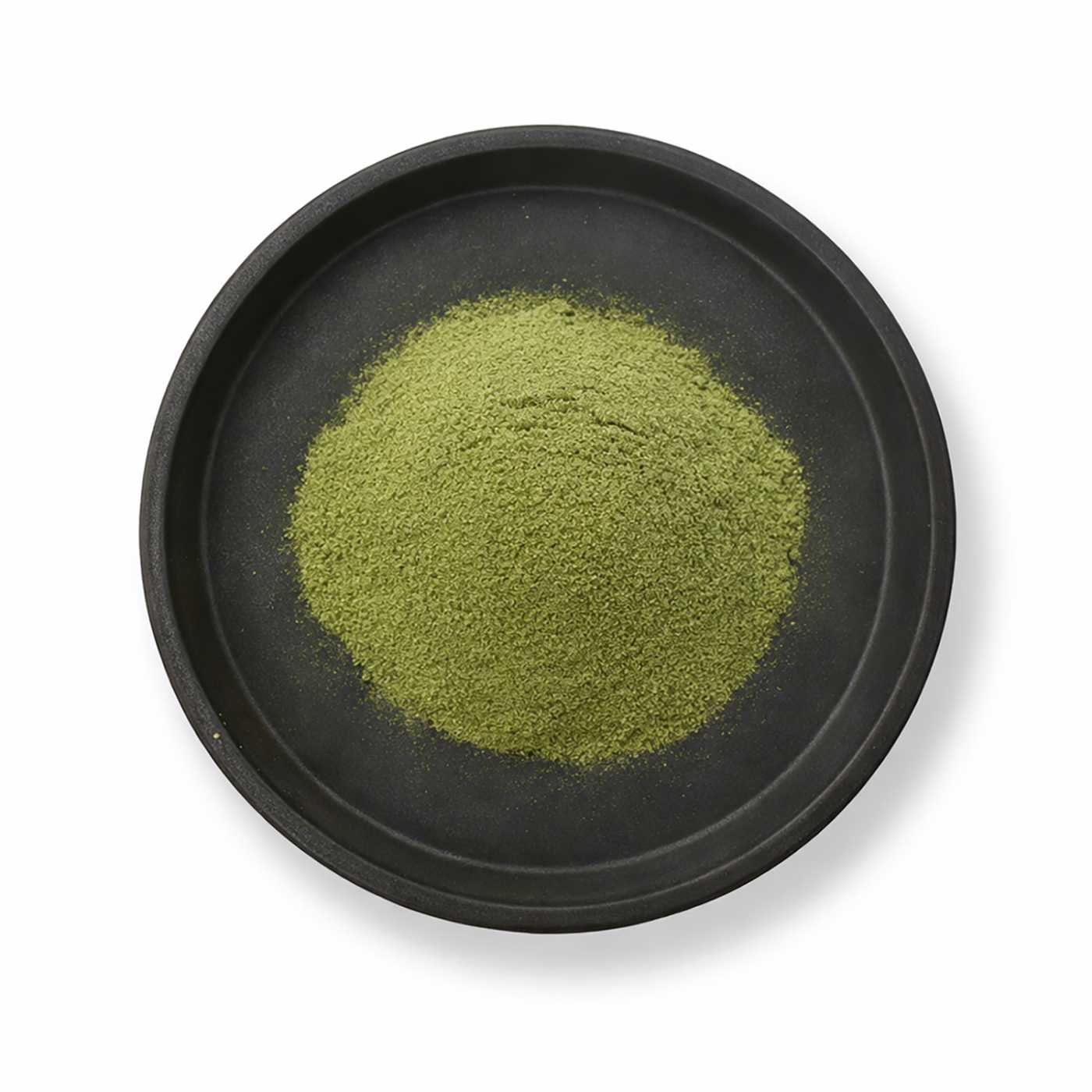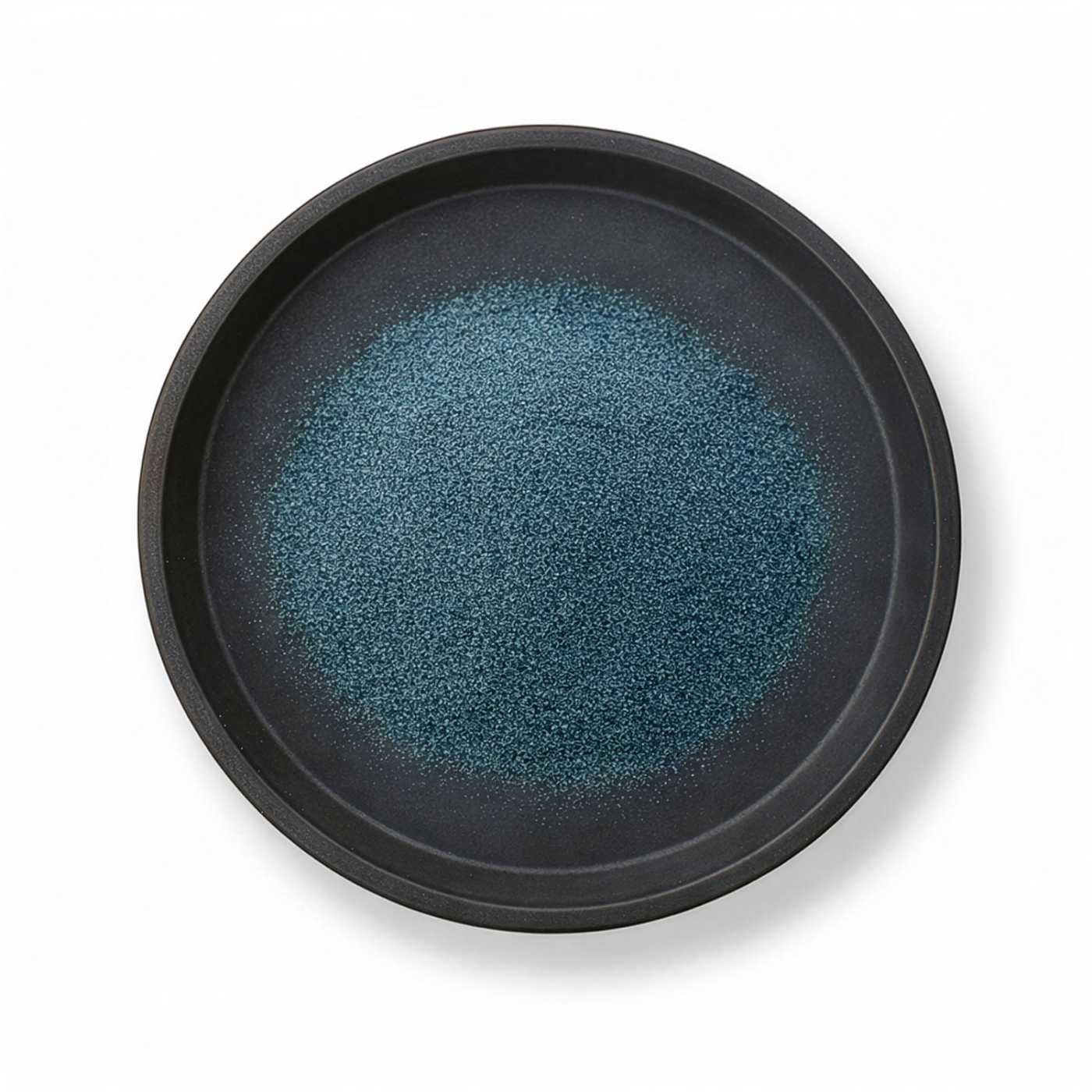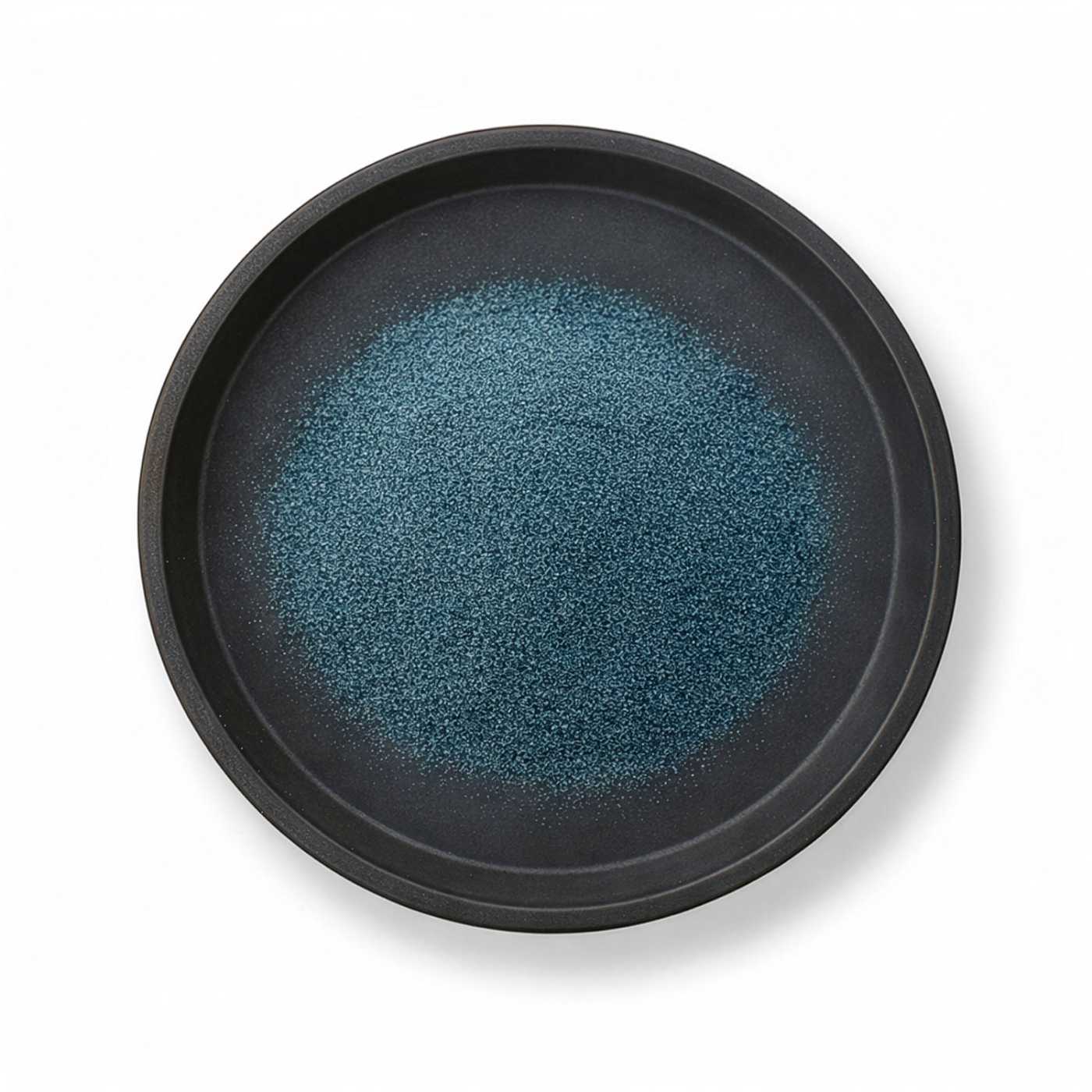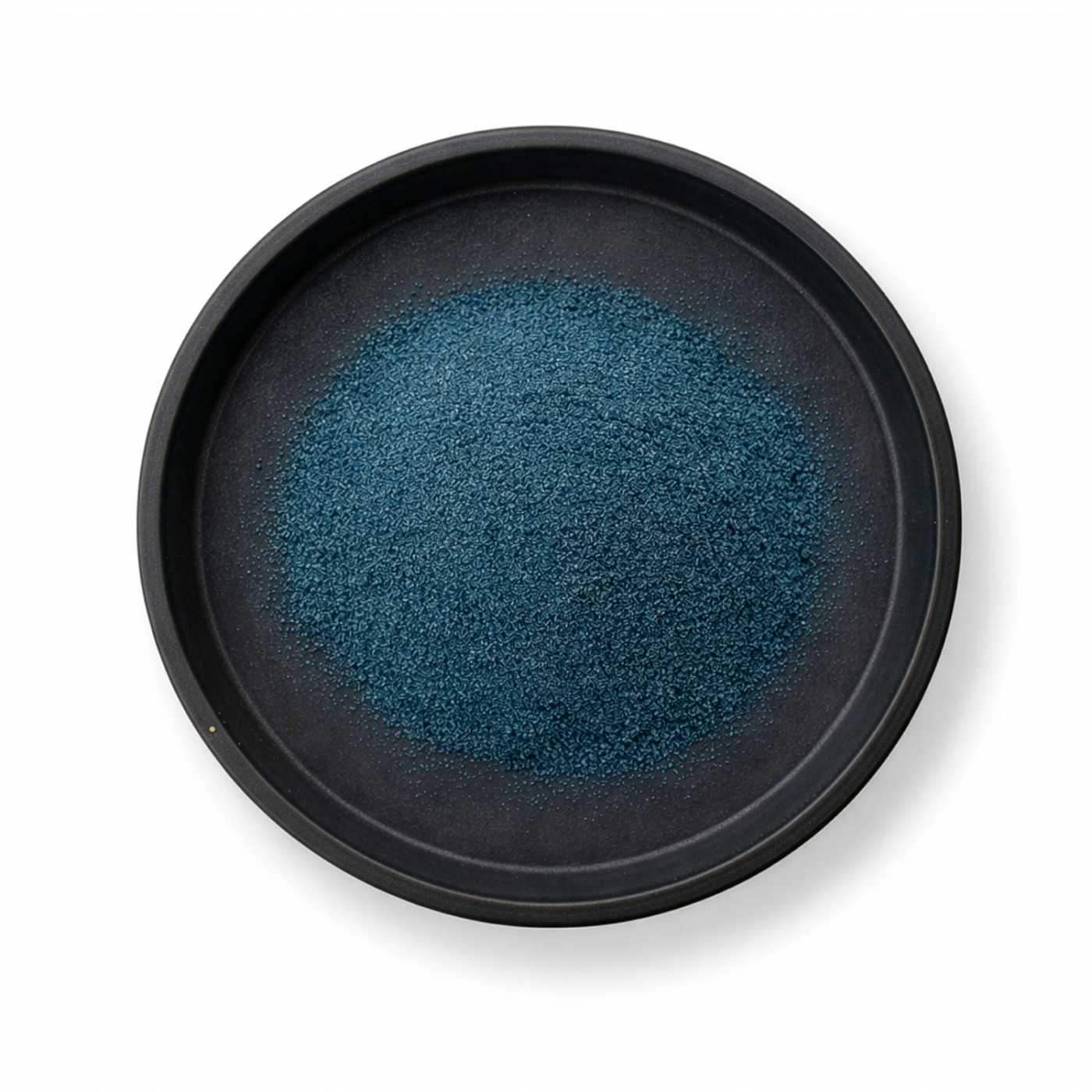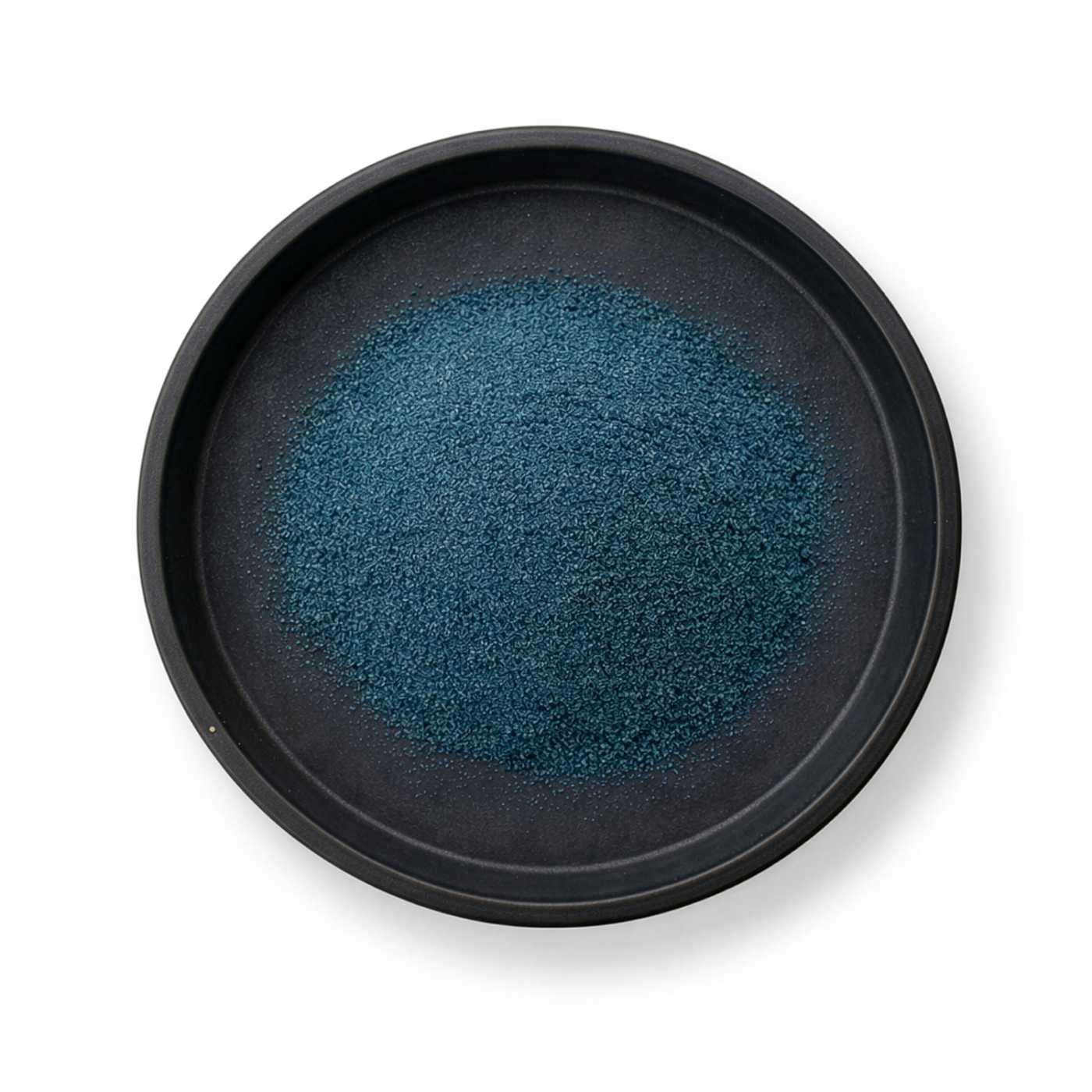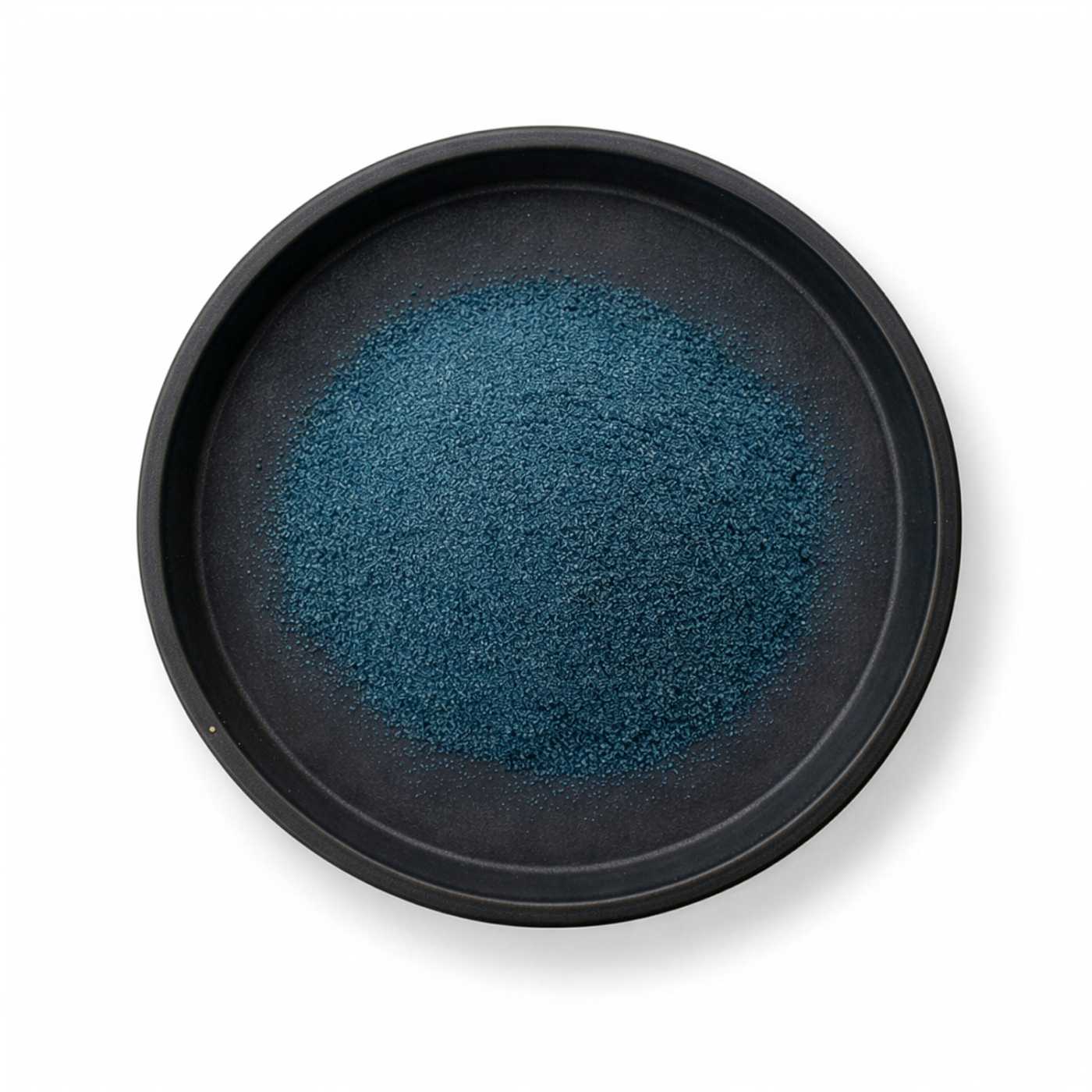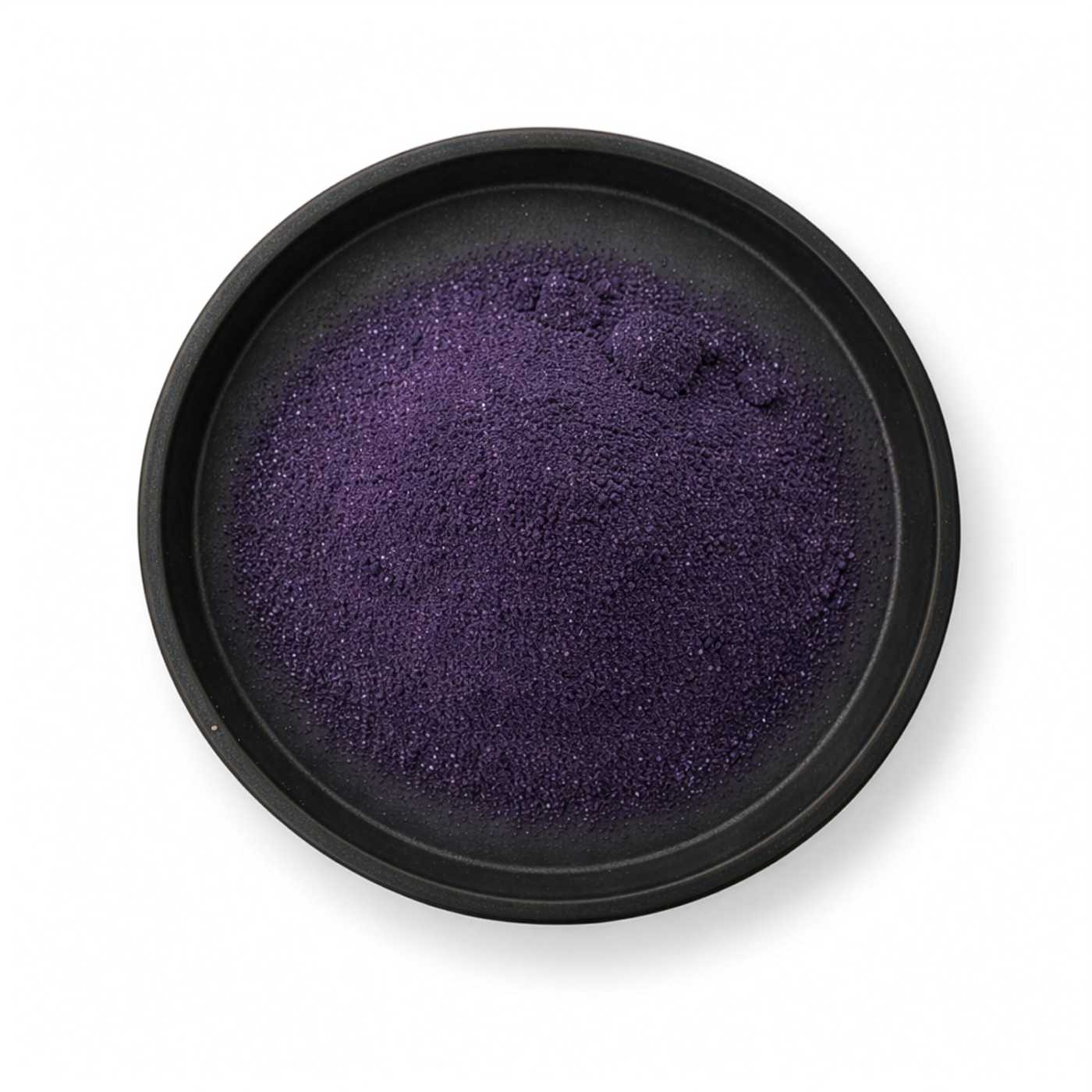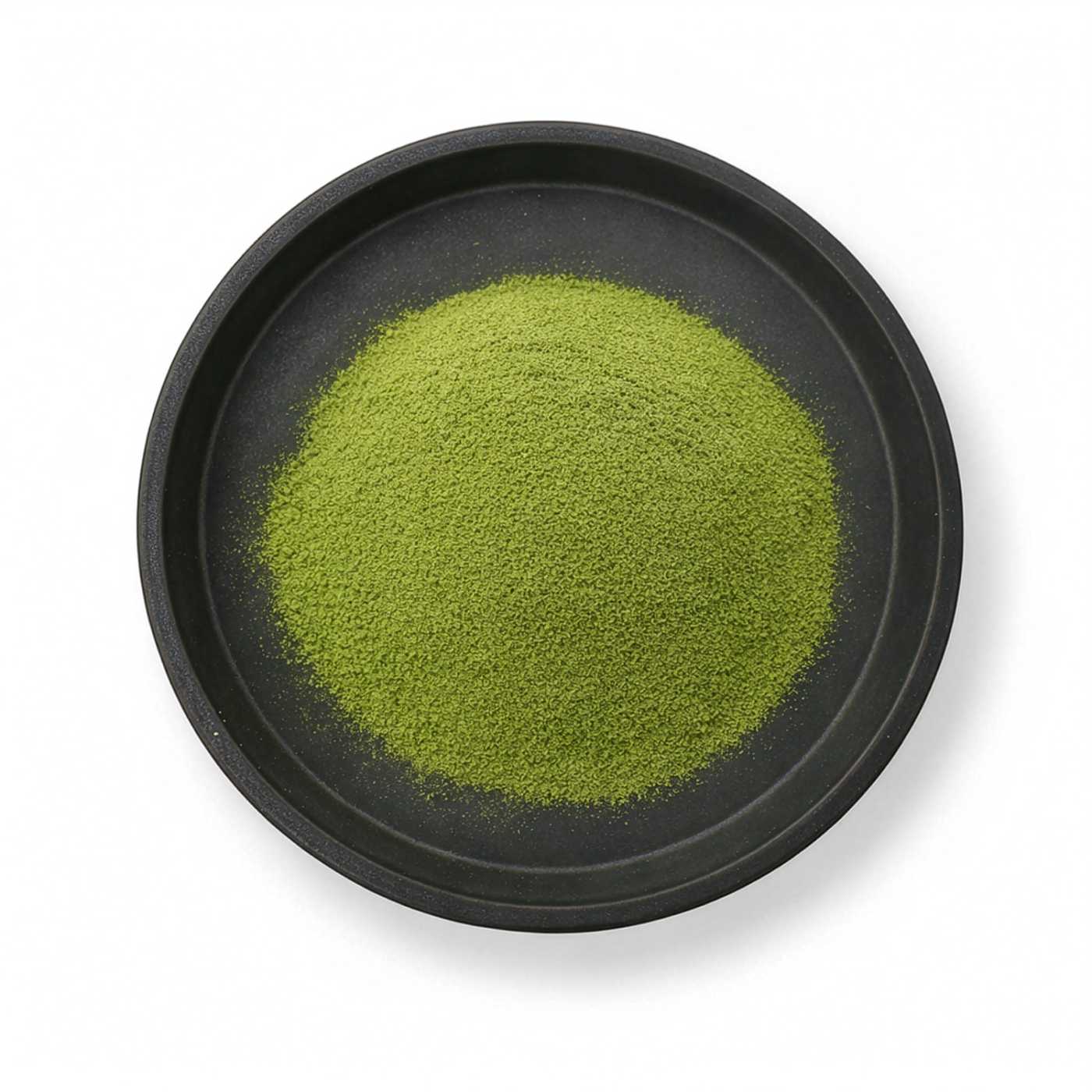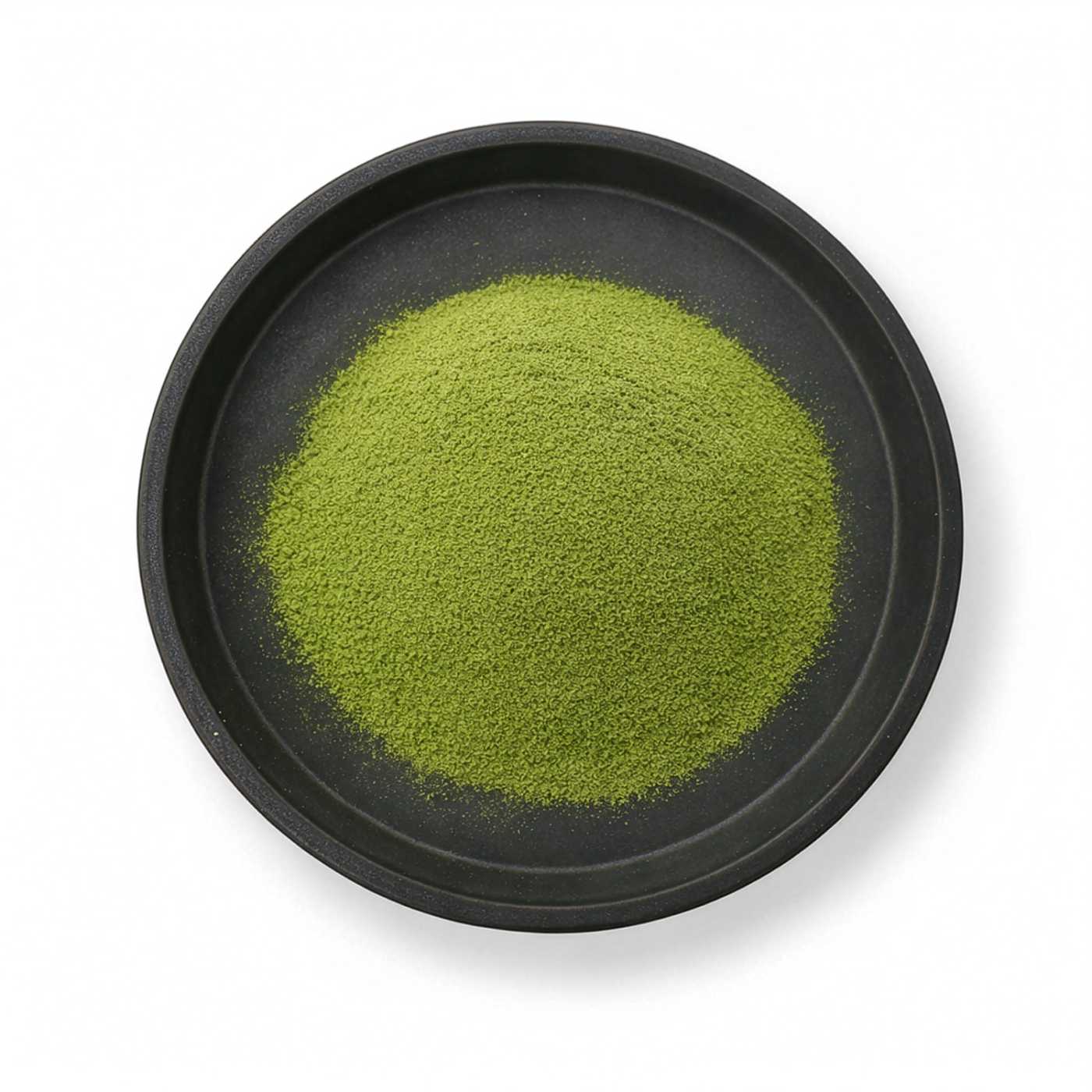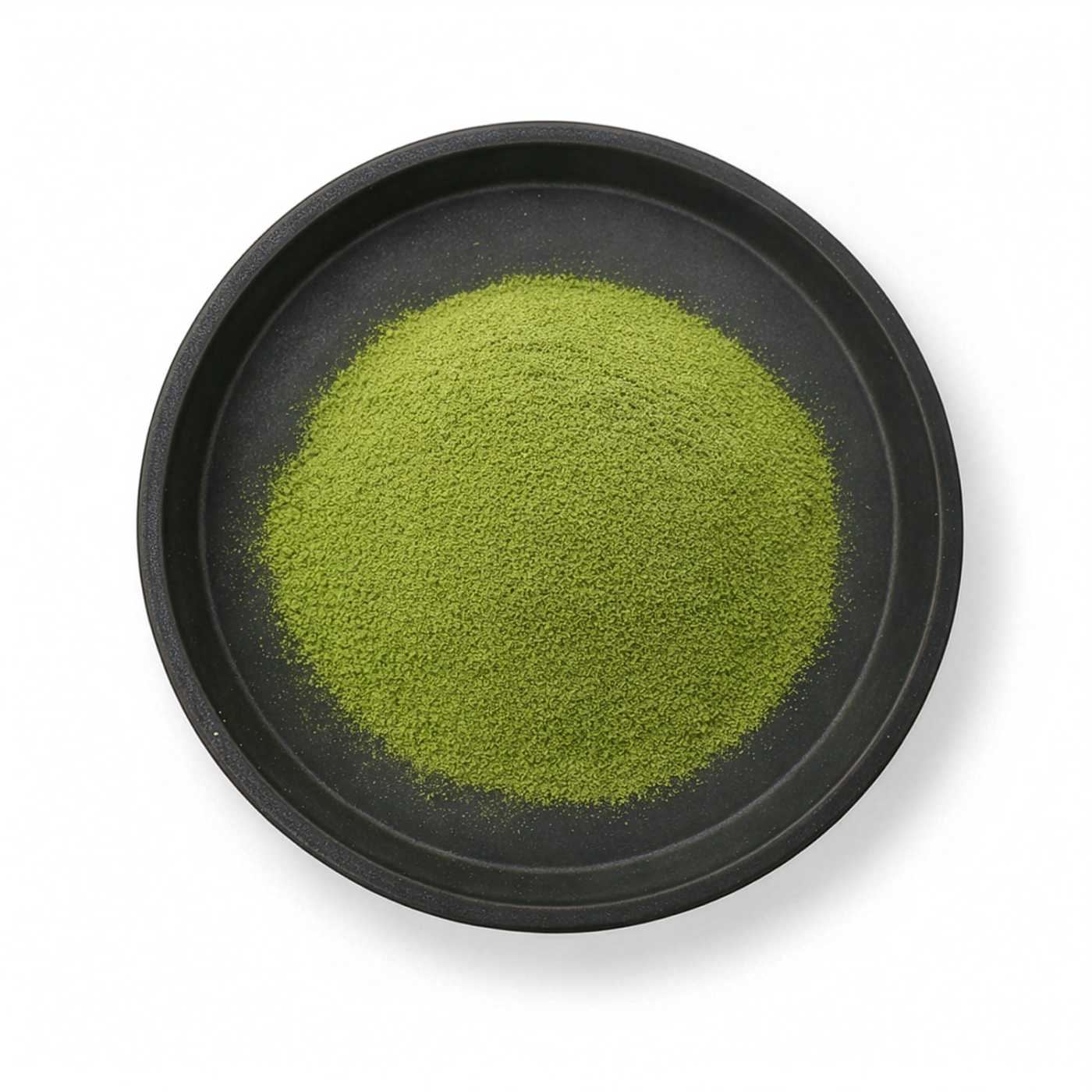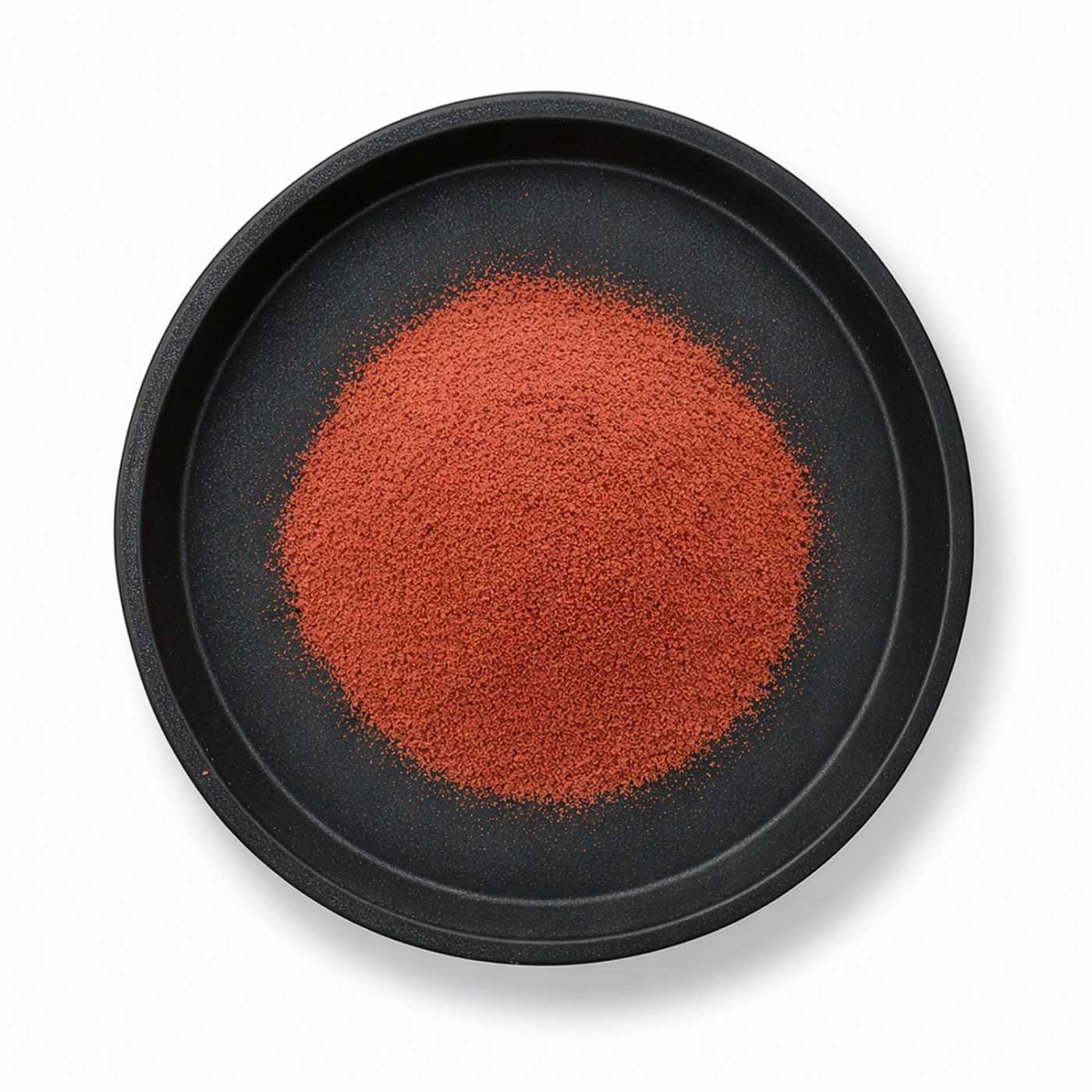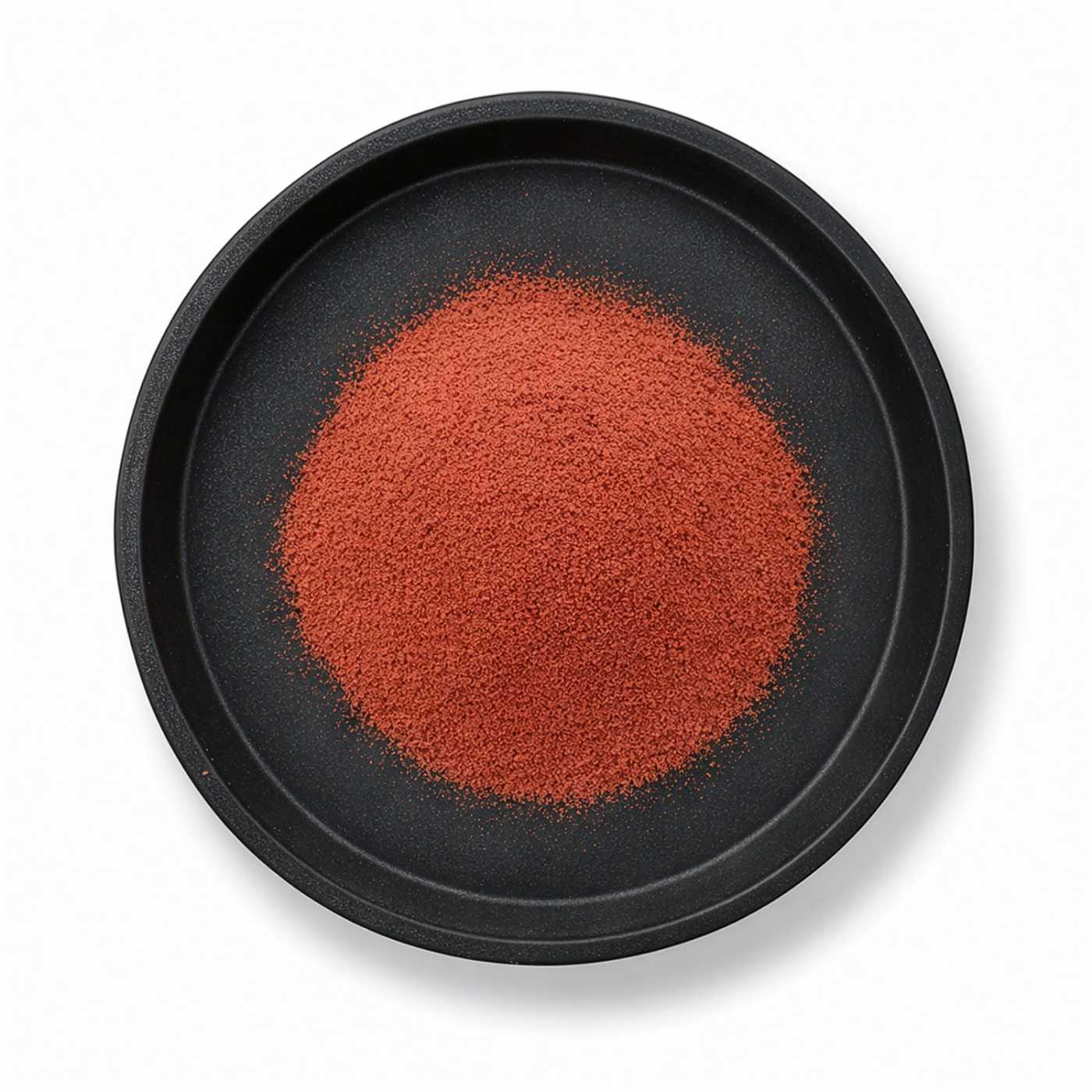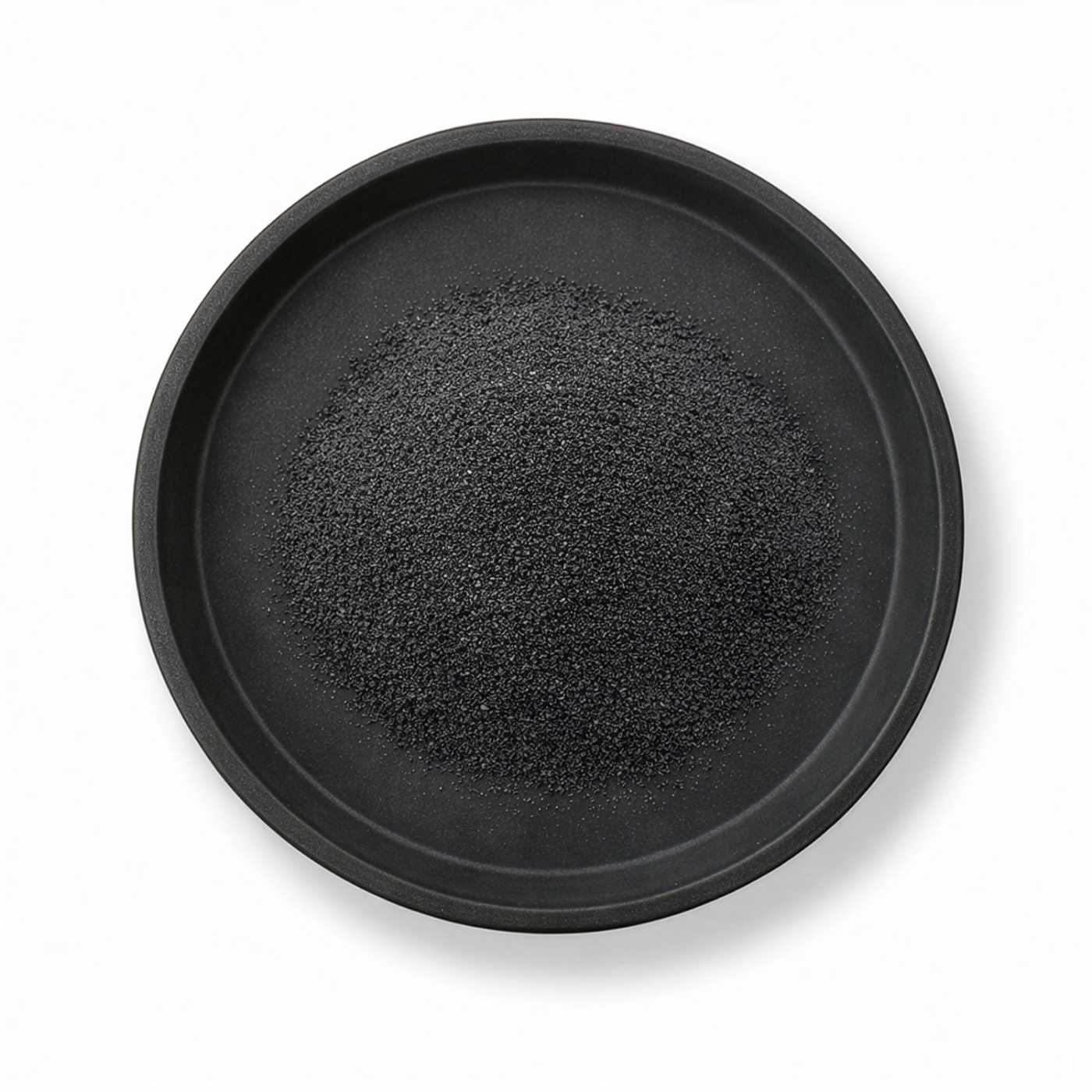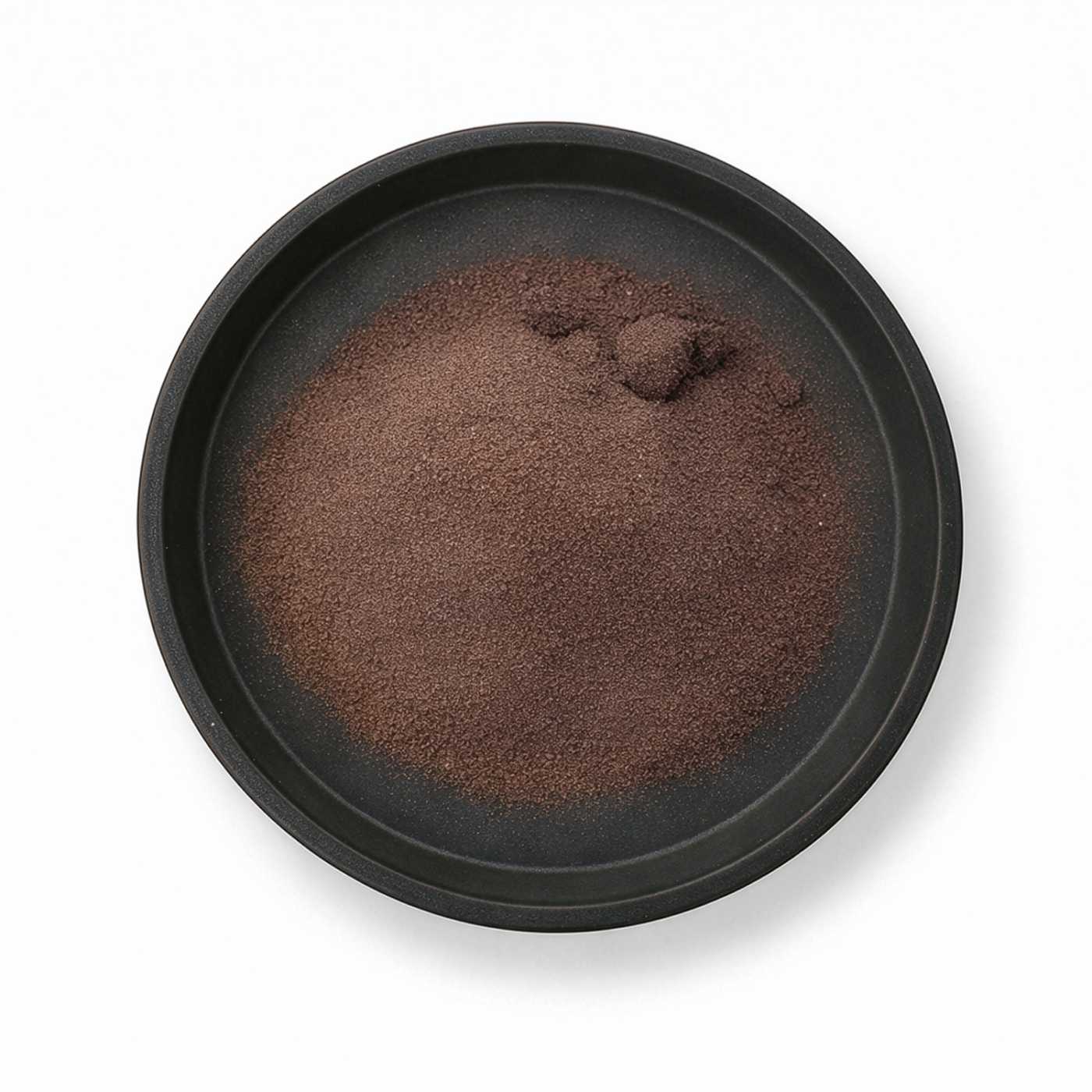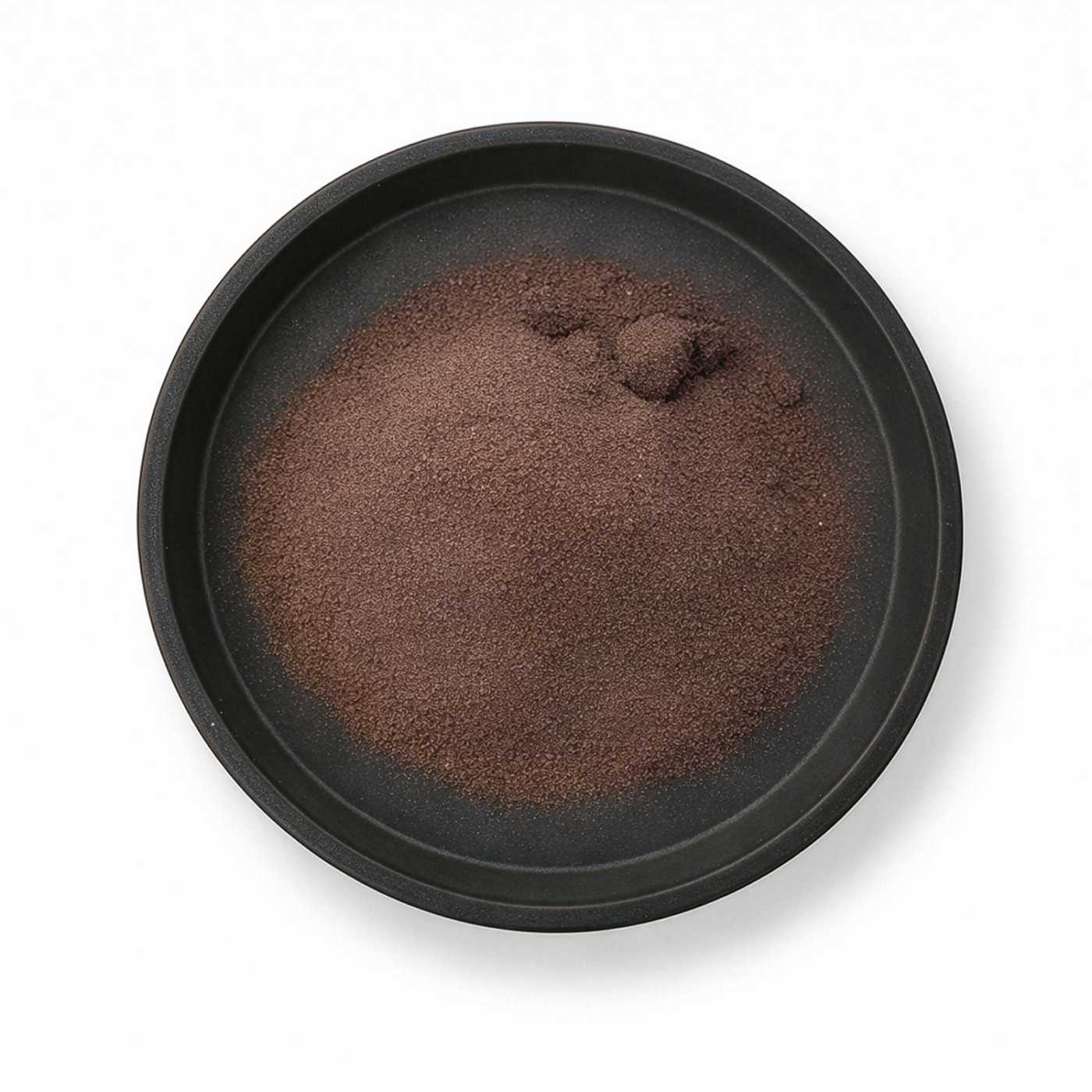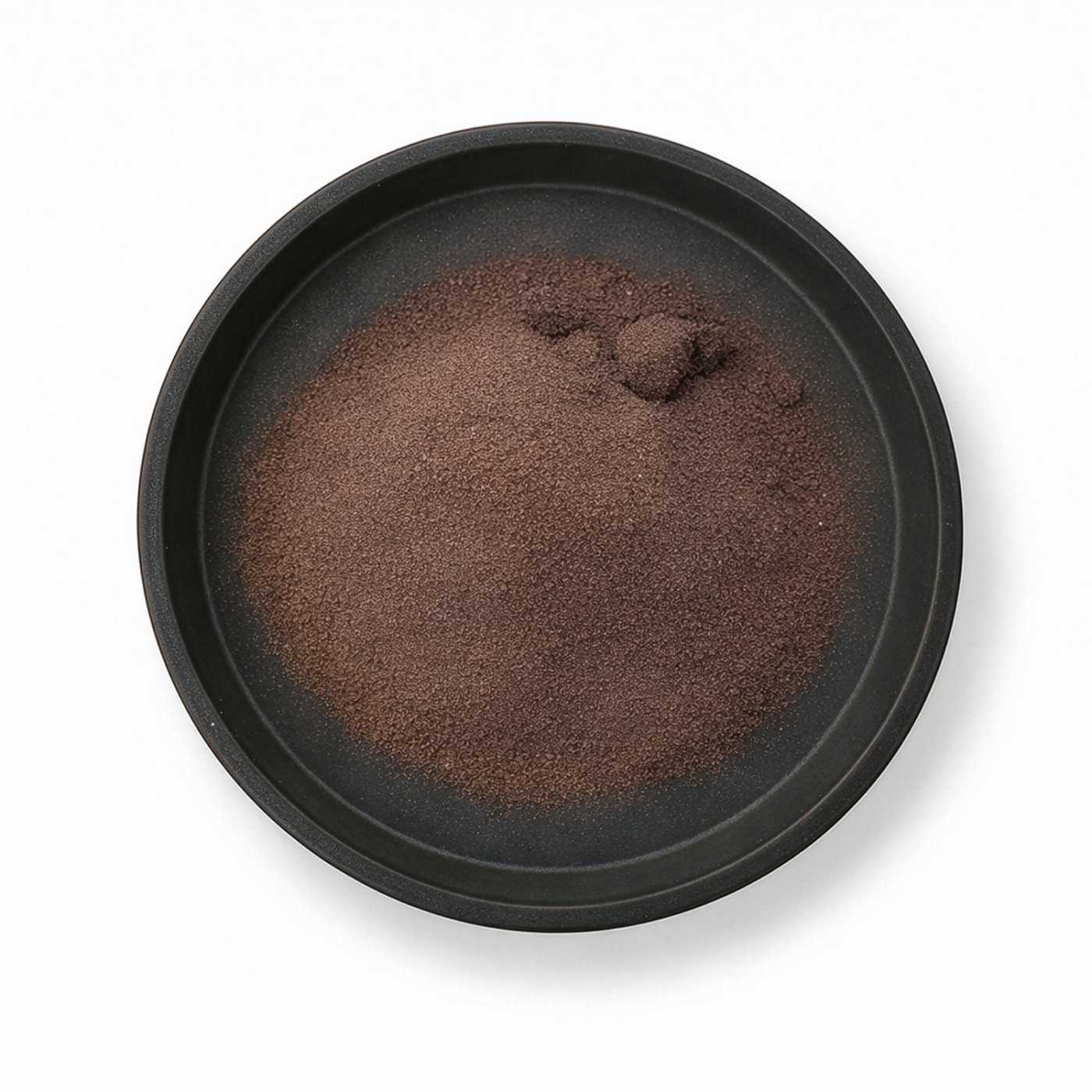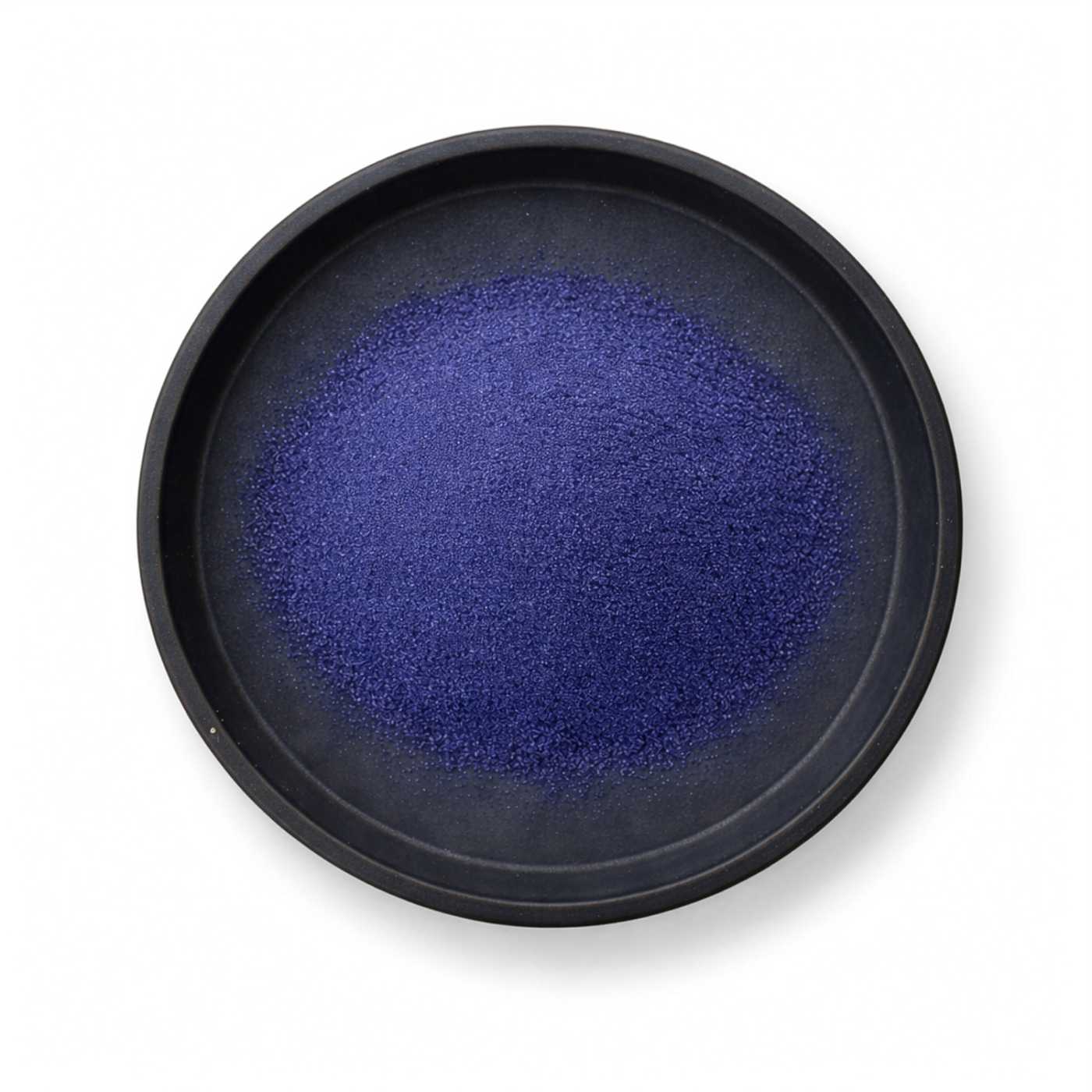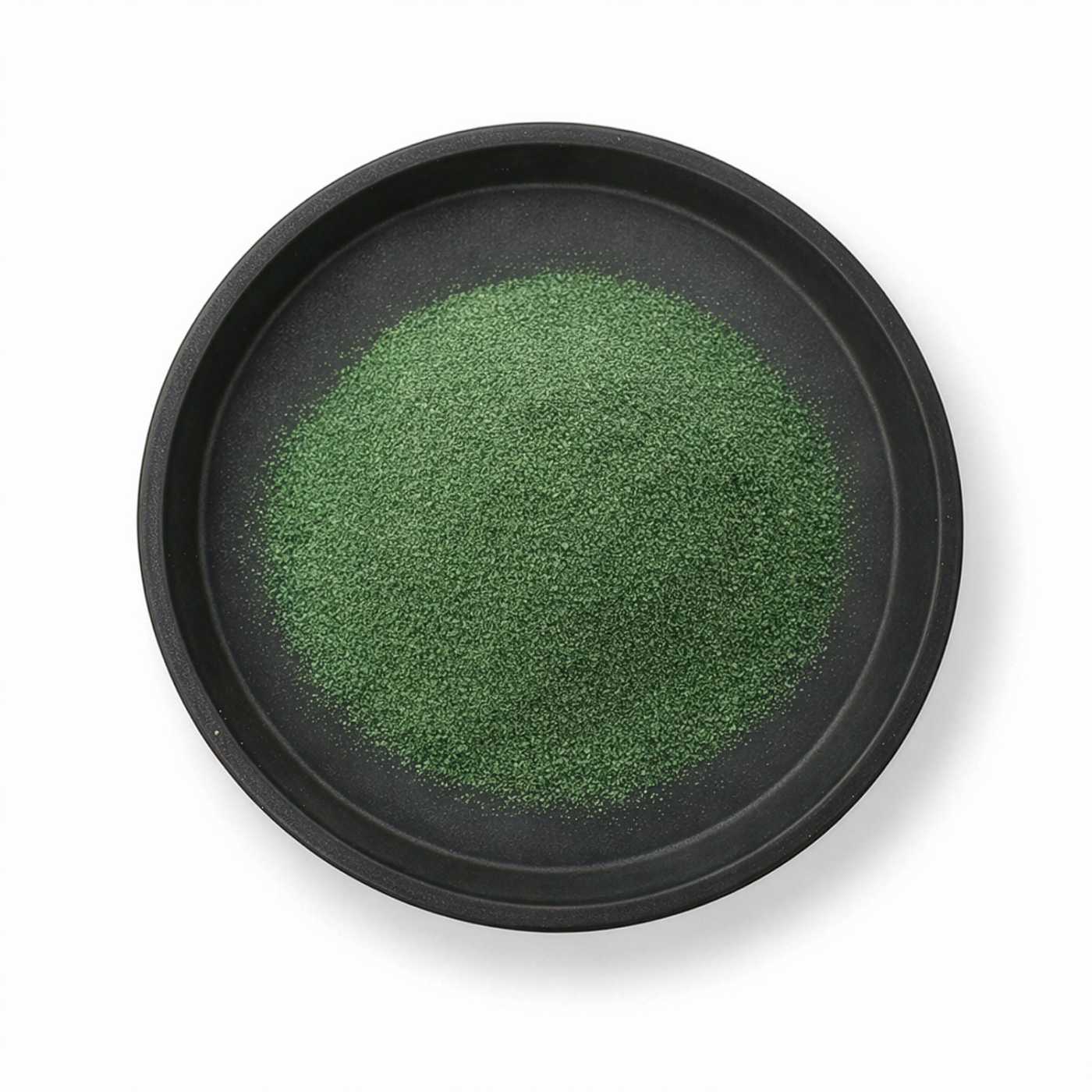
Bath Bombs Powdered Colorant, Aloe Leaf, 10 g
Pre-order€2.09(€209.00/kg)

371 in stock now
4.9 out of 5 · 672 ratings
Documentation for every product
429 products in this category
Showing 60 of 429 products
This category holds 436 powder colourants – finely milled inorganic and mineral pigments for tinting soaps, colour cosmetics and body products. Unlike soluble dyes they work as dispersed particles: they have very good opacity and colour stability, and they stand up to cold process soaping. The range is divided into five subcategories according to pigment type and effect.
MICA/MIKA is the largest group (337 items): mica pigments with a pearlescent to metallic sheen, in the AquaPearls and MICA powder colourant lines. They do not tint the water phase and create an optical shimmer inside the mass – they suit glycerine soaps, balms and colour cosmetics.
Oxides (iron oxides in red, yellow and black, green chromium oxide and violet manganese) are matte, highly opaque pigments; iron oxides and green chromium oxide are stable to both heat and alkali – the basis for cold process soap – whereas violet manganese loses its colour in an alkaline environment and belongs rather in powders, eyeshadows and lipsticks. Ultramarines round out the palette with intense blue and violet in both red and blue undertones; a fine pre-dispersion helps them colour evenly.
Duochrome pigments (15 items including the EcoSparks line) change shade with the angle at which the light falls – a chameleon effect for accents in colour cosmetics and glycerine soaps. Bath bomb colourants offer 20 shades from Blue Lagoon to Vintage Rose, in 10 – 200 g packs.
When working with powder pigments, preparation is what counts: disperse them in a small part of the oil (oil systems) or in glycerine or propylene glycol (gel and glycerine bases), or sift them. Add them gradually – the usual range is 0.05 – 1.0 % for make-up and powders and 0.1 – 2.0 % for soaps.
Every colourant comes with an SDS and a certificate of analysis (CoA); pack sizes run from 10 g samples up to wholesale quantities. For advice on choosing a pigment for a specific formulation, write to [email protected].
As a guide, 0.1 – 2.0 % for soaps and 0.05 – 1.0 % for make-up and powders, depending on the intensity you want. The pigments are concentrated, so add them gradually and keep checking the colour as you go.
Disperse it in a small part of the oil in oil-based systems, or in glycerine or propylene glycol in gel and glycerine bases. Sifting it and mixing it gradually into the base helps too.
No – they are insoluble, so with correct dosing and even dispersion they typically stain neither the lather nor the skin. At an excessive dose, however, sediment or a coloured “stain” when wiping can occur.
Above all iron oxides, green chromium oxide and ultramarines – they stand out for their stability to heat and alkali; violet manganese loses its colour in an alkaline environment. Mica is used in CP soap for pearlescent effects and swirls, but shades with organic coatings may change colour in an alkaline environment – oxide coatings are stable. Choose a conservative dose and judge the final colour only once the soap has set.
In water-based gel systems and glycerine soaps – they colour the mass quickly and evenly without the powder dispersion that powder pigments require.