🍂 10% OFF EVERYTHING • Code CANDLE10 • Until Sunday only!

+421 950 333 113[email protected]

SURFACTANTS

Sodium Laureth Sulfate 70%, 1 kg

Pack size100 g500 g1 kg5 kg

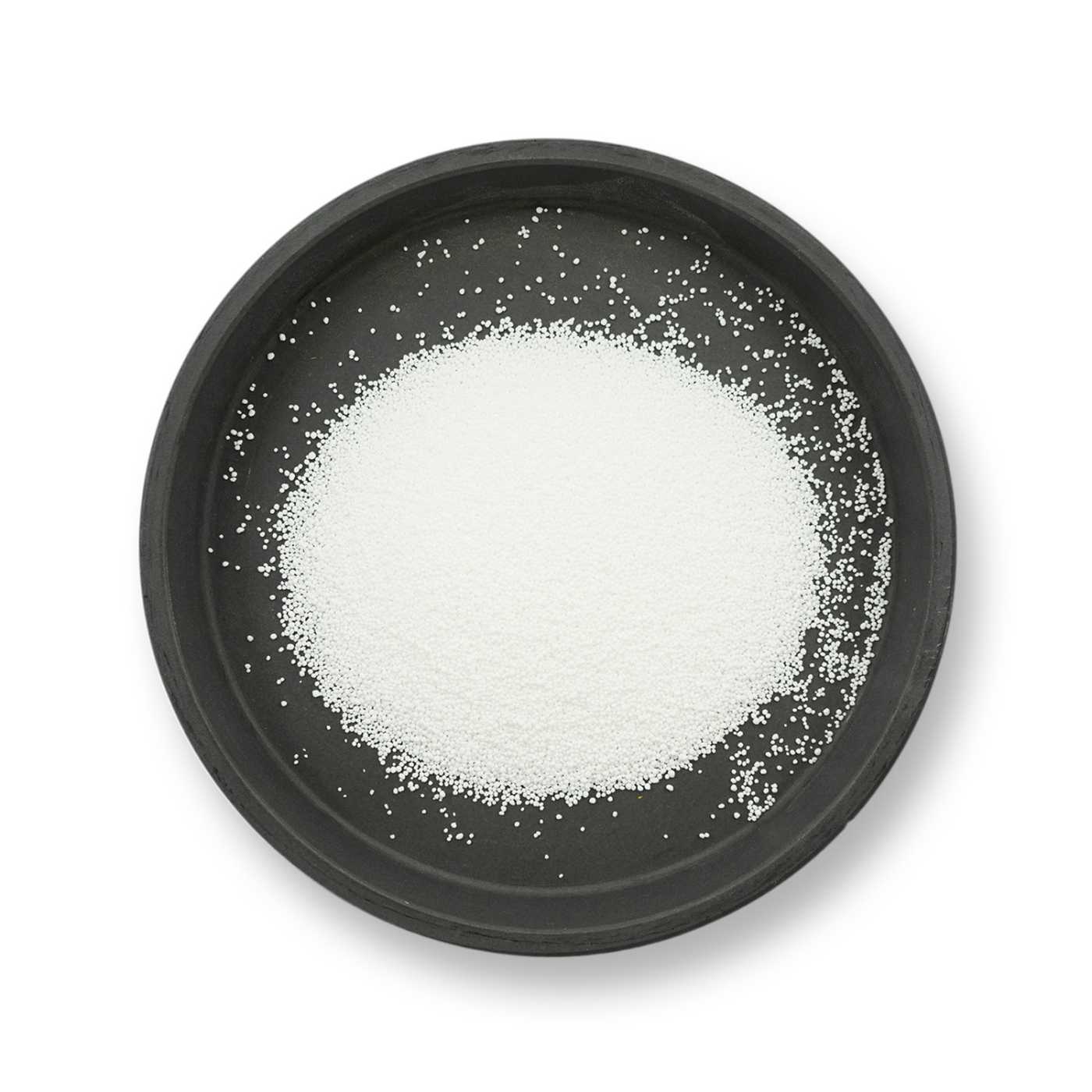
Sodium Laureth Sulfate (SLES) 70% is an anionic surfactant with 70% active ingredient , which acts as the main cleansing and foaming agent in rinse-off products. full description

AvailabilityIn stock · 89 packs
Product codeTEN205_1
Batch26130036B
Best before03/2028
€8.99incl. VAT€8.99/kg

Lowest price in the last 30 days: €8.99

Product description

Sodium Laureth Sulfate (SLES) 70% is an anionic surfactant with 70% active ingredient, which acts as the main cleansing and foaming agent in rinse-off products. It produces a thick, stable foam and removes grease and dirt from the skin and hair. For this reason it is used in shampoos, shower gels and liquid soaps as the primary surfactant, around which the rest of the formulation is built.

It works equally well outside cosmetics, in dishwashing products, laundry products and all-purpose household cleaners. The raw material is synthetic, supplied as a concentrate and diluted with water before processing.


Key properties

  • Strong cleansing effect – sodium laureth sulfate lowers the surface tension of water and releases grease from the surface of the skin, hair and washed objects. It is suitable for hair prone to greasiness and for oily or normal skin.
  • Rich foam – it forms quickly, even at a lower usage rate, and is thick. In bath bombs and bath salts, SLES serves as a foaming additive.
  • Wide compatibility – it can be combined with anionic, amphoteric and non-ionic surfactants and works in acidic, neutral and alkaline environments.
  • High concentration – with 70% active ingredient, a smaller amount of the raw material is needed than with diluted solutions, leaving more room in the formulation for water and care ingredients.
  • Ready biodegradability – according to the OECD 301 test, the surfactant breaks down quickly in the environment, which is important for rinse-off products.

Use in formulations

SLES belongs in the water phase. It is miscible with water, only partially soluble in alcohol and insoluble in oil, so it does not belong in anhydrous oil-based systems. Before the other ingredients are added, the concentrate is diluted with water and stirred slowly so that the mixture does not foam unnecessarily. Work at a temperature of up to 60 °C; higher temperatures are not necessary.

The indicative usage rate is 3–30%, depending on the type of product and the required cleansing intensity. When calculating the total surfactant content of a formulation, allow for 70% active ingredient in the raw material. The finished product is adjusted to pH 5.0–8.0.

In cosmetic formulations, SLES is rarely used on its own. Combining it with an amphoteric surfactant, most often Cocamidopropyl Betaine, softens the foam and makes thickening easier. Non-ionic surfactants such as Coco-Glucoside or Decyl Glucoside complement the cleansing effect and improve the feel on the skin after rinsing.

The viscosity of SLES-based products can be adjusted with sodium chloride (NaCl), but only after all surfactants have dissolved and the pH has been adjusted. Add the salt in small portions. Thickening reaches a maximum, and once it is exceeded the viscosity drops again, so test the final amount on a small sample.


Suitable for products such as

  • Shampoos – especially for hair and scalps prone to greasiness, where thorough cleansing is needed.
  • Shower gels and bubble baths – a base surfactant with rich foam, complemented by betaine and conditioning agents.
  • Liquid hand soaps and facial cleansing gels – for normal and oily skin, always as a rinse-off product.
  • Intimate hygiene products – at a lower usage rate and combined with milder surfactants.
  • Bath bombs and bath salts – as a foaming ingredient.
  • Dishwashing, laundry and household cleaning products – the upper part of the usage rate range is used here.

Good to know

The raw material is intended exclusively for rinse-off products. It does not belong in creams, lotions, sprays or other products that stay on the skin. It is an ethoxylated synthetic surfactant, so do not use it in formulations labelled “sulfate-free” or in certified natural cosmetics.

Every SLES-based product contains water, so it needs a preservation system. Choose the preservative according to the target pH and check its compatibility with anionic surfactants. In formulations with a higher proportion of alcohol, check that the mixture remains clear, as SLES is only partially soluble in alcohol.

At a high usage rate, the finished product may have a drying effect on the skin. It helps to use a lower proportion of SLES, to add amphoteric and non-ionic surfactants, to add glycerine or other moisturising ingredients, and to test the product before placing it on the market.

The concentrate is classified as corrosive and irritant. When weighing and diluting, wear protective gloves and goggles, avoid contact with the eyes and skin, and close the container tightly after work. The finished diluted product is assessed separately according to its composition.


SLES and SLS: what is the difference

Both raw materials are anionic sulfate surfactants and are often confused. Sodium Lauryl Sulfate (SLS) is an unmodified alkyl sulfate, while Sodium Laureth Sulfate (SLES) has additionally undergone ethoxylation. The ethoxylated chain improves solubility in water and makes thickening with salt easier, which is why SLES is used more often in shampoos and shower gels.


Frequently asked questions

Is Sodium Laureth Sulfate (SLES) 70% soluble in water?
Yes, SLES is miscible with water and is processed in the water phase. The concentrate is first diluted with water while stirring slowly so that it does not foam unnecessarily, and only then are the other surfactants and ingredients added. It dissolves only partially in alcohol and not at all in oil, so it is not suitable for anhydrous oil-based products.
How much SLES should I add to a shampoo or shower gel?
The indicative usage rate is 3–30% of the raw material, depending on the type of product. Cosmetic products tend to use lower rates, while concentrated household products use the upper part of the range. When calculating, allow for 70% active ingredient in the concentrate and adjust the final pH to 5.0–8.0.
Can SLES be used in a cream or another leave-on product?
No, SLES is intended only for rinse-off products that are washed off with water after use. It is not added to creams, body lotions, serums or sprays. It belongs in shampoos, shower gels, liquid soaps, facial cleansing gels, bath bombs and household cleaning products.
How do I thicken a shampoo with SLES?
An SLES-based product is most easily thickened with sodium chloride, after all surfactants have dissolved and the pH has been adjusted. Add the salt in small portions; the viscosity first rises and then drops again once a certain amount is exceeded. Thickening is also made easier by combining SLES with an amphoteric surfactant, for example Cocamidopropyl Betaine.
What is the difference between SLES and SLS?
SLES (Sodium Laureth Sulfate) is the ethoxylated counterpart of SLS (Sodium Lauryl Sulfate). Ethoxylation improves solubility in water and makes thickening with salt easier, which is why SLES is used more often in shampoos and shower gels. Both raw materials are anionic sulfate surfactants intended for rinse-off products.
Is SLES suitable for bath bombs?
Yes, bath bombs and bath salts are among the recommended uses of this raw material. In them, SLES acts as a foaming additive that creates foam as the bomb dissolves in water. Check the proportion of the concentrate in the mixture on a test batch.

Parameters

INCI
Sodium Laureth Sulfate
CAS No.
68891-38-3
EC number
500-234-8
Product color
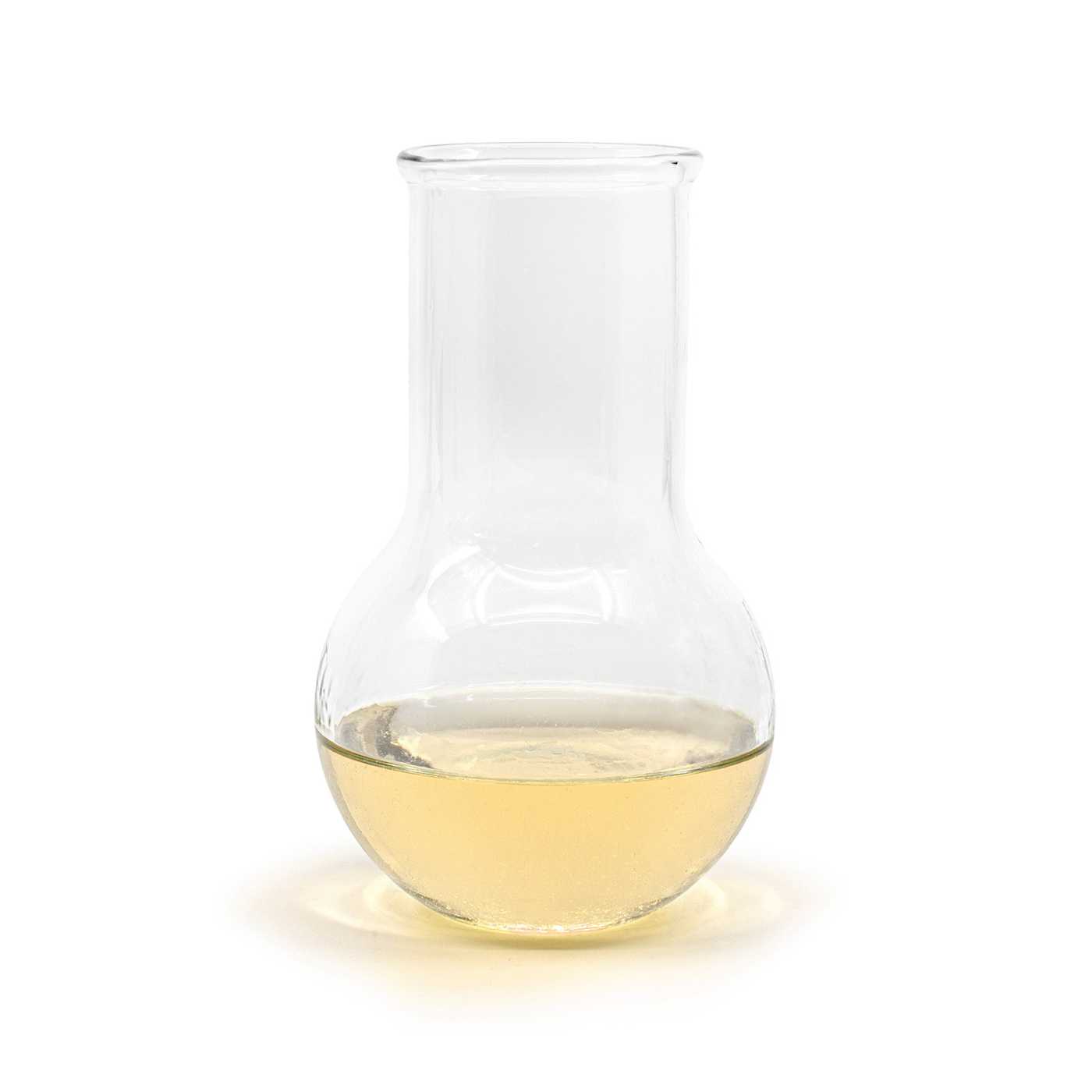
YellowColorless
Country of origin
European Union
Processing method
EthoxylationSulfation
Appearance
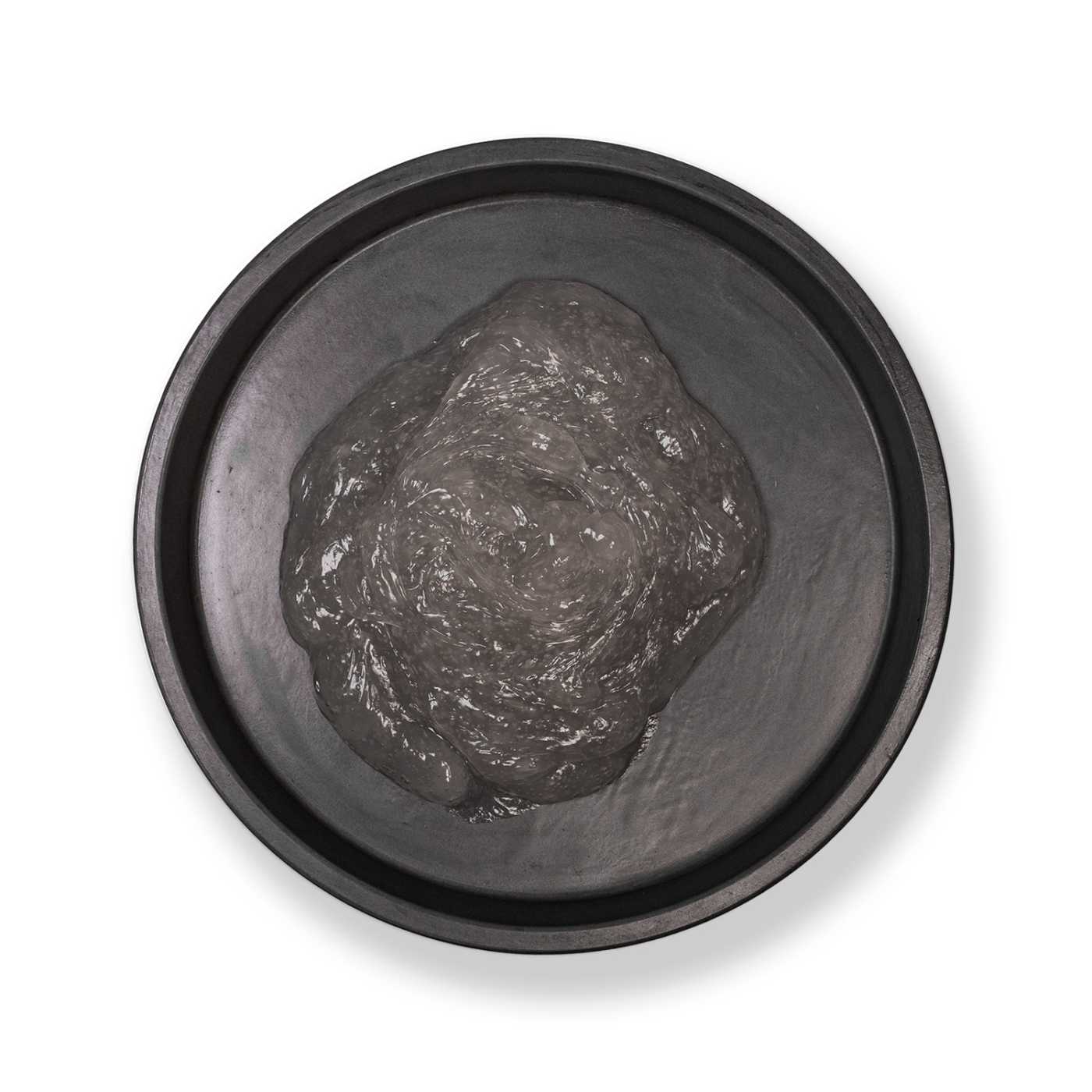
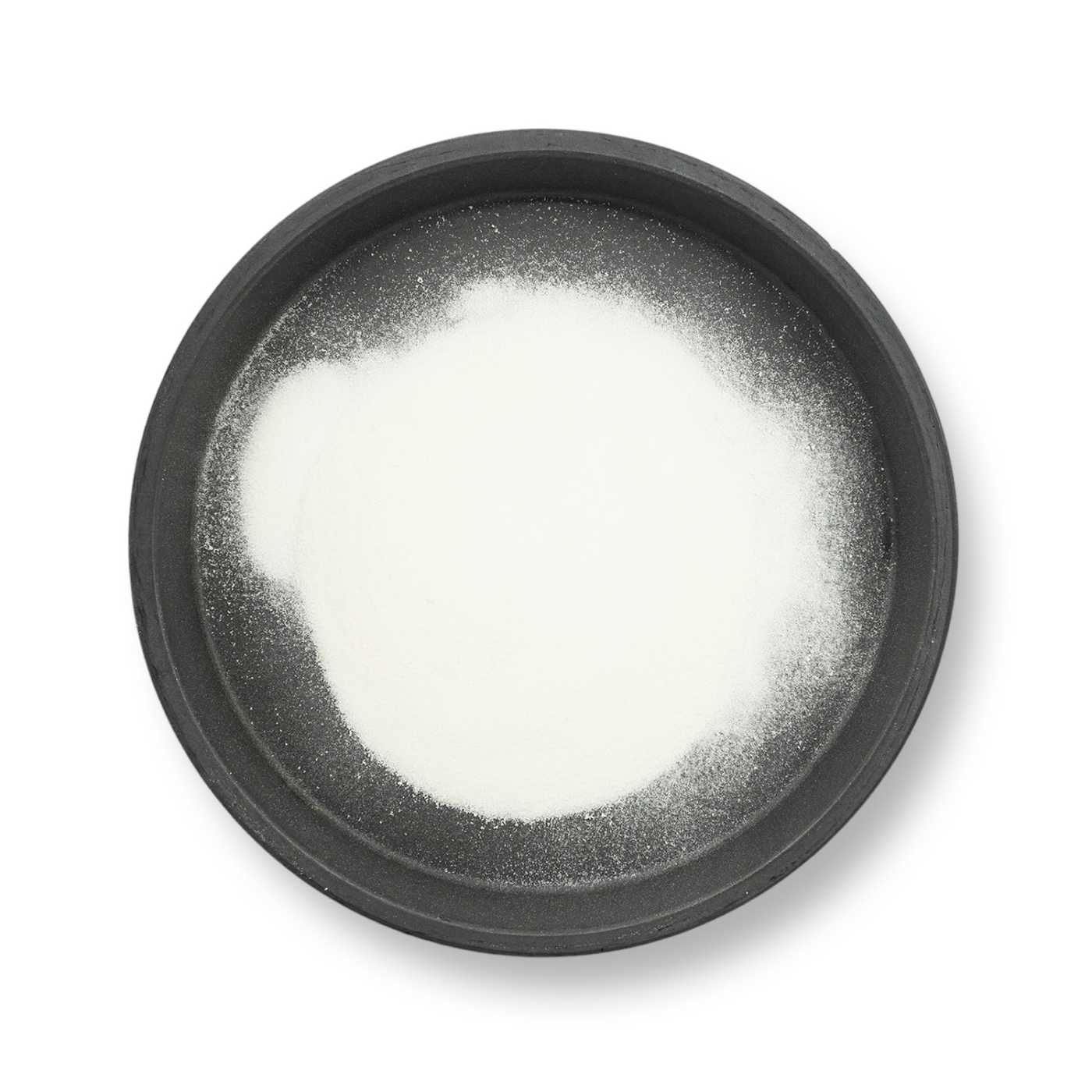
Paste
Active surfactant matter
70,070 %
Formulation phase
Water phase
Function in formulation
Surfactant
HLB value
40
Ionic character
Anionic
Application area
FaceHairScalpBodyHands
Recommended processing temperature
< 60 °C
Recommended dosage range
3 – 30 % %
Recommended formulation pH range
5,0 – 8,0
Application type
Rinse-off
Effects
Cleansing
Natural Index (NI ISO 16128)
0,00
Natural Origin Index (NOI ISO 16128)
0,81

Product documentation

CoACertificate of Analysis
batch 9158180PDF ↓
batch 26130036BPDF ↓
TDSTechnical Data Sheet
Physical parameters and processingPDF ↓
SDSSafety Data Sheet
Available for purchased products —
Download all (ZIP)

3 PDF files in one archive

Christian9 Aug 2026DE

Verified purchase

I'm really delighted to have found this shop! Everything more than perfect!

Translated automatically
Ferdinand S.19 Oct 2026DE

Verified purchase

Peter M.23 Sept 2026SK

Verified purchase

Variant: Sodium Laureth Sulfate (SLES) 70%, 500 g
(3 reviews)