+421 950 333 113info@handymade.storeHandymade Days: −10 % on all ready-made productsShop now

CLEANING & WASHING

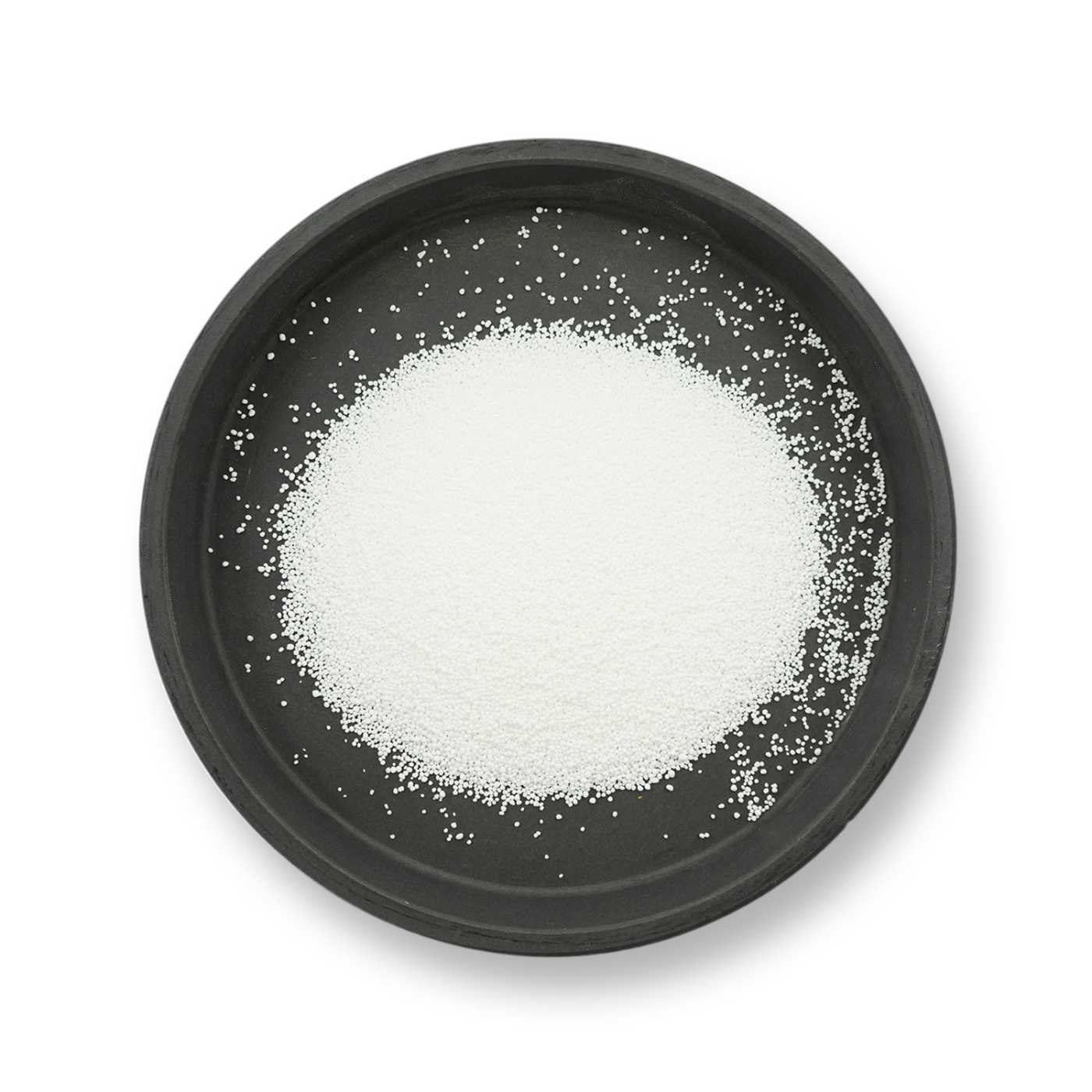
Sodium Percarbonate, 5 kg

Pack size1 kg5 kg25 kg

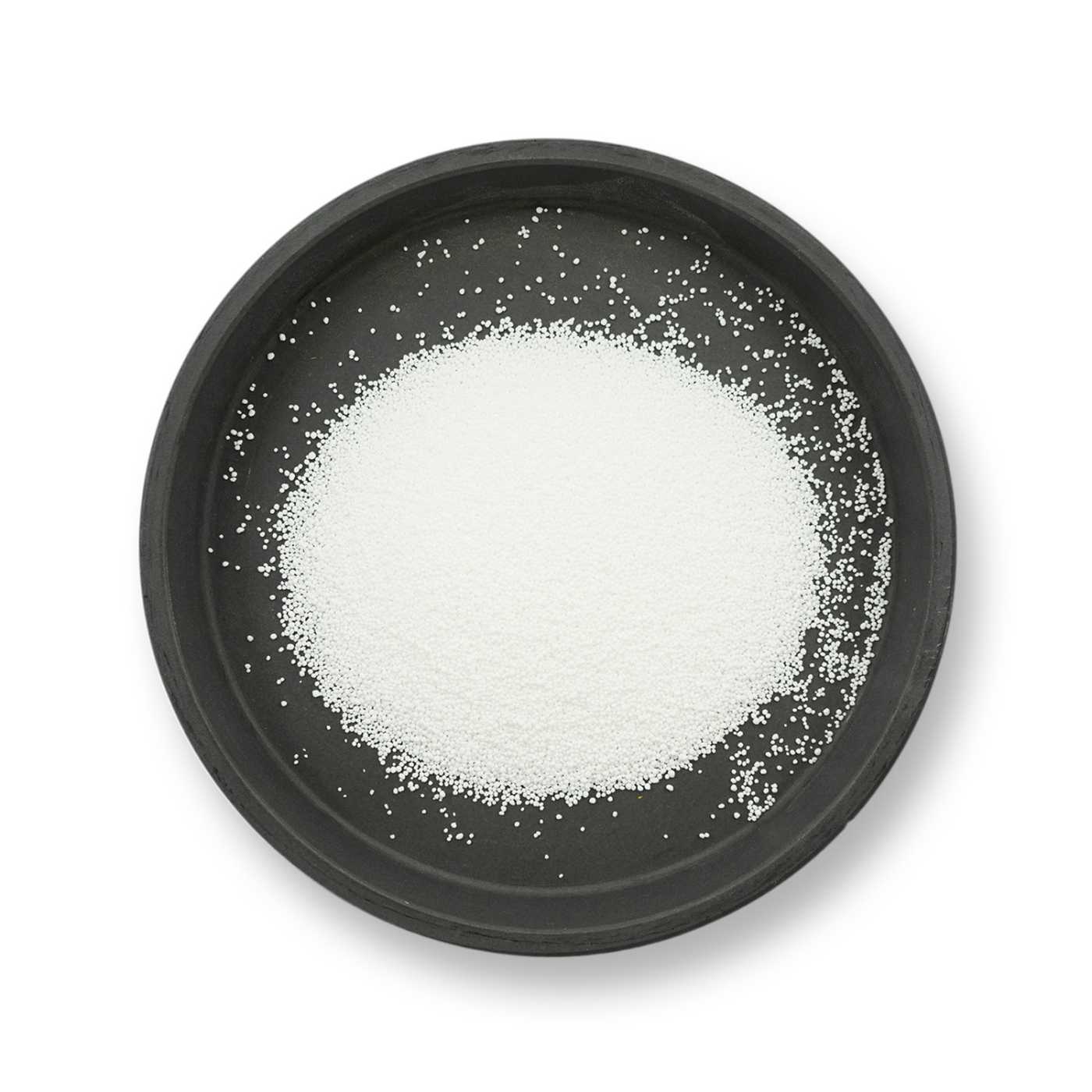
Sodium percarbonate is an oxygen bleach for homemade laundry and cleaning powders. In water it breaks down into sodium carbonate and hydrogen peroxide , which removes stains and whitens textiles. full description

AvailabilityIn stock · 100 packs
Product codePR020_5
BatchSPCC2509227
Best before09/2027
€19.99incl. VAT€4.00/kg

Lowest price in the last 30 days: €17.99

Product description

Sodium percarbonate is an oxygen bleach for homemade laundry and cleaning powders. In water it breaks down into sodium carbonate and hydrogen peroxide, which removes stains and whitens textiles. In dry powder it stays inactive and only starts to work once it dissolves in the washing or cleaning water.

Chemically, sodium percarbonate is an adduct of sodium carbonate and hydrogen peroxide. We supply it in technical grade intended for laundry and household cleaning.


What it does in a laundry and cleaning mixture

  • Oxygen bleaching – the released hydrogen peroxide oxidises stains and whitens textiles without the use of chlorine.
  • Alkaline solution – the sodium carbonate formed in water makes the solution strongly alkaline, which is why sodium percarbonate is classed as an alkaline raw material.
  • Appliance cleaning – at a higher proportion it forms the basis of a washing machine cleaner and is an ingredient of dishwasher powder.
  • Bleaching booster – as a standalone powder with a high proportion of percarbonate, it is added to a regular laundry detergent.

Use in formulations

It is supplied as coated white granules with an active oxygen content of at least 13%. It dissolves in water, approximately 140 g/l at 20 °C, and is insoluble in oil. On contact with water it starts to break down, so it belongs exclusively in dry powder mixtures. Do not dissolve it in advance for liquid or gel products, as it would lose its active oxygen before use.

The solution is strongly alkaline. A 3% solution at 20 °C has a pH of 10.0–11.0, and a 1% solution at 25 °C has a pH of 10.4–10.6. The raw material belongs in alkaline systems and should not be combined in one mixture with strong acids, for example citric acid.

Add it to the powder as the last ingredient, in the final phase or as a post-addition, at a temperature below 40 °C. Above 50 °C it may slowly break down and lose active oxygen, so do not heat the mixture or blend it with ingredients that are still warm.

In formulations it is used in the range of 5–30%. Common laundry powders contain approximately 5–13.5%, dishwasher powder around 8%, a washing machine cleaner around 20% and a standalone bleaching booster up to 30%.

In powder formulations it is most often combined with sodium carbonate, sodium silicates including metasilicate, sodium sulfate, anionic and non-ionic surfactants (for example Sodium Lauroyl Sarcosinate or ethoxylated alcohols) and fragrance. For bleaching at lower washing temperatures, it is supplemented with the activator TAED (tetraacetylethylenediamine). It also appears in mixtures with protease.


Suitable for products such as

  • powder laundry detergents,
  • bleaching and stain-removing powders added to the wash,
  • dishwasher powders,
  • washing machine cleaning powders,
  • powder household cleaning products that are dissolved in water before use.

Good to know

The biggest enemy of the finished powder is moisture. If the mixture contains damp ingredients or is blended in humid air, the percarbonate starts to break down and release oxygen. This shows as weaker bleaching, clumping or swelling of the packaging. All ingredients must therefore be dry, and the product should be sealed tightly straight after mixing.

Breakdown is also accelerated by transition metals and their salts, especially iron, manganese, nickel and chromium. Work with clean, non-metal tools and avoid raw materials contaminated with metals. The raw material is also incompatible with strong reducing agents, organic materials and powdered metals.

Sodium percarbonate is an oxidising and irritant substance with a risk of serious eye damage (GHS03, GHS05, GHS07 pictograms, subject to CLP). Work without raising dust, in a ventilated space, wearing gloves and eye protection, and keep an eyewash close at hand.


Frequently asked questions

Is sodium percarbonate soluble in water?
Yes, sodium percarbonate dissolves in water, approximately 140 g per litre at 20 °C. At the same time it breaks down in water into sodium carbonate and hydrogen peroxide, which provides the bleaching effect. It is insoluble in oil. This is exactly why it dissolves only during washing or cleaning, not in advance in the finished product.
Can sodium percarbonate be used in a liquid laundry gel?
No, sodium percarbonate is not suitable for liquid or gel products. On contact with water it starts to break down and the active oxygen is gradually lost from the product. It is used exclusively in dry powder mixtures, where it stays inactive until it dissolves in the washing or cleaning water.
How much sodium percarbonate goes into a homemade laundry powder?
A regular laundry powder contains approximately 5–13.5% sodium percarbonate. For a stronger bleaching effect, for example in a washing machine cleaner, the proportion rises to approximately 20%, and a standalone bleaching booster can contain up to 30%. The full range in formulations is 5–30%, with a median of around 13.5%.
Why does my powder with sodium percarbonate clump or swell the packaging?
The cause is usually moisture, heat or metal contamination. Sodium percarbonate breaks down and releases oxygen, which swells the packaging, and the mixture also becomes damp and hardens. It helps to mix only dry ingredients, use non-metal tools, not process the mixture above 40 °C and seal the finished product tightly straight away.
Can I combine sodium percarbonate with citric acid?
No, sodium percarbonate should not be combined with citric acid or other strong acids in one mixture. Its solution is strongly alkaline and reacts with acids. In powders it is added to alkaline ingredients, for example sodium carbonate, sodium silicates and sodium sulfate, optionally with the activator TAED for washing at lower temperatures.

Parameters

Chemical name
Sodium percarbonate
CAS No.
15630-89-4
EC number
239-707-6
Product colour
White
Appearance
Powder
Application area
Hair
Recommended processing temperature
< 40 °C
Effects
Cleansing
Biodegradability
Not applicable

Product documentation

CoACertificate of Analysis
batch SPCC2509227PDF ↓
batch 41HY25-440PDF ↓
TDSTechnical Data Sheet
Physical parameters and processingPDF ↓
SDSSafety Data Sheet
Available for purchased products —
Download all (ZIP)

3 PDF files in one archive

Learn how to work with it

From our blog
Monika9 Aug 2026SK

Verified purchase

Great for washing white laundry. Below 40 degrees, though, it needs to be used with TAED.

Translated automatically

Sara María H.R.21 Oct 2026ES

Verified purchase