+421 950 333 113info@handymade.store−10 %Shop now

ACTIVE INGREDIENTS

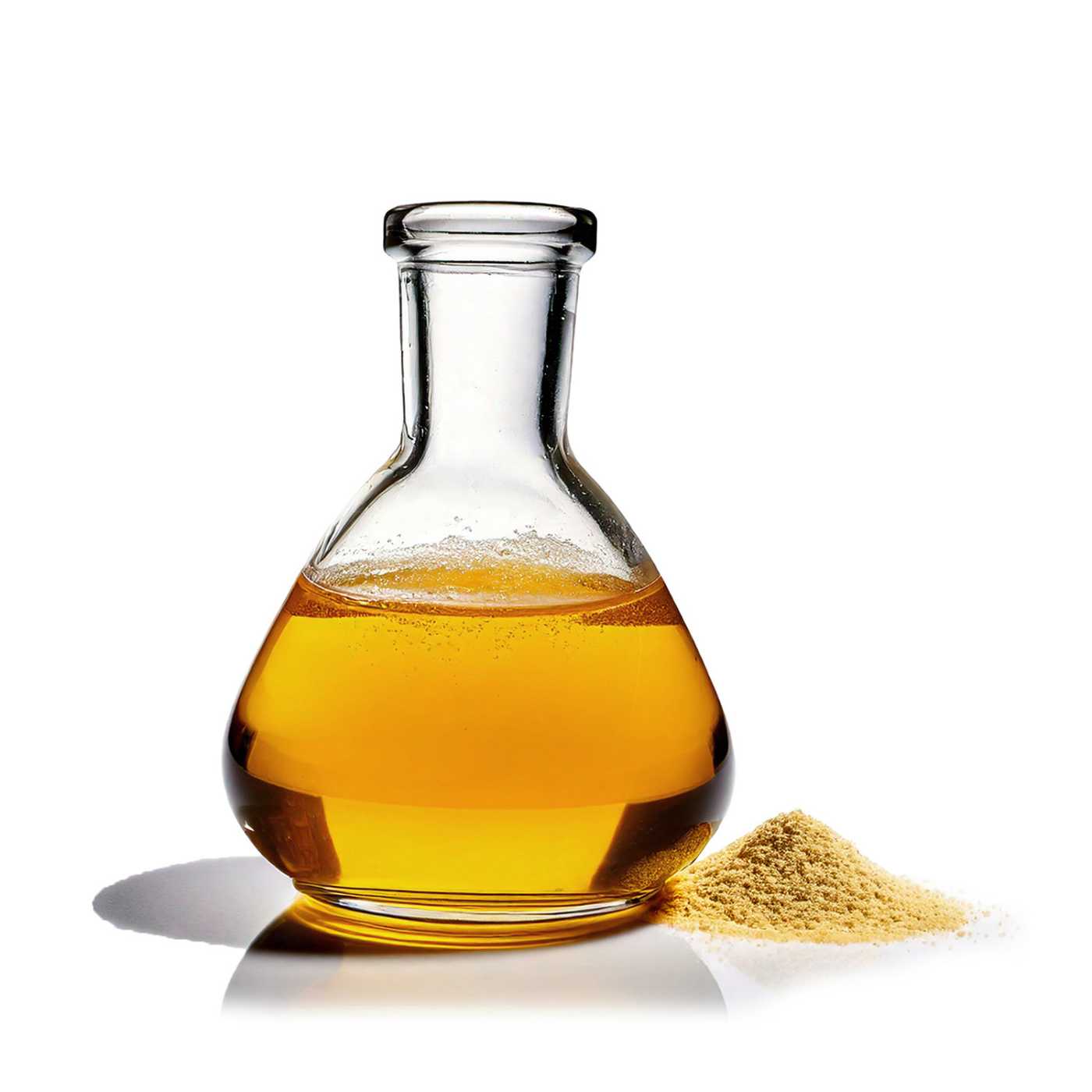
Sugarcane Squalane, 1 l

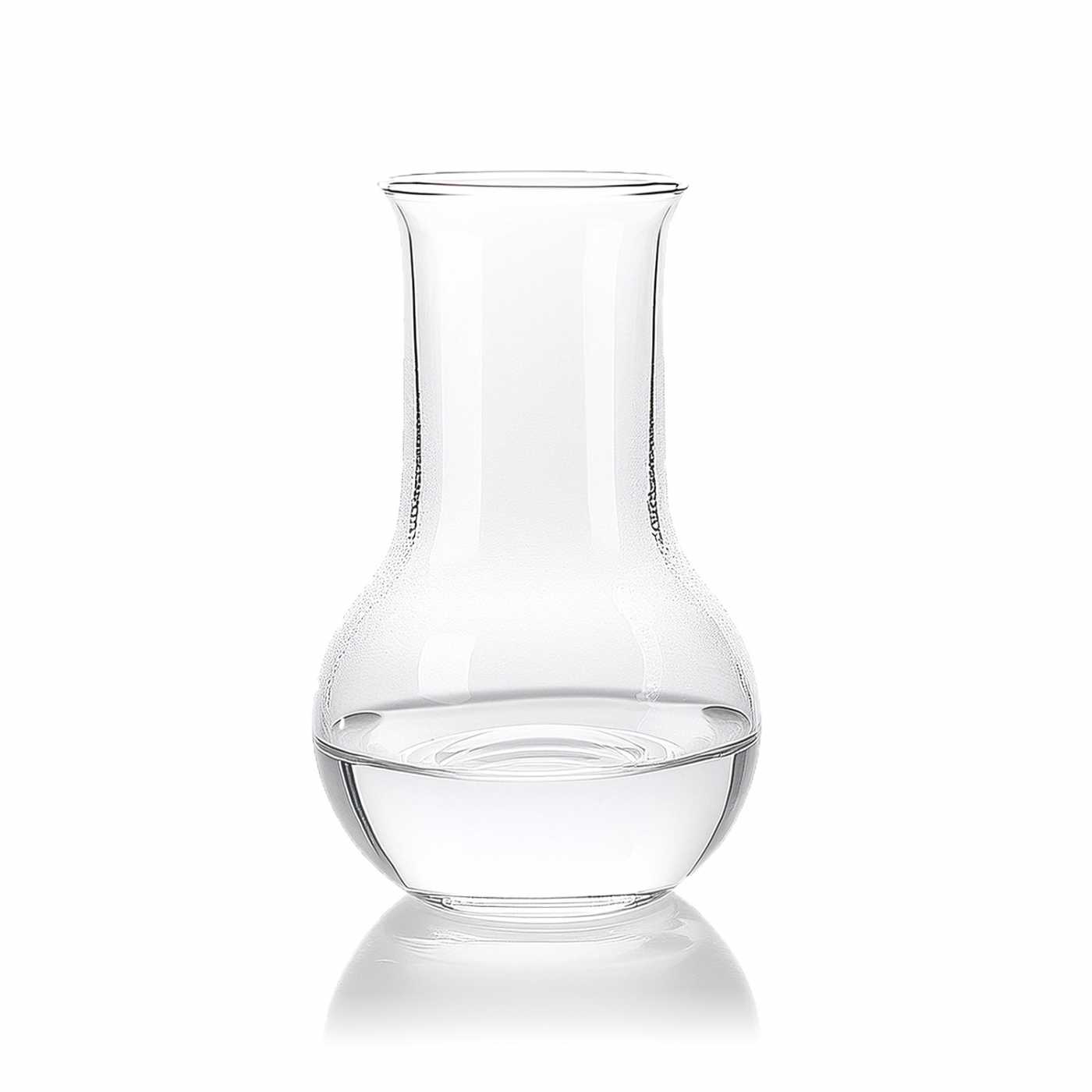
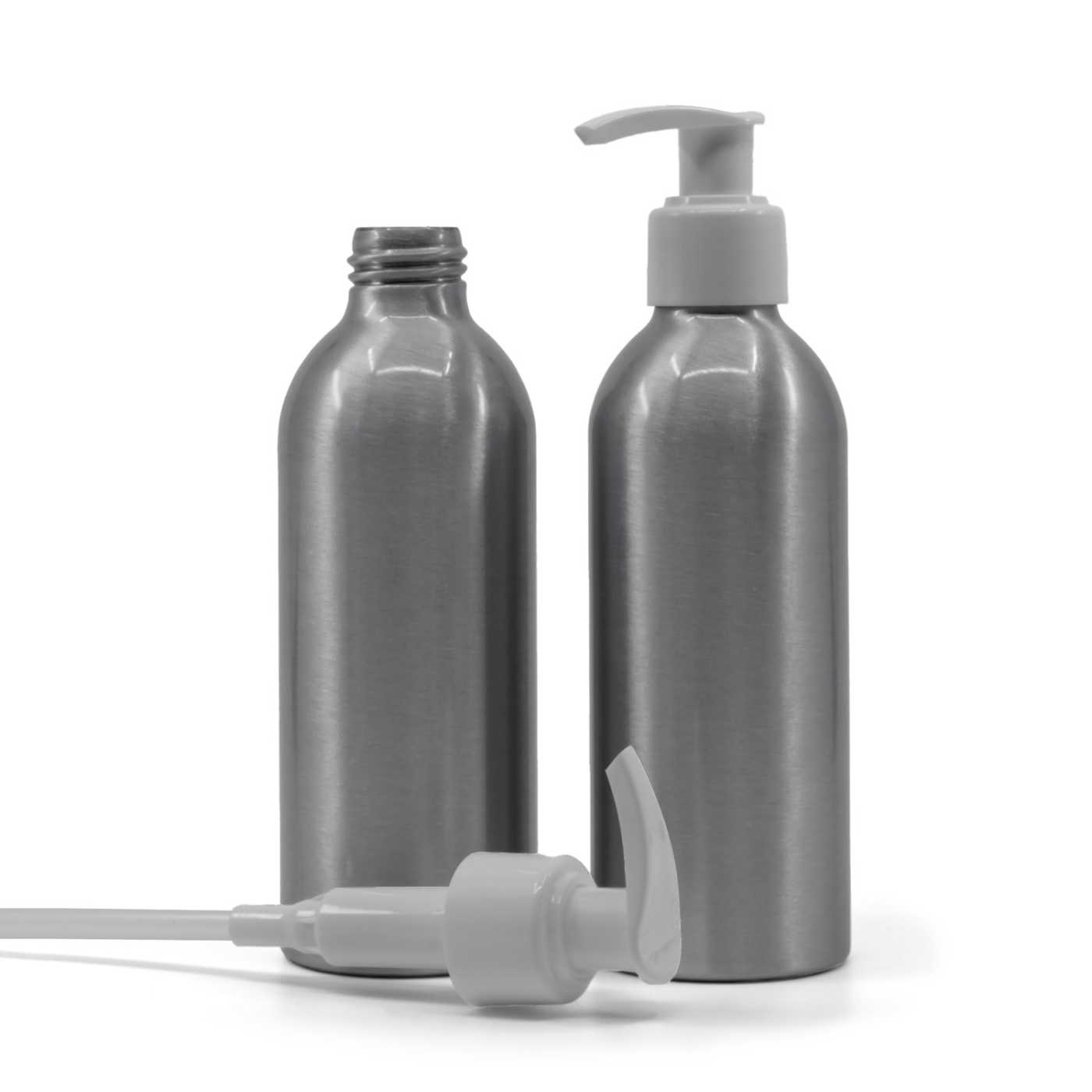
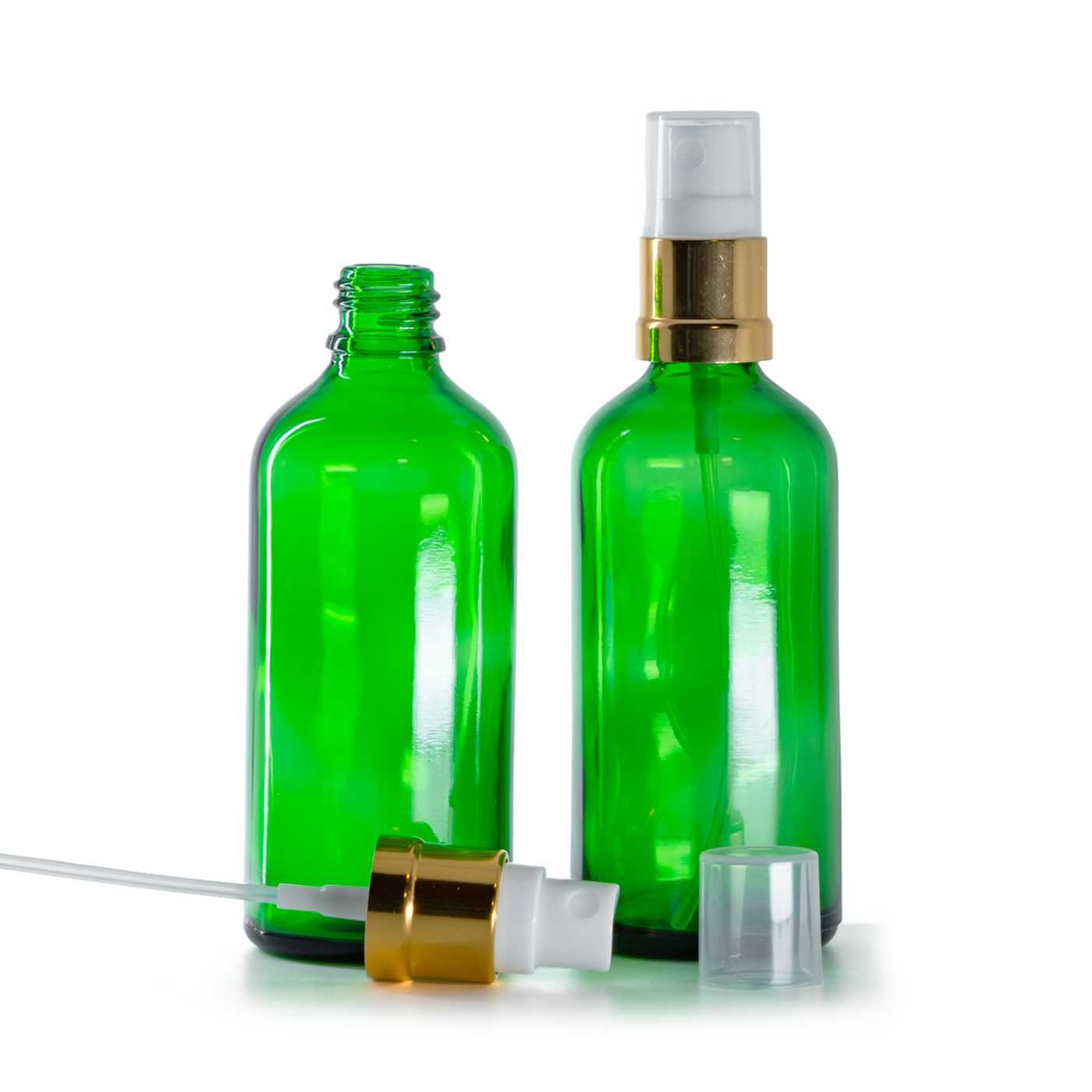
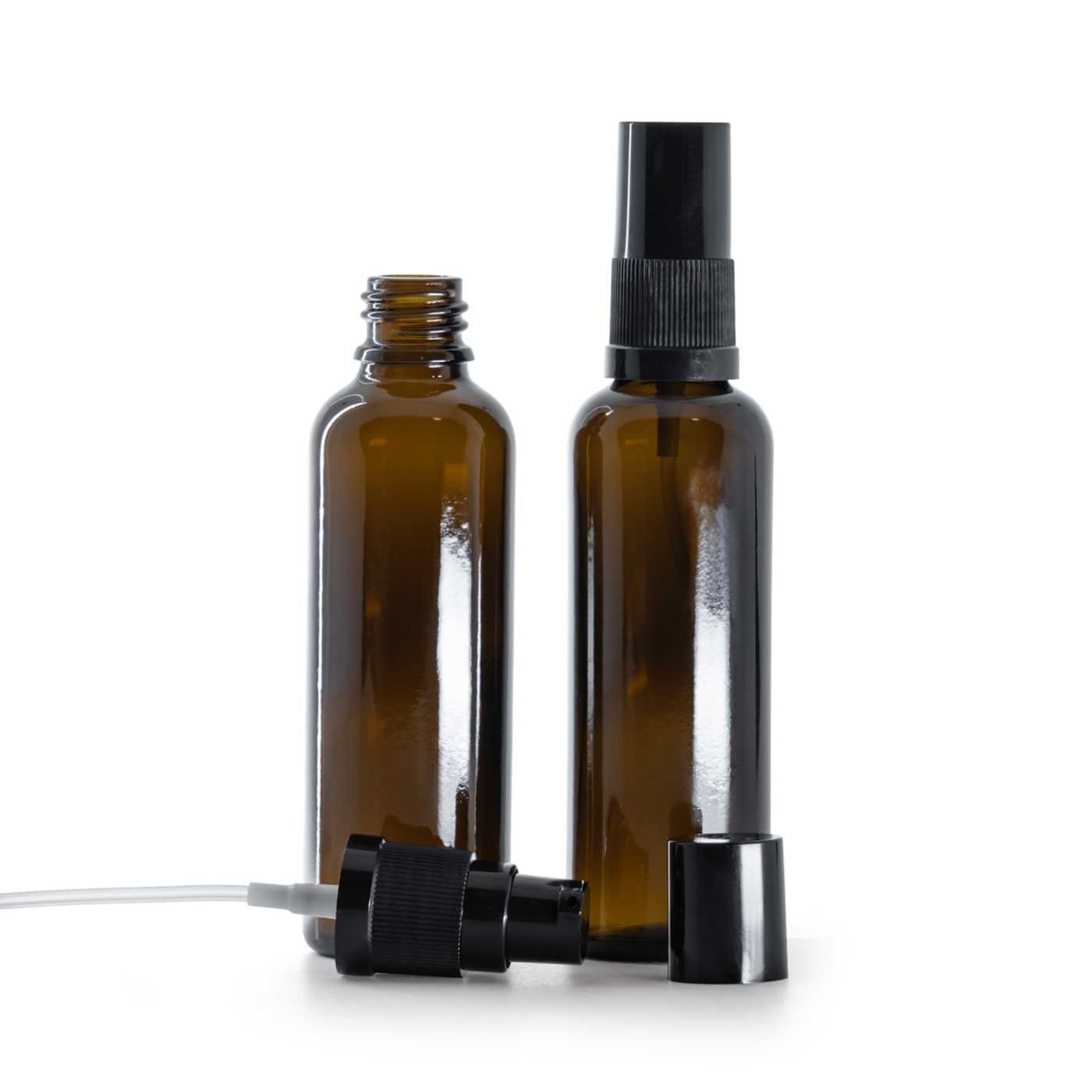
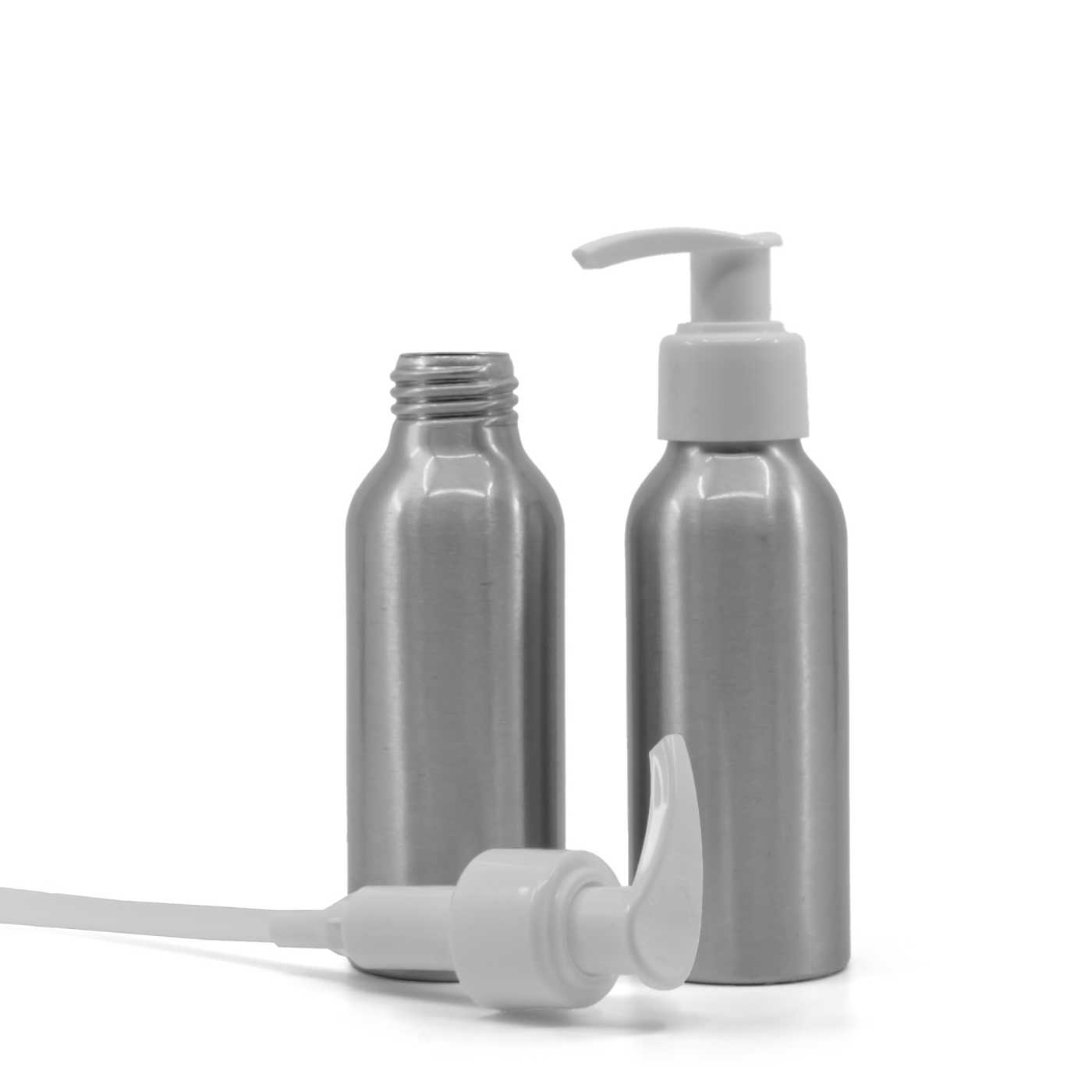
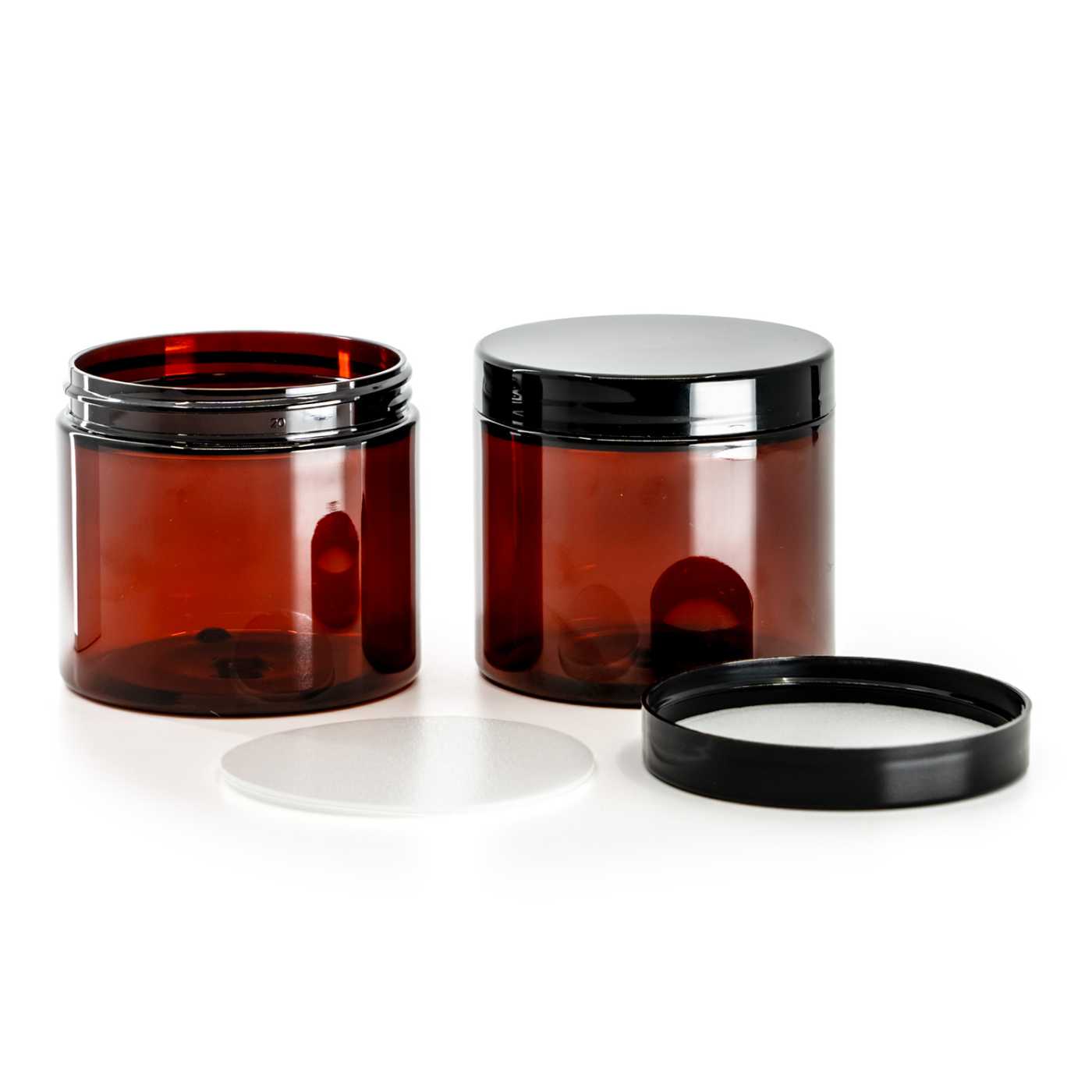
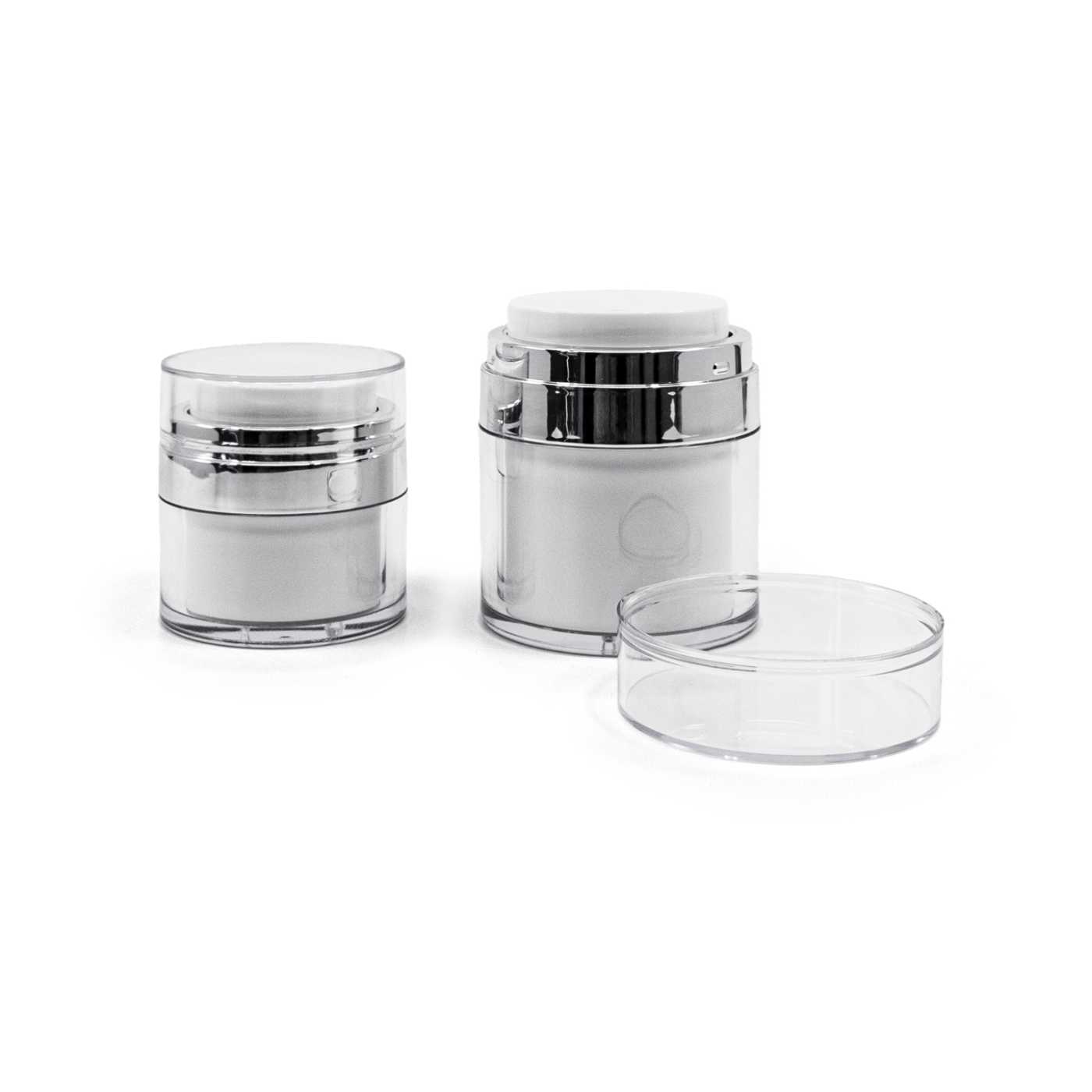
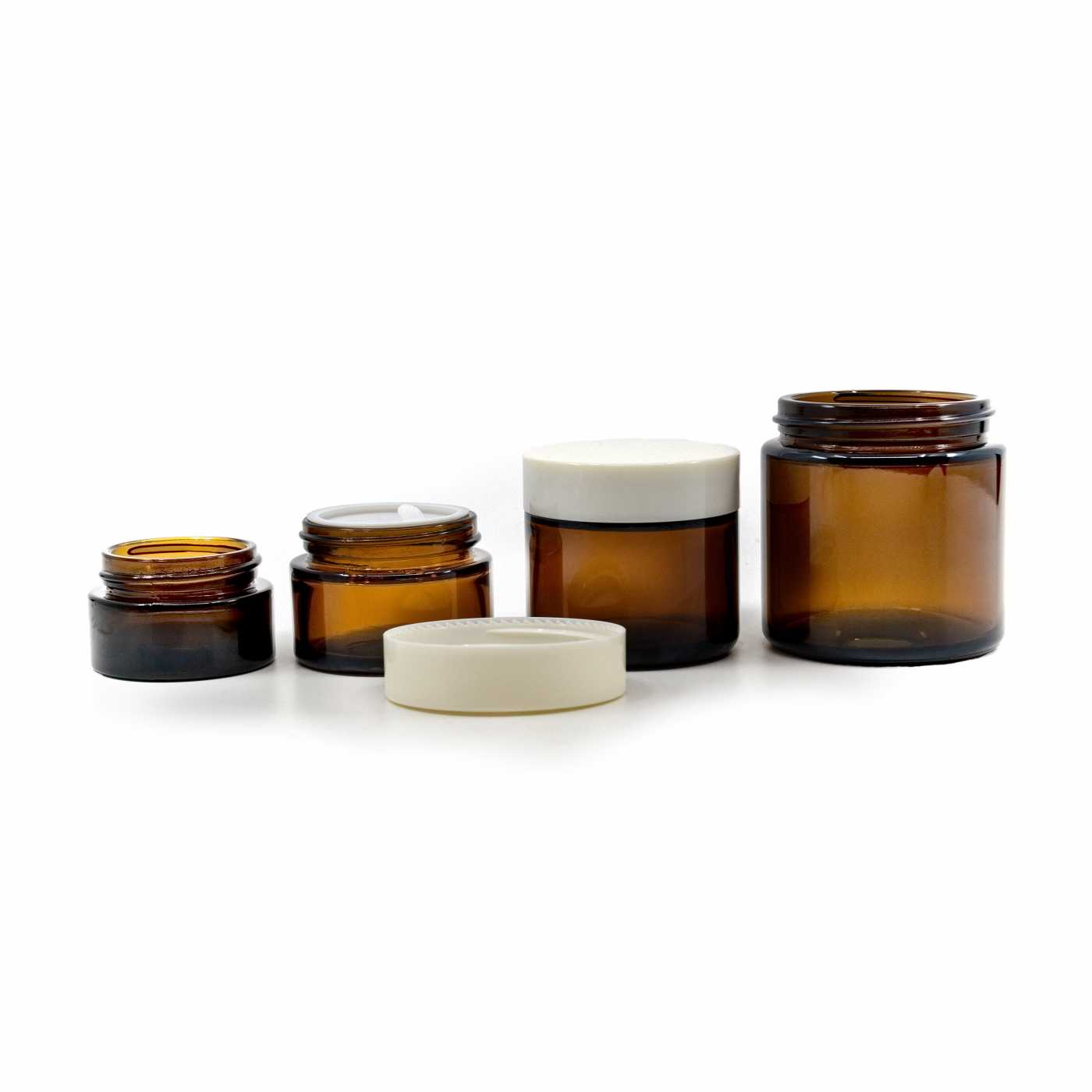
Pack size30 ml100 ml1 l

Sugarcane squalane is a light vegetable emollient obtained from sugarcane (Saccharum officinarum) by fermentation, hydrogenation and distillation. full description

AvailabilityIn stock · 40 packs
Product codeAD011_1000
BatchGP00000203
Best before01/2029
€80.99incl. VAT€80.99/l

Lowest price in the last 30 days: €80.99

Product description

Sugarcane squalane is a light vegetable emollient obtained from sugarcane (Saccharum officinarum) by fermentation, hydrogenation and distillation. Its structure is close to the lipids that the skin produces itself as part of sebum. It absorbs quickly after application and leaves no greasy film. It is tolerated by oily and acne-prone skin, and it is also suitable for sensitive, dry, atopic and baby skin.

In a formulation, it softens the skin, slows the evaporation of water from its surface and gives the product a smooth, slippery feel when spread. As a fully saturated hydrocarbon, it does not oxidise in the way common vegetable oils do, so it remains stable in the recipe and does not turn yellow. The ingredient is colourless and almost odourless, so it adds nothing to the finished product that would need to be masked.


Key properties

  • Light emollient – it spreads without drag, absorbs quickly and leaves no greasy feel on the skin. You will appreciate this especially in daytime products and in preparations for oily skin.
  • Skin barrier support – it replenishes lipids in the surface layer of the skin, helps limit water loss and relieves the feeling of tightness and dryness.
  • Hydration and elasticity – by retaining water in the skin, it supports softness and suppleness, which is why it is also used in anti-ageing preparations.
  • Oxidative stability – the saturated structure without double bonds (iodine value of no more than 2 g/100 g) means that the ingredient does not turn yellow or change its odour. This makes it easier to keep the whole recipe stable.
  • Hair and scalp – it smooths the hair surface, improves combability and adds shine without weighing the hair down. It is also suitable for the scalp.
  • Almost odourless and colourless – it does not affect the fragrance or colour of the finished product, so it suits both fragranced and unfragranced products as well as colour cosmetics.

The ingredient contains 100% renewable carbon, has no components from palm oil or materials of animal origin, and is readily biodegradable.


Use in formulations

It is added to the oil phase. It dissolves in oils and does not dissolve in water, so it can only get into water-based systems through an emulsifier. When making an emulsion, it is heated together with the other oils, and the recommended processing temperature is up to 80 °C. It works just as well in cold processing, for example in facial oils and serums, or when adding an oil phase to an already finished emulsion.

The recommended usage rate is 1–100%. In emulsions, it is commonly used at a few per cent, where it improves spreadability and lightens the texture of the cream. At higher levels, it forms the base of anhydrous products, and in facial oils it can be the only ingredient. Compatibility with other ingredients is unrestricted: it can be combined with all common oils, butters, waxes, esters and oil-soluble active ingredients.

When you replace part of a heavier oil in the recipe with squalane, the texture of the whole product becomes lighter and absorption speeds up. Start with a few per cent and adjust the amount according to the skin feel you want.


Suitable for products such as

  • Facial oils and oil serums – on its own or as a stable base for combining with more active but less stable oils.
  • Day and night creams, facial lotions – in the oil phase of both O/W and W/O emulsions, it lightens the texture and improves spreading.
  • Eye-area preparations – thanks to its lightness and how well sensitive skin tolerates it.
  • Lip balms and lip oils – it softens and replenishes lipids without a greasy shine.
  • Hair oils, serums for hair ends, scalp care – it smooths, adds shine and makes combing easier.
  • Colour cosmetics – liquid foundations, lipsticks, lip glosses and primers, where the slippery feel and neutral colour are valued.
  • Shower and bath oils – it leaves the skin supple even in rinse-off products.
  • Baby cosmetics and preparations for atopic skin – it is suitable for sensitive skin and contains no fragrance substances or known skin allergens.

Good to know when formulating

Squalane is liquid and light, and on its own it will not thicken the finished product. For anhydrous balms or solid oils, plan to use a wax or butter that will provide consistency. In emulsions, a higher level of squalane usually lightens the texture, which may require adjusting the amount of thickener.

It does not need an antioxidant itself, but the other oils in the blend do. If you combine squalane with oils rich in unsaturated fatty acids, add tocopherol or another antioxidant, otherwise the shelf life of the blend will be governed by its least stable component. Anhydrous squalane products do not require a preservative, but as soon as the recipe contains a water phase, preservation is necessary, as with any emulsion.

According to the specification, the purity of the ingredient is at least 92% and the acid value is no more than 0.5 mg KOH/g.

Unlike silicones, which give a similar slippery feel, squalane is of plant origin and biodegradable. In silicone-free formulations, it is used precisely to achieve smooth spreading and a satiny feel after application.

The substance is not classified as hazardous under the CLP Regulation and does not contain any of the fragrance allergens listed in Annex III of Regulation (EC) No 1223/2009.


Squalane and squalene

Squalene is an unsaturated hydrocarbon that is a natural component of sebum and is also found in olive and amaranth oil. It has six double bonds, so it oxidises quickly and is difficult to stabilise in cosmetics. Squalane is formed by the hydrogenation of squalene. The double bonds are saturated and the resulting substance is stable, with no tendency to turn yellow or change its odour, while retaining its emollient properties.

Squalane from sugarcane, from olives and from shark liver has the same chemical structure; the difference is in the source and the method of production. Sugarcane squalane is produced by fermenting sugars and does not come from animals.


Frequently asked questions

Is sugarcane squalane soluble in water?
No, sugarcane squalane does not dissolve in water; it dissolves in oils. It can only be incorporated into toners, gels and other water-based products through an emulsifier, which creates an emulsion. In facial oils, balms and anhydrous serums, it mixes with other oils without restriction.
What is the difference between squalane and squalene?
Squalane is the hydrogenated, stable form of squalene. Squalene contains double bonds and oxidises quickly, so it is rarely used in cosmetics and requires careful stabilisation. Squalane does not have these bonds, does not turn yellow, does not change its odour and retains its emollient effect, so it can be included in a recipe without special protection against oxidation.
Is sugarcane squalane suitable for oily and acne-prone skin?
Yes, sugarcane squalane is also suitable for oily and acne-prone skin. It has a light texture, absorbs quickly and leaves no greasy film. Its structure resembles the lipids naturally present in sebum, so the skin accepts it well. In products for oily skin, it is often used as the only or main oil.
Can sugarcane squalane be used on its own, undiluted?
Yes, sugarcane squalane can be used on its own at a concentration of up to 100%. A few drops are enough for the facial skin, hair ends or lips. It contains no water and does not oxidise itself, so as a standalone facial oil it needs no additional ingredients.
Can sugarcane squalane be heated when making an emulsion?
Yes, sugarcane squalane is heated together with the oil phase when making an emulsion. The recommended processing temperature is up to 80 °C, which covers common hot-process cream production. Heating does not change its properties. It can equally be added cold to facial oils or added to the oil phase when making emulsions without heating.
Is sugarcane squalane the same as olive squalane?
Yes, sugarcane and olive squalane have the same INCI name, Squalane, and the same chemical structure. They differ in their source and production process. Sugarcane squalane is produced by fermenting sugars from sugarcane, followed by hydrogenation and distillation, while olive squalane is obtained from the residues left after pressing olives. In a recipe, they can be swapped at the same usage rate.

Parameters

INCI
Squalane
CAS No.
111-01-3
EC number
203-825-6
Product colour
Colourless
Country of origin
USA
Appearance
Liquid
Formulation phase
Oil phase
Function in formulation
Emollient
Recommended processing temperature
< 80 °C
Recommended usage rate
1 – 100 %
Application type
Leave-onRinse-off
Biodegradability
Readily biodegradable
Natural Index (NI ISO 16128)
1,00
Natural Origin Index (NOI ISO 16128)
1,00
Renewable Carbon Content (RCC)
100 %
Volume
1000 ml

Product documentation

CoACertificate of Analysis
batch MW00572505PDF ↓
batch PO00049219PDF ↓
batch GP00000203PDF ↓
TDSTechnical Data Sheet
Physical parameters and processingPDF ↓
SDSSafety Data Sheet
Available for purchased products —
Download all (ZIP)

4 PDF files in one archive

Learn how to work with it

From our blog
Sonja S.31 Oct 2026DE

Verified purchase

For me, an indispensable product in creams - lots of moisture without shine

Translated automatically

Jana20 Aug 2026CS

Verified purchase

Dry oil — Non-greasy, absorbs well

Translated automatically

Gabriela20 Aug 2026SK

Verified purchase

An amazing silky smooth oil for everyday use. In the morning after washing my face. It hydrates the skin amazingly and doesn't leave it greasy.

Translated automatically

Leonardo V.18 Nov 2026IT

Verified purchase

ZDENĚK P.15 Nov 2026DE

Verified purchase

(7 reviews)