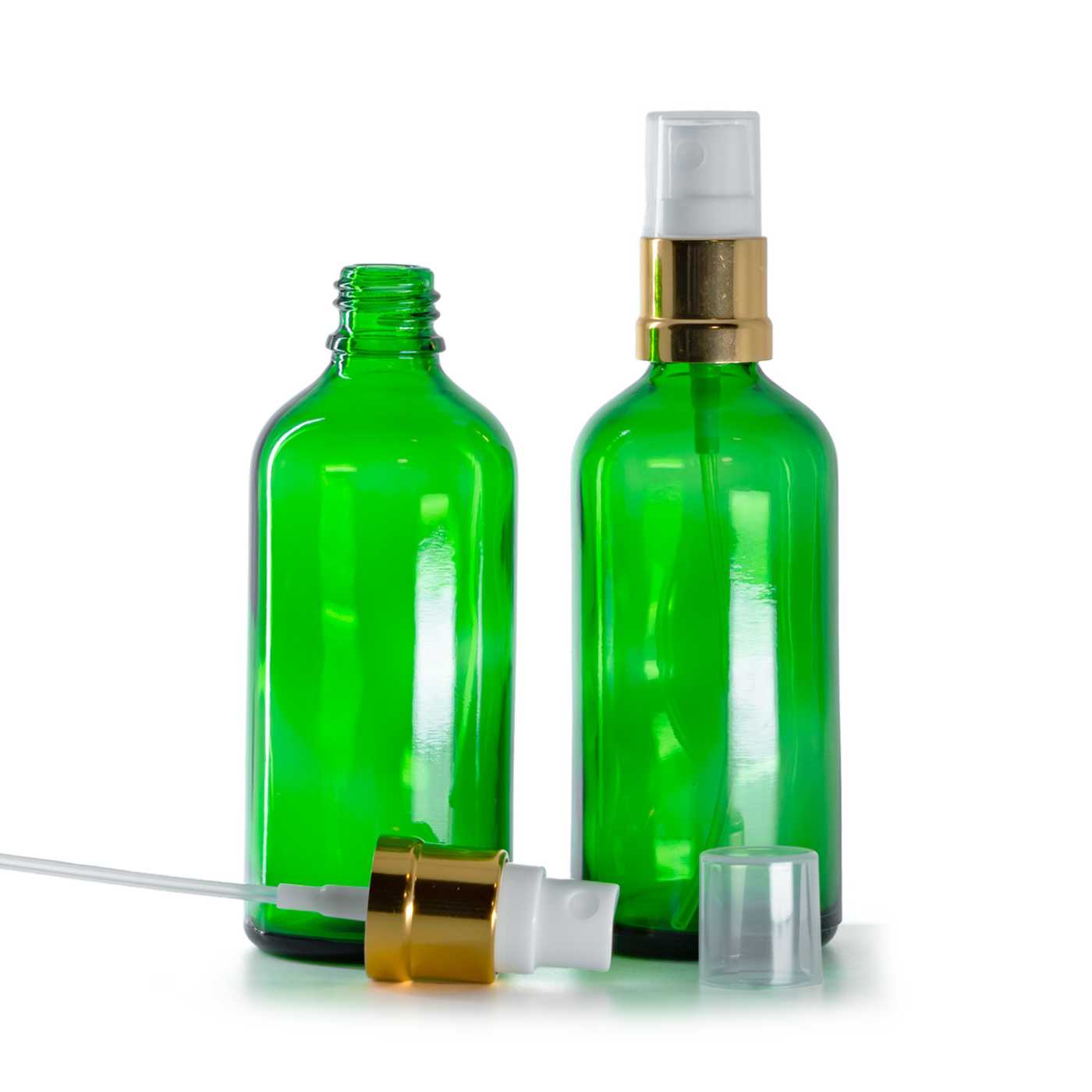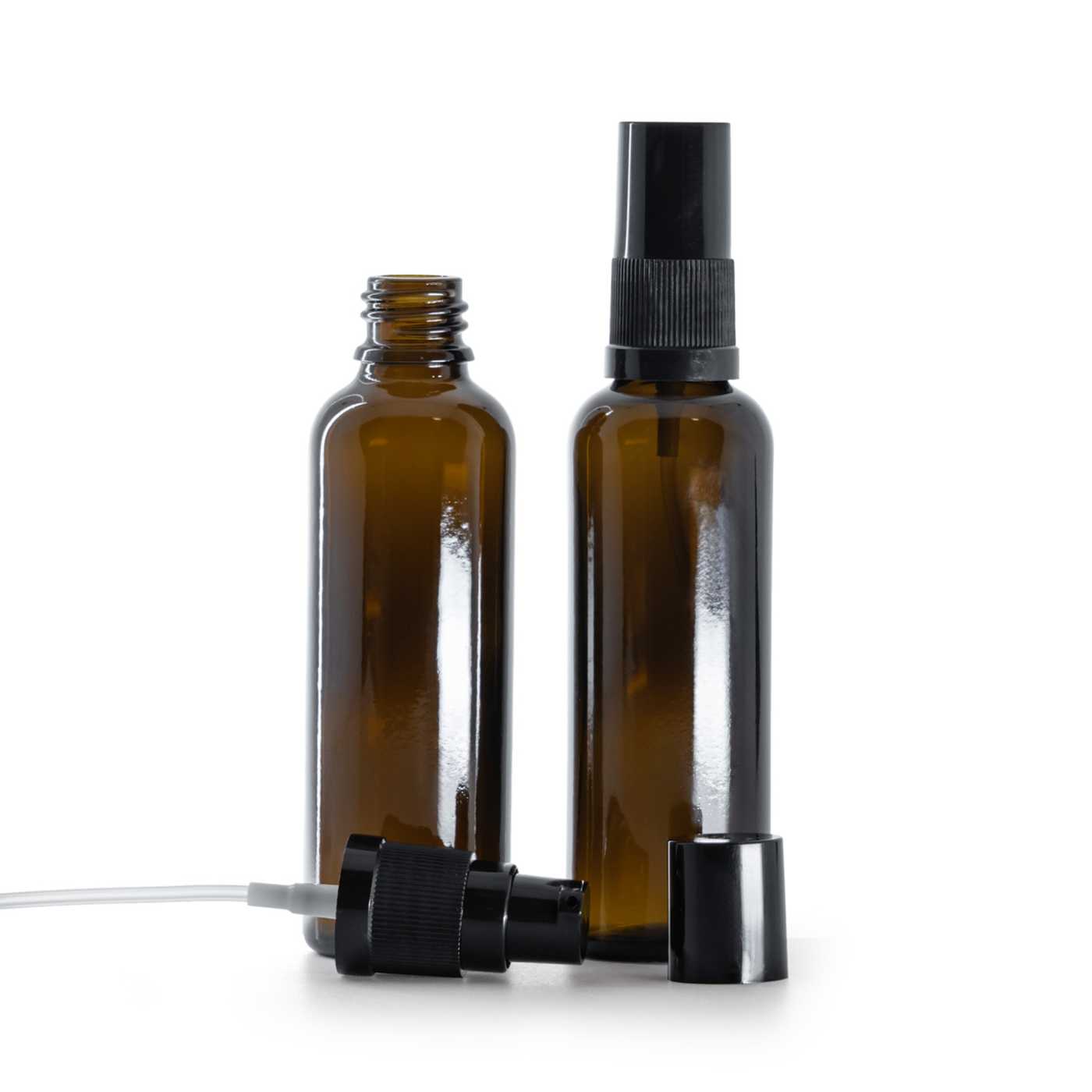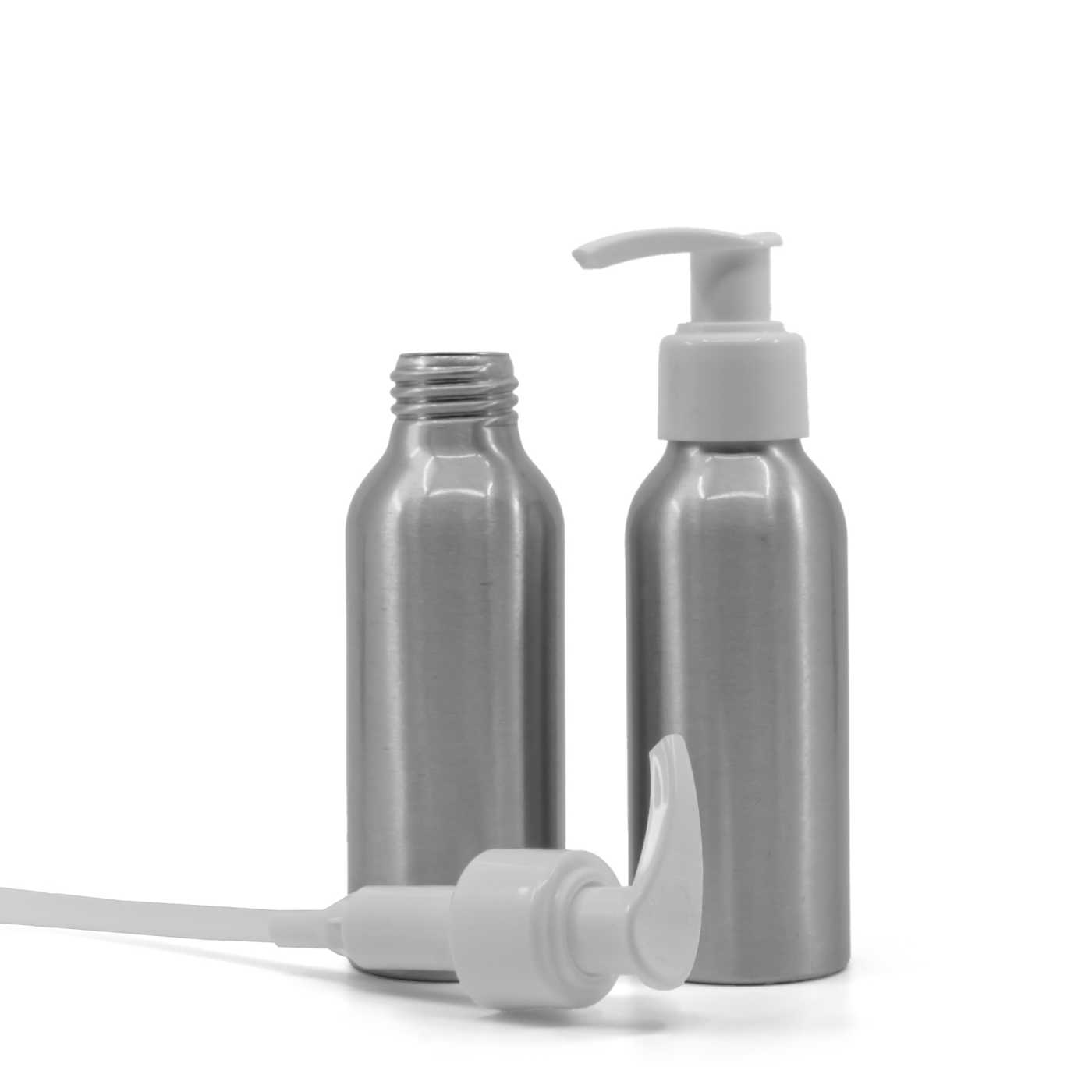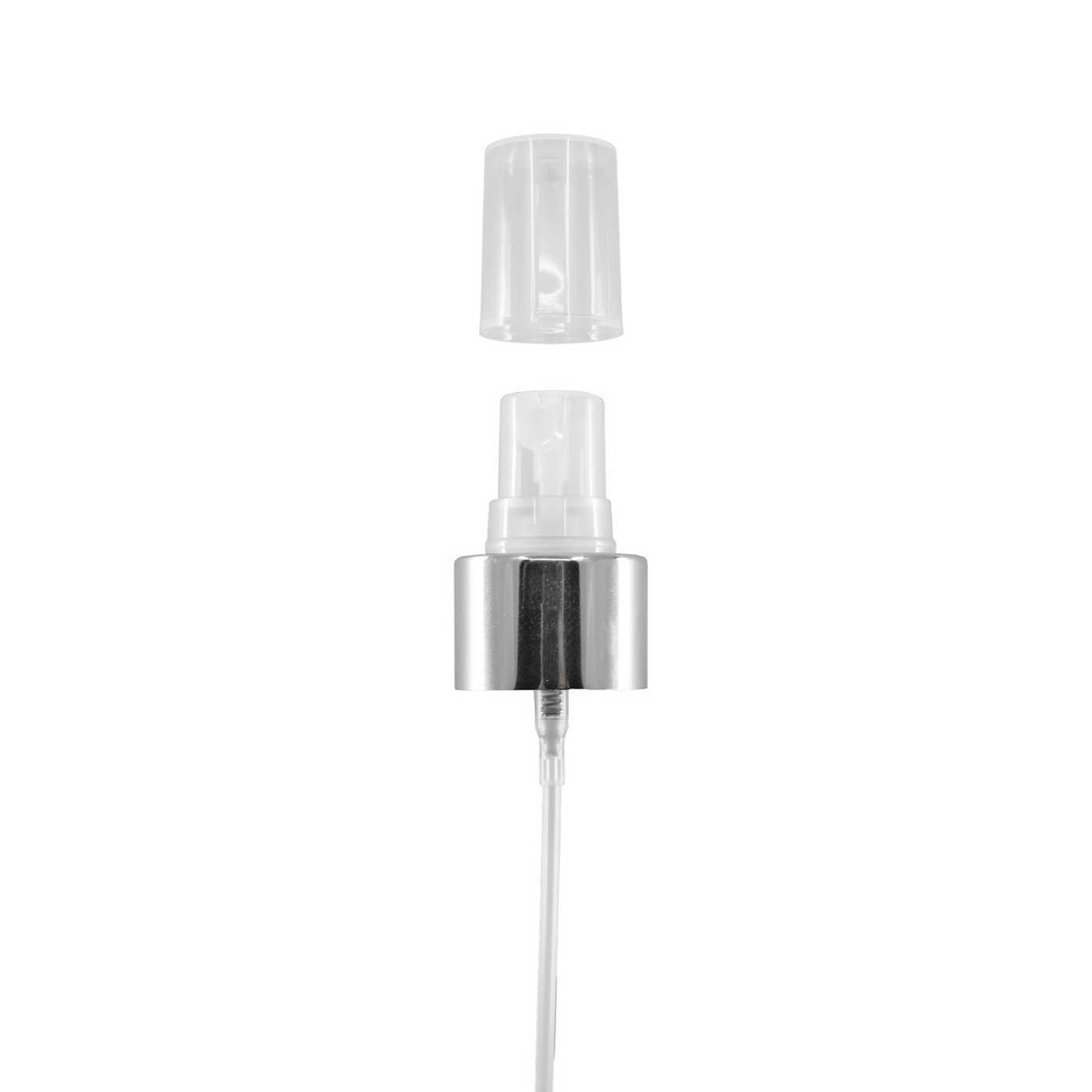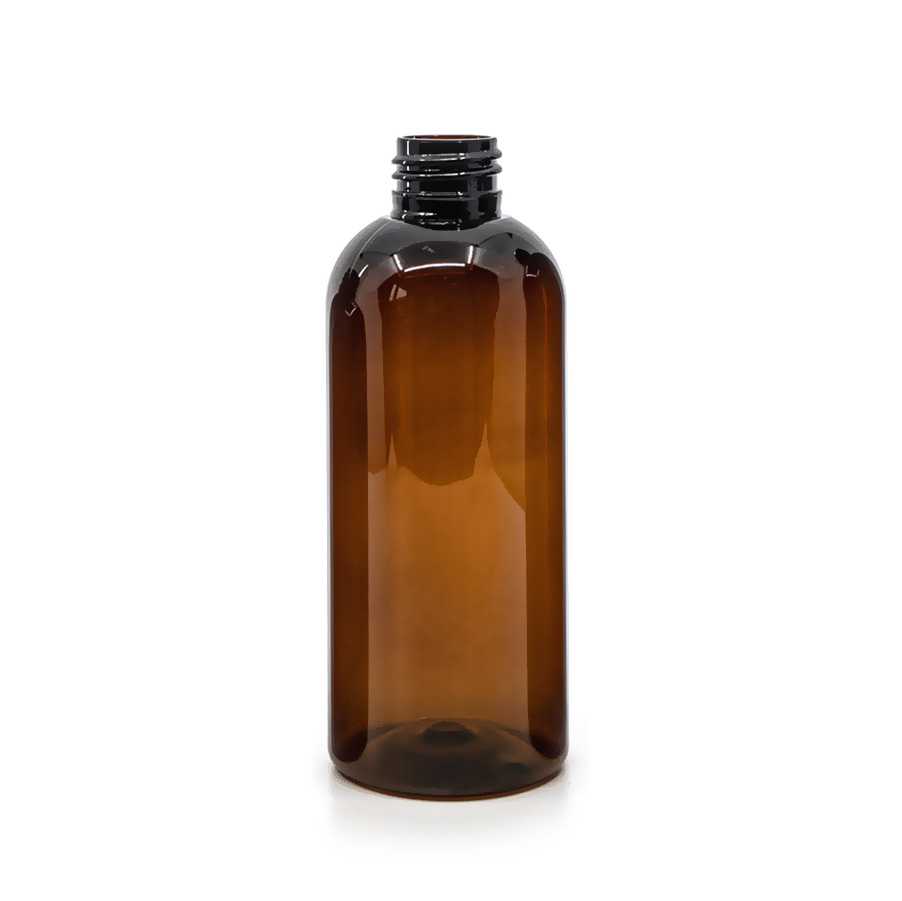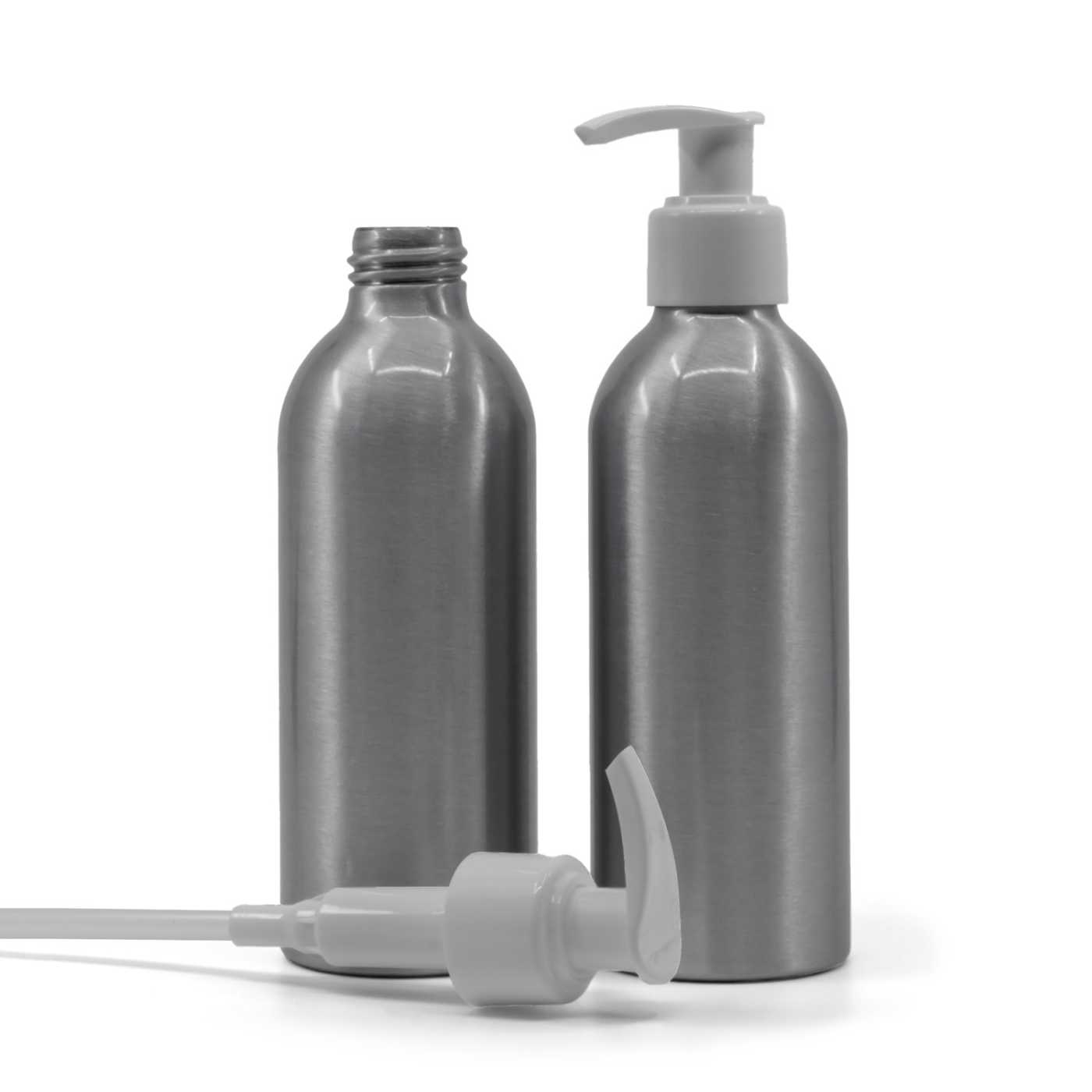
Aluminium Bottle, White Pump, 200 ml
Pre-order€2.98

ACTIVE INGREDIENTS
Sugarcane squalane is a lightweight emollient of plant origin that absorbs quickly into the skin without a greasy film. full description
Lowest price in the last 30 days: €9.99
Sugarcane squalane is a lightweight emollient of plant origin that absorbs quickly into the skin without a greasy film. In formulations it replaces or complements vegetable oils wherever the product should have a smooth, drier feel and long oxidative stability: in serums, facial oils, creams, lip balms and hair care products. It is compatible with the skin because its template is squalene, a natural component of sebum. It is obtained by fermentation of sugarcane (Saccharum officinarum), followed by hydrogenation and distillation, without shark-derived raw materials and without palm oil ingredients.
Sugarcane squalane belongs to the oil phase. It does not dissolve in water; it mixes with vegetable oils, esters, waxes and most lipophilic active ingredients. It is added in the range of 1 – 100 %: in emulsions it forms part of the oil phase; in facial and hair oils it can serve as a carrier or the entire formulation.
It can be processed cold or hot. During emulsification it can be heated together with other oils; the recommended processing temperature is up to 80 °C. Unlike oils with a high content of unsaturated fatty acids, it does not require antioxidant protection, even when heated.
In emulsions it softens the feel of heavier oils and butters. A cream with shea butter or coconut oil feels lighter and absorbs more quickly after squalane is added. In anhydrous serums and oil blends it improves spreadability and gives the finished product a drier touch.
If you want a facial oil that does not feel sticky, replace part of the vegetable oils with squalane. The formulation gains a lighter texture and longer stability without changing the fragrance or colour.
In hair cosmetics it works in rinse-off and leave-on products. A small proportion is sufficient in a conditioner or mask; in a leave-on hair serum or oil for ends it is used in higher proportions. At higher doses in a leave-on product, fine hair may appear weighed down, so test the proportion on a small sample first.
It is also suitable for scalp, hand and foot care.
Squalane does not saponify. In cold-process soap it therefore does not contribute to hardness or lather, and is used only as a superfatting ingredient in a small proportion, similarly to other unsaponifiable lipids.
In emulsions it behaves as a low-viscosity oil. It does not thicken, and if you replace a larger portion of the butters with it, expect a thinner texture. Adjust the viscosity with wax, cetyl alcohol or another structuring ingredient.
The raw material is colourless and almost odourless, so it does not affect the colour or fragrance of the finished product. It is suitable for formulations where the perfume should be clean and without an oily background note.
The purity of squalane is min. 92 %, the remainder being related saturated hydrocarbons with the same behaviour. The raw material holds COSMOS Approved certification and is readily biodegradable.
Squalane is a non-polar hydrocarbon. Some polar oil-soluble active ingredients dissolve less well in pure squalane than in ester or triglyceride oils. In anhydrous serums with a higher proportion of active ingredients, verify solubility in a small test amount.
Squalene is an unsaturated hydrocarbon that the skin produces itself and which oxidises rapidly. Squalane is its hydrogenated, saturated form: the skin accepts it equally well and it remains stable in formulations for months or years. Cosmetics therefore use almost exclusively squalane.
Squalane is produced from several sources. Historically it was obtained from shark liver; today plant-based production from olives or sugarcane predominates. Sugarcane squalane is produced by controlled fermentation of sugar, followed by hydrogenation and distillation. Both plant-based variants have the same composition and behaviour in formulations.

Dry oil — Non-greasy, absorbs well
Translated automatically

An amazing silky smooth oil for everyday use. In the morning after washing my face. It hydrates the skin amazingly and doesn't leave it greasy.
Translated automatically