Pre-orderSold out
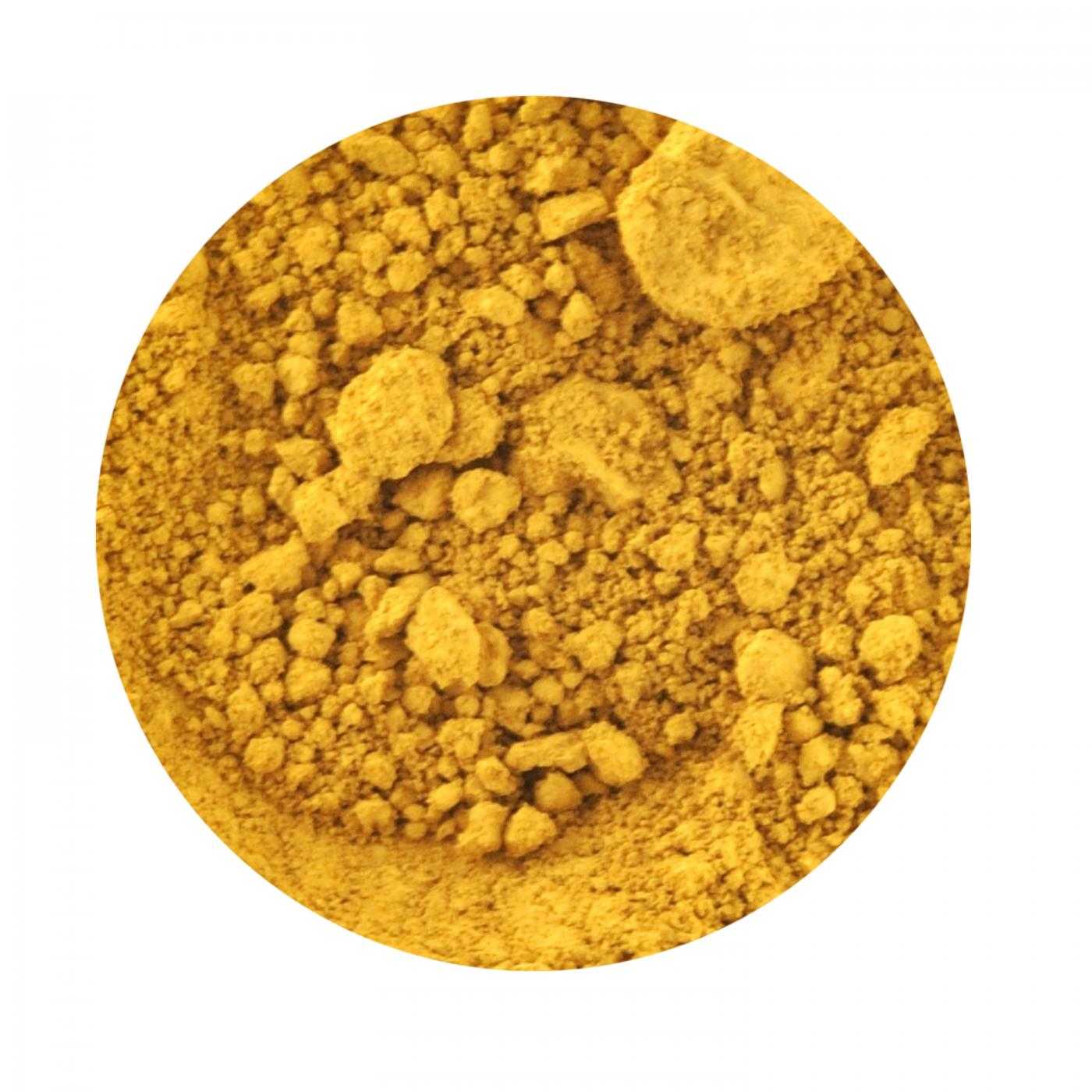
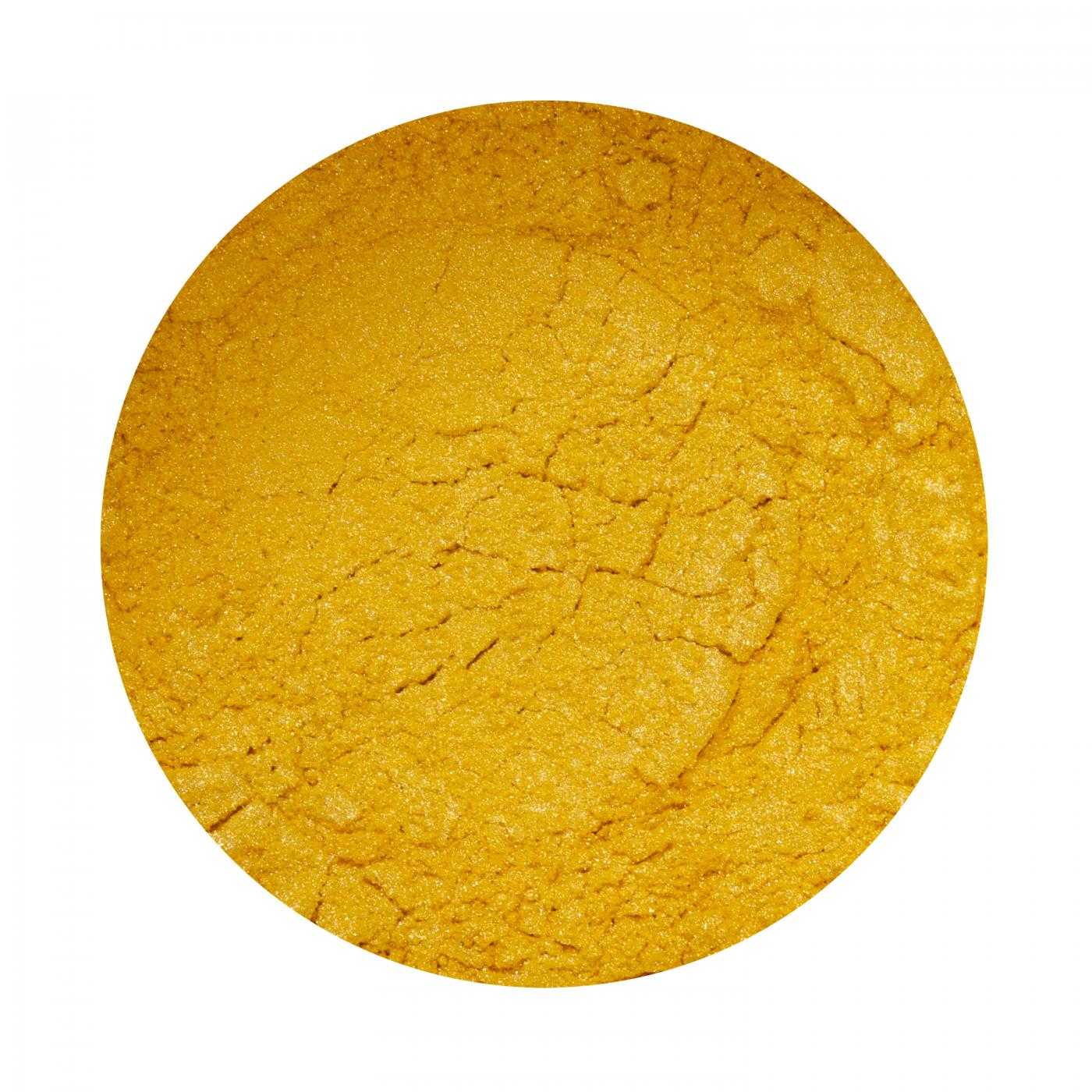
Iron Oxide, Yellow, 10 g
€1.14(€114.00/kg)

ULTRAMARINS
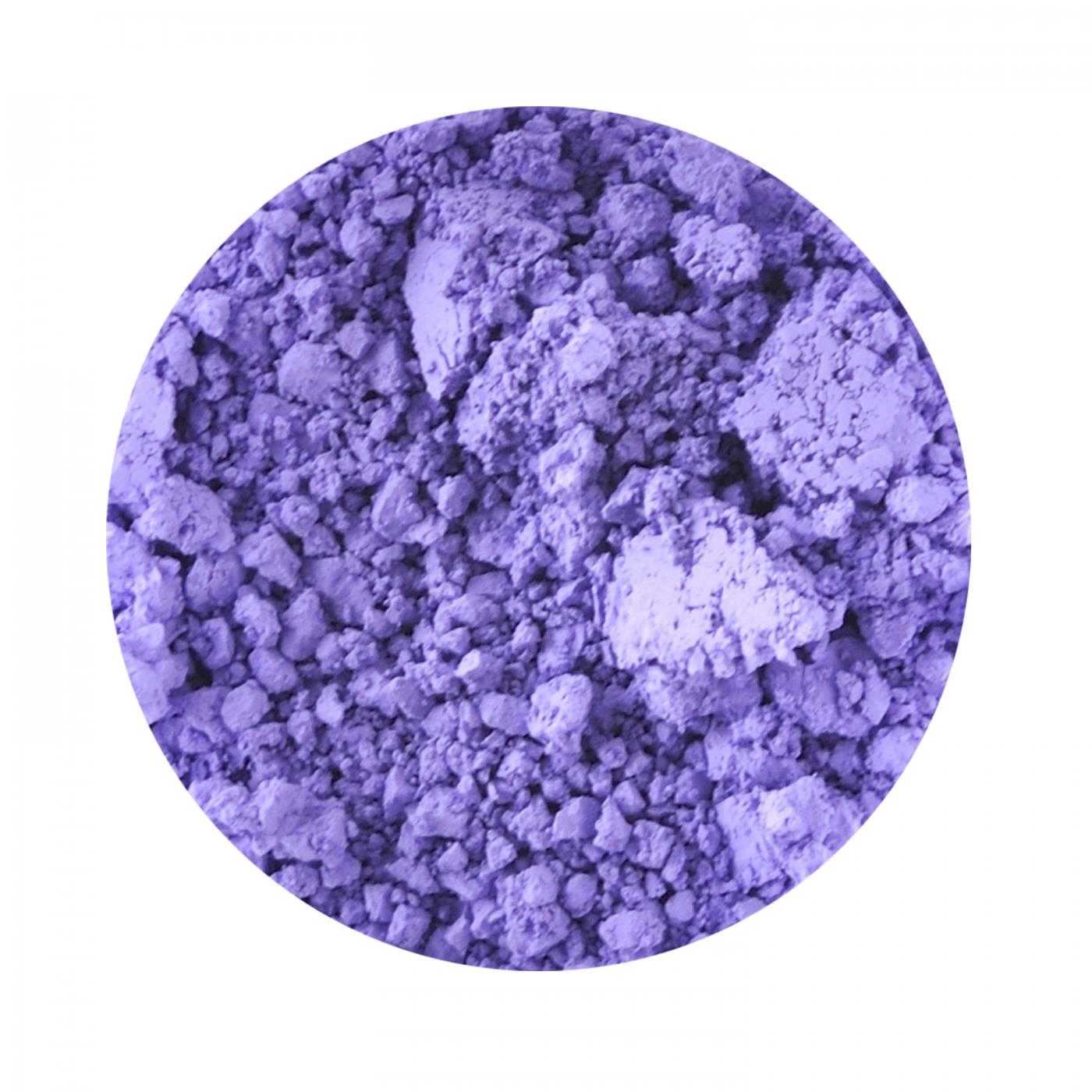
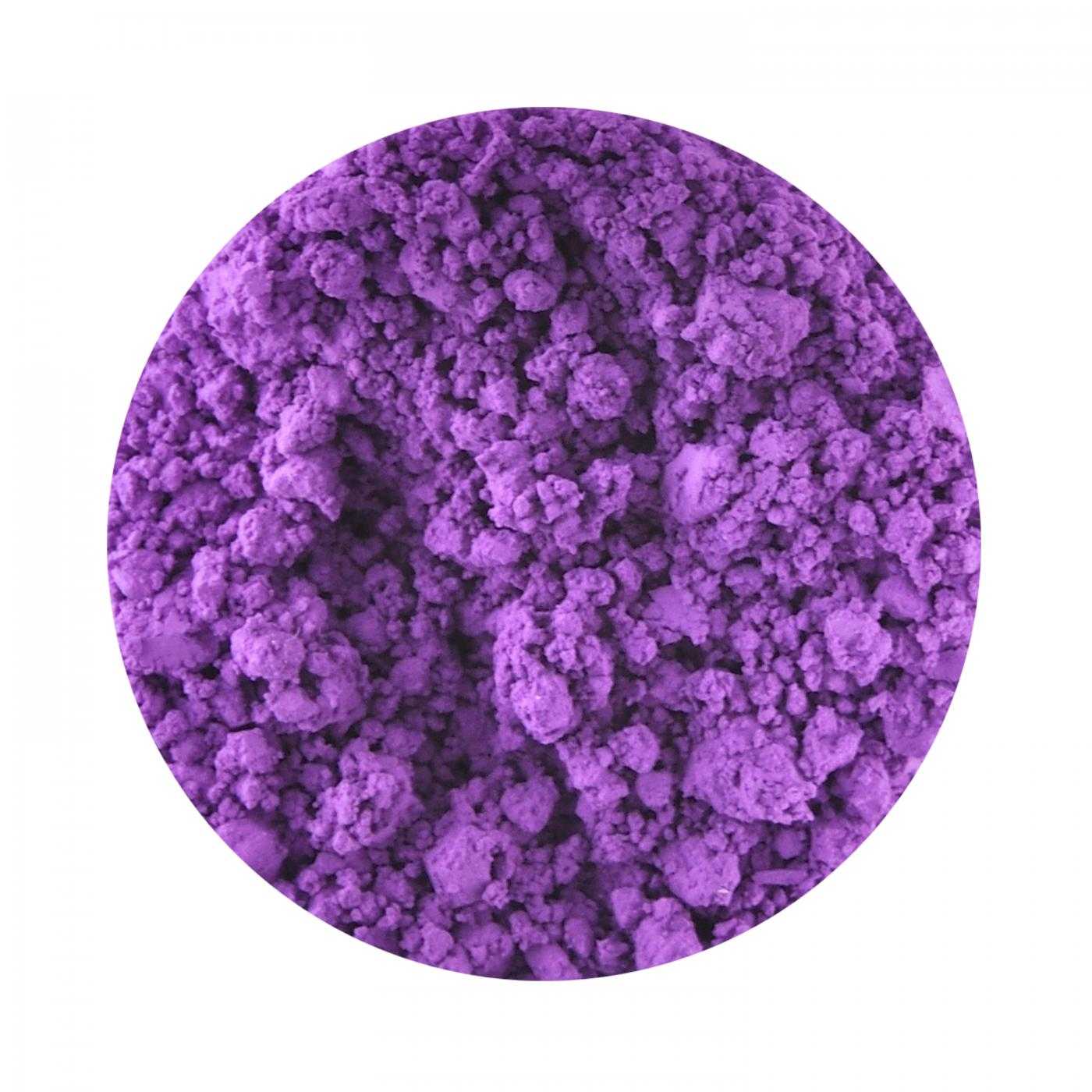
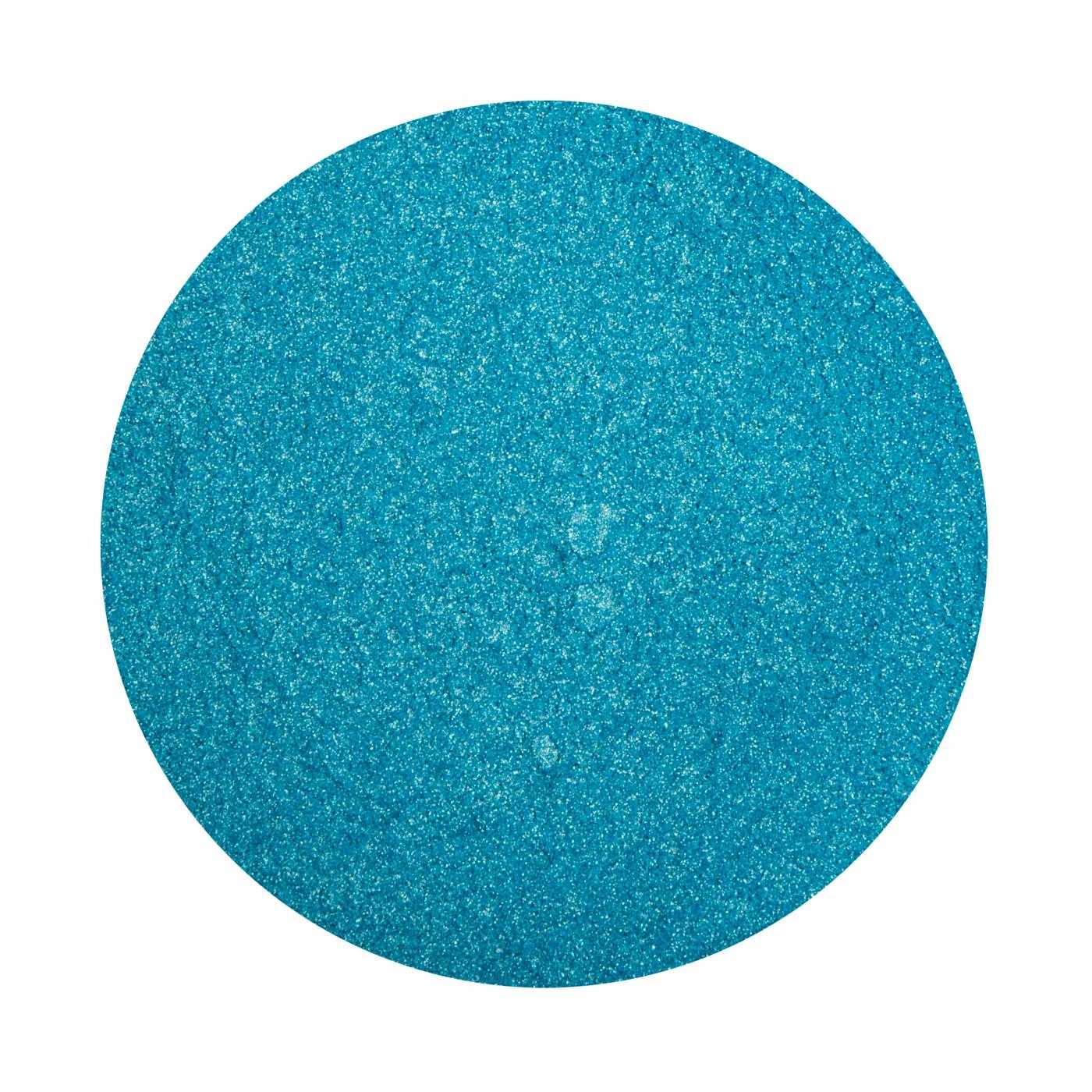
Ultramarine violet with a blue undertone is a mineral pigment that colours decorative cosmetics a cool violet . full description
Lowest price in the last 30 days: €1.25
Ultramarine violet with a blue undertone is a mineral pigment that colours decorative cosmetics a cool violet. It is suitable for eyeshadows, blushers and highlighters, and it can also be used in products for the eye area. The colour does not fade in light and withstands the usual heating of the oil phase. It is processed in a similar way to oxides.
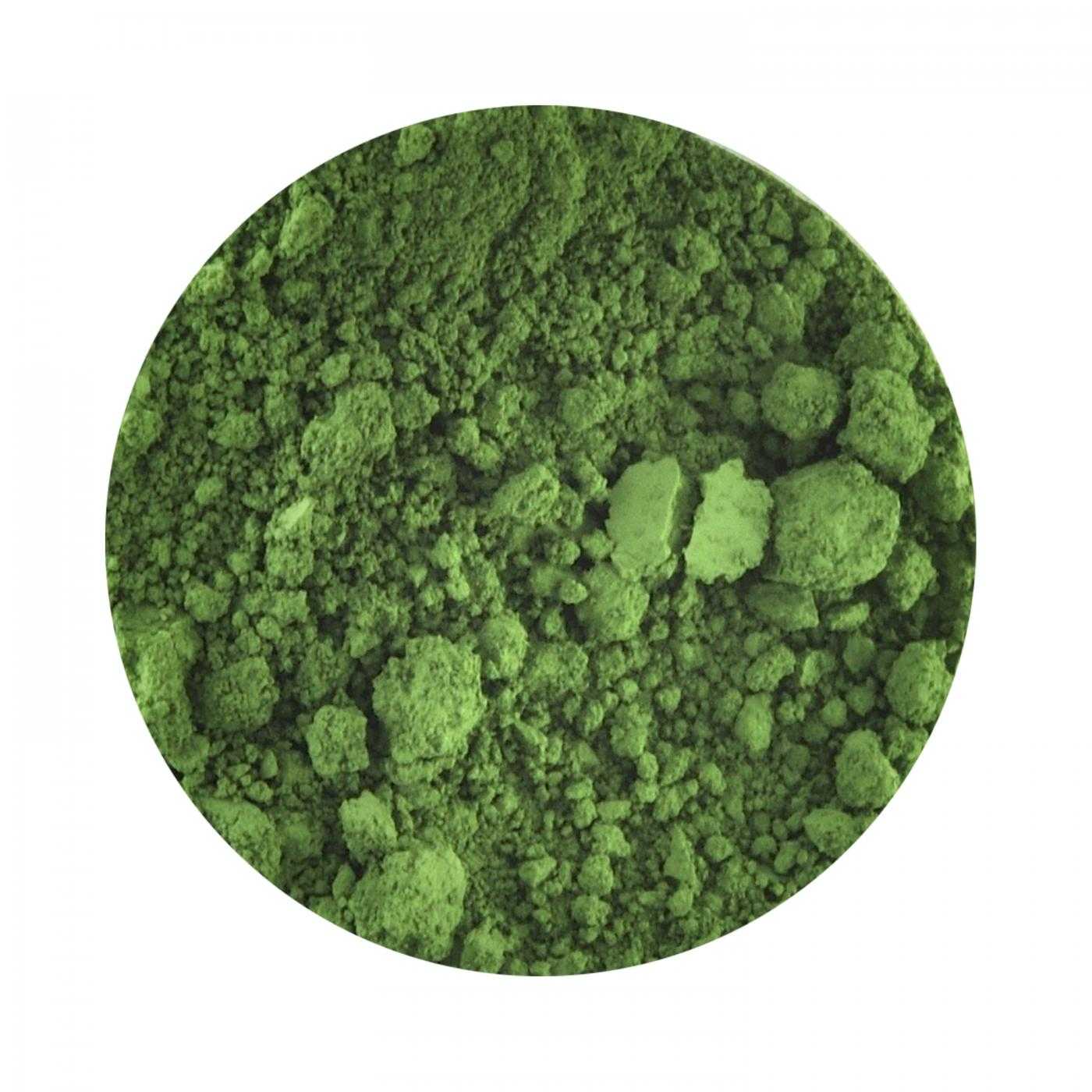
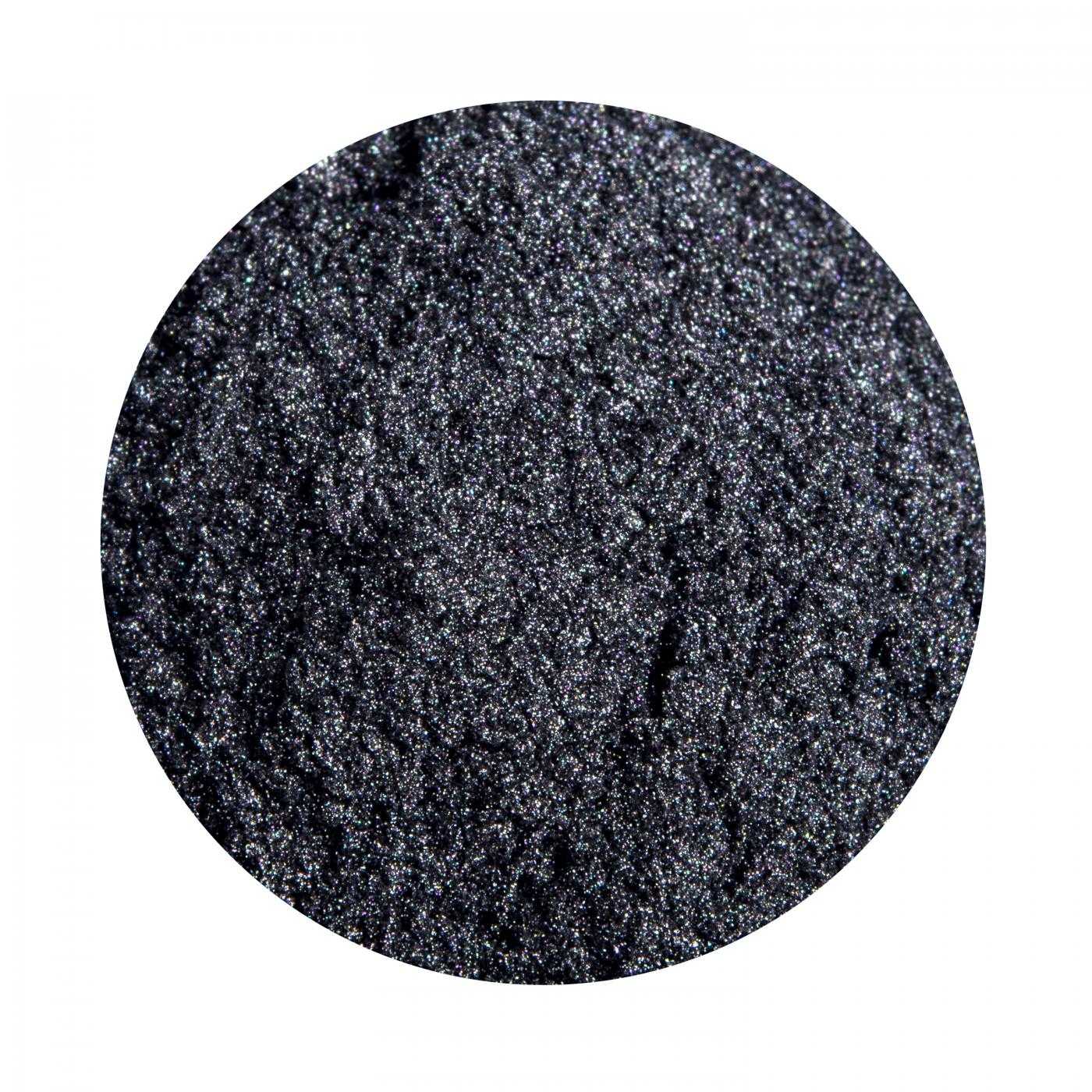
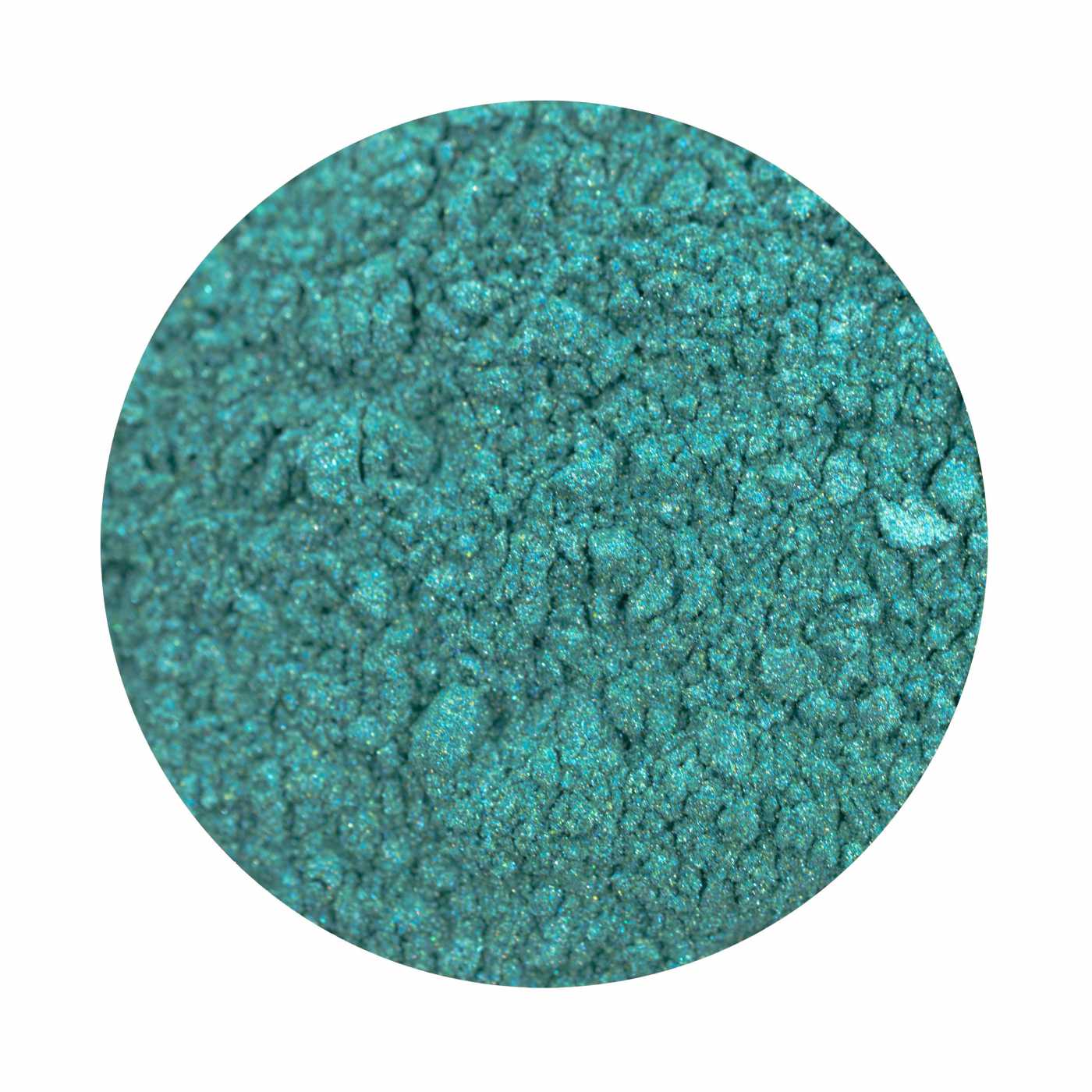
The shade is matte. The violet has a distinct blue undertone, so it looks cool. The intensity of the colour depends on the amount of pigment used.
In blends it shifts the shade towards cooler tones. It mixes well with other mineral pigments and creates violet shades with carmine.
Ultramarine does not dissolve in water or in oil. In oil it disperses, and until the particles are ground in well, lumps remain in the product. The average particle size is 1.7 µm and the oil absorption is 34%. The powder is odourless.
First grind the pigment with a portion of the oil into a smooth paste without lumps, and only then mix it into the rest.
It can be added to the oil phase or the water phase, to the cooling phase, or afterwards to the finished base.
The usage rate is 1–30%, depending on how intense a colour the product should have. In stick highlighters with waxes, esters and titanium dioxide, around 0.5% is also used.
The pigment withstands the usual heating of the fat phase; its heat resistance is above 260 °C. Lightfastness is excellent, reaching 7–8 on the Blue Wool Scale.
The weak point of ultramarine is acids. Resistance to alkalis is excellent, while resistance to acids is poor. In an acidic environment the pigment gradually decomposes, the colour fades and hydrogen sulphide is released, which smells like rotten eggs.
In water-based products the pigment can be unstable even at pH 6–7.5. Water-based products with ultramarine therefore always need a stability stress test, in which both colour and odour are monitored.
A sulphur odour in the product means that the colour component of the pigment is decomposing. The cause is usually an acidic pH, and it can also be triggered by intensive grinding or high-shear mixing. An antioxidant in the formulation helps.
When weighing and mixing the dry powder, a respirator and eye protection are recommended so that the dust is not inhaled. The pigment is not classified as hazardous under the CLP Regulation. As the colorant CI 77007, it complies with Annex IV of Regulation (EC) No 1223/2009.
Only customers with a delivered order can write reviews.