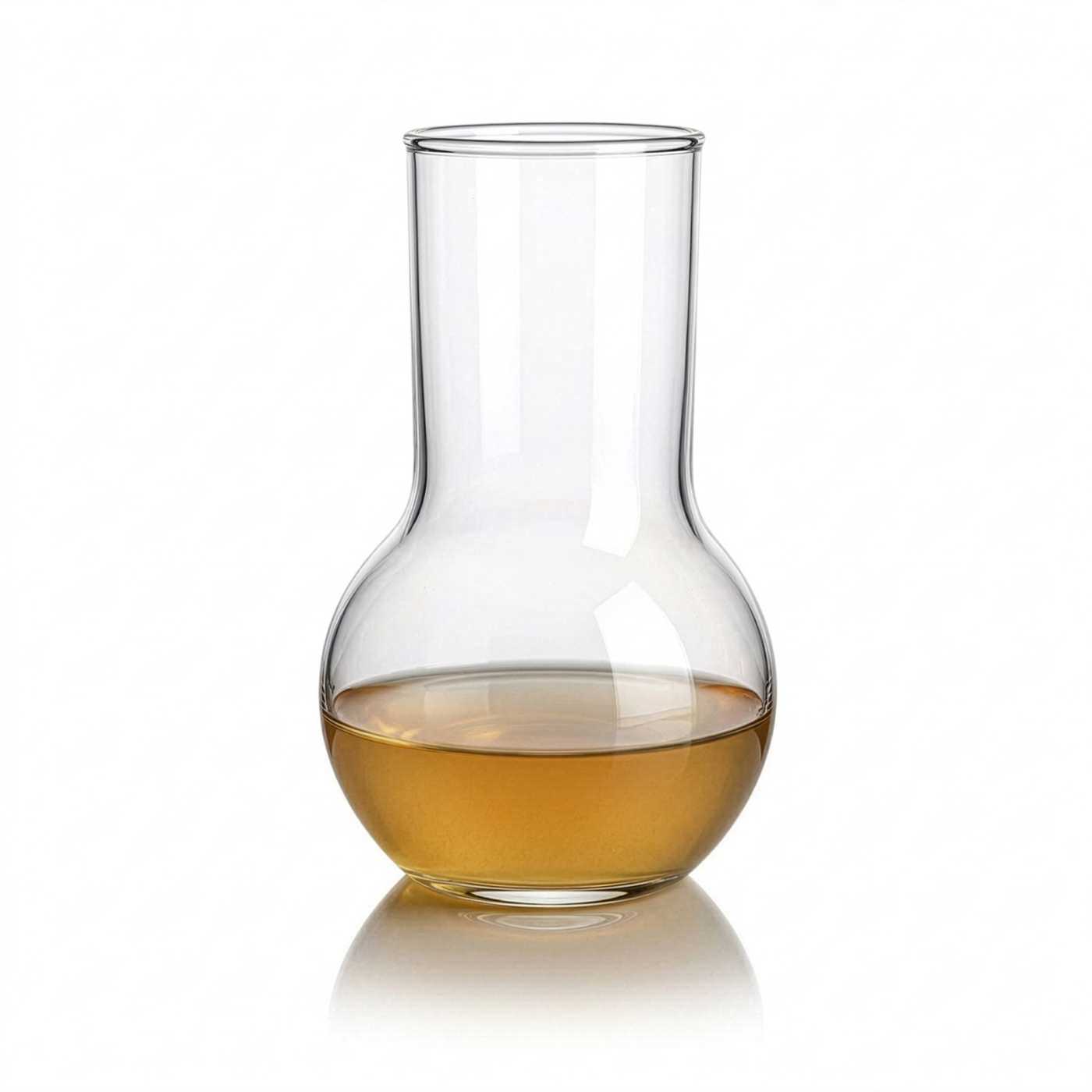
Vitamin E in the form of tocopheryl acetate is added to creams, serums, body oils and hair care products as an antioxidant acting within the skin. The ester is enzymatically cleaved in the skin and releases active alpha-tocopherol. According to the manufacturer's data, it scavenges free radicals, supports hydration and improves skin elasticity and smoothness.
Compared to free tocopherol, it tolerates heat and oxygen, so it does not degrade in the finished product and requires no special protection during manufacturing. It is practically odourless and at standard dosage will not affect the product's fragrance.
What tocopheryl acetate does in a formulation
- Antioxidant skin protection – tocopherol released from the ester, according to manufacturer studies, deactivates free radicals and reduces skin damage caused by UVA and UVB radiation. It makes most sense in daily care and sun care.
- Hydration support – the manufacturer lists it as a moisturising ingredient. In combination with oils and humectants, it promotes the feeling of nourished skin.
- Elasticity and smoothness – according to manufacturer data, it improves skin elasticity and smoothness, making it suitable for formulations for mature and dry skin and for eye area care.
- Hair and lip conditioning – in hair oils, masks and lip balms it complements the oil phase and helps keep hair and lips supple.
Difference between tocopheryl acetate and tocopherol
Both raw materials are vitamin E, but they serve different roles in a formulation. Tocopherol (the free form) is itself susceptible to oxidation, which is precisely why it protects the oils and butters in a product against yellowing and rancidity. Tocopheryl acetate has its hydroxyl group protected by an acetate group, is stable and offers virtually no protection against oxidation of the oils in the product. It acts only in the skin, where it is converted to the active form. To extend the stability of the oil phase, add tocopherol; a stable antioxidant for the skin is provided by tocopheryl acetate. In many formulations, both raw materials are combined.
Use in a formulation
The raw material is soluble in oils and alcohol and does not dissolve in water. It is added to the oil phase of an emulsion or directly to anhydrous oil-based products. It withstands heating of the oil phase during emulsification, but it is recommended not to exceed 80 °C. For more sensitive formulations, it is sufficient to incorporate it during the cooling phase.
The recommended dosage is 0.1 – 1 %. For a more pronounced protective effect on the skin, the manufacturer cites a range of 0.5 – 5 %; include higher doses in the oil phase of the formulation.
In water-based products without an oil phase (tonics, gels) it can only be incorporated with a solubiliser or through a small proportion of alcohol. Verify the amount that dissolves without clouding on a test batch.
Tocopheryl acetate is not resistant to alkalis; it saponifies in an alkaline environment. It is not suitable for formulations containing free lye and also tolerates strong oxidising agents such as peroxides poorly.
Suitable for products such as
- Day and night creams, oil-based serums – a stable antioxidant for care of mature, dry and sensitive skin.
- Sun care and after-sun products – the manufacturer recommends it for sun care as a complement to skin protection against the effects of UV radiation.
- Body oils, butters and balms – anhydrous products in which the raw material dissolves without auxiliary agents.
- Hair oils and masks – a conditioning ingredient for hair and scalp.
- Lip balms and lip sticks – incorporated into the oil-wax base during cooling.
- Children's and decorative cosmetics – the raw material is not subject to CLP classification, contains no fragrance allergens and is odourless.
- Melt-and-pour glycerine soaps – added to the melted base just before pouring.
Good to know
- Synthetic origin, free of animal-derived ingredients – the raw material is produced by chemical synthesis and contains no materials of animal origin.
- Pharmacopoeial grade – the active substance content meets the requirements of both the European and American pharmacopoeia; the raw material has pharmaceutical, cosmetic and food-grade quality.
- Does not alter viscosity – at standard dosage it behaves like another oil in the formulation and does not thicken the product.
- Does not replace a preservative or oil antioxidant – a product containing water requires preservation regardless of the presence of vitamin E, and to protect oils against yellowing add tocopherol.
- Compatibility – it is compatible with common emulsifiers, oils and waxes. When combined with ingredients with an oxidising effect, verify stability in the finished formulation.
Frequently asked questions
Is tocopheryl acetate water-soluble?
No, tocopheryl acetate does not dissolve in water. It dissolves in vegetable and mineral oils, fats and alcohol. It is added to emulsions in the oil phase and directly to anhydrous oils and balms. In water-based tonics or gels it can only be incorporated with a solubiliser, otherwise it will separate in the product or cause cloudiness.
Does vitamin E tocopheryl acetate protect oils in a cream against yellowing?
No, tocopheryl acetate offers virtually no protection against oxidation of oils in the product. It acts as an antioxidant only after enzymatic cleavage in the skin. The stability of the oil phase is extended by free tocopherol, which oxidises in place of the oils. In a formulation with oils sensitive to oxidation, therefore, do not regard tocopheryl acetate as a substitute for an antioxidant; both forms of vitamin E can be combined.
Can vitamin E tocopheryl acetate be added to soap?
Yes, best added to a melt-and-pour glycerine soap base or to cold-process soap only at trace. In a base containing free lye, the ester saponifies and loses the stability that is its main advantage. It is mixed into the melted glycerine base just before pouring at a standard dosage of 0.1 – 1 %.
Can tocopheryl acetate be heated during cream production?
Yes, tocopheryl acetate is stable to heat and oxygen, and can therefore be added directly to the oil phase before emulsification. The recommended processing temperature is up to 80 °C, which standard emulsion manufacture does not exceed. If the formulation also contains sensitive ingredients, add it together with them during the cooling phase.
How much tocopheryl acetate should be added to a serum or cream?
Standard dosage is 0.1 – 1 % of the formulation weight. For a more pronounced antioxidant effect on the skin, the manufacturer cites a range of 0.5 – 5 %, for example in sun care and mature skin care products. The raw material behaves like an oil and does not thicken the product, so include higher doses in the oil phase.