
Spend over €100 for discounted shipping!

+421 950 333 113[email protected]

EMULGATORS

Emulpharma K10 (Beautyderm), 50 g

Pack size50 g100 g500 g1 kg5 kg

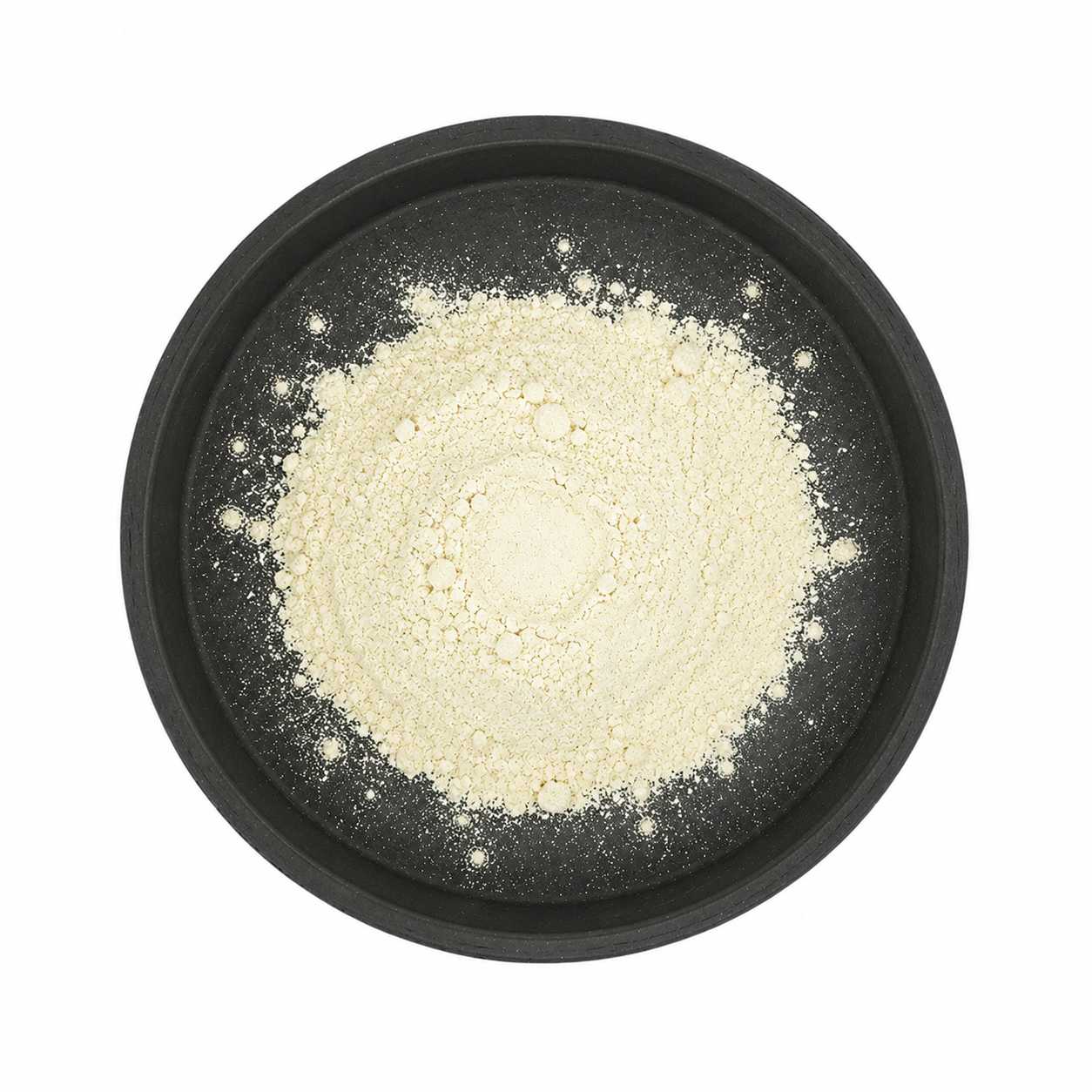
Emulpharma K10 Emulpharma K10 is an O/W emulsifier for making creams and lotions in which water is the external phase. full description

AvailabilityIn stock · 75 packs
Product codeEM007_50
Batch500054226
Best before11/2027
€5.24incl. VAT€104.80/kg

Lowest price in the last 30 days: €5.24

Product description

Emulpharma K10

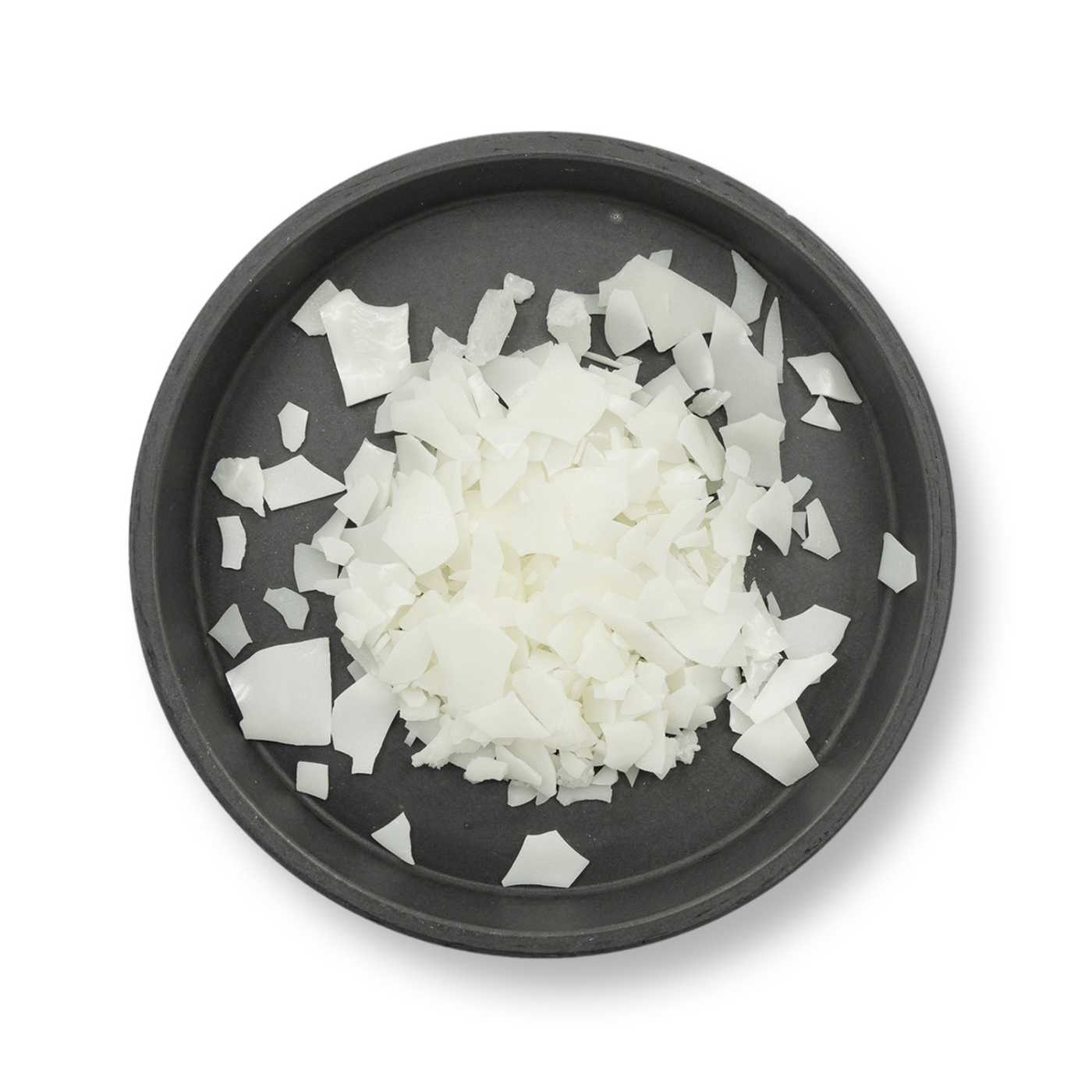
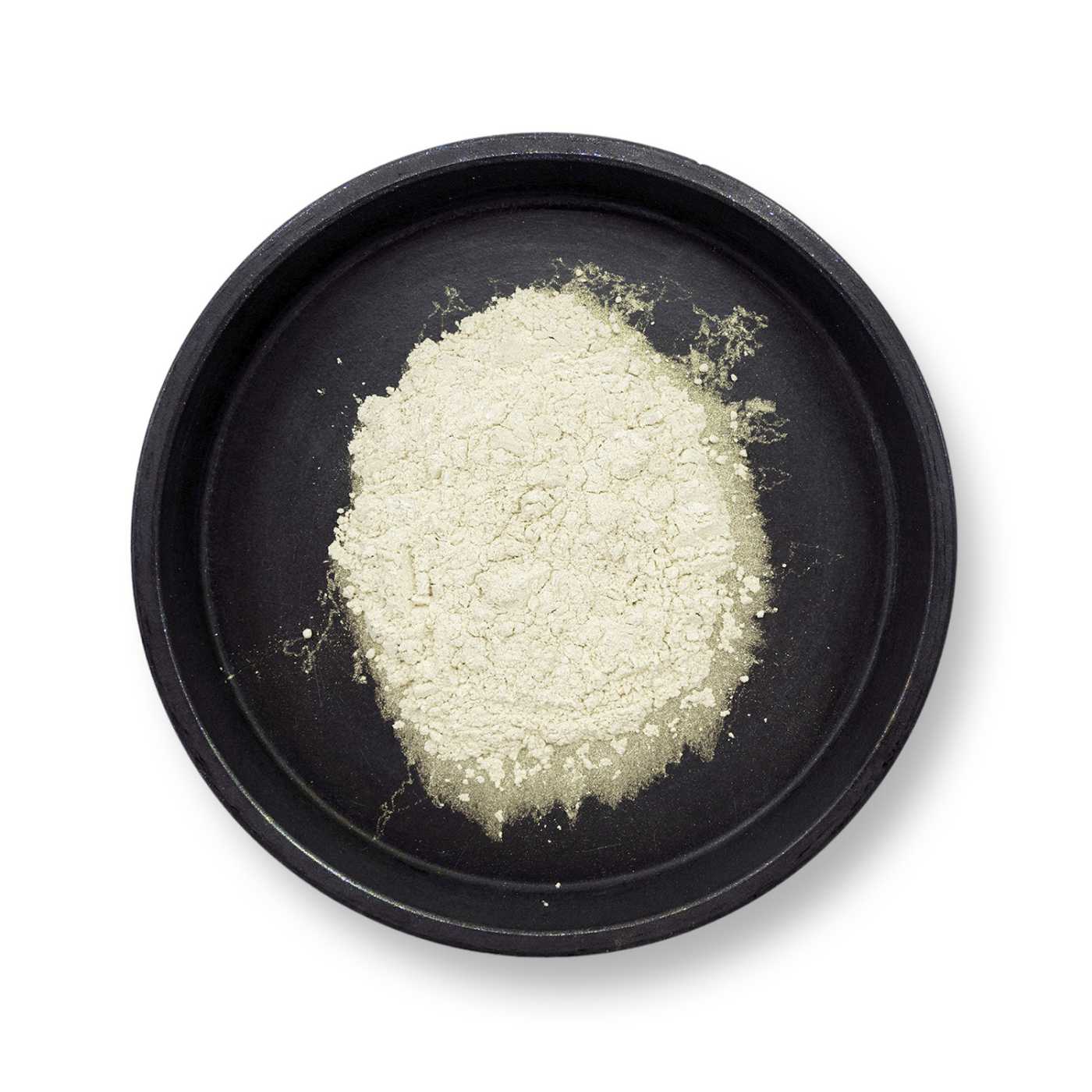
Emulpharma K10 is an O/W emulsifier for making creams and lotions in which water is the external phase. It combines an emulsifying component derived from sugar and fatty alcohol (Cetearyl Glucoside), an ester of olive fatty acids (Sorbitan Olivate), and cetearyl alcohol, which gives the emulsion body. It is suited to manufacturers who want to cover the emulsifier and the consistency component with a single raw material and avoid PEG ingredients.


What it brings to the formulation

  • Emulsions from lotion to cream – depending on the oil phase content and dosage, a light facial lotion or a richer cream can be obtained.
  • Consistency without an additional thickener – cetearyl alcohol in the blend increases viscosity, so typical creams and lotions hold their shape without the need for gums.
  • PEG-free composition – there is no ethoxylated component in the formula, which is why this emulsifier is frequently chosen for naturally oriented formulations.
  • Neutral character – the raw material is not subject to CLP classification and its aqueous solution has a pH of 5.5 – 7.5, so it does not cause a significant pH shift in the finished emulsion.

Use in formulation

Emulpharma K10 belongs to the oil phase. The raw material comes in the form of solid flakes that are weighed together with oils, butters and waxes. The entire phase is heated to 70 – 75 °C until the emulsifier has completely melted. The raw material itself melts at 57 – 67 °C, but during emulsification a higher temperature is used to ensure both phases are equally warm. The water phase is heated to the same temperature and combined with the oil phase under vigorous stirring. As the emulsion cools, it continues to be stirred, more slowly, down to approximately 40 °C. Heat-sensitive ingredients, essential oils, fragrance compositions and preservatives are added at that point.

The final viscosity only stabilises after complete cooling, often not until the next day. Therefore, assess the density of the emulsion no earlier than 24 hours after preparation.

The manufacturer does not specify an exact dosage; the appropriate proportion of emulsifier must be tested in the specific formulation. When fine-tuning, it helps to prepare several small samples with different proportions and compare viscosity and stability after cooling.

The emulsifier is soluble in oil, water and alcohol; in practice, however, it is processed exclusively by melting it into the oil phase. At a higher alcohol content in the formulation, we recommend verifying emulsion stability.


Suitable for products such as

  • Facial creams and lotions – the primary application, from light daily creams to richer night formulations.
  • Body lotions and creams – at a higher oil phase content it gives a richer yet still spreadable texture.
  • Hand and foot creams – the consistency component maintains a thicker texture without an additional thickener.
  • Emulsion masks and rinse-off treatments – wherever water and oil need to be combined into a stable creamy mass.

The emulsifier is not suitable for anhydrous products (balms, oils, butters) as it has no function in them. It is also not suitable for sprays and very thin tonics.


Good to know

A formulation containing Emulpharma K10 contains water and therefore requires preservation. The preservative is added after cooling in accordance with the manufacturer's recommendations, and the pH of the finished product is adjusted to the range in which the preservative is effective.

At higher dosages the emulsion may feel waxy and heavy on the skin, which is related to the cetearyl alcohol content. For a lighter feel, a lower emulsifier proportion, lighter oils, or a small amount of a light ester in the oil phase will help.

We recommend verifying the stability of the finished emulsion: several days at room temperature, in warmth and in cold, and optionally by centrifuging the sample. When the oil phase is changed or electrolytes are added (salts, certain active ingredients), the behaviour of the emulsion may change, so repeat the test with each major formulation adjustment.

Combine the oil and water phases at the same temperature. If one phase cools down first, the emulsifier partially solidifies and the emulsion may be inhomogeneous or may separate over time.


Frequently asked questions

Is Emulpharma K10 an O/W or W/O emulsifier?
Emulpharma K10 is an O/W emulsifier, meaning it creates oil-in-water emulsions. Water is the external phase of the finished product, which is why creams and lotions made with this emulsifier have a lighter, non-greasy feel and rinse off easily. It is not intended for water-in-oil emulsions (W/O), typical of very rich protective creams.
Which phase is Emulpharma K10 added to?
Emulpharma K10 is added to the oil phase. The flakes are weighed together with the oils and butters and heated to 70 – 75 °C until completely melted. The water phase is heated to the same temperature and both phases are combined under vigorous stirring. Adding the emulsifier to cold water or to the finished emulsion does not work.
Does a cream with Emulpharma K10 need an additional thickener?
In most cases, no. The emulsifier contains cetearyl alcohol, which gives the emulsion body and viscosity, so typical creams and lotions maintain their consistency without gums or other thickeners. With very light emulsions containing a low oil content, a small proportion of gum may improve stability, but this should be tested in the specific formulation.
Is Emulpharma K10 PEG-free?
Yes, Emulpharma K10 contains no PEG ingredient. The emulsifier consists of Cetearyl Glucoside, Sorbitan Olivate and Cetearyl Alcohol. It is therefore used in formulations where the manufacturer wants an emulsifier free of ethoxylated substances.
When should the consistency of a cream with Emulpharma K10 be evaluated?
Evaluate the consistency of a cream with Emulpharma K10 only after complete cooling, ideally after 24 hours. Immediately after production the emulsion tends to be thinner and thickens over the course of several hours, sometimes not until the next day. Therefore, adjust the emulsifier dosage based on the cooled sample.
Does a product with Emulpharma K10 need to be preserved?
Yes. Every emulsion containing a water phase requires a preservative regardless of the emulsifier used. Emulpharma K10 itself has no preservative effect. The preservative is added after the emulsion has cooled and the pH of the finished product is adjusted to the range in which the chosen preservative is effective.

Parameters

INCI
Cetearyl Glucoside, Sorbitan Olivate, Cetearyl Alcohol
CAS No.
246159-33-1, 223706-40-9, 67762-27-0 / 8005-44-5
Product color
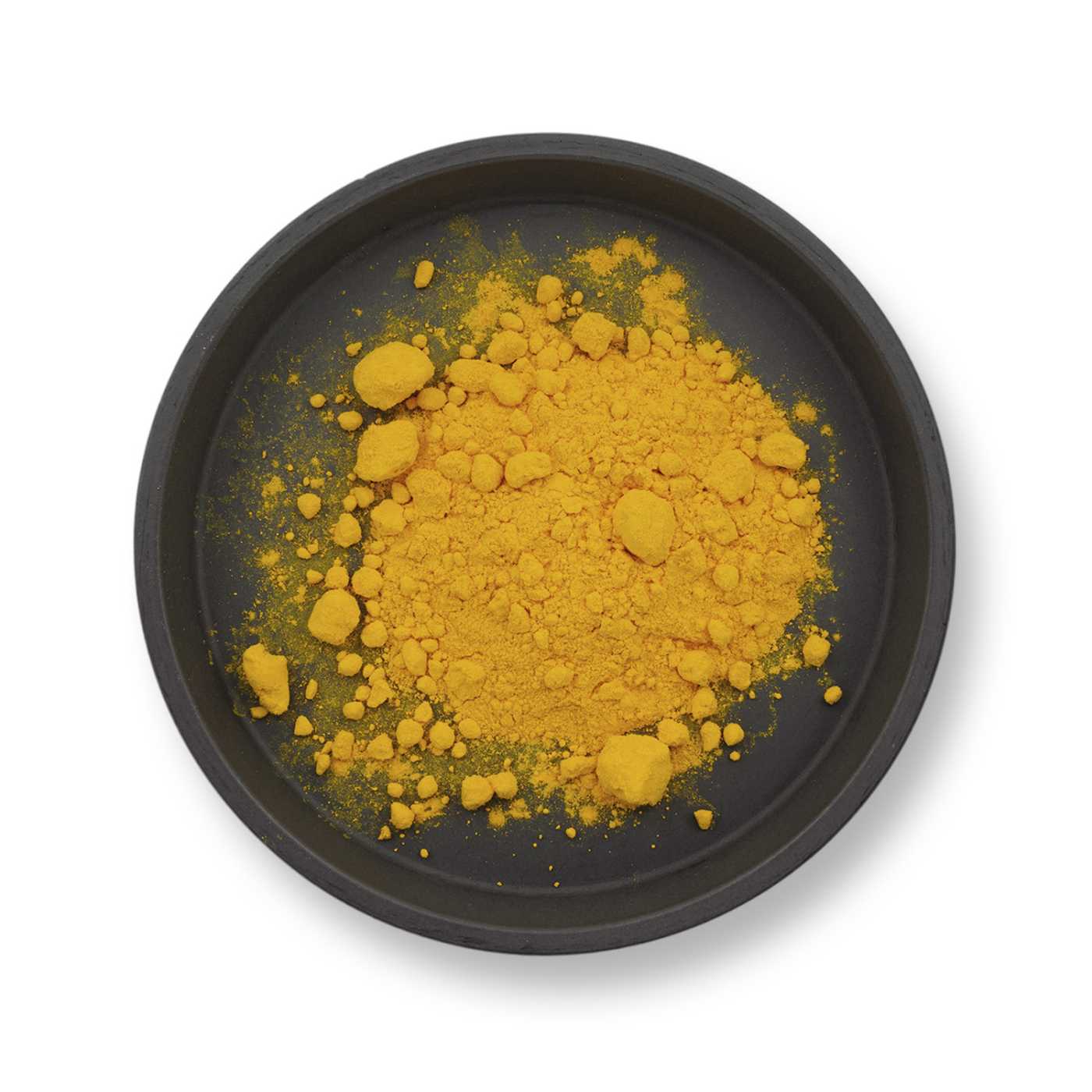
White
Country of origin
Italy
Processing method
BlendingEsterification
Formulation phase
Oil phase
HLB value
9
Ionic character
Non-ionic
Recommended processing temperature
70 – 75 °C
Recommended dosage range
2 – 8 %
Recommended formulation pH range
3 – 12
Application type
Leave-onRinse-off
Manufacturer's certificate
RSPO MB (Mass Balance)
Natural Index (NI ISO 16128)
1,00
Natural Origin Index (NOI ISO 16128)
1,00

Product documentation

CoACertificate of Analysis
batch 500054226PDF ↓
TDSTechnical Data Sheet
Physical parameters and processingPDF ↓
MSDSSafety Data Sheet
Available for purchased products —
Download all (ZIP)

2 PDF files in one archive

Learn how to work with it

From our blog
REVIEWS

Verified by customers.

No reviews yet.

Only customers with a delivered order can write reviews.