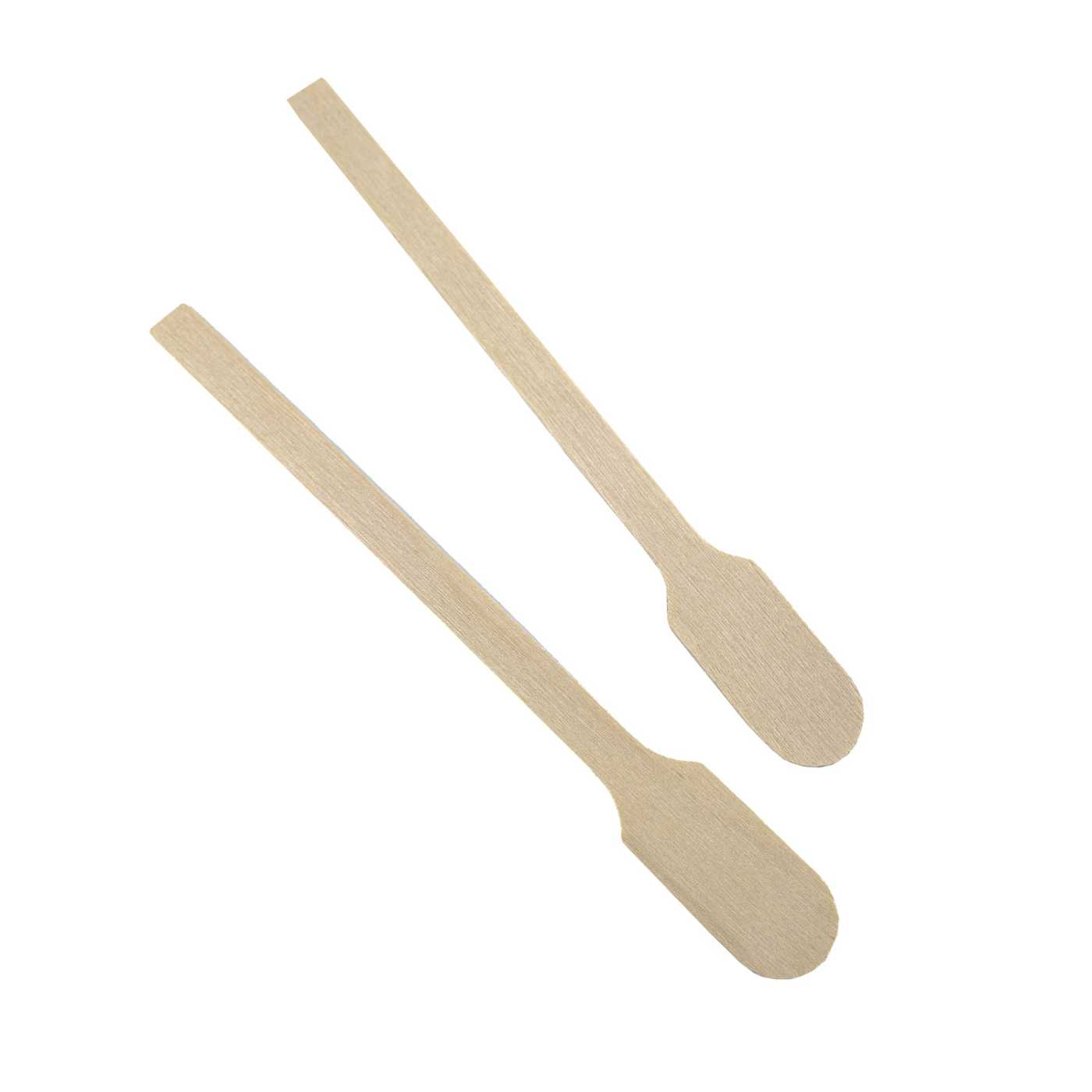
Wooden mixing spatula, length 11 cm, 10 pcs
Pre-order€0.47

COSMETICS WAXES
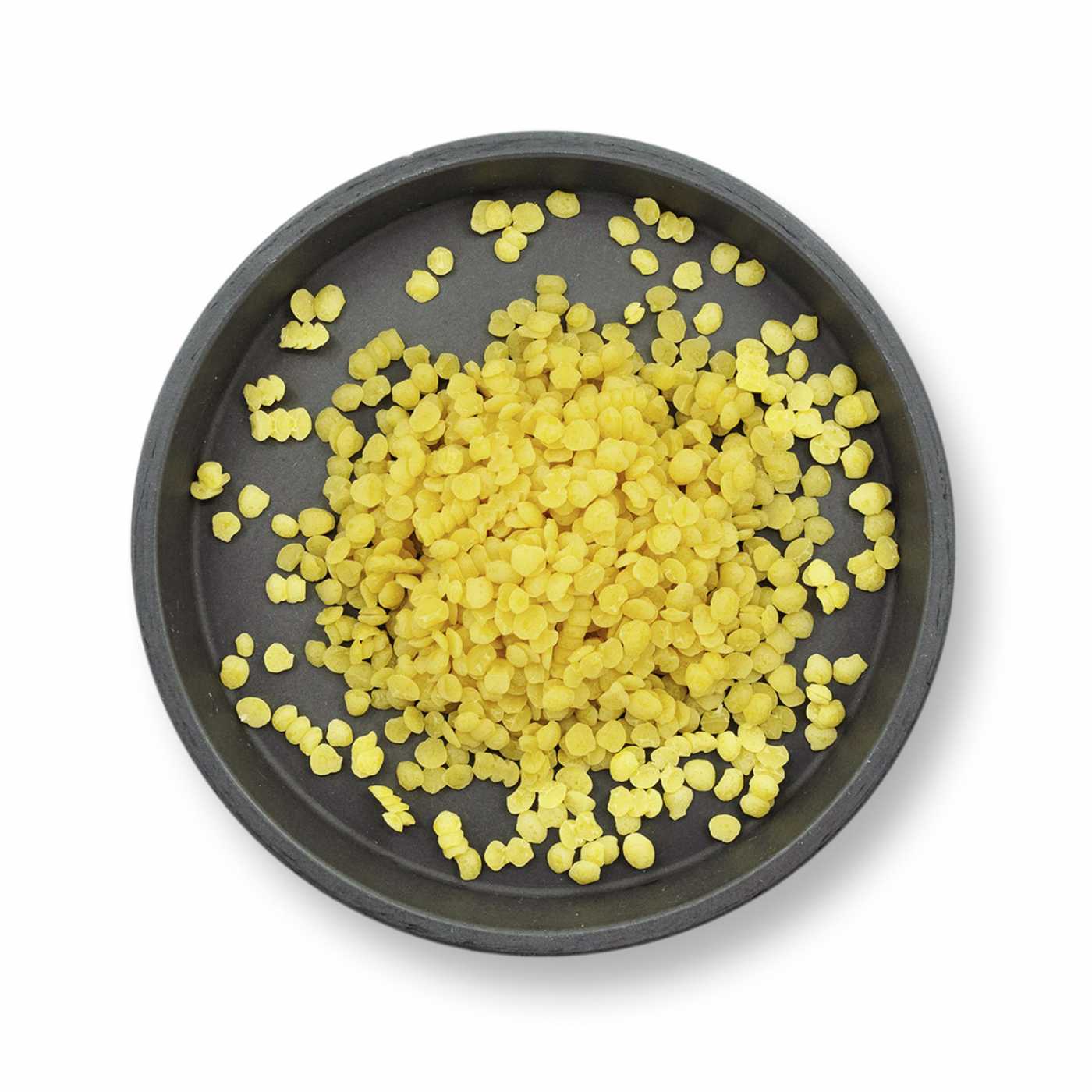
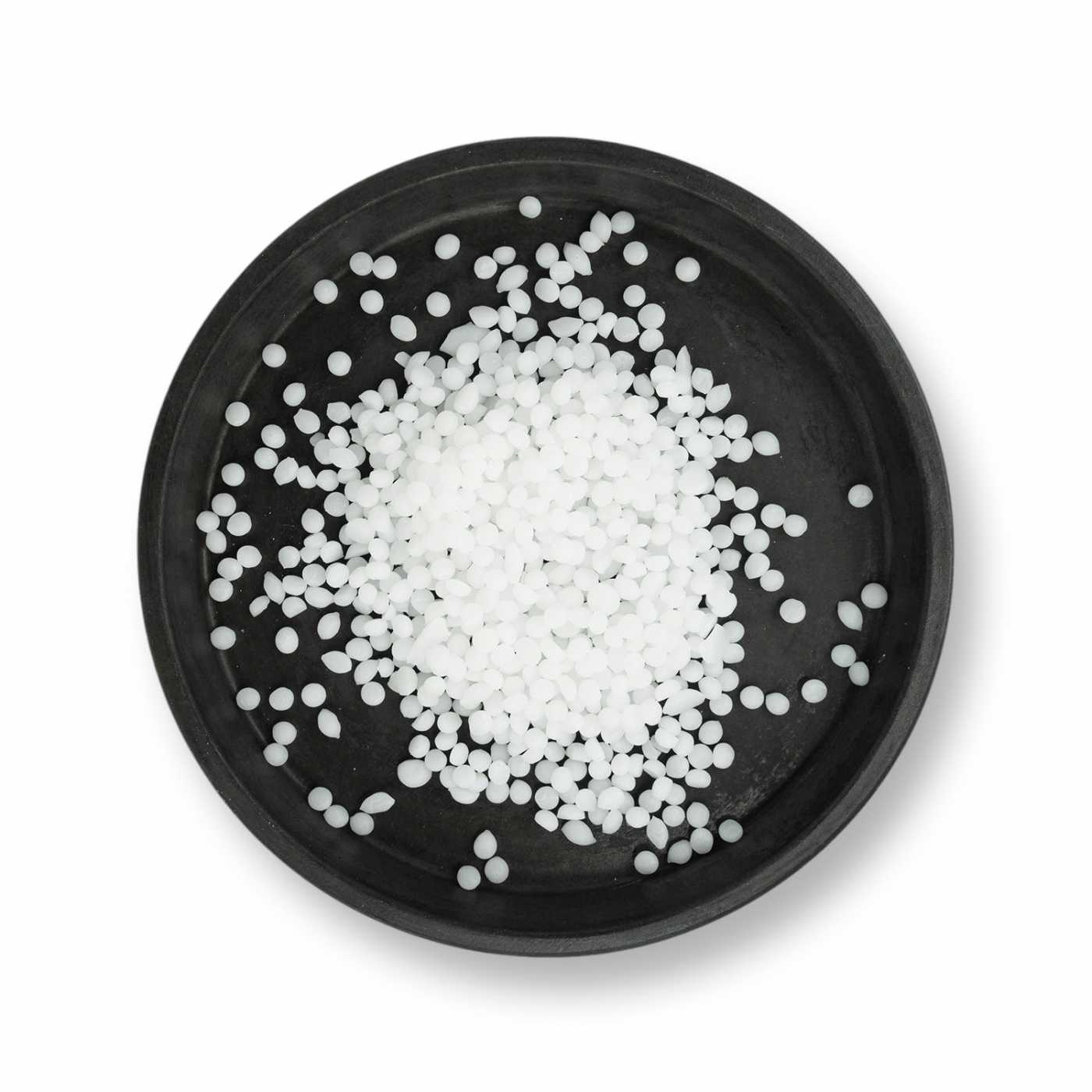
Beeswax is a natural hardener and emollient of animal origin. It gives firmness to ointments, balms, and creams, and forms a protective film on the skin that reduces water loss. full description
Lowest price in the last 30 days: €3.35
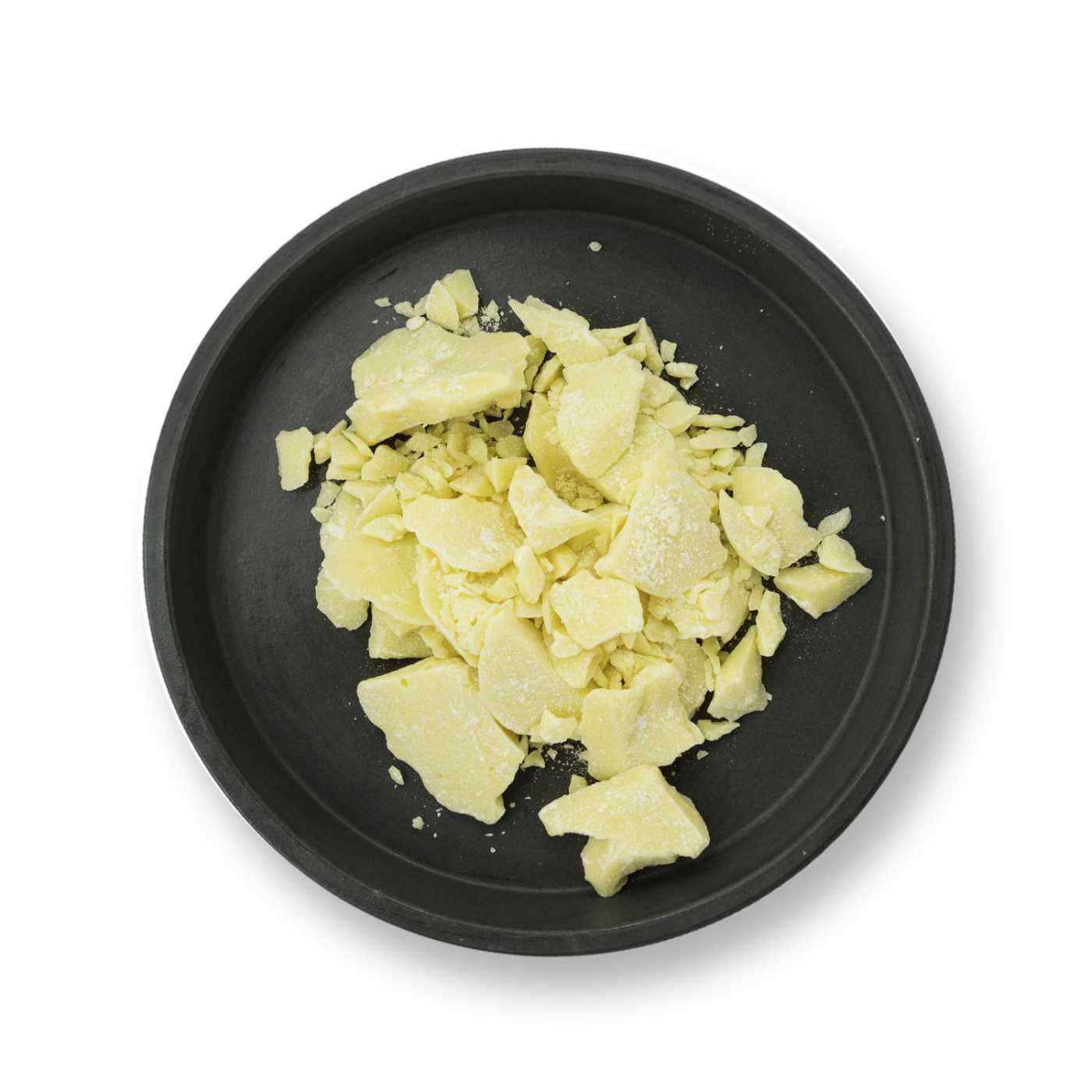
Beeswax is a natural hardener and emollient of animal origin. It gives firmness to ointments, balms, and creams, and forms a protective film on the skin that reduces water loss. In a formulation it serves several roles at once: it thickens the oil phase, stabilises W/O emulsions, and softens the skin feel. The granulated form is easy to weigh and dose even in small batches.
The raw material is of cosmetic and pharmaceutical quality and contains no fragrance allergens subject to labelling. It is suitable for preparations for dry and sensitive skin including children's, where a protective and soothing effect matters.
Wax belongs in the oil phase. The granules melt together with the oils and butters at a temperature above 70 °C, the mixture is stirred until completely clear, and then left to cool with constant stirring. It does not dissolve in water, so in emulsions it always goes into the part of the recipe that contains oils. When making W/O creams, both phases are heated to the same temperature and the water phase is added to the oil phase gradually with vigorous stirring.
The recommended dosage is 5 – 20 %. The lower limit is sufficient for slight thickening of an oil serum or massage oil. Mid-range values give an ointment and a jar balm. The upper limit is intended for lip sticks and solid balms that must hold their shape even in warm weather.
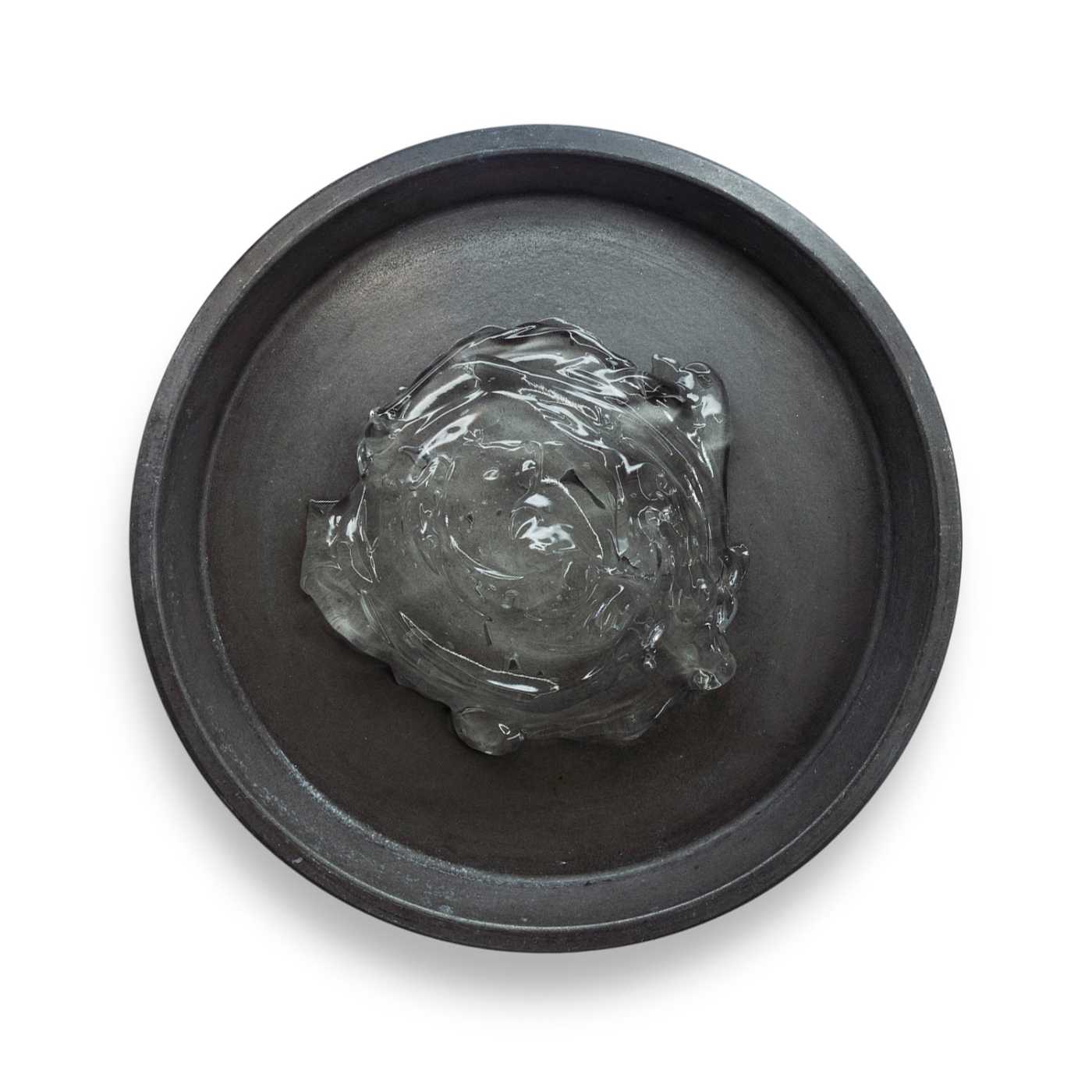
Before making a larger batch, test the hardness on a small sample. Drop a small amount of the melted mixture onto a cold plate and let it set. If it is too soft, add more wax. If it cracks or spreads poorly, reduce its proportion or add a liquid oil.
When melting, work in a water bath to avoid overheating the oil phase. Wax residues from containers and utensils are most easily removed while still warm with a paper towel; once set, wax is harder to release from surfaces.
Anhydrous preparations made from wax and oils do not need a preservative as long as no water gets into them. Emulsions with a water phase must always be preserved and we recommend verifying their stability over time and under temperature changes. Compatibility with common oils, butters, and lipophilic active ingredients is unrestricted.
Wax is readily biodegradable and of fully natural origin, making it suitable for formulations labelled as natural cosmetics.
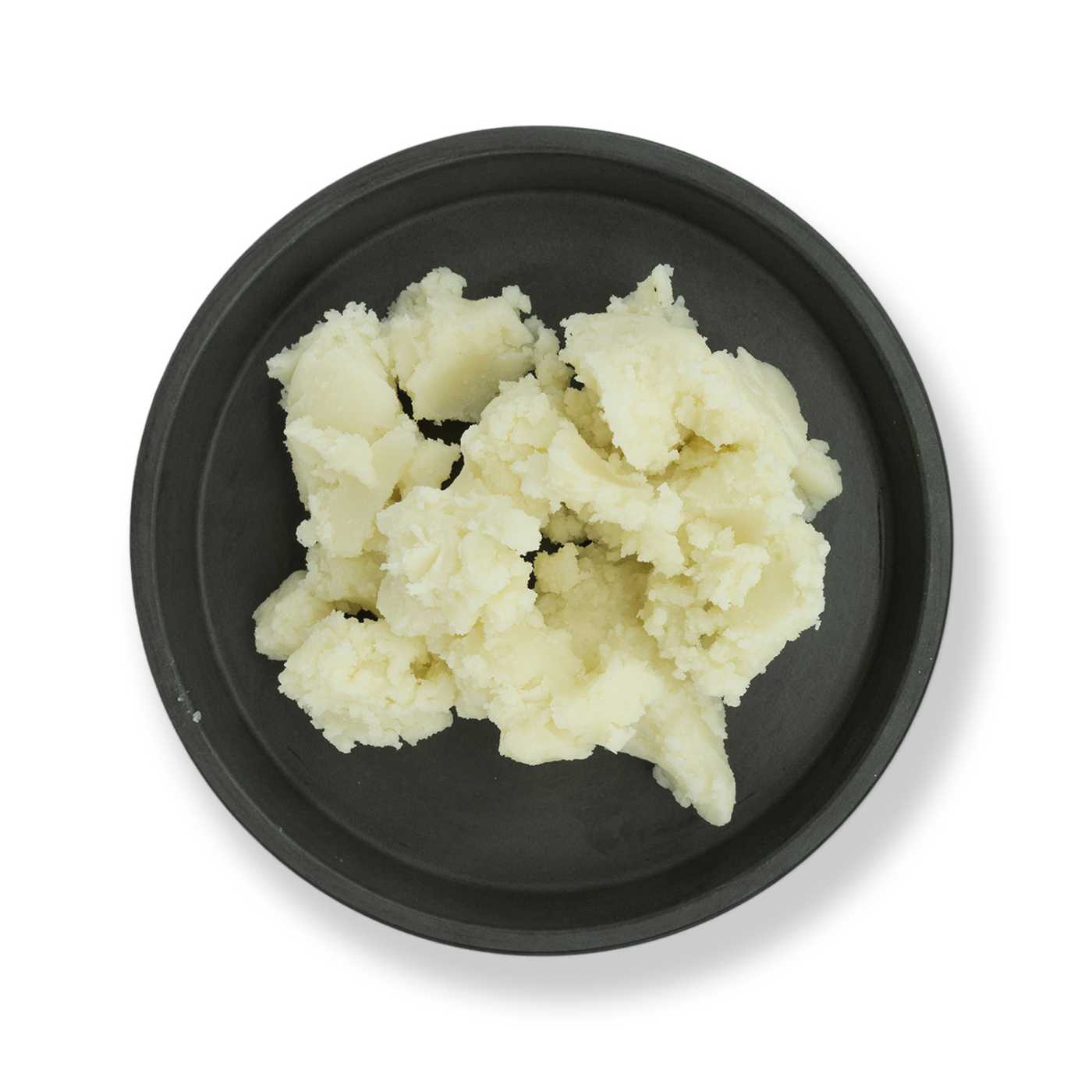
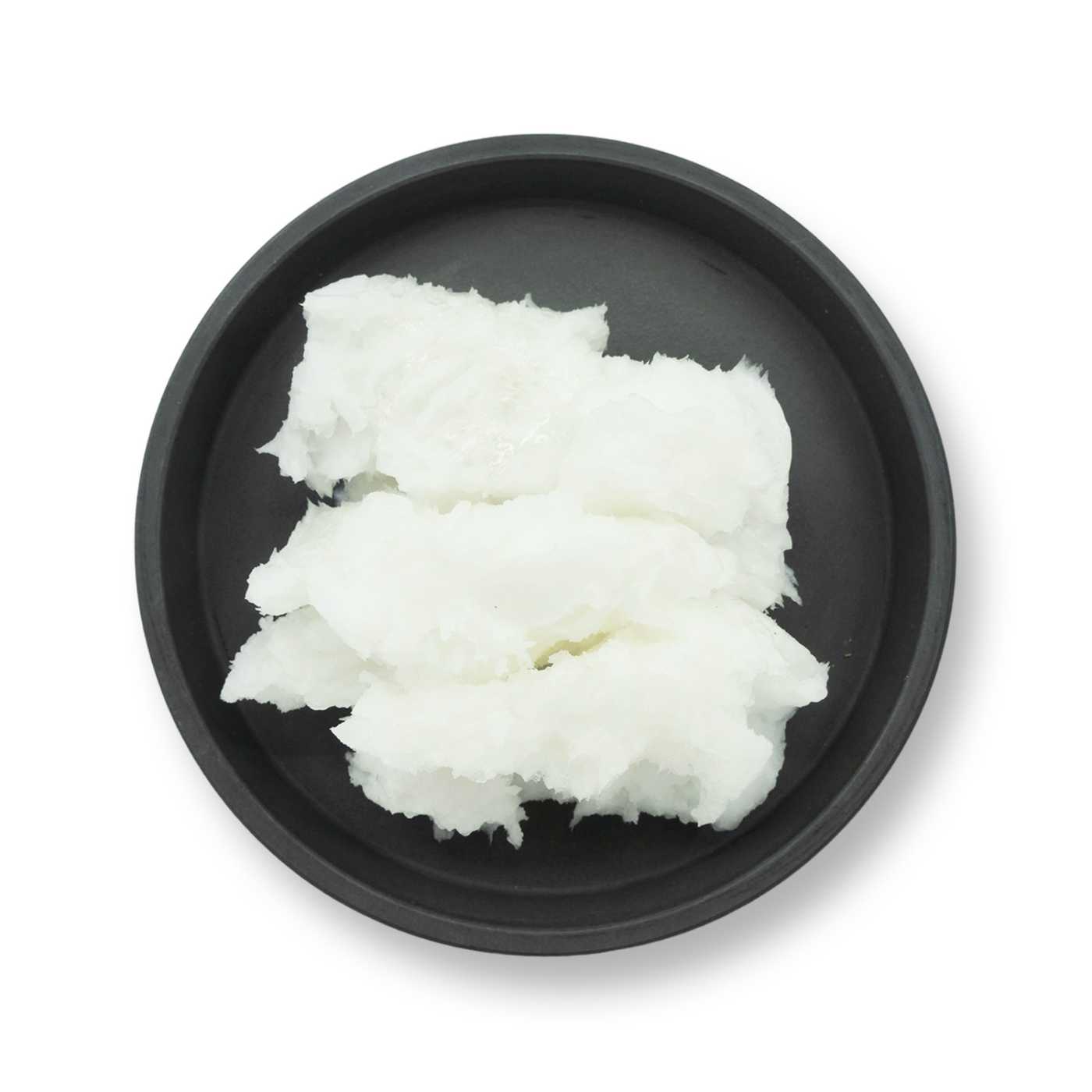
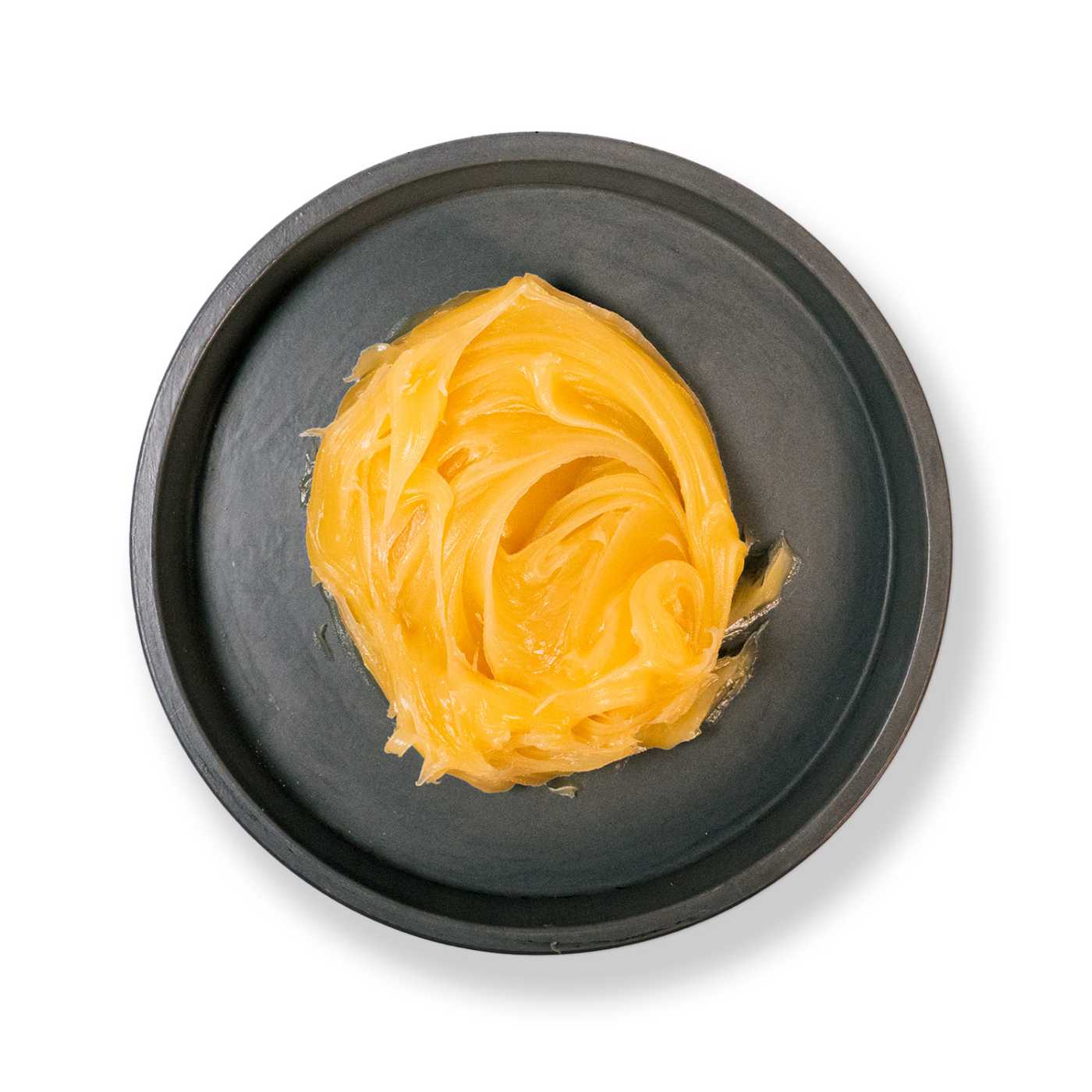
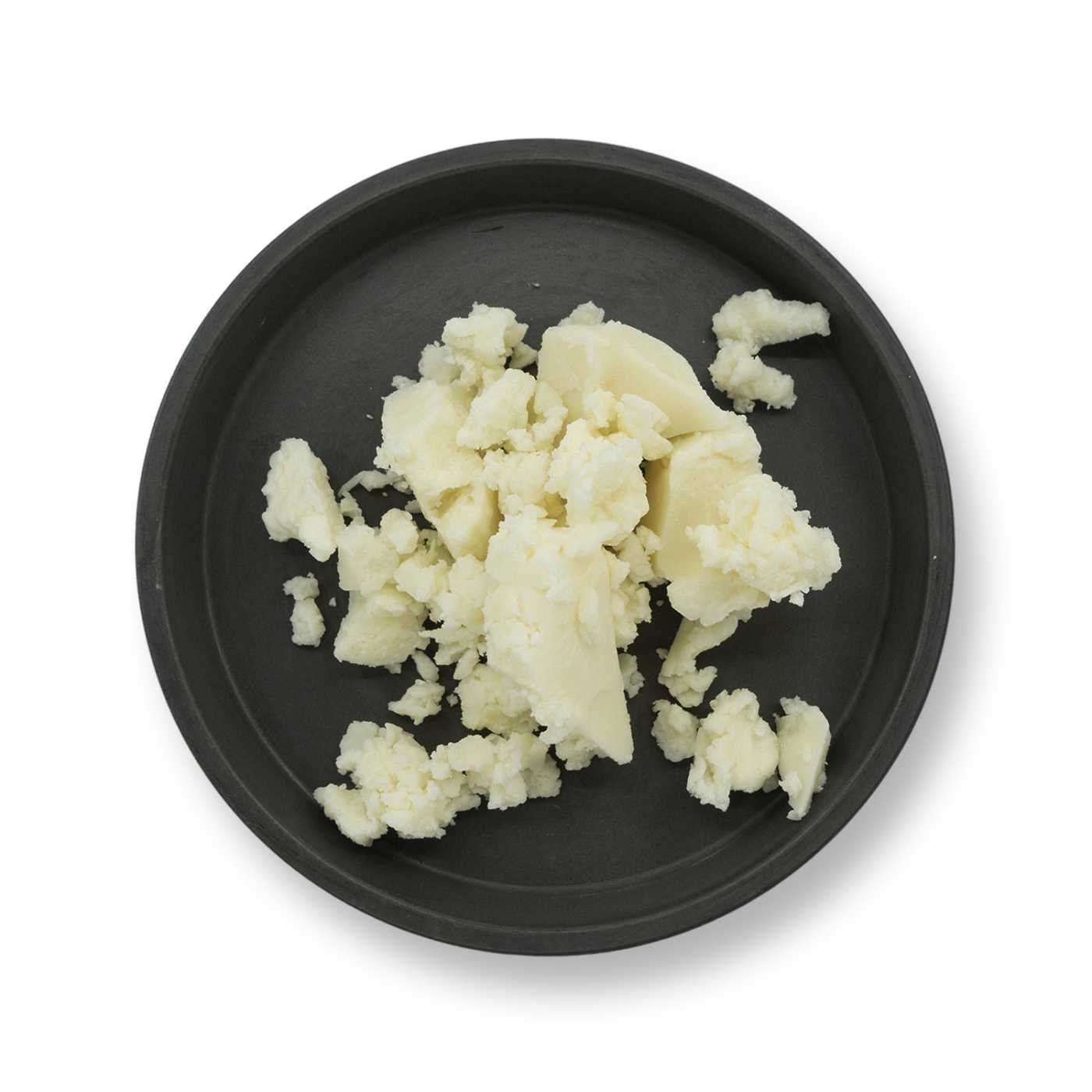
Both perform the same function in a formulation. Yellow wax retains its natural colour, so it slightly tints light formulations yellow. It is chosen where colour is not a concern or is desirable, for example in balms, ointments, and naturally-styled creams. White wax is bleached and does not colour the formulation; it makes sense in products where a clean shade matters or where precise colouring with pigments is required.
Only customers with a delivered order can write reviews.