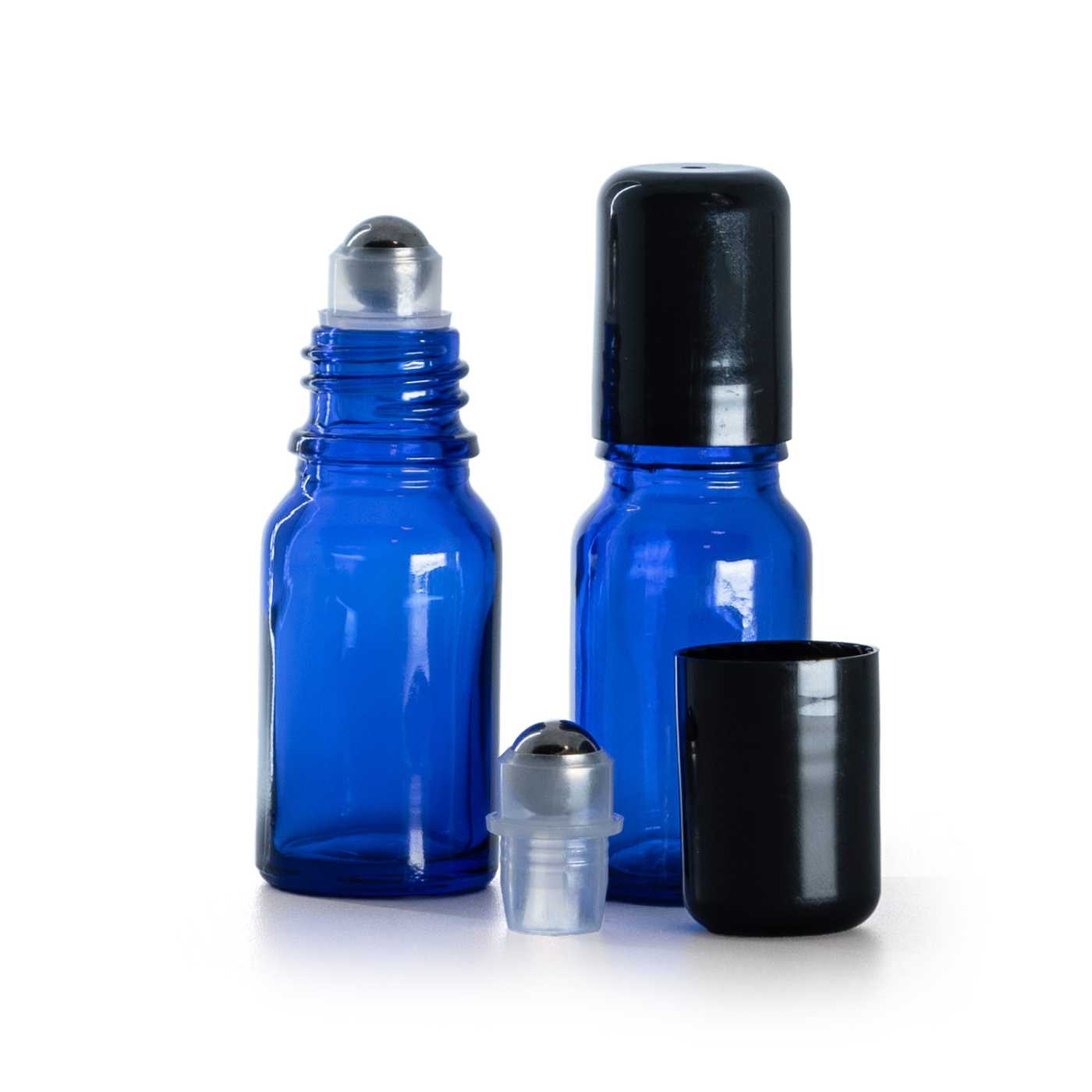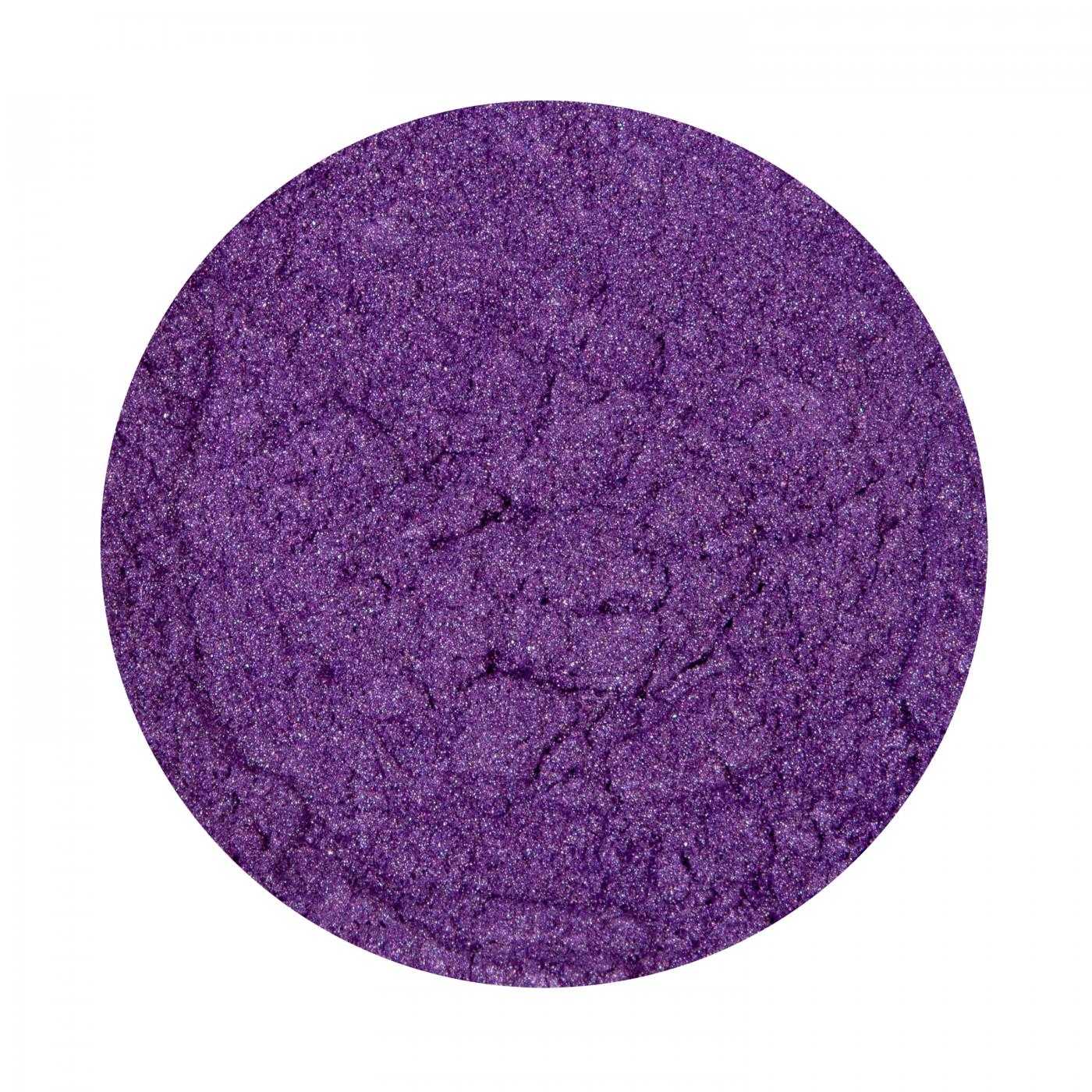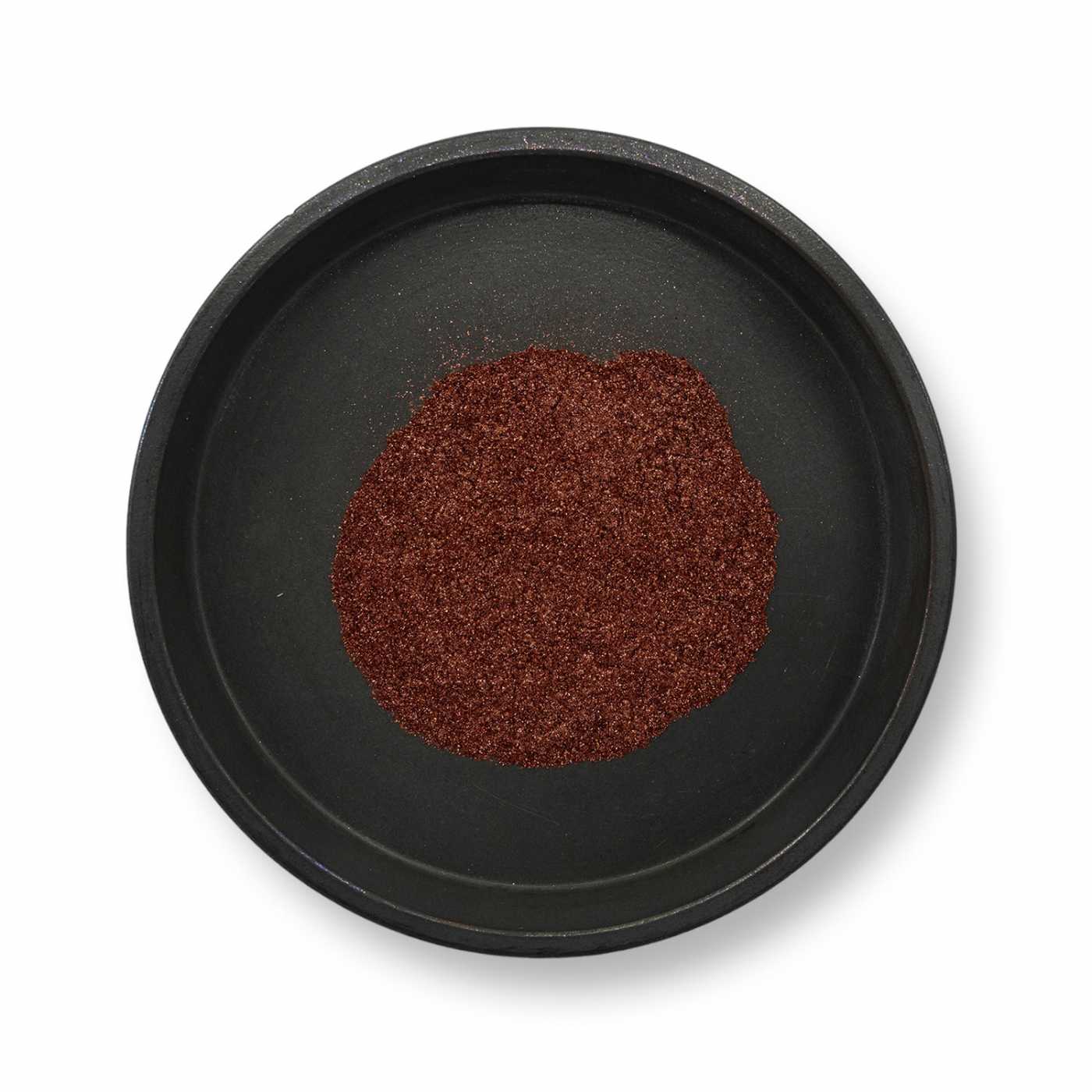
EcoSparks Allure Series, Bronze Red, 10 g
Pre-order€3.45(€345.00/kg)

Essential oils, 500 ml +
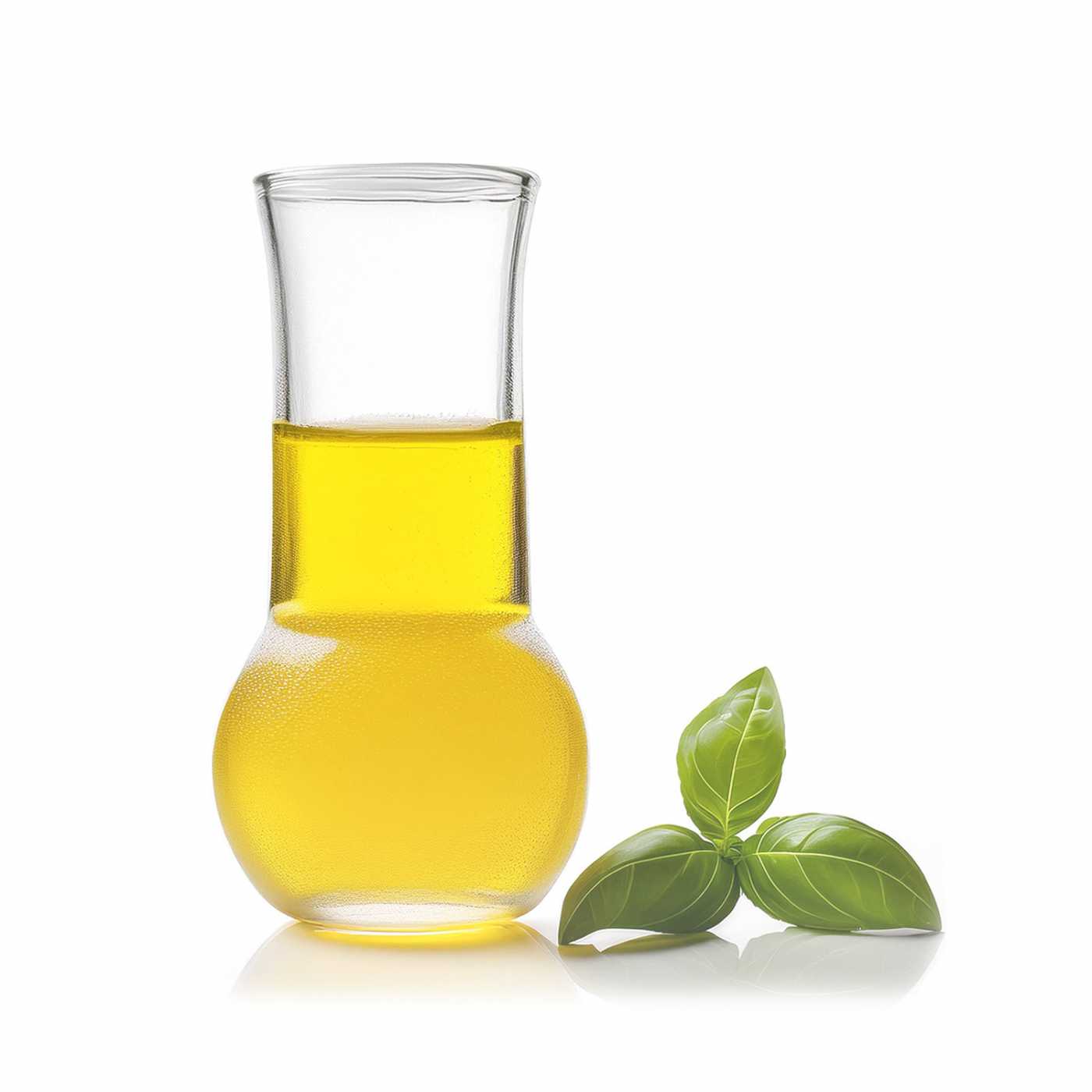
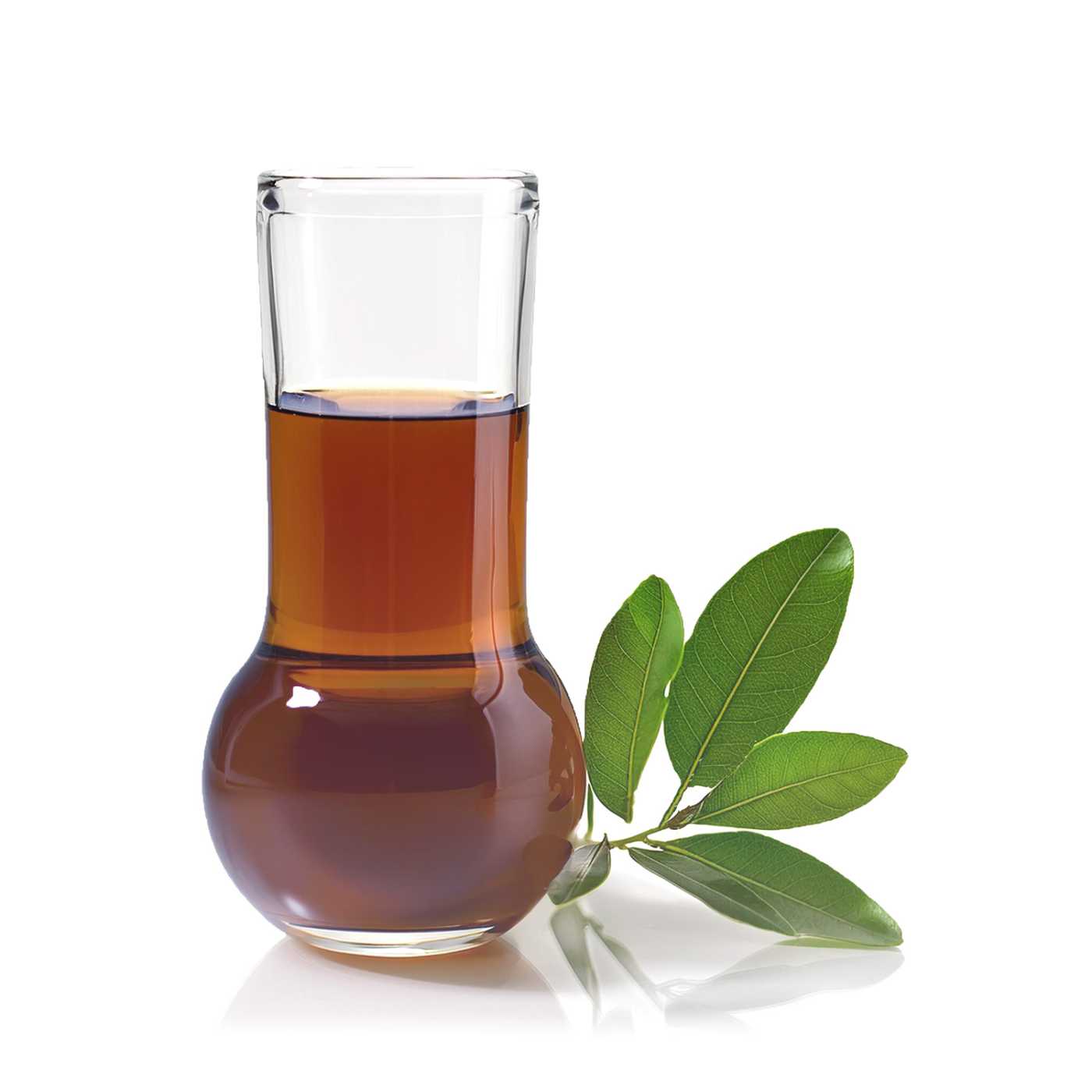
Basil essential oil is a steam-distilled essential oil from the leaves and tops of basil (Ocimum basilicum), which is added to cosmetics as a fragrance ingredient . full description
Lowest price in the last 30 days: €115.49
Basil essential oil is a steam-distilled essential oil from the leaves and tops of basil (Ocimum basilicum), which is added to cosmetics as a fragrance ingredient. It adds a penetrating herbal, green and fresh fragrance with a sweet herbal undertone to a composition, and can be used to enliven a natural perfume, massage oil, soap or candle.
This raw material of European origin is supplied pure, undiluted and without additives. It is used in small amounts, dissolves in oils and alcohol, and needs a solubiliser in water-based products. Specific limits for individual product types are set by the IFRA certificate; you can find the categories in the product parameters.
Basil is one of the top to heart notes of a fragrance composition. When you open the bottle, it comes through quickly and distinctly as a green, herbal freshness, and it remains present in the middle phase of the fragrance, when the more volatile top notes have already faded.
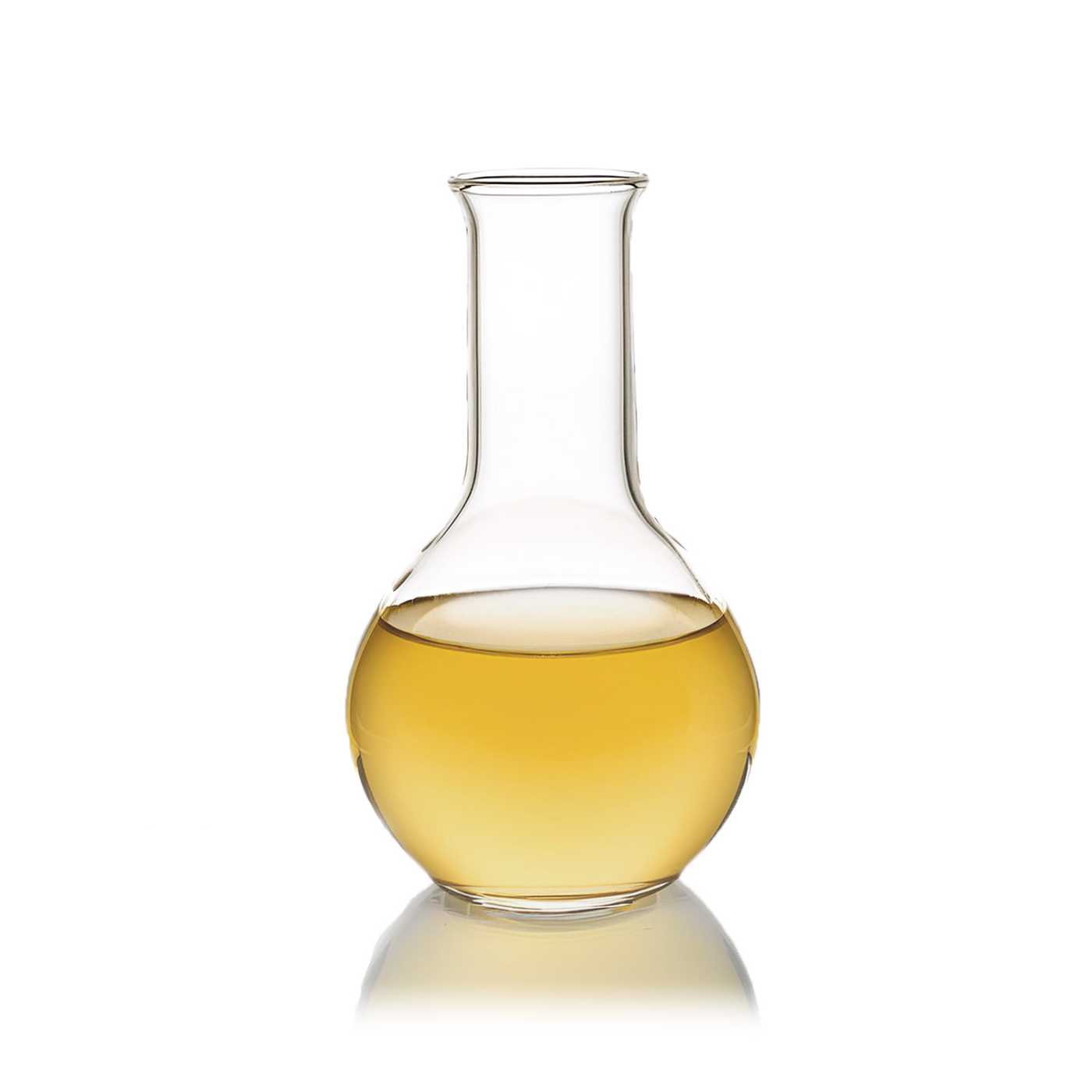
The pure essential oil is light yellow to amber yellow in colour. At normal usage rates it does not affect the shade of the product. In a white emulsion or a light soap base, a higher proportion may give a slight yellowish tint, so check it on a small sample.
Basil essential oil is soluble in vegetable oils and in alcohol, and it does not dissolve in water. In anhydrous products, that is massage and body oils, solid perfumes, balms or oil serums, it is mixed into the oil phase when cold. In alcohol-based perfume compositions it is added directly and left to mature with the rest of the blend.
In emulsions it is added at the very end, into the cooled emulsion while stirring continuously, so that the fragrance components do not escape while the phases are heated. It cannot be dispersed in toners, hydrosol sprays and other water-based products without a solubiliser. Test the ratio of solubiliser to essential oil on a small amount and check that the mixture stays clear.
Before working it into a formulation, test the fragrance in a diluted form, for example in a drop of carrier oil. Pure basil smells sharp and penetrating, while in the finished product at a low usage rate it comes across as much softer.
The usage rate is always governed by the product category according to IFRA. The list of categories with definitions is in the parameters; check the upper limits for a specific category in the IFRA certificate for the given batch. In cold process soap, fragrance oils are commonly added just before pouring into the mould. We have not tested the behaviour of this essential oil in a soap base.
Basil essential oil is subject to the CLP regulation and carries the pictograms GHS07 (irritant, sensitisation, moderate toxicity) and GHS08 (serious health hazards, long-term). Detailed information on composition, classification and safe handling is in the safety data sheet (SDS) for the product.
The pure essential oil is not applied directly to the skin and is not added to products undiluted. Always work with a finished formulation at a usage rate that complies with the IFRA limits for the given type of product.
The essential oil is volatile and sensitive to heat. Each time it is heated, some of the fragrance components escape, so it is not added to the hot phase. If you are preparing a larger batch of a fragrance blend, weigh the components precisely and leave them to combine for several days; the initial sharpness of the basil softens in the blend.
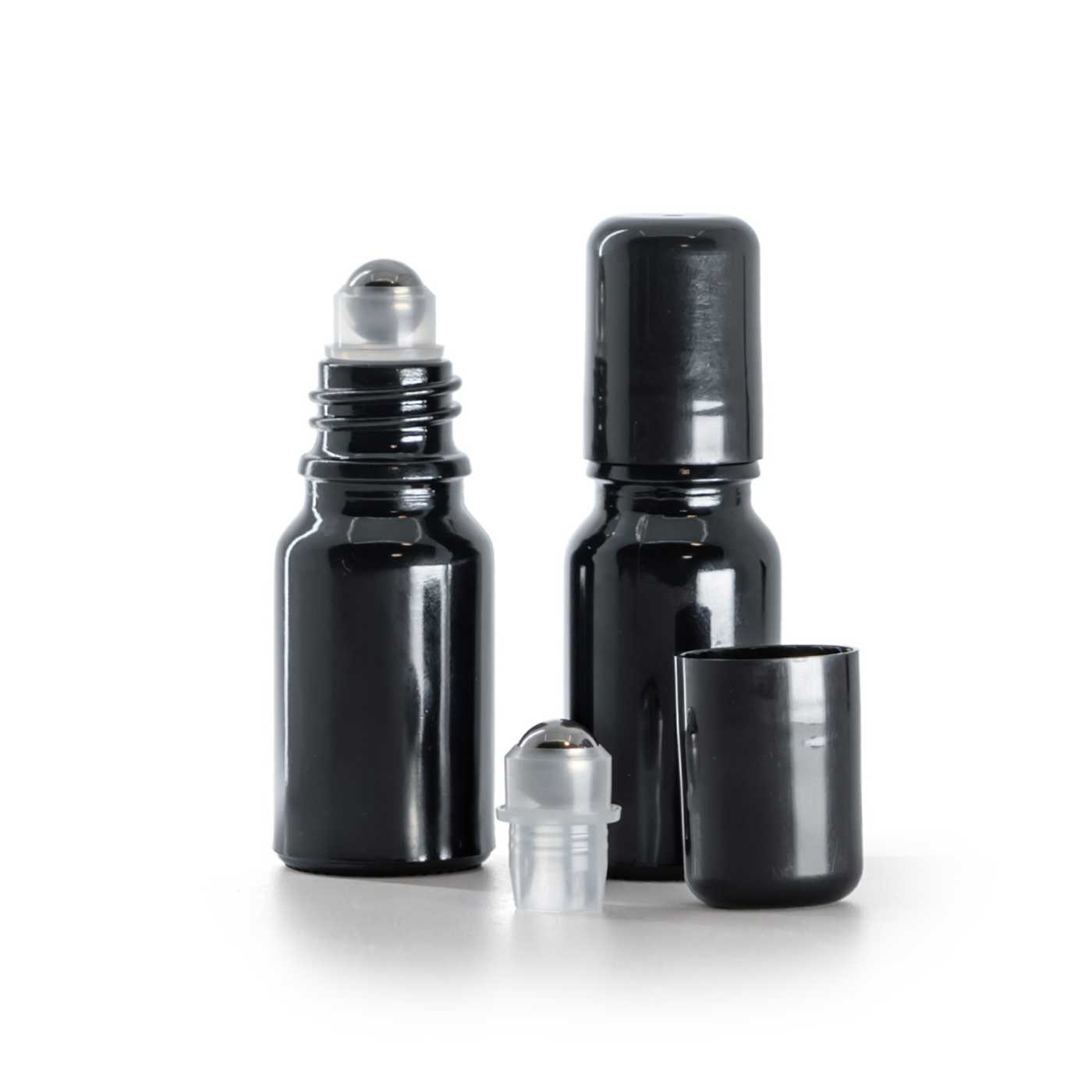
For a finished product containing a fragrance ingredient, dark glass works well because it limits exposure to light. With plastic packaging, check whether the material can withstand contact with essential oils.
Only customers with a delivered order can write reviews.