10% off everything in Base IngredientsStock up

+421 950 333 113info@handymade.store

Essential oils, 10 ml

Basil Essential Oil, 10 ml

Pack size10 ml100 ml500 ml1 l

Basil essential oil brings a penetrating herbal, green and fresh fragrance with a sweet herbal undertone to a formulation, where it acts as a fragrance component . full description

AvailabilityPre-order
Product codeEON001_10
€3.14incl. VAT€314.00/l

Lowest price in the last 30 days: €3.14

Pre-orderThis variant is currently out of stock — your order will be a pre-order and delivery may take longer.

Product description

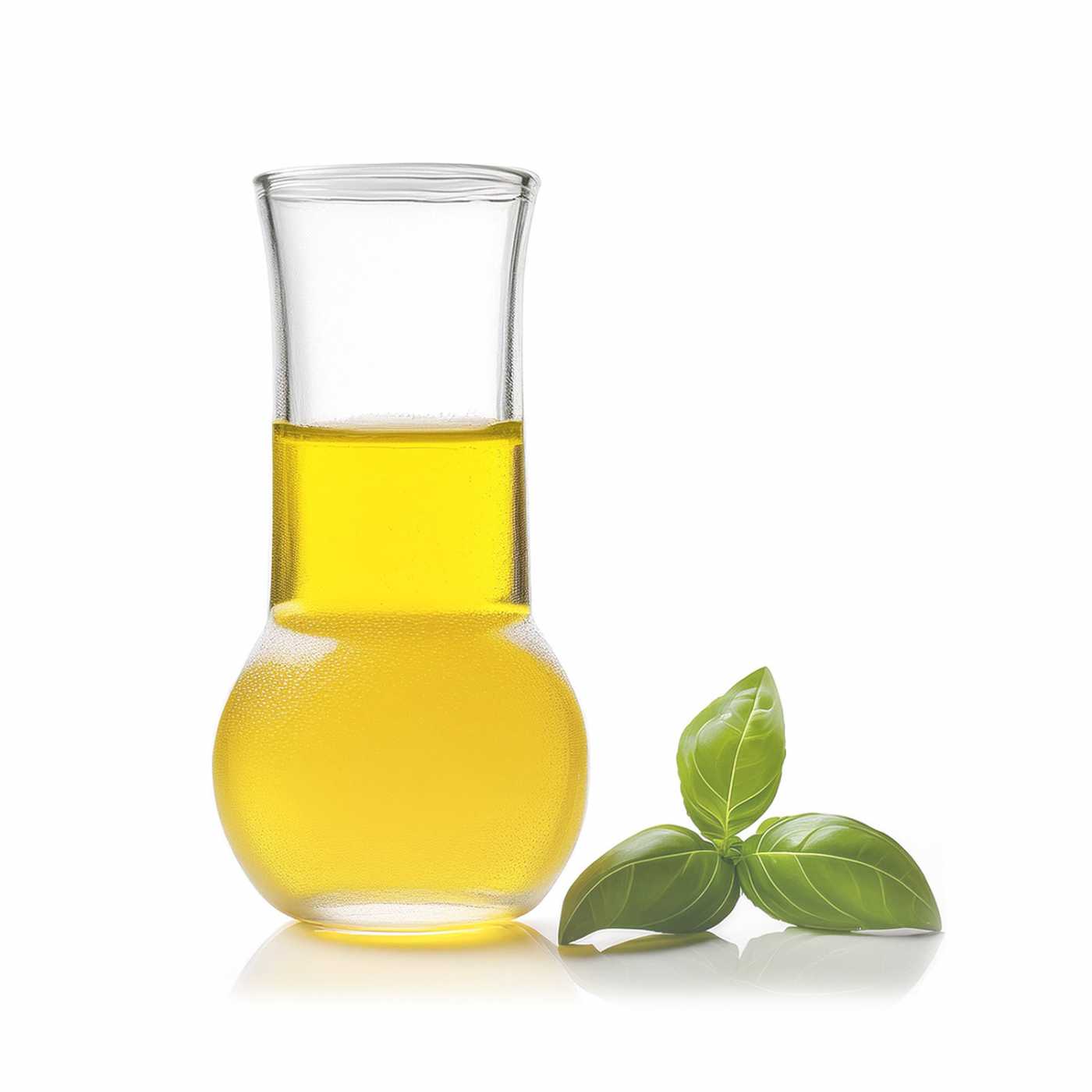
Basil essential oil brings a penetrating herbal, green and fresh fragrance with a sweet herbal undertone to a formulation, where it acts as a fragrance component. It is obtained by steam distillation of the leaves and tops of the Ocimum basilicum plant and is supplied as a 100% pure, cosmetic-grade natural oil of European origin. In perfume compositions it acts as a top to heart note: it opens the fragrance and holds it even after the most volatile components have evaporated. It is particularly suited to products for oily and problem skin, both leave-on and rinse-off.


Key features

  • Distinctive herbal fragrance – the penetrating, green and fresh character comes through in a composition even in a small amount, so when blending you start with a low proportion and adjust gradually.
  • Top to heart note – in a fragrance blend it links the light top components with the heart of the composition.
  • Solubility in oil and alcohol – it combines with vegetable oils and alcohol; it does not dissolve in water and needs a solubiliser in water-based systems.
  • Free of solvents and animal-derived ingredients – no solvents are used in production, the oil contains no materials of animal origin and, according to the OECD 301 test, it is readily biodegradable.

Use in formulations

The oil is incorporated in the cool-down phase or added afterwards to the finished base. In emulsions it is added only after cooling, with constant stirring, so that the volatile fragrance components do not evaporate unnecessarily. In anhydrous products, such as body and massage oils or balms, it is mixed directly into the oil phase. In perfumes and other alcohol-based fragrances it dissolves directly in alcohol. For toners, sprays and other water-based preparations, the oil must first be mixed with a solubiliser (for example Polysorbate 20) and only then added to the water phase, otherwise it stays on the surface in droplets.

There is no single universal usage rate. The manufacturer does not state a recommended range, and the highest amount in the finished product is determined by the IFRA limit for the given category: a different percentage applies to lip products (category 1), to body creams and oils (5A), to face creams and toners (5B), to rinse-off products such as soaps and shampoos (9) or to candles (12). The limits for all categories are in the IFRA certificate in the Product documentation section.

Before calculating your formulation, look up the category of your product in the IFRA certificate and treat the maximum percentage as a ceiling, not as a recommended usage rate. Fragrance components are normally used well below the limit, and the final intensity is adjusted on a test sample.


Suitable for products such as

  • Perfume compositions and alcohol-based fragrances – as a top to heart note with a green herbal character.
  • Facial toners and light creams for oily and problem skin – with a solubiliser, or added in the cool-down phase of an emulsion.
  • Cleansing gels, solid and liquid soaps, shampoos and conditioners – rinse-off products for skin, hair and scalp.
  • Body and massage oils, balms – anhydrous products in which the oil dissolves directly in the oil phase.
  • Lip products, intimate hygiene products and products for the oral cavity – provided the limit for the relevant IFRA category is observed.
  • Candles and home fragrances – with the limit set by category 12.

Good to know

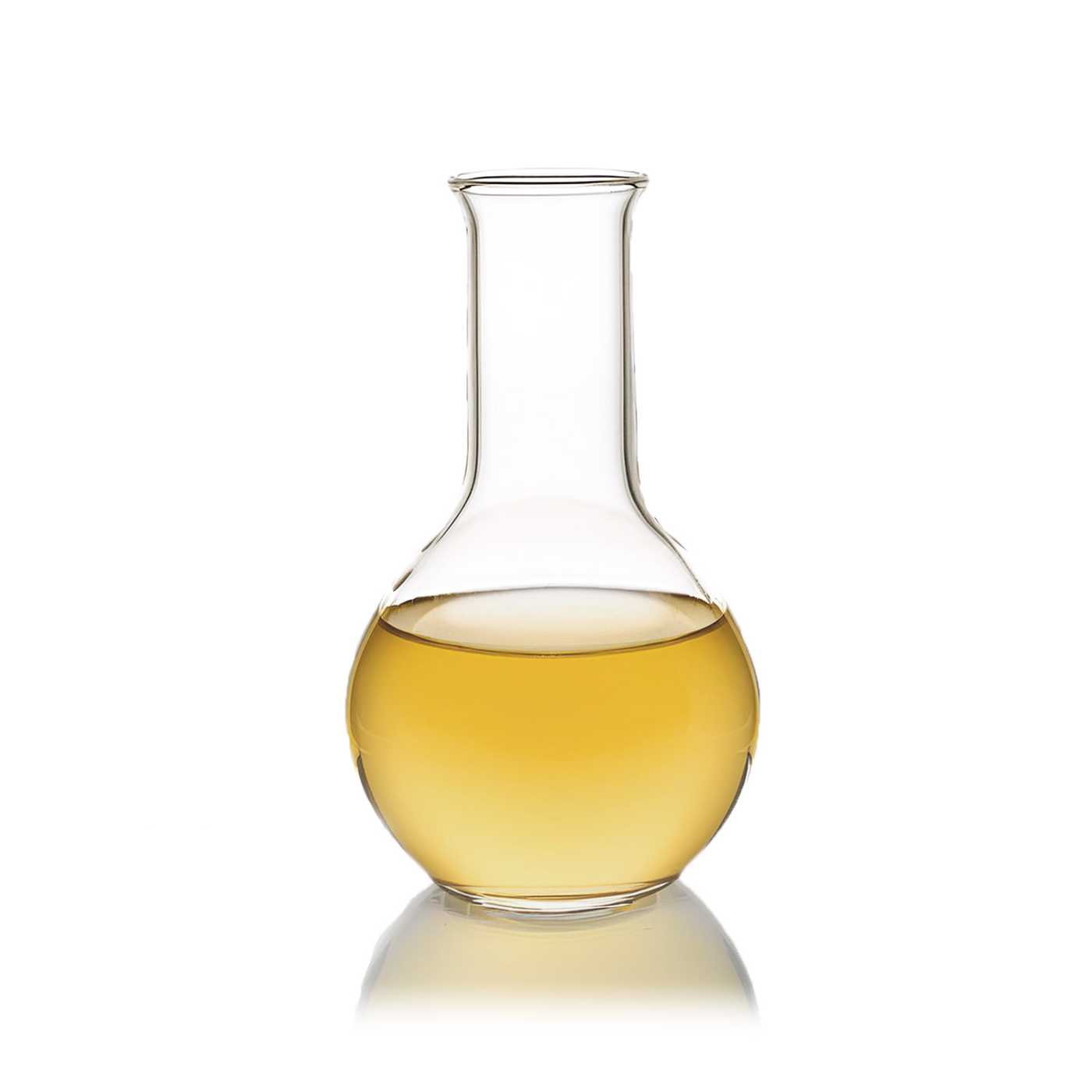
The colour of the oil ranges from pale yellow to amber yellow. How it shows in the finished product depends on the usage rate and on the base it is added to. For white creams, check the shade on a test sample.

Like every essential oil, this one is volatile and sensitive to heat. Do not add it to a hot oil phase, as part of the fragrance would evaporate or change.

The substance is classified under the CLP regulation and contains hazardous substances. It is labelled with the GHS07 pictogram (irritant, sensitisation, mild toxicity) and the GHS08 pictogram (serious health hazards). Detailed information on composition, classification and safe handling is in the safety data sheet in the Product documentation section.

In its concentrated form the oil is not applied directly to the skin. When placing your own product on the market, rely on the safety data sheet and the IFRA certificate, which are part of the product documentation.


Frequently asked questions

Is basil essential oil soluble in water?
No, basil essential oil does not dissolve in water. It dissolves in alcohol and in vegetable oils. For toners, sprays and other water-based preparations it is therefore added only after being mixed with a solubiliser, otherwise it separates and stays on the surface. In emulsions it is incorporated into the oil component in the cool-down phase.
How much basil essential oil should I add to a cream or soap?
There is no single universal usage rate. The maximum amount is set by the IFRA limit for the product category; for example, face creams fall into category 5B, body creams into 5A, and soaps or shampoos into category 9. The limits for all categories are in the IFRA certificate for the product. It is normally used below the limit, and the intensity of the fragrance is adjusted on a test sample.
When should I add basil essential oil to an emulsion?
Basil essential oil is added in the cool-down phase, that is, only to the cooled emulsion, with constant stirring. The oil is volatile and sensitive to heat, and at a high temperature part of the fragrance components would evaporate or change. In anhydrous and alcohol-based products it is added afterwards, directly to the finished base.
What skin type is basil essential oil suitable for?
Basil essential oil is suitable above all for products for oily and problem skin. It can be used in leave-on and rinse-off products for the face, the eye area, body, hands, hair and scalp, lips, intimate hygiene and the oral cavity, always within the IFRA limit for the given category. In its concentrated form it is not applied to the skin.
Is basil essential oil suitable for a perfume composition?
Yes, in a perfume composition basil essential oil acts as a top to heart note with a herbal, green and fresh character. It dissolves in alcohol, so it is incorporated directly into an alcohol base. The fragrance is penetrating and comes through easily in a blend, so you start with a low proportion and adjust gradually.

Parameters

INCI
Ocimum Basilicum Oil
CAS No.
8015-73-4 & 84775-71-3
Product colour
Yellow
Country of origin
France
Processing method
Steam distillation
Free from
parabens
Function in formulation
Fragrance component
Application type
Leave-onRinse-off
Natural Index (NI ISO 16128)
1,00
Natural Origin Index (NOI ISO 16128)
1,00
Volume
10 ml

Product documentation

TDSTechnical Data Sheet
Physical parameters and processingPDF ↓
Download all (ZIP)

1 PDF file in one archive

REVIEWS

Verified by customers.

No reviews yet.

Only customers with a delivered order can write reviews.