Spend over €100 for discounted shipping!

+421 950 333 113info@handymade.store

Candle fragrance oils

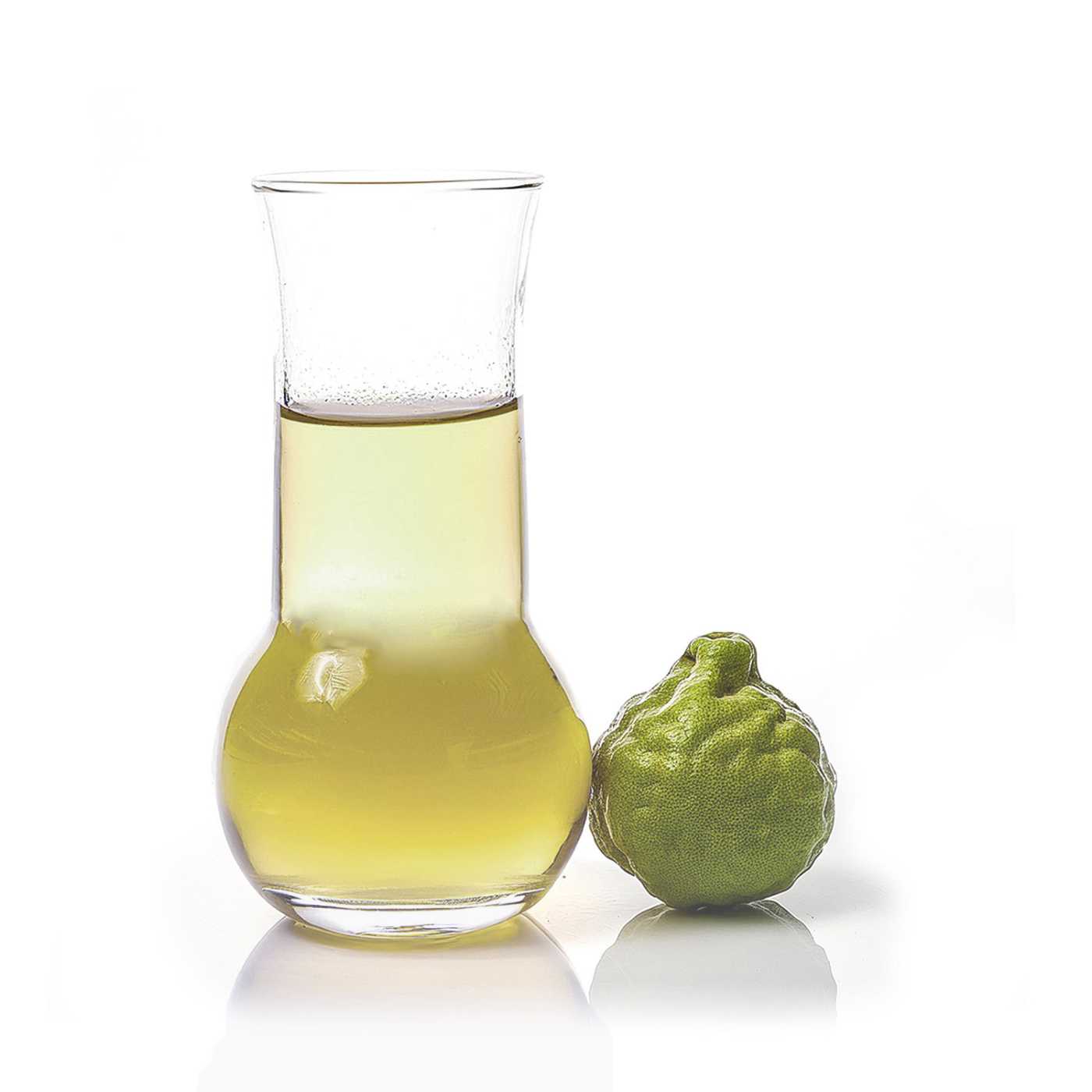
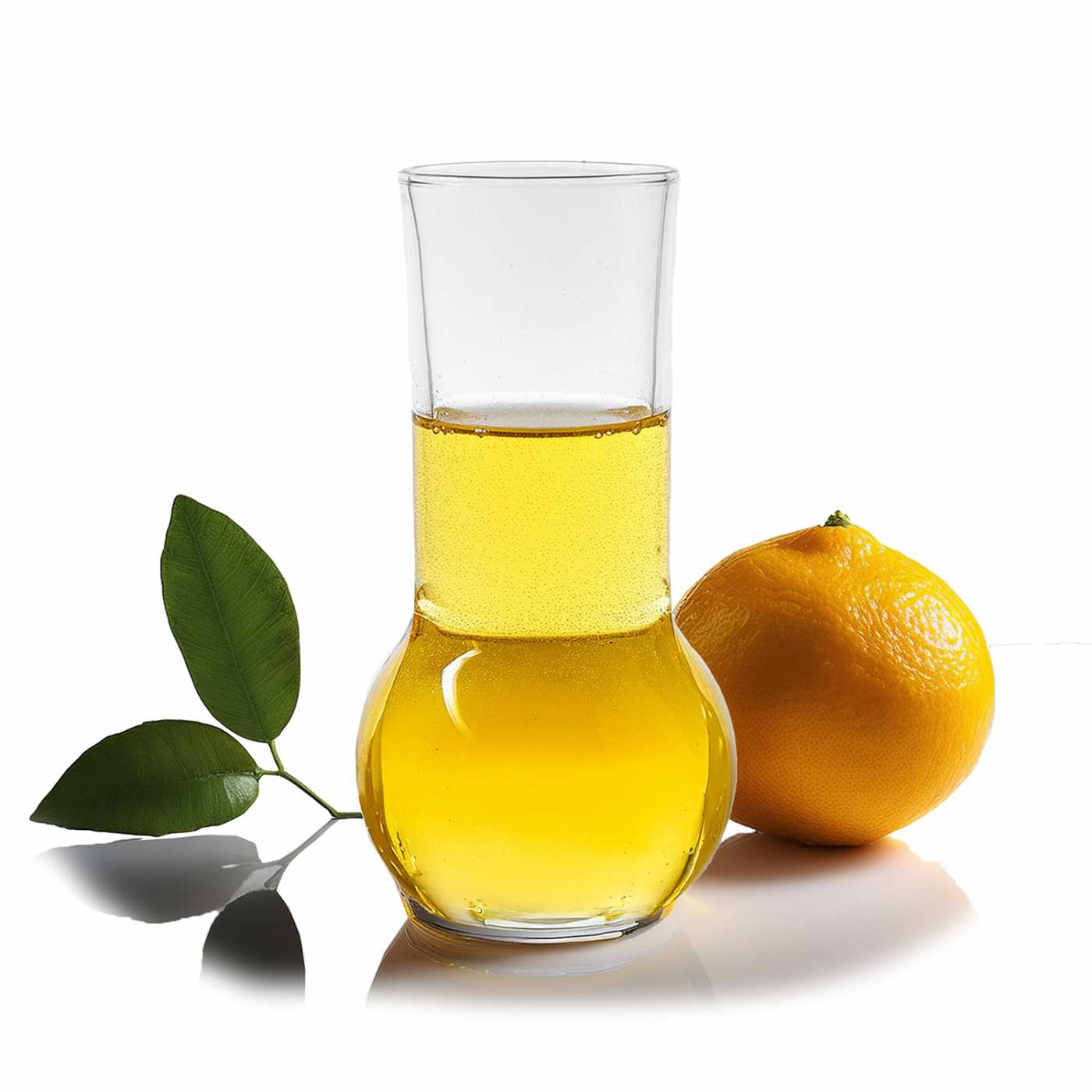
Bergamot Essential Oil, 1 l

Pack size10 ml100 ml500 ml1 l

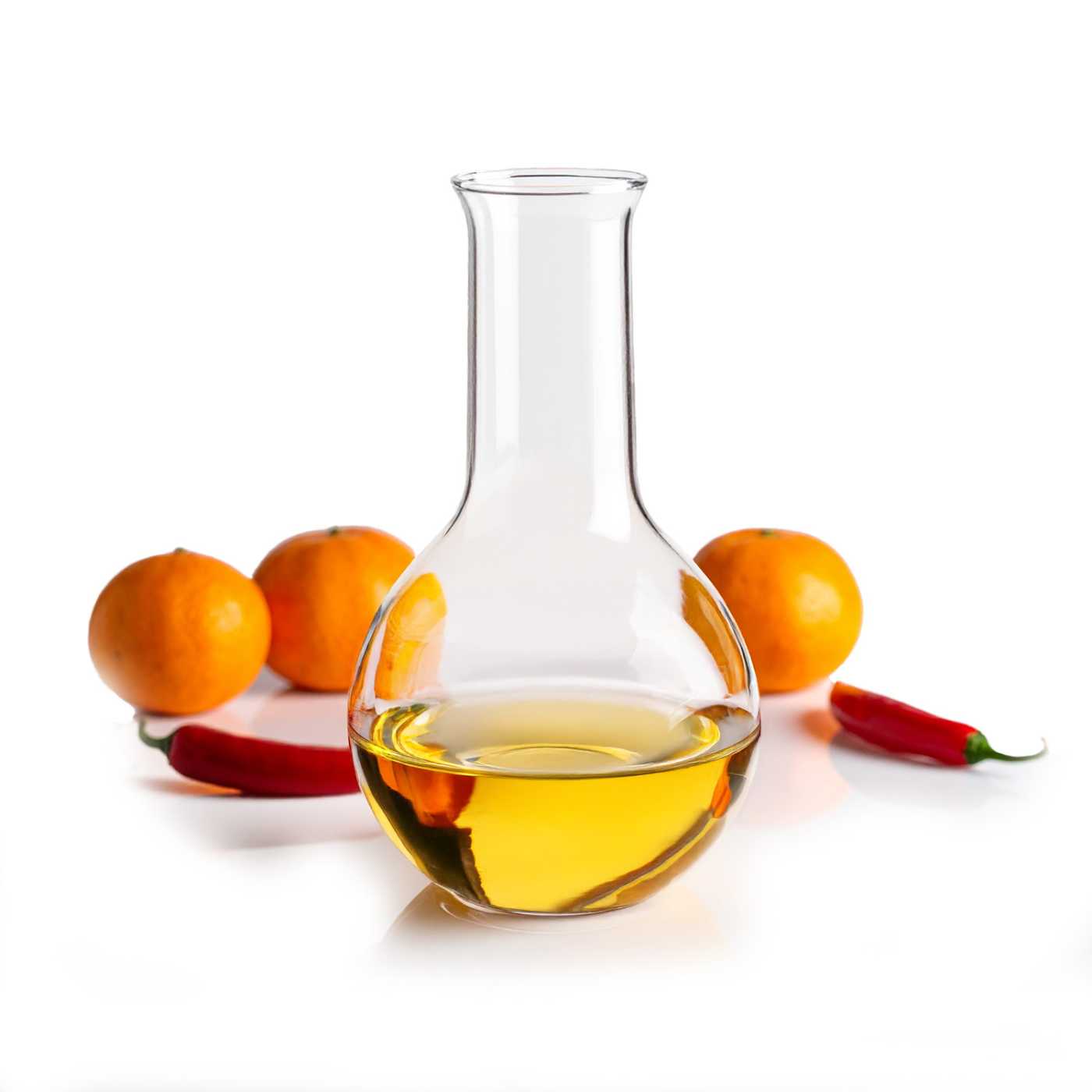
Bergamot essential oil is a fragrance ingredient with a fresh citrus scent, obtained by cold pressing the peel of Citrus bergamia Risso fruit of European origin. It is used in aromatherapy, skin care and hair care. full description

AvailabilityIn stock · last 1 pack
Product codeEON017_1000
€262.79incl. VAT€262.79/l

Lowest price in the last 30 days: €262.79

Product description

Bergamot essential oil is a fragrance ingredient with a fresh citrus scent, obtained by cold pressing the peel of Citrus bergamia Risso fruit of European origin. It is used in aromatherapy, skin care and hair care. The manufacturer recommends it especially for products for oily and problem skin and for the scalp, where, according to the manufacturer’s data, it supports skin cleansing and the balancing of sebum production.

The peel is processed by mechanical pressing without heating and without solvents; the finished oil is only filtered and remains unrefined. The product is certified vegan.


What it brings to a formulation

  • Citrus fragrance – fresh and invigorating, associated by the manufacturer with a good mood and relaxation. It suits perfume compositions, facial cosmetics and aromatherapy blends.
  • Cleansing – the manufacturer states that it helps remove impurities and excess sebum from the skin and hair. For this reason it is most often added to facial cleansers and to shampoos for an oily scalp.
  • Antimicrobial effect – according to the manufacturer’s data, it supports a clean-looking complexion. In a formulation this is a secondary effect of the fragrance ingredient and it does not replace the preservative system of the finished product.
  • Soothing the skin – an anti-inflammatory effect that the manufacturer associates with reduced redness.
  • Brightening the complexion – the manufacturer states that it supports a more even skin tone.
  • Cooling effect – it leaves a fresh, slightly cooling feel on the skin, which can be used in face mists and light textures.

Use in formulations

The oil is soluble in oil and in alcohol and does not dissolve in water. It is added directly to the oil phase of emulsions, facial oils, anhydrous serums and alcohol-based solutions. In toners, face mists and other water-based products it needs a solubiliser. It is compatible with non-ionic surfactants, so a common non-ionic solubiliser is suitable. Test the amount of solubiliser on a small sample until the solution stays clear.

It is added in the cool-down phase, when the base is below 40 °C. The oil is a blend of volatile compounds and at a higher temperature part of the fragrance would be lost. The suitable pH range of the formulation is 5–8, which covers most facial and hair products.

In an emulsion, first let the cream cool down while stirring constantly, and mix in the essential oil only at the end, together with the other heat-sensitive ingredients. In anhydrous oil-based products, it is enough to stir the oil into the cold oil blend.

The usage rate follows the IFRA limits for the specific product category. These differ depending on whether the product is rinse-off or leave-on and where it is applied. Lip products, facial creams, body lotions, shampoos and deodorants each have their own limit. Before adding it to a recipe, check the value for your category and also take into account the other fragrance ingredients in the composition.

The raw material is subject to CLP classification and contains one or more ingredients classified as CMR, as well as fragrance allergens listed in Annex III of Regulation (EC) No 1223/2009. Handle it in accordance with the safety data sheet and observe the IFRA limits for the given product category.


Suitable for products such as

  • Facial oils and serums for oily and problem skin, where both the fragrance and the cleansing effect stated by the manufacturer are useful.
  • Light facial creams and moisturising emulsions, to which it is added in the cool-down phase.
  • Facial toners and mists with a solubiliser or with a proportion of alcohol.
  • Shampoos, rinse-off conditioners and scalp tonics for a scalp prone to oiliness.
  • Diffuser blends and aromatherapy compositions with a fresh citrus character.

Good to know

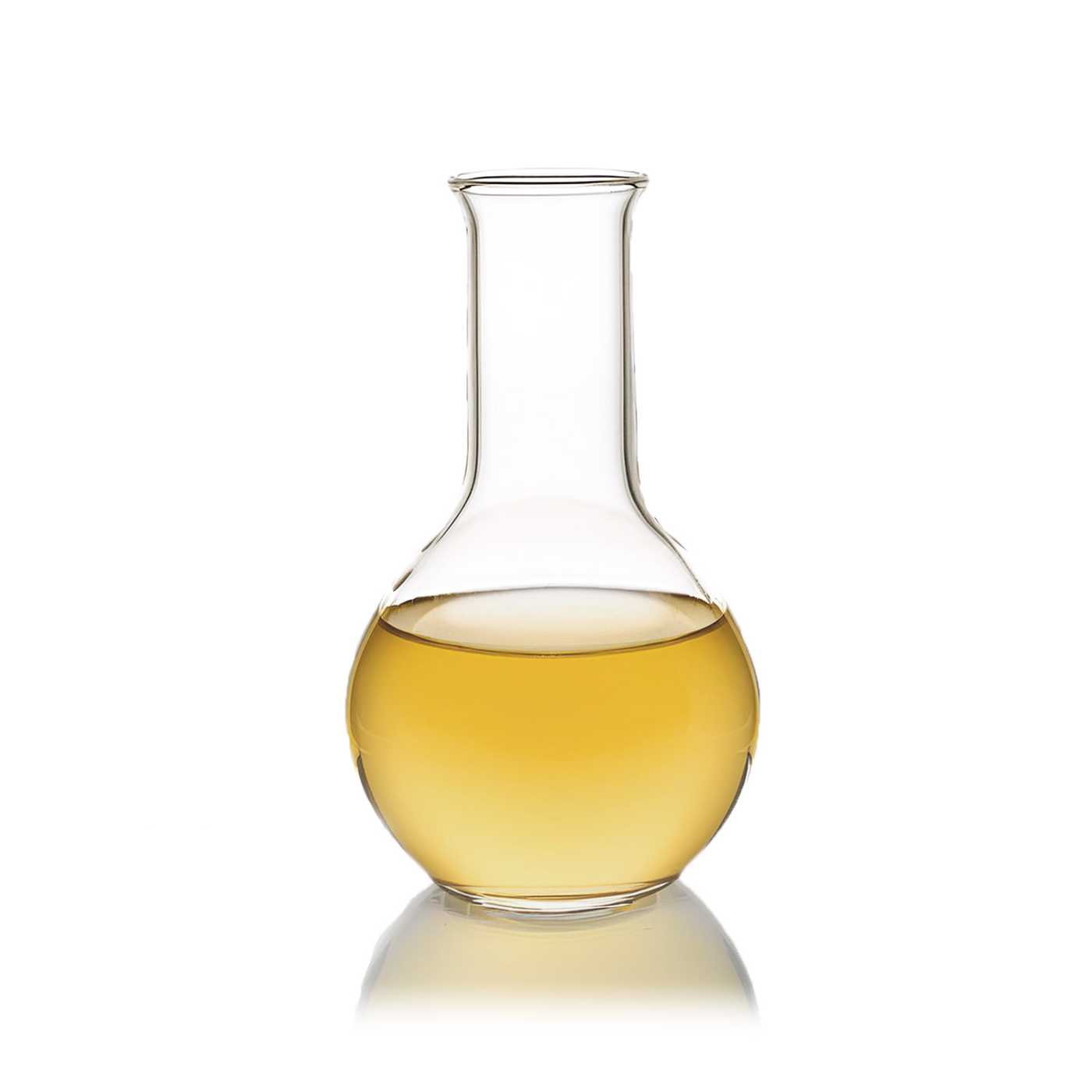
The colour of the oil ranges from yellow through green to brownish and may differ between batches. At the usage rate common for a fragrance ingredient, it has little effect on the finished product. In a pure white emulsion or a clear gel, it is better to check the shade on a sample.

In hair care, the oil is used in both rinse-off and leave-on products. The manufacturer states that it supports scalp balance. For leave-on conditioners and styling products, different IFRA limits apply than for shampoos, which must be taken into account when setting the usage rate.


Frequently asked questions

Is bergamot essential oil soluble in water?
No, bergamot essential oil does not dissolve in water; it dissolves in oil and in alcohol. It is added directly to oil-based and anhydrous products. For toners, mists and other water-based formulations, a non-ionic solubiliser or a proportion of alcohol is needed. Without it, the oil would float on the surface and the fragrance would be uneven.
In which phase is bergamot essential oil added to a cream?
It is added in the cool-down phase, when the emulsion is below 40 °C. The oil is a blend of volatile compounds, so if it were heated with the oil phase, part of the fragrance would evaporate and the finished cream would smell weaker. After adding it, it is enough to stir the cream briefly so that the oil is evenly dispersed throughout.
What usage rate of bergamot essential oil is safe?
The usage rate is determined by the IFRA limits for the specific product category; there is no single universal value. A facial cream, body lotion, shampoo or lip product each has its own maximum proportion of the fragrance ingredient. Check the value for your category in the current IFRA certificate and also count the other fragrance substances in the recipe.
Is bergamot essential oil suitable for oily skin and the scalp?
Yes, the manufacturer recommends it precisely for oily and problem skin and for the scalp. According to the manufacturer’s data, it helps remove excess sebum and impurities and supports balanced sebum production on the scalp. For this reason it is most often added to facial cleansers, shampoos and light serums, always within the IFRA limits for the given product type.
Can bergamot essential oil be used in a diffuser and in aromatherapy?
Yes, diffusers and aromatherapy are among the stated uses of bergamot essential oil. The oil has a fresh citrus scent that the manufacturer associates with a good mood and relaxation, and it combines well in aromatherapy blends. For candles and air fresheners, separate IFRA limits apply, which differ from those for cosmetics.

Parameters

INCI
Citrus Bergamia Peel Oil Expressed
CAS No.
89957-91-5
EC number
289-612-9
Country of origin
Italy
Product colour
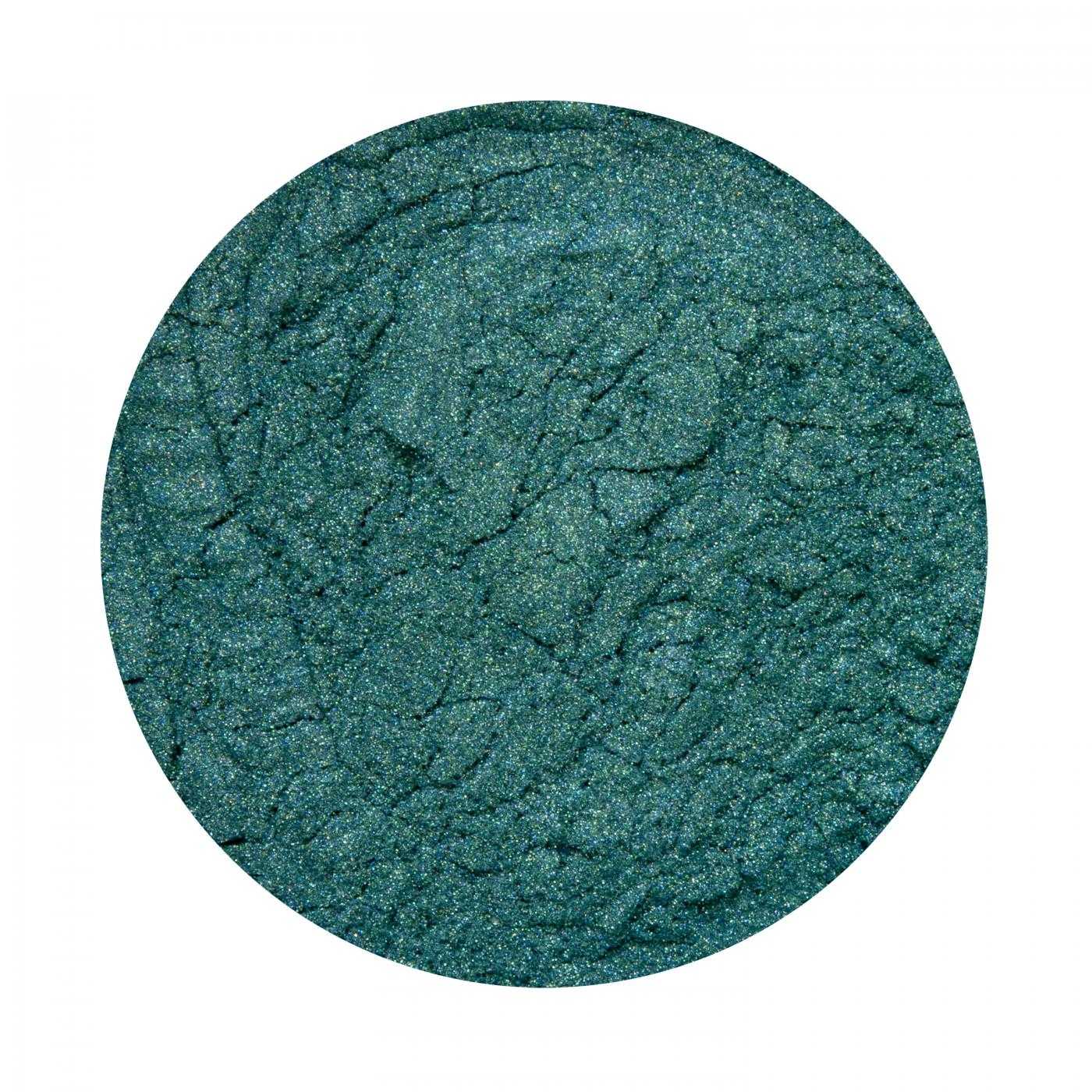
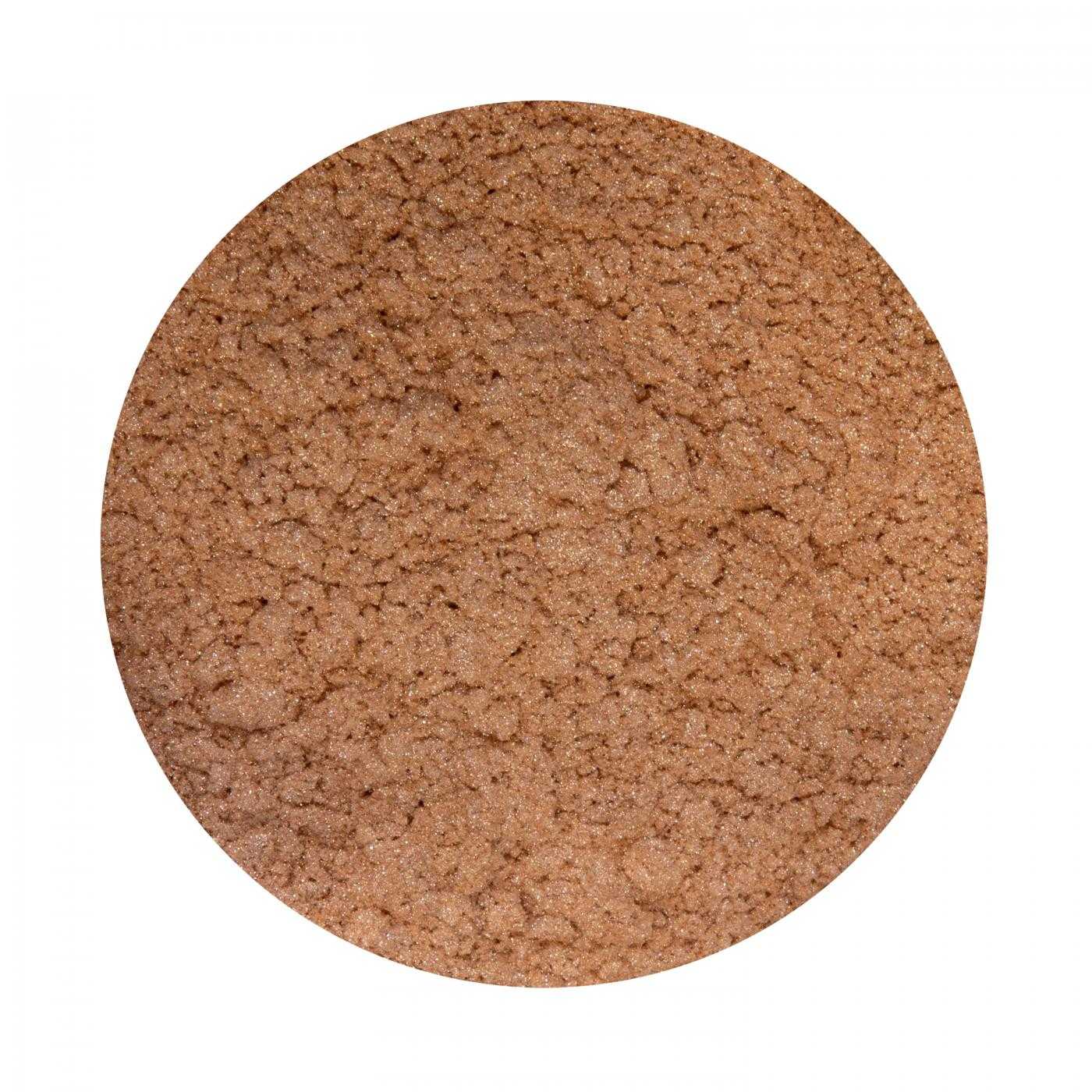
GreenBrownYellow
Appearance
Liquid
Formulation phase
Cool-down phase
Function in formulation
Fragrance component
HLB value
Nevzťahuje sa
Application area
FaceHairScalp
Recommended processing temperature
< 40 °C
Recommended usage rate
Viď IFRA %
Recommended formulation pH range
5 – 8
Application type
Leave-onRinse-off
Certifications
Vegan
Natural Index (NI ISO 16128)
1,00
Natural Origin Index (NOI ISO 16128)
1,00
Renewable Carbon Content (RCC)
100 %
Volume
1000 ml

Product documentation

CoACertificate of Analysis
batch 22589PDF ↓
TDSTechnical Data Sheet
Physical parameters and processingPDF ↓
IFRAIFRA Certificate
batch 22589PDF ↓
AllergensAllergen Declaration
batch 22589PDF ↓
Download all (ZIP)

4 PDF files in one archive

Learn how to work with it

From our blog
Viera I.25 Oct 2026SK

Verified purchase

Jiří20 Oct 2026CS

Verified purchase

Adam V.11 Oct 2026SK

Verified purchase

Variant: Esenciálny olej, Bergamot, 10 ml
(3 reviews)