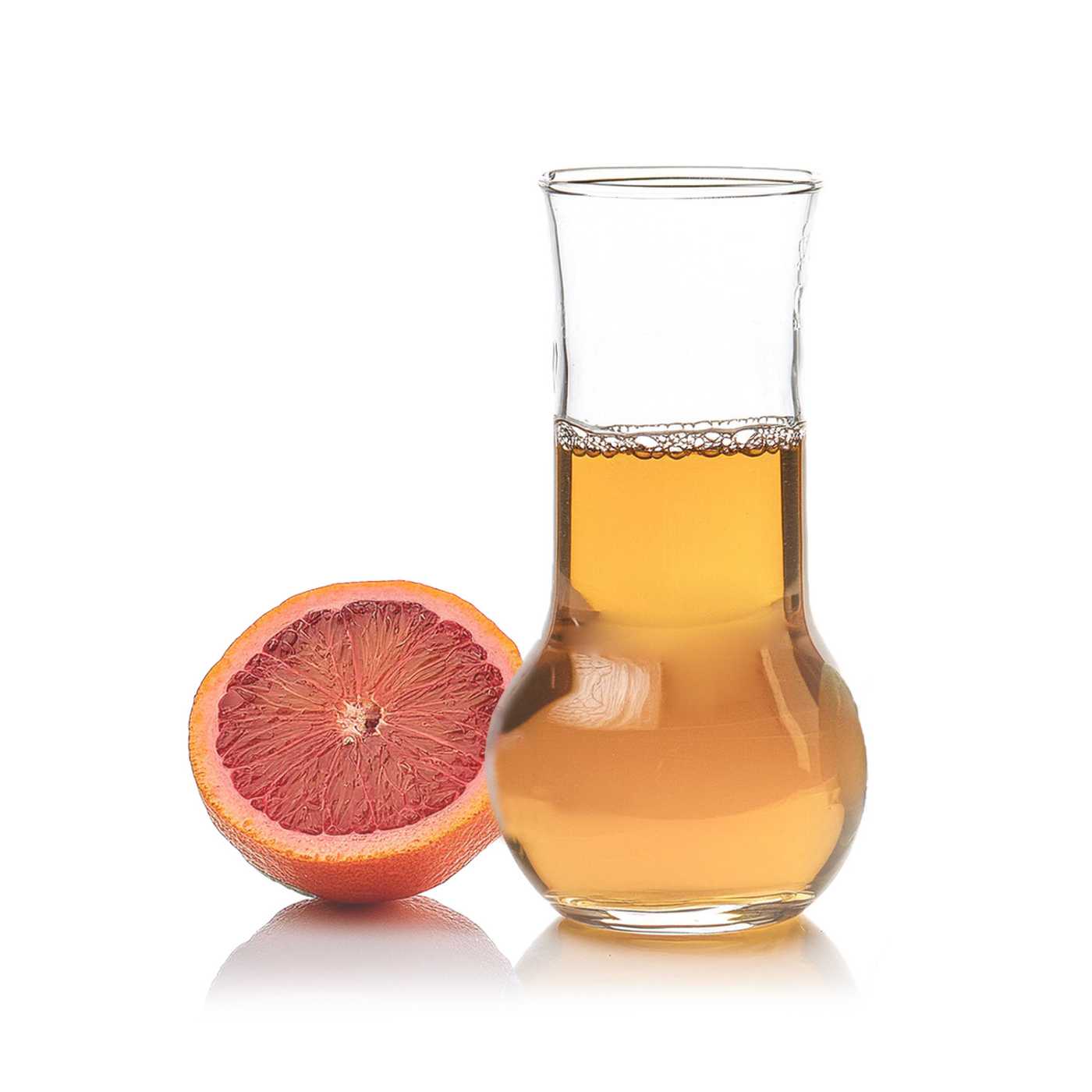
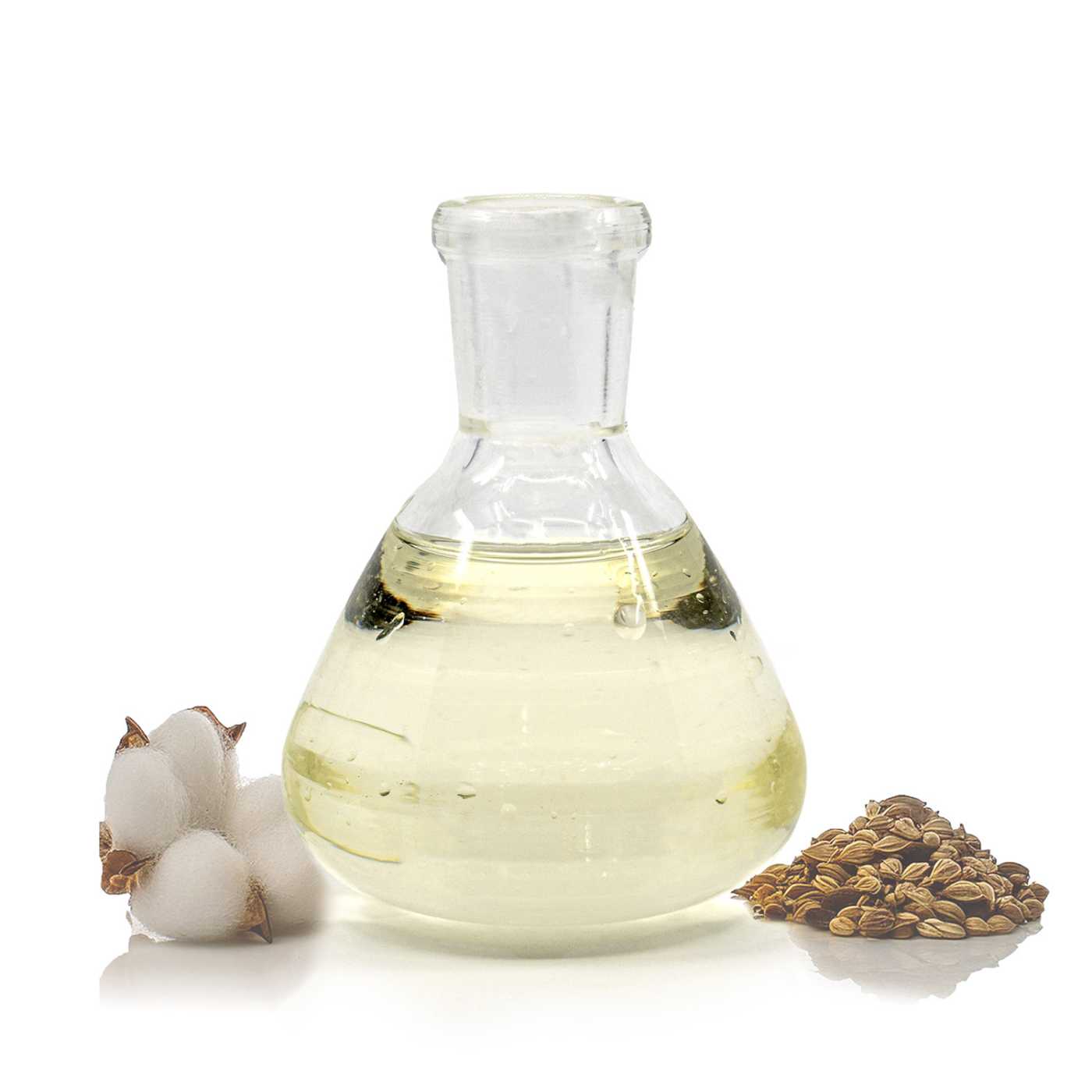
Essential oil from blood orange brings a rich, sweet citrus fragrance to cosmetics, soaps and aromatherapy. It is obtained by pressing the peel of Citrus aurantium dulcis fruit and is used primarily as a natural perfume ingredient: its scent is fresh and warm, and in blends it complements floral, woody and spicy notes. The manufacturer also describes it as an oil with an uplifting effect on mood, which is why it is a frequent component of bath preparations, massage oils and diffuser blends.
Red orange oil of European origin is a purely plant-based raw material with Vegan certification.
What it is suitable for
- Perfumery – a sweet citrus fragrance described by the manufacturer as rich and full; in the finished product it comes across as fresh and warm.
- Aromatherapy – in a diffuser or bath blend, the manufacturer describes it as uplifting and refreshing, helping to create a pleasant atmosphere in the room.
- Antioxidant and antimicrobial effect – listed by the manufacturer among the oil's properties. In a formulation treat these as a complementary benefit, not a substitute for a preservation system or an antioxidant for the oil phase.
- Deodorisation – masks the unpleasant odour of base materials and gives the finished product a fresh note.
Use in formulation
It dissolves in oils and alcohol. It can be added directly to the oil phase, massage oils, balms and butters. Water-based products (tonics, sprays, baths) will not accept it without a solubiliser or an alcohol base, and the oil will float on the surface. In emulsions it is added to the cooled emulsion at a temperature below 40 °C, to prevent the volatile aroma from escaping and the oil from being damaged by heat.
It is compatible with neutral pH, non-ionic surfactants, alcohol and common fragrance compositions. Dosage in the finished product is governed by the product type and the IFRA limits for the relevant category (lip preparations, body oils, rinse-off products, candles and others). The list of categories is in the parameters; specific limits are stated in the current IFRA certificate for the product.
Add it as the last ingredient, to the cooled product and with constant stirring. Citrus fragrance is volatile; in fragrance blends complement it with more lasting woody or balsamic notes to extend the scent.
Suitable for products such as
- shower gels, bath oils and salts, liquid and solid soaps, where the fresh fragrance and cleansing character both come into play;
- body oils, massage blends, body butters and balms;
- shampoos and conditioners, adding a citrus scent;
- facial tonics and light creams at a dose according to IFRA;
- diffuser blends and scented candles.
Difference from sweet orange
Both oils share the same INCI name and CAS number; they differ in fruit variety. The manufacturer describes blood orange fragrance as rich and full, while sweet orange smells fresher and sharper. They are processed identically in formulation; the choice is a matter of fragrance character and any potential colouration of the finished product.
Good to know
- The oil is subject to CLP classification (flammable, irritant and sensitising, hazardous to the aquatic environment, with the serious health hazard pictogram). When handling the neat oil, follow the safety data sheet and work away from heat sources and open flames.
- It contains fragrance allergens listed in Annex III of Regulation (EC) No 1223/2009, which must be taken into account when labelling the finished cosmetic product.
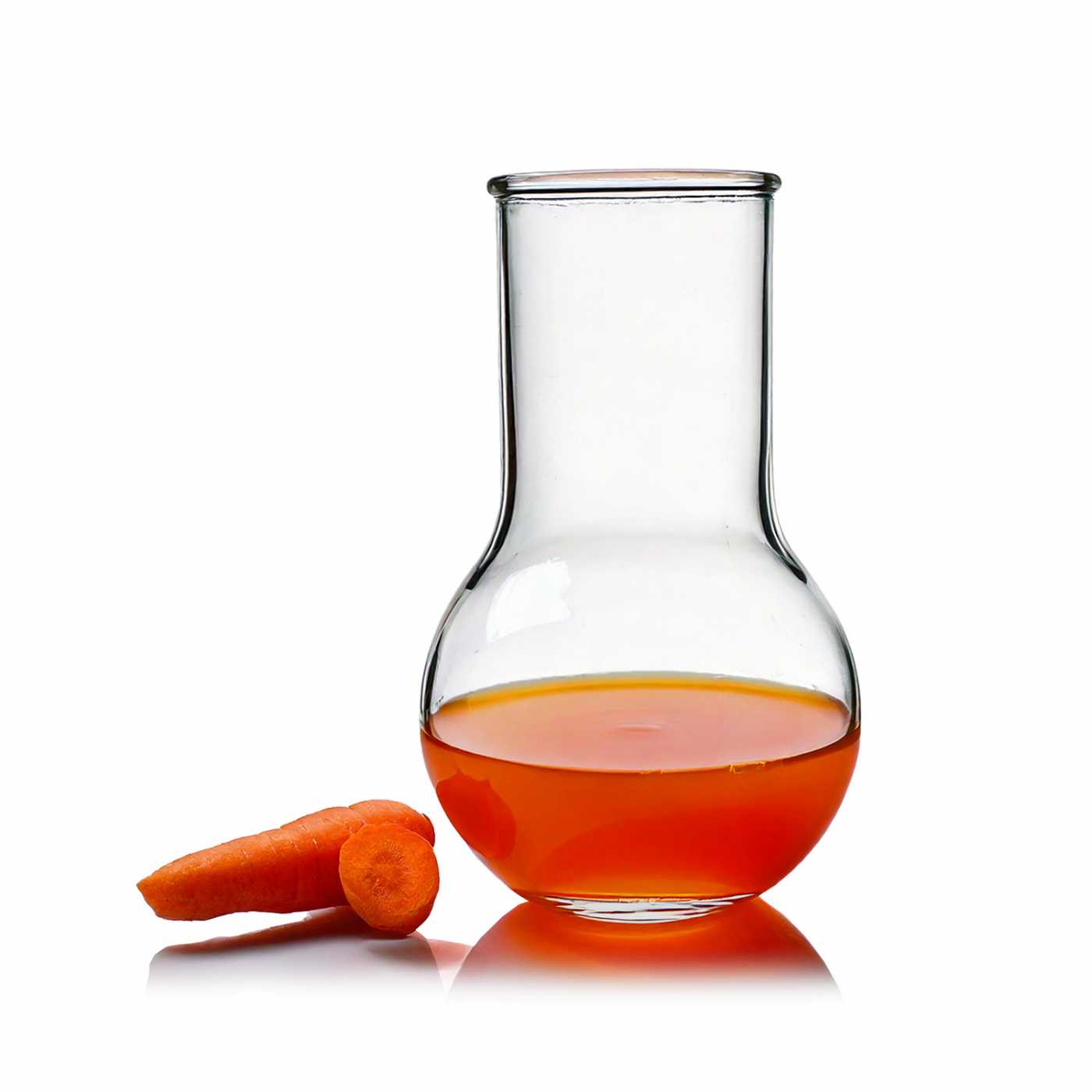
- The yellow to red colour of the oil may, at higher doses, slightly tint white creams and light-coloured soaps.
Undiluted essential oil should not be applied directly to the skin. Always dilute it in a carrier oil or incorporate it into a finished product at a dose corresponding to the relevant IFRA category.
Frequently asked questions
Is blood orange essential oil soluble in water?
No, it does not dissolve in water; it dissolves in oils and alcohol. To incorporate it into a tonic, spray or water-based bath, it must first be combined with a solubiliser or dissolved in alcohol. Without this it will float on the surface and reach the skin undiluted, which is undesirable for an irritant and sensitising oil.
How is blood orange essential oil added to a cream?
It is added at the end, to the cooled emulsion at a temperature below 40 °C and with constant stirring. At higher temperatures the fragrance is lost and the oil deteriorates. Choose the dosage according to the product category and IFRA limits; facial creams, body preparations and rinse-off products each have their own limit.
What is the difference between blood orange and sweet orange essential oil?
The difference lies in the fruit variety; both oils share the same INCI name and CAS number. Blood orange oil has, according to the manufacturer, a richer, fuller fragrance, while sweet orange smells fresher. They are processed identically in formulation; the choice depends on the desired fragrance character and whether potential colouration of the product is a concern.
Can blood orange essential oil discolour a product?
Yes, it can at higher dosage levels. The oil has a yellow to orange-red colour that will show as a yellowish tint in a white emulsion or a light-coloured soap. Assess the degree of colouration on a small test sample before producing a full batch.
Is blood orange essential oil suitable for diffusers and candles?
Yes, it is used in diffusers and aromatherapy; candles fall under a separate IFRA category 12. In a diffuser it can be used neat or blended with other essential oils. For candles, bear in mind that citrus fragrance is volatile and dissipates quickly with heat; add it to the wax at the lowest possible temperature, just before pouring, and preferably in combination with more lasting notes.
Does blood orange essential oil contain allergens?
Yes, it contains fragrance allergens listed in Annex III of Regulation (EC) No 1223/2009. In the finished cosmetic product these must be accounted for in the ingredient list and in the safety assessment. The specific substances and their proportions are stated in the safety data sheet and allergen declaration for the product.