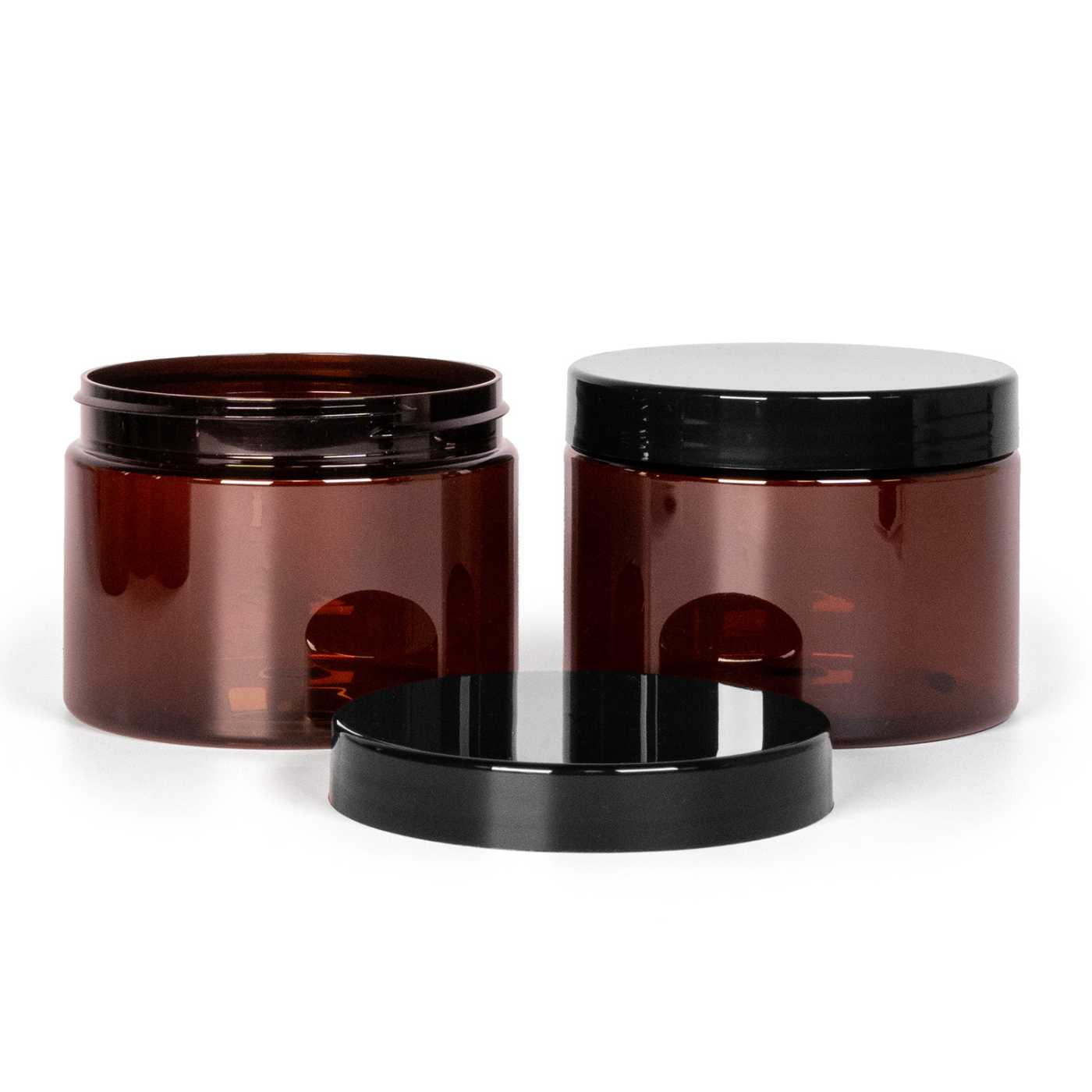
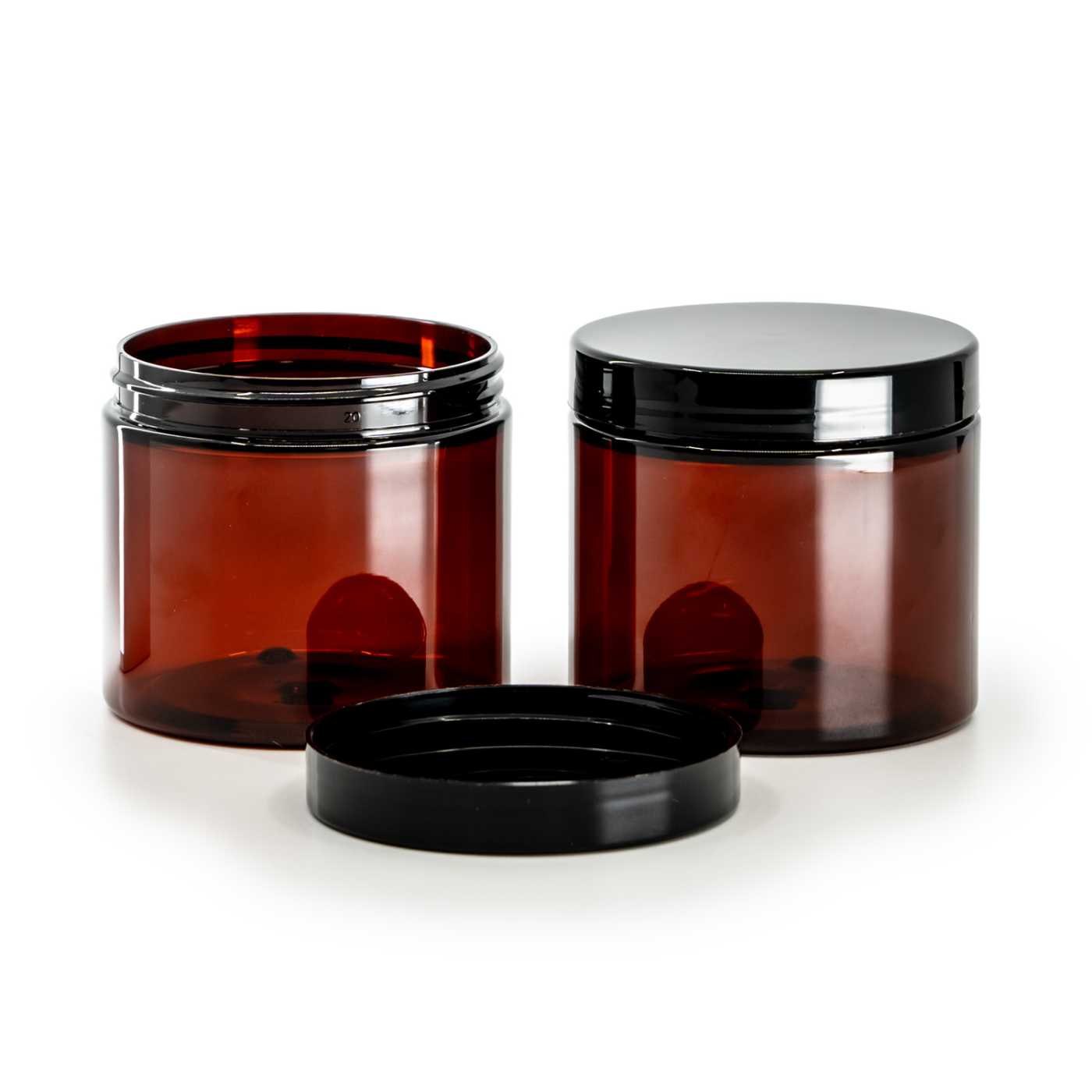
Amber Plastic Jar, Black Lid 200 ml
Pre-order€1.10

Candle fragrance oils
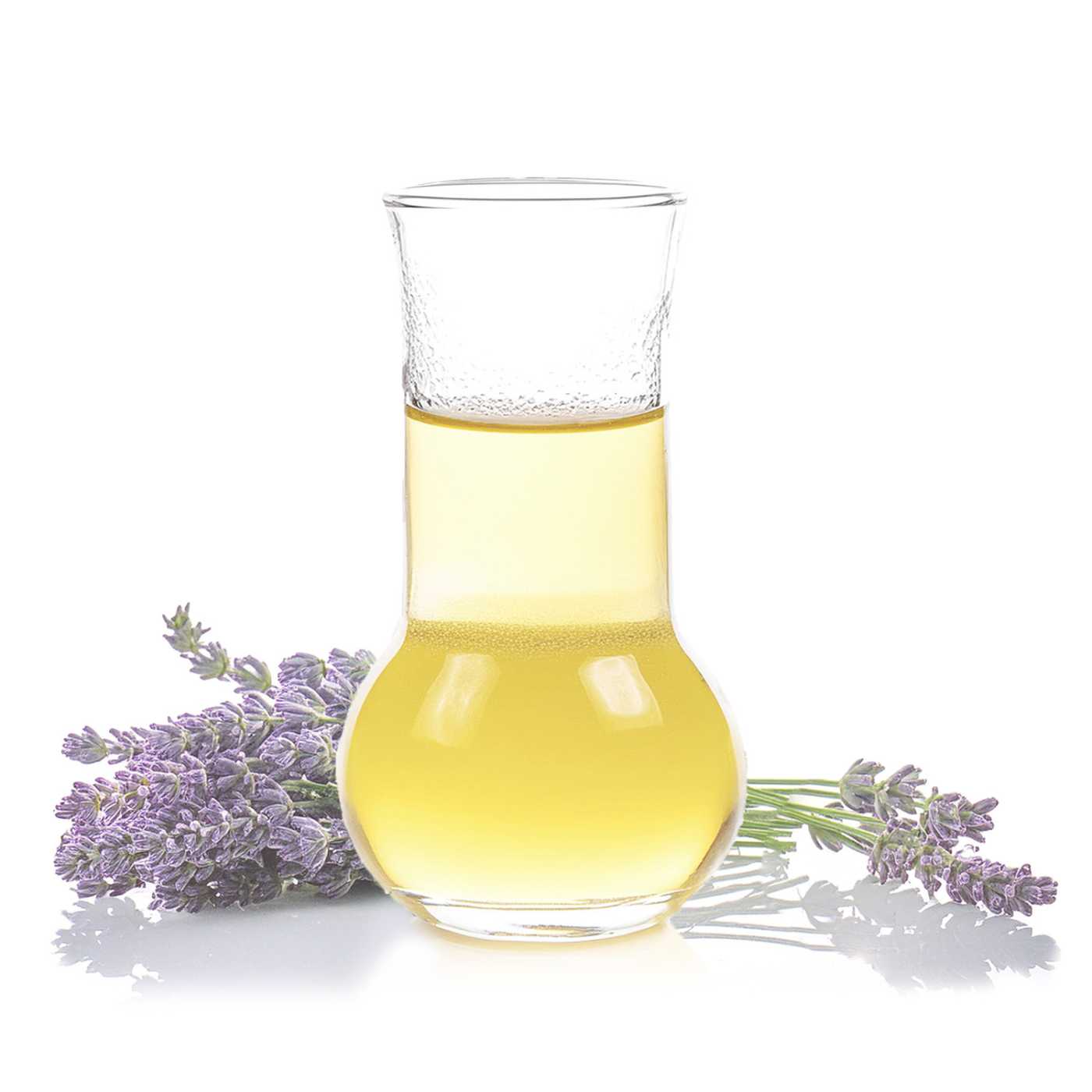
Narrow-leaved lavender essential oil (Lavandula Angustifolia Oil) is obtained by steam distillation of fresh and dried true lavender of European origin. full description
Lowest price in the last 30 days: €78.79
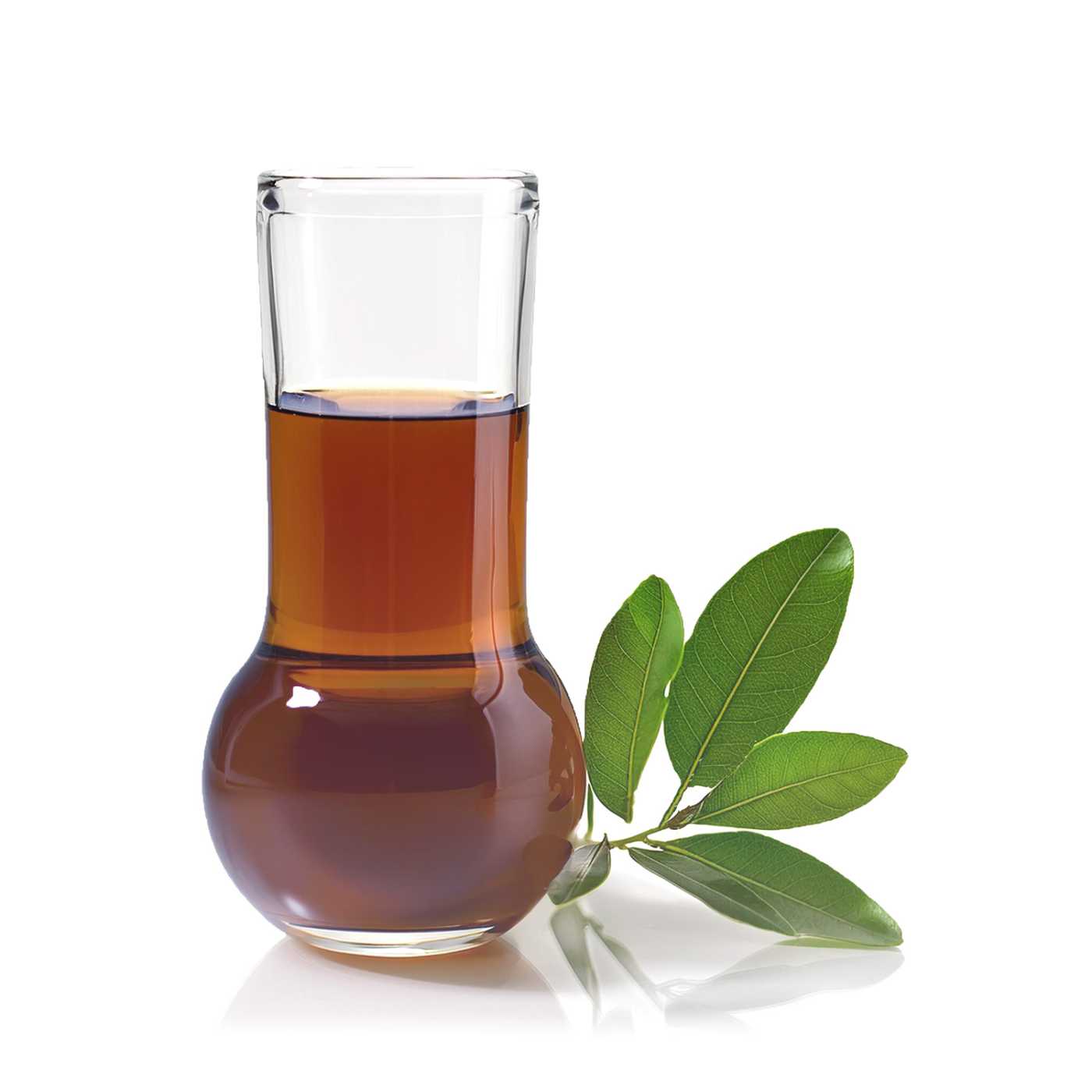
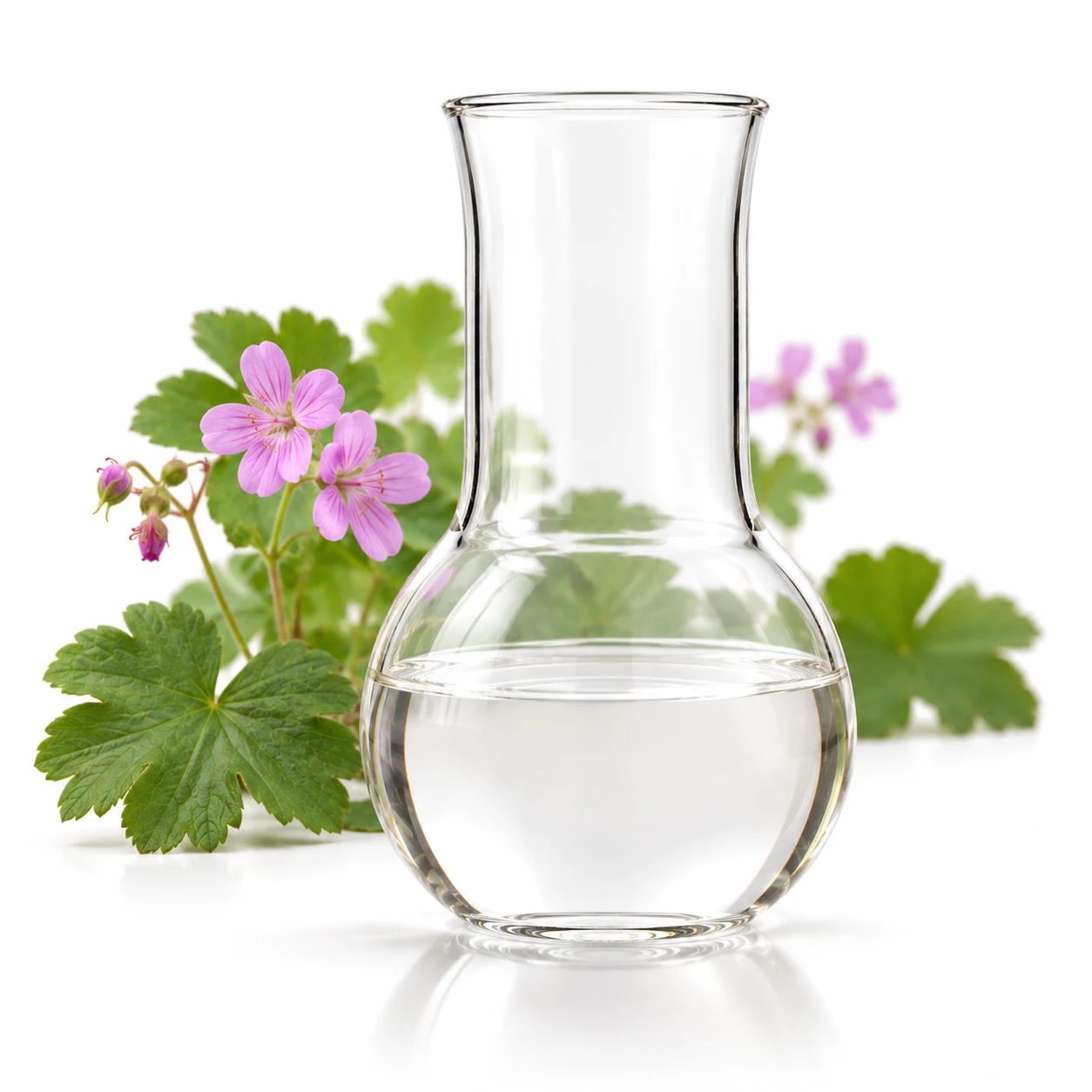
Narrow-leaved lavender essential oil (Lavandula Angustifolia Oil) is obtained by steam distillation of fresh and dried true lavender of European origin. It gives a product a soft floral and herbal fragrance and also works as an active ingredient: it helps soothe irritated skin and supports its cleansing. It is particularly suitable for products for oily, problem and acne-prone skin and for hair and scalp care.
It is handled like a standard essential oil. It is mixed directly into an oil or balm, added to a cream only after it has cooled, and can also be worked into a finished product afterwards.
Two different raw materials are sold under the name lavender oil. True lavender, that is narrow-leaved or English lavender, gives an oil with a soft, rounded floral fragrance. In cosmetics it is valued precisely for its soothing effect on the skin. Lavandin is a hybrid of narrow-leaved lavender and broad-leaved lavender. The plant yields considerably more oil, so it is cheaper. It smells sharper, with a camphor undertone, and is used mainly to scent soaps, laundry products and rooms.
When choosing, it is worth checking the INCI name. True lavender is labelled Lavandula Angustifolia Oil, lavandin Lavandula Hybrida Oil. Narrow-leaved lavender oil belongs in facial cosmetics, after-sun products and products for irritated skin.
The oil is soluble in oil and alcohol and does not dissolve in water. In anhydrous products, that is body oils, balms and butters, it is mixed in directly. In an emulsion it is added through the oil phase into the cooled mixture. In purely water-based products such as toners and sprays it can only be used with a suitable solubiliser; without it, it floats on the surface or makes the product cloudy.
It is added in the cooling phase below 40 °C, in formulations most often in the last step together with tocopherol and other active ingredients. At higher temperatures the volatile components evaporate and the fragrance changes.
There is no single universal usage rate. Formulations use 0.1–1%, most often around 0.3%. In facial creams and serums it tends to be kept within the range of 0.2–0.5%; in body oils, lotions and butters it can go higher, up to 1%. The upper limit for a specific product is always the IFRA limit for its category, for example category 1 is lip products, 9 is soaps and shampoos, and 12 is candles.
Before setting the usage rate, check the IFRA certificate in the Product documentation section. Limits differ between categories, so the same percentage may not be suitable in every type of product.
The main components of the oil, linalyl acetate and linalool, autoxidise in air to hydroperoxides. These are considerably stronger allergens than the fresh oil, so an old or frequently opened oil increases the risk of skin reactions.
Keep the bottle closed while working and weigh the oil quickly so that it is in contact with air for as short a time as possible. In a formulation, tocopherol is commonly added to it as an antioxidant.
The oil consists of 100% Lavandula Angustifolia Oil from steam distillation, without a carrier and without alcohol. The lavender comes from Bulgaria. The raw material is vegan, of cosmetic grade and readily biodegradable. The manufacturer holds a BRC certificate.
The raw material is subject to CLP and is labelled with the pictograms GHS07, GHS08 and GHS09. The concentrated oil is handled in a ventilated area with protective equipment, away from fire and hot surfaces. The flash point is 71 °C. The product is not classified as carcinogenic, mutagenic or toxic for reproduction.
The oil contains allergens, mainly linalool and limonene. When their content in the finished product exceeds the legal limit, they are listed in the ingredients on the label. The manufacturer of the finished product is responsible for its safety.
The oil is stable under normal conditions and does not react with water. Contact with strong acids, alkalis and oxidising agents is unsuitable.
In formulations it is most often combined with tocopherol, squalane, sunflower and jojoba oil, caprylic and capric acid triglycerides, allantoin and glycerine, and in emulsions with polyglyceryl emulsifiers. Typical results are soothing creams, serums, body oils and balms.

Variant: Esenciálny olej, levanduľa úzkolistá, kvetinová, 100 ml

Variant: Esenciálny olej, levanduľa úzkolistá, kvetinová, 100 ml