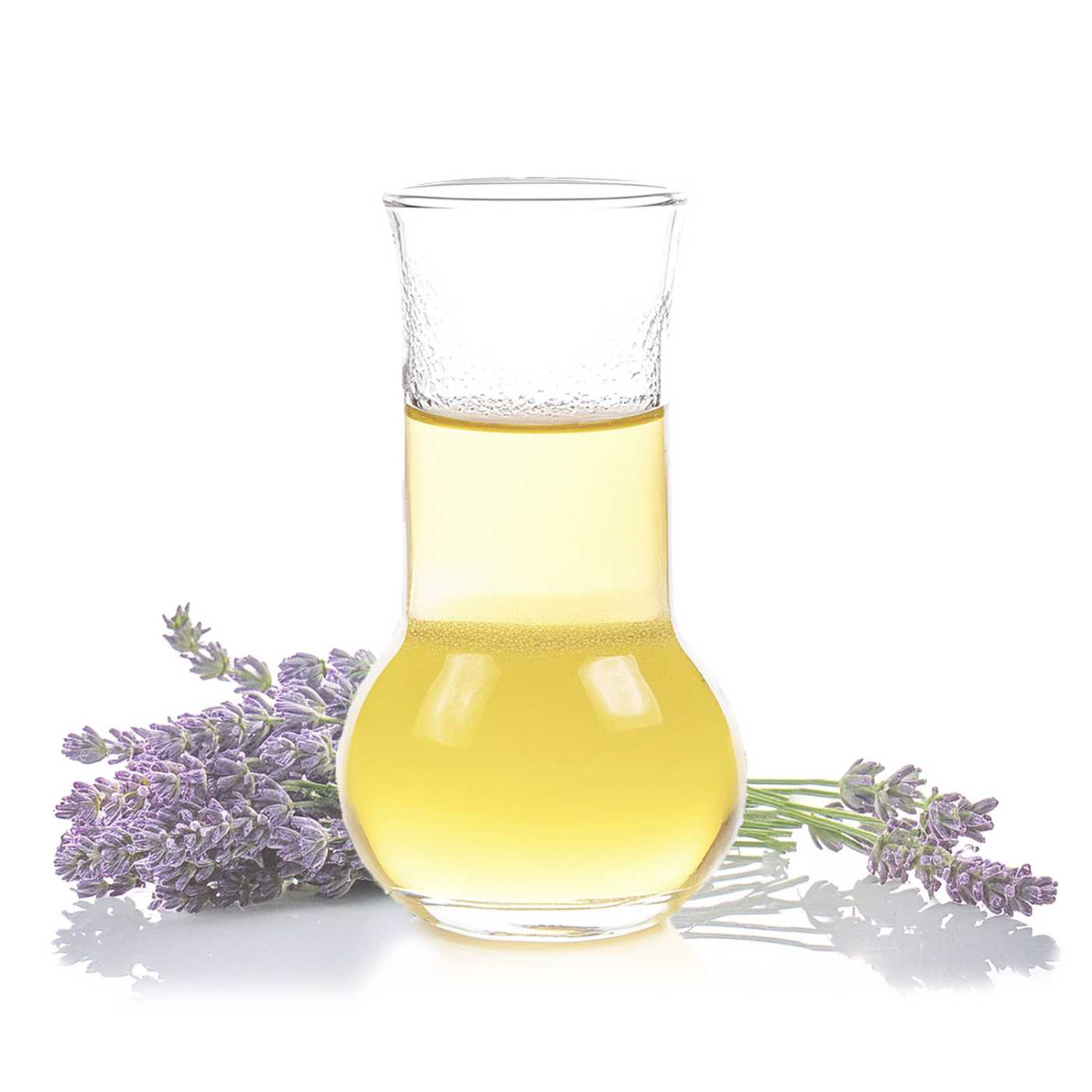
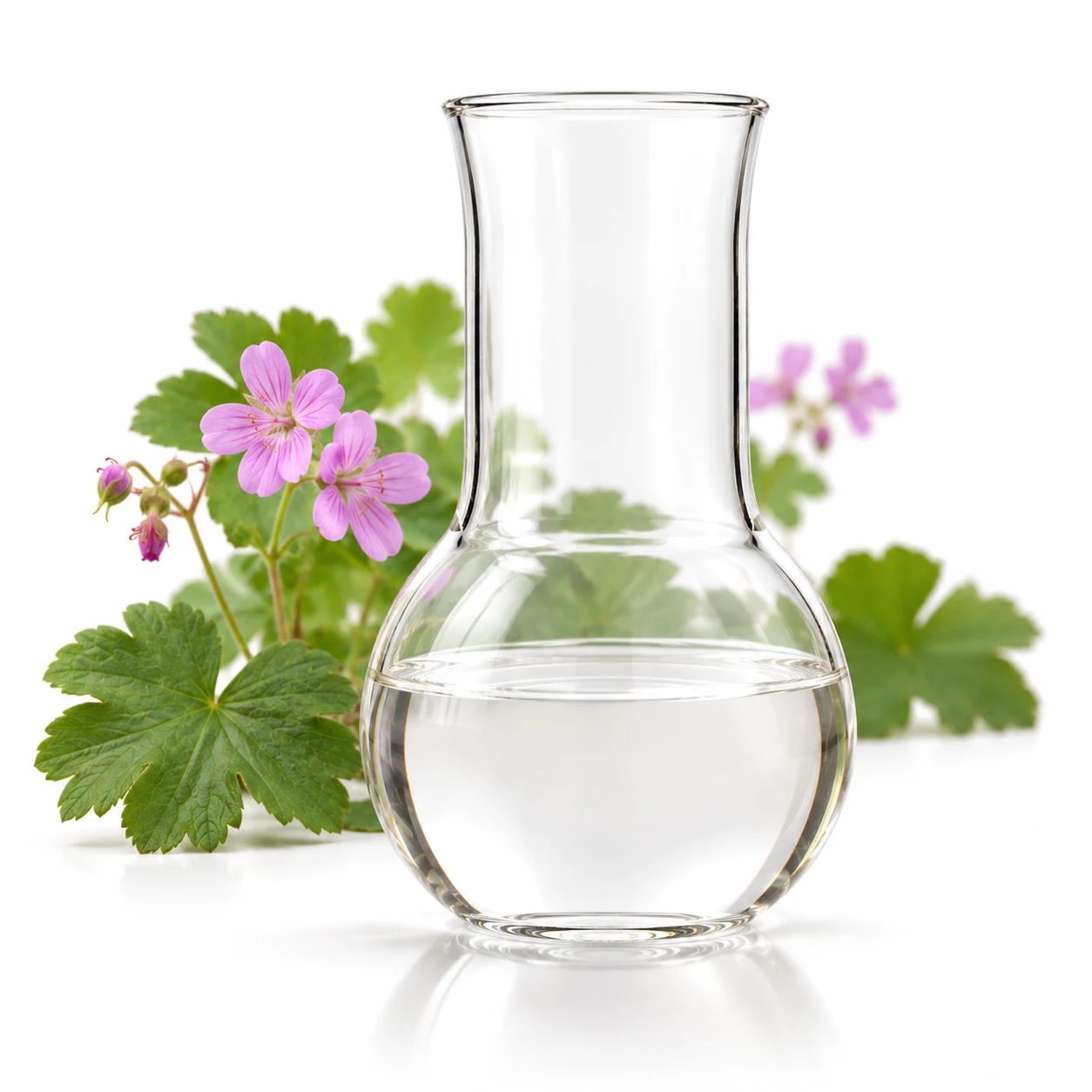
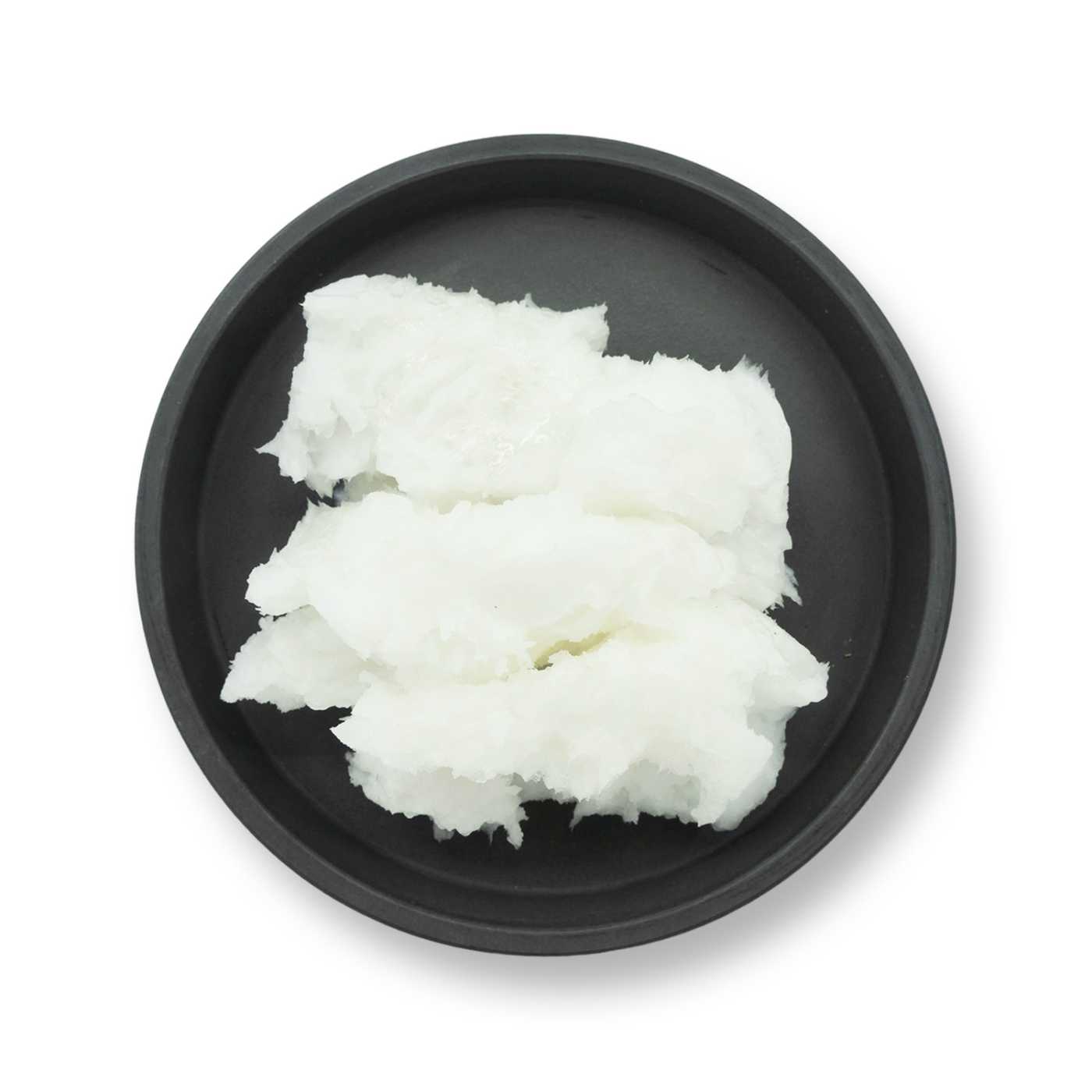
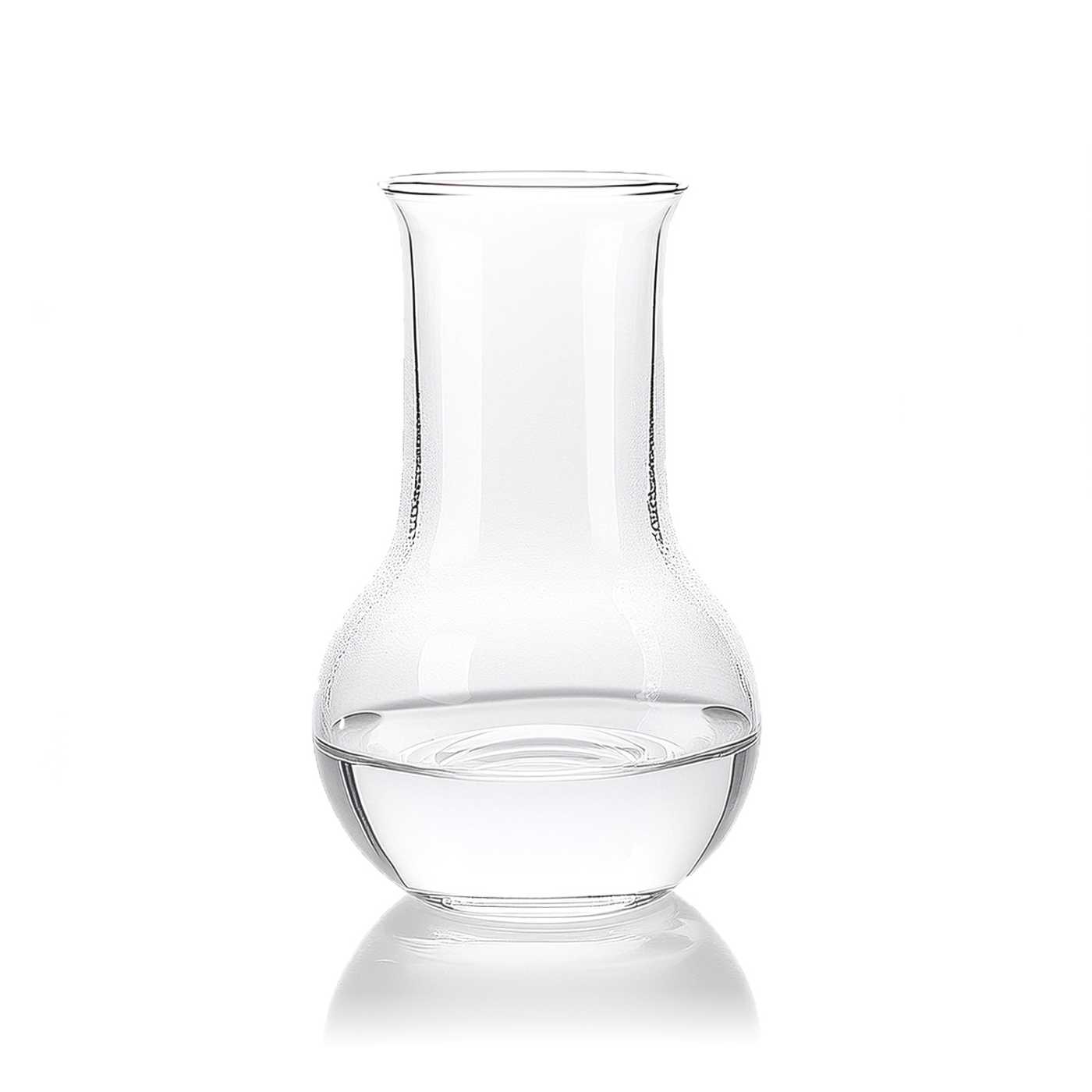
Lavender essential oil does two jobs in a formulation at once: it gives the product a floral fragrance with a herbal undertone and also acts as an active ingredient with a soothing, cooling and cleansing effect on the skin. It is obtained by steam distillation of true lavender (Lavandula angustifolia) of European origin, followed by filtration.
It is most useful in products for oily, problem and acne-prone skin, in hair and scalp care, and wherever a product should smell pleasant as well as perform its function. It is used in both leave-on and rinse-off products, from facial cleansers and body oils to shampoos.
Key benefits
- Soothing irritated skin – according to the manufacturer, it has an anti-inflammatory effect that helps reduce redness and discomfort. The manufacturer recommends it for products for irritated skin and after sun exposure.
- Antimicrobial effect – the manufacturer states that the oil helps keep the skin clean and acts against unwanted microbes. That is why it appears in formulations for acne-prone skin and in cleansing products.
- Cleansing – it supports the removal of impurities and excess sebum from the skin and hair. It is suitable for facial cleansers, shampoos and scalp products.
- Cooling and refreshing feel – it leaves a feeling of freshness on the skin, which is used in after-sun gels and toners or in summer body products.
- Fragrance – the manufacturer associates the scent of lavender with a feeling of relaxation and reduced tension, and also offers it for hair cosmetics as a soothing aromatic ingredient.
Use in formulations
The oil is soluble in oils and alcohol and does not dissolve in water. In anhydrous products (body and hair oils, balms, pomades) it is added directly; simply mix it well into the finished oil base. In emulsions it is incorporated only during the cooling phase, when the mixture is at a temperature below 40 °C. It can likewise be added afterwards to a finished unscented base, cream or shampoo.
In water-based products without an oil phase, for example toners or hair sprays, the oil must first be combined with a solubiliser and only then added to the water phase. Without a solubiliser it does not disperse in water and the product separates or turns cloudy.
There is no single universal usage rate. The manufacturer does not state a recommended range, and the maximum amount in the finished product is determined by the IFRA limit for the given category; for example, category 1 applies to lip products, 5B to face creams and toners, and 9 to shampoos and rinse-off cleansing products. You can find the limits for all categories in the IFRA certificate in the Product documentation section.
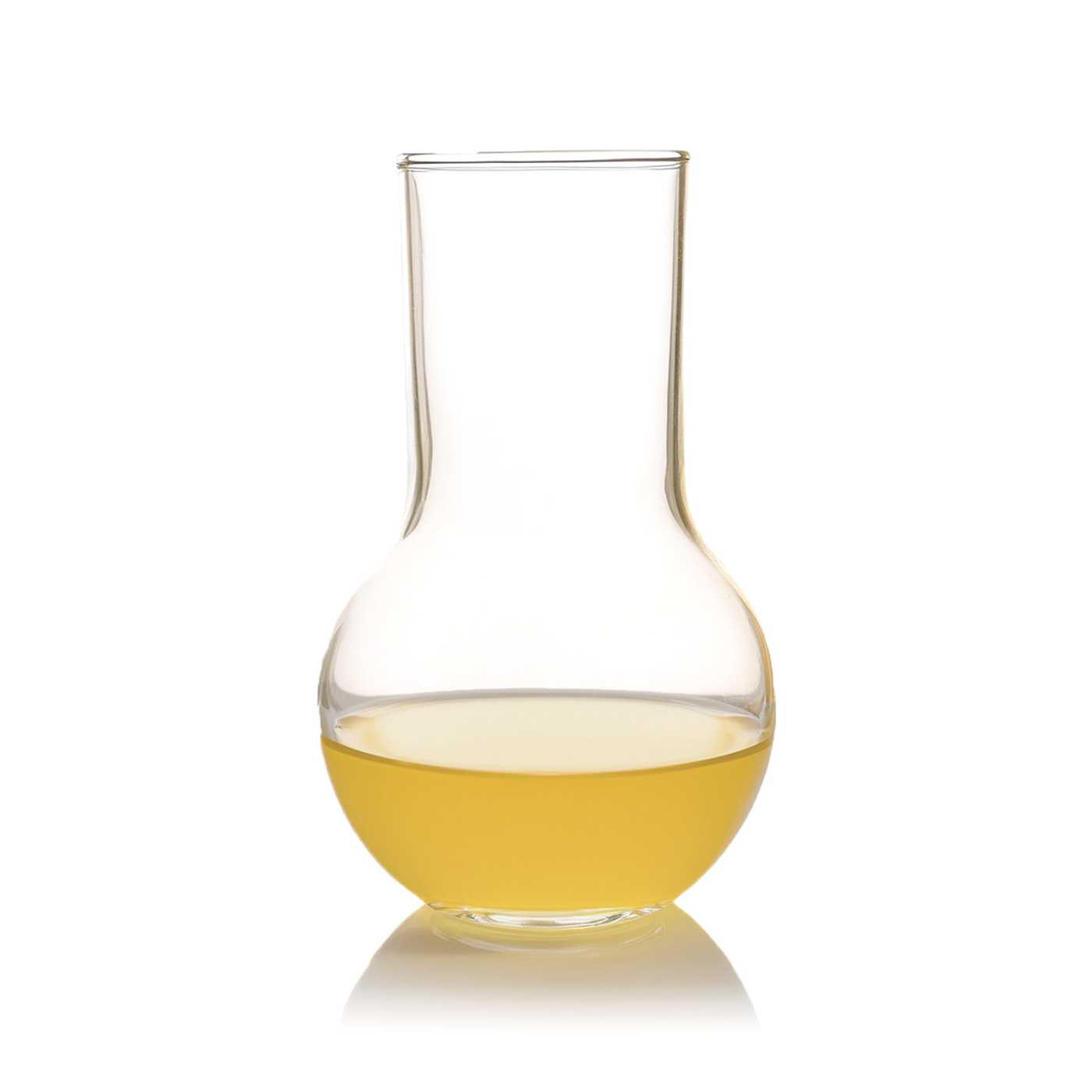
The oil is colourless to pale yellow. The final shade of the product depends on the usage rate and the other ingredients.
Suitable for products such as
- Facial cleansing gels and foams – a rinse-off product for oily and acne-prone skin, where both the cleansing and antimicrobial effects are useful.
- Facial toners and moisturising creams – for skin prone to irritation, with the usage rate set according to IFRA category 5B.
- Body oils, lotions and creams – as a fragrance and soothing ingredient, or in after-sun products for a cooling feel.
- Hand creams and cuticle products – IFRA category 5C.
- Shampoos and rinse-off conditioners – fragrance and cleansing effect, added to the finished base without heating.
- Hair oils, serums, gels and pomades – the manufacturer lists them among the recommended applications, as well as scalp products.
- Perfume compositions and solid perfumes – IFRA category 4.
- Candles – IFRA category 12 has its own limit in the certificate.
Good to know
The substance is classified under Regulation (EC) No 1272/2008 (CLP) and contains hazardous substances. The packaging carries the pictograms GHS07, GHS08 and GHS09. Detailed information on classification and safe handling is in the safety data sheet in the product documentation. The product is not classified as carcinogenic, mutagenic or toxic for reproduction (CMR).
Handle the undiluted oil with care. A dropper and precise scales are useful when measuring smaller amounts. As with any essential oil, we recommend testing the finished product on a small area of skin before wider use.
The oil is cosmetic and food grade, is vegan, and the manufacturer holds a BRC certificate. It contains no alcohol or preservatives. It comes from Bulgaria.
Frequently asked questions
Is lavender essential oil soluble in water?
No, lavender essential oil (Lavandula angustifolia) does not dissolve in water; it dissolves in oils and alcohol. For toners, facial waters and sprays it is therefore added only after being combined with a solubiliser, which disperses it in the water-based environment. In emulsions this step is not necessary; the oil is mixed into the finished cream during cooling.
How much lavender essential oil can I add to a cream or oil?
The maximum amount is determined by the IFRA limit for the product category; the manufacturer does not state a recommended range. A different limit applies to a lip balm, a face cream, a shampoo or a candle. The limits for all categories are in the IFRA certificate in the Product documentation section; set the usage rate for your specific type of product according to it.
At what temperature is lavender essential oil added to an emulsion?
Lavender essential oil is added during the cooling phase, when the emulsion is at a temperature below 40 °C. It is not added to the heated oil phase. After it is added, the mixture is stirred once more so that the oil disperses evenly. The same procedure applies when adding it afterwards to a finished base.
Is lavender essential oil suitable for oily and acne-prone skin?
Yes, lavender essential oil (Lavandula angustifolia) is recommended precisely for oily, problem and acne-prone skin. The manufacturer attributes a cleansing and antimicrobial effect to it, as well as soothing of irritated skin. It is used in cleansing gels, toners and creams, always in an amount according to the IFRA limit for the given type of product.
Can lavender essential oil be used in candles?
Yes, candles fall under IFRA category 12, and lavender essential oil has a limit set for it in the certificate. The maximum amount in the finished candle is governed by this limit. We recommend checking the behaviour of the fragrance during burning and its intensity in your specific wax with your own test, as it varies depending on the type of wax and the size of the candle.