Spend over €100 for discounted shipping!

+421 950 333 113[email protected]

SALTS

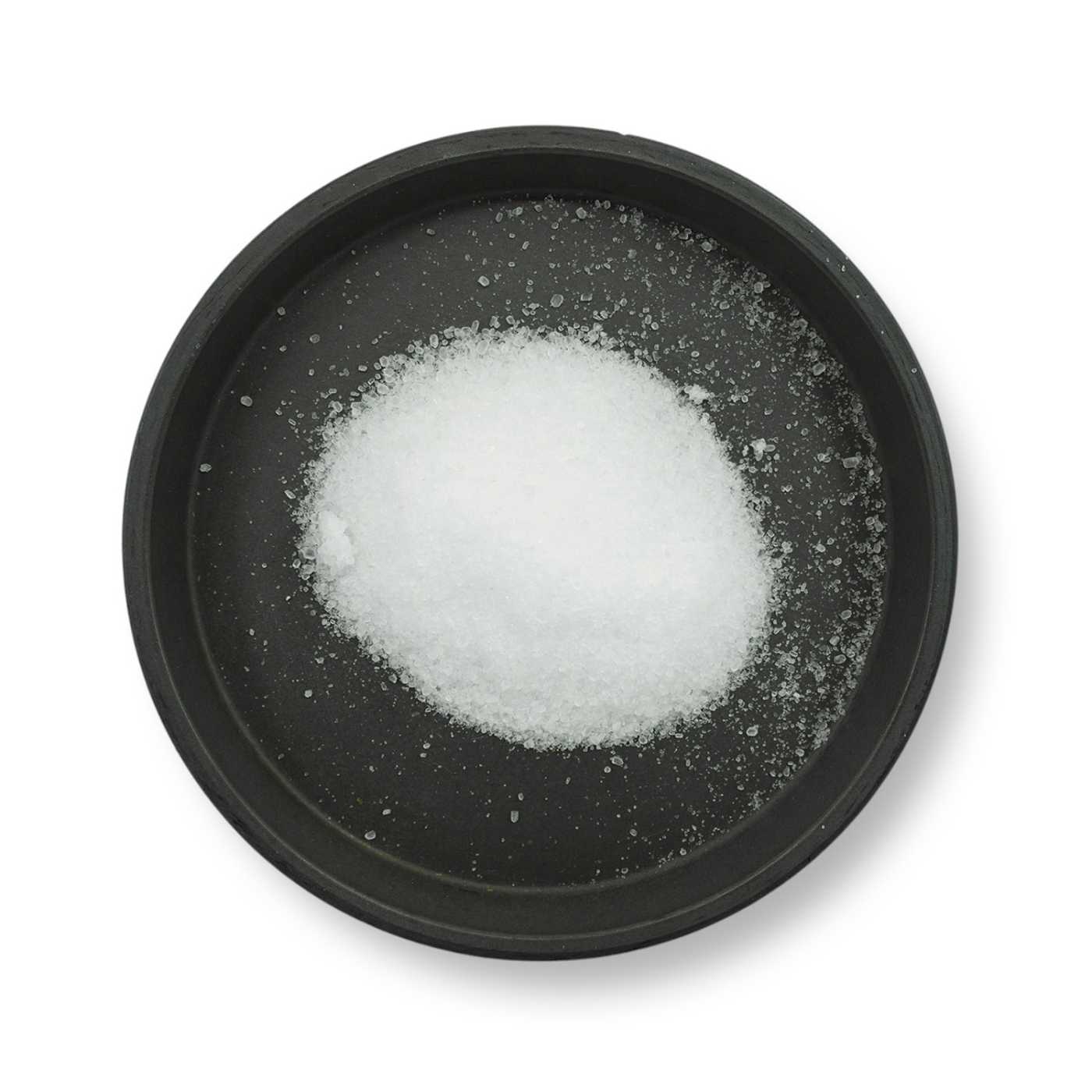
Epsom Salt, Magnesium Sulfate, 1 kg

Pack size1 kg5 kg25 kg

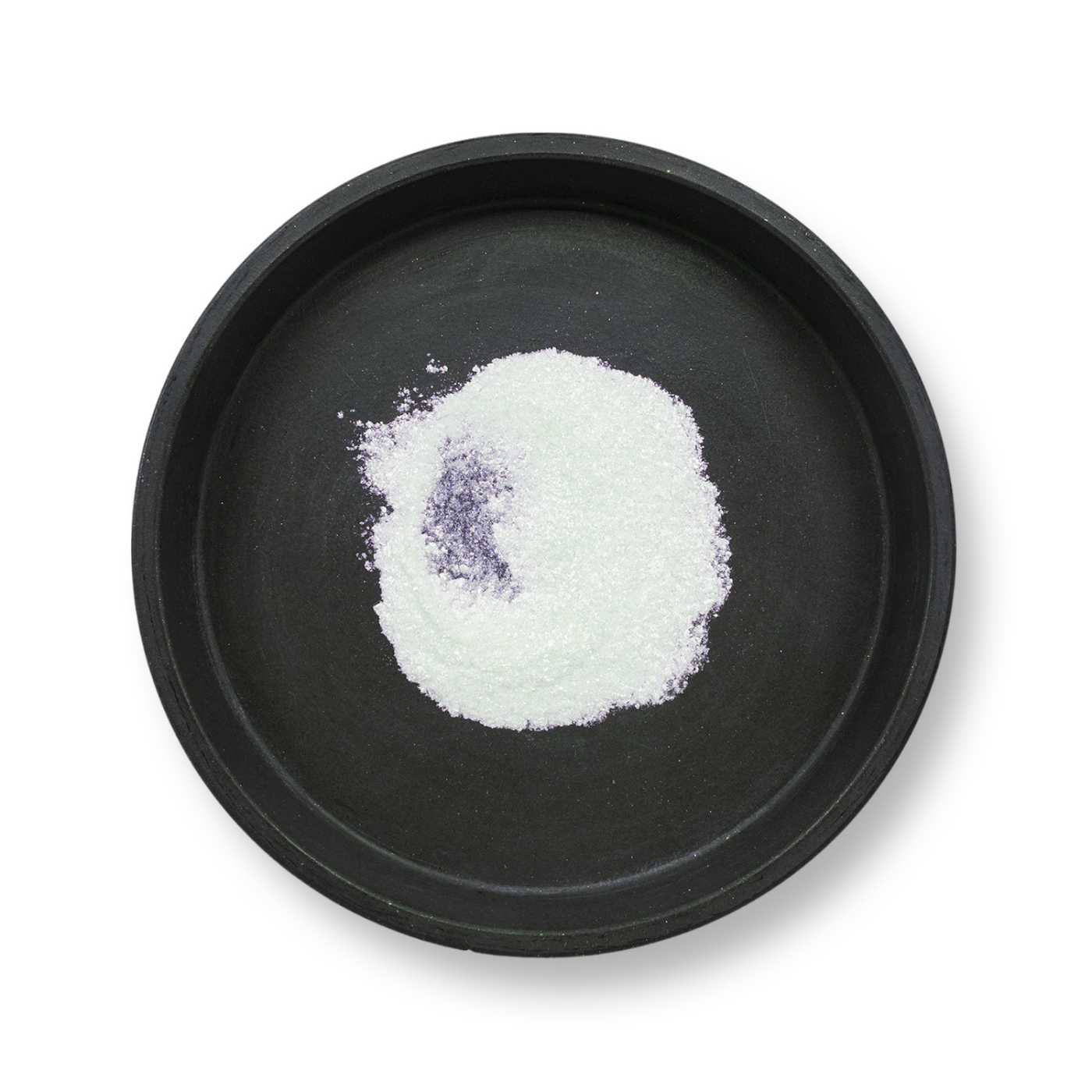
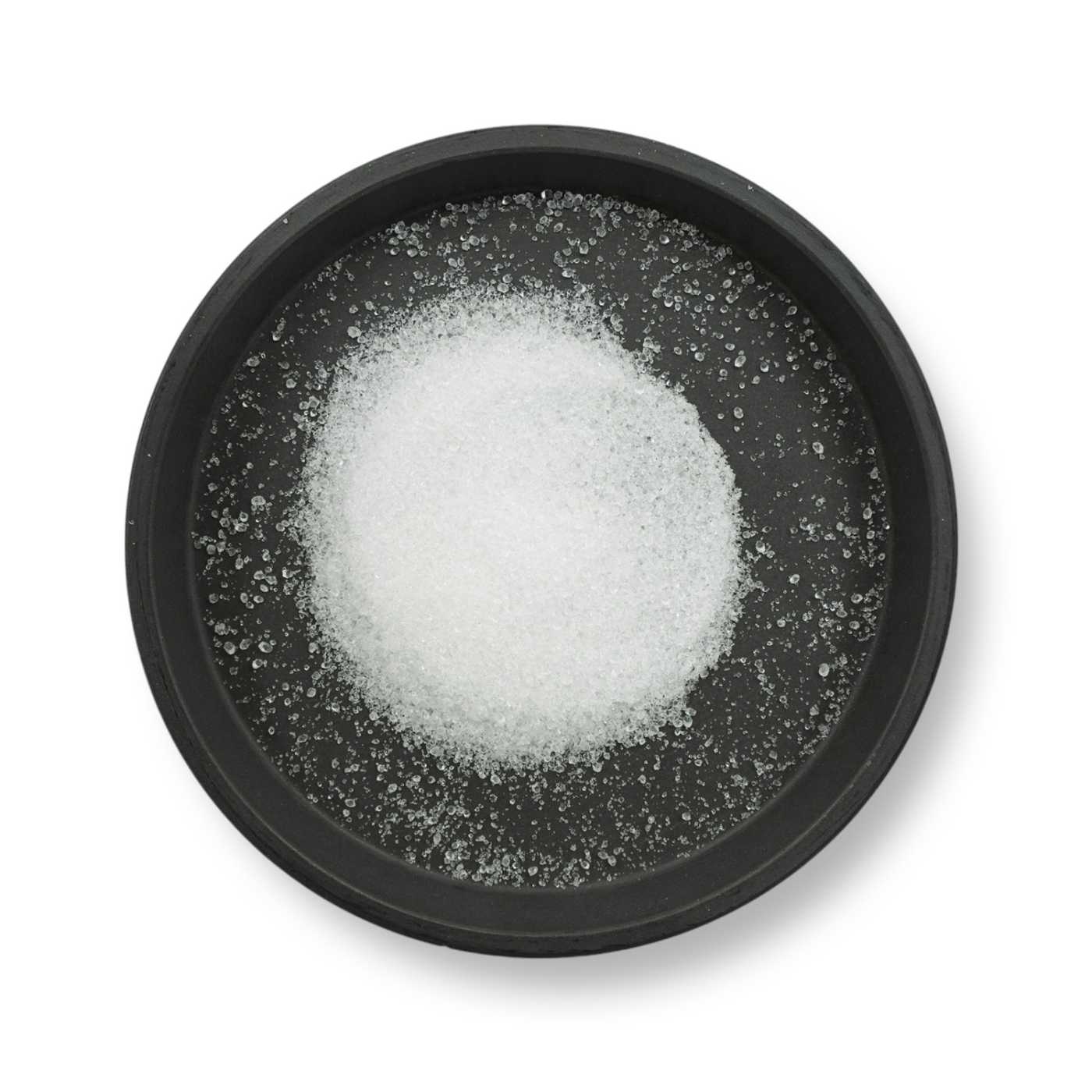
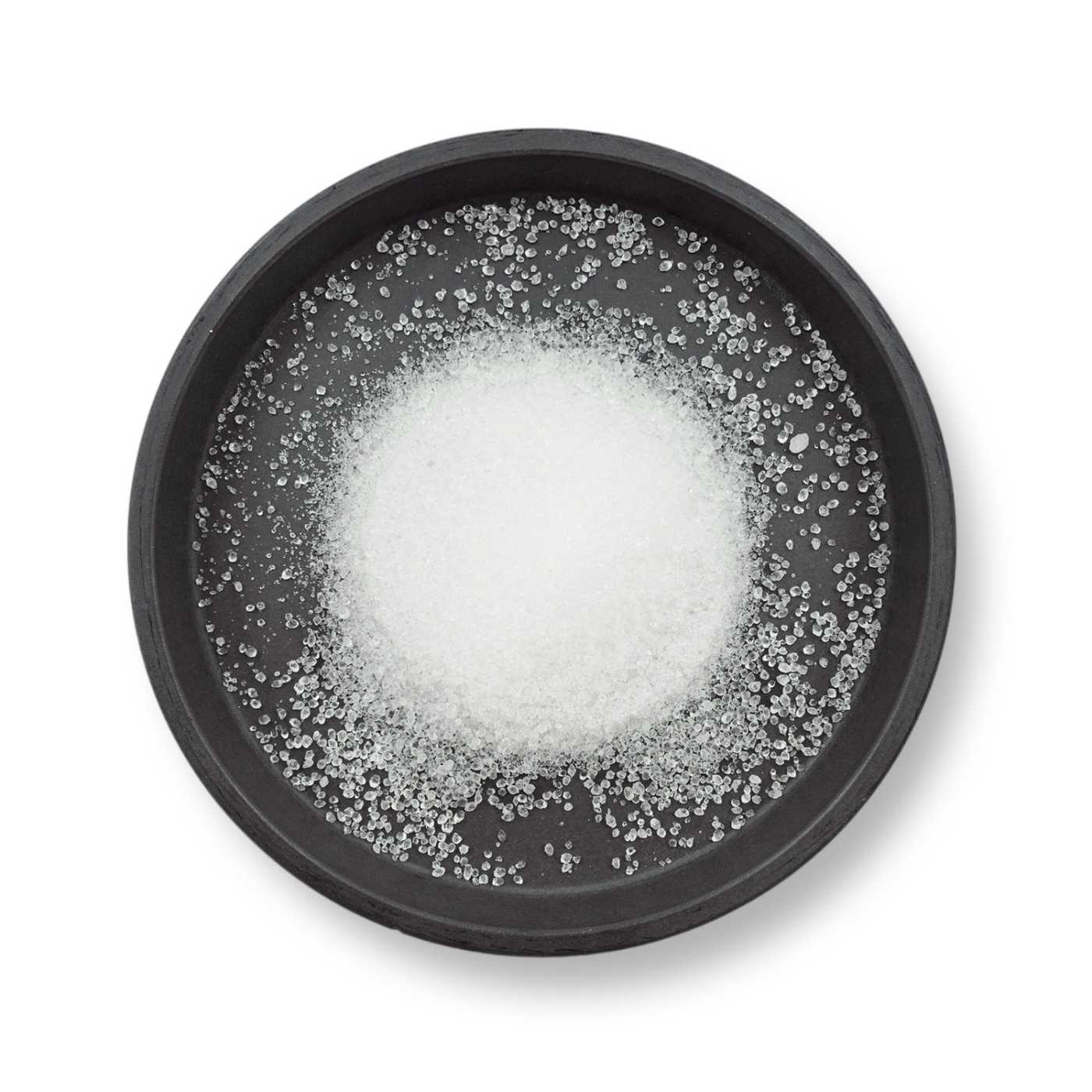
Epsom salt is magnesium sulphate in chemically pure cosmetic quality from European production. full description

AvailabilityIn stock · 742 packs
Product codeSOL100_1
Batch1125001464
Best before08/2030
€4.19incl. VAT€4.19/kg

Lowest price in the last 30 days: €4.19

Product description

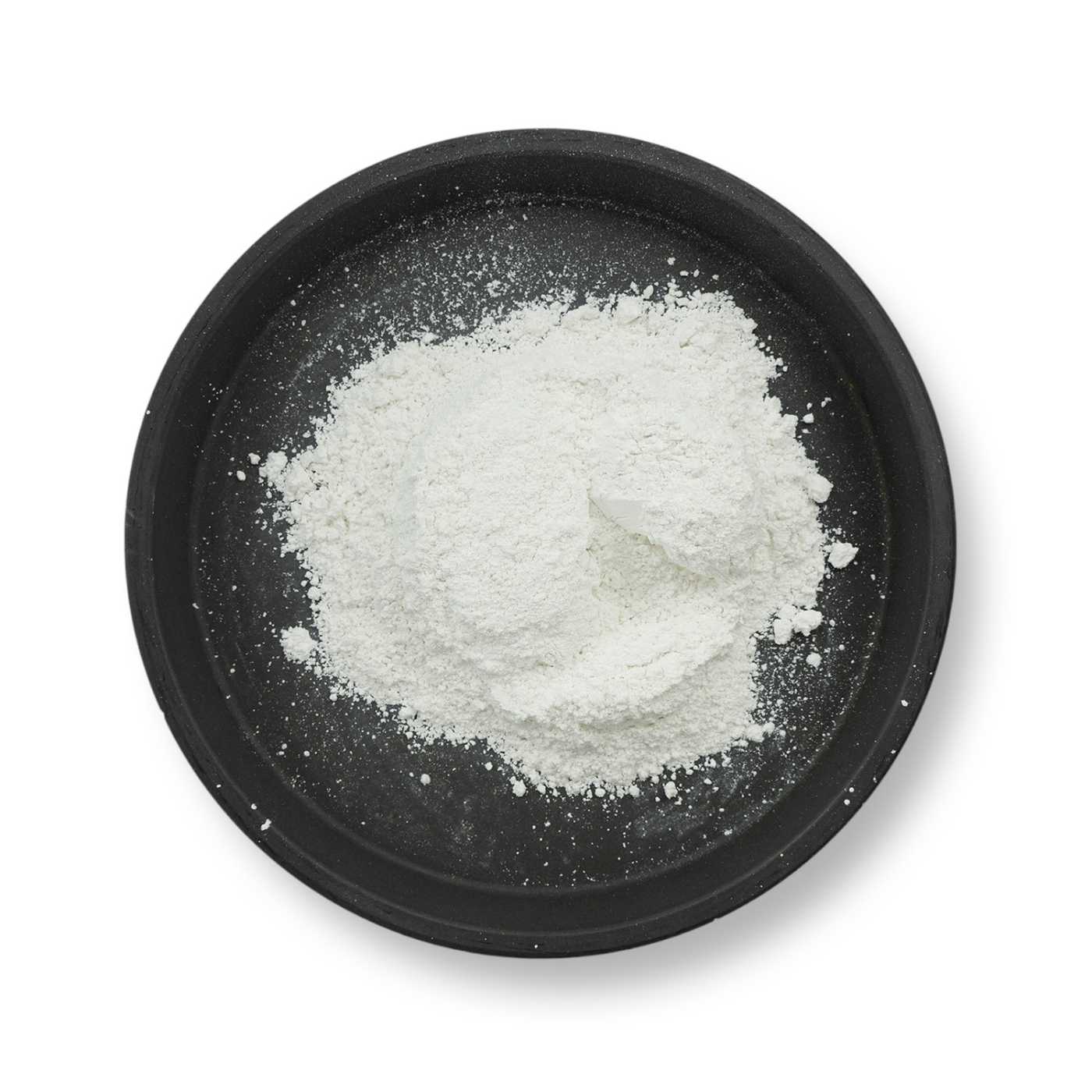
Epsom salt is magnesium sulphate in chemically pure cosmetic quality from European production. It is a key raw material for bath salts, bath bombs and salt scrubs and in formulations it serves as the active ingredient of the water phase. It is most commonly used in a relaxing bath, where it dissolves in water and gives it a mineral character.

Unlike sea or table salt, this is not sodium chloride but a magnesium salt. After bathing it therefore leaves no feeling of a salty film on the skin. It is fragrance-free, free of perfume allergens, preservatives and ingredients of animal origin, making it a neutral base that anyone can customise according to their own recipe.


Key benefits

  • A bath with tradition – magnesium sulphate has been used in baths for a long time. A warm bath with dissolved salt is perceived as pleasant and relaxing, which is why it forms the basis of most relaxing bath blends.
  • Does not burden the skin – after rinsing it leaves no film or stickiness. Suitable for the whole body, hands and feet, for example in a foot bath.
  • Neutral raw material – no colour, no fragrance and no added substances. It does not alter the scent or shade of the finished product and allows essential oils, herbs or colourants to stand out.
  • Readily soluble in water – it dissolves faster in warm water, so no undissolved granules remain in the bath.
  • Mineral origin – no GMO, no nanomaterials and no microplastics, which makes it easy to include in clean formulations.

Use in formulation

Epsom salt is used in dry form or dissolved in water. In bath salts it is simply mixed with other salts, dried herbs and the chosen fragrance. Essential or fragrance oils are recommended to be first blended with a small amount of salt, or with a solubiliser, so that they disperse evenly throughout the mixture.

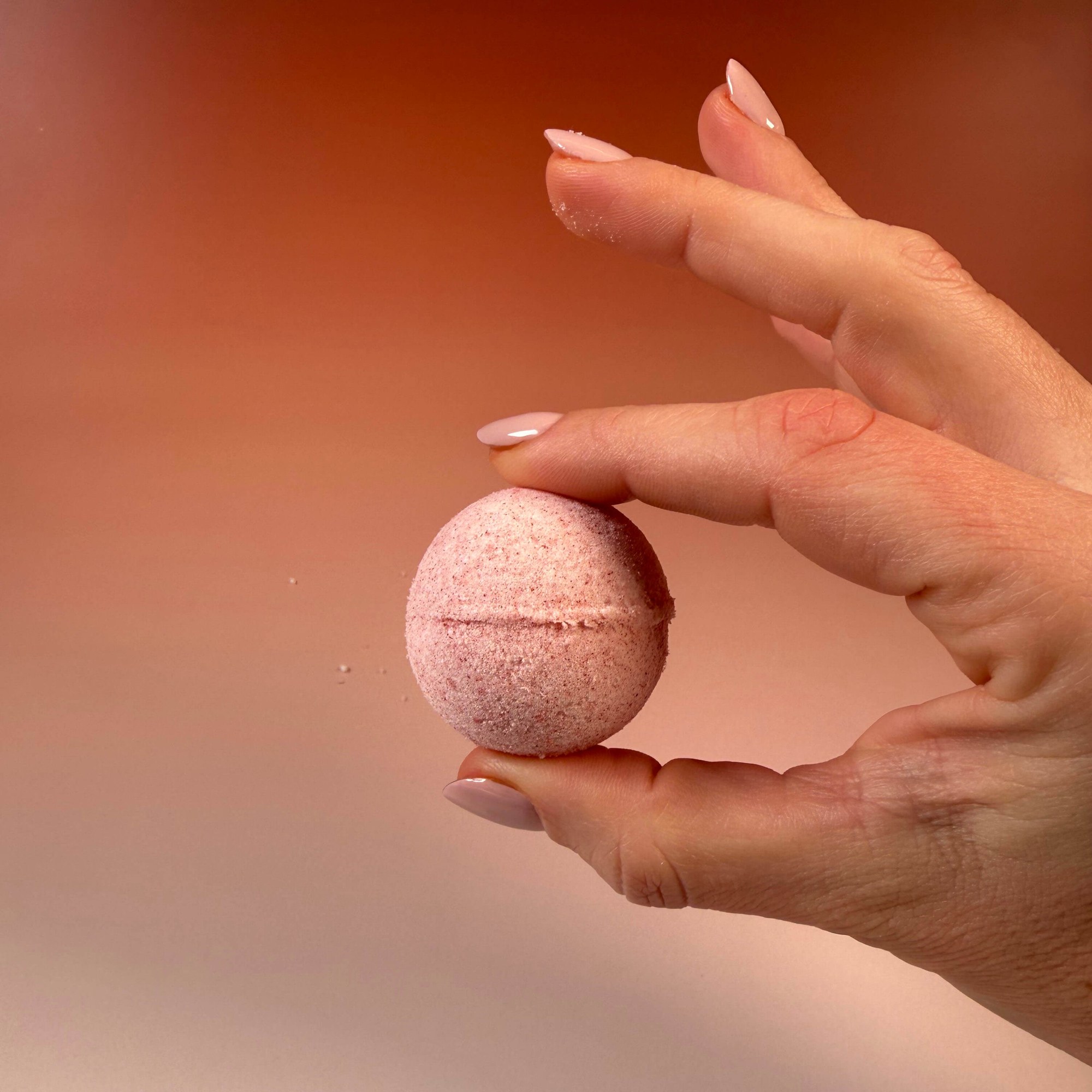
In bath bombs it forms part of the dry phase alongside sodium bicarbonate and citric acid. As a guideline it is added at a proportion of up to approximately 20 % of the mixture. At higher amounts the mass compacts less well and the bomb may be more fragile. Finely milled salt binds better than coarse crystals.

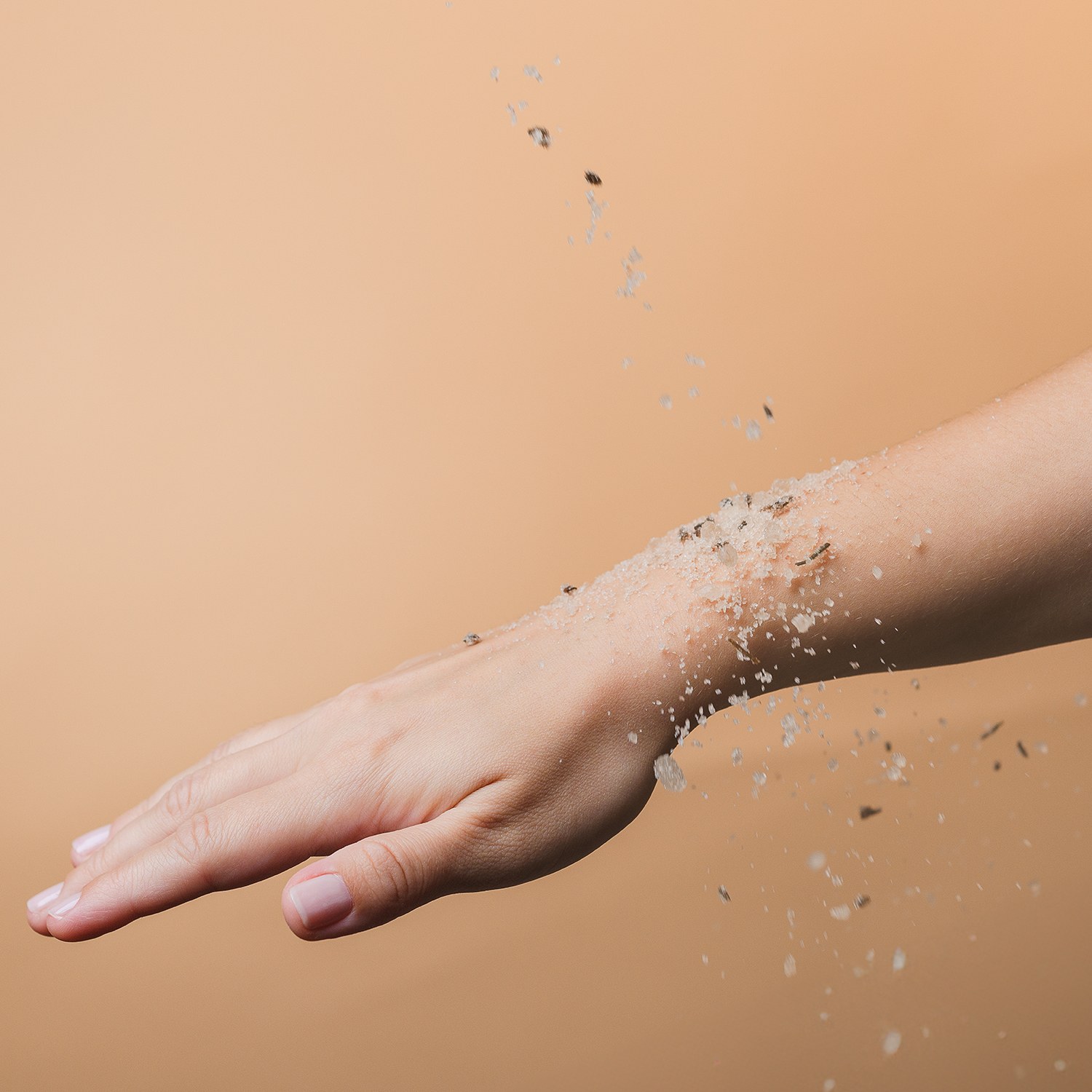
In oil-based salt scrubs it serves as the abrasive component. Since salt is water-soluble, the scrub must be anhydrous and protected against water entering the packaging. Otherwise the crystals will gradually dissolve and the product will lose its scrubbing effect.

As a guideline, 100 – 500 g of salt per full bath of warm water is used for a relaxing bath. Lower doses are suitable for a foot bath, higher ones for a more intensive full-body bath. Allow the salt to dissolve completely in the water.

In aqueous and emulsion systems it is important to consider that magnesium sulphate is an electrolyte. In W/O emulsions it is sometimes used at a low dose to improve stability. Conversely, in gel systems thickened with electrolyte-sensitive polymers (such as carbomers) it will cause a drop in viscosity. Compatibility should always be verified in the finished formulation.


Suitable for products such as

  • Bath salts – on their own or blended with sea or Himalayan salt, herbs and essential oils.
  • Bath bombs and effervescent bath tablets – as part of the dry blend for mineral content.
  • Foot baths – dissolved in warm water as a base for a home pedicure.
  • Body salt scrubs – in anhydrous oil-based scrubs as the abrasive component.
  • Shower salts and powdered bath milks – in combination with dried milk, clays or plant powders.

What is good to know

Magnesium sulphate in this form contains water of crystallisation and also readily absorbs moisture from the air. In an open container or in a humid environment it clumps together; the lumps can be crushed or sieved before use. In bath bombs the moisture content of the salt is particularly important because excess water in the mixture can trigger the effervescent reaction before use.

When heated, the salt releases its water of crystallisation and changes structure, so it is added to blends cold, without heat treatment. If a solution is needed, it is prepared by dissolving in water at room temperature or slightly warm temperature.

When colouring bath salts, water-soluble dyes are applied to dry crystals in a small amount of liquid and the mixture is then left to dry. Otherwise the salt will absorb moisture and clump together.

The product is intended for rinse-off use – baths, scrubs and shower preparations. It is not intended for leave-on preparations.


Frequently asked questions

Is Epsom salt the same as sea salt?
No, Epsom salt is magnesium sulphate, whereas sea and table salt are predominantly sodium chloride. They behave differently in the bath: magnesium salt leaves no feeling of a salty film on the skin after rinsing and has no salty taste or smell. In bath blends both salts are often combined because each brings a different mineral content and a different crystal texture.
How much Epsom salt is used in a bath?
As a guideline, 100 – 500 g of salt per full bath of warm water is used; for a foot bath a few tablespoons in a smaller volume of water is sufficient. The salt is added to the running water and left to dissolve completely. The exact amount depends on the volume of the bath and the desired intensity – it is a matter of personal preference, not a fixed prescription.
Can Epsom salt be used in bath bombs?
Yes, Epsom salt is a common ingredient in bath bombs and is added to the dry blend together with sodium bicarbonate and citric acid. The guideline proportion is up to approximately 20 % of the mixture weight; at higher amounts the mass binds less well and the bomb may crumble. It is important to use dry, non-dampened salt so that excess moisture does not trigger effervescence prematurely.
Is Epsom salt suitable for an oil-based scrub?
Yes, in an anhydrous oil-based scrub Epsom salt serves as the abrasive component that gradually dissolves on the skin during massaging. The condition is that no water must enter the product, as the crystals are water-soluble and would dissolve over time in a damp container. The scrub should therefore be stored in a well-sealed container away from shower water.
Why has Epsom salt clumped together and can it still be used?
The clumps form because magnesium sulphate absorbs moisture from the air. The salt remains usable – it is enough to crush or sieve the lumps. For bath salt this is not a problem as it will dissolve in water anyway. In bath bombs, however, dampened salt poses a risk of premature effervescence, so only dry salt is used in them.

Parameters

INCI
Magnesium Sulfate Heptahydrate
CAS No.
10034-99-8
EC number
231-298-2
Product color
White
Country of origin
Germany
Formulation phase
Water phase
Function in formulation
Active ingredient
Application type
Rinse-off
Application area
BodyHandsFeet
Solubility
Water-soluble
Biodegradability
Not applicable
Natural Index (NI ISO 16128)
1,00
Natural Origin Index (NOI ISO 16128)
1,00

Product documentation

TDSTechnical Data Sheet
Physical parameters and processingPDF ↓
MSDSSafety Data Sheet
Available for purchased products —
Download all (ZIP)

1 PDF files in one archive

Learn how to work with it

From our blog
Marianna H.13 Oct 2026SK

Verified purchase

Variant: Epsomská soľ, síran horečnatý, chemicky čistá 1 kg

Nóra S.17 Sept 2026HU

Verified purchase

Variant: Epsomská soľ, síran horečnatý, chemicky čistá 1 kg