Spend over €100 for discounted shipping!

+421 950 333 113[email protected]

Cold pressed oils 500 ml

Coconut Oil, Virgin, Cold Pressed, Organic, 400 g

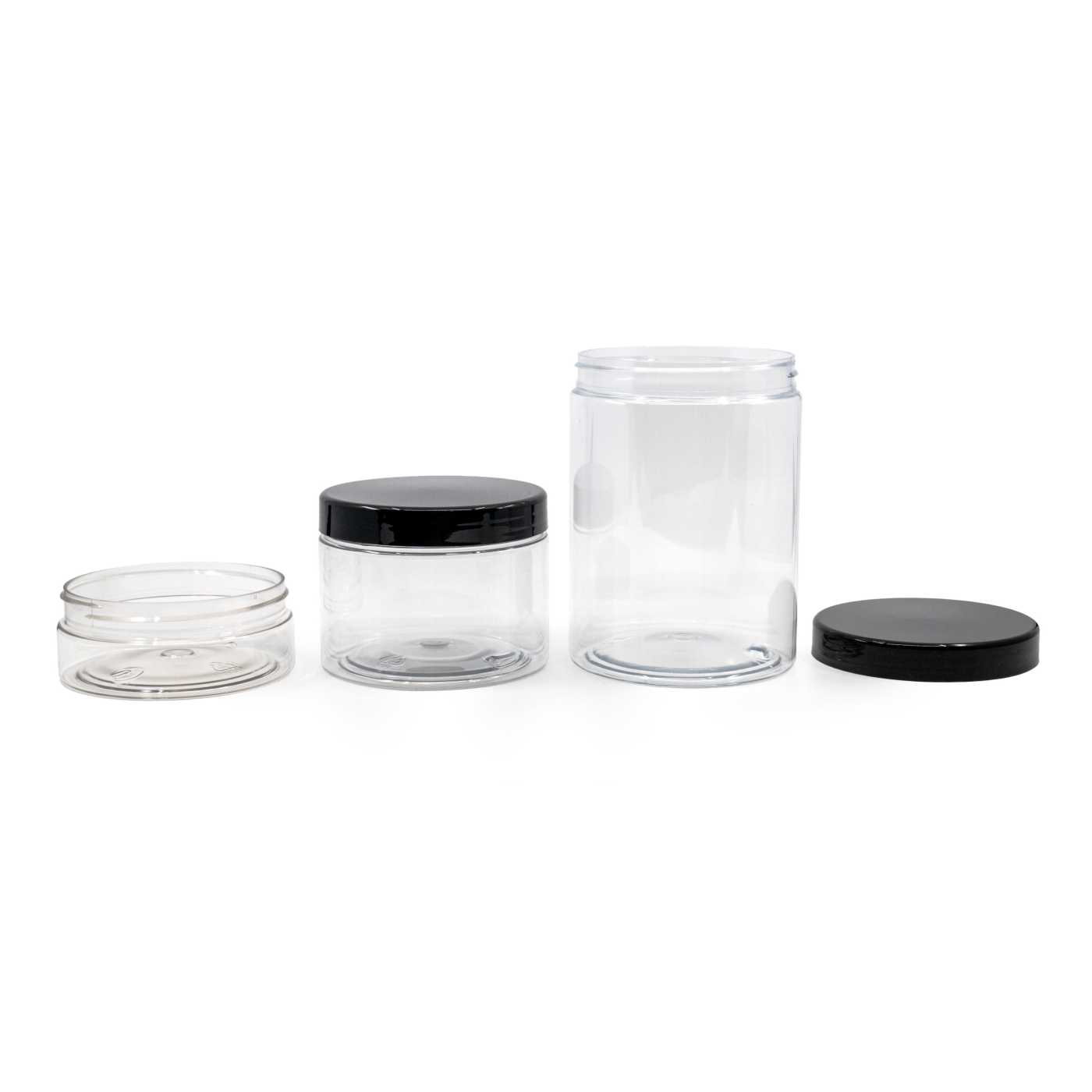
Pack size400 g800 g5 kg

Virgin coconut oil cold-pressed to organic quality is one of the basic vegetable fats used in making balms, body butters, soaps and hair care products. full description

AvailabilityIn stock · 33 packs
Product codeOL353_400
Batch22751
Best before02/2029
€8.99incl. VAT€22.48/kg

Lowest price in the last 30 days: €8.99

Product description

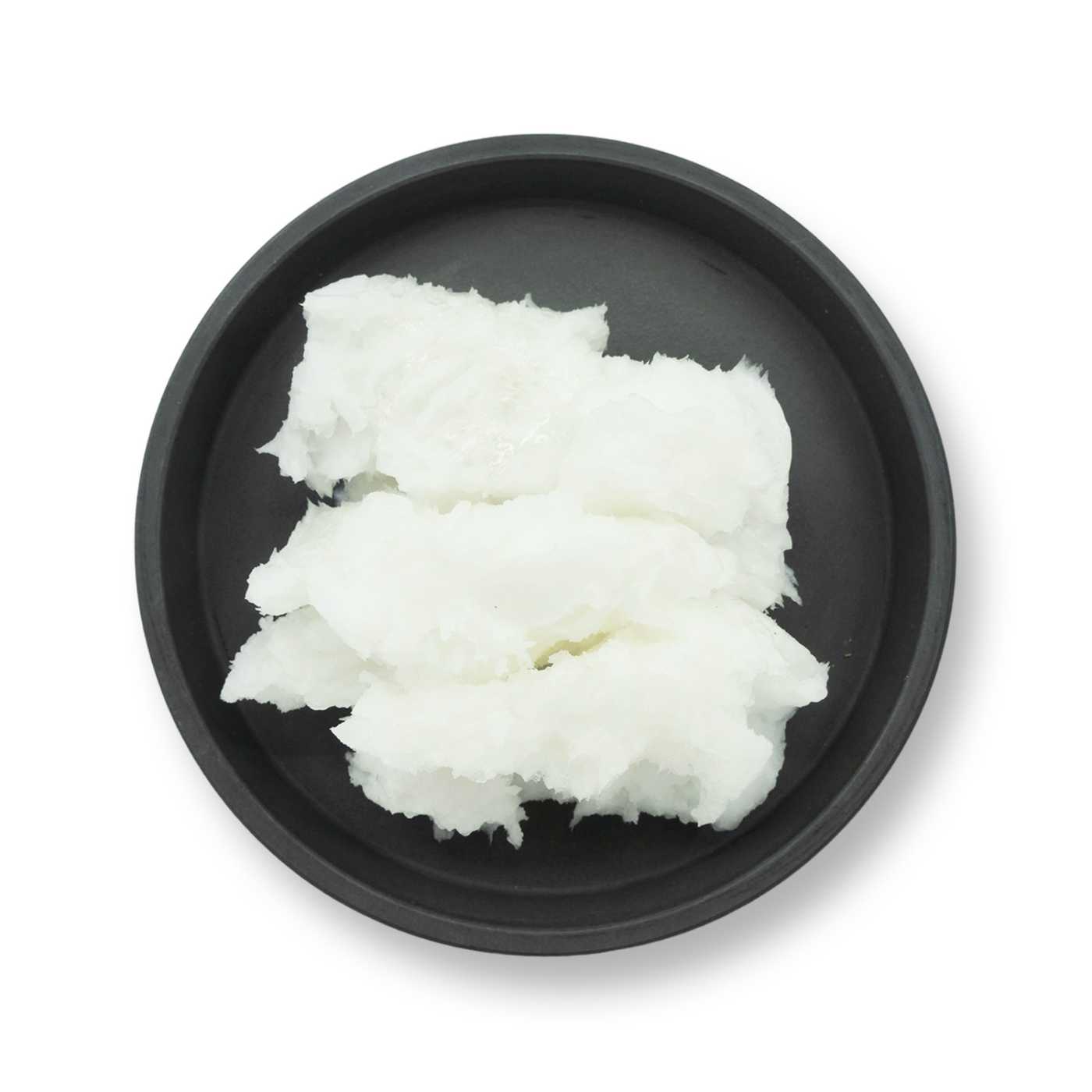
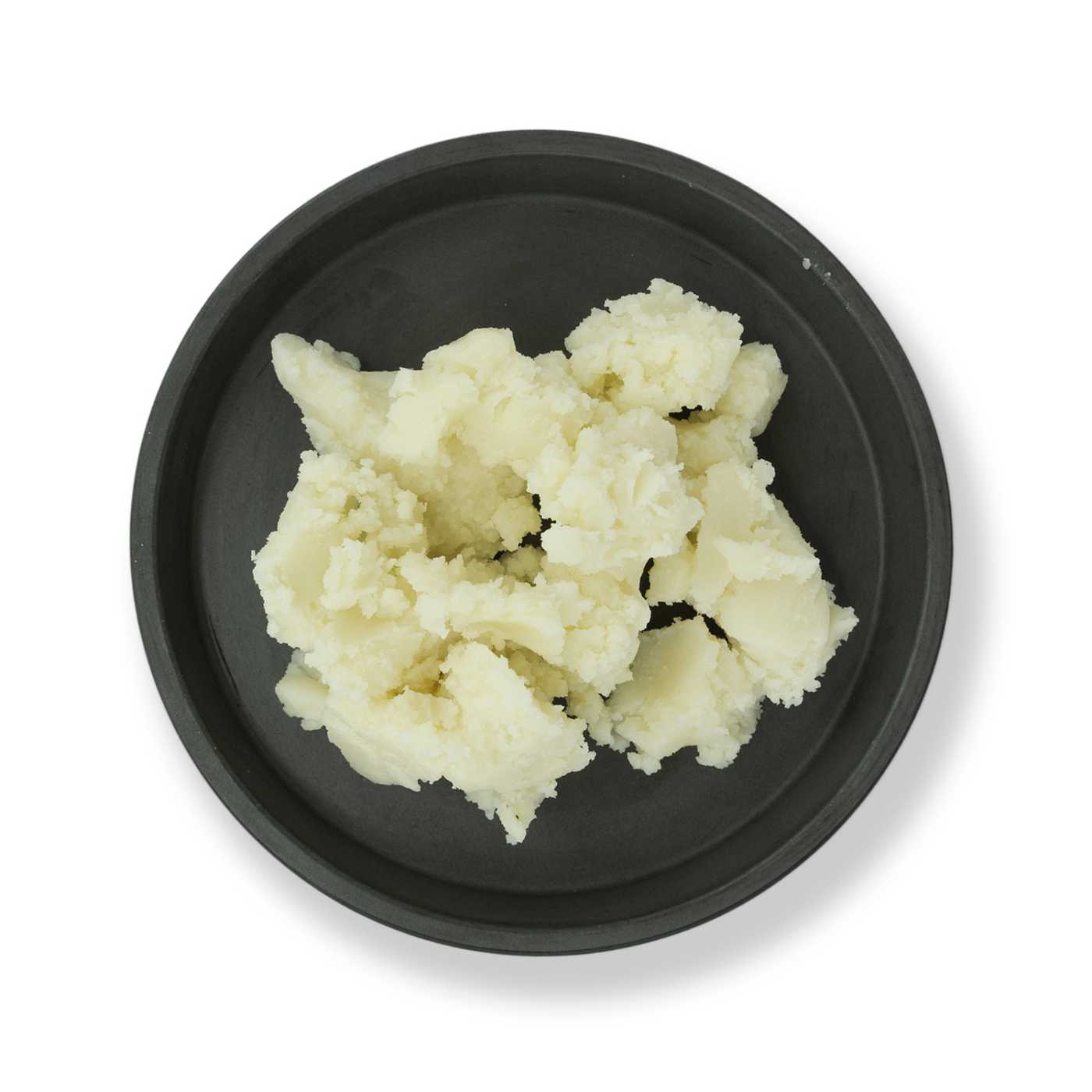
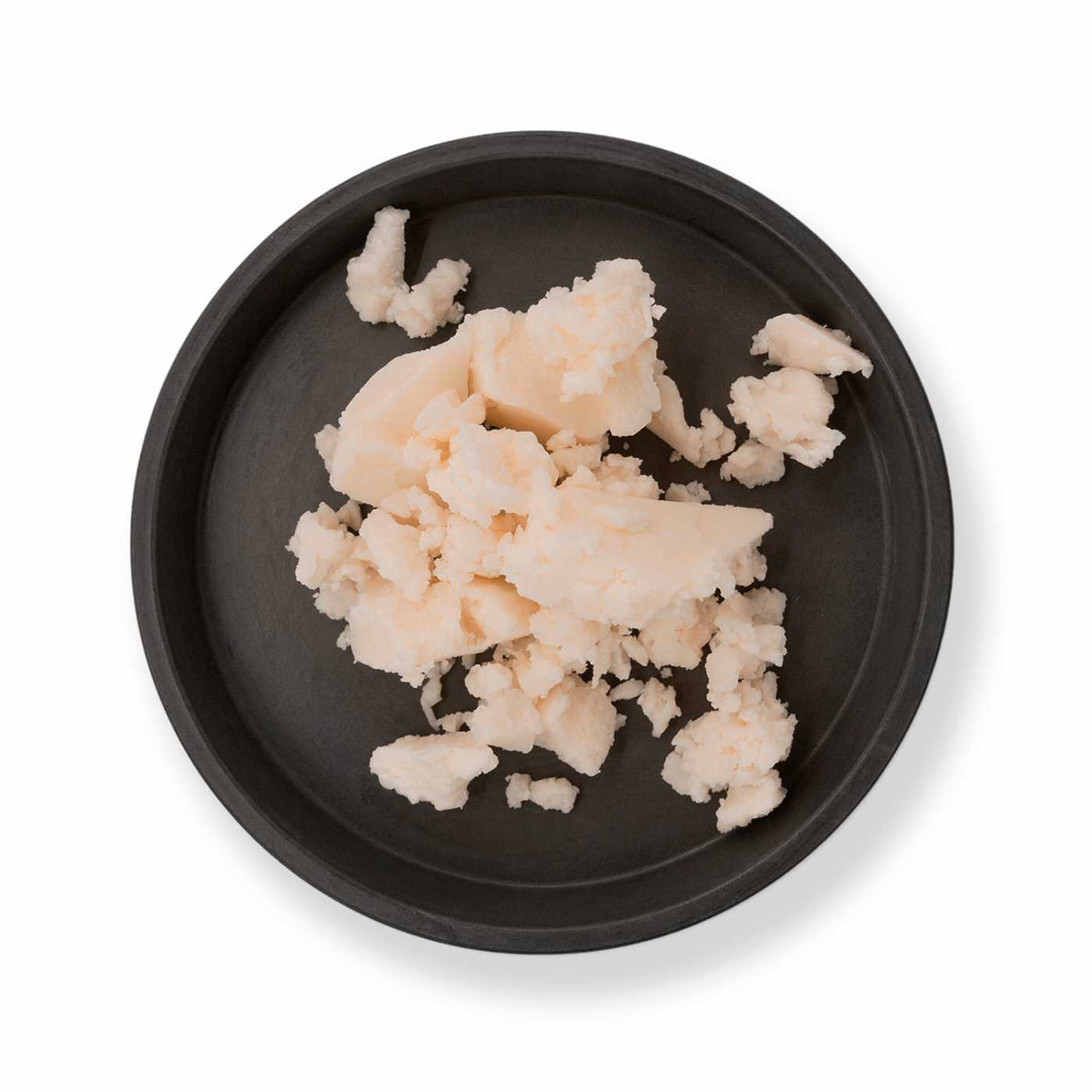
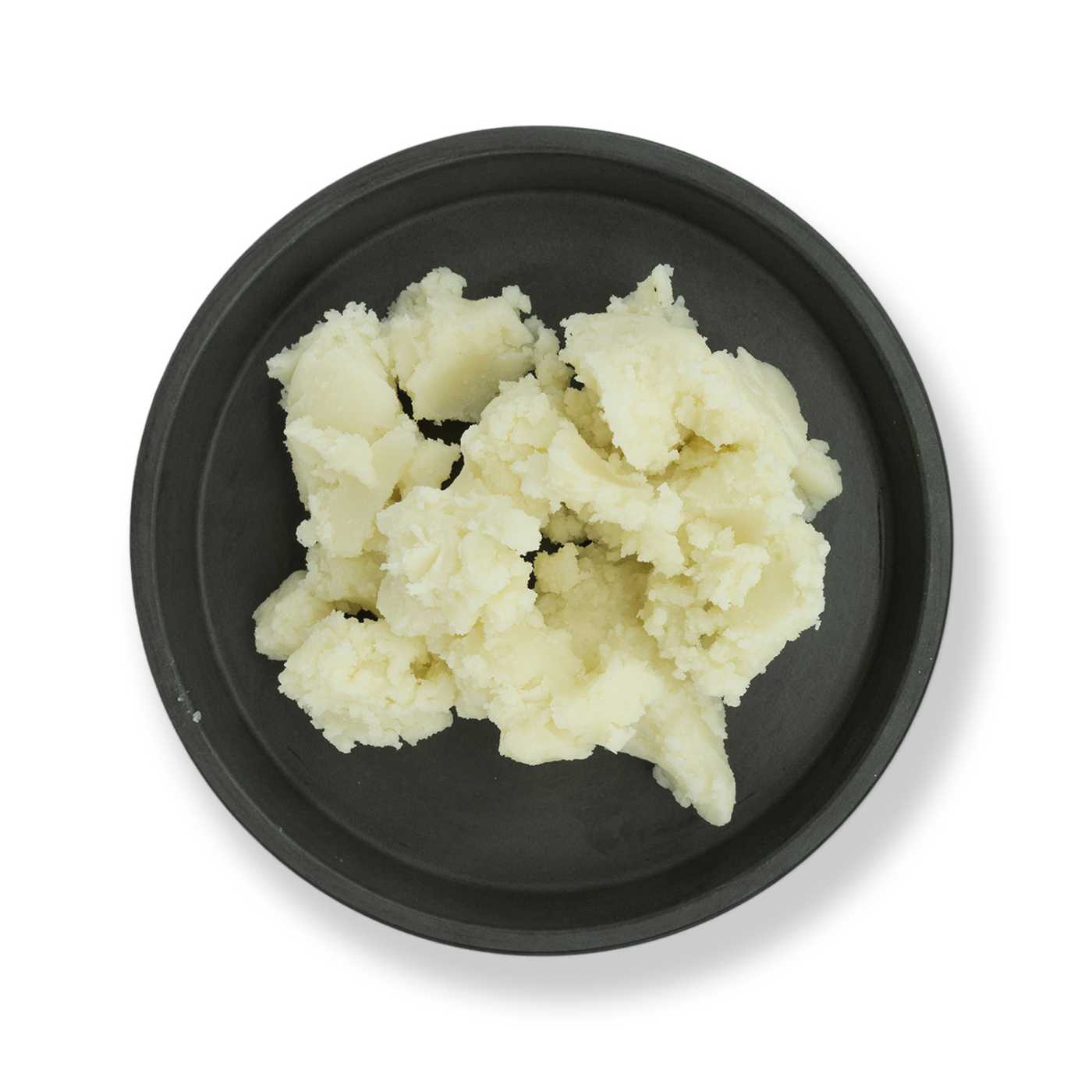
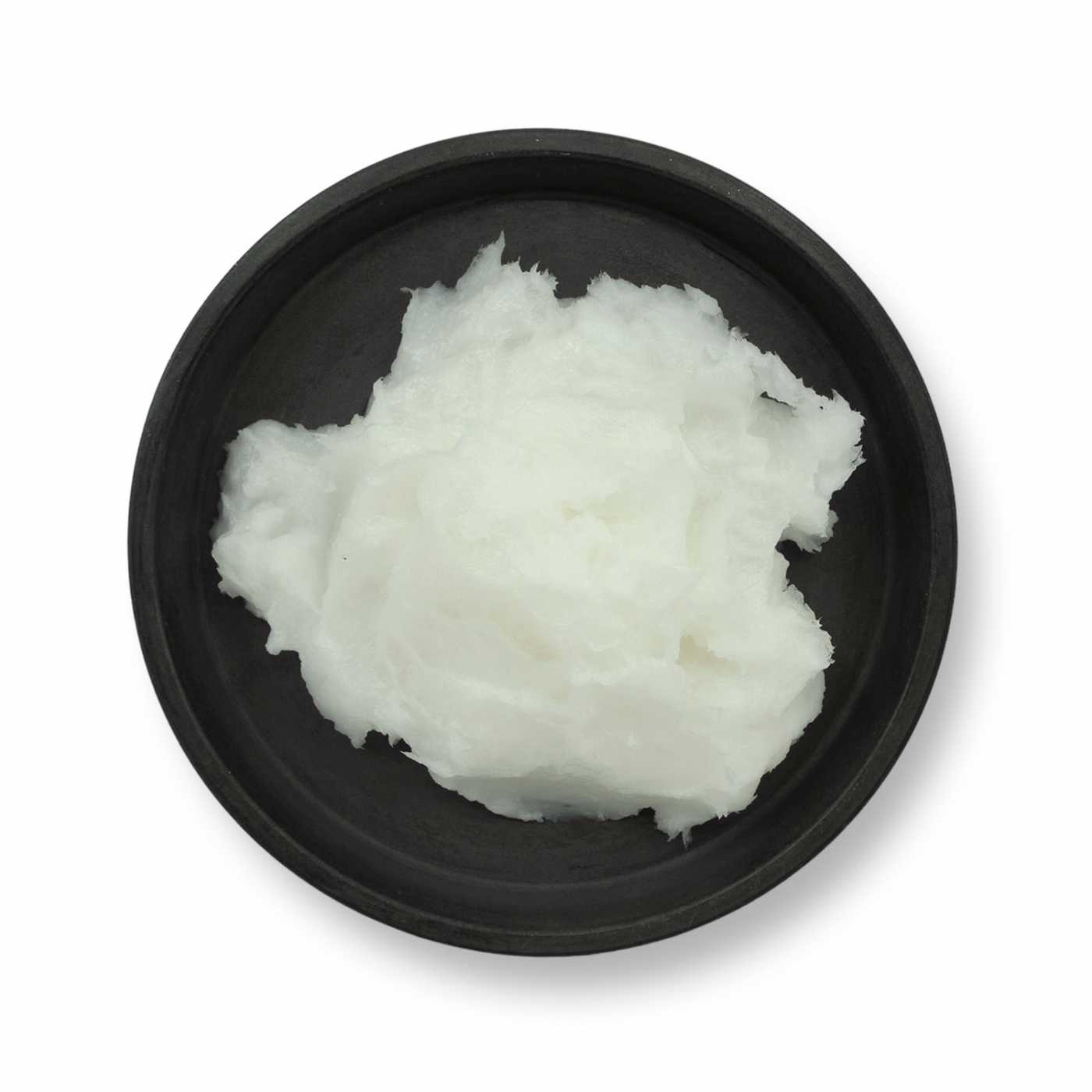
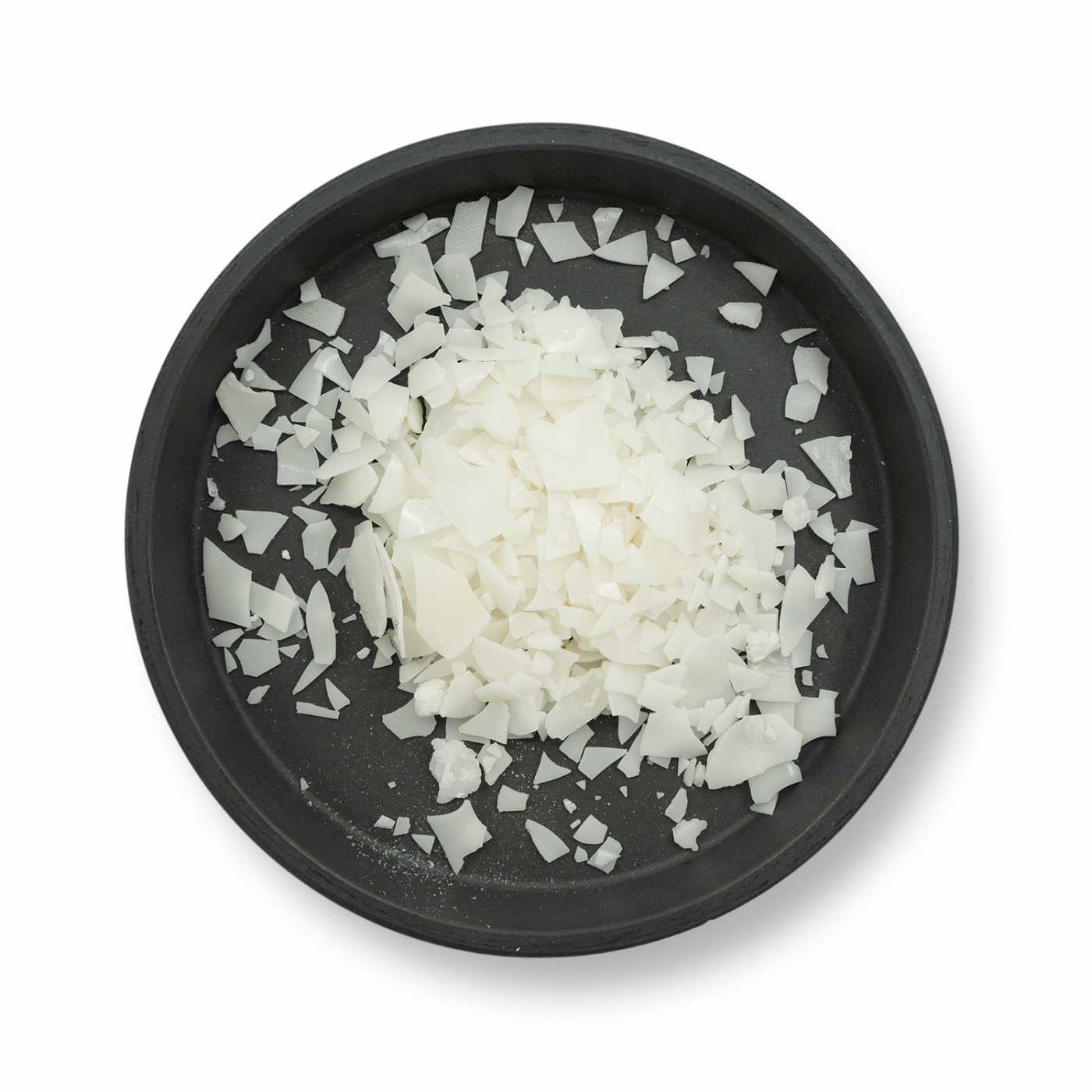
Virgin coconut oil cold-pressed to organic quality is one of the basic vegetable fats used in making balms, body butters, soaps and hair care products. It is obtained from fresh coconuts without refining, so it retains its natural coconut scent and original fatty acid composition. On the skin it softens and helps retain moisture; in hair it provides nourishment and reduces dryness.

In a formulation it serves as an emollient and carrier for essential oils. In anhydrous products it provides a firmer consistency, and in cold-process soap it is one of the common soap-blend oils. The oil holds COSMOS Organic certification, is vegan and supplied in food-grade quality, so it can also be used in the kitchen.


What the oil does in a formulation

  • Skin softening and protection – on the skin surface it forms a thin film that slows water evaporation. The manufacturer recommends it especially for dry, rough and cracked skin.
  • Hair conditioning – according to the manufacturer it nourishes hair and reduces dryness. In oil treatments and scalp masks it is used on its own or as a base for other ingredients.
  • Cleansing – dissolves oily impurities and decorative cosmetics, so it is added to cleansing balms and makeup-removing oils.
  • Skin soothing – according to the manufacturer's documentation it helps reduce redness and the sensation of irritation.
  • Skin elasticity – the manufacturer also indicates support for skin elasticity and a smoother appearance.

The fatty acid profile consists primarily of lauric acid (41 – 56 %), followed by myristic acid (13 – 23 %) and shorter chains, caprylic acid and capric acid (each 3 – 15 %).


Use in a formulation

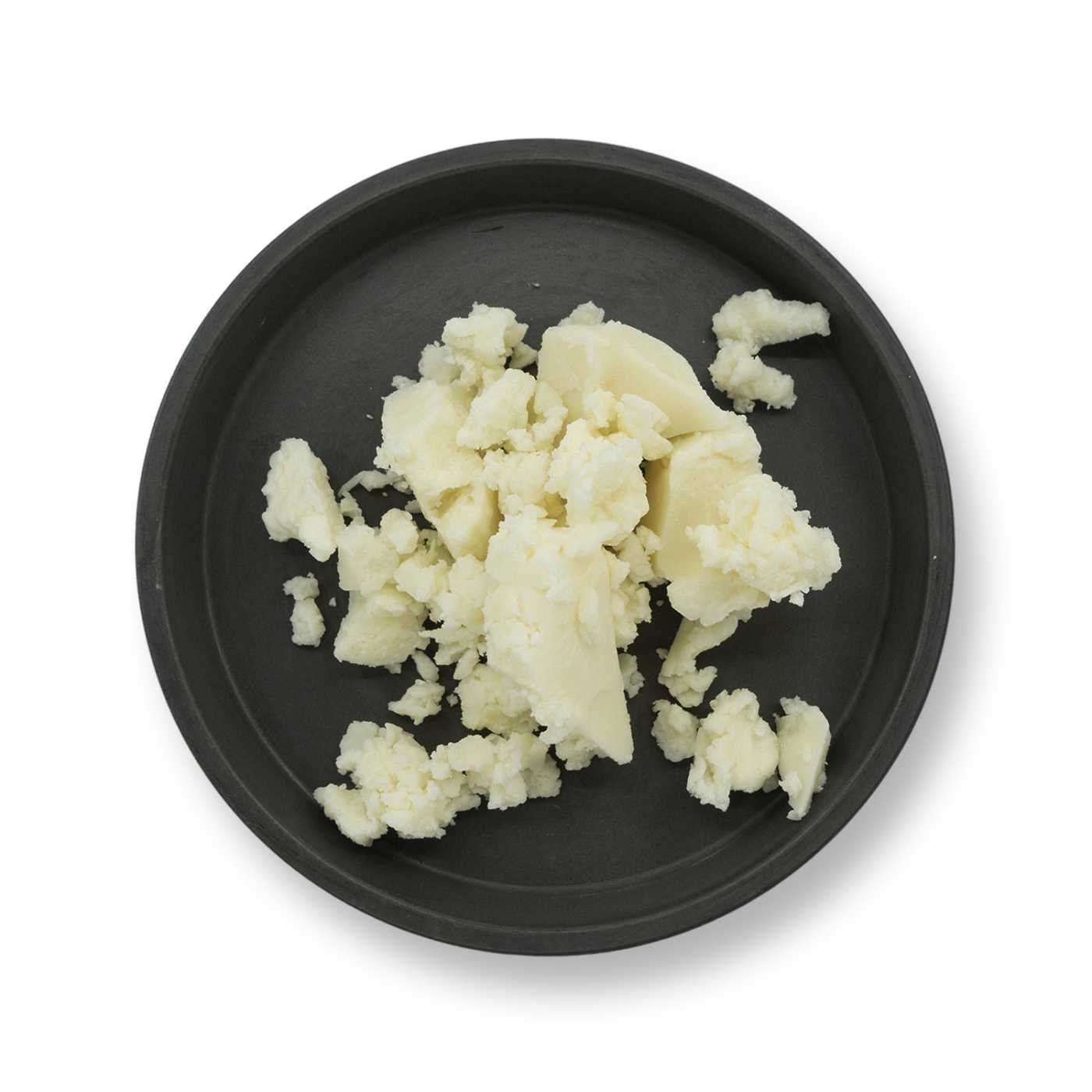
The melting point is 25 – 26 °C. In a cooler room the oil is solid to buttery; in warmth it liquefies. Before weighing, simply place the container briefly in a warm water bath. The recommended processing temperature is up to 40 °C; it is therefore blended into emulsions during the cooling phase or worked into the finished base afterwards.

It dissolves in oils, butters and waxes, not in water. In anhydrous formulations it forms the base or part of the oil blend; dosage according to documentation ranges from 1 to 100 %. It can also be used on its own as a single-ingredient body or hair oil. In cold-process soap it is combined with other oils. Verify the saponification value of coconut oil in a soap calculator before calculating the lye.

The natural coconut scent carries through to the finished product and remains perceptible in leave-on preparations. Keep this in mind when choosing a fragrance composition. Add a scent that complements coconut, or leave the product unscented.


Suitable product types

  • Balms, body butters and sticks – on its own or blended with softer butters and oils, where it provides a firmer consistency.
  • Lip care – in lip balms as a softening ingredient.
  • Hair oils and scalp masks – as a pre-wash treatment or in small amounts on hair ends.
  • Cleansing balms and makeup-removing oils – combined with an emulsifier for easier rinsing with water.
  • Soaps, bath bombs and bath salts – as the oil component that leaves a softening film on the skin after dissolving.
  • Baby cosmetics and shower products – documentation indicates suitability for all skin types including sensitive skin, in both rinse-off and leave-on products.
  • Kitchen – food-grade quality allows use in cooking and baking as well.

Useful notes for formulating

A product with a high proportion of coconut oil will be softer in summer and firmer in winter. If the balm is to hold its shape in warm weather as well, add wax or a harder butter to the formulation and test the finished product at the temperature at which it will be used.

The oil contains no preservatives or parabens. To extend the freshness of an oil blend, an antioxidant such as tocopherol is commonly added.

The product contains none of the fragrance allergens listed in Annex III of Regulation (EC) No 1223/2009 and is not classified as hazardous under the CLP Regulation; a safety data sheet is not required. It contains no palm oil derivatives, alcohol or GMO-derived ingredients.

COSMOS Organic certification together with food-grade quality allows the oil to be included in certified natural and organic cosmetics.


Frequently asked questions

Is virgin coconut oil water-soluble?
No, coconut oil does not dissolve in water. It mixes with oils, butters and waxes and belongs in the oil phase of emulsions. If you want to incorporate coconut oil into a water-based product such as a toner or bath, you need an emulsifier or solubiliser, otherwise the oil will separate.
Why is coconut oil sometimes solid and sometimes liquid?
Coconut oil melts at 25 – 26 °C, so at normal room temperature it is typically solid and liquefies in a warm room or in summer. The change of state is not a defect. Before weighing, simply warm it gently in a water bath, not above 40 °C.
Can I add virgin coconut oil to a cream?
Yes, coconut oil is added to creams and lotions in the oil phase or during the cooling phase below 40 °C. According to documentation it is compatible without restriction; dosage is chosen according to the desired richness of the cream. A higher proportion gives the emulsion a richer feel, so for light facial creams it is commonly combined with lighter oils.
Is virgin coconut oil suitable for hair and scalp?
Yes, coconut oil is used in oil treatments, scalp masks and in small amounts in leave-on care for hair ends. The manufacturer indicates reduced hair dryness and conditioning. With fine hair, apply a small amount so the hair does not appear greasy.
What is the difference between virgin and refined coconut oil?
Virgin coconut oil is cold-pressed and only filtered, so it retains its coconut scent, flavour and natural white to beige colour. Refined oil undergoes further processing and loses the coconut scent. Virgin oil is chosen for formulations where a coconut scent is desired or for certified organic cosmetics.
Does a balm containing coconut oil need a preservative?
No, an anhydrous balm made from coconut oil, butters and waxes does not need a preservative because it contains no water. Preservation is only necessary when water, a hydrosol or an aqueous extract is introduced into the formulation. For anhydrous products, keep tools and packaging clean to prevent water from getting into the balm during use.

Parameters

INCI
Cocos Nucifera Oil
CAS No.
8001-31-8
EC number
232-282-8
Product color
BeigeWhite
Country of origin
Philippines
Processing method
Cold PressingFiltration
Appearance
Butter
Recommended processing temperature
< 40 °C
Application area
FaceHairScalpBodyLips
Recommended dosage range
1 - 100 %
Application type
Leave-onRinse-off
Manufacturer's certificate
COSMOS Organic
Natural Index (NI ISO 16128)
1
Natural Origin Index (NOI ISO 16128)
1,00
Organic content
100 %
Renewable Carbon Content (RCC)
100 %

Product documentation

CoACertificate of Analysis
batch 22751PDF ↓
batch 21359PDF ↓
TDSTechnical Data Sheet
Physical parameters and processingPDF ↓
Download all (ZIP)

3 PDF files in one archive

Learn how to work with it

From our blog
Nataliya20 Aug 2026DE

Verified purchase

Excellent quality, fast shipping, and outstanding customer service. The products are always carefully made, and whenever I have a question, the seller is very helpful and responsive. Highly recommended!

Translated automatically

Dany9 Aug 2026CS

Verified purchase

Fragrant, I use it not only in cosmetics but also in the kitchen.

Translated automatically

Diana P.7 Oct 2026EN

Verified purchase

Variant: Kokosový olej, panenský, LZS, BIO 800 g
(3 reviews)