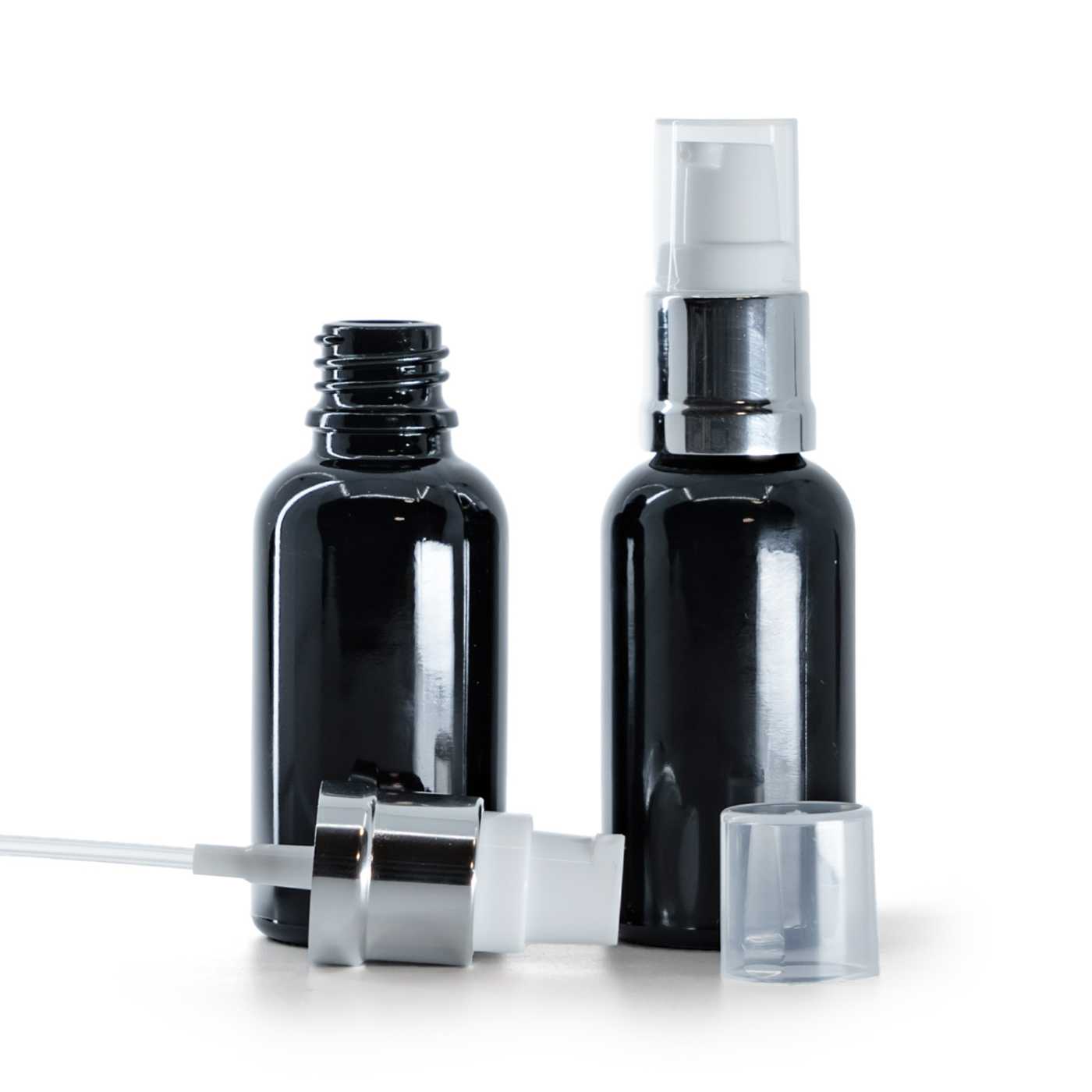
Gloss Black Glass Bottle, Glossy Silver White Pump, 30 ml
Pre-order€1.30

Cold pressed oils 1 l +
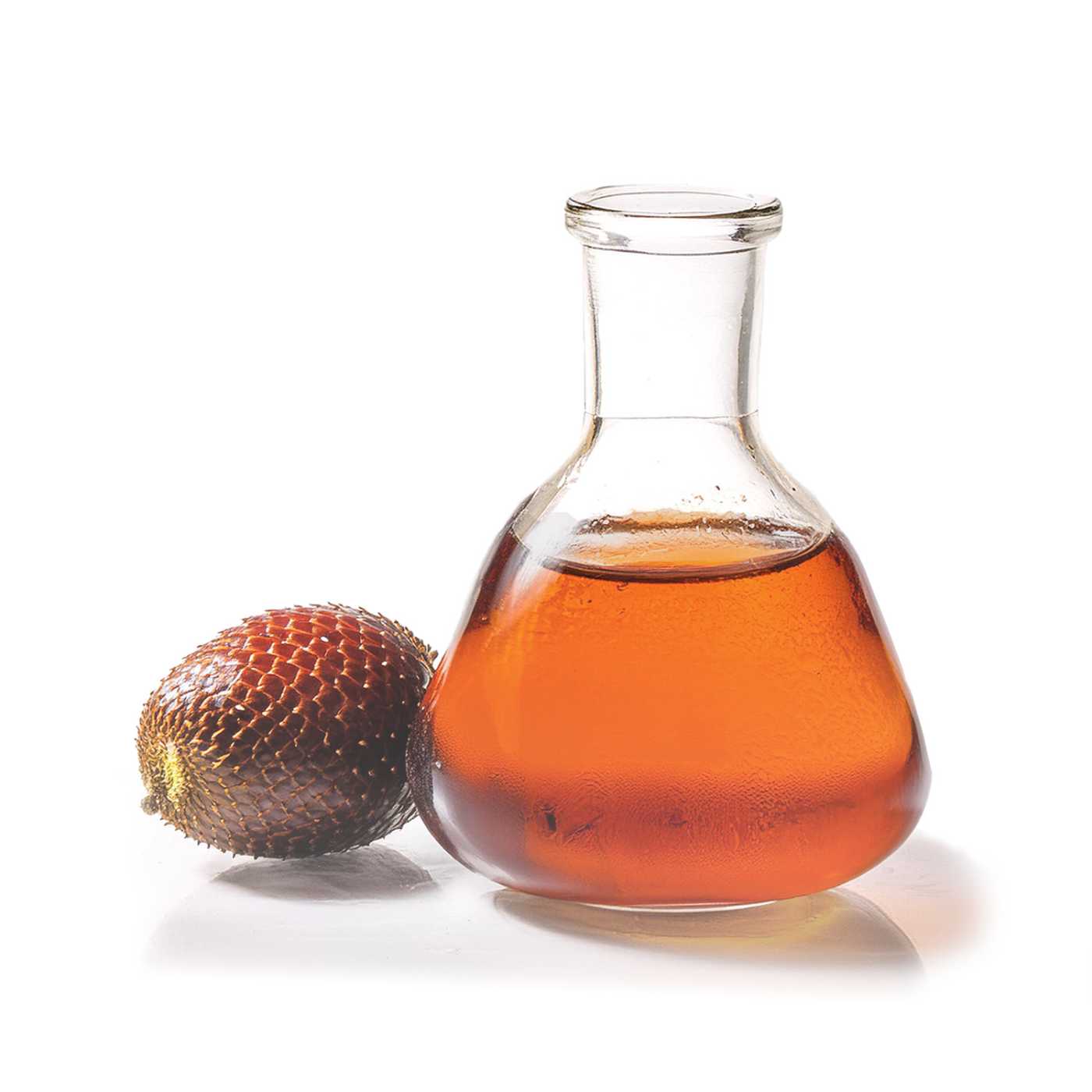
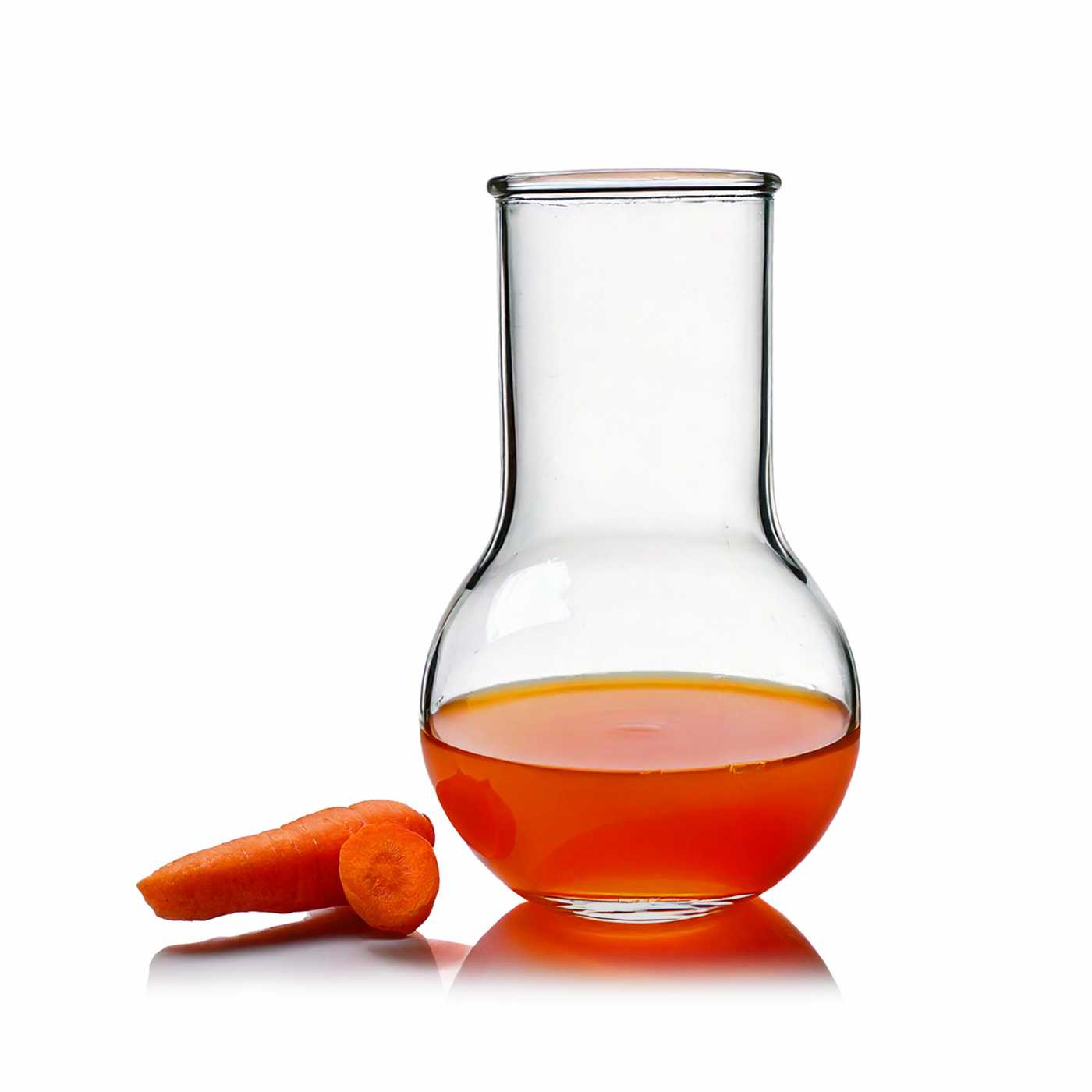
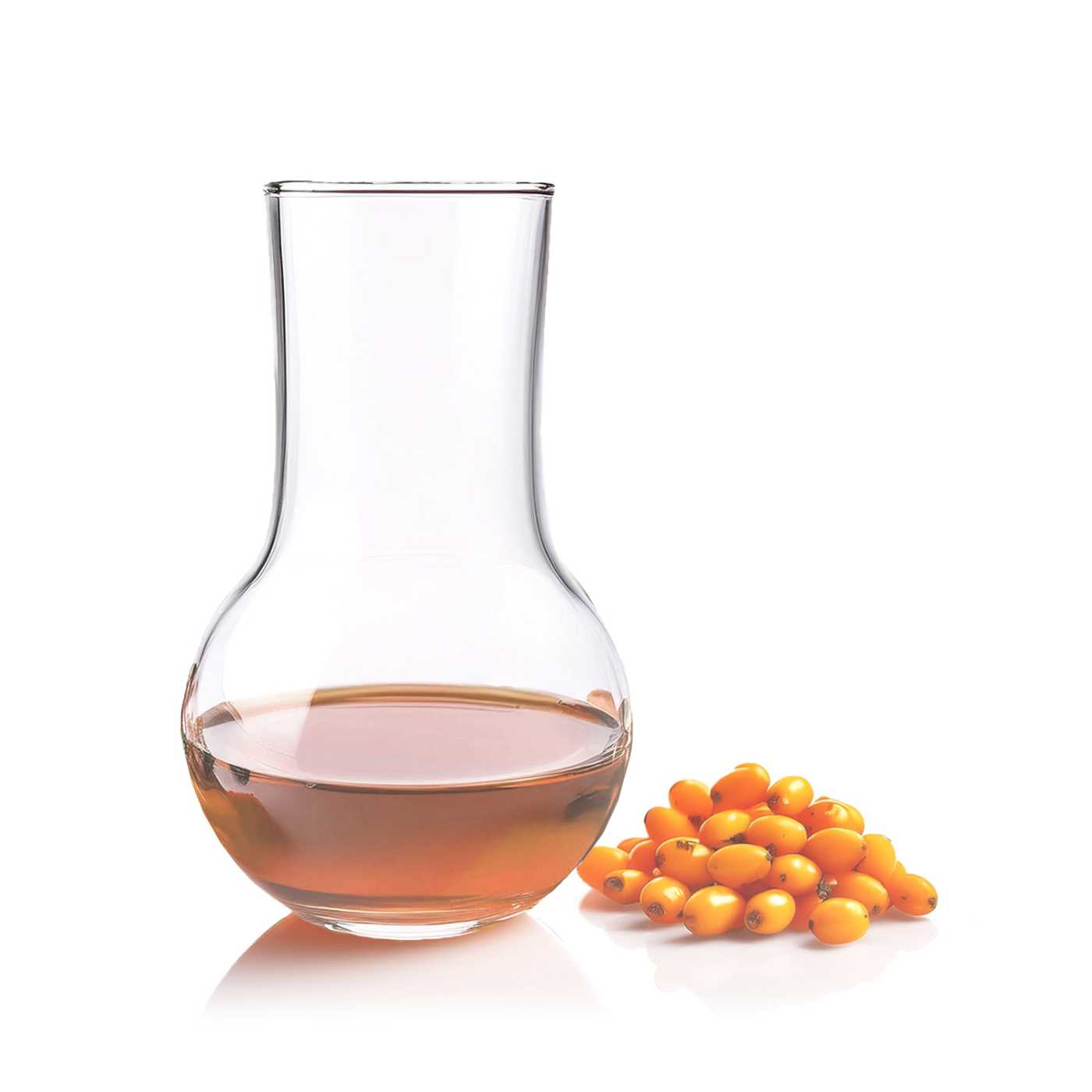
Buriti oil is a cold-pressed, unrefined oil from the fruit of the Amazonian buriti palm (Mauritia flexuosa) and is one of the vegetable oils richest in beta-carotene . full description
Lowest price in the last 30 days: €524.08
Buriti oil is a cold-pressed, unrefined oil from the fruit of the Amazonian buriti palm (Mauritia flexuosa) and is one of the vegetable oils richest in beta-carotene. It brings carotenoids and vitamin E with antioxidant properties to a formulation, softens the skin, and even in a small amount colours the product yellow to orange. It is used in skincare for dry, mature and sensitive skin, in hair cosmetics and in lip products.
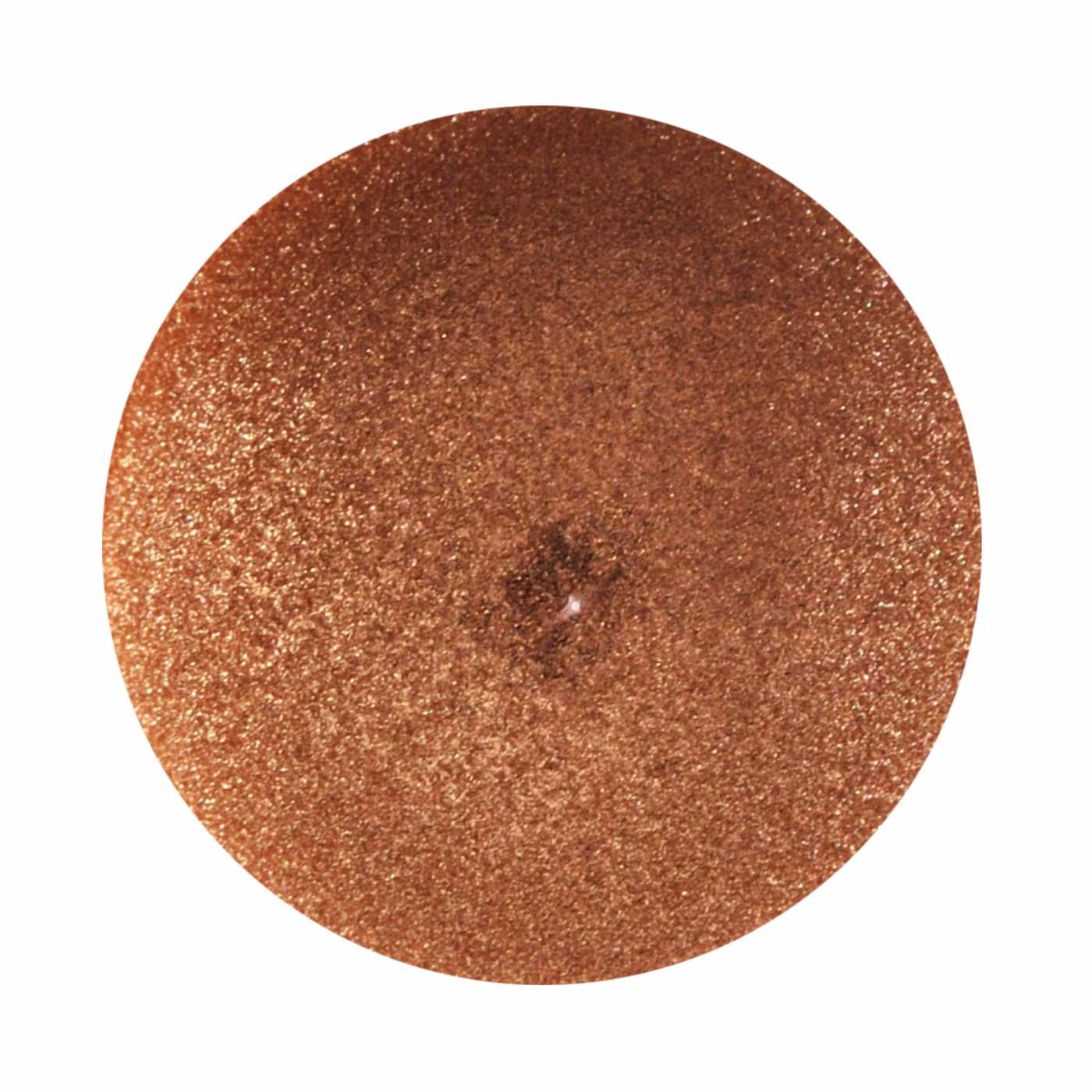
The most valuable components of the oil are carotenoids. Led by beta-carotene, they give it a rich orange to orange-red colour and, together with naturally present tocopherols (mainly alpha and gamma), act as antioxidants. In cosmetics they help protect the skin from the effects of free radicals. The oil therefore has a place in products for mature skin and in after-sun products.
The behaviour of the oil on the skin is determined by its fatty acids. Oleic acid (60–85%) predominates, complemented by linoleic acid (5–21%) and palmitic acid (up to 10%). An oil with this composition softens the skin and forms a protective layer on its surface that limits water loss.
It is also suitable for products intended to soothe irritated skin or support brightening and a more even skin tone.
In hair cosmetics, the oil nourishes and conditions the hair. It is added to hair oils, masks and conditioners.
Buriti oil belongs to the oil phase and does not dissolve in water. The recommended processing temperature is below 40 °C. In emulsions it is added only to the cooling mixture; in anhydrous products it is mixed with the other oils without heating.
The usage rate determines how rich a shade the product will have. The recommended usage rate in leave-on products for the face, body, hair and lips is 1%. In formulations it is commonly used in the range of 1–10%, most often around 3%.
Assess the shade of a new formulation first on a small test batch. A cream with a higher proportion of oil has a distinctly yellow-orange colour.
In massage and body oils, a small amount is enough. It tints a light blend and enriches it with an oil rich in antioxidants. It is combined with common carrier oils, for example olive, avocado, sesame or coconut, and with butters such as cupuaçu or cocoa.
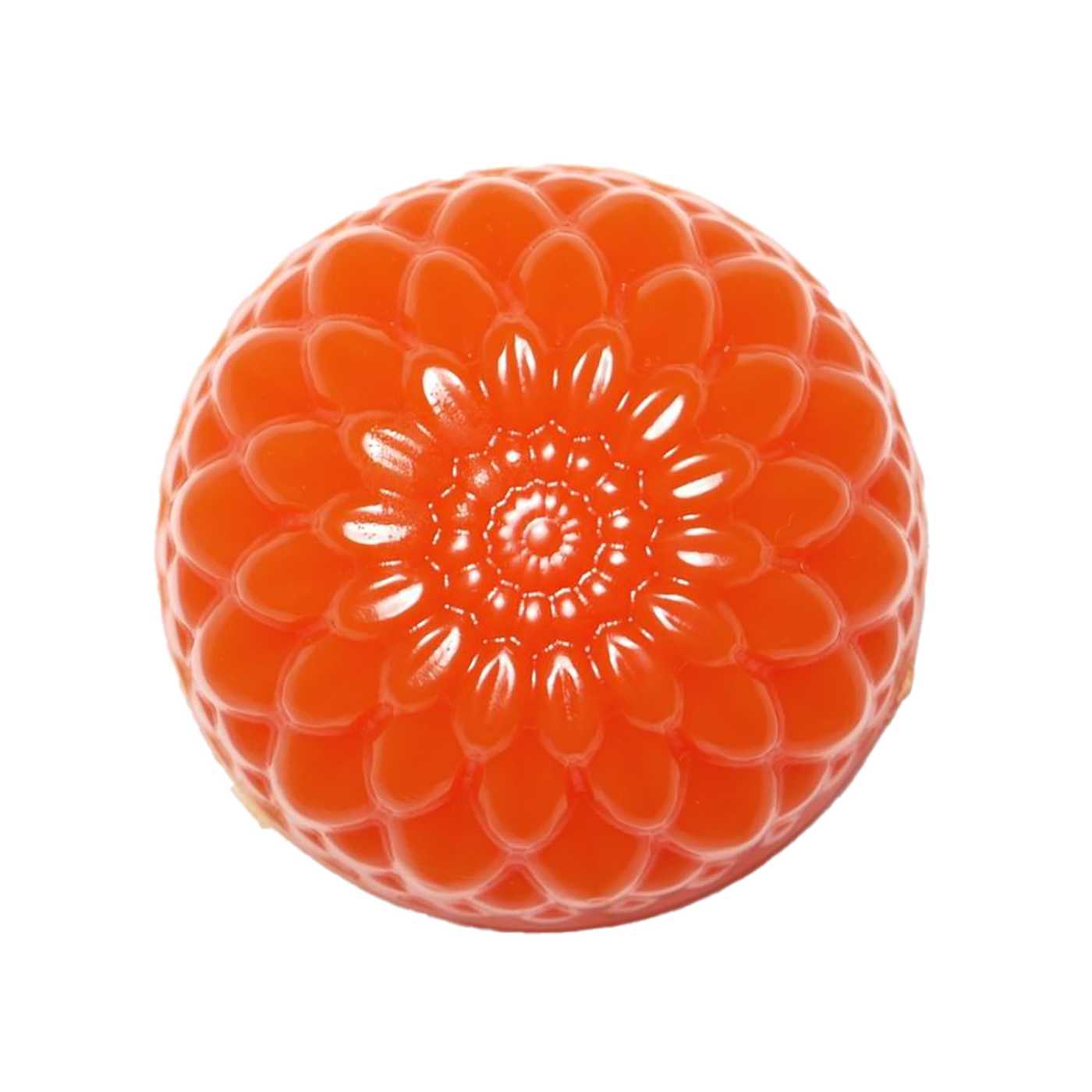
In soap it serves as a natural dye. Depending on the amount, it gives a shade from light yellow to rich orange. Since only a little is needed, it can be added at trace without a significant effect on the superfat. The saponification value of the oil is 180–195.
The colour from buriti oil holds in soap relatively well. It fades visibly only after approximately one year.
The oil contains no added preservative or antioxidant. Its carotenoids are gradually used up through their antioxidant action. It is therefore recommended to add tocopherol to the product, as most formulations with this oil do.
The scent of the oil is earthy and fruity. At a higher usage rate it can be noticed in the product, which should be taken into account when fragrancing.
A strongly orange oil can stain textiles. At a higher usage rate, bear in mind that the finished product may also leave marks.
The fruit is harvested in the wild in the Brazilian Amazon. After drying, it is cold-pressed and the oil is then simply filtered, without refining. It is both cosmetic and food grade and has Vegan certification. It does not contain the fragrance allergens listed in Annex III of the Cosmetics Regulation.
Only customers with a delivered order can write reviews.