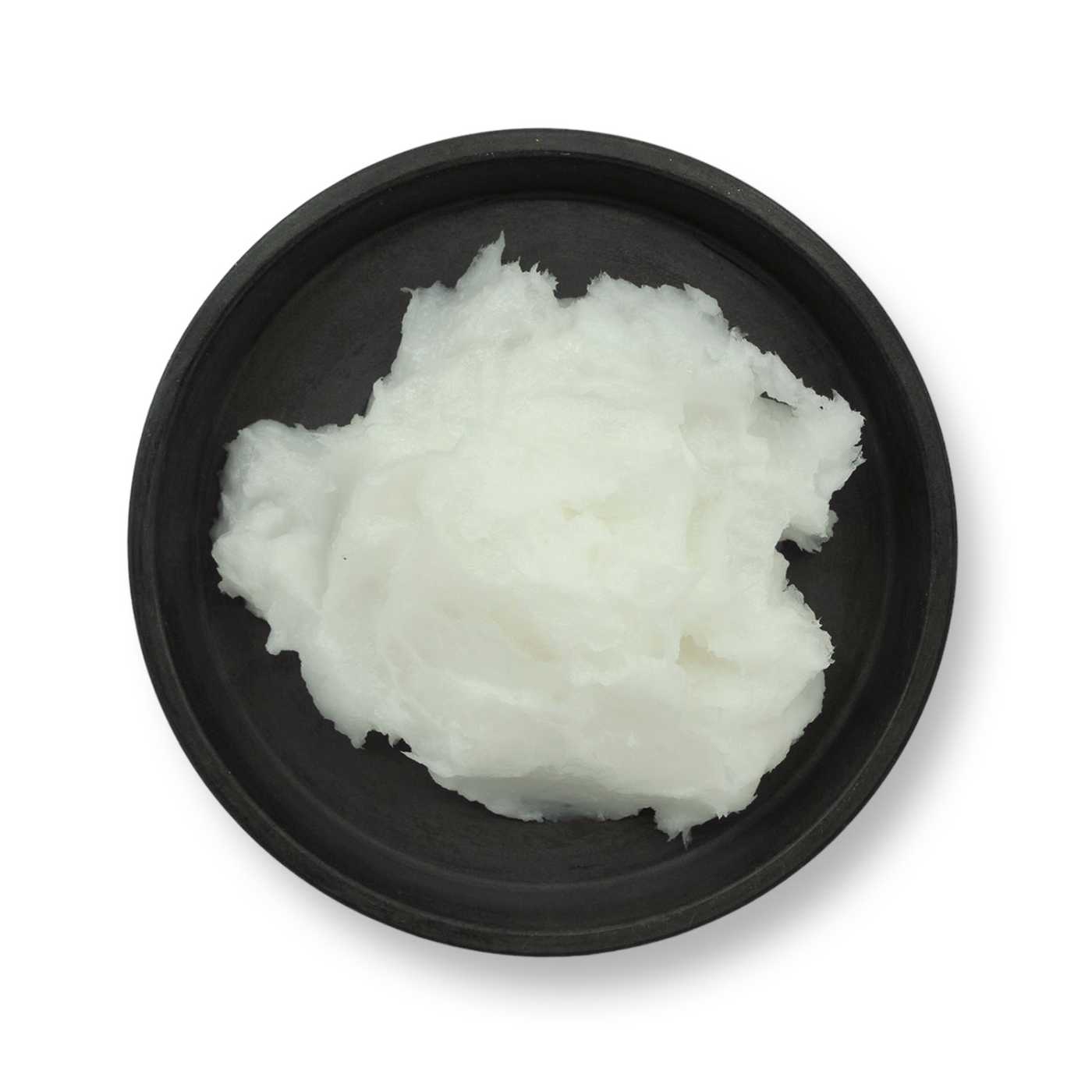
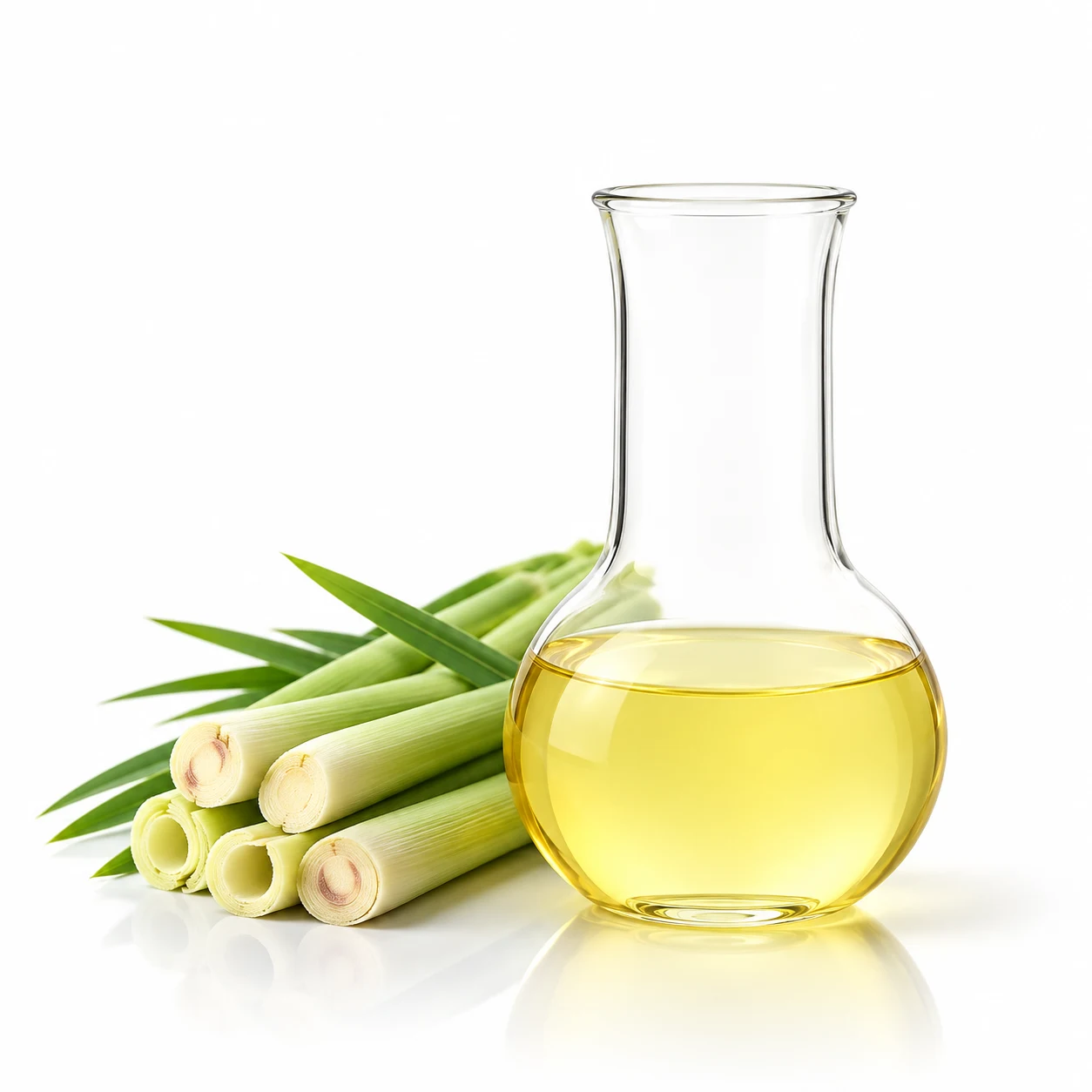
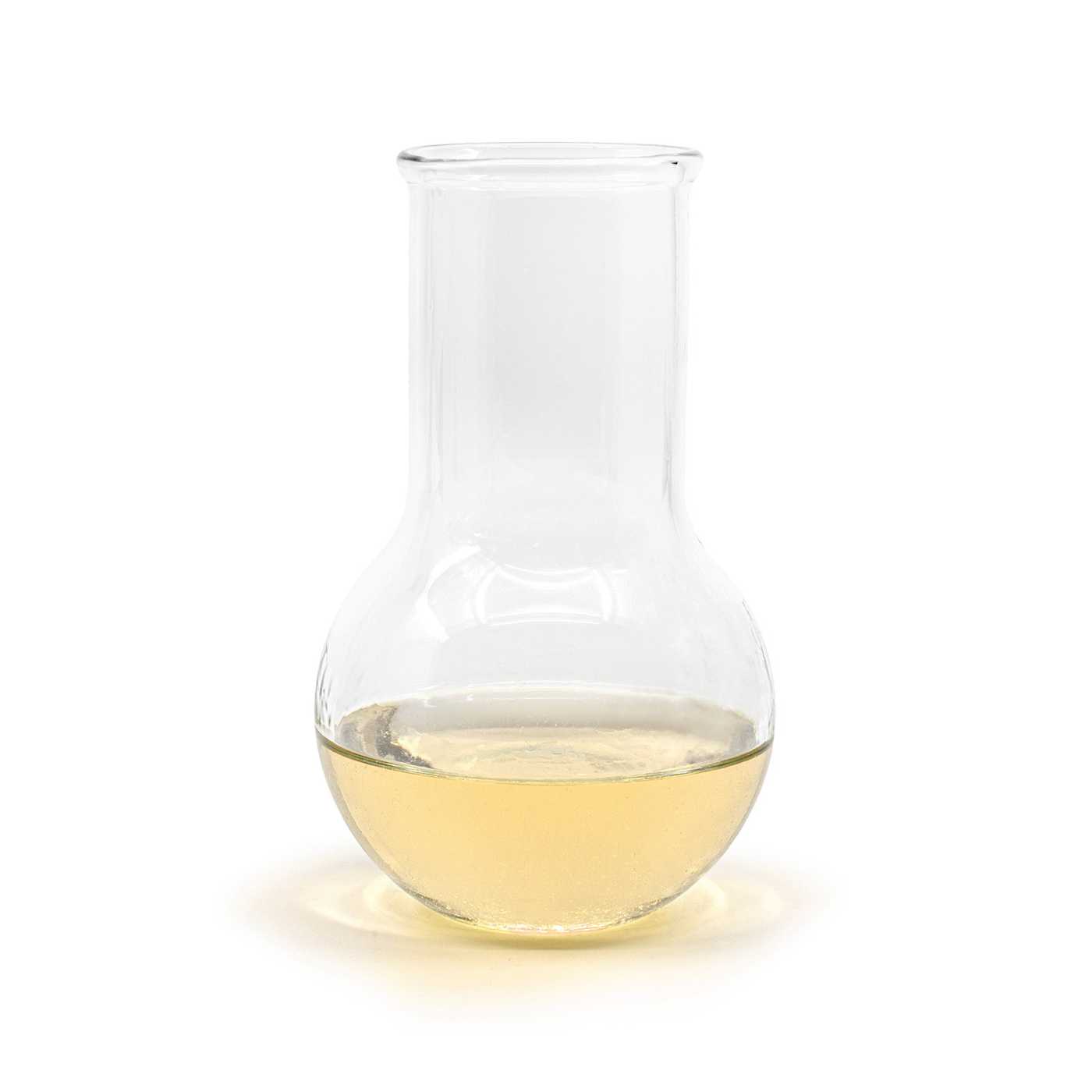
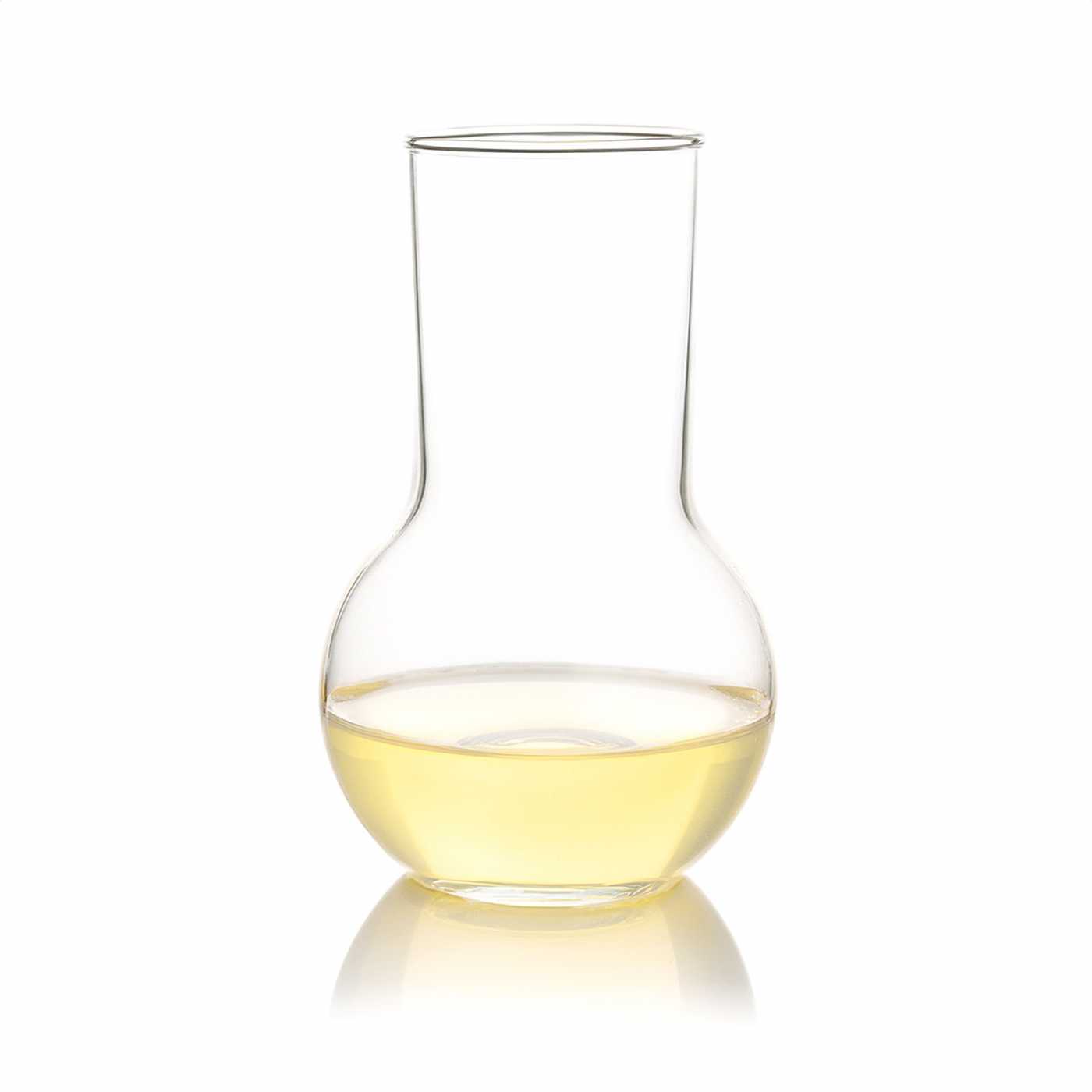
Refined coconut oil is a plant fat from the fruits of the coconut palm (Cocos nucifera L.) that works in formulations as an emollient and carrier. Refining and deodorisation removed the coconut scent, allowing perfume compositions or essential oils to shine through. It softens the skin, helps it retain moisture and adds smoothness to hair. The ingredient is of food-grade quality.
The 10 l packaging is supplied in a bucket, as are the 5 l and 20 l sizes. It suits the consumption of soap-making workshops and producers of body butters, balms and hair products who source oil by the kilogram.
What coconut oil does in a formulation
- Moisturising – the oil film on the skin surface slows water evaporation, keeping skin supple for longer. The effect is most noticeable in body butters and balms for dry skin.
- Skin barrier restoration – replenishes lipids on the skin surface and reduces the feeling of tightness and roughness. Suitable for products for dry skin, including children's.
- Hair conditioning – coats the hair shaft, smooths it and makes detangling easier. In hair masks and oil treatments it helps dry and damaged hair.
- Carrier – dissolves oil-soluble actives, essential oils and fragrance compositions, making it a base for massage oils, lip balms and solid perfumes.
Use in formulation
Coconut oil belongs to the oil phase. It dissolves in oils and does not mix with water, so it can only be incorporated into water-based and emulsion products via an emulsifier. In anhydrous formulas — butters, balms and soap — it is added directly.
At room temperature it is solid or semi-solid; with gentle heating it melts into a clear liquid. It is processed at temperatures below 80 °C. In an emulsion it melts together with the other oil-phase ingredients. For anhydrous products it is added melted, and the mass is then left to solidify with occasional stirring to prevent graininess.
The recommended dosage range is 1 – 100 %. In facial creams and light emulsions it stays at the lower end; in body butters and hair masks it can make up a substantial portion of the oil phase; in oil treatments and massage oils it can form the entire base. The recommended pH of the finished formulation is 4.5 – 8.5; in anhydrous products pH is not applicable.
In both cold-process and hot-process soap, coconut oil is one of the core recipe oils. Calculate the lye amount using a soap-making calculator based on the recipe composition.
In a cooler workshop the oil will solidify in the 10 l bucket. Before scooping, allow it to temper or gently warm the bucket in a water bath and stir the contents. Use a clean, dry ladle to avoid getting water into the bucket.
Suitable for products such as
- Body butters and balms – together with shea butter or wax it provides firmness and an emollient film that melts on contact with the warmth of the skin.
- Cold-process and hot-process soaps – a core oil for hardness and lather.
- Hair masks and oil treatments – for dry and damaged hair, applied along the lengths and to the scalp.
- Lip balms – a softening ingredient in combination with wax.
- Shower and bath products – bath oils, shower butters and bath bombs, where it binds dry ingredients.
- Decorative cosmetics – solid and cream formats, such as pigmented balms.
- Creams and emulsions – as part of the oil phase for dry skin and the eye area.
Good to know
The oil contains no preservatives and does not require any. Preservation is only addressed once the oil becomes part of an emulsion or another water-containing product. For anhydrous products it is sufficient to ensure no water enters during manufacturing or use.
The oil is of plant origin, free from GMO ingredients and parabens, not tested on animals for cosmetic purposes and readily biodegradable. It is suitable for vegan formulations.
Coconut oil is not classified as hazardous under CLP regulation; a safety data sheet is not required for it.
Frequently asked questions
Is refined coconut oil suitable for cold-process soap?
Yes, coconut oil is one of the core oils for cold-process soap. It contributes to the hardness of the bar and to a rich lather. At high percentages it can make the soap more drying, so it is usually combined with olive oil or another more gently lathering oil. Always calculate the lye amount in a soap-making calculator.
What is the difference between refined and virgin coconut oil?
The difference lies in processing and scent. Refined coconut oil has undergone refining and deodorisation, giving it a neutral scent and a white to off-white colour, so it will not affect the fragrance of the finished product. Virgin oil retains its coconut aroma, which will come through in the product. If the product is meant to smell of coconut, choose virgin oil or add the fragrance separately. In formulation, both are handled as the oil phase.
Can coconut oil be added to a toner or water-based gel?
Not directly — coconut oil is insoluble in water. In a water-based product it would separate and float on the surface. Oil-phase ingredients can only be incorporated into toners and gels via a solubiliser, or the formula must be built as an emulsion using an emulsifier. For straightforward water-based products it is better to choose a water-soluble active.
At what temperature is coconut oil processed?
Coconut oil is processed at temperatures below 80 °C. At room temperature it is solid; with gentle heating it melts and can be blended with the other oil-phase ingredients. For anhydrous products it is added in its melted state. Allow the mass to cool with occasional stirring to keep it smooth.
Is coconut oil suitable for children's skin?
Yes, refined coconut oil is suitable for products for children's and dry skin. It acts as an emollient, softening the skin and helping it retain moisture. In children's balms and massage oils it is combined with other plant-based oils. Choose fragrance with care and test every formulation on a small area of skin before use.