Spend over €100 for discounted shipping!

+421 950 333 113[email protected]

COSMETICS WAXES

Candelilla Wax, 100 g

Pack size100 g1 kg5 kg

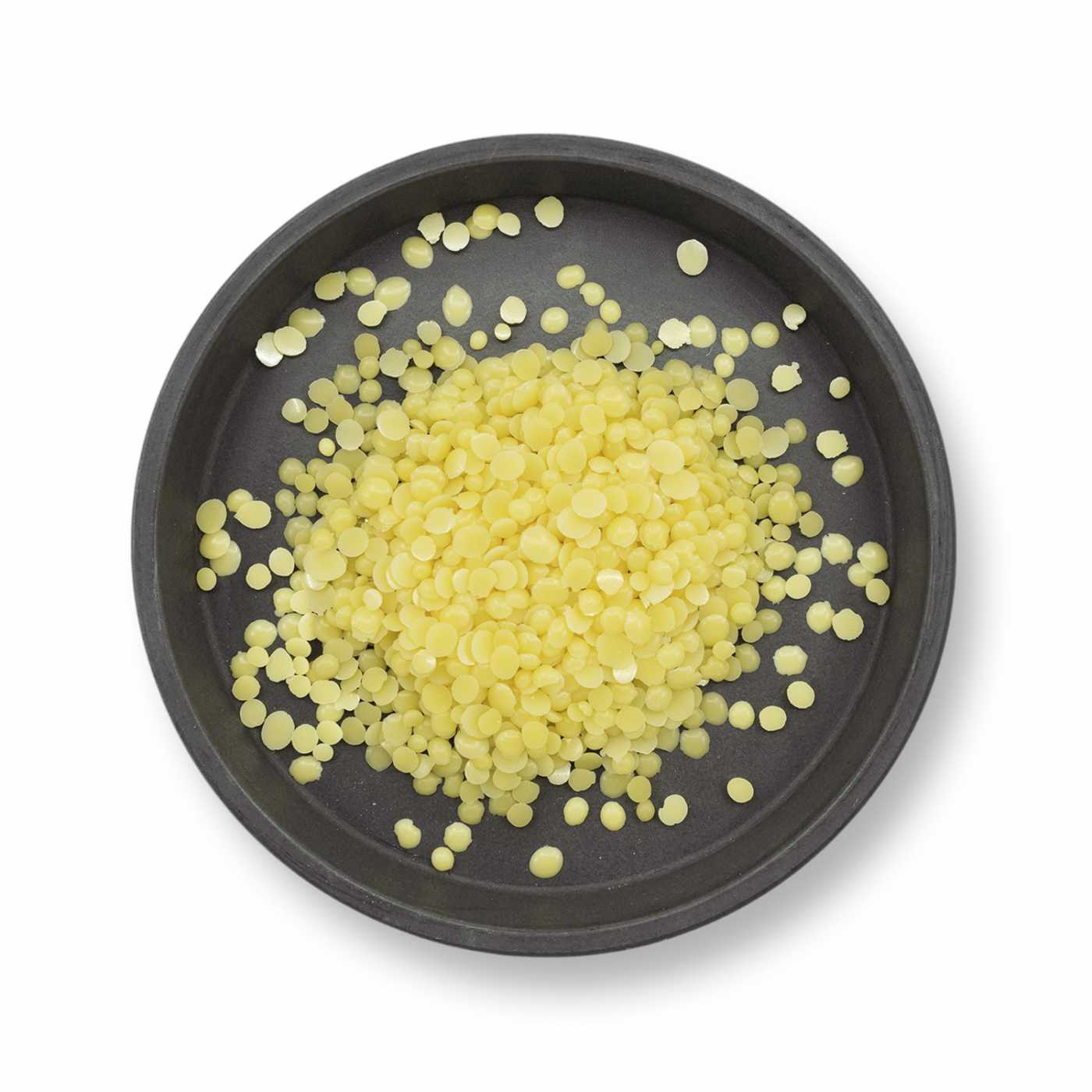
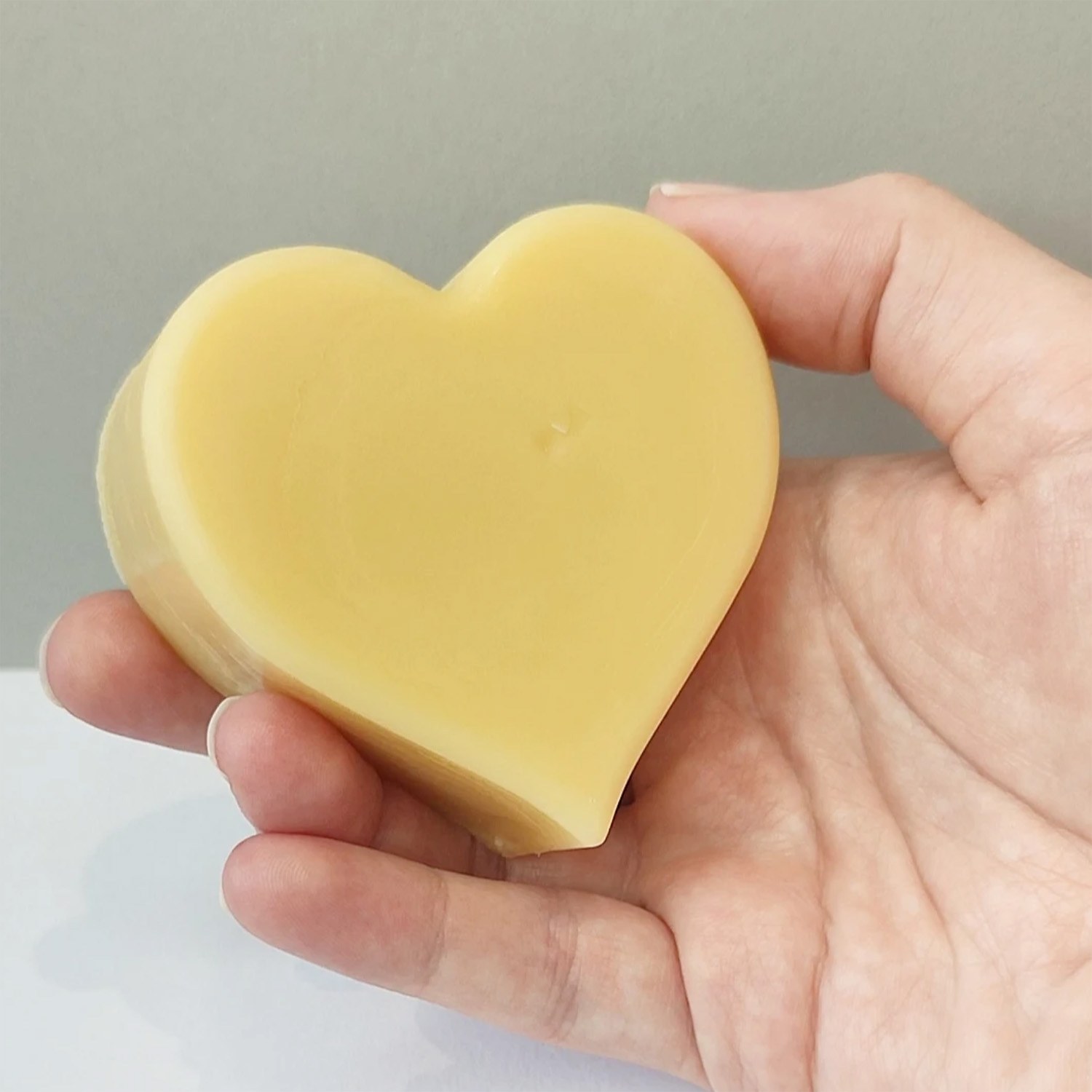
Candelilla wax firms anhydrous products and adds shine, making it one of the essential plant-based waxes for lip balms, solid body balms, and hair pomades. full description

AvailabilityPre-order
Product codeVO855_100
€7.34incl. VAT€73.40/kg

Lowest price in the last 30 days: €7.34

Expected back in stock: 25 Oct.~250 pkg on the way to us. This variant is currently out of stock — your order will be a pre-order and delivery may take longer.

Product description

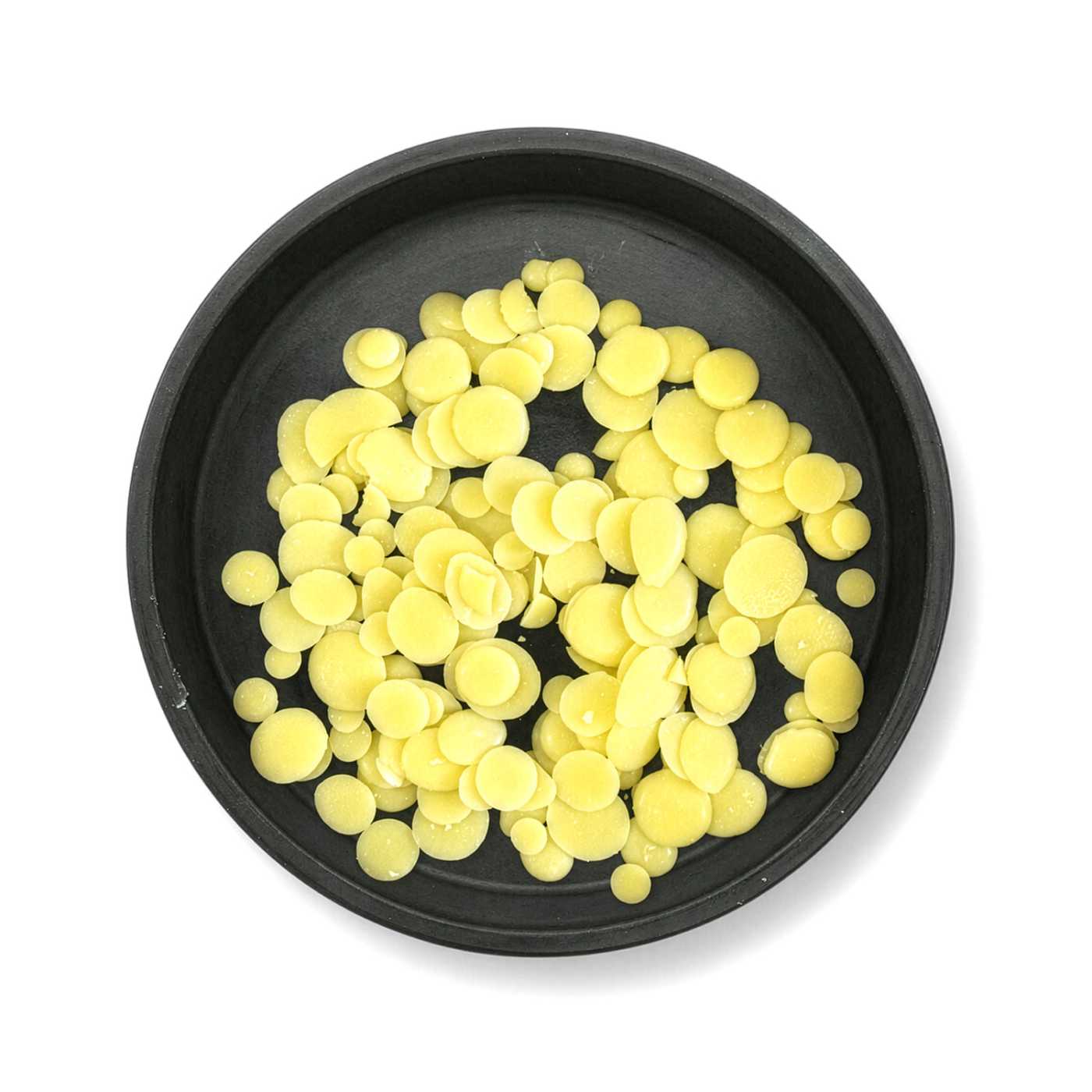
Candelilla wax firms anhydrous products and adds shine, making it one of the essential plant-based waxes for lip balms, solid body balms, and hair pomades. It is obtained from the shrub Euphorbia cerifera, which grows in Mexico. It is harvested from wild-growing stands; the wax is released from the plant by melting, washed with water, filtered, and shaped into pellets. In vegan formulations it serves as a plant-based alternative to beeswax: it sets harder, holds its shape better at the same usage level, and leaves a less tacky film on the skin.


Key benefits

  • Hardness and shape retention – sets harder than beeswax, so a smaller amount is needed to achieve the same firmness in a balm or stick. The product deforms less in heat and sticks in tubes hold their shape better when pushed up.
  • Shine – leaves a glossy surface on lips as well as hair, which is utilised in lip balms and styling waxes.
  • Protective film – the manufacturer states emollient and protective action: it forms a film on the skin that limits water evaporation and smooths the surface. It is particularly beneficial for dry, rough, and chapped skin on the hands or lips.
  • Styling without weight – according to the manufacturer's data, it gives hairstyles texture and hold without weighing the hair down, while adding a natural shine.
  • Plant origin – wax with Vegan certification, free from palm oil derivatives, and readily biodegradable.

Use in formulation

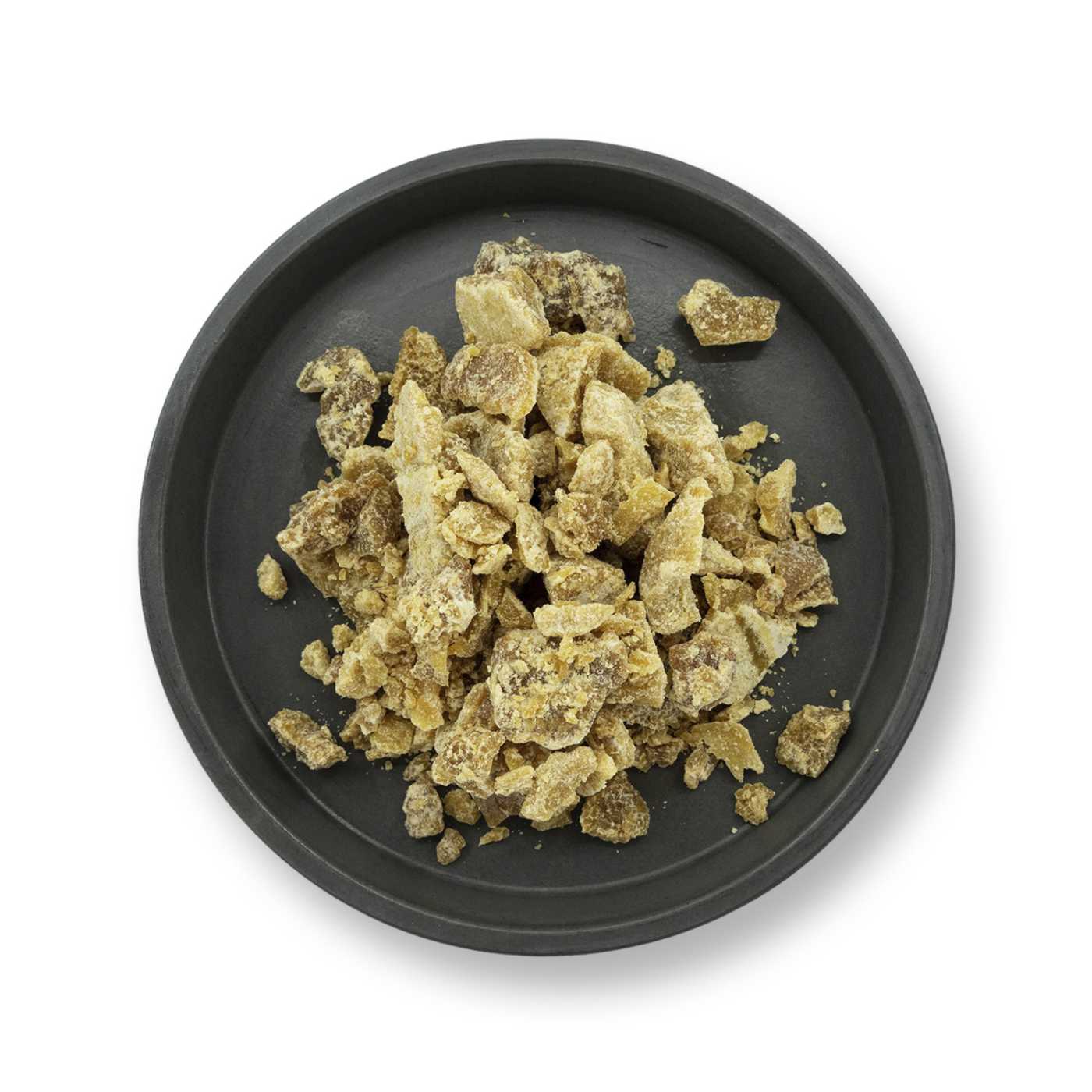
It belongs to the oil phase. It does not dissolve in water or alcohol; once melted, it combines with vegetable oils, butters, and esters. It is supplied as small pellets that melt quickly and can be accurately weighed. The scent is faint and nutty.

The melting point ranges from 66 – 74 °C, and the recommended processing temperature is 75 – 85 °C. The pellets are heated together with the other solid components of the oil phase until fully dissolved. The mixture is then stirred, and heat-sensitive ingredients (essential oils, vitamin E) are added only during cooling. When making an emulsion, the water phase must be at the same temperature as the oil phase at the moment of combining; otherwise the wax solidifies before it can disperse.

The recommended usage level is 1 – 15 %. In creams and ointments, a low proportion is sufficient to firm the consistency; pot balms require a mid-range dose, and solid sticks, hair waxes, or pomades the upper end of the range. The final hardness is also determined by the rest of the formula — liquid oils require more wax than solid butters.

When substituting beeswax, start with a smaller amount of candelilla wax and adjust the hardness with a test batch. Drop a small amount of the melted mixture onto a cold spoon — you can immediately see whether the product will be too hard or too soft.

In cold-process soap, it is used in a small proportion to harden the bar. The wax must be fully dissolved in the warmed oils before adding the lye solution; otherwise lumps will remain in the mass.


Suitable for products such as

  • lip balms and lip sticks, where it provides shape, shine, and a protective film
  • solid body balms and massage bars
  • hair waxes, pomades, and styling sticks
  • hand creams and protective ointments for dry skin, as a firming and film-forming ingredient
  • sugar lip scrubs, where it binds the sugar together and leaves lips smooth
  • soaps and solid cosmetics to harden the bar

Good to know

Candelilla wax is not an emulsifier. In a cream it acts as a firming and film-forming ingredient; the emulsion must be stabilised by a dedicated emulsifier. Aqueous products such as tonics or gels cannot be prepared with it.

When the wax proportion is high and the oil proportion is low, the finished product can be brittle and break when bent. A more flexible structure is achieved by combining it with butters (shea, cocoa) and liquid oils, or by adding a smaller proportion of a softer wax.

Cool wax and butter mixtures quickly and evenly after pouring; slow cooling promotes graininess in the product. When pouring balms into stick tubes, it is best to fill the tubes in a single pour to prevent a dip from forming in the centre.

The wax's inherent shine is pronounced, which is not suitable for products intended to have a matte effect on the skin. In such cases the dose is reduced or the wax is combined with butters that dampen the shine. Compatibility with common cosmetic raw materials is unrestricted.

The wax is suitable for all skin types including sensitive and dry skin, and is used in both leave-on and rinse-off products.


Comparison with beeswax

Both waxes serve the same function in a formula, but they differ in origin and behaviour. Beeswax is softer, more pliable, and leaves a creamier, slightly tackier film on the skin. Candelilla wax sets harder and shinier; the film is drier and less tacky, so when substituting it is used at a lower level. Among plant-based waxes it sits between the softer waxes and carnauba, which is even harder and shinier. Candelilla wax is easier to process and can be used on its own as the sole wax in a formula.


Frequently asked questions

Is candelilla wax vegan?
Yes, candelilla wax is of plant origin and carries Vegan certification. It is obtained from the surface of the stems of Euphorbia cerifera, contains no animal-derived ingredients, and has not been tested on animals. In vegan formulations it replaces beeswax in balms, ointments, pomades, and solid cosmetics.
How to replace beeswax with candelilla wax in a lip balm?
Candelilla wax is used at a lower level than beeswax because it sets harder. The remaining weight of the formula is made up with oil or butter, and the hardness is checked with a test batch on a cold spoon. The resulting balm is shinier and less tacky. If it feels too hard, reduce the wax level in the next batch.
Does candelilla wax dissolve in water?
No, candelilla wax is insoluble in water and in alcohol. It dissolves only in oils and fats when heated above the melting point. In a cream it is added via the oil phase together with an emulsifier; it cannot be incorporated into aqueous products that have no oil phase.
At what temperature does candelilla wax melt?
Candelilla wax melts in the range of 66 – 74 °C and is processed at 75 – 85 °C. At this temperature the pellets dissolve fully in the oil phase. Heat-sensitive ingredients such as essential oils or vitamin E are added only during cooling of the mixture, shortly before pouring into moulds.
How much candelilla wax to add to a balm or cream?
The recommended usage level of candelilla wax is 1 – 15 %, depending on the product type. A low proportion is sufficient to firm a cream or ointment; pot balms require a mid-range dose, and solid sticks or hair pomades the upper end of the range. The exact amount depends on the rest of the formula — liquid oils need more wax than solid butters.
Why is a balm with candelilla wax brittle and prone to breaking?
Brittleness is caused by too high a proportion of candelilla wax relative to oils and butters. The wax sets hard and without sufficient softer ingredients the structure lacks flexibility. Reducing the wax level, increasing the proportion of butter or oil, or combining it with a smaller amount of a softer wax all help.

Parameters

INCI
Euphorbia Cerifera Cera
CAS No.
8006-44-8
EC number
232-347-0
Product color
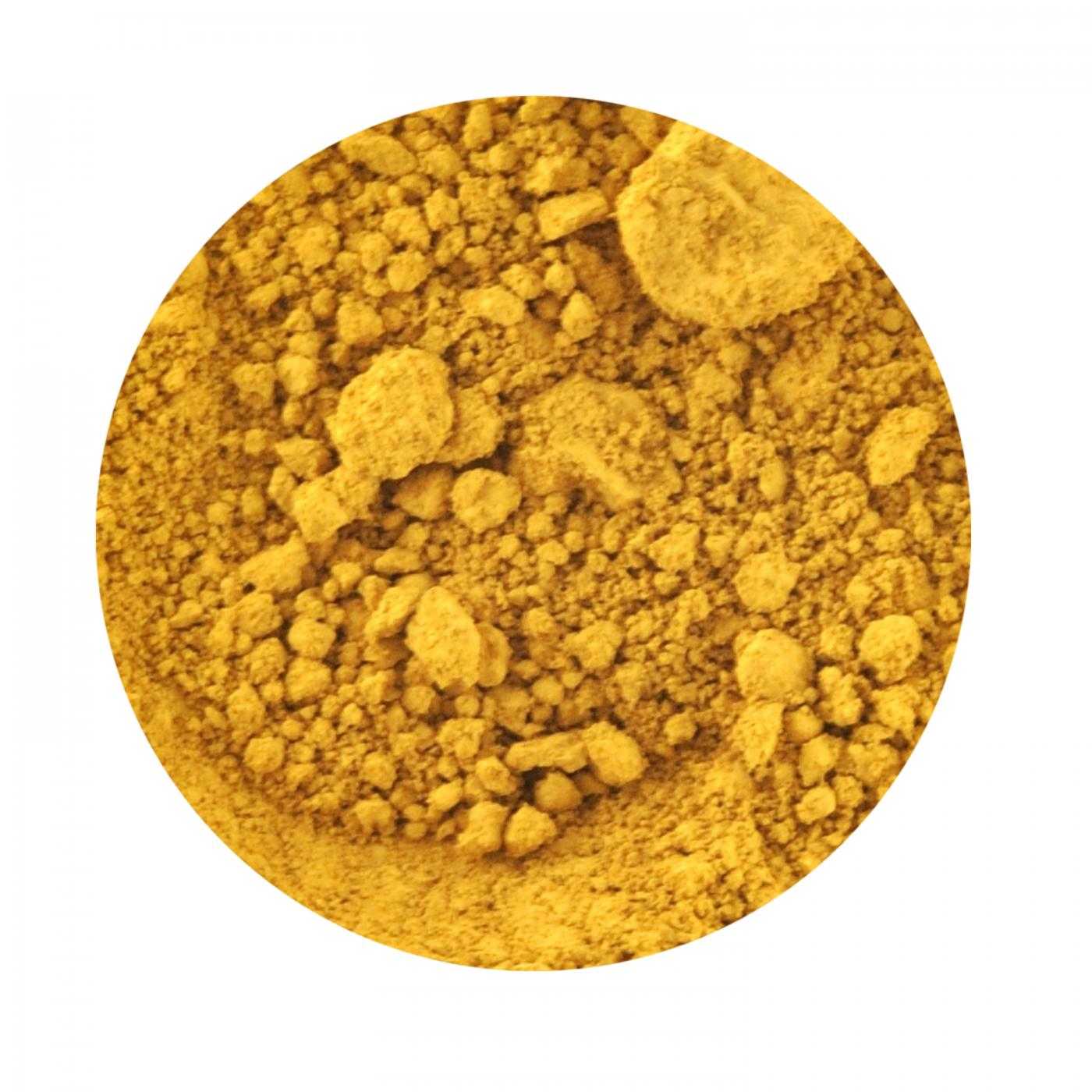
Yellow
Country of origin
Mexico
Processing method
ExtractionFiltration
Formulation phase
Oil phase
Function in formulation
Emollient
Recommended processing temperature
75 – 85 °C
Application area
FaceHairBodyLips
Recommended dosage range
1 – 15 %
Application type
Leave-onRinse-off
Certifications
Vegan
Natural Index (NI ISO 16128)
1,00
Natural Origin Index (NOI ISO 16128)
1,00
Renewable Carbon Content (RCC)
100 %

Product documentation

TDSTechnical Data Sheet
Physical parameters and processingPDF ↓
MSDSSafety Data Sheet
Available for purchased products —
Download all (ZIP)

1 PDF files in one archive

Learn how to work with it

From our blog
REVIEWS

Verified by customers.

No reviews yet.

Only customers with a delivered order can write reviews.