+421 950 333 113info@handymade.storeBlack Friday SUN: −10% on everything with code SUN10Shop now

ACTIVE INGREDIENTS

Coenzyme Q10, powder, 5 g

Pack size5 g10 g50 g100 g

Coenzyme Q10, also known as ubiquinone, is an antioxidant that occurs naturally in human skin as well. In cosmetics, it helps protect the skin from oxidative stress . full description

AvailabilityIn stock · 79 packs
Product codeAD005_005
BatchCOQ250813
Best before08/2027
€6.49incl. VAT€1,298.00/kg

Promotion until 29 Nov

with code SUN10 €5.84 (−10 %)

All promotion items

Lowest price in the last 30 days: €6.49

Product description

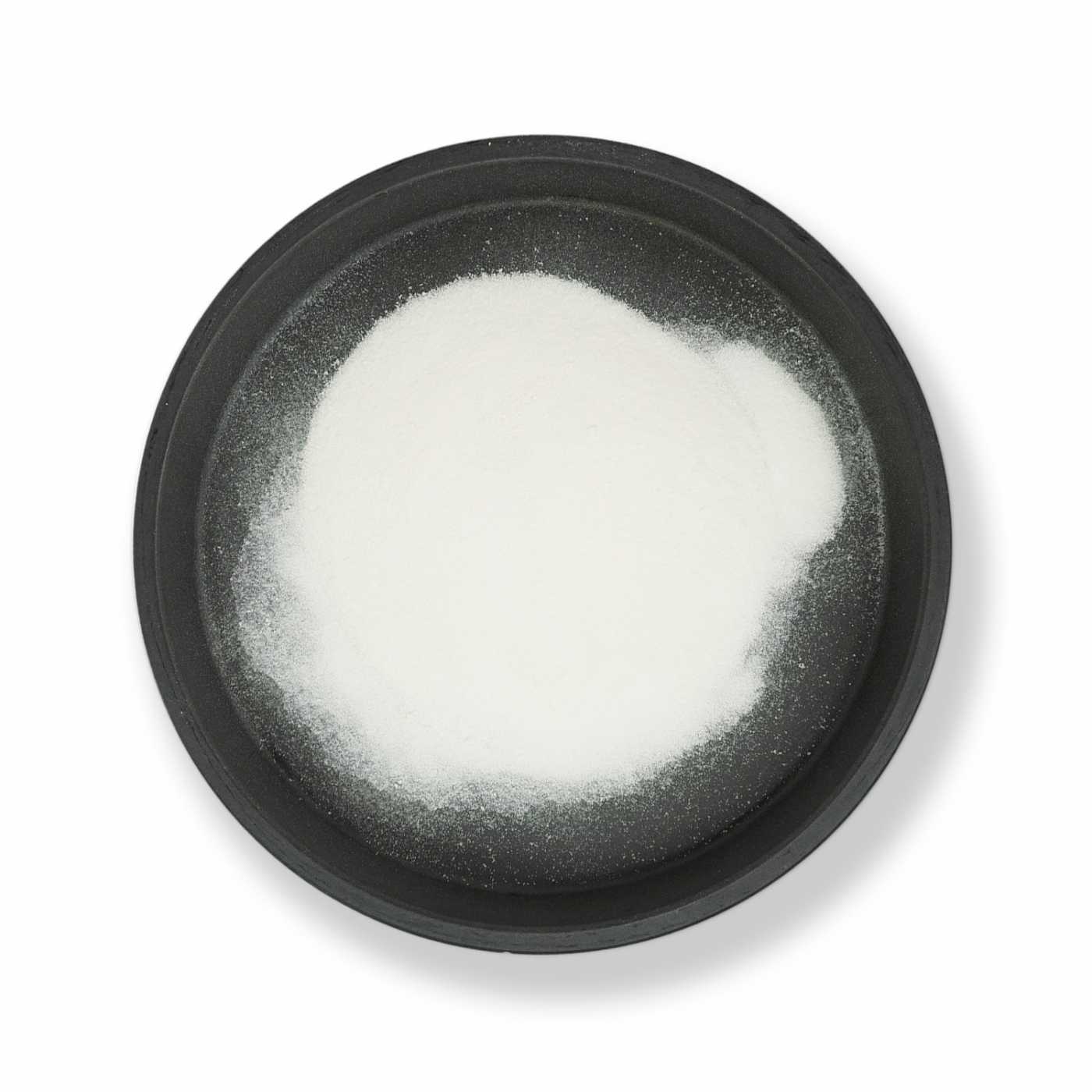
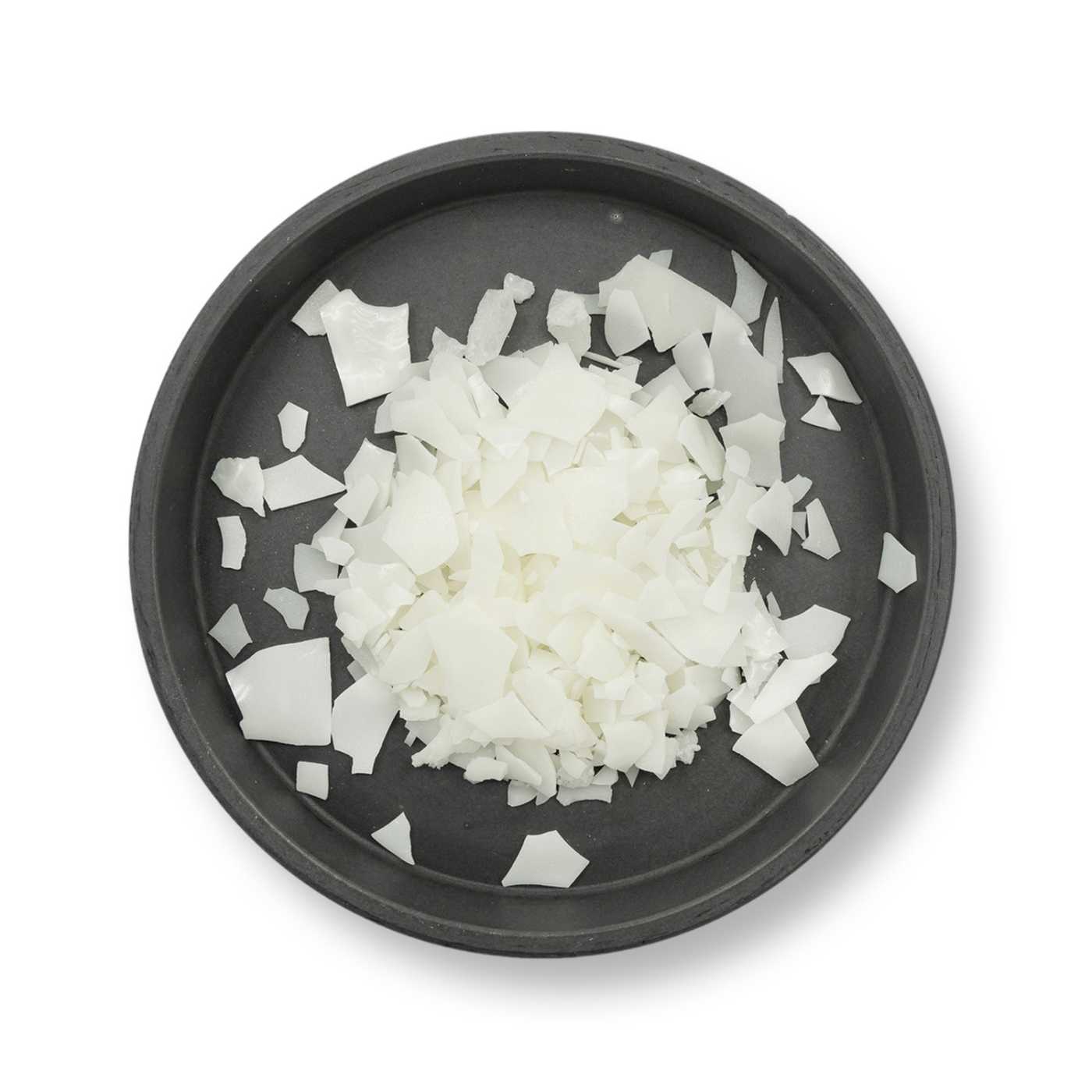
Coenzyme Q10, also known as ubiquinone, is an antioxidant that occurs naturally in human skin as well. In cosmetics, it helps protect the skin from oxidative stress. It is added mainly to creams, serums and oils for mature skin and the eye area. It is supplied as a pure powder without a carrier, so the full weighed amount counts toward the formulation.


How it works on the skin

Coenzyme Q10 is a vitamin-like substance that the body produces on its own. It is found in cell membranes, where it takes part in producing energy in the cells and protects the fats in the membranes from oxidation.

The body produces less of it with age. The amount in the skin is also reduced by UV radiation and other external influences. Cosmetic products bring it to the skin from the outside and support its protection against free radicals. It appears most often in care for mature skin, where oxidative stress is linked to visible signs of ageing.

The ingredient is obtained by fermentation from plant material, followed by extraction and purification. It contains no ingredients of animal origin and is also suitable for vegan cosmetics.


Key properties

  • Antioxidant protection – helps protect the skin from free radicals, which are generated, for example, by sun exposure.
  • Substance native to the skin – suitable for all skin types, including sensitive, dry and mature skin.
  • Content of at least 98% – the powder contains no carrier, preservatives or dyes.
  • Use in oil-based systems – it is incorporated into the oil phase of emulsions as well as into anhydrous serums, oils and balms.

Use in formulations

Coenzyme Q10 is insoluble in water. It dissolves only in oil, and even in vegetable oils only to a limited extent. It belongs in the oil phase or in an oil blend added in the cool-down phase. In the water phase, it would leave yellow particles. If its solubility in the oil is exceeded, it may precipitate irreversibly, especially in the cold. You should therefore also test the finished product in the refrigerator.

The powder is first stirred into part of the oil. Stir until the mixture is clear and free of crystals, and only then add it to the product. In formulations, it is usually pre-mixed in a separate beaker together with other oil-based active ingredients. Pre-mixing helps to distribute the small amount of powder evenly throughout the batch.

Let the oil blend with coenzyme Q10 cool before adding it to the product and check that it has remained clear. Grains or cloudiness mean that it has not dissolved completely in the given amount of oil.

The processing temperature should stay below 50 °C. The powder melts at 46–55 °C. Below this temperature it does not melt on its own and must be dissolved in the oil by stirring. Avoid prolonged heating above 50 °C.

The recommended usage rate is 0.05–1%, most often around 0.5% in creams and serums. The recommended pH of the finished product is 6.5–7.0. Coenzyme Q10 is not compatible with strong acids, alkalis and oxidising agents.


Suitable for products such as

  • Face creams and lotions – added dissolved in oil to the emulsion in the cool-down phase, especially in night care and products for mature skin.
  • Oil-based and anhydrous serums – dissolved in part of the oils and mixed into the rest of the blend.
  • Products for the eye area – eye serums and creams.
  • Balms and lip care – anhydrous products in which it is dissolved in the liquid oils of the formulation.
  • Body care and hand creams – body lotions, butters and oils.
  • Leave-in hair care – oils and serums for the hair and scalp.

Good to know

The main limitation is sensitivity to light. When UV radiation is combined with high temperature, coenzyme Q10 degrades quickly. Finished products belong in opaque packaging, ideally airless, away from sunlight and sources of heat.

It is almost always combined with tocopherol (vitamin E), which complements its antioxidant effect. In formulations, rosehip oil, squalane, jojoba oil and rosemary extract are also often added to it.

Menthol and some essential oils change its behaviour during dissolving. With coenzyme Q10 they form a mixture with a lower melting point, which can make it easier to dissolve in the oil phase.

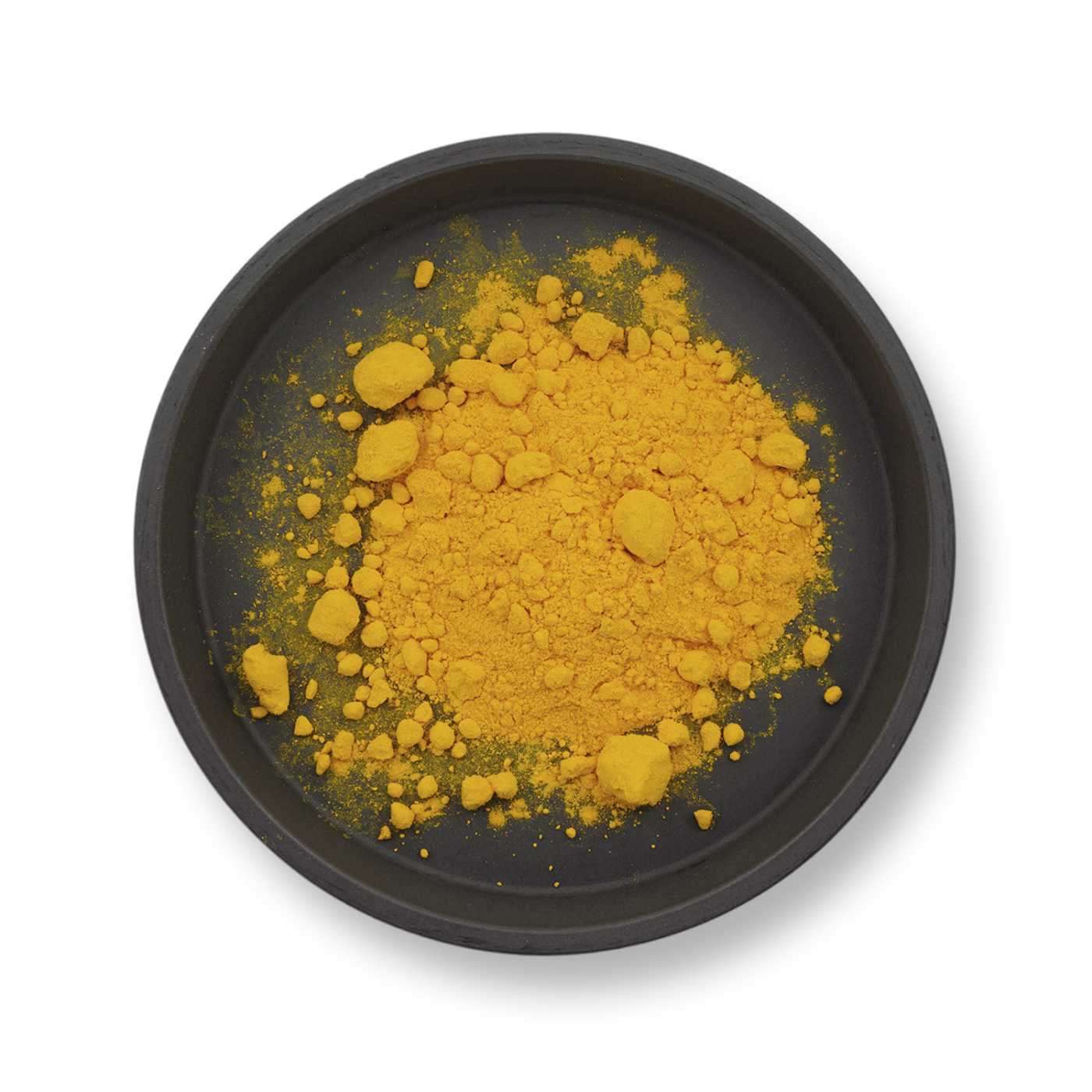
The yellow to orange colour is inherent to the substance itself. It may tint the product slightly yellow, which is common with this ingredient.

Avoid raising dust when weighing. If dust is raised, ventilate the room.


Frequently asked questions

Is coenzyme Q10 soluble in water?
No, coenzyme Q10 is insoluble in water and dissolves only in oil. In powder form, it is therefore not suitable for toners, gels and other purely water-based products, as yellow particles would remain in them. In emulsions, it is added dissolved in the oil phase or in an oil blend in the cool-down phase.
How do I add coenzyme Q10 powder to a cream?
Coenzyme Q10 is first dissolved in a small amount of oil and is added to the cream only as a clear oil blend. It is dissolved at temperatures of up to 50 °C, usually together with tocopherol. The blend is mixed into the emulsion in the cool-down phase. Crystals in the oil mean that it has not dissolved completely yet.
What is the usage rate of coenzyme Q10 in cosmetics?
Coenzyme Q10 is used at 0.05–1% of the product weight. In creams, face lotions and serums, around 0.5% is used most often. The powder contains at least 98% of the active substance, so the weighed amount is not recalculated. At higher usage rates, check whether it has dissolved completely in the oil.
Does coenzyme Q10 tint a cream yellow?
Yes, coenzyme Q10 may tint the product slightly yellow. The powder is yellow to orange because that is the colour of the substance itself, and it contains no dyes. A yellowish tone in a cream or serum is common with this ingredient and does not indicate a defect in the product.
What is coenzyme Q10 most often combined with?
Coenzyme Q10 is most often combined with tocopherol, that is, vitamin E. Both substances are oil-soluble antioxidants and can be pre-mixed together in a single oil blend. In formulations, it is often complemented by rosehip oil, squalane, jojoba oil or rosemary extract.
Is coenzyme Q10 suitable for soap?
No, coenzyme Q10 is not recommended for soap. It is not compatible with strong alkalis and acids, and the recommended pH of the product is 6.5–7.0, which an alkaline soap base does not meet. The ingredient is intended for leave-on cosmetics with a neutral pH, such as creams, face lotions, oil serums and balms.

Parameters

INCI
Ubiquinone
CAS No.
303-98-0
EC number
206-147-9
Product colour
OrangeYellow
Country of origin
China
Processing method
Fermentation
Appearance
Powder
Formulation phase
Oil phaseCool-down phase
Recommended processing temperature
< 50 °C
Function in formulation
Active ingredientAntioxidant
Recommended usage rate
0,05 – 1 %
Recommended formulation pH range
6,5 – 7,0
Application type
Leave-on
Certifications and declarations
Vegan
Manufacturer's certificate
COSMOS Approved
Natural Index (NI ISO 16128)
1,00
Natural Origin Index (NOI ISO 16128)
1,00
Organic content
0 %
Renewable Carbon Content (RCC)
100 %

Product documentation

CoACertificate of Analysis
batch COQ250813PDF ↓
batch COQ-240603PDF ↓
TDSTechnical Data Sheet
Physical parameters and processingPDF ↓
SDSSafety Data Sheet
Available for purchased products —
Download all (ZIP)

3 PDF files in one archive

Learn how to work with it

From our blog
M. K.24 Nov 2026EN

Verified purchase

Dorota K.16 Nov 2026SK

Verified purchase